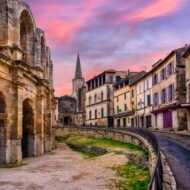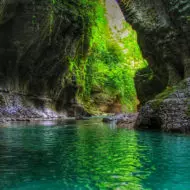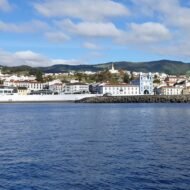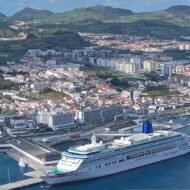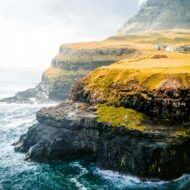


There is a Europe that doesn’t appear in summer travel guides. It exists in the same geography — same coastlines, same mountain valleys, same ancient towns — but it operates on a different calendar. It is the Europe that locals know to find in July and August while everyone else is queuing at the obvious places.
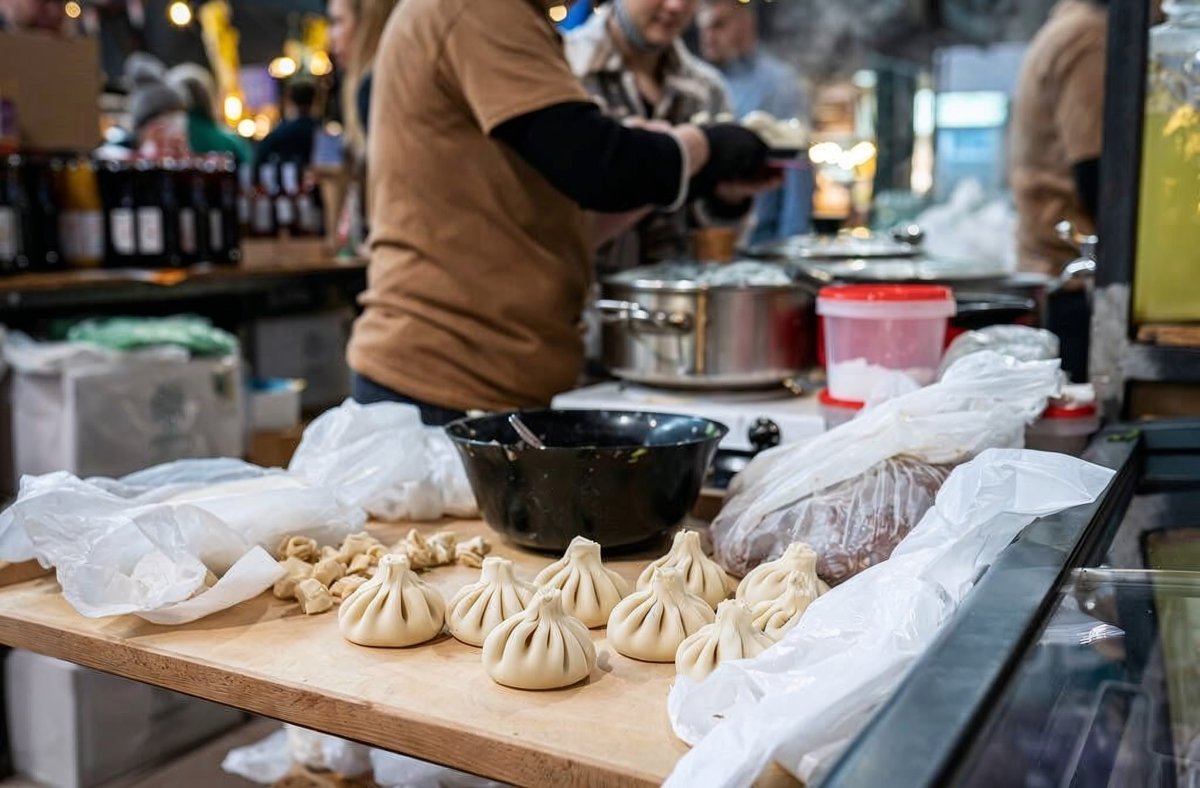
This is the Europe of the market at six in the morning before the heat arrives. The village feast that has been happening on the third Saturday of August for four hundred years and that no tourism board has thought to promote. The fishing port where the catch comes in at dawn and is sold, cooked and eaten within three hours of leaving the water. The mountain alm where the cheese is made twice a day from cows that have been on the high pasture since June.
It is not hidden, exactly. It simply requires a different kind of attention.
The season changes everything
Summer is when the difference between tourist Europe and living Europe becomes most visible — and most navigable. The crowds concentrate in the obvious places. Santorini, the Amalfi Coast, Dubrovnik’s old town in July. While those places are performing their roles as backdrops, the rest of Europe gets on quietly with being itself.
Travelers in 2026 are increasingly moving beyond traditional hotspots to discover less crowded locations that provide authenticity, local culture and unique experiences. What the data doesn’t capture is that this isn’t just a trend — it’s a return to something that was always there, waiting.
The Slow Food Travel philosophy — which we’ve covered in depth in our guide to the movement — applies to summer with particular force. It’s about eating what locals actually eat, staying in places that give back to the land, and letting the food on your plate tell the story of wherever you are. In summer, that story is at its most vivid. Tomatoes that genuinely taste of something. Bread that is made the same morning you eat it. Wine that has never left the valley it came from.
Where to find it
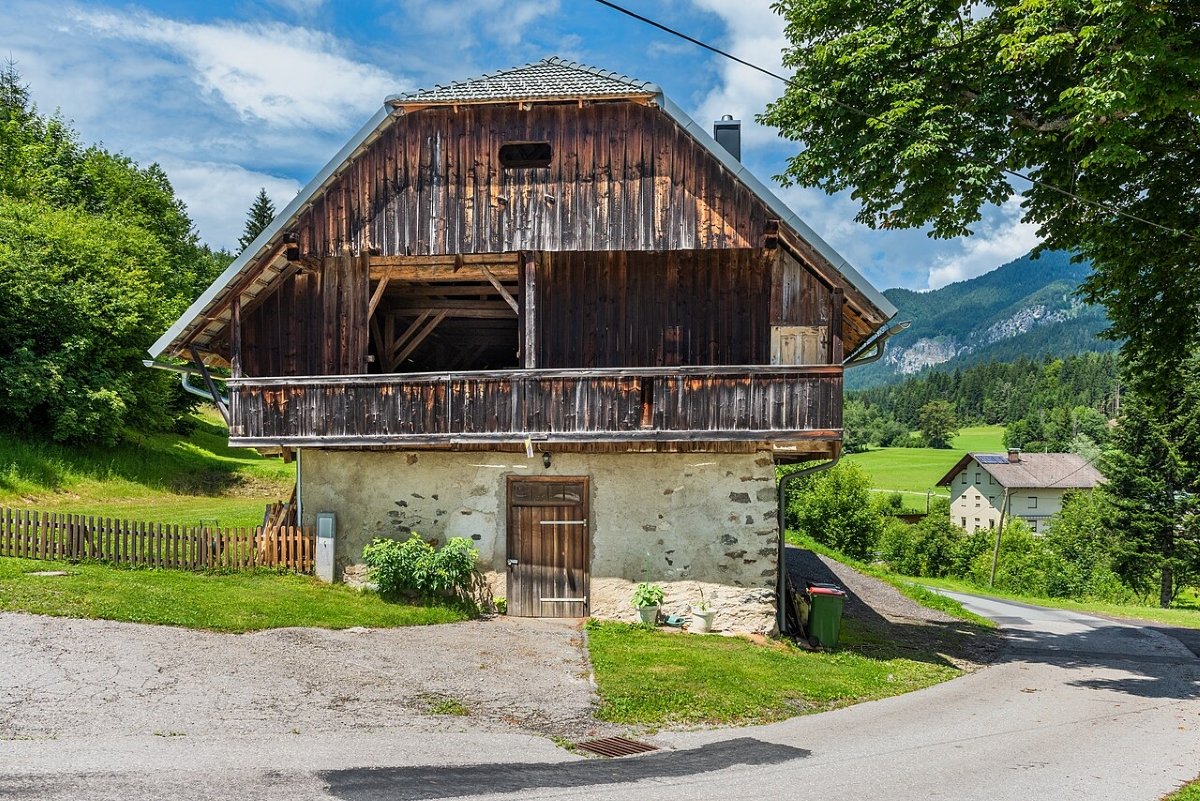
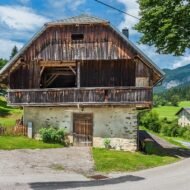
The world’s first Slow Food Travel destination sits in Carinthia, Austria — the Gailtal and Lesachtal valleys, where local food artisans and food producers have always lived the Slow Food philosophy in this tranquil, almost silent border region in the south of Austria. In summer these valleys are at their most extraordinary — the Alpine meadows are full, the cheese is being made daily, the bread ovens are running. Yet the crowds that fill Hallstatt an hour away have never heard of Nötsch im Gailtal.
In the Dolomites, the Odles Slow Dolomites region invites visitors to watch producers work, connecting with farmers and cheesemakers who are the authentic narrators of their local landscape. This is summer travel that leaves you with something the Amalfi Coast cannot give — the actual knowledge of how a place feeds itself.
Further east, the Caucasus opens a different chapter entirely. The Greater Caucasus Mountain region lies along the ancient Silk Road, where pristine nature and remote mountain villages make it the perfect destination for outdoor adventures and gastronomic discovery. Georgia’s summer is extraordinary — the wine tradition here predates European viticulture by thousands of years, and the supra feast tradition — a table that keeps growing as long as guests remain — is perhaps the most generous food culture on the continent.
The practice of it
Slow Food Travel in summer is not a passive experience. It asks something of you. Those who commit to the programme are happy to lend a hand — to help out, to experience how bread or cheese wheels, golden honey or polenta are created. That participation is the point. You leave understanding something about a place rather than simply having been there.
Culinary tourism has become a main travel motivator in 2026, with food becoming the primary reason destinations are chosen. But there is a difference between eating well and understanding what you are eating. The first is available almost anywhere. The second requires going to where the food originates — and in summer, origin is visible everywhere. The olive trees are heavy. The vines are running. The fishing boats leave before dawn.
The practical approach is simple: choose one region and stay longer than feels comfortable. The instinct to move — to cover ground, to tick places off — is the enemy of this kind of travel. A week in a single Slow Food valley will give you more than a fortnight across five countries. Go to the market every morning. Eat where the producers eat. Ask what is ready now, this week, in this specific place.
The summer no guide book covers
The places worth finding in summer are not secret. They are simply not performed for visitors. The village feast, the morning market, the cheese made twice daily on the high pasture — these things happen regardless of whether any tourist is present to witness them. The invitation is to be present without being the point of it all.
That is what the Slow Food Travel movement has understood since its foundation — and what summer makes most possible. The season strips everything back. The food is at its most honest. The places are at their most themselves.
This is the summer Europe saves for itself. It is available to anyone willing to travel at a different speed.