

Bad Gastein — The Alpine Spa Town the World Forgot
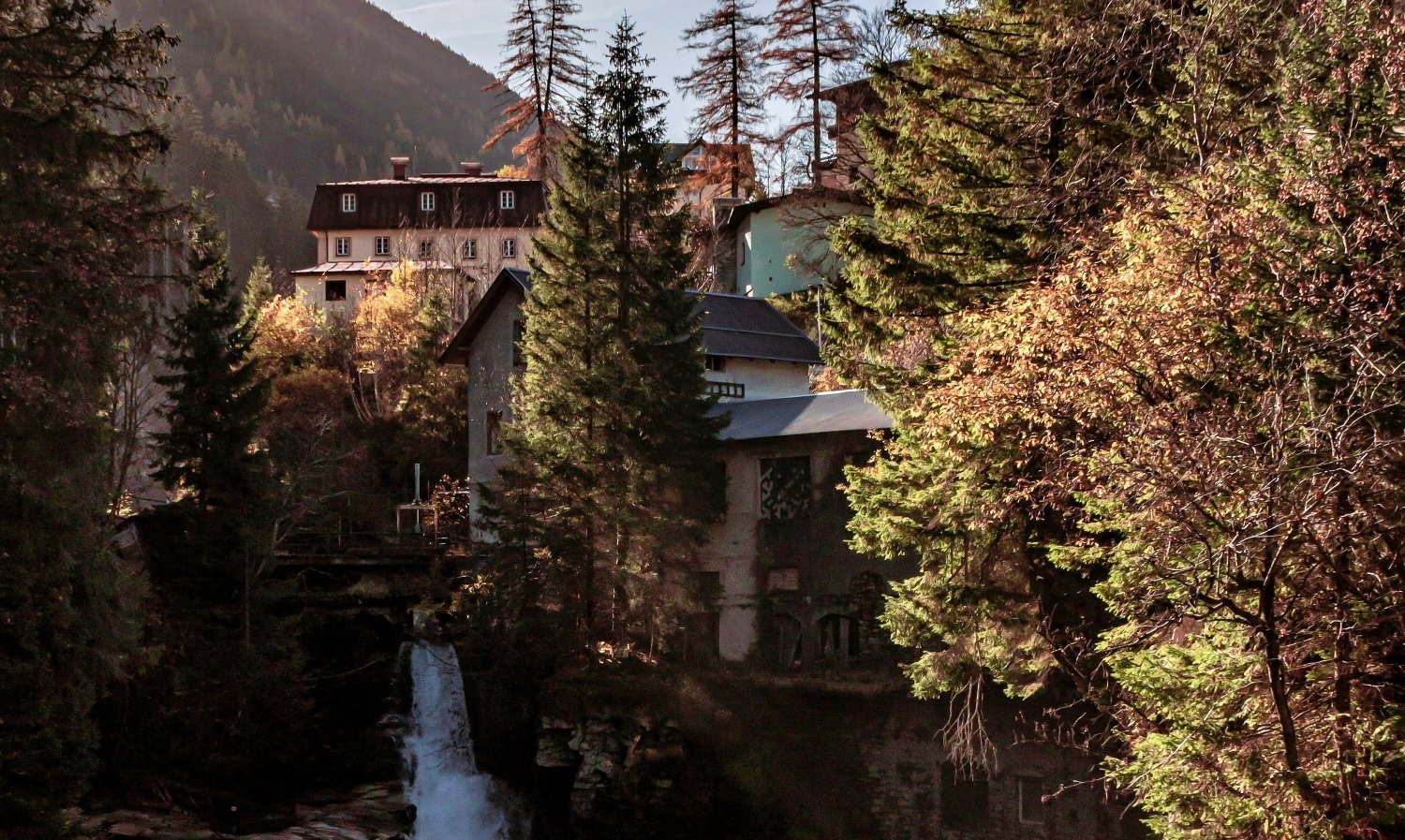
There is a waterfall running through the middle of the town.
- What Bad Gastein actually is
- The thermal water — what makes it different
- The two thermal baths — which to choose
- The Gasteiner Heilstollen — the thermal tunnel
- The architecture — what to actually look at
- Stubnerkogel — the suspension bridge
- The Gastein Card
- Getting there
- When to go
- Where to stay
- Practical information
- You might also like
Not beside it, not overlooked from a terrace — through it. The water comes off the glaciers of the Hohe Tauern National Park above, gathers itself in the mountains, and drops through Bad Gastein in a series of cascades that split the town in two, fill it with a constant low roar, and generate the particular mist that hangs in the streets on cold mornings. The Belle Époque hotels on either side of the gorge were built to face the water. Their architects understood that the waterfall was the point — not a feature, but the reason.
Bad Gastein reached its peak sometime around 1900. Emperors came. Bismarck came. The King of England came for the waters. The grand hotels went up one after another along the gorge — wedding-cake facades, wrought-iron balconies, windows designed to frame the cascade. The thermal springs were the draw: five million litres of mineral-rich water bubbling to the surface every day at 17 thermal springs, at temperatures between 44°C and 47°C, filtered through rock over three thousand years.
Then the twentieth century happened — two wars, an Iron Curtain, shifting tastes, the rise of the package holiday — and Bad Gastein receded from the consciousness of international travel. The grand hotels aged. Some closed. The town acquired a faded quality, an atmosphere of grandeur that had outlasted its original audience.
This is precisely what makes it worth going now.
What Bad Gastein actually is
Bad Gastein is a small Alpine town in the Gasteinertal valley in the Salzburg region of Austria, sitting at around 1,000 metres above sea level. The word Bad in the name means spa in German — the local council formalised it only a decade ago — and Gastein relates to the water of the river and waterfall. The thermal springs have been known since the Middle Ages.
The town has three things that distinguish it from every other Alpine spa destination in Europe. First, the waterfall — genuinely dramatic, genuinely central, not a background detail. Second, the Belle Époque architecture — from an architectural point of view, Bad Gastein is most certainly one of the most exciting places in the Alps, a statement that sounds like marketing copy but is, architecturally, accurate. Third, the thermal water itself — not simply hot spring water but radon-laced mineral water with a specific therapeutic profile that has been studied since the nineteenth century.
What it doesn’t have, or doesn’t have in the way that more famous Alpine destinations do, is crowds. The town has never fully recovered its pre-war fashionability. For the traveler, that’s the advantage.
The thermal water — what makes it different
Not all thermal water is equal. Bad Gastein’s springs are unusual because they contain naturally occurring radon, a radioactive gas that occurs in trace amounts in certain geological formations. The therapeutic application of this — in the Gasteiner Heilstollen, a thermal tunnel carved into the mountain where patients breathe the radon-rich air — has been practiced since the 1940s and is still used today for joint conditions, fibromyalgia, and respiratory complaints.
The outdoor visitor doesn’t need to concern themselves with the therapeutic specifics. What matters practically is that the water reaches Bad Gastein in its purest form, filtered through rock over three thousand years, at temperatures that make outdoor bathing in winter feel genuinely extraordinary rather than merely warm.
The two thermal baths — which to choose
Felsentherme
The Felsentherme sits at an altitude of 1,100 metres with a panorama wellness area featuring eight different saunas and steam baths, an outdoor thermal spring with a hot relaxation pool at 34°C, and a 25-metre sports pool. It is carved into the rock face above the town — hence the name, Felsen meaning rock — and has the character that the larger Alpentherme lacks. The changing rooms are communal, the atmosphere is Austrian rather than international wellness resort, and the views from the sauna level across the valley are the best available from any point in the town without walking uphill for an hour.
The Felsentherme is the first public thermal spa in Austria. That history is present in the architecture — it feels like a building that knows what it is and has no interest in being anything else. The water slide is not very long but the children don’t seem to mind.
Practical: Day ticket (thermal + sauna): Adult €50.50, Children 6–15 years €28. Children under 6 free. Monday–Wednesday 09:00–21:00, Thursday–Saturday 09:00–22:00, Sunday 09:00–21:00. A €1–2 discount applies with the Gastein Card.
Alpentherme
The Alpentherme in the neighbouring town of Bad Hofgastein — fifteen minutes by free bus with the Gastein Card — is larger, more modern, and more suited to families with children. If you want to experience both, plan one day at Felsentherme and the next at Alpentherme. The bus from Bad Gastein to Bad Hofgastein takes 15–20 minutes and is free with the Gastein Card.
The choice between them is essentially character versus comfort. Felsentherme has more of the former. Alpentherme has more of the latter.
The Gasteiner Heilstollen — the thermal tunnel
This is the element of Bad Gastein that has no equivalent anywhere else in Europe.
The Heilstollen is a former gold mine tunnel dug into the mountain above Bad Gastein, now used as a therapeutic facility where patients enter the tunnel by a small train, sit in chambers of warm radon-rich air at 37–41°C and 70–98% humidity, and remain for a prescribed duration. The treatment is used medically for inflammatory joint conditions, psoriasis, and respiratory complaints, and requires a doctor’s assessment before beginning a course.
For the visitor without a specific medical need, a single visit is available and the experience is genuinely unusual — the silence of the mountain above you, the warmth, the quality of the air. Whether the therapeutic claims hold for a casual visitor is uncertain. That it is unlike anything else in the Alps is not.
The architecture — what to actually look at
The Belle Époque facade of Bad Gastein is best understood by walking the main street on both sides of the gorge and looking at the buildings with the understanding that they were designed for an audience that had travelled from Vienna, London, and St Petersburg.
The key buildings: the Grand Hotel de l’Europe (now partly residential, partly hotel, the facade intact), the Hotel Weismayr (still operating, one of the most beautiful hotel buildings in the Austrian Alps), and the Kaiserbad — the historic imperial baths building above the main waterfall, now converted but the exterior worth studying.
The waterfall itself is most dramatic in late spring when the snowmelt is at its strongest, and most atmospheric in winter when ice formations develop on the rock faces on either side of the cascade. The view from the bridge directly above the main drop, looking down at the pools below and up at the hotel facades on either side, is the essential Bad Gastein photograph — though it has been taken so many times by now that finding a quiet moment requires arriving early.
Stubnerkogel — the suspension bridge
The most iconic image of Bad Gastein is the waterfall cascading through the middle of the town, but the second most distinctive experience is the suspension bridge on the Stubnerkogel cable car at 2,200 metres. The bridge spans 120 metres across a mountain ridge with a 130-metre drop below it. The view of the Hohe Tauern peaks on a clear day is as close to the experience of being inside a nineteenth-century Alpine landscape painting as modern infrastructure can produce.
The cable car runs year-round except for maintenance periods. Combined with a morning at Felsentherme, it makes for a full and satisfying day — altitude and cold air in the morning, warm water and sauna in the afternoon.
The Gastein Card
Every guest staying in Bad Gastein accommodation receives the Gastein Card automatically. The card gives free use of local buses, free guided half- and full-day hikes, and substantial discounts at local thermal baths and the Gasteiner Heilstollen. It is one of the more genuinely useful destination cards in the Austrian Alps — the free bus alone, connecting the Gastein valley towns, justifies its existence.
Ask your accommodation about it on arrival if it isn’t offered automatically.
Getting there
Bad Gastein is a scenic 1 hour 30 minute train ride from Salzburg on the Tauern railway — one of the more beautiful Alpine rail journeys in Austria, passing through the Salzach valley and climbing into the mountains through a series of tunnels and viaducts. Renovations to the Salzburg–Bad Gastein rail line completed in 2025, making the journey smoother than it has been for years.
From Salzburg by car: approximately 1 hour 20 minutes via the A10 motorway and the B167 valley road. The drive through the Gasteinertal is worth doing in daylight — the valley narrows progressively as you climb, and the scale of the mountains increases accordingly.
From Vienna: approximately 3 hours 30 minutes by direct train. The EC services are the most comfortable option. Use the Schengen Calculator if combining Austria with other EU countries on a longer trip.
When to go
Winter (December–March) is the most dramatic season. The ice formations on the edges of the waterfall, the snowy mountain views, and the particular pleasure of outdoor thermal bathing in cold air make winter the most atmospheric period for the thermal experience. The Felsentherme is at its best when snow is falling outside the outdoor pool windows.
Note: the Graukogel ski area closed permanently in November 2025, reducing the skiing available to the Stubnerkogel and the connection to Bad Hofgastein. Bad Gastein is now more clearly a spa and hiking destination than a ski resort — for the Slow Escapes reader, this is clarifying rather than disappointing.
Spring (April–May) brings the strongest waterfall — snowmelt fills it to its most powerful. The valley wildflowers arrive in May. The town is at its quietest and accommodation prices are at their lowest.
Summer (June–September) is warm at altitude in a way that remains comfortable when the lowlands are hot. Hiking in the Hohe Tauern begins in earnest from June. The Gastein Card summer hiking program is excellent.
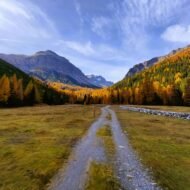
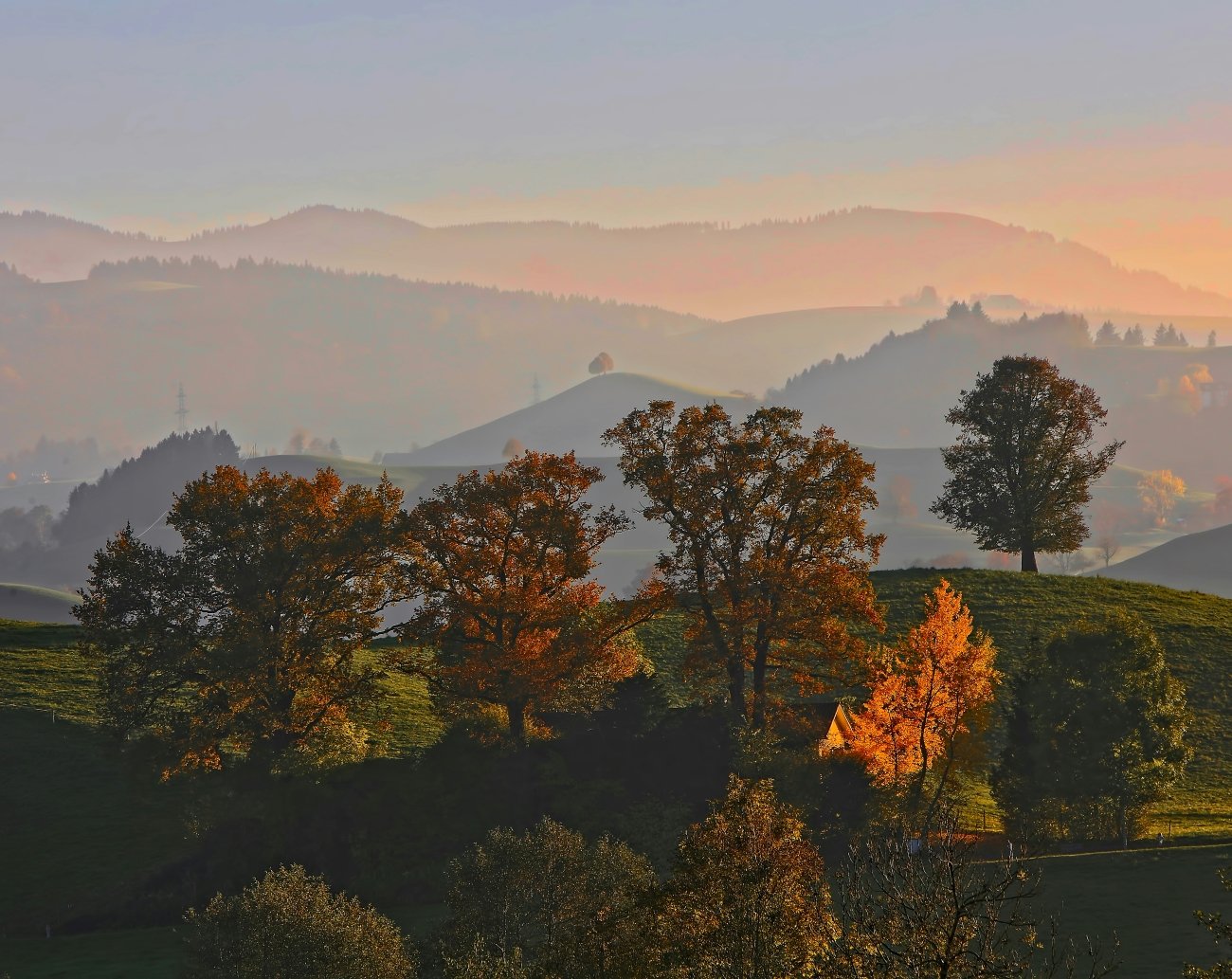
Autumn (September–October) brings the larch forests to gold — the Alpine equivalent of the Baltic birch colour, and equally worth timing a visit around. The thermal baths are warm, the trails are empty, and the light on the Belle Époque facades in October afternoon sun is the best available.
Where to stay
Hotel Weismayr — the most beautiful historic hotel still operating in Bad Gastein. The Belle Époque building on the main street has been carefully maintained without being frozen in amber. The thermal water connection is direct — the hotel pipes the Gastein mineral water to guest bathrooms. Book well in advance for the rooms facing the waterfall.
Hotel Miramonte — mid-range, reliable, with strong mountain views from the upper floors. Better value than most comparably positioned properties.
Urban Nature Bad Gastein (Badeschloss Spa) — the design hotel option, deliberately retro in aesthetic, with the best bar in town and a genuinely good spa. Somewhat self-consciously cool with lovely panoramic views from most rooms, a relaxed bar and stylish restaurant. Worth knowing: there is no TV service as a deliberate design choice, which functions as an involuntary digital detox.
Practical information
Gastein Card: Issued automatically by all registered accommodation. Ask if not provided. Free buses, guided hikes, thermal bath discounts.
Getting around: The valley bus connects Bad Gastein, Bad Hofgastein, and Dorfgastein. Free with Gastein Card, running every 15–20 minutes during the day.
Ski note: The Graukogel lift permanently closed November 2025. The Stubnerkogel cable car and the connection to Bad Hofgastein via Angertal remain open. Bad Gastein is no longer the ski resort it once was — if skiing is the primary purpose, Bad Hofgastein or Sportgastein are more suitable bases.
Language: German. English is widely spoken in hotels and restaurants. Austrian patience with non-German speakers is considerably better than Viennese patience.
Currency: Euro.
You might also like
- Lake Hévíz — the world’s largest thermal lake, Hungary
- Abano Terme — Italy’s thermal spa capital in the Veneto
- Bukowina Tatrzańska — thermal baths at the foot of the Polish Tatras
- Winter spa retreats in Europe 2026
- Slow Escapes — thermal springs, mountain retreats and restorative travel
- Schengen Calculator — know your days before you travel
Editorial content by George C. All recommendations are editorially independent. Accommodation links are affiliate links — if you book through them, The Wanders receives a small commission at no additional cost to you.