

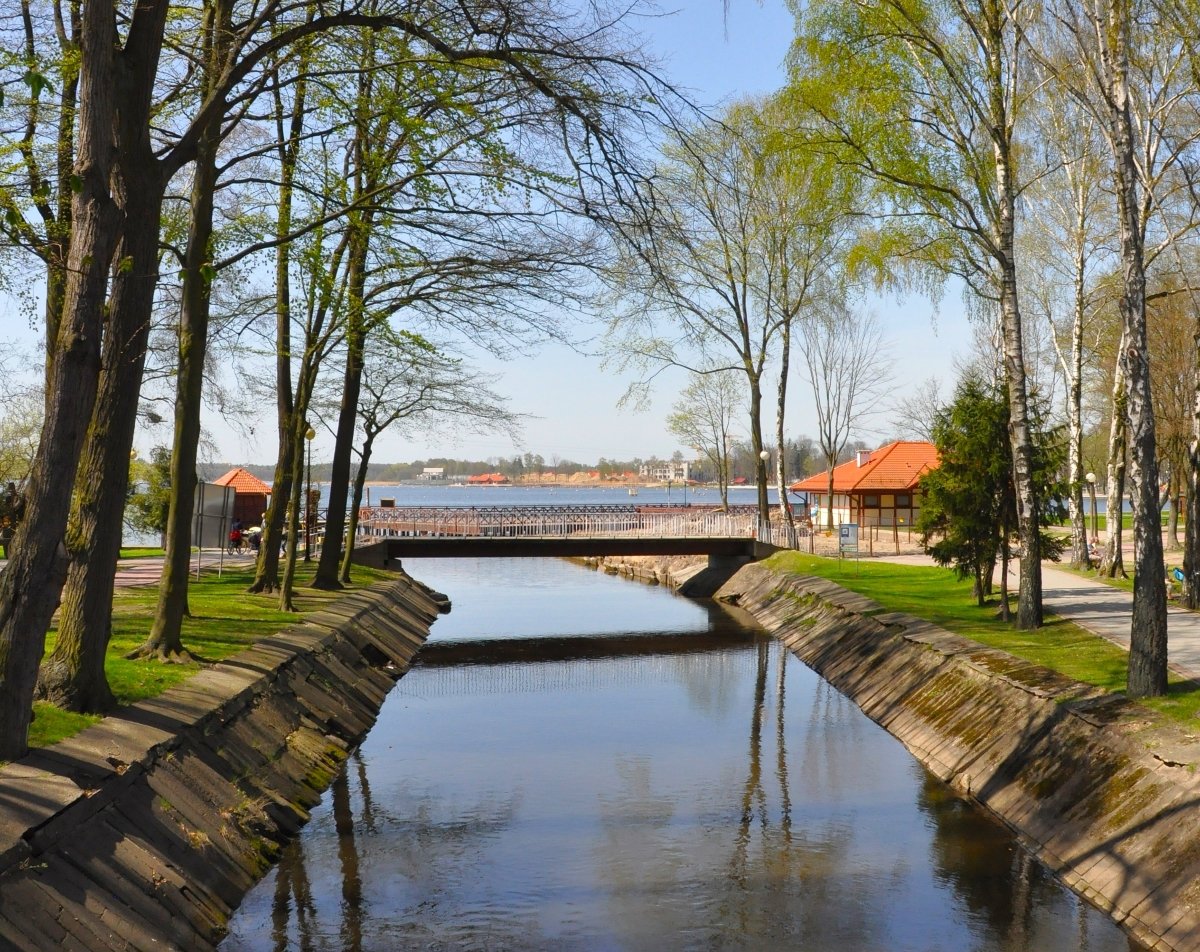
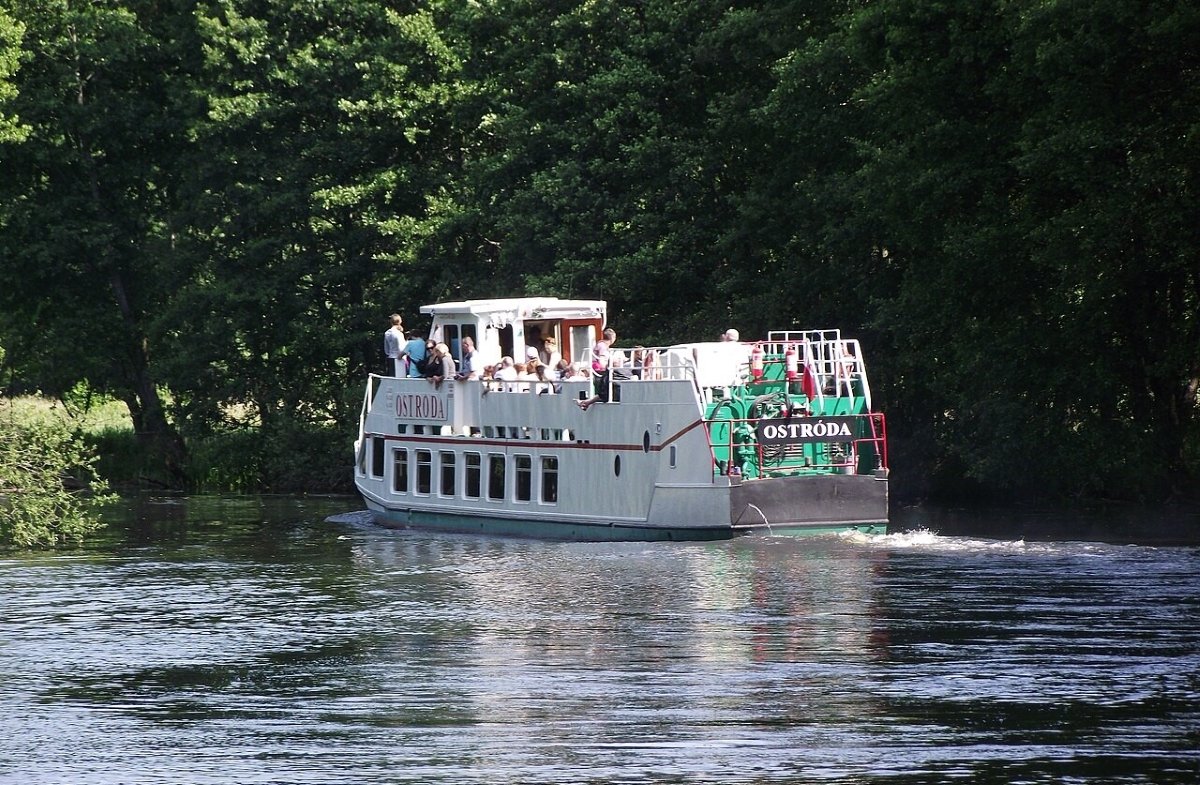
Elbląg Canal travel guide , The Elbląg Canal in northern Poland is one of the world’s last working inclined plane canals — where boats literally travel over land on wheeled cradles. It’s a UNESCO-nominated engineering marvel, a scenic natural retreat, and one of the most unique boat trips on Earth. If you’re anywhere near Warmia-Mazury, this is unmissable.
- Wait — Boats That Climb Hills? Yes, Really.
- 📋 Know Before You Go
- A Little History
- The Inclined Planes: What Actually Happens
- Planning Your Trip: Routes & Options
- What to See Along the Way
- When to Go
- Getting There
- Where to Stay
- What to Eat & Drink
- Practical Tips
- Budget Breakdown (Rough Guide)
- The Elbląg Canal vs. Other Canal Trips: Why This One’s Different
- Recap: Why the Elbląg Canal Belongs on Your Bucket List
Wait — Boats That Climb Hills? Yes, Really.
Let’s get one thing straight before we dive in: the Elbląg Canal doesn’t just float boats from A to B. It rolls them. On tracks. Up and down hillsides. Using a system of inclined planes and water-powered machinery that hasn’t changed much since 1860.
That’s not a theme park gimmick. That’s 19th-century engineering still doing its job, every single day, between May and September. And if that doesn’t make you want to book a trip immediately, read on — because there’s a lot more to love here.
📋 Know Before You Go
| Detail | Info |
|---|---|
| Location | Warmian-Masurian Voivodeship, northeastern Poland |
| Nearest city | Elbląg (northern end); Ostróda (southern end) |
| Total length | ~82 km (full route) |
| Operating season | May – September (peak: June–August) |
| Full cruise duration | ~11 hours one way (Elbląg ↔ Ostróda) |
| Number of inclined planes | 5 (plus 2 locks) |
| Elevation change | ~99.5 metres over ~10 km |
| Currency | Polish Złoty (PLN) |
| Language | Polish; basic English spoken at tourist points |
| Best for | History buffs, nature lovers, photographers, slow travelers, families |
| Accessibility | Limited — narrow vessels, steep boarding; check ahead if needed |
| Nearest airport | Gdańsk (GDN), ~90 km from Elbląg |
| UNESCO status | On Poland’s tentative list for World Heritage |
A Little History
The Elbląg Canal — known locally as Kanał Elbląski — was designed by Prussian engineer Georg Jakob Steenke and built between 1844 and 1860. The challenge it solved was genuinely tricky: how do you connect the Drużno Lake near Elbląg with the Masurian lake district around Ostróda when there’s an 100-metre difference in elevation across a relatively short distance?
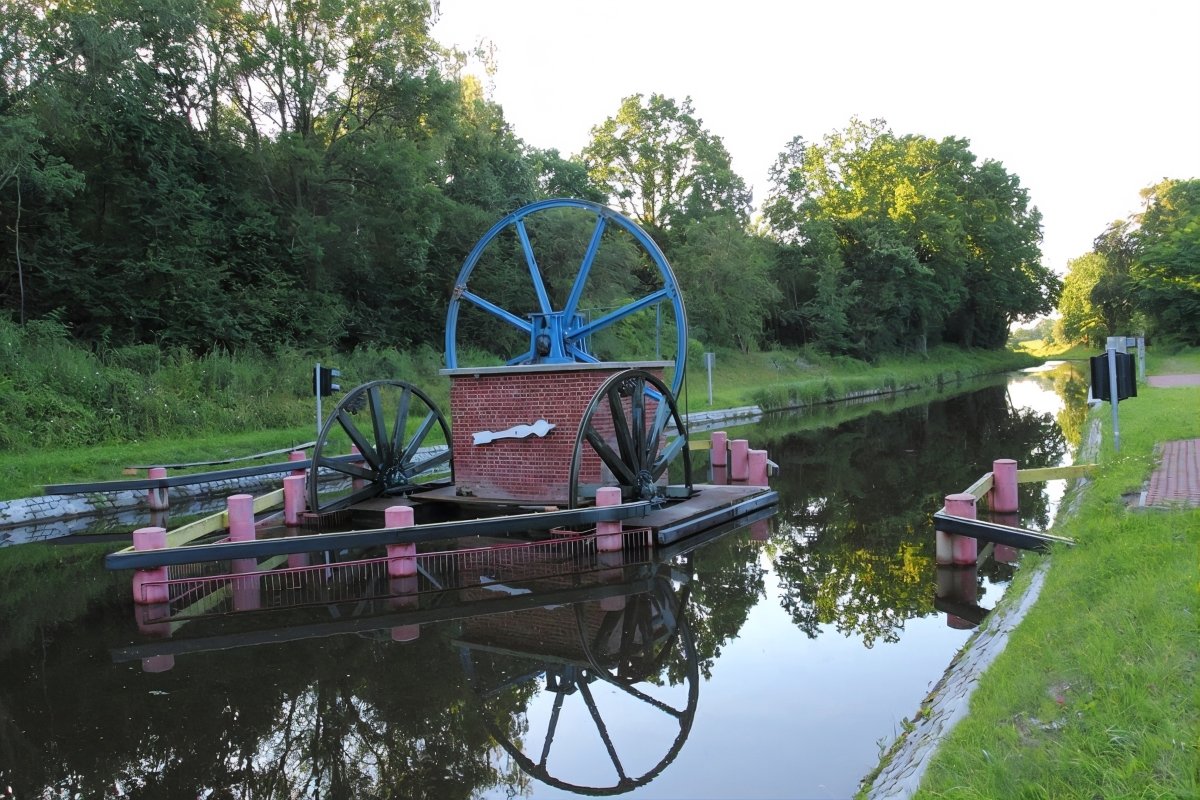
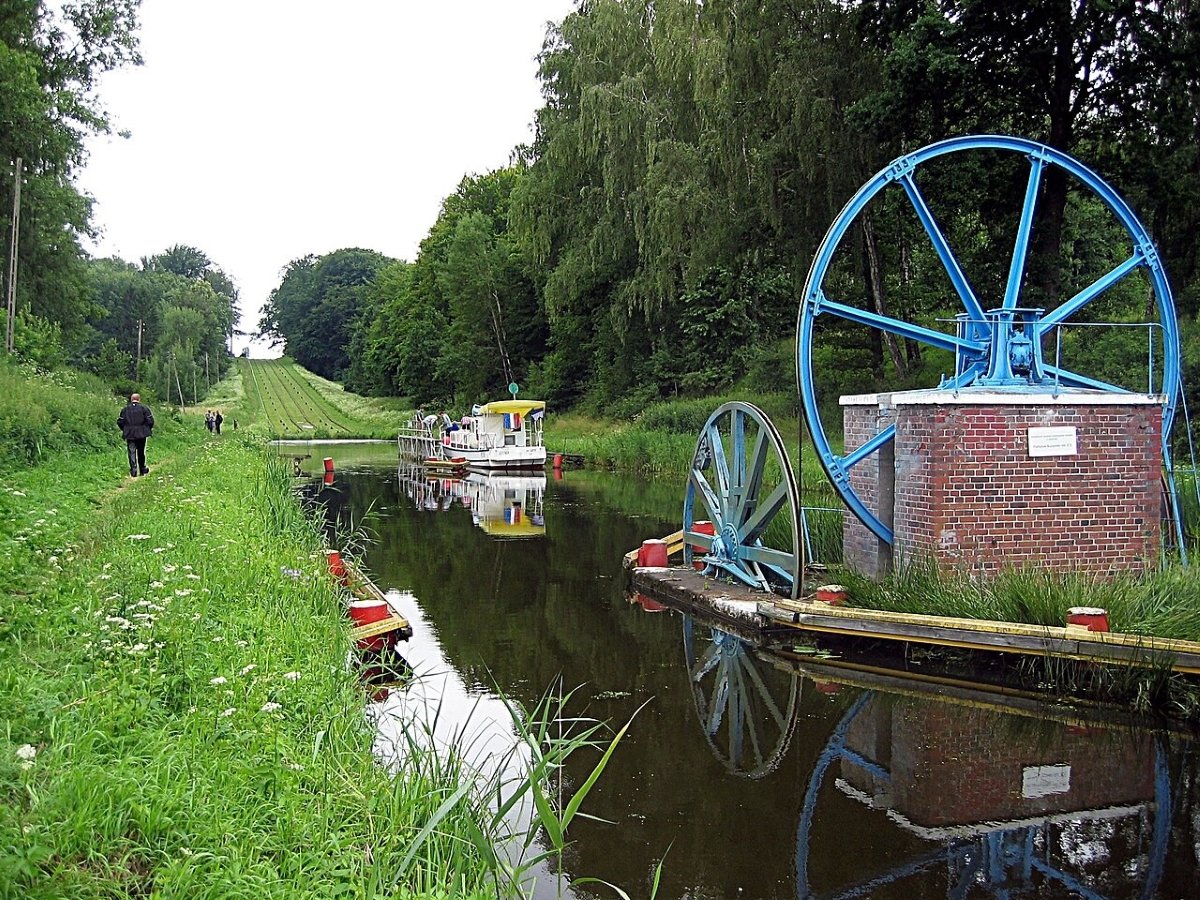
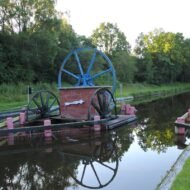
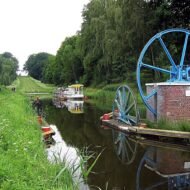
Steenke’s solution was genius. Instead of building dozens of water locks (which would have been slow and water-hungry), he designed five inclined planes — sloped ramps on which boats are loaded onto wheeled cradles and hauled up or lowered down using a cable system powered by… water wheels. No electricity. Just physics and water.
The canal opened in 1860, served commercial shipping for decades, and survived both World Wars. Today it’s primarily a tourist attraction and one of Poland’s most distinctive engineering landmarks. It holds the title of the only working canal of this type in the world — a living, functioning antique.
The Inclined Planes: What Actually Happens
This deserves its own section because it’s genuinely wild to watch — and even wilder to experience.
When your boat reaches one of the five inclined planes (located at Całuny, Jelenie, Oleśnica, Buczyniec, and Kąty), here’s what goes down (sometimes literally):
- Your boat sails into a submerged cradle — basically a giant wheeled cart sitting on rails in the water.
- The cradle locks around the hull.
- A water-powered mechanism engages, and the whole cradle — boat and all — begins rolling up or down the slope.
- You sit on the deck, slightly baffled, watching trees, fields, and sky drift past as your vessel climbs a hill.
- At the top or bottom, the cradle rolls back into the water, the boat floats free, and off you go.
The whole process takes about 10–15 minutes per plane. There are five of them. It never gets old.
Planning Your Trip: Routes & Options
Full Route (Elbląg ↔ Ostróda)
The full one-way journey covers around 82 km and takes approximately 11 hours. Most travellers do this as a point-to-point trip, arranging transport back from one end. The cruise operates in both directions.
Tip: Starting from Ostróda in the morning means you tackle most of the inclined planes earlier in the day when energy is high and light is great for photos.
Partial Routes
Not everyone has a full day to spare. Shorter excursions depart from both ends and cover a section of the canal — usually including at least two or three inclined planes. These typically last 3–5 hours and are a solid option if you’re tight on time.
Private Kayak & Boat Options
Independent travellers can paddle sections of the canal by kayak. Note that private vessels are charged a fee to use the inclined planes and must coordinate timing with the operators. It’s more involved but deeply rewarding for the adventurous crowd.
What to See Along the Way
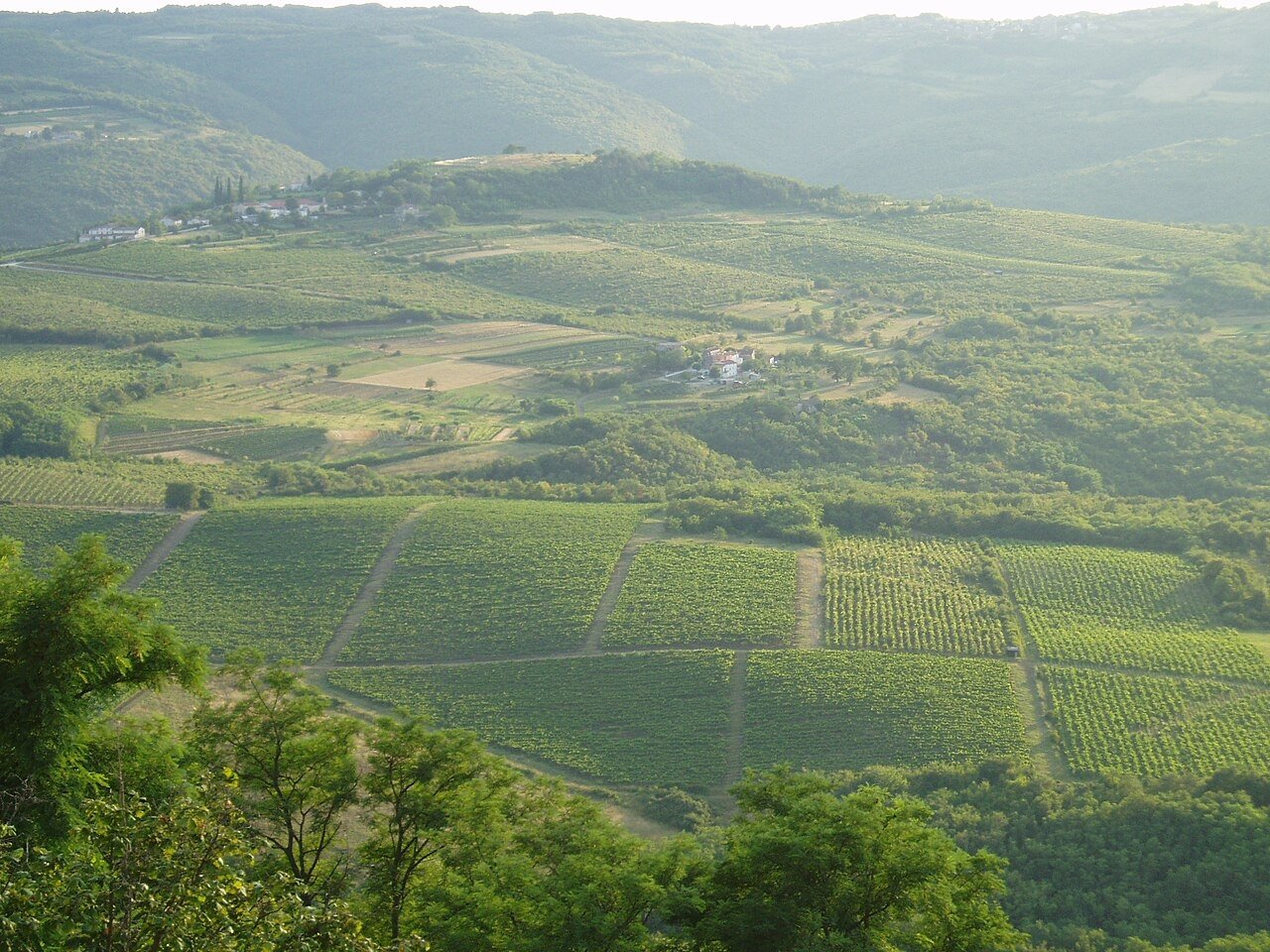
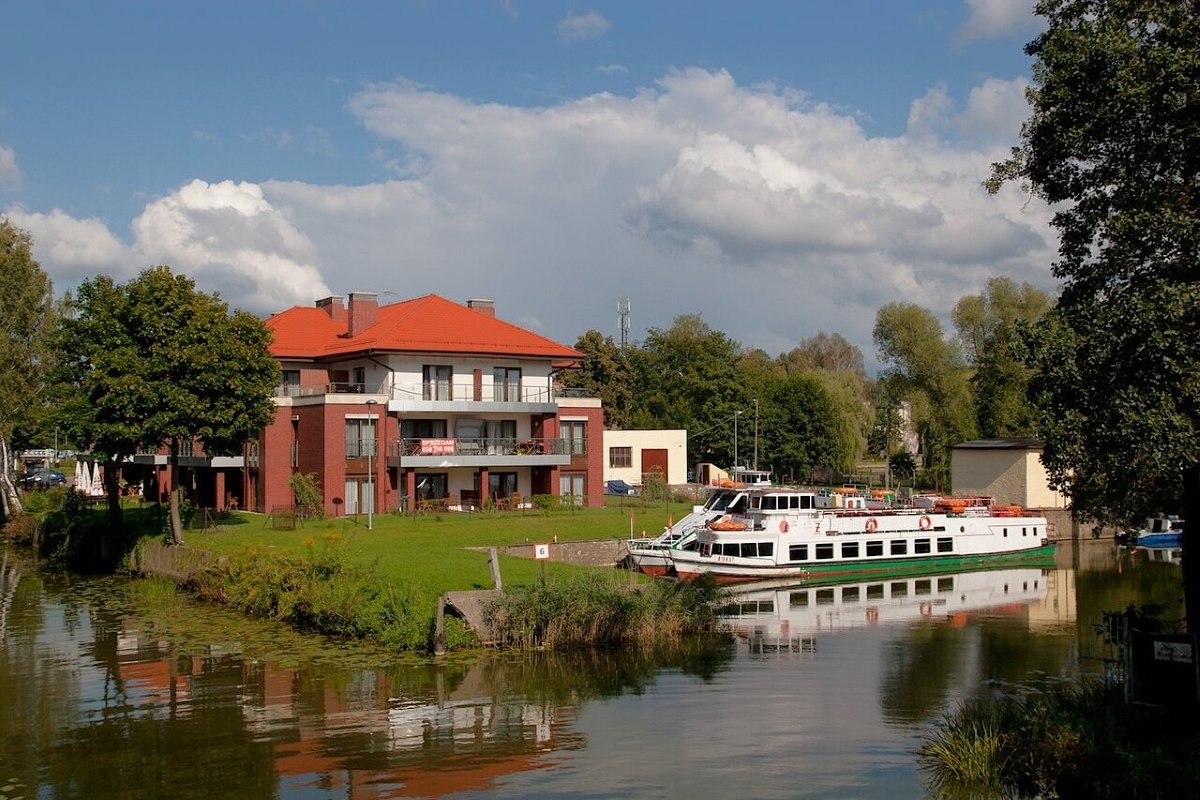
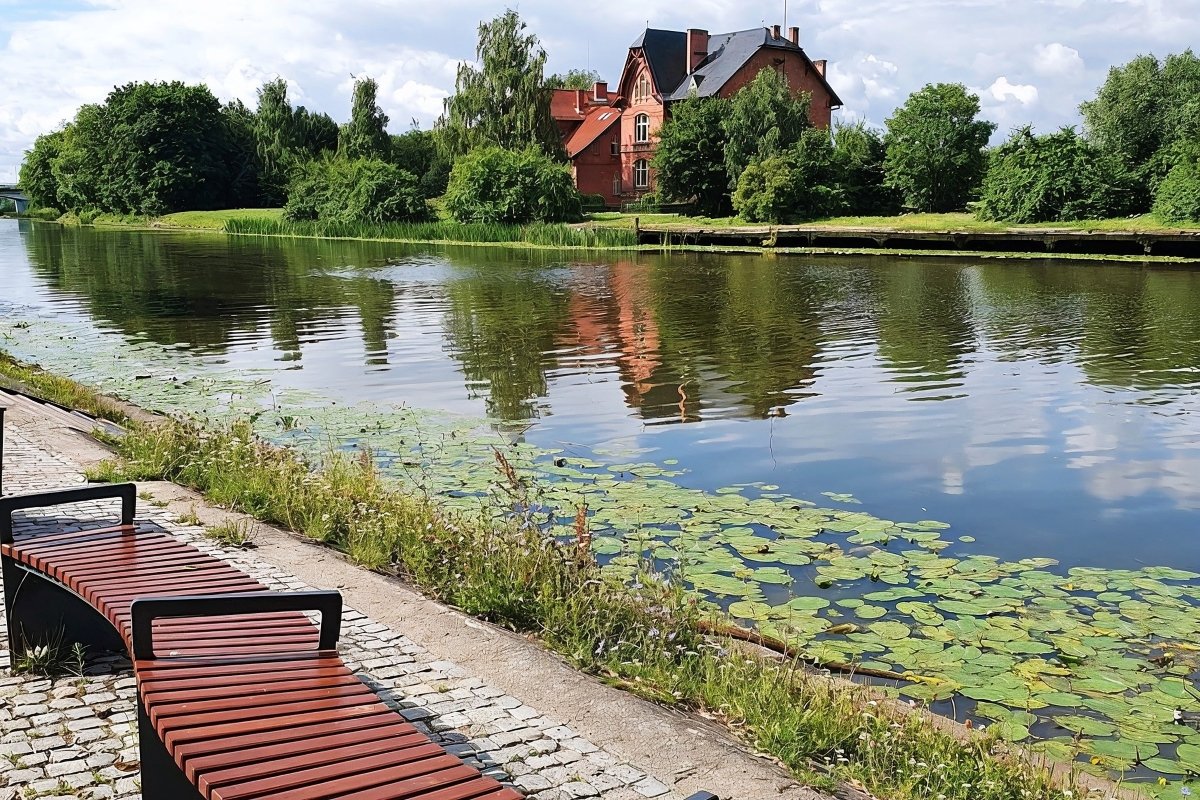
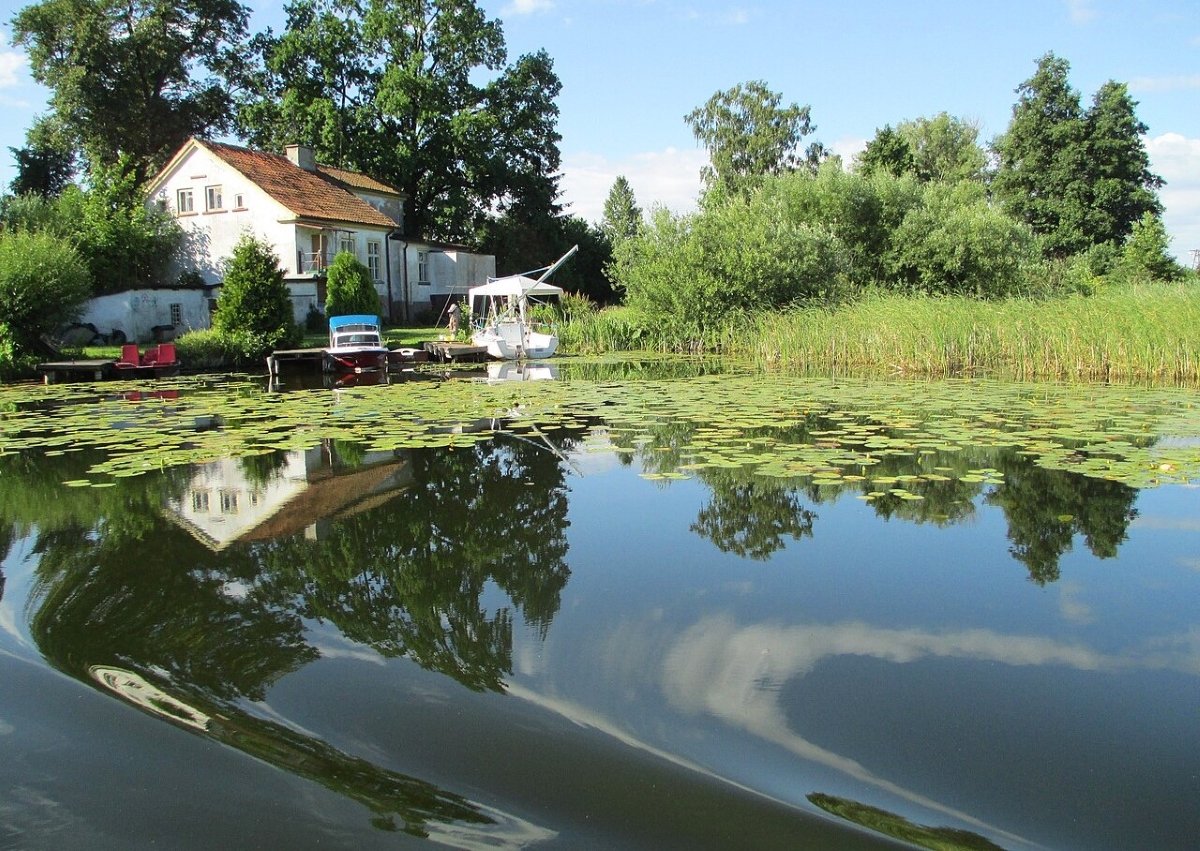
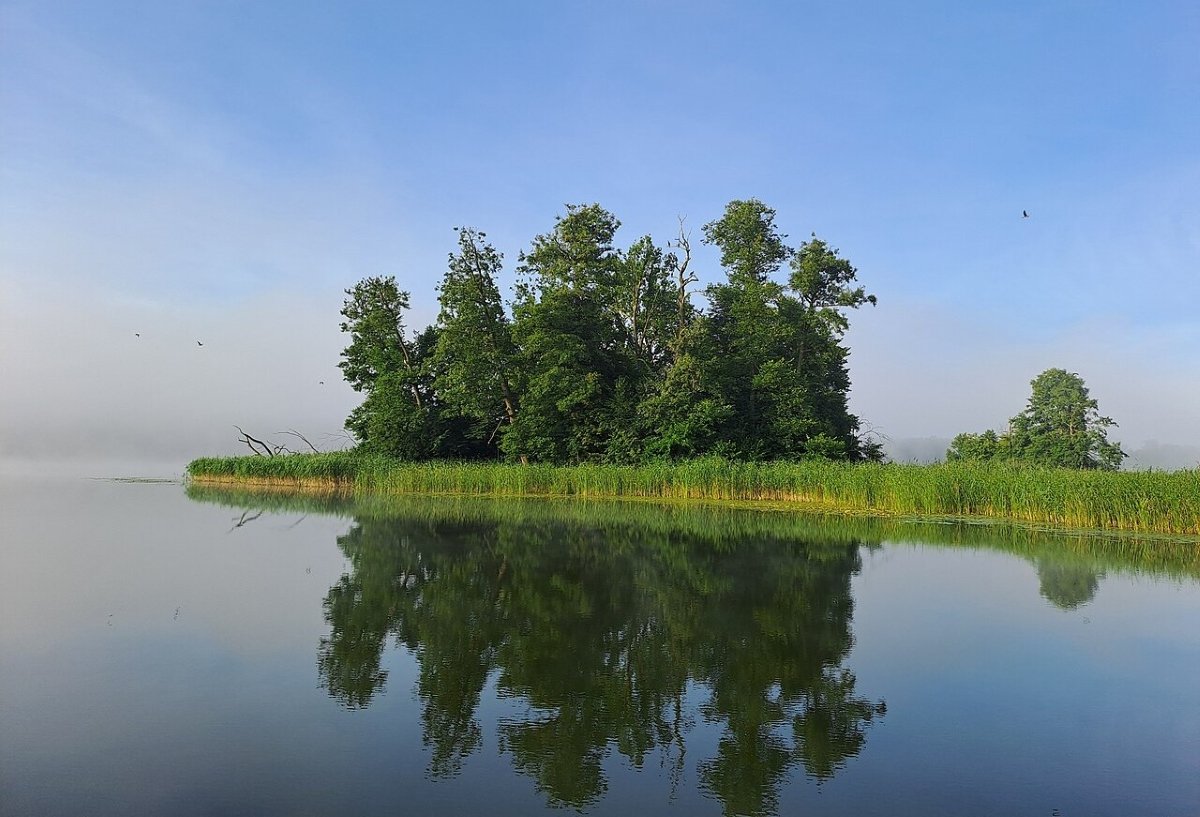
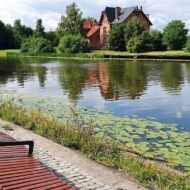
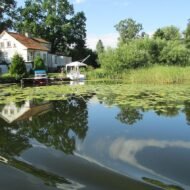
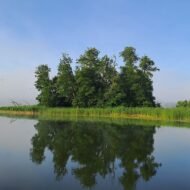
The canal itself is only part of the draw. The surrounding landscape is gorgeous — dense forests, quiet wetlands, mirrored lakes, and gently rolling Masurian countryside unfold for the entire journey.
Wildlife: Keep your eyes open for white storks, herons, cormorants, kingfishers, ospreys, and on lucky days, beavers working the bank. The Drużno Lake Nature Reserve at the northern end is a birder’s paradise — it’s one of Poland’s most important wetland bird habitats and home to dozens of protected species.
Villages: The small towns and villages along the route — like Miłomłyn and Zalewo — offer a glimpse of unhurried rural Polish life. Some cruises make brief stops, giving you time to stretch your legs and grab a snack.
The Elbląg Upland: The section crossing the Elbląg Upland is visually dramatic. Rolling hills, old-growth forest, and the surreal sight of your boat climbing through the trees makes this a photographer’s dream.
When to Go
June and July are the sweet spot. Weather is warm, days are long (seriously long — this far north, daylight stretches past 9pm in summer), and the canal is fully operational. Wildflowers are out, the forest is lush, and wildlife activity is at its peak.
August is peak tourist season. More crowds, especially on weekends, but also a festive atmosphere. Book ahead.
May and September are the shoulder months — quieter, cooler, and still beautiful. Some shorter cruises may have reduced schedules, so check ahead.
October–April: The canal is closed for tourist cruises. The inclined planes are drained and maintained over winter.
Getting There
By car: Elbląg is about 90 km east of Gdańsk via the S7 expressway — roughly an hour’s drive. Ostróda is about 90 km further southeast. There’s parking near the Elbląg embarkation point.
By train: Elbląg has a train station with connections to Gdańsk (about 1 hour) and Warsaw (around 3–4 hours). From Elbląg city centre, the canal wharf is walkable or a short taxi ride.
By bus: Regional buses connect Ostróda and Elbląg to surrounding towns. Less convenient than driving but workable.
Pro tip: If doing the full route, consider leaving a car at one end or booking a return bus/train in advance. The canal is one-way; you won’t loop back.
Where to Stay
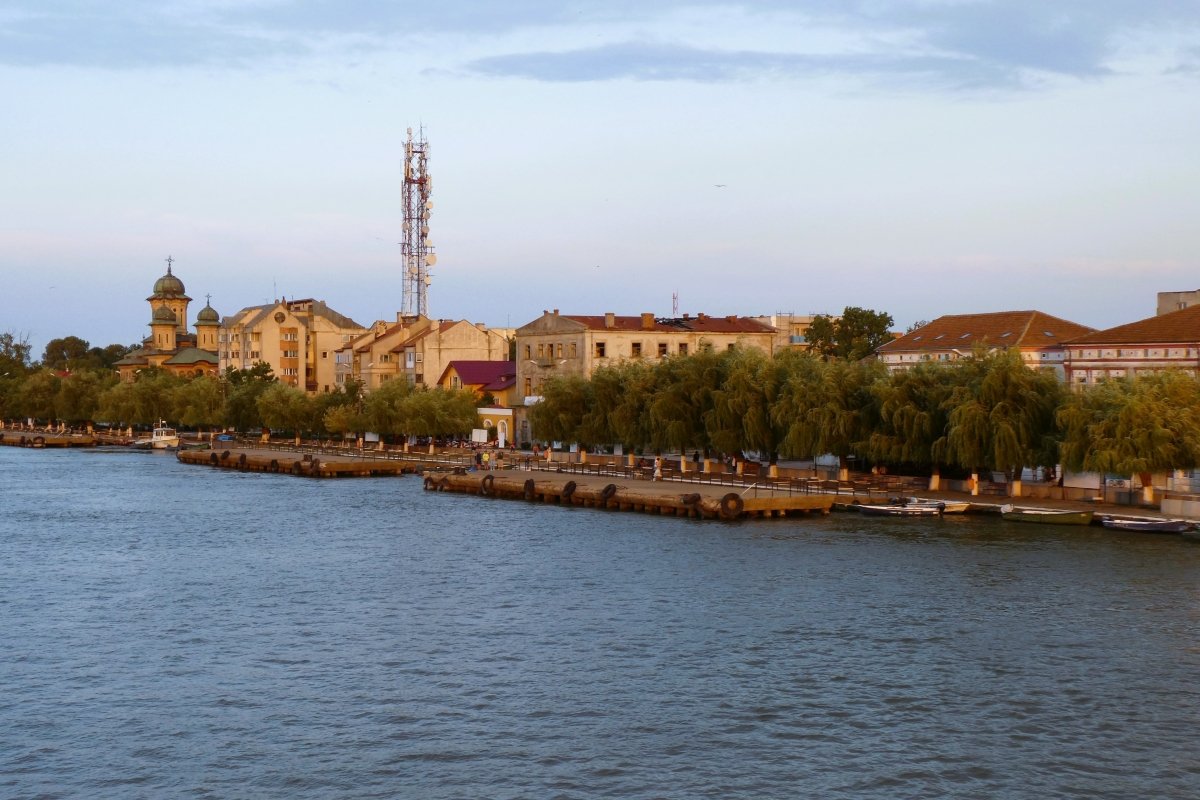
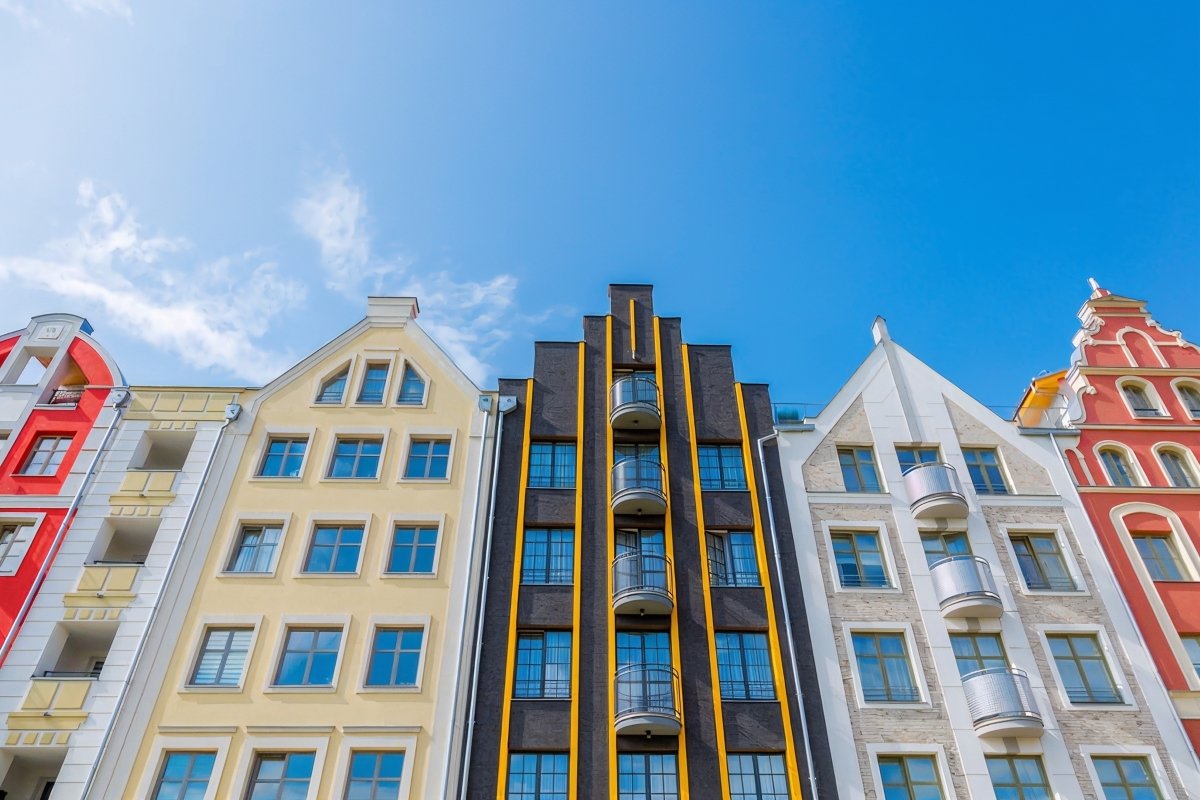
Elbląg is the larger city and has the wider range of accommodation — from mid-range hotels to guesthouses and apartments. The Old Town (rebuilt after WWII destruction) is a pleasant base with good restaurants and a lively riverside.
Along the route: There are agrotourism farms, small B&Bs, and holiday cottages scattered throughout the Elbląg Upland. If you’re kayaking or cycling the canal corridor, these make brilliant overnight stops.
What to Eat & Drink
This is northern Poland — expect hearty, comfort-focused food with a Germanic-Polish flavour from the region’s complex history.
- Żurek (sour rye soup) served in a bread bowl is practically mandatory.
- Golonka (slow-cooked pork knuckle) — not subtle, but incredibly satisfying after a day on the water.
- Fresh fish: The lakes and rivers here are full of pike, perch, and trout. Look for restaurants advertising ryby z jezior (fish from the lakes).
- Craft beer: Poland’s craft beer scene has boomed, and you’ll find local breweries with excellent IPAs, lagers, and seasonal specials in both Elbląg and Ostróda.
- Mazurski honey: Local wildflower honey is exceptional. Buy a jar or two at any rural market.
Practical Tips
Book cruises in advance. Especially for the full Elbląg–Ostróda route in July and August. Vessels have limited capacity and sell out on summer weekends.
Dress in layers. Even on warm days, being on the water for 11 hours means temperature changes. A light waterproof layer is wise.
Bring snacks. Some vessels have a small snack bar, but don’t count on it. Pack lunch and plenty of water.
Sunscreen is not optional. Hours on an open deck + reflective water = sunburn faster than you’d think.
Bring binoculars. For the birdwatching. Genuinely worth it.
Cash is handy. Small vendors along the route and rural guesthouses may not take cards.
Photography: The inclined planes are the money shots. Have your camera ready — the moment your boat starts climbing a hill is something you’ll want to capture.
Accessibility note: The vessels are traditional and not purpose-built for wheelchair users or those with limited mobility. Boarding can involve steps and uneven surfaces. Contact operators directly before booking to discuss specific needs.
Budget Breakdown (Rough Guide)
| Item | Approx. Cost (PLN) | Approx. Cost (EUR) |
|---|---|---|
| Full canal cruise (one way) | 180–250 PLN | ~40–55 EUR |
| Partial cruise (3–5 hrs) | 80–130 PLN | ~18–29 EUR |
| Mid-range hotel per night | 200–400 PLN | ~45–90 EUR |
| Meal at a local restaurant | 40–80 PLN | ~9–18 EUR |
| Beer / coffee | 10–20 PLN | ~2–4 EUR |
Prices are approximate and subject to change. Always check current rates directly with operators.
The Elbląg Canal vs. Other Canal Trips: Why This One’s Different
You’ve probably seen canal trips before — narrowboats in England, the Dutch waterways, the Canal du Midi in France. They’re lovely. But they don’t do this.
The Elbląg Canal is singular. Nowhere else on Earth can you sit on the deck of a passenger vessel, sip coffee, and watch a grassy hillside scroll past your porthole because your boat is literally being dragged up a slope by a water wheel. It’s the kind of experience that makes you pause mid-sentence and just… stare.
That combination of working industrial heritage, pristine natural landscape, and genuine engineering curiosity puts this in a category of its own.
Recap: Why the Elbląg Canal Belongs on Your Bucket List
The Elbląg Canal is:
- The only working inclined plane canal in the world
- A 160+ year old engineering system still running on water power
- Set in one of Poland’s most beautiful and undervisited natural landscapes
- A full-day immersive experience unlike anything else in Europe
- Surprisingly affordable compared to equivalent “bucket list” experiences elsewhere
- A genuinely wonderful time for solo travellers, couples, families, and groups
It’s the kind of place that doesn’t shout for attention. No neon signs, no viral TikTok filters needed. Just a boat, some hills, a water wheel, and one of the most quietly extraordinary journeys you can take on this continent.