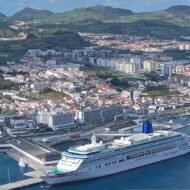


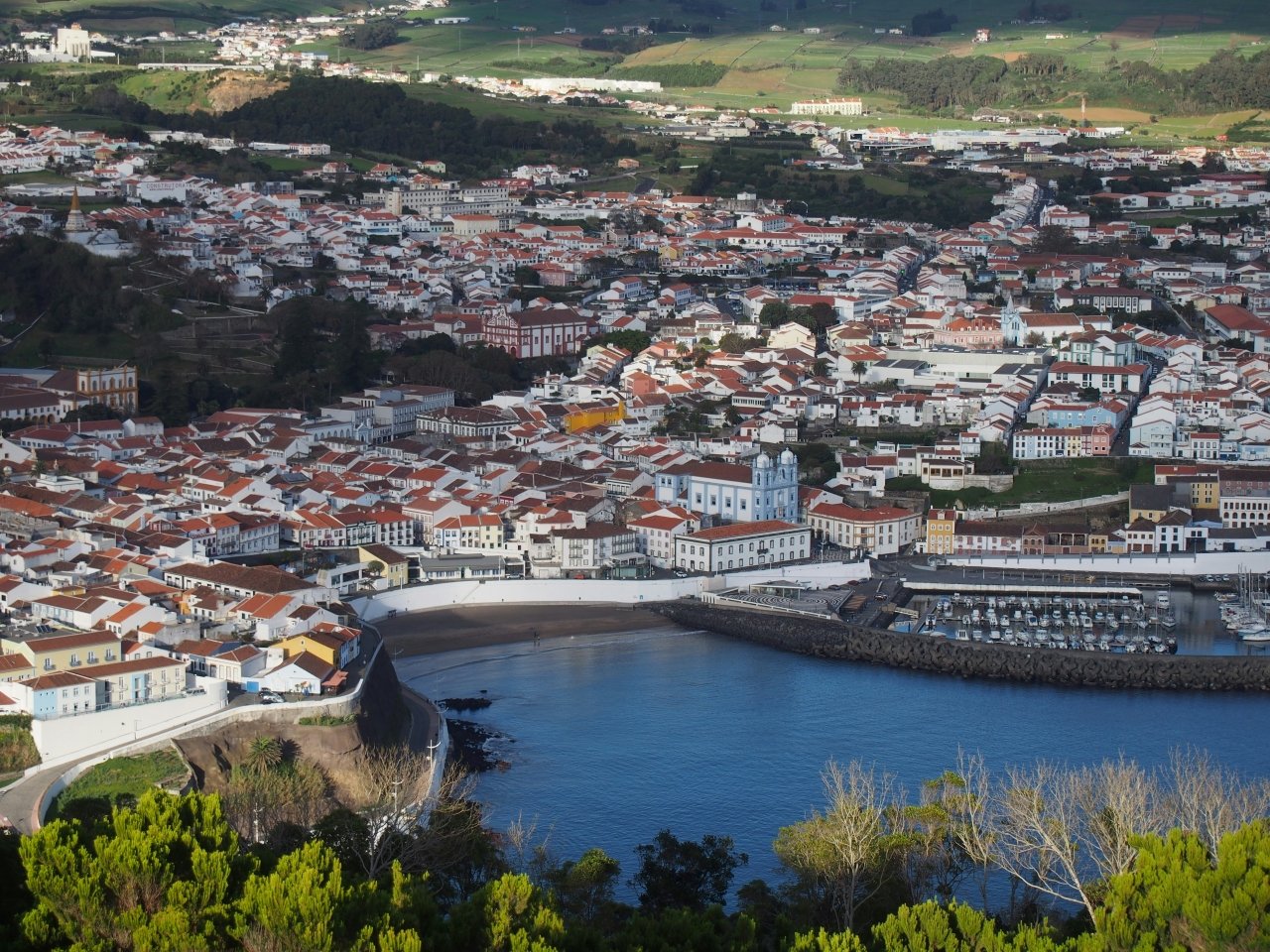
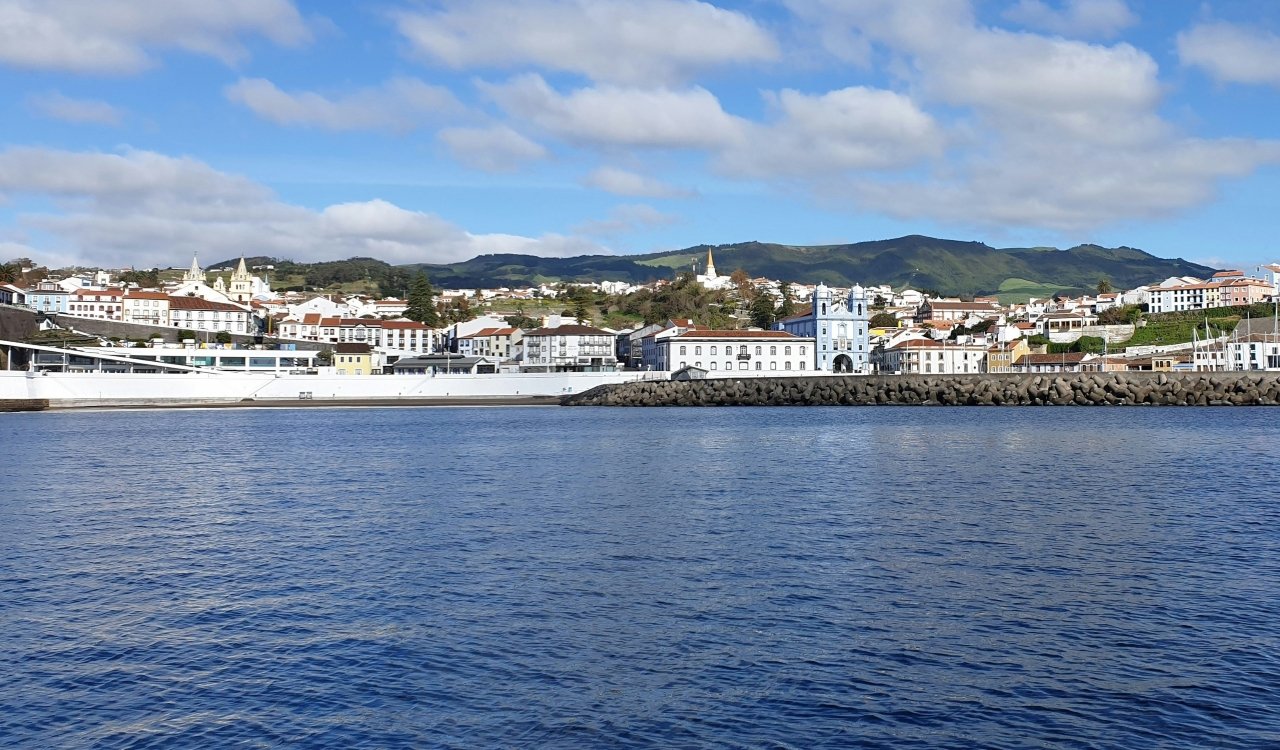
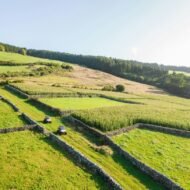
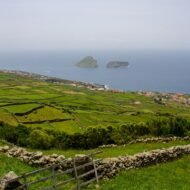
Terceira is the third island discovered in the Azores — terceira means third in Portuguese — and for four centuries it was the most important island in the archipelago, which made it one of the most important stopping points in the Atlantic world. From the 15th century until the advent of steamships in the 19th century, Angra do Heroísmo was an obligatory port of call for the fleets of equatorial Africa and of the East and West Indies routes during their voyages to and from Europe. Every ship that crossed the Atlantic stopped here. The wealth they left behind built what is now the only UNESCO World Heritage city in the Azores.
- Angra do Heroísmo — what the UNESCO designation actually means
- The Impérios — the tradition that covers the island
- The Tourada à Corda
- Biscoitos — lava pools and Atlantic wine
- Alcatra — the dish that defines the island
- The Sanjoaninas — the largest festival in the Azores
- The honest seasonal guide
- Getting to Terceira
- Terceira in the Azores collection
Most visitors come to Terceira for Angra do Heroísmo and leave having seen the UNESCO streets, Monte Brasil and the natural pools at Biscoitos. The island has considerably more than this. The Impérios of the Holy Spirit — small painted chapels that appear on almost every street across the island — represent the most concentrated expression of a religious tradition found nowhere else on earth in the same form. The Tourada à Corda — the Terceiran bull running where the bull is guided through village streets on a rope held by eight men — has been running from May through September every year since the 16th century and is the most distinctively Terceiran thing that exists.
None of this requires a guide to discover. It requires knowing that it exists before arriving.
Angra do Heroísmo — what the UNESCO designation actually means
The UNESCO designation came just three years after the massive earthquake on January 1, 1980 — a 7.2 magnitude event that destroyed 80% of the city’s buildings, killed 70 people and left thousands more homeless. The city that received the UNESCO inscription in 1983 was a city being rebuilt from catastrophe — the designation recognised both what had existed and the commitment to restore it.
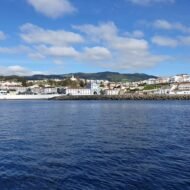
The port of Angra is a distinctive example of the adaptation of an urban model to particular climatic conditions: the gridiron plan typically used in new cities was skewed to take into account the prevailing winds. This is visible in the street grid today — the city is not aligned to the cardinal points but to the Atlantic wind patterns that ships needed to navigate. The orientation of every street in the old town is a navigational decision made five centuries ago.
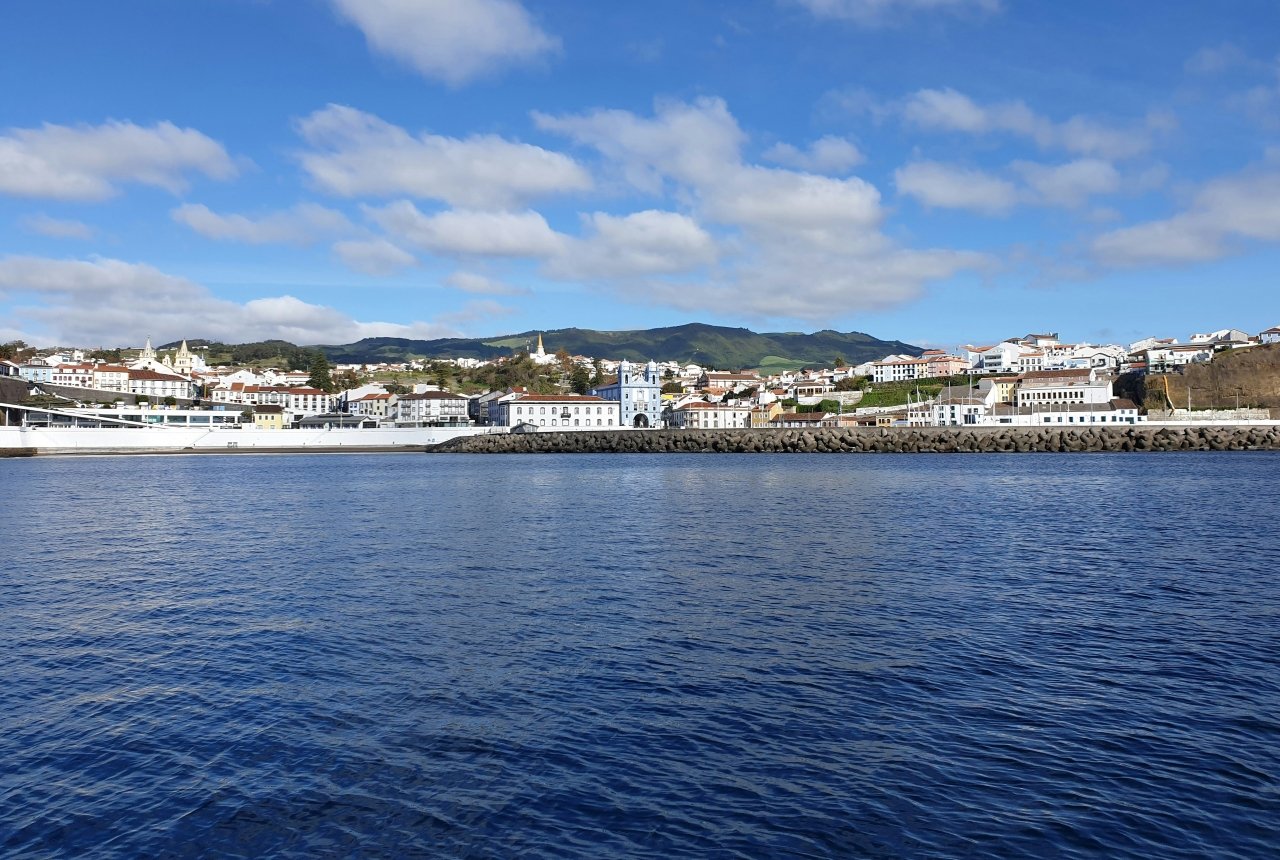
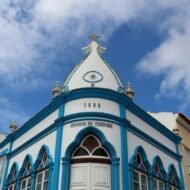
The historic center is compact and entirely walkable. Rua Direita is the main commercial street, flanked by 16th-century buildings whose ground floors now house cafés and artisan shops. Two to three hours on foot covers the essential circuit: the Sé Cathedral, the Igreja da Misericórdia with its extraordinary blue façade, the Jardim Duque da Terceira botanical garden climbing in terraces above the city, and the fortifications of São Sebastião along the waterfront.
The thing that the standard Angra circuit misses: the Angra do Heroísmo UNESCO World Heritage site also includes Monte Brasil — the peninsula beyond the city itself. Monte Brasil is an extinct volcano forming a natural breakwater above the bay, reachable by road or trail and containing the extraordinary São João Batista fortress as well as the Alto da Memória monument with the most complete panoramic view of the city. The majority of visitors walk Rua Direita and photograph the cathedral. The minority who walk Monte Brasil see why Angra became what it was — the bay below, the harbour, the entire strategic logic of a city that held the Atlantic trade routes together for four hundred years.
The Impérios — the tradition that covers the island
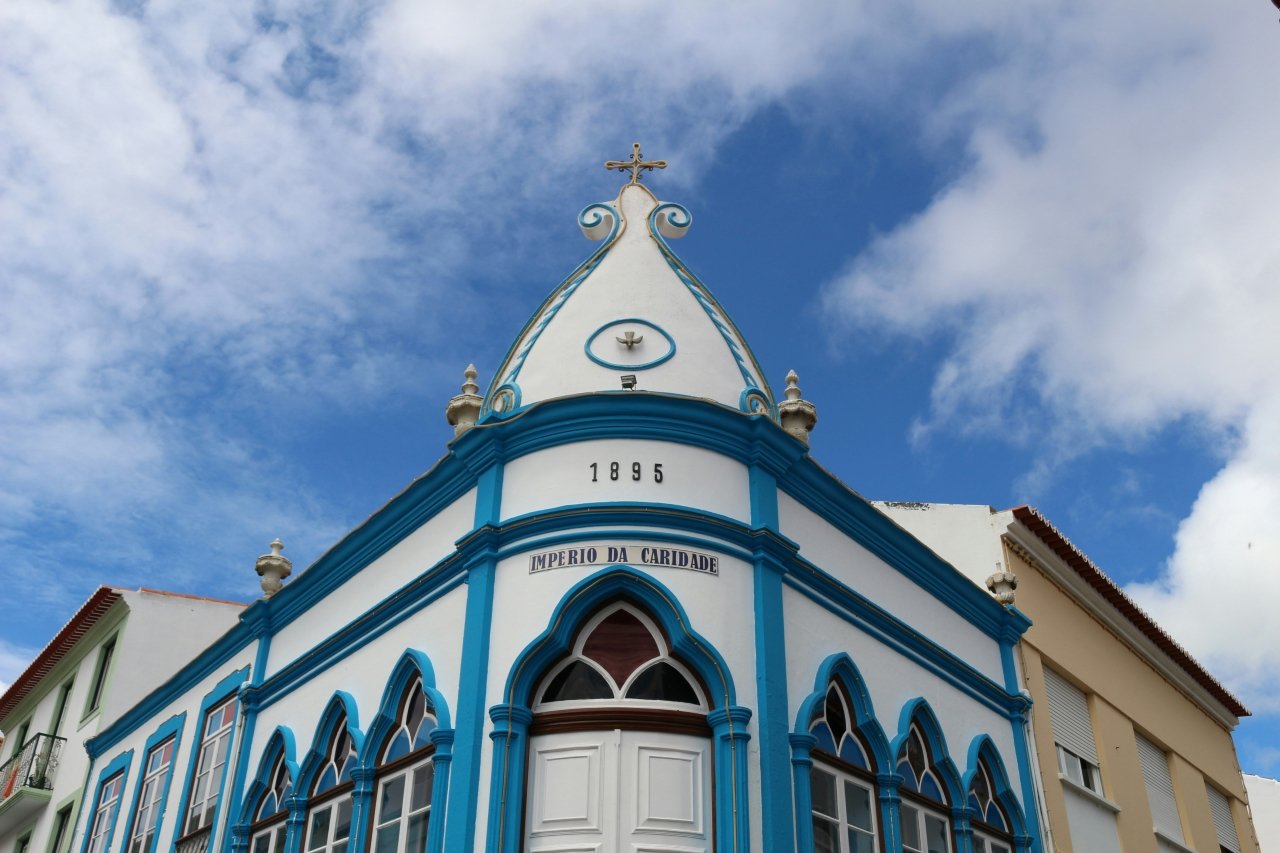
Throughout the Terceira island, the worship of the Divine Holy Spirit is celebrated, reflected in the architecture of its Impérios — small temples of unique typology that exist practically in every street of Terceira, where the Holy Spirit is venerated.
The Impérios are painted white, blue, red or yellow depending on the parish, and they hold the crown, sceptre and silver plate that pass between stewards during the Holy Spirit festival season. Celebrations begin on Trinity Sunday when mordomos (stewards) are chosen to organise next year’s event. The crown, sceptre and silver plate of the Holy Ghost are passed weekly among stewards, leading to a final feast day at the Império. Traditional dishes like Holy Ghost soups, alcatra and sweet bread are shared.
There are more than 70 Impérios on Terceira. Walking the island’s village roads — particularly in the agricultural interior between Angra and the north coast — means passing one approximately every few hundred metres. They are the most visible expression of a tradition that has no direct equivalent elsewhere in the Catholic world and that represents the most complete survival of medieval Portuguese folk religion available anywhere.
The Tourada à Corda
Bullfights in Terceira are unique: the bull’s movements are controlled by a rope held by men, ensuring a lively yet safe spectacle. Bulls are bred for agility and have padded horns to reduce risks. Events feature daring manoeuvres like the parasol lucky, where participants taunt the bull with a colourful parasol.
A seaside variation occurs near beaches, adding a playful touch — participants and the bull often splash into the ocean, drawing cheers from onlookers.
The season runs from 1 May to 15 October. Events happen across the island’s villages throughout the summer — not in a dedicated arena but on the streets themselves, where barriers are assembled and dismantled for each event. The most complete concentration is during the Sanjoaninas in June, but the village events throughout July and August are often more intimate and more genuinely Terceiran in character than the formal festival programme.
Biscoitos — lava pools and Atlantic wine
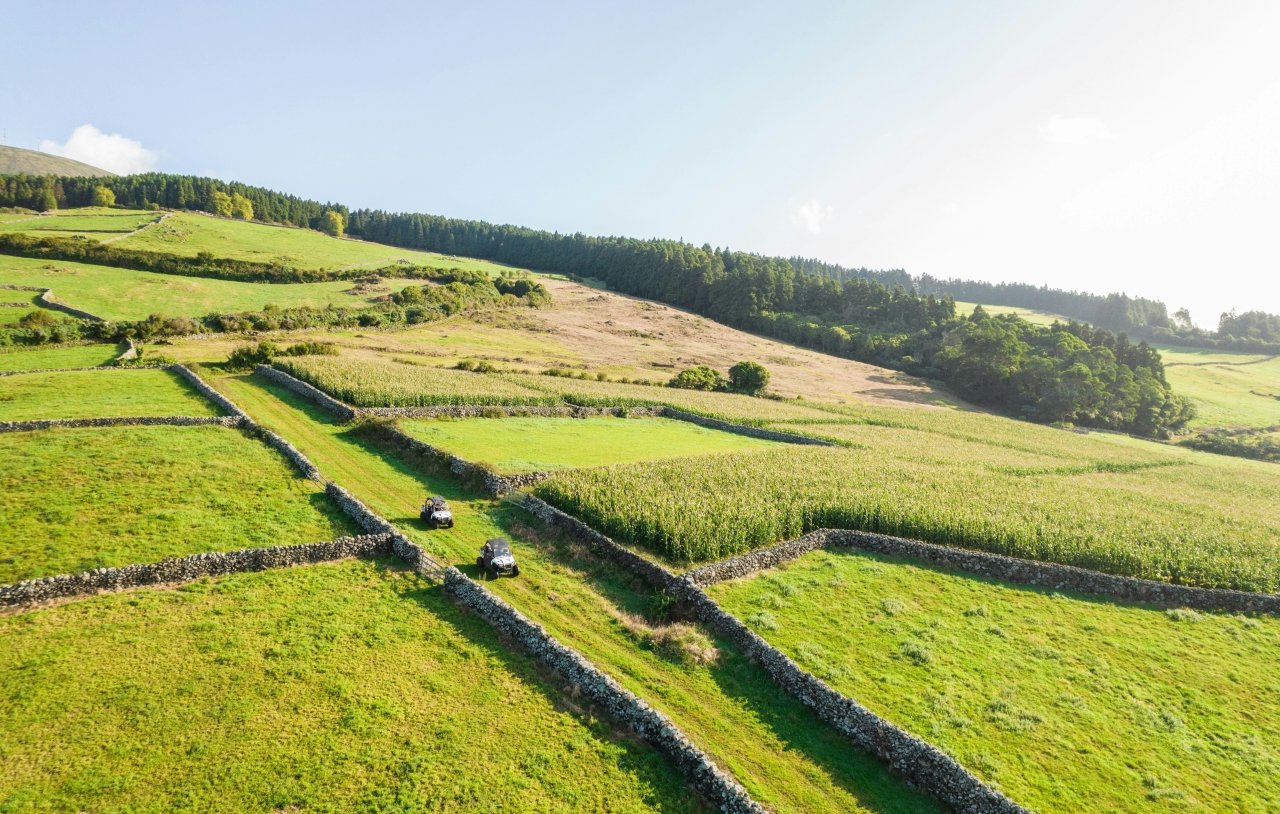
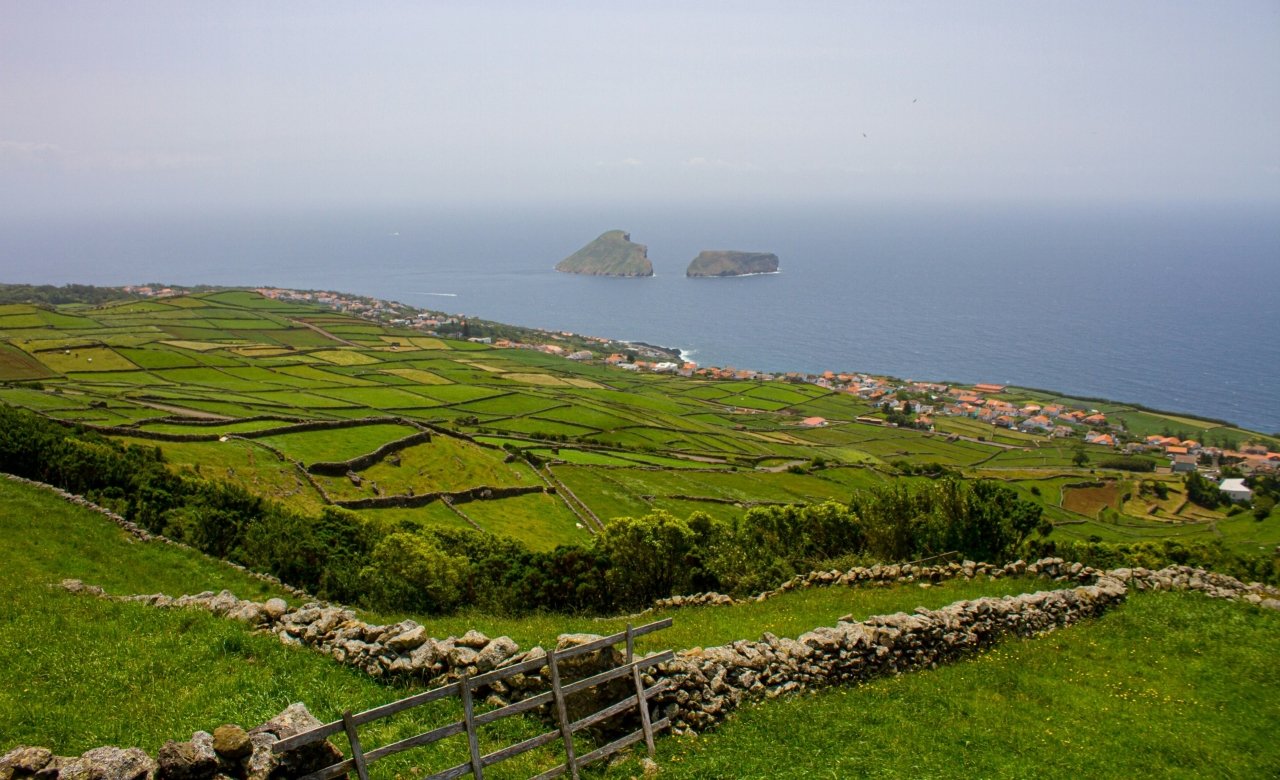
The village of Biscoitos on the north coast contains two things that exist nowhere else in the same combination: extraordinary natural swimming pools carved into black basalt lava flows directly at the Atlantic, and a wine tradition producing the only wine in the Azores made from vines growing in black volcanic soil behind stone walls built to protect them from the Atlantic wind.
The natural swimming area of Biscoitos is carved into the black basalt cliffs — a combination of cooled lava flows and concreted zones and steps that has turned the craggy landscape into a popular swim spot, complete with lifeguards.
The Biscoitos winery (Cooperativa Vitivinícola da Ilha Terceira) is open for visits and tastings year-round. A tasting typically includes three or four wines and takes about 45 minutes. The winery sits in the middle of the vineyard area, with the ocean visible beyond the stone walls. It can be combined with the natural pools visit since both are in the same village.
The September wine festival in Biscoitos — the Festival of Vine and Wine — takes place in early September in the village with a tradition of winemaking. This is the most practically rewarding single day on Terceira outside of the Sanjoaninas and the one that the island’s summer-focused visitor circuit most consistently misses.
Alcatra — the dish that defines the island
Alcatra is Terceira’s defining dish, and eating it on the island is a different experience from finding it elsewhere. It is a beef stew slow-cooked in a clay pot with red wine, onions, allspice and bay leaf, served with Massa Sovada — a slightly sweet bread that absorbs the sauce. The dish originated in Vila da Praia (now Praia da Vitória) and has been cooked in the same way since the 18th century.
Alcatra is a Holy Spirit festival food — it is the dish served at the Bodo feasts that follow the parish celebrations — and eating it in a Terceiran taberna is the most direct available experience of the island’s food culture. Order it for lunch. It does not improve with a rushed midday schedule.
The Sanjoaninas — the largest festival in the Azores
The Sanjoaninas is the largest festival in the Azores — ten days of concerts, marches, parades, exhibitions, food stalls, sports, fireworks, bullfighting and late nights in the city centre. The core night is the São João marches: the streets of Angra fill, the groups come through in sequence, and the city becomes one moving stage.
The Sanjoaninas occupy the streets of Angra do Heroísmo for ten days in June — parades, concerts, bullfights on a rope and in the arena, food stalls, theatre shows, fireworks and sporting events.
It is also one of the hardest weeks of the year to book accommodation in Angra, so plan early. The Sanjoaninas takes place in late June — confirm exact dates at the Câmara Municipal de Angra do Heroísmo before booking flights.
The honest seasonal guide
June — the Sanjoaninas month The most culturally concentrated week of the year. Ten days of festival, the most extraordinary version of the Tourada à Corda, the city at its most animated. Book accommodation well in advance — this is the hardest week of the year to find a room in Angra.
July–August — peak season June to September is the peak season: warmer temperatures at 22-26°C, the least rain, the best swimming conditions at Biscoitos, and Algar do Carvão open for visits. The Tourada à Corda runs daily across the island’s villages through summer.
September — the wine harvest month The Biscoitos wine festival opens in early September. The crowds drop after the first week of September. May and October are also good, with fewer crowds and reasonable weather. September specifically — warm enough for Biscoitos swimming, wine festival, lowest summer crowds — is the most practically rewarding month on Terceira.
October–April — the quieter island Algar do Carvão closes for the season from late October. Winter visits are possible but rainier. The Holy Spirit celebrations continue into the winter in some parishes but the main festival season has closed. October remains excellent — the island empties and the Angra old town in autumn light is the most atmospheric version available.
Getting to Terceira
Lajes Airport (TER) receives direct flights from Lisbon, Porto and several European cities. A car is highly recommended — Terceira has public buses but schedules are limited and most natural sites are not easily reachable without one. Renting a car for two or three days costs roughly €30-50 per day depending on the season. Pick-up at Lajes airport is straightforward.
From São Miguel: SATA Air Açores operates the 50-minute inter-island flight. There is no ferry connection between the Eastern and Central island groups. See the Azores Island Hopping: The Complete Ferry and Flight Guide → for the complete inter-island logistics.
Terceira in the Azores collection
São Miguel Island: The Green Island in Full Depth → Pico Island: The Azores That Is Almost Entirely a Volcano → Sete Cidades: The Volcanic Lake With Two Different Colours → Azores Island Hopping: The Complete Ferry and Flight Guide → Flores Nature Park: The Most Beautiful Island in the Azores →
The complete Azores logistics — the inter-island circuit, the seasonal ferry calendar, GPS coordinates for every port and airport, the honest island-by-island assessment and the booking windows that make the difference between the trip that works and the trip that doesn’t — are in the Azores Beyond the Map Field Guide →