





TL;DR: Curonian Spit National Park ,Lithuania A 98km stretch of pure magic where towering sand dunes meet ancient forests, traditional fishing villages, and beaches that’ll make you forget about Ibiza. UNESCO-listed, Instagram-worthy, and surprisingly affordable – this is Lithuania’s best-kept secret that’s about to become your new obsession.
- What Makes This Place So Special?
- When to Visit: Timing Your Perfect Escape
- Getting There: Your Gateway to Paradise
- What You Absolutely Cannot Miss
- 1. The Hill of Witches (Raganų Kalnas): Lithuania’s Outdoor Art Gallery
- 2. Parnidis Dune: The Sahara of the North
- 3. The Dead Dunes (Mirusios Kopos): Nature’s Graveyard
- 4. Nida: The Crown Jewel Village
- 5. Lithuanian Sea Museum: Where Education Meets Entertainment
- Hidden Gems Only Locals Know About
- Juodkrantė: The Perfect Base Camp
- Preila: The Village Time Forgot
- Pervalka: Home to Lithuania’s Tiniest Lighthouse
- Adventures for Every Type of Traveler
- Practical Stuff You Actually Need to Know
- Accessibility: Everyone’s Welcome
- Where to Stay: From Budget to Bougie
- Food Scene: From Smoked Fish to Gourmet Surprises
- Planning Your Perfect Visit
- Sustainable Travel Tips
- Final Thoughts: Why This Should Be Your Next Adventure
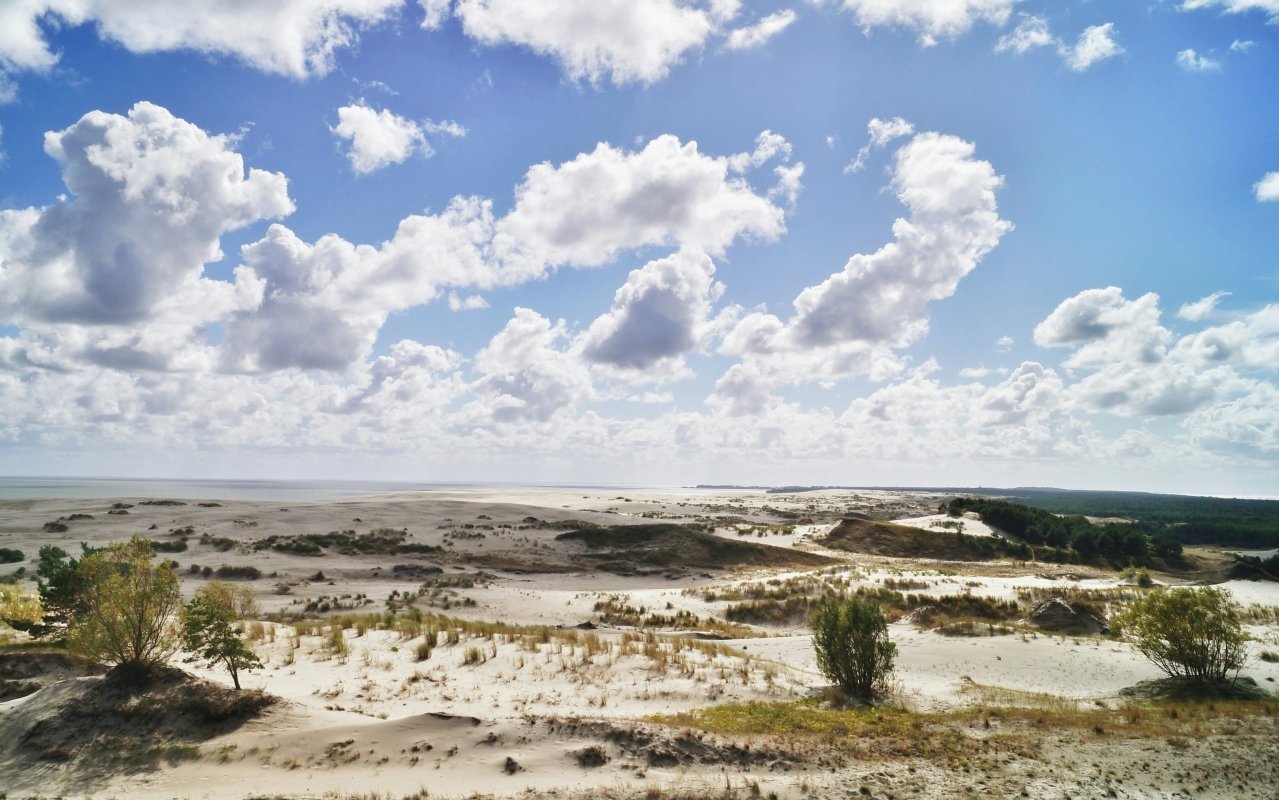
Picture this: You’re standing atop a 67-meter sand dune that shifts with the wind, gazing across an endless expanse where the Baltic Sea crashes into mysterious pine forests. Ancient wooden sculptures peek through the trees, traditional fishermen’s cottages line pristine lagoons, and the air smells like adventure mixed with sea salt. Welcome to the Curonian Spit – Lithuania’s answer to a fairytale landscape that happens to be 100% real.
What Makes This Place So Special?
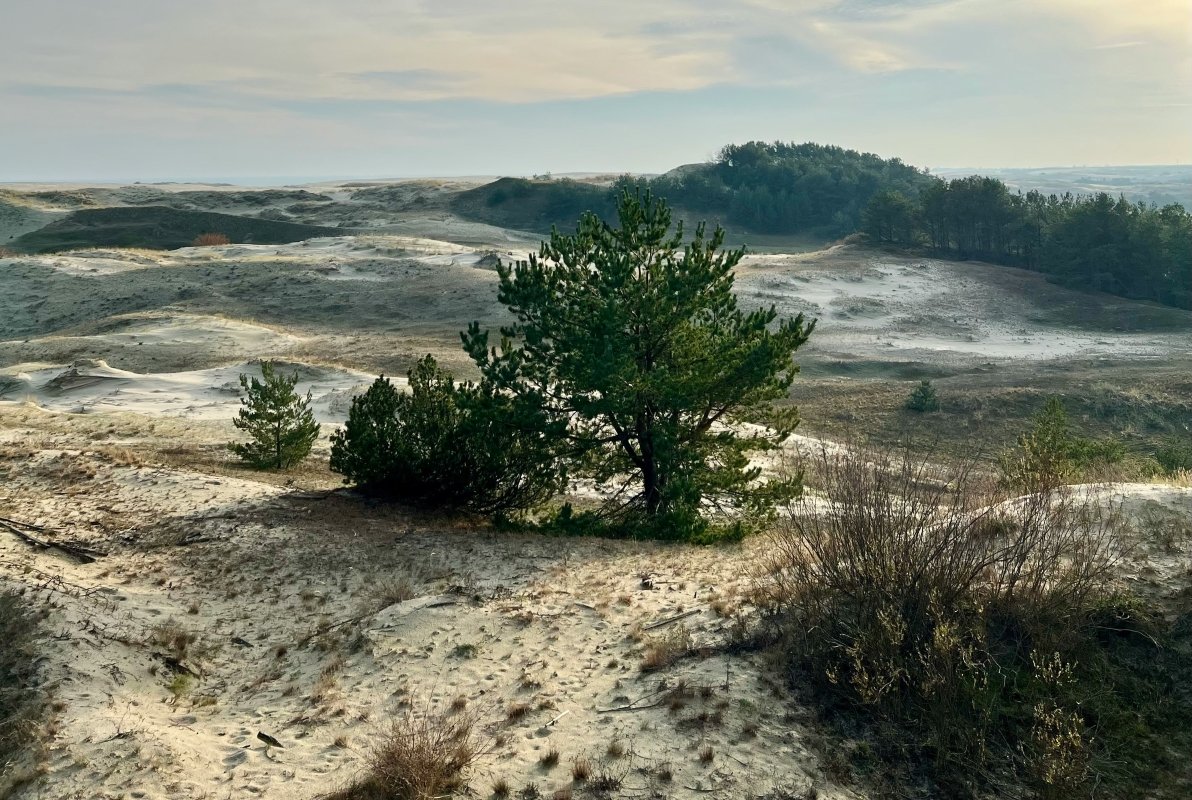
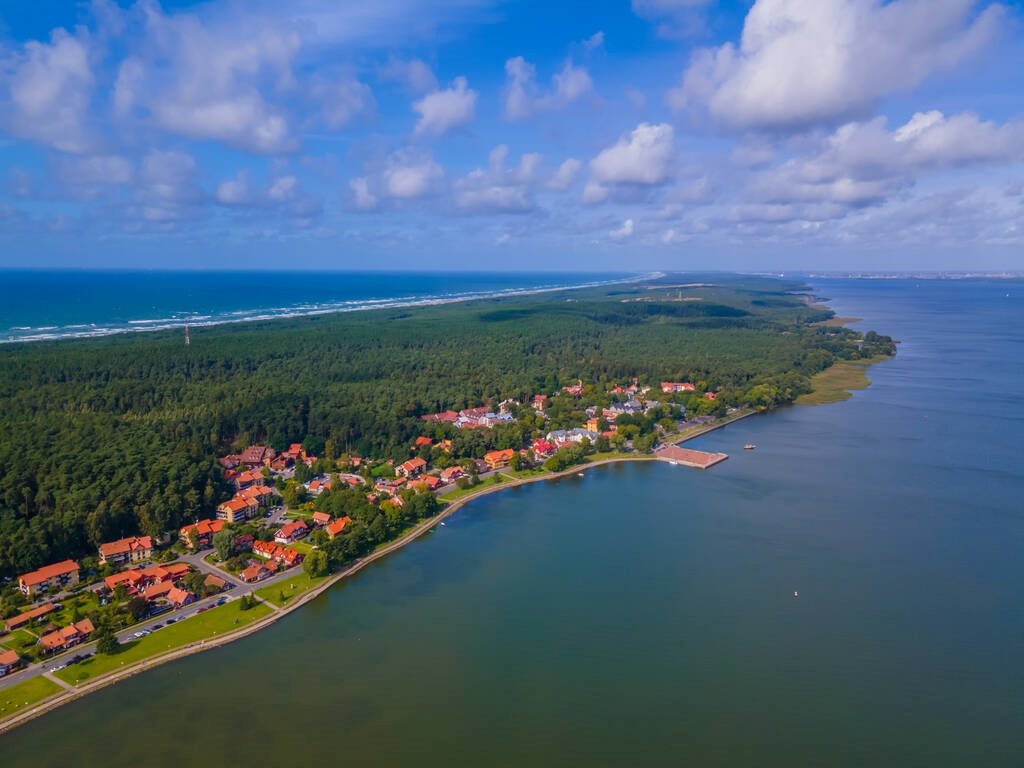
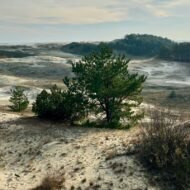
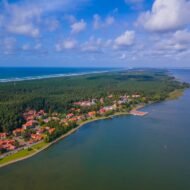
The Curonian Spit isn’t just another national park. It’s a geological miracle that took 5,000 years to form, creating one of Europe’s most unique ecosystems. This narrow finger of land – sometimes just 400 meters wide – stretches like a natural barrier between the Baltic Sea and the peaceful Curonian Lagoon.
Here’s what makes it absolutely extraordinary:
- UNESCO World Heritage Status (they don’t give these out lightly!)
- 98km of pure natural wonder shared between Lithuania and Russia
- Moving sand dunes that literally reshape the landscape
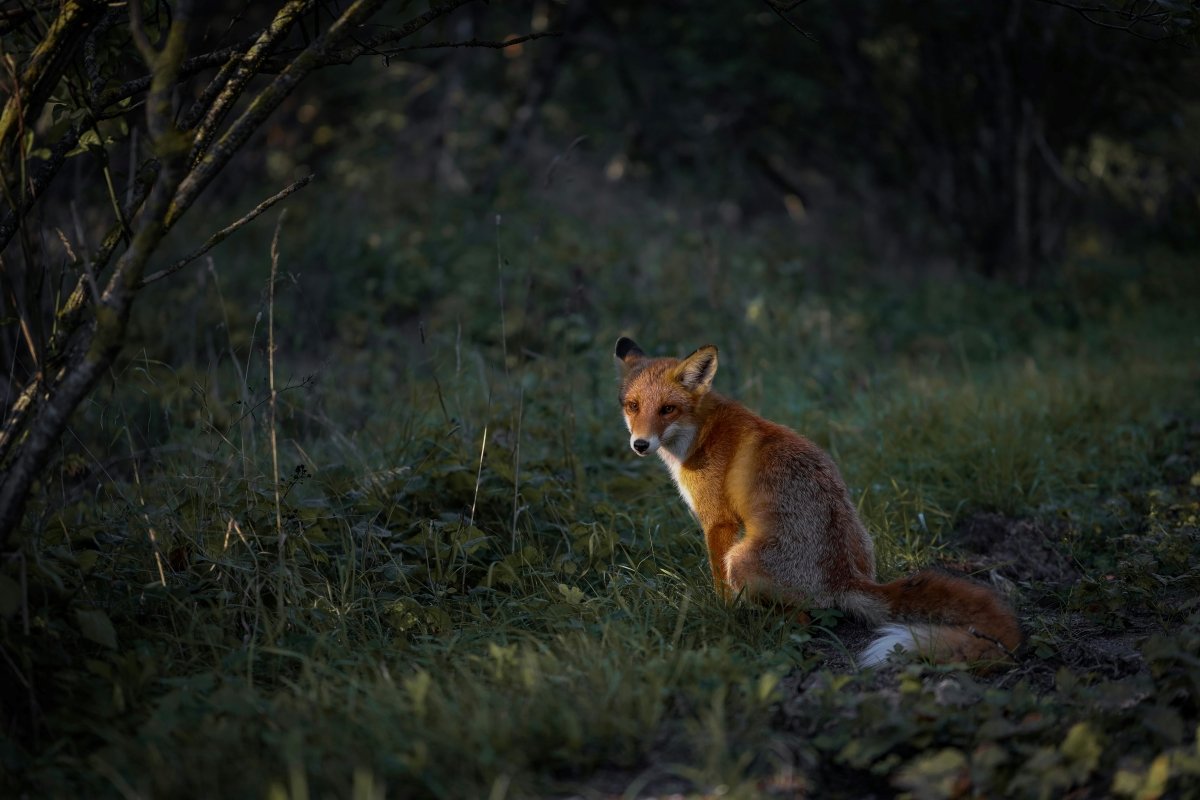
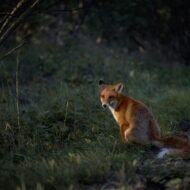
- 70% ancient pine forests home to elk, deer, and wild boar
- Traditional fishing villages that feel frozen in time
- Some of Europe’s most pristine beaches with Blue Flag certification
Think of it as nature’s own theme park, but instead of roller coasters, you get shifting sand dunes that once swallowed entire villages (seriously – 14 villages are buried under the sand!).
When to Visit: Timing Your Perfect Escape
Summer Magic (June-September): Peak season brings warm temperatures (20-22°C), buzzing village life, and perfect beach weather. Everything’s open, but expect crowds and higher prices. The tour is available from May to September, with maximum temperatures around 20/22°C in summer.
Shoulder Season Bliss (May & October): Our insider tip! Fewer crowds, lower prices, and that special autumn light photographers dream about. Some restaurants close, but the peace and quiet are magical.
Winter Wonder (November-April): Hardy souls will find a completely different landscape – frozen lagoons, snow-dusted dunes, and absolute solitude. Most accommodation closes, but day trips from Klaipėda are still possible.
Getting There: Your Gateway to Paradise
Your journey begins in Klaipėda, Lithuania’s charming port city that’s worth exploring in its own right. From there, it’s all about the ferry – your magical portal to another world.
Ferry Options That Actually Matter:
The Classic Route: Klaipėda to Smiltynė
- Frequency: Every 20-30 minutes
- Journey time: 5-10 minutes
- Cost: Super affordable for foot passengers
- Vibe: Busy but efficient, great people-watching
The Scenic Alternative: Dreverna to Juodkrantė
- Journey time: 30 minutes
- Vibe: Less crowded, more scenic lagoon crossing
- Perfect for: Those wanting to start mid-spit
Pro Insider Tips:
- Cars need separate ferry tickets (arrive early in summer!)
- National Park entrance fees are €30 per car in high season (June-September), €5-10 in low season
- Credit cards accepted everywhere (this isn’t 1995!)
- Ferry tickets are valid for return journeys on the same day
What You Absolutely Cannot Miss
1. The Hill of Witches (Raganų Kalnas): Lithuania’s Outdoor Art Gallery
This isn’t your typical sculpture park. Hidden in the forests near Juodkrantė, around 80 wooden sculptures resembling witches and devils have been carved by Lithuanian artists since 1979. Based on ancient pagan traditions, these mystical carvings create an otherworldly atmosphere that feels like stepping into a Lithuanian fairy tale.
What to expect: A 30-60 minute forest walk past dragons, devils, and interactive sculptures you can actually climb on. The 42m high hill was a focus of pagan rituals before Lithuania adopted Christianity.
2. Parnidis Dune: The Sahara of the North
At 67.2 meters, Vecekrug Dune (also known as the Old Inn Hill) is the highest dune in Curonian Spit National Park. But Parnidis Dune near Nida is the real showstopper – a massive moving sand mountain with an observation deck and iconic sundial.
Instagram moment alert: Sunset from the observation platform is pure magic. The views stretch across both the Baltic Sea and Curonian Lagoon, with Nida’s colorful houses below.
3. The Dead Dunes (Mirusios Kopos): Nature’s Graveyard
One of the most haunting yet beautiful places on the spit, the Dead Dunes got their name after sand covered 4 villages that are now hidden forever under the sand. At least 14 villages were covered between the 17th and 19th centuries.
The experience: Walking trails through the Nagliai Nature Reserve (€2 entry fee) where you’ll see the dramatic landscape that inspired countless artists and writers.
4. Nida: The Crown Jewel Village
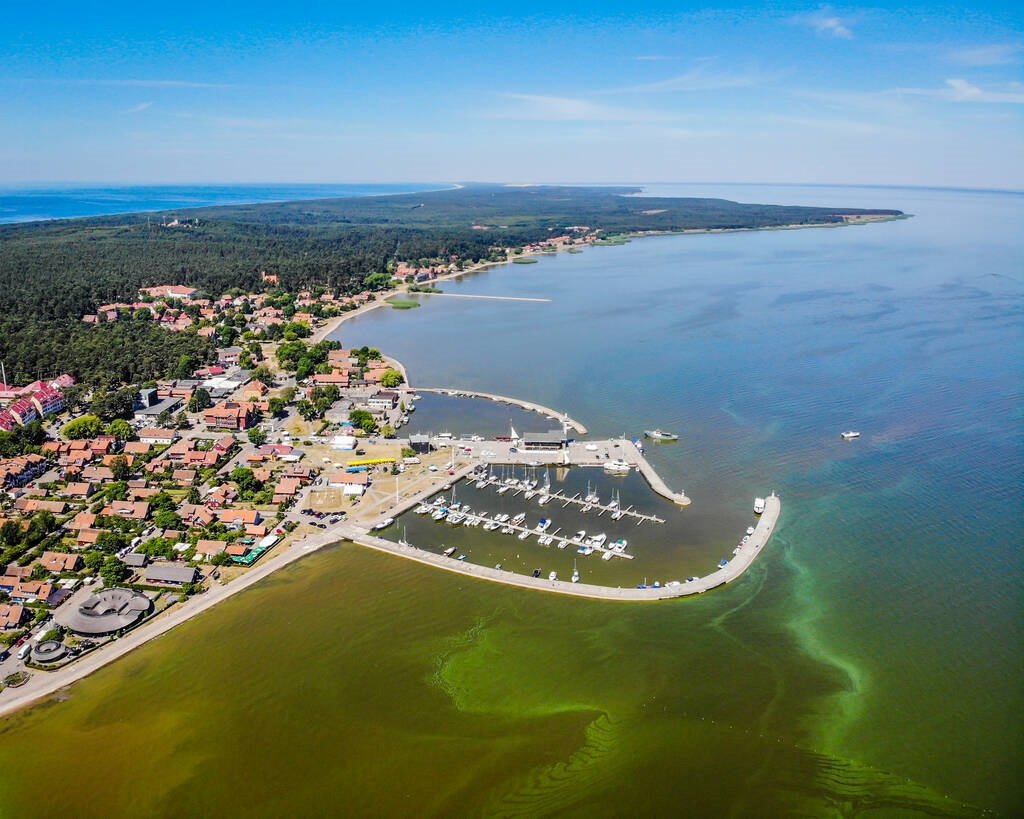
Nida is one of the most beautiful resorts in Lithuania, with the Curonian Lagoon on one side and fine sandy beaches on the other. This postcard-perfect fishing village features:
- Traditional wooden houses painted in cheerful colors
- Thomas Mann’s summer house (yes, the Nobel Prize winner lived here!)
- Ethnographic Fisherman’s Homestead packed with authentic artifacts
- Amber Gallery showcasing Lithuania’s “Baltic Gold”
- Pristine beaches perfect for swimming and sunbathing
Fair warning: Nida gets extremely crowded during weekends and public holidays, with accommodation booked weeks in advance. Plan accordingly! MORE READ..
5. Lithuanian Sea Museum: Where Education Meets Entertainment
Located just outside the national park at Smiltynė, this isn’t your dusty old aquarium. Think dolphin shows, interactive exhibits, and fascinating maritime history – perfect for families or rainy days.
Time needed: 3-4 hours if you’re doing the full experience with shows and aquarium tours.
Hidden Gems Only Locals Know About
Juodkrantė: The Perfect Base Camp
Skip the Nida crowds and base yourself in this peaceful fishing village. Located right in the middle of the Lithuanian side, Juodkrantė makes it super easy to explore both north and south, with free parking and a relaxed local vibe.
What makes it special:
- Amber Bay where you might find your own Baltic treasure
- Blue Flag beach for pristine swimming
- Proximity to Hill of Witches (walking distance!)
- Authentic local restaurants without tourist prices
Preila: The Village Time Forgot
The whole village feels peaceful and inviting, perfect for slowing down and soaking in nature. This tiny settlement offers the most authentic Curonian Spit experience, with traditional architecture and zero tourist traps.
Pervalka: Home to Lithuania’s Tiniest Lighthouse
Before entering this mini-village, you can picnic in front of what locals proudly claim is Lithuania’s smallest lighthouse. It’s quirky, it’s charming, and it’s exactly the kind of random detail that makes travel memorable.
Adventures for Every Type of Traveler
For the Nature Lovers
- Forest hiking trails through ancient pine groves
- Birdwatching at six observation towers (this is a major migration route!)
- Beach walks along 98km of pristine coastline
- Cycling paths connecting all major sites
for the Culture Vultures
- Traditional fishing heritage at ethnographic museums
- Pagan mythology brought to life in wooden sculptures
- German literary history at Thomas Mann’s house
- Local crafts including famous amber jewelry
For the Adventure Seekers
- Sandboarding down the massive dunes (unofficial but epic!)
- Kayaking in the peaceful Curonian Lagoon
- Photography workshops capturing the shifting light
- Sailing trips in traditional boats
For the Wellness Warriors
- Forest bathing in scientifically-proven healing pine air
- Meditation spots away from civilization
- Spa treatments using local amber and sea minerals
- Digital detox opportunities (seriously, put the phone down!)
Practical Stuff You Actually Need to Know
Money Matters
- National Park fees: €30 per car in summer, €5-10 off-season
- Ferry costs: Very reasonable for foot passengers
- Accommodation: €20-150+ per night depending on season and location
- Meals: €8-25 for restaurant dining, cheaper at local cafés
Getting Around Like a Pro
- Public buses run regularly between villages (check lithuanian-bus.com)
- Cycling is the most popular way to explore
- Walking is totally feasible – it’s not huge!
- Car rental gives flexibility but parking can be tricky in summer
What to Pack
- Comfortable walking shoes (sand gets everywhere!)
- Layers (weather changes fast near the water)
- Sunscreen (reflection off sand and water is intense)
- Camera with extra batteries (you’ll take more photos than planned)
- Cash backup (some places still prefer it)
Accessibility: Everyone’s Welcome
Great news for travelers with mobility needs! Villages are accessible, and the observatory at Parnidis Dune is accessible at least as far as the sundial. While some forest trails aren’t wheelchair-friendly, there’s still plenty to enjoy by car and in the villages.
Where to Stay: From Budget to Bougie
Budget-Friendly Winners
- Juodkrantė guesthouses: €20-40/night, authentic local experience
- Smiltynė hostels: €15-30/night, perfect for ferry connections
- Klaipėda base: Day trip option, more dining and nightlife
Mid-Range Gems
- Kastytis Guesthouse (Nida): Family-friendly, great location
- Vila Flora (Juodkrantė/Pervalka): Charming B&B experience
- Comfort Stay apartments: Beachfront with balcony views
Luxury Escapes
- Smiltynės Jachtklubas: Spectacular lagoon views, on-site restaurant
- Nida resort hotels: Full-service luxury in the main tourist hub
Booking tip: Summer weekends book out weeks ahead. Off-season offers better value and availability.
Food Scene: From Smoked Fish to Gourmet Surprises
The Curonian Spit’s culinary scene revolves around incredibly fresh seafood, traditional Lithuanian dishes, and surprisingly sophisticated dining.
Must-try experiences:
- Smoked fish platters at waterfront restaurants
- Traditional Lithuanian wedding cake (available everywhere!)
- Local amber honey and pine needle tea
- Fresh catch of the day prepared simply and perfectly
- Tik pas Jona (Nida): Recommended spot overlooking the dunes
Planning Your Perfect Visit
The Classic Day Trip (From Klaipėda)
Morning: Ferry to Juodkrantė → Hill of Witches → Local lunch Afternoon: Bus to Nida → Parnidis Dune climb → Village exploration Evening: Return ferry with sunset views
The Perfect Weekend Escape
Day 1: Arrive in Juodkrantė → Hill of Witches → Beach time → Local dinner Day 2: Cycle to Nida → Dune climbing → Thomas Mann house → Ferry back
The Ultimate 3-Day Nature Immersion
Day 1: Explore Juodkrantė and surrounds → Dead Dunes trail Day 2: Nida adventure → Parnidis observation deck → Beach activities Day 3: Hidden villages (Preila, Pervalka) → Sea Museum → Departure
Sustainable Travel Tips
This fragile ecosystem needs our protection. Here’s how to visit responsibly:
- Stick to marked trails (dune restoration is serious business!)
- Pack out all trash (leave no trace principles)
- Support local businesses over international chains
- Respect wildlife (no feeding or disturbing animals)
- Choose eco-friendly accommodation when possible
Final Thoughts: Why This Should Be Your Next Adventure
In a world of overcrowded tourist destinations, the Curonian Spit offers something increasingly rare: authentic natural beauty combined with deep cultural heritage and genuine local hospitality. Whether you’re seeking Instagram-worthy landscapes, peaceful nature therapy, or fascinating history, this Lithuanian treasure delivers experiences you’ll remember long after the sand leaves your shoes.
The shifting dunes remind us that some of the most beautiful things in life are temporary and ever-changing. But the memories of standing atop a 67-meter sand mountain, watching the sunrise over the Baltic while ancient forests whisper behind you? Those are forever.
Ready to discover Lithuania’s most magical secret? The Curonian Spit is waiting…
Planning your Baltic adventure? Save this guide and start dreaming of sand dunes, ancient forests, and the kind of natural beauty that reminds you why travel matters.