


Not Burgundy. Not Douro. Not Tuscany. The valleys where serious wine has been made for centuries — and where the English-language travel industry has not yet arrived.
- 1. Vipava Valley, Slovenia — The Wind That Won a Roman Battle
- 2. Kakheti, Georgia — The 8,000-Year Claim and What It Actually Means
- 3. Tikveš, North Macedonia — The Winery That Tito Visited
- 4. Župa Valley, Serbia — The Grape That Has a Riedel Glass
- 5. Melnik, Bulgaria — 171 People, 39th Best Winery in the World
- A Note on What “Lost” Means Here
There is a reliable pattern in European wine tourism. The famous appellations attract the writers, the writers attract the tourists, the tourists attract the hotels, and the hotels price out the winemakers. The valley that started the story becomes a backdrop for something else.
These five valleys have not reached that point. Some of them may never reach it. What they have instead: indigenous grape varieties that nearly disappeared under communism and survived anyway. A monastery that has been receiving wine from the same valley since 1190. A viticultural tradition 8,000 years old with none of the marketing infrastructure that usually accompanies such a claim. A town of 171 people making wine that placed 39th in the world.
The wine is worth going for. The absence of crowds is an accident of geography and history that will not last indefinitely.
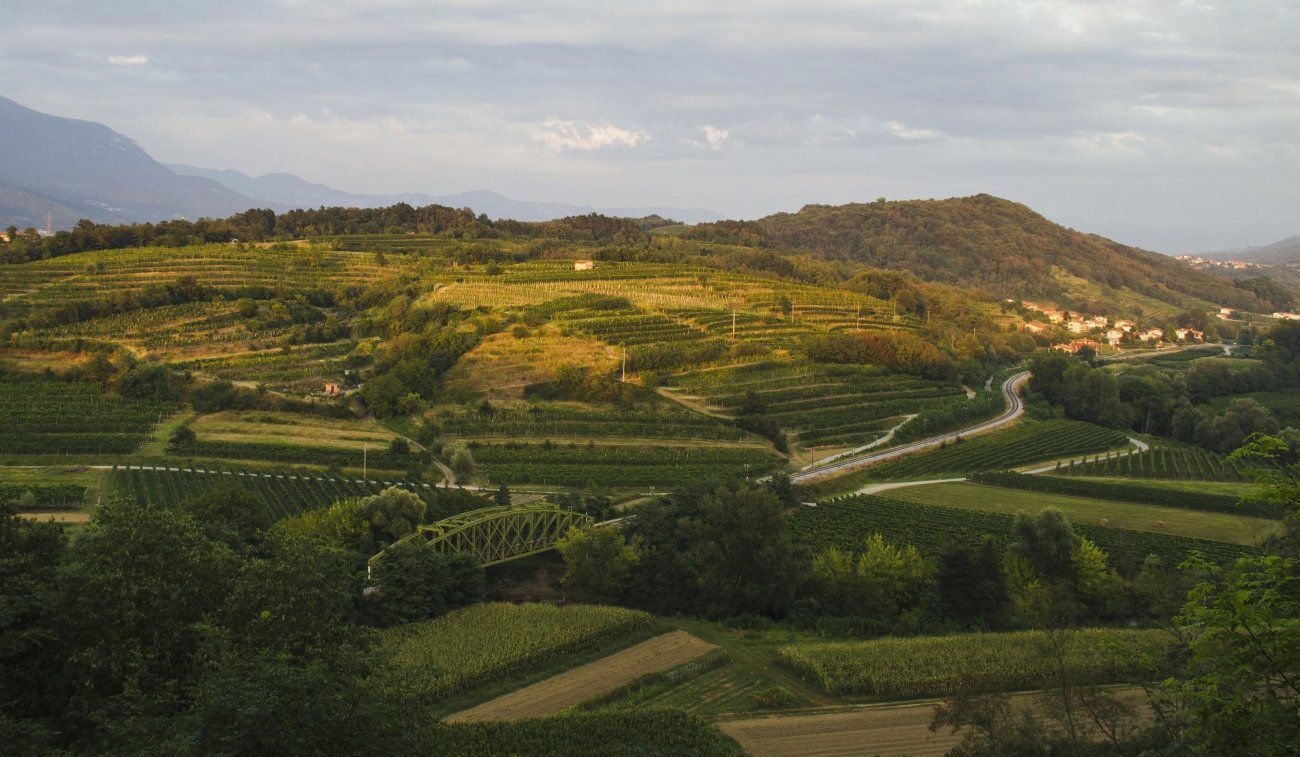
1. Vipava Valley, Slovenia — The Wind That Won a Roman Battle
GPS: 45.875°N, 13.900°E — Elevation: 80–400 m
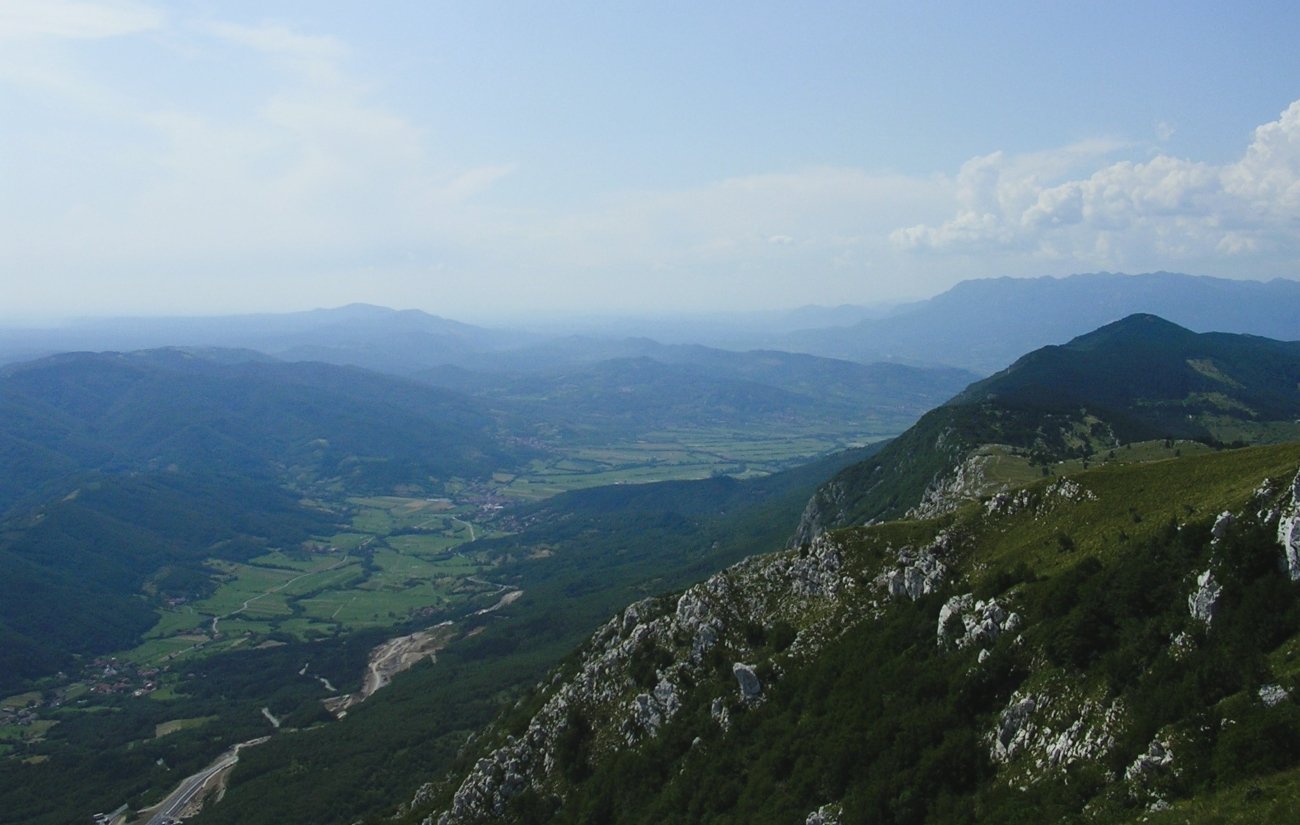
The Battle of the Frigidus was fought in September 394 AD, somewhere in or near the Vipava Valley. The Roman emperor Theodosius I defeated the usurper Eugenius — and the historical record attributes part of the outcome to the burja, the violent northeast wind that funnels through the valley with enough force to overturn trucks on the modern motorway. The wind hit Eugenius’s forces in the face. It has been hitting everything in the valley since before the Romans arrived.
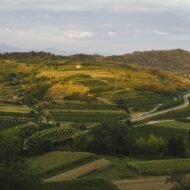
The burja is why the indigenous grape varieties here are not the same as anywhere else in Slovenia. Zelen — literally “green” — grows on 90 documented hectares and has been documented in valley records since 1689. Pinela and Klarnica are older still, known only here. Vitovska grows across the Karst plateau that begins at the valley’s western edge. These four varieties exist in this configuration because the burja eliminated everything that couldn’t handle it.
What the valley was, before it was Slovenian: Italian. The Province of Gorizia ran from 1919 to 1947, which means the older winemakers here grew up in a different country. The upper valley was an active Partisan resistance centre during the Second World War. Neither fact appears in the wine tourism literature. What appears instead is the standard narrative of an emerging Slovenian wine region — which is true, and which misses the texture of what happened here.
Approximately 120 boutique producers work the valley alongside the Vipava 1894 cooperative, which has 350 member families. The cooperative’s existence alongside small-scale natural wine producers — some of them influential across the European natural wine scene — gives the valley an unusual range. You can spend a week here and drink entirely differently every day.
Access: 45–60 minutes from Ljubljana via the A1 motorway toward Koper/Nova Gorica. Exit at Vipava or Ajdovščina. No dedicated wine tourism infrastructure; most producers receive visitors by appointment.
→ The Soča Valley begins at the valley’s northern edge — the full field guide: Soča Valley Beyond the Map — The Premium Field Guide
2. Kakheti, Georgia — The 8,000-Year Claim and What It Actually Means
GPS: 41.750°N, 45.720°E — Elevation: 400–700 m
The 8,000-year claim is real. A 2017 paper in the Proceedings of the National Academy of Sciences — McGovern, Batiuk, and colleagues — documented the oldest evidence of grape wine production in the world at Gadachrili Gora and Shulaveris Gora, both in the Kvemo Kartli region of Georgia. These sites predate anything in the Middle East. The technology that spread west into Persia, into Egypt, into Greece and Rome, originated here.
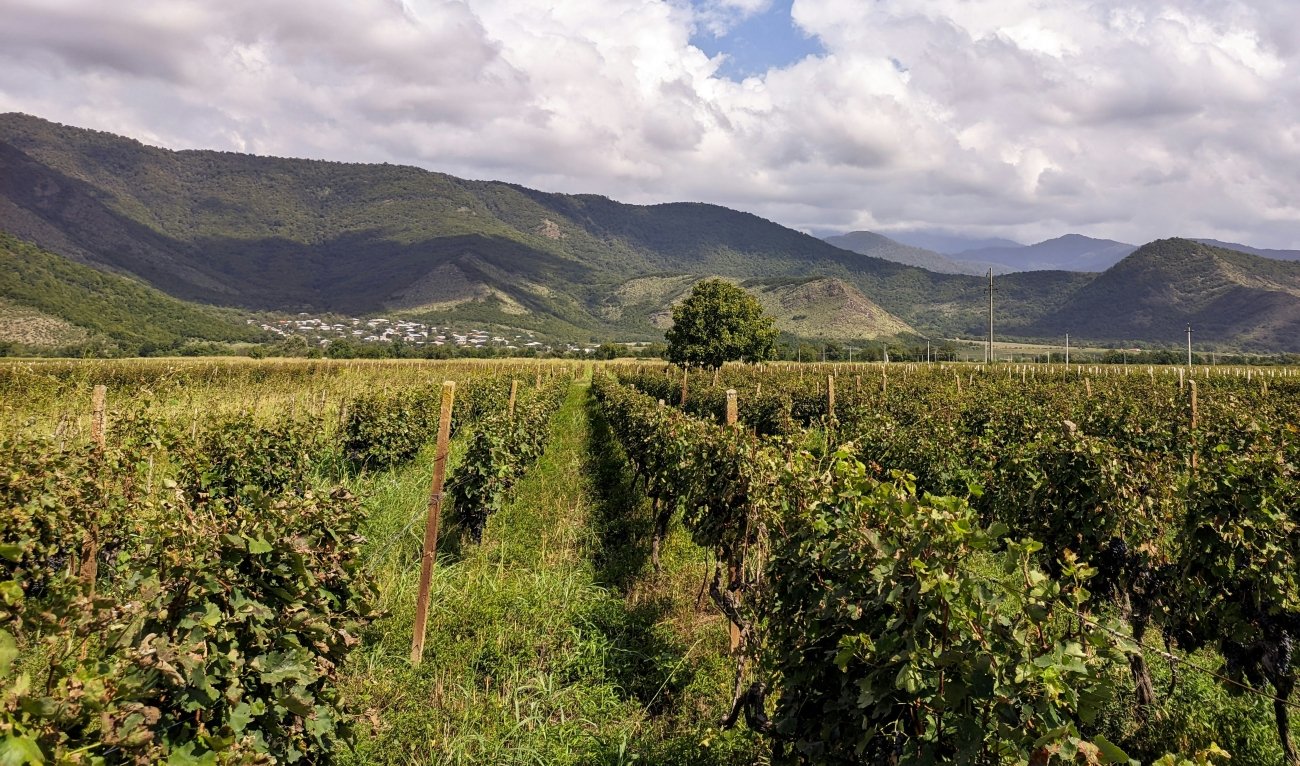
What the claim does not mean: that Kakheti, specifically, is 8,000 years old as a wine region. Kakheti — the Alazani Valley in eastern Georgia, 39,555 hectares, approximately 72% of all Georgian wine production — has its own history, which is long enough. The Alaverdi Monastery, in the village of Alaverdi, has operated a winery since the 5th century. The monastery wine cellar is still functioning. Visits require an appointment.
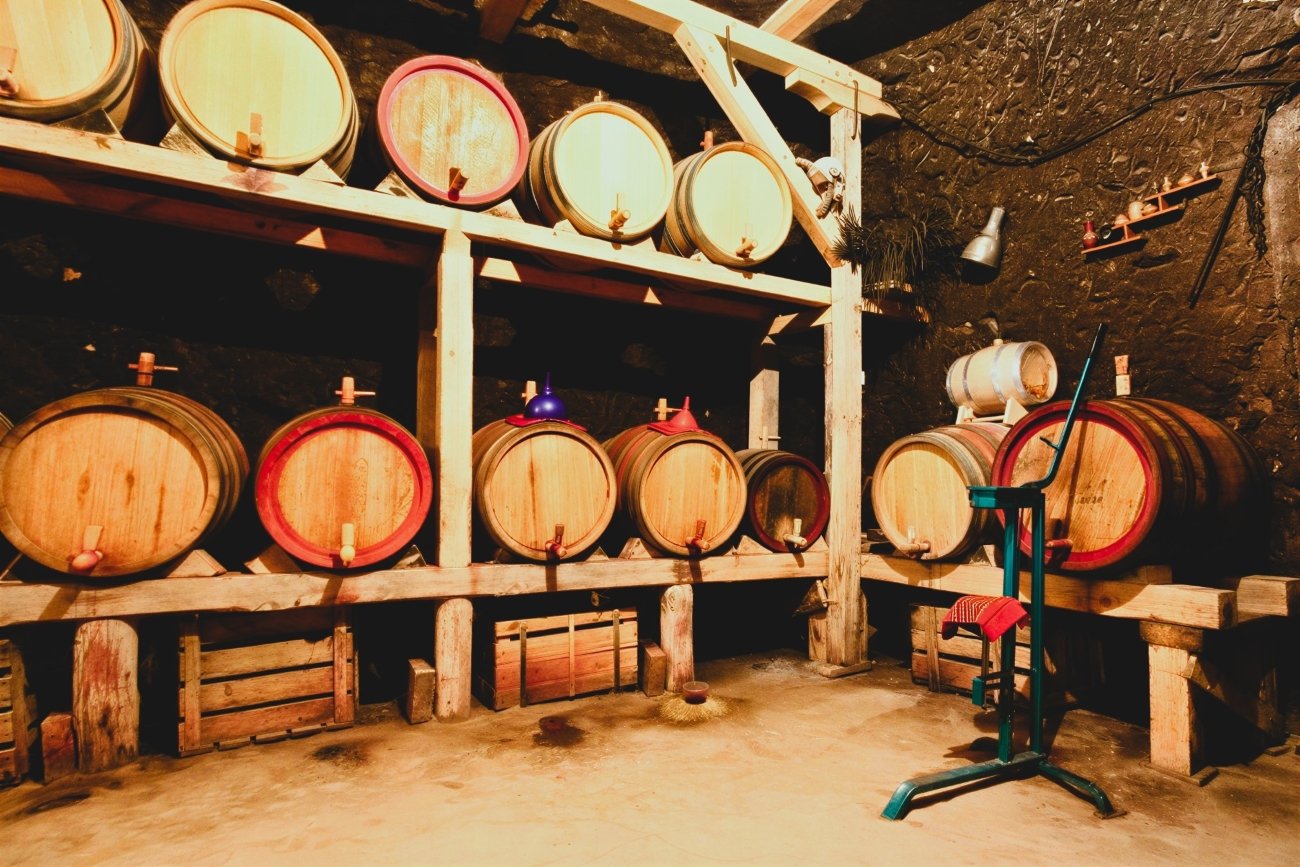
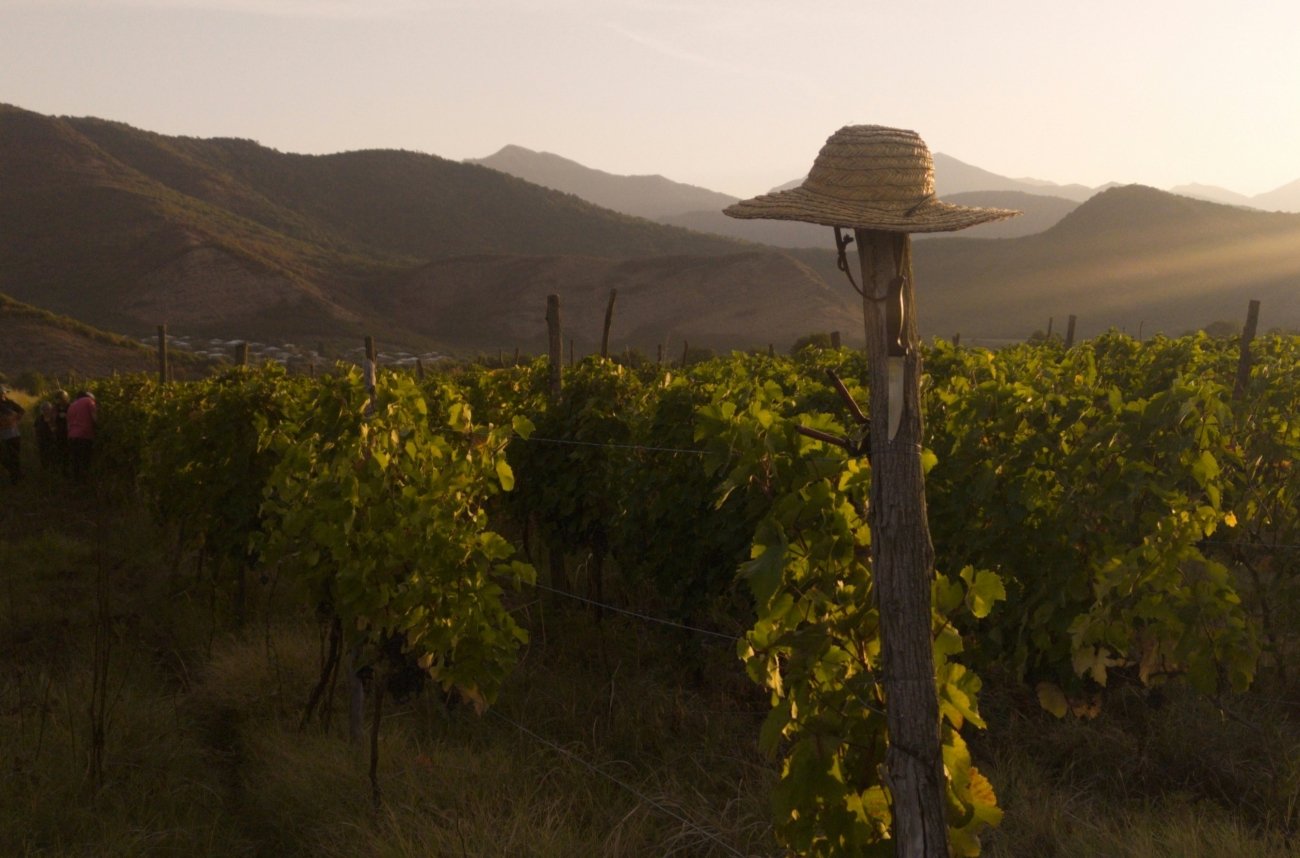
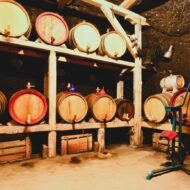
The qvevri method, which is Kakheti’s contribution to world viticulture: clay vessels of 1,000–1,200 litres, buried to the neck at approximately 1.5–2 metres, maintaining a cellar temperature of 13–15°C without refrigeration. White wines undergo 4–6 months of skin contact with the full pomace — skins, stems, seeds. The result is what the natural wine world now calls orange wine and has been shipping from Kakheti to European restaurants for the past fifteen years. What the restaurants rarely mention is that the method is not a trend. It is the oldest continuous winemaking tradition on earth.
The principal varieties: Rkatsiteli for white, Saperavi for red. Both are ancient. Saperavi is one of the few teinturier varieties in existence — its flesh, not just its skin, is red. The wines it produces in Kakheti are dense, tannic, and unlike anything grown in Western Europe.
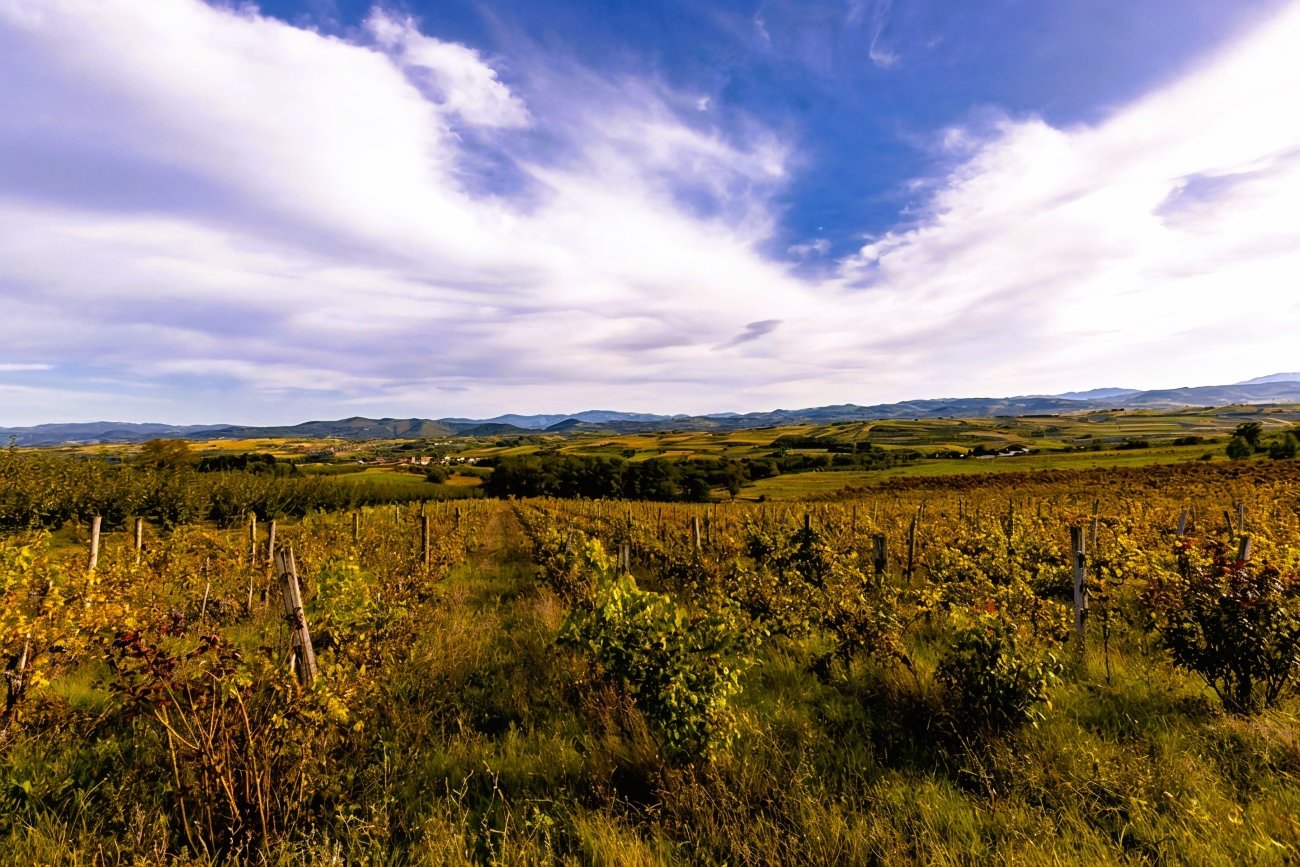
The micro-zones least visited: Artana village, with small qvevri producers who receive almost no English-language visitors. Napareuli, in the north of Kakheti, with a cooler microclimate. Both are within an hour of Telavi, the valley’s main town.
Access: From Tbilisi, marshrutka minibuses to Telavi depart from Samgori Metro station — approximately 15 GEL, six daily departures, two-hour journey. Telavi is the base for the valley. Alaverdi Monastery is 17 km northeast of Telavi.
→ The Tbilisi base guide — everything before and after the valley: Tbilisi Beyond the Map — The Wanders City Guide
3. Tikveš, North Macedonia — The Winery That Tito Visited
GPS: 41.430°N, 22.010°E — Elevation: 200–300 m
The temperature record for Tikveš is 44.8°C. This is a continental climate operating at its extreme edge — hot, dry summers that would be unsuitable for viticulture in most of Europe but produce, in the Vardar River valley of central North Macedonia, conditions that ripen the Vranec grape to an intensity that has made it this country’s most significant red variety.
Vranec — the same grape called Vranac across the border in Montenegro — is indigenous to the western Balkans. In Tikveš, it has been dominant since before the Yugoslav period. Tikveš Winery was founded in 1885, nationalised in 1946, became the largest winery in southeastern Europe during the Yugoslav years, received a visit from Tito himself in 1956, and collapsed by approximately 75% in production after the dissolution of Yugoslavia destroyed its primary export markets. It was sold in 2003 and has been rebuilding since.
The historical depth that wine tourism here does not mention: the Roman city of Stobi lies within the Tikveš wine region, at the confluence of the Crna and Vardar rivers. Stobi was a significant Roman settlement from the 2nd century BC onward. The Romans planted vines here. The viticultural continuity between Roman Stobi and the current Tikveš region is not documented for tourists, not marked at the winery, not part of the narrative. It is simply there, in the landscape, if you know where the ruins are.
Tikveš remains one of the few places in Europe where you can visit a winery of genuine historical scale — not a boutique operation, not a heritage site, a functioning large-scale producer — without buying a tour package or standing in a queue.
Access: Kavadarci, the main town of the Tikveš region, is 105 km from Skopje — approximately 1.5 hours by road. Regular bus service from Skopje’s South Bus Station.
→ The western Balkans by road — North Macedonia, Serbia, Albania in sequence: Overland & Campervan in the Balkans — The Beyond the Map Road Guide
4. Župa Valley, Serbia — The Grape That Has a Riedel Glass
GPS: 43.460°N, 21.050°E — Elevation: 200–400 m
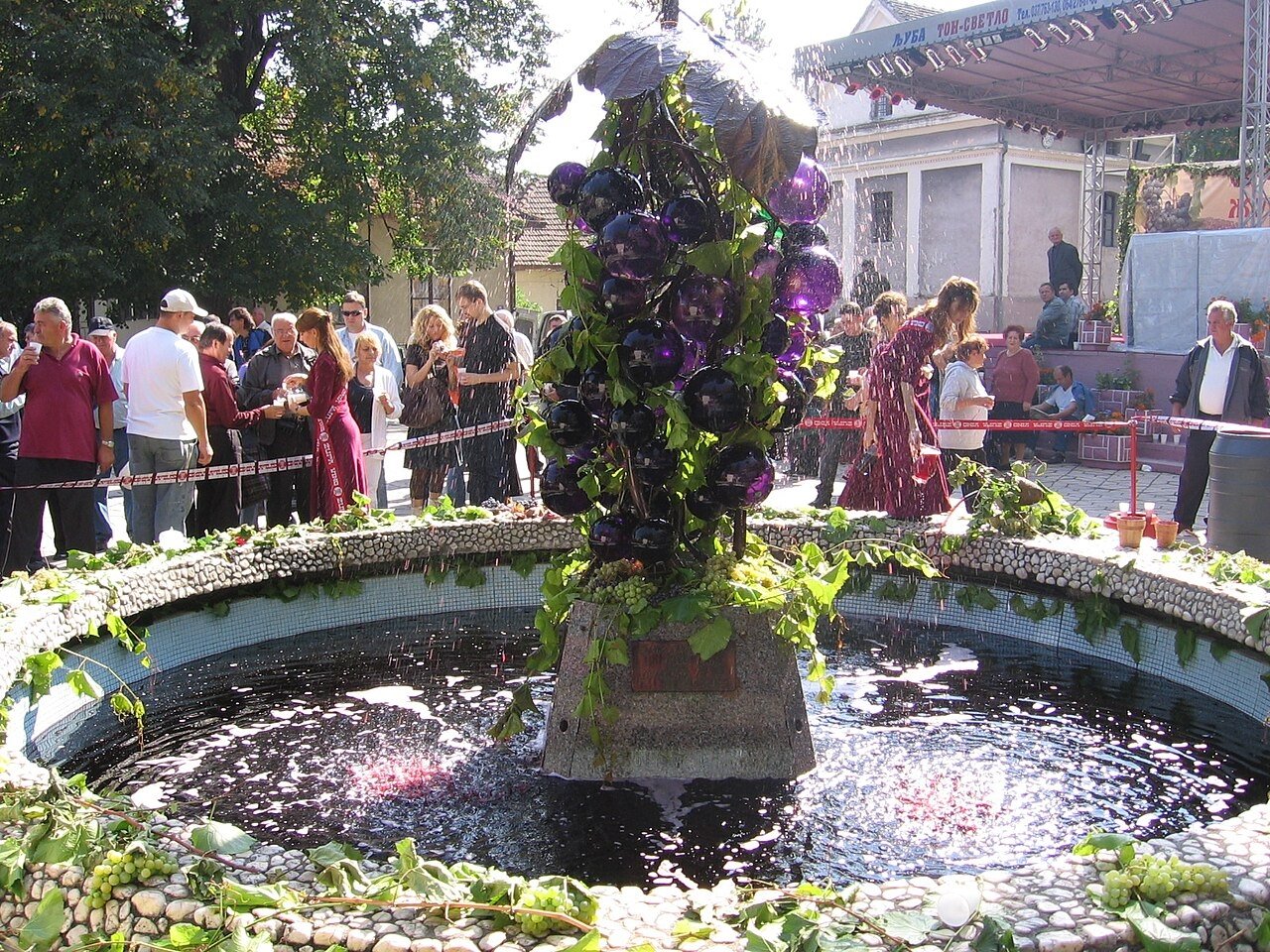
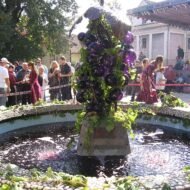
The Župska Berba — the Župa harvest festival — has been held in Aleksandrovac every September since 1963. The 58th edition ran in 2023. There is a wine fountain in the town centre. Aleksandrovac has a population of just under 5,600, down from 32,000 in the municipality at its 1948 peak before the postwar rural exodus. The town exists almost entirely around wine.
The grape is Prokupac. It was documented in a 1196 charter from Studenica Monastery — the founding monastery of the Serbian medieval state, 40 kilometres away in the Ibar Valley — which recorded receiving wine from the Župa region. That is a continuous viticultural relationship between this valley and that monastery of over 800 years. It appears nowhere in English-language wine or travel writing.
Prokupac’s 20th century: by mid-century it represented approximately 60% of all Serbian vine plantings. Under Yugoslav agricultural rationalisation it was systematically replaced with international varieties — Cabernet Sauvignon, Merlot, Chardonnay. By the 1990s it was near extinction. A revival movement began after 2000, reached 338 hectares nationally, received PDO status in 2009, and — the clearest signal that the wine world has noticed — Riedel produced a dedicated glass for Prokupac in 2019. A grape that almost disappeared in forty years of communist agricultural policy now has its own stemware shape.
The Župa valley itself: rolling hills above the South Morava river tributaries, sandstone soils, the Kopaonik massif visible to the southwest. The wine tourism infrastructure is minimal. The festival in September is the moment when the town becomes itself most fully.
Access: Aleksandrovac is approximately 200 km south of Belgrade via the E75 motorway and local roads — around 2.5 hours by car. Limited public transport; a car is strongly recommended.
→ Autumn in the Balkans — timing, light, and the festivals worth building a route around: Autumn Photography in Europe — The Beyond the Map Premium Guide
5. Melnik, Bulgaria — 171 People, 39th Best Winery in the World
GPS: 41.517°N, 23.400°E — Elevation: 200–350 m
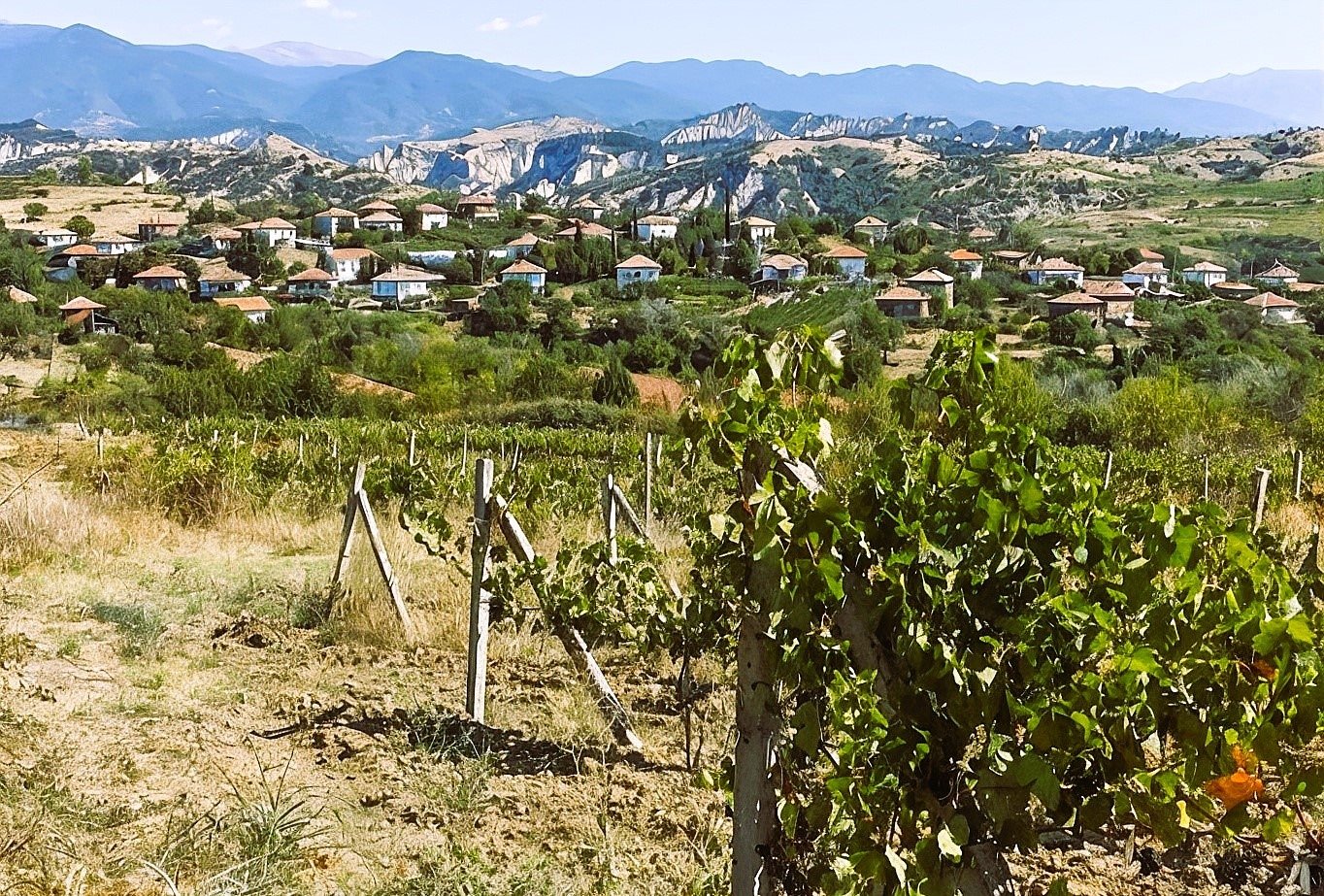
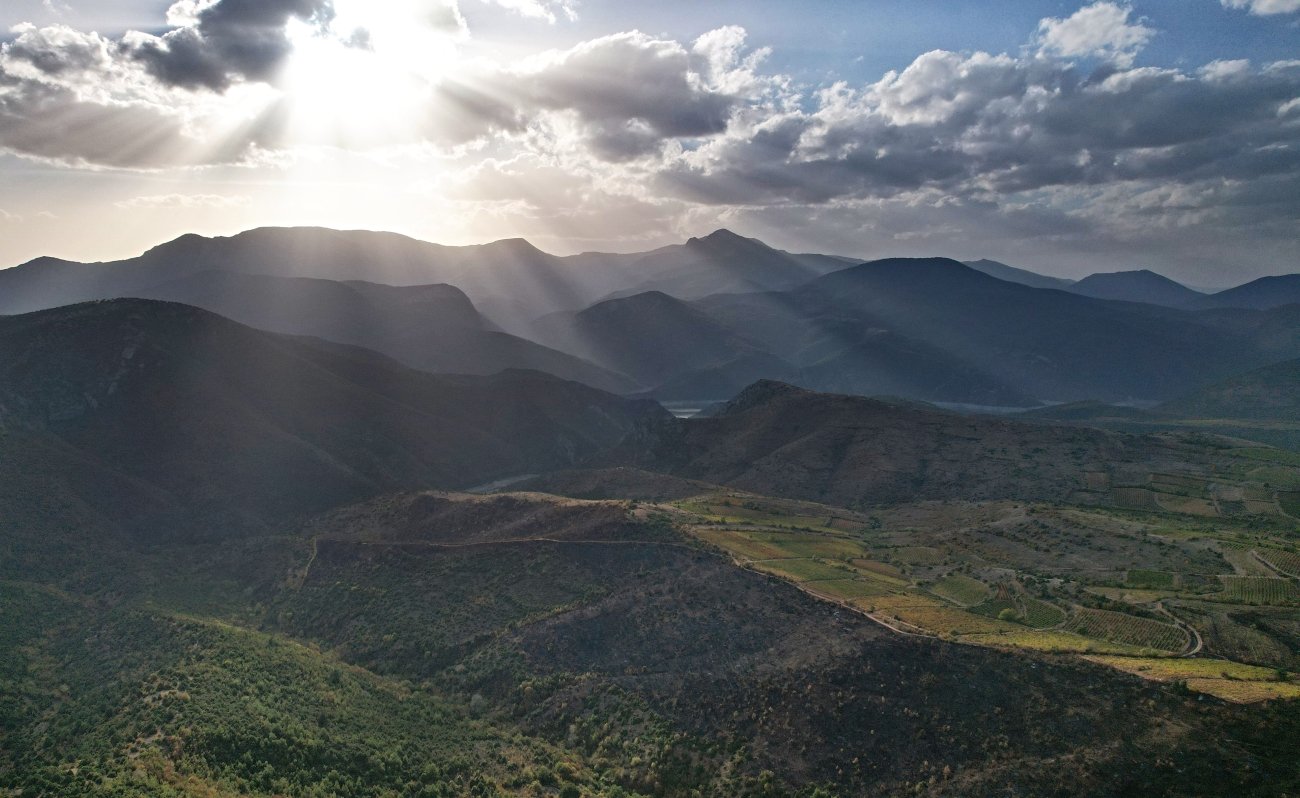
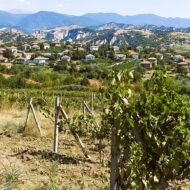
The 2021 census recorded 171 inhabitants. Melnik is officially Bulgaria’s smallest town — it holds town status by historical designation, not by population. The sandstone pyramids that frame it on three sides are erosion formations, the same geology that provides natural wine cellars at constant temperature throughout the valley. The Ottomans governed Melnik until 1912 — 34 years after the rest of Bulgaria gained independence — which is why the town’s architecture, its merchant houses, its street layout, reads differently from anywhere else in the country.
The grape: Shiroka Melnishka Loza — “broad-leafed Melnik vine” — is late-ripening, thick-skinned, produces wines that oxidise slowly and age for decades. It is grown almost nowhere outside this valley. There is a critical distinction that Bulgarian wine writing often blurs: Shiroka Melnishka Loza is the indigenous variety. Melnik 55 is a 1963 hybrid developed at the Plovdiv agricultural institute to improve yields. They are not the same grape, they do not taste the same, and the hybrid significantly outnumbers the original in current plantings. Producers working with the original Shiroka Melnishka Loza — Orbelus, Damianitza’s premium range, Villa Melnik — are the ones worth finding.
Villa Melnik placed 39th in the World’s Best Vineyards ranking in 2020. Orbelus is Bulgaria’s first certified organic winery. Damianitza, founded 1940, produces 1.4 million bottles annually — a scale that coexists, in this valley, with operations of ten hectares.
The Winston Churchill connection — widely cited, that he ordered Melnik wine by the case — is unverified. It has circulated in Bulgarian wine marketing for decades and traces to no primary source. The wine is excellent without it.
Access: Melnik is approximately 2–2.5 hours from Sofia by car via the A3 motorway toward Sandanski, then local roads. Sandanski is the nearest significant town, 18 km away. Bus service from Sofia to Sandanski, then local taxi.
→ The complete map of overlooked Europe — every valley, town, and corner worth the detour: Hidden Europe — The Beyond the Map Map
A Note on What “Lost” Means Here
None of these valleys are unknown to the people who live in them. The Prokupac grape has a Riedel glass. Villa Melnik placed in the world’s top 40. Georgian qvevri wine is on the menu in London and Copenhagen. Vipava natural wine producers have followers in Paris.
What is lost is the connection between the wine and the place. The bottles travel. The valleys do not. The result is that you can drink Kakheti Rkatsiteli in a Soho wine bar and have no sense of what the Alazani Valley looks like in October — the walnut trees, the monastery on the plain, the marshrutka from Tbilisi that takes two hours and costs one euro.
The wine is a reason to go. The valley is the thing you find when you get there.
Routes through wine country that hasn’t been packaged yet:
→ Tbilisi Beyond the Map — The Wanders City Guide The gateway to Kakheti. Everything in Tbilisi before the valley — and the logistics for the Alazani in detail.
→ Soča Valley Beyond the Map — The Premium Field Guide The Vipava Valley’s neighbour to the north. The two together make a week in the Slovenian-Italian borderlands.
→ Overland & Campervan in the Balkans — The Beyond the Map Road Guide Tikveš, Župa, and Melnik in sequence. The southern Balkans wine route by road.
→ Autumn Photography in Europe — The Beyond the Map Premium Guide Harvest season in the valleys — timing, light, and the festivals that don’t require a booking.
→ Hidden Europe — The Beyond the Map Map All five valleys, mapped alongside everything else worth the detour.