

Every myth starts somewhere. Before they were stories in books, the gods, giants and witches of Europe belonged to real places. There was a hill where a fire was lit, a cave where a child was hidden, a field where stones stood in rows longer than anyone could remember.
Most of these places are still there, and most travellers pass them by. These are five coordinates where Europe’s oldest stories were born:
- a royal burial ground of the Norse gods
- a Cretan cave where Zeus was hidden from his father
- a German summit where witches gathered
- the sacred centre of Celtic Ireland
- a field of standing stones older than the pyramids
Stand at any of them on a quiet morning and the line between landscape and legend becomes very thin.
1. Uppsala, Sweden
59.90° N, 17.63° E · Gamla Uppsala, Uppland, central Sweden
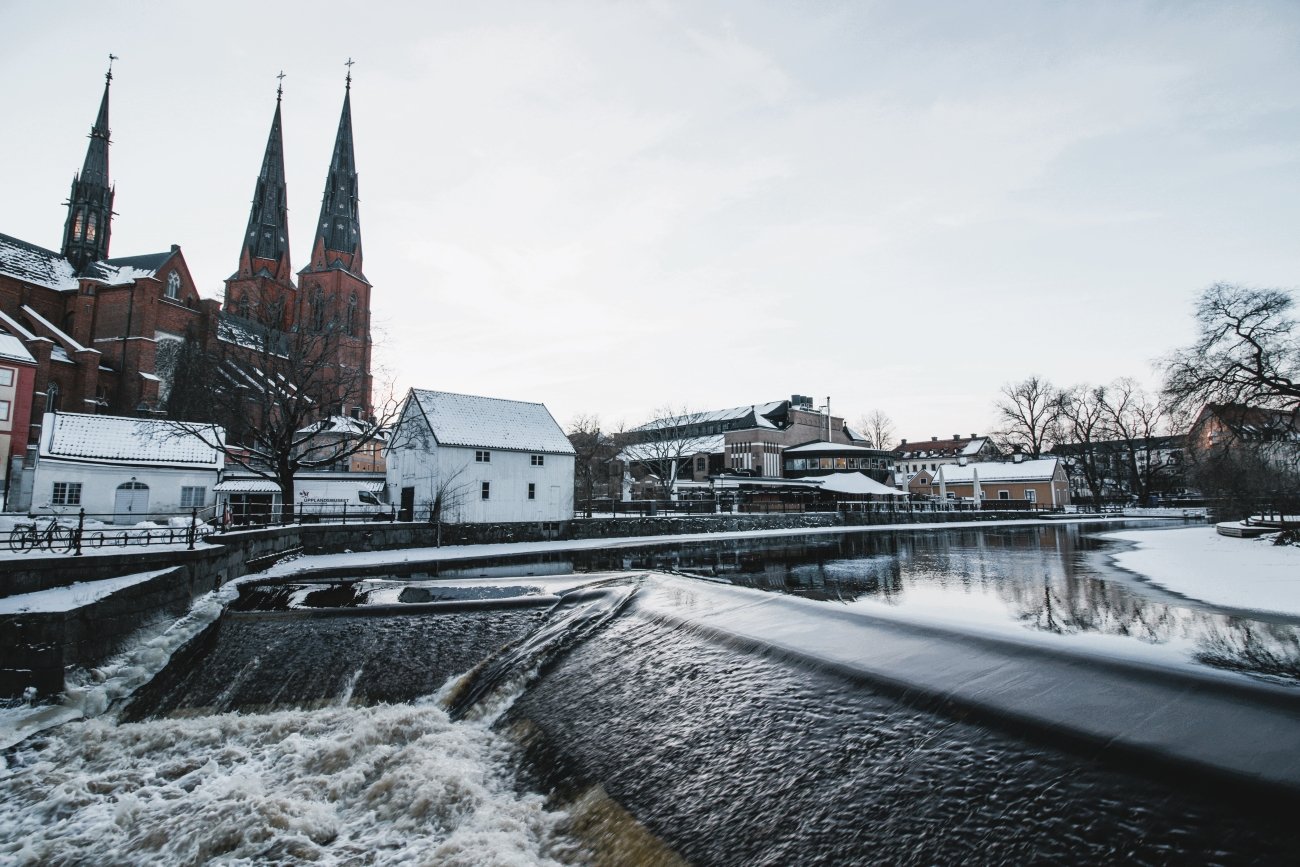
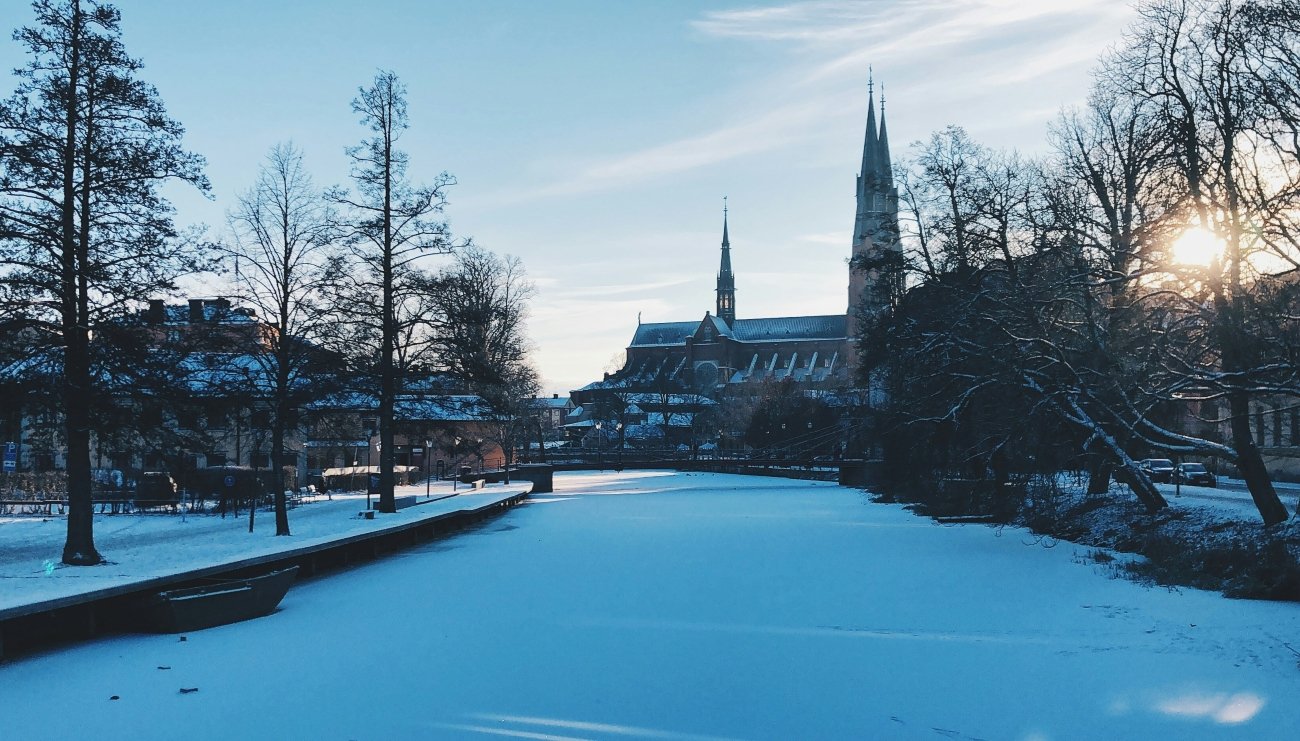
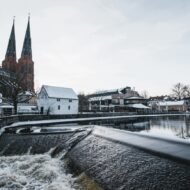
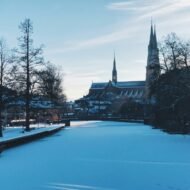
Long before Uppsala was a university city, it was the religious heart of pagan Scandinavia. Just north of the modern centre, at Gamla Uppsala, three great royal burial mounds rise from the fields. They date from the 5th and 6th centuries, and tradition links them to the early kings of the Svear and to the gods Odin, Thor and Freyr.
Around 1070, the chronicler Adam of Bremen described a temple here, with statues of those three gods. He wrote of great sacrifices held every nine years, and of offerings hung in a sacred grove. Historians still debate how much of his account is true, but the mounds, the medieval church built on the site and the open sky above them carry the weight of it.
- Go for: walking among the royal mounds, the Gamla Uppsala Museum, and the Norse history that shaped Sweden.
- When: May to September for long light; early February for the winter market tradition in Uppsala.
- Getting there: about 40 minutes by train from Stockholm to Uppsala, then a short bus ride or a pleasant walk to Gamla Uppsala.
2. Diktaean Cave, Greece
35.16° N, 25.45° E · above Psychro, Lasithi Plateau, Crete
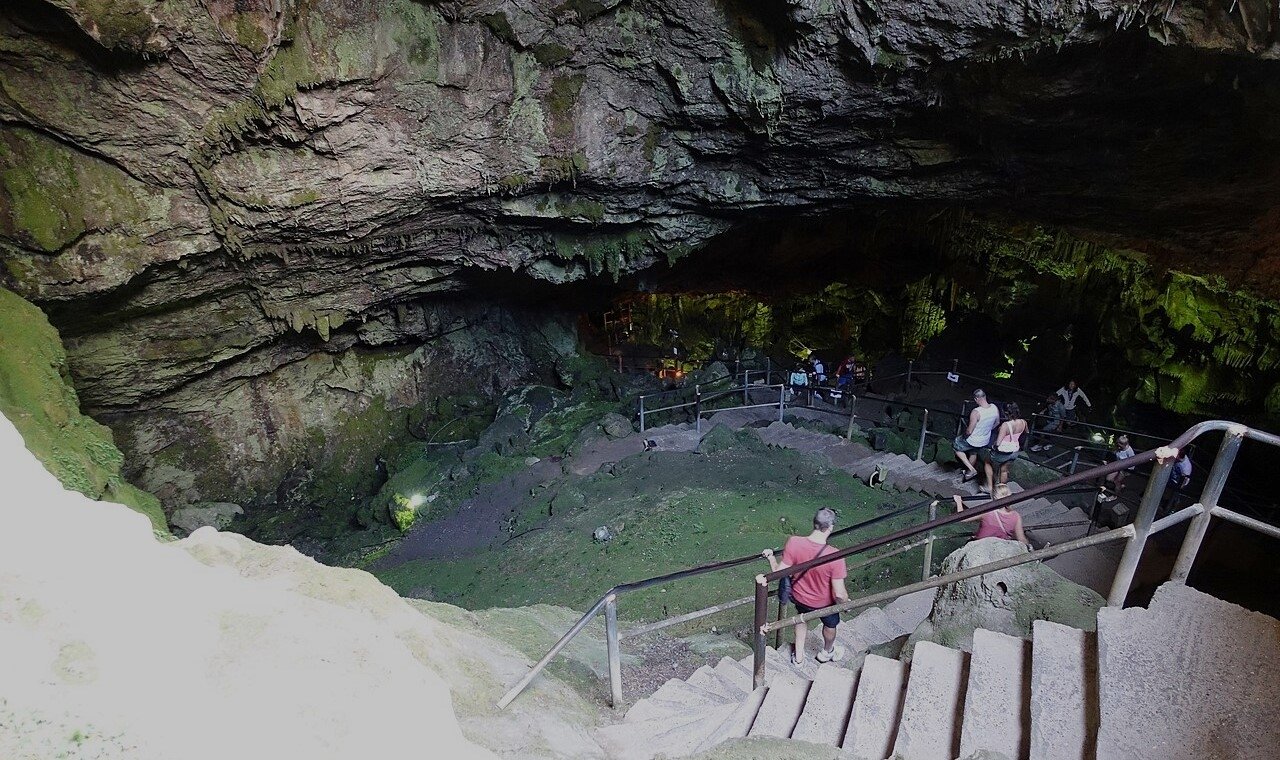
According to Greek myth, the Titan Cronus swallowed each of his children at birth, afraid that one of them would overthrow him. When Zeus was born, his mother Rhea hid him in a cave on Crete. There the goat Amalthea fed him, and the Kouretes danced and clashed their shields so that Cronus would never hear the baby cry.
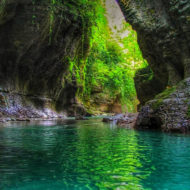
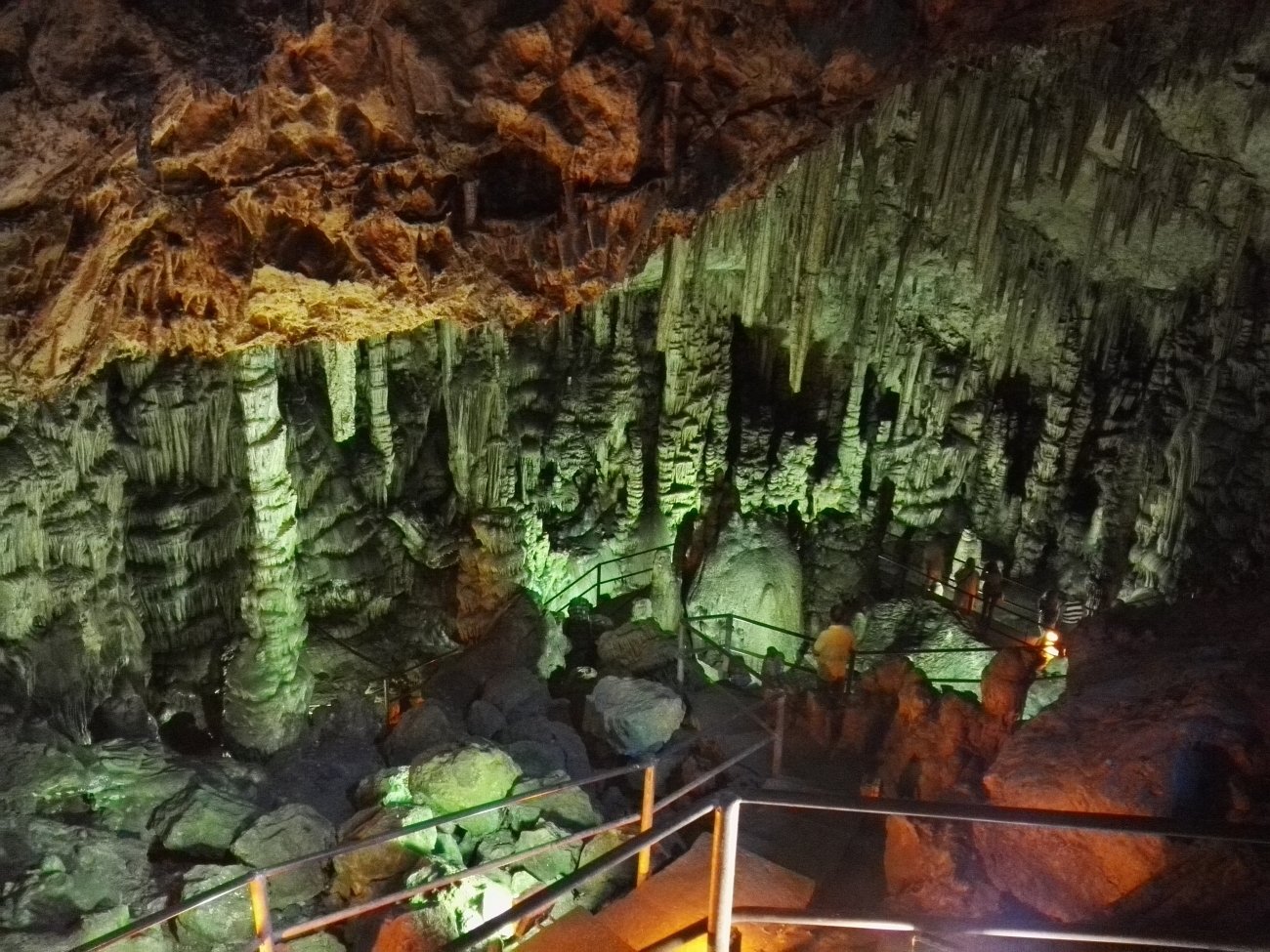
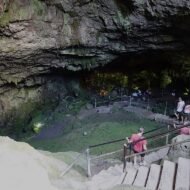
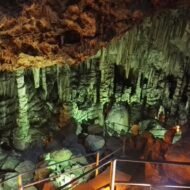
The Diktaean Cave above the village of Psychro is one of the places most closely tied to that story. It sits at around 1,000 metres, above the high Lasithi Plateau. Inside, a steep path leads down into a chamber of stalactites and a small underground lake. When it was excavated around 1900, archaeologists found bronze offerings left here over many centuries. Crete has a rival birthplace, the Idaean Cave on Mount Ida, and the debate is part of the charm.
- Go for: the cave itself, the windmills and orchards of the Lasithi Plateau, and quiet mountain villages.
- When: April to June and September to October. Arrive early to beat the tour groups.
- Getting there: about 1 hour 30 minutes by car from Heraklion, then a short but steep walk up from the car park.
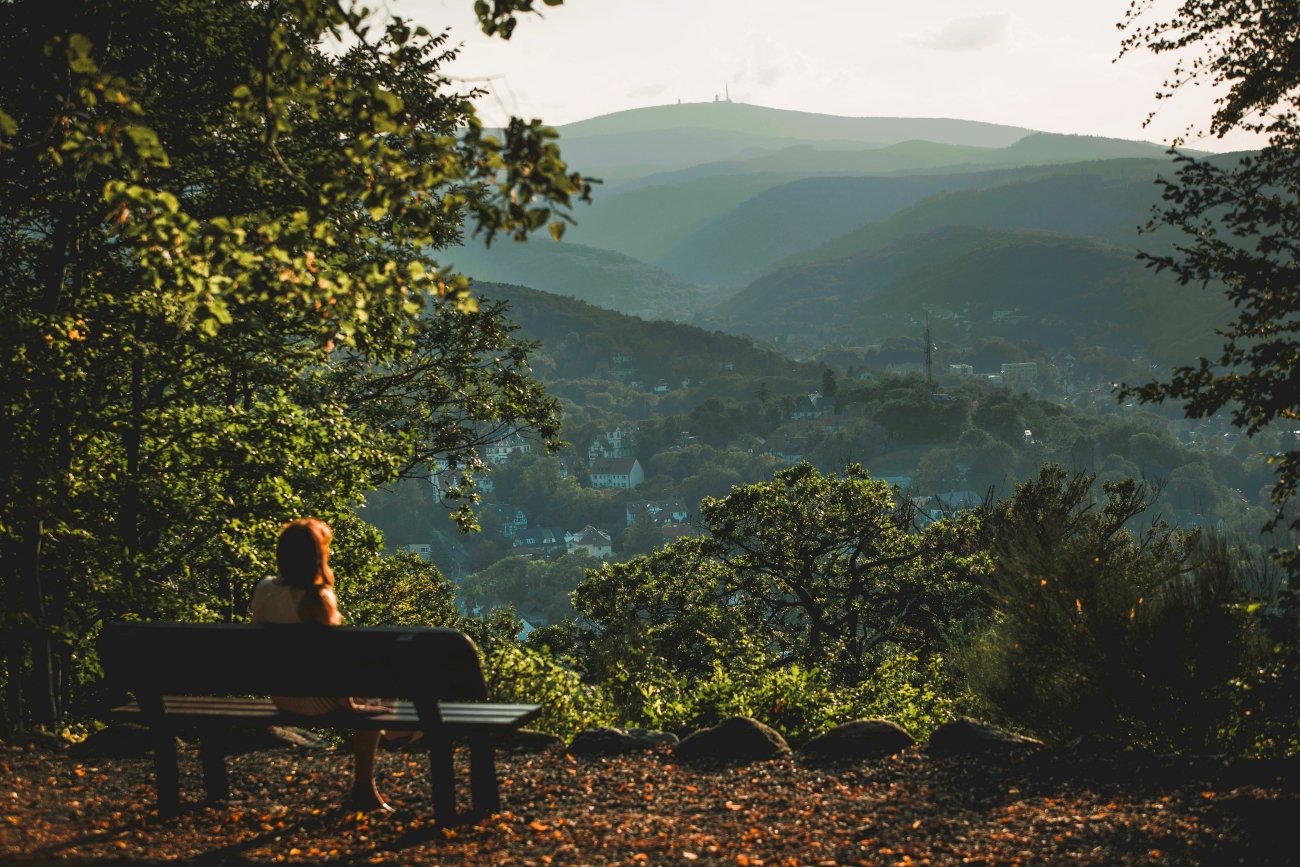
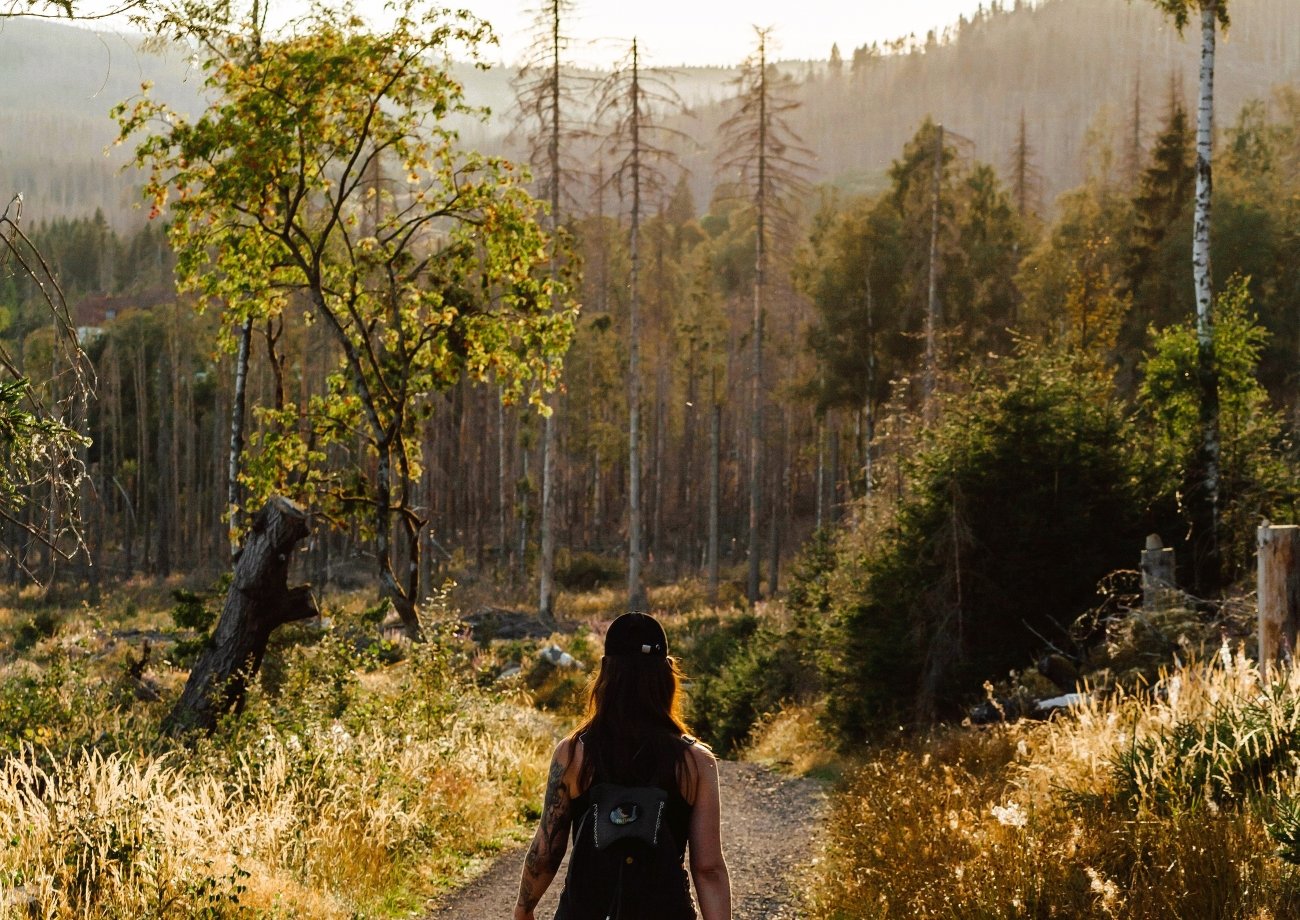
3. Brocken, Germany
51.80° N, 10.62° E · Harz Mountains, Saxony-Anhalt
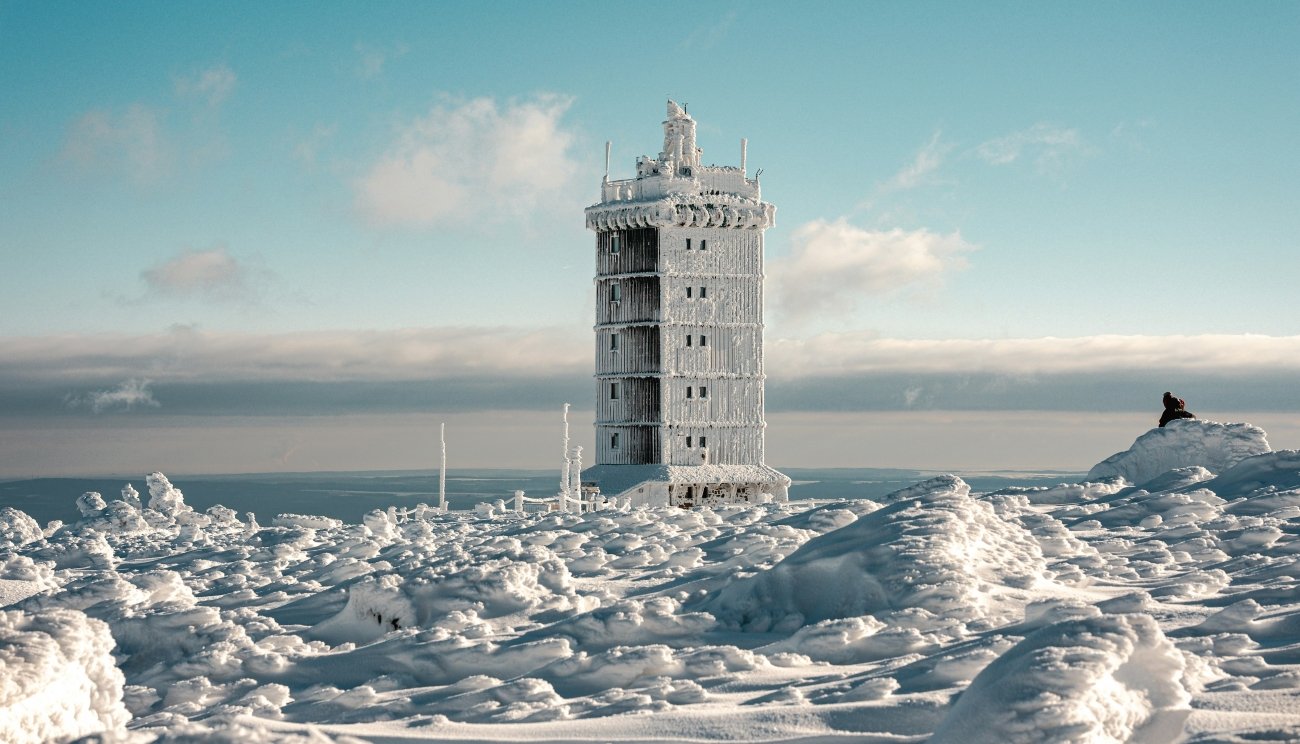
The Brocken is the highest peak in northern Germany, at 1,141 metres. It is also the mountain where, according to folklore, witches gathered on Walpurgis Night, the eve of 1 May, to dance with the devil. Goethe set one of the most famous scenes of Faust here, and the legend has never left the Harz.
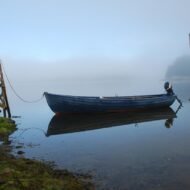
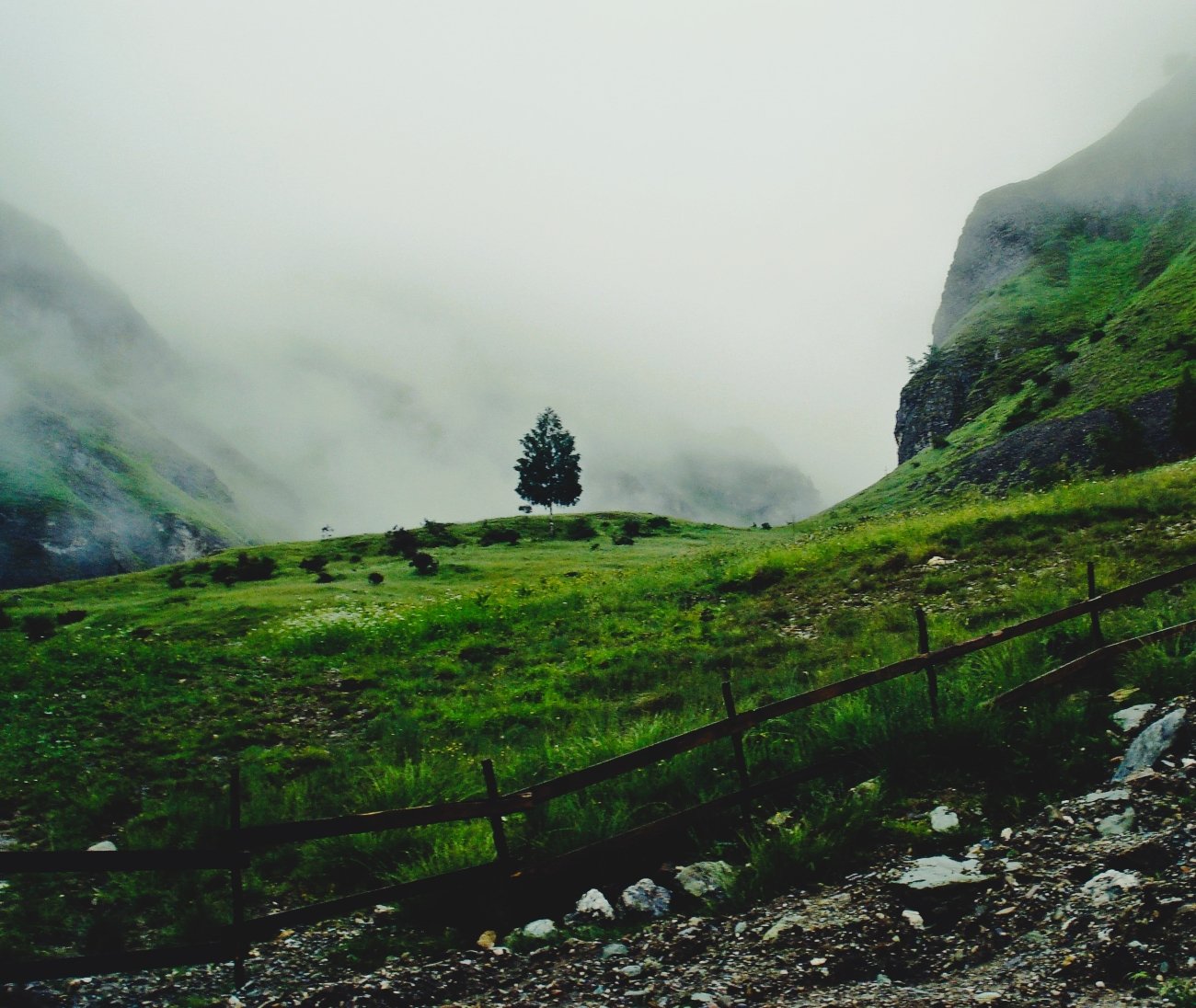
The mountain does its best to keep the story alive. Fog covers the summit for much of the year. In the right light you may even see a “Brocken spectre”: your own shadow, huge and ringed with colour, projected onto the clouds. In more recent history the summit was a Cold War listening post, closed to the public until 1989.
- Go for: hiking through the Harz forests, the steam railway to the summit, and Walpurgis Night celebrations in the villages below.
- When: May to October for hiking; 30 April for Walpurgis Night; winter for snow and mist.
- Getting there: the Harz narrow-gauge steam railway runs from Wernigerode to the summit. The Goethe Trail is a classic hiking route up from Torfhaus.
4. Hill of Uisneach, Ireland
53.49° N, 7.56° W · County Westmeath, the Irish Midlands
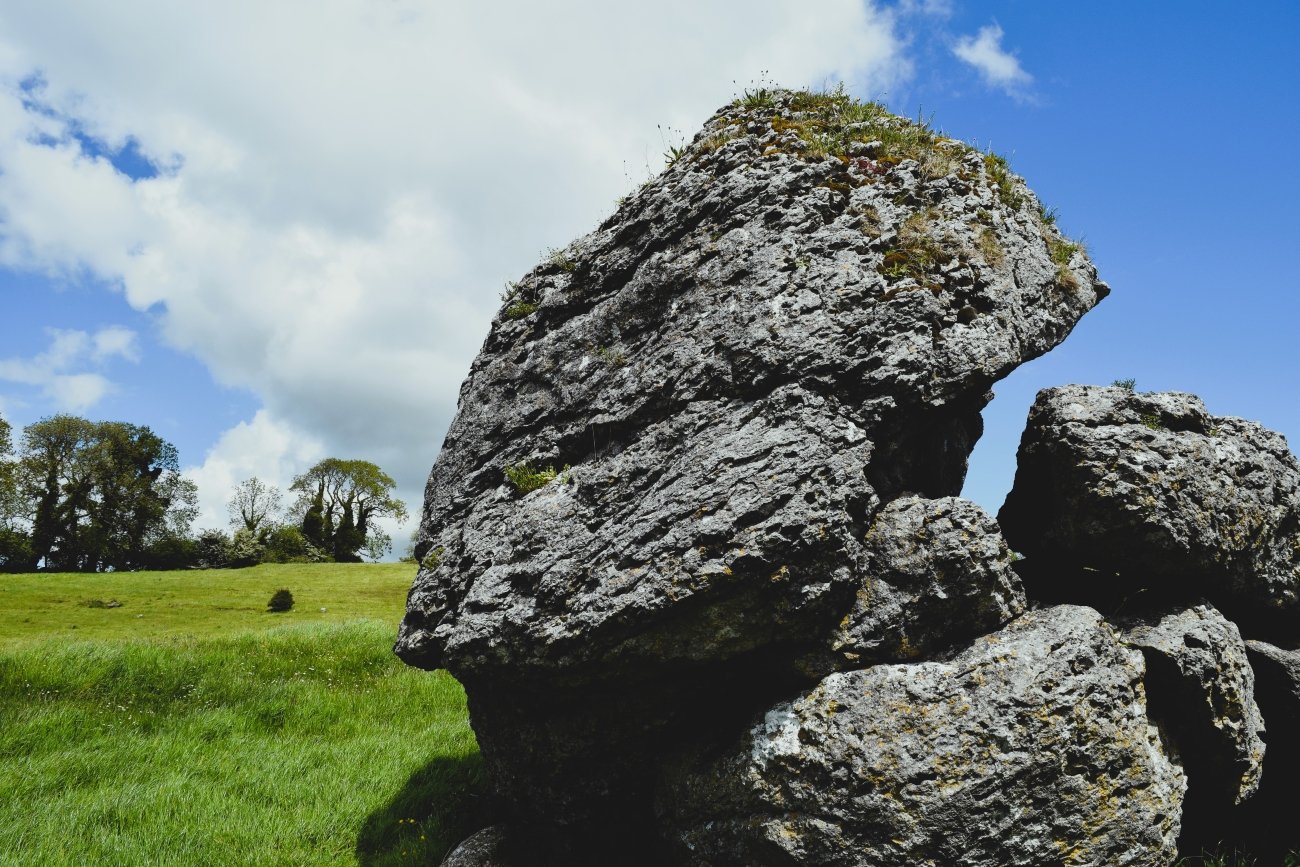
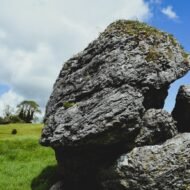
To the early Irish, Uisneach was the centre of the island. Myth places the meeting point of Ireland’s five ancient provinces here, at a huge limestone boulder called the Catstone, or the Stone of Divisions. Legend says Ériu, the goddess who gave Ireland its name, is buried beneath it.
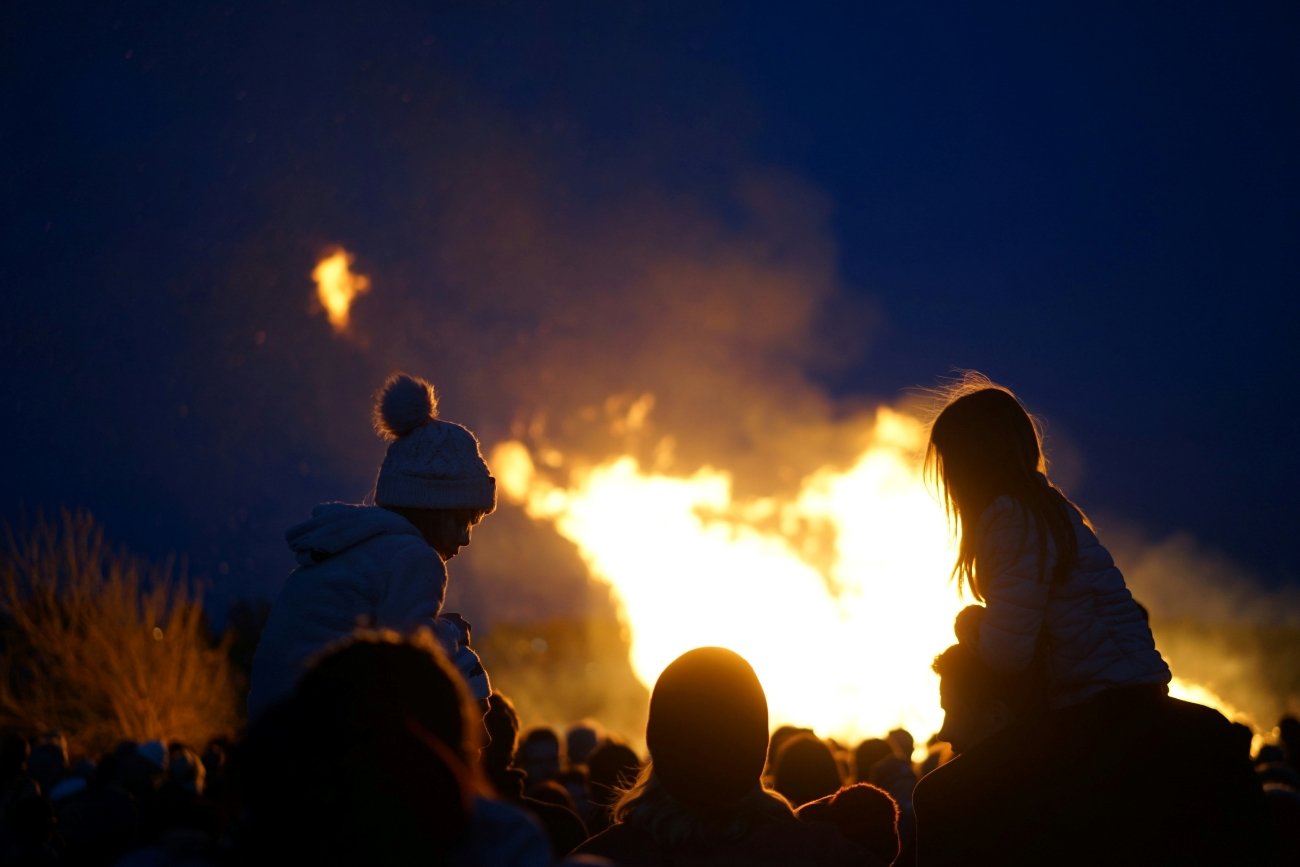
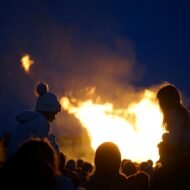
Uisneach was also a place of fire. Tradition says the great Bealtaine fire was lit on the hill each May, and that its flames could be seen from hills across the country. The hill is not high, but from the summit you can see much of the Midlands, and on a clear day it is easy to understand why it was chosen as the sacred centre of a whole island.
- Go for: guided walks to the Catstone and the summit, the old stories of Irish kings and gods, and the revived Bealtaine fire festival.
- When: early May for the Bealtaine festival; May to September for guided tours.
- Getting there: about 1 hour 15 minutes by car from Dublin, near Mullingar. The hill is on private land, so visits are by guided tour.
5. Carnac, France
47.59° N, 3.08° W · Morbihan, southern Brittany
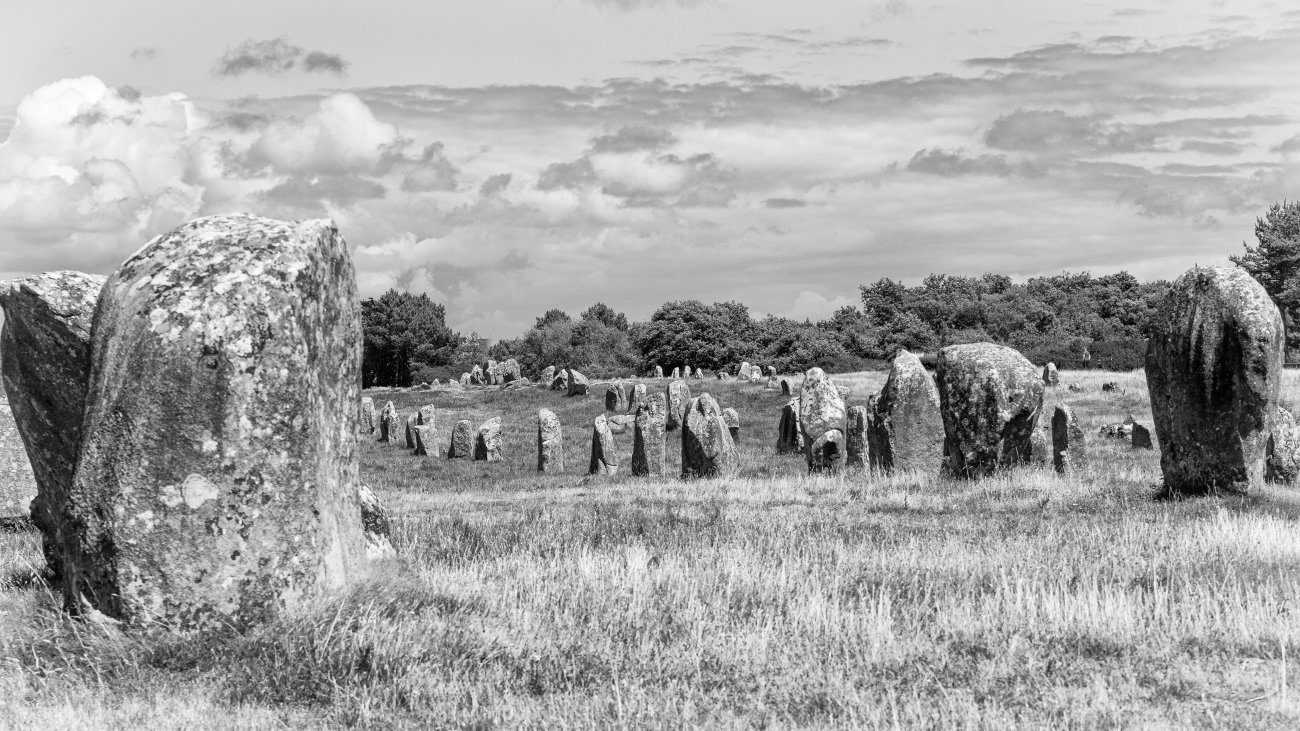
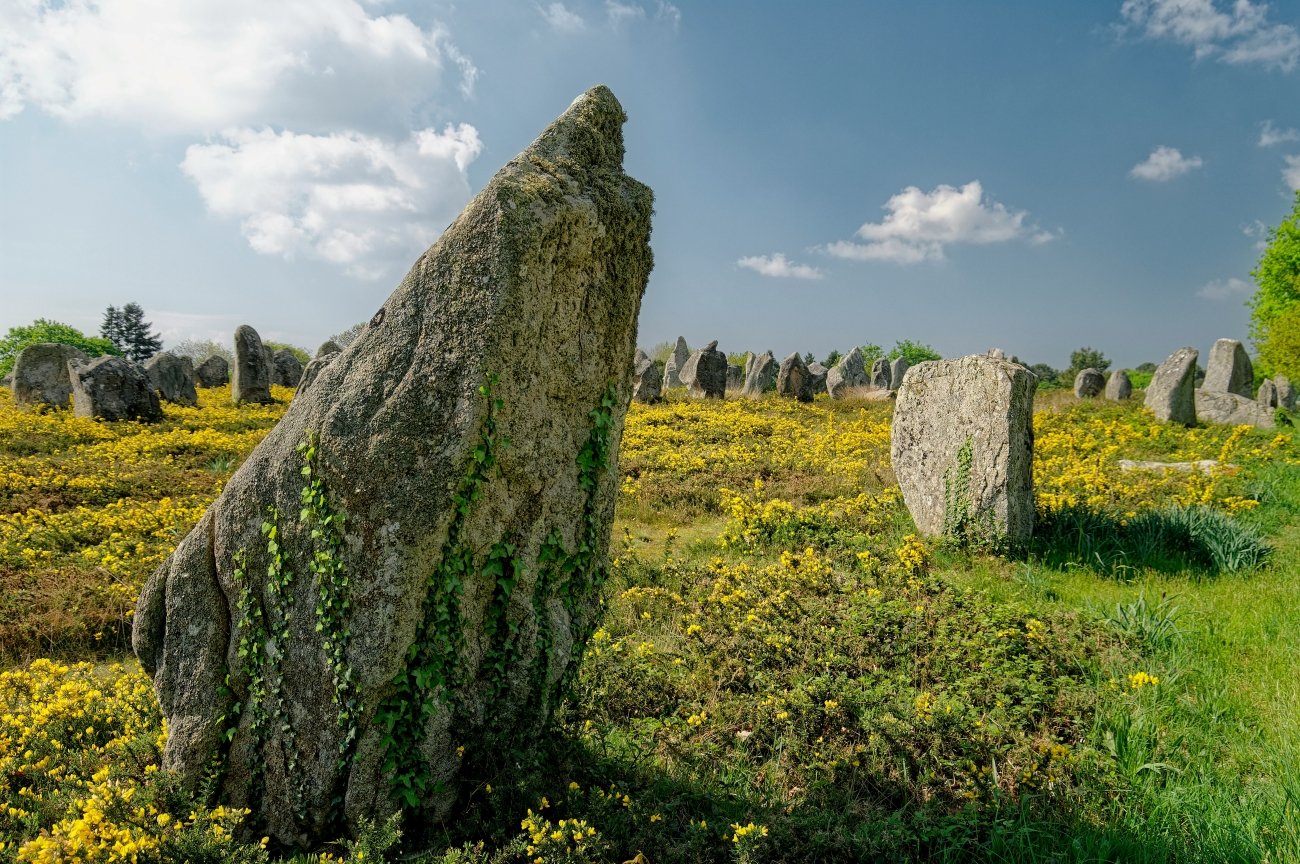
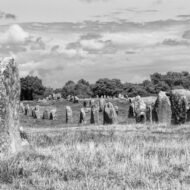
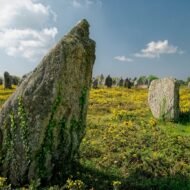
Carnac holds one of the largest collections of standing stones in the world. Around 3,000 of them run in long parallel rows across the fields of Ménec, Kermario and Kerlescan. They were raised in the Neolithic, around six thousand years ago, and in 2023 they were added to the UNESCO World Heritage List.
Nobody knows for certain why they were built, so legend filled the gap. One local story says that Saint Cornély, chased by a Roman army, turned the soldiers to stone where they stood. Other tales link the stones to Merlin and to fairies. Walking through the alignments in winter, with mist on the fields and no one else around, you understand why every generation has needed its own explanation.
- Go for: walking the alignments, the Tumulus Saint-Michel, the Maison des Mégalithes visitor centre, and the coast of the Gulf of Morbihan.
- When: October to March, when you can usually walk freely among the stones; in the busier months, some fields are only open on guided visits.
- Getting there: about 1 hour 30 minutes by car from Nantes or 2 hours from Rennes; the nearest train station is at Auray.
How to visit sacred places
These are not just tourist sites. For centuries, people came to them with reverence. A few habits help keep them that way:
- Don’t climb or touch the stones and mounds. Ancient monuments wear down quickly under many feet and hands.
- Stay on the paths. Burial mounds and sacred hills are often fragile, and some are on private land.
- Go early or out of season. The atmosphere that created these myths needs quiet to survive.
- Take a local guide. At places like Uisneach and Carnac, the stories are best heard from the people who keep them.
- Leave no offerings. Coins, ribbons and candles may feel respectful, but they damage the sites.
Beyond the map
Myths last because they are tied to places you can still visit. A cave, a hill, a field of stones: these five coordinates are where the stories began, and they are still waiting at the end of the road. Go slowly, and listen to what the land remembers.
Carry the stories with you: Beyond the Map Field Guides
Our premium guides are made for travellers who want to go further than an article can take them.
Hidden Europe — The Beyond the Map Map Every coordinate in this article, and many more, gathered on one map of the Europe most travellers never see.
Autumn Photography in Europe — The Beyond the Map Premium Guide Mist on the Brocken, Carnac’s stones in low light, the colours of the Harz forests. This guide is for the season when Europe’s sacred places look their most mysterious.
Overland & Campervan in the Balkans — The Beyond the Map Road Guide For travellers who want to keep following the old stories by road, through the mountains and villages of the Balkans, at their own pace.
Explore more: Slow Escapes · The Wanders