















TL;DR: Trattorias are Italy’s soul-warming neighborhood gems where families gather for honest, home-style cooking. Unlike fancy restaurants, these casual spots serve regional specialties at communal tables, creating an authentic cultural experience that connects you directly with local traditions, seasonal ingredients, and the Italian way of life.
- What Exactly Is a Trattoria?
- The Heart of Trattoria Culture
- Regional Trattoria Traditions
- Decoding the Trattoria Experience
- What to Expect on Your Plate
- Wine Culture in Trattorias
- Modern Trattorias: Tradition Meets Innovation
- Making the Most of Your Trattoria Adventure
- Finding Authentic Trattorias
- The Social Impact of Trattorias
- Planning Your Trattoria Journey
- Beyond the Meal: Cultural Connections
- Your Trattoria Adventure Starts Now
What Exactly Is a Trattoria?
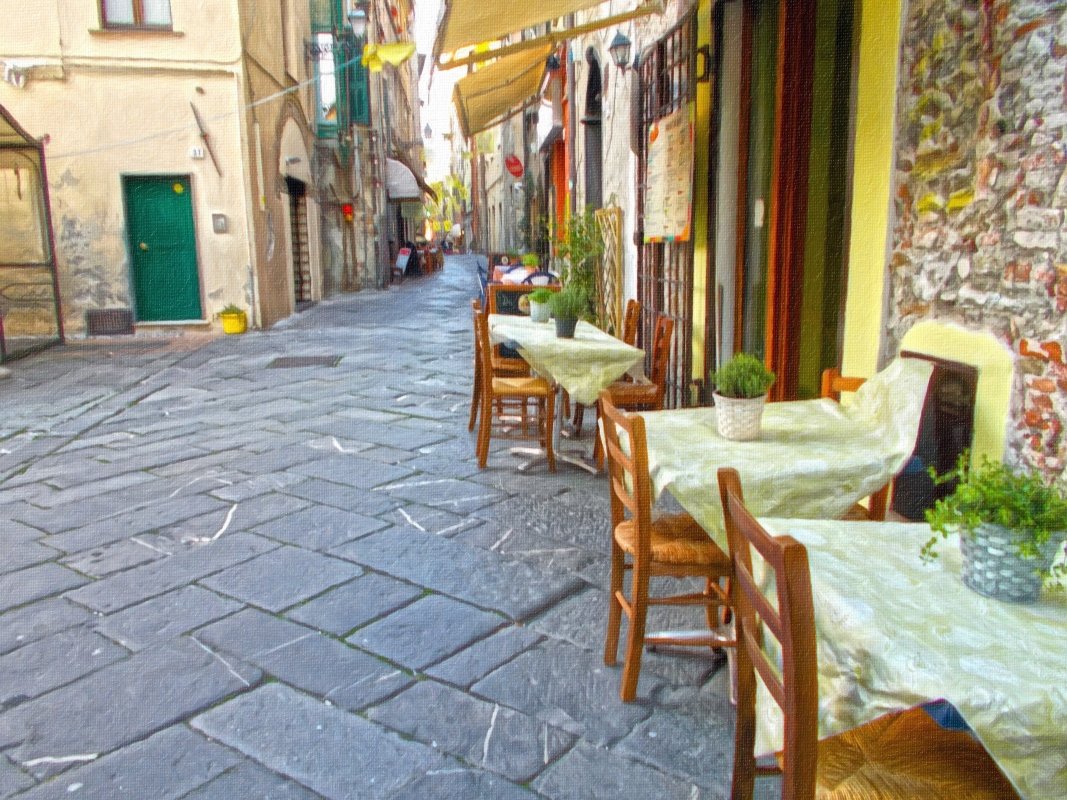
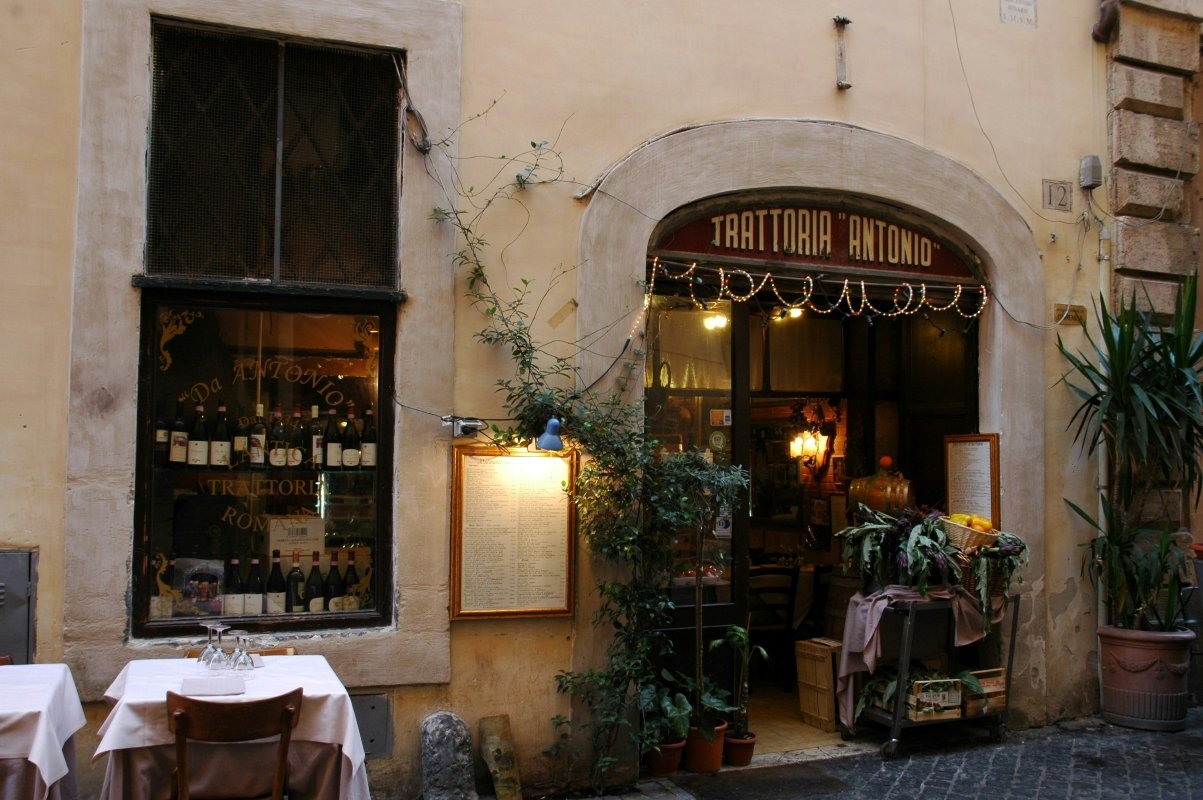
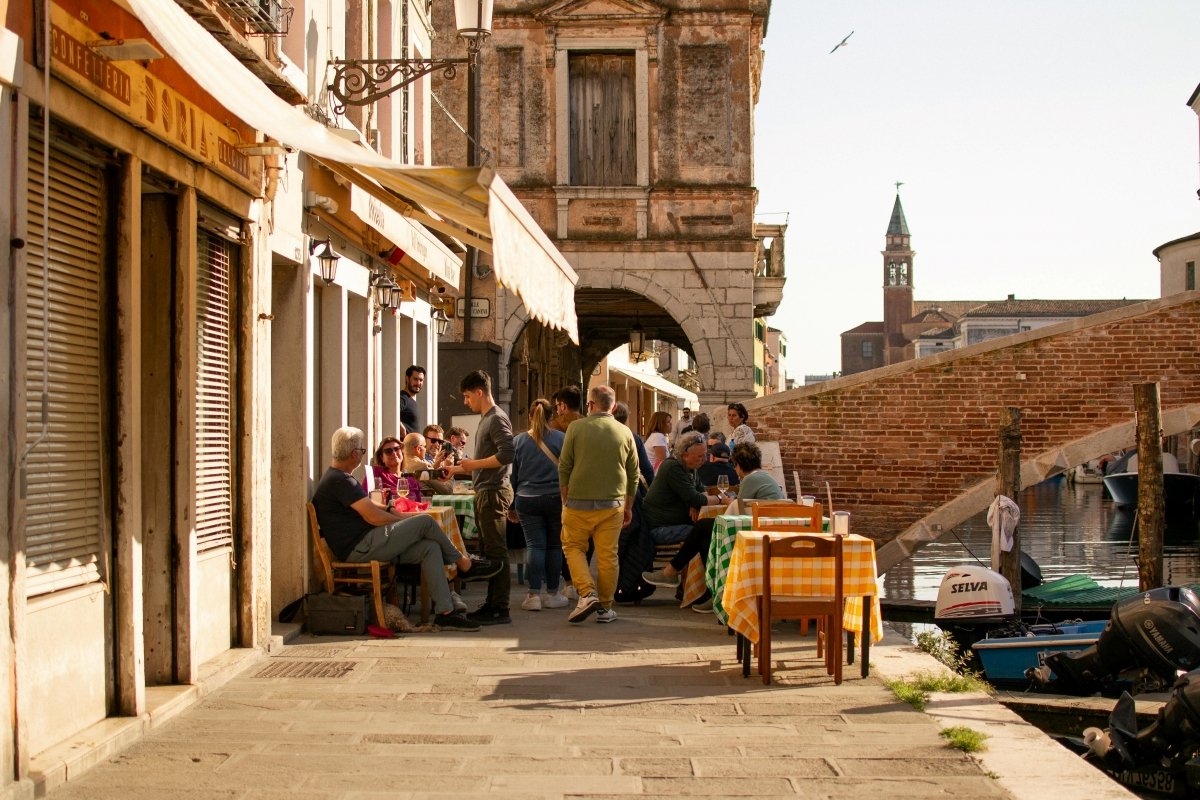
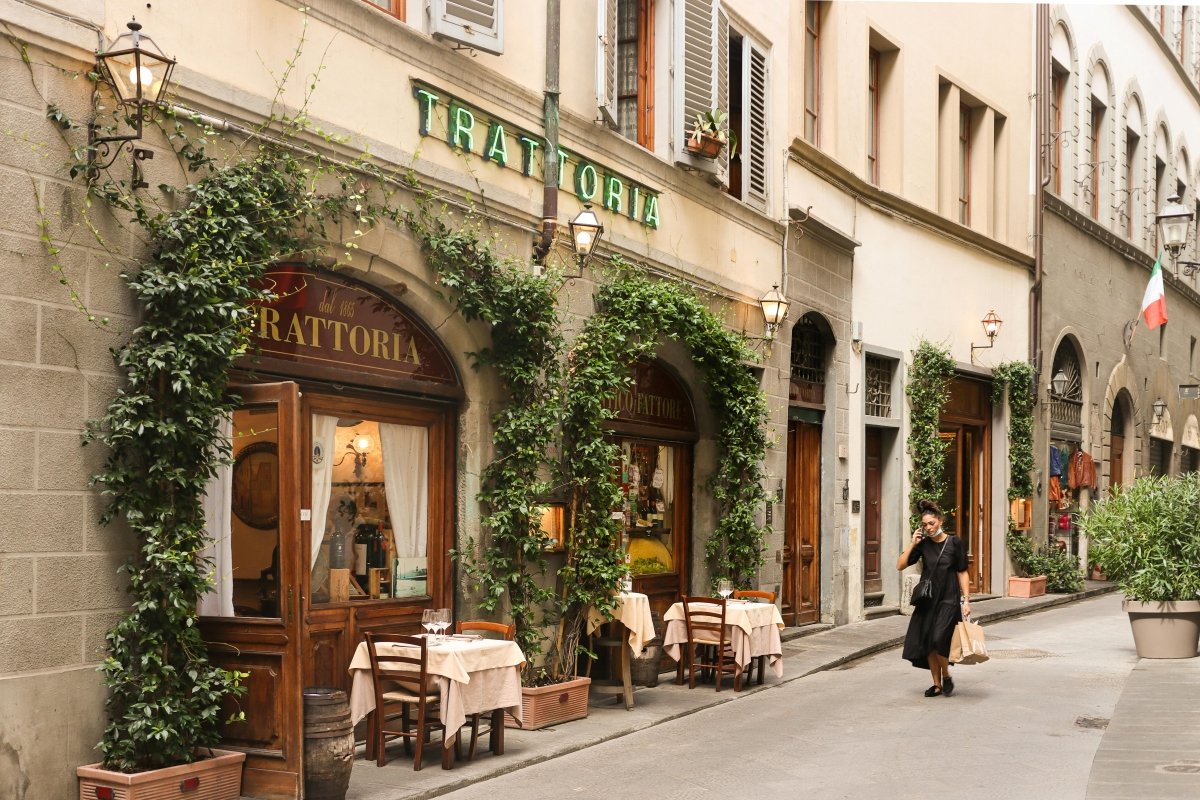
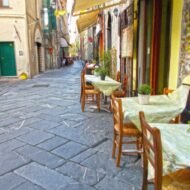
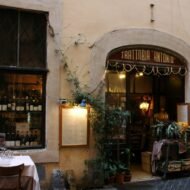
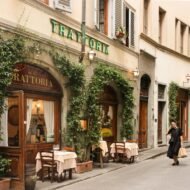
Picture this: you’re wandering down a narrow Roman alley when you spot a small, unassuming place with checkered tablecloths, the aroma of garlic and basil wafting through the door, and locals chatting animatedly over steaming plates of pasta. That’s a trattoria – Italy’s answer to your neighborhood comfort food spot.
Unlike their upscale cousin, the ristorante, trattorias are family-run establishments that prioritize warmth over formality. The word itself comes from “trattore,” meaning “host,” and that’s exactly what you’ll find – hosts who treat every guest like family, whether you’re a regular from down the street or a curious traveler discovering their little corner of Italy for the first time.
The Heart of Trattoria Culture
Family is Everything
Step into any authentic trattoria and you’ll likely meet three generations working together. Nonna (grandma) might be rolling pasta in the back, papà is managing the kitchen, and the kids are helping serve tables after school. This isn’t just a business model – it’s a way of preserving family recipes and traditions that have been passed down for decades, sometimes centuries.
Seasonal Storytelling Through Food
Trattorias don’t just serve food; they tell the story of their region through every dish. In spring, you’ll find fresh fava beans and artichokes on menus across Rome. Summer brings ripe tomatoes and basil in Campania. Fall means truffle season in Umbria, while winter calls for hearty stews and preserved vegetables throughout the north.
This seasonal approach isn’t trendy farm-to-table marketing – it’s how Italians have always eaten. Many trattoria owners maintain relationships with local farmers, fishermen, and foragers who’ve been supplying their families for generations.
Regional Trattoria Traditions
Northern Italy: Comfort Meets Sophistication
In regions like Emilia-Romagna and Lombardy, trattorias reflect the area’s agricultural abundance. You’ll find rich dishes featuring butter, cream, and cheese – think risotto alla milanese in a cozy Milanese trattoria or fresh tortellini in brodo in Bologna. The atmosphere tends to be slightly more refined, but the warmth remains unchanged.
Central Italy: Rustic Roman Charm
Roman trattorias are legendary for their no-nonsense approach to classic dishes. Here, you’ll experience the holy trinity of Roman pasta: cacio e pepe, carbonara, and amatriciana, each prepared with just a few perfect ingredients. The atmosphere is lively and unpretentious, with paper placemats and house wine served in small glasses.
Southern Italy: Passionate and Bold
Southern trattorias burst with personality, much like their cuisine. In Naples, you might find a trattoria that’s been making the same ragù recipe for four generations, simmering it for hours until it reaches perfection. The conversation flows as freely as the wine, and meals stretch late into the evening.
Island Life: Sicily and Sardinia
Island trattorias showcase the incredible diversity of Mediterranean ingredients. In Sicily, you’ll taste the influence of centuries of cultural exchange – Arab spices, Greek techniques, and Spanish ingredients all finding their way into traditional dishes served in family-run establishments that have weathered every storm.
Decoding the Trattoria Experience
Reading the Room (and the Menu)
The best trattorias often have handwritten menus that change daily based on what’s available at the market. Don’t be surprised if your server rattles off today’s specials in rapid Italian – this is part of the charm. Most trattorias welcome questions about dishes, and the staff genuinely wants you to have a great meal.
Timing is Everything
Italians eat lunch between 12:30-2:30 PM and dinner from 7:30-10:30 PM (or later in the south). Arriving outside these windows might mean finding empty tables but limited options. Many trattorias close between lunch and dinner service, so plan accordingly.
The Communal Spirit
Don’t be surprised if you’re seated at a shared table, especially during busy periods. This isn’t a space issue – it’s part of the trattoria philosophy that good food brings people together. Some of the best travel memories happen when you’re sharing wine and stories with Italian families at neighboring tables.
What to Expect on Your Plate
Antipasti: Setting the Stage
Trattoria antipasti reflect local ingredients and traditions. In coastal areas, expect marinated seafood and olives. Inland regions might offer cured meats, local cheeses, and preserved vegetables. These aren’t just appetizers – they’re a preview of the regional flavors you’ll experience throughout your meal.
Primi Piatti: The Star of the Show
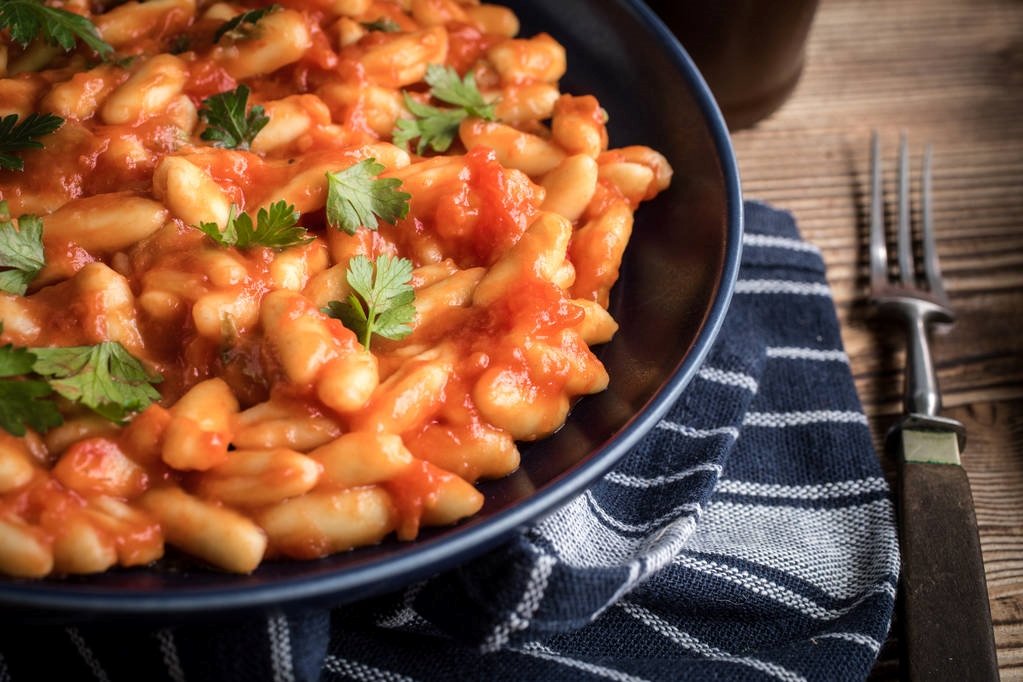
Pasta reigns supreme in trattorias, but the preparations vary dramatically by region. Roman trattorias perfect simple sauces that highlight technique, while southern establishments might offer heartier dishes with seafood or vegetables. Don’t overlook risottos in northern trattorias – they’re often spectacular.
Secondi Piatti: Local Traditions Shine
Main courses showcase regional proteins and cooking methods. Coastal trattorias excel at simply prepared fish, while mountain establishments might specialize in game or slow-braised meats. Vegetarian options are increasingly common, often featuring creative preparations of seasonal vegetables.
Dolci: Sweet Endings
Trattoria desserts are typically homemade and seasonal. You might find tiramisu in Veneto, cannoli in Sicily, or simple fruit and cheese in summer. Many trattorias take pride in their house-made gelato or traditional regional sweets.
Wine Culture in Trattorias
House Wine: Don’t Judge Too Quickly
The house wine (vino della casa) at trattorias is often surprisingly good – many proprietors have relationships with local winemakers and offer excellent value. It’s usually served in simple glass carafes, and you pay for what you consume.
Regional Pairings
Trattorias excel at pairing local wines with their dishes. A good server will suggest wines that complement your meal, often introducing you to grape varieties you’ve never heard of. This is your chance to explore Italy’s incredible wine diversity beyond the famous names.
Modern Trattorias: Tradition Meets Innovation
Today’s trattoria scene includes both century-old establishments and newer places that honor traditional principles while embracing contemporary touches. Some modern trattorias focus on forgotten regional recipes, while others adapt traditional dishes for dietary restrictions without losing authenticity.
The best modern trattorias maintain the essential trattoria values: seasonal ingredients, family-style service, and reasonable prices, while perhaps offering better wine selections or more refined presentations.
Making the Most of Your Trattoria Adventure
Learn Basic Italian Food Words
Even basic food vocabulary enhances your trattoria experience. Learn words like “fresco” (fresh), “fatto in casa” (homemade), and “del giorno” (of the day). Your effort to speak Italian, however basic, is always appreciated.
Embrace the Pace
Trattoria meals aren’t fast food. Embrace the slower pace – it’s part of the cultural experience. Use this time to observe the interactions around you, practice your Italian, or simply enjoy the moment.
Trust the Staff
When servers make recommendations, listen carefully. They know what’s exceptional that day and what pairs well together. Some of the most memorable trattoria meals happen when you let the kitchen guide your choices.
Respect Local Customs
Each region has its own dining customs. In some areas, it’s normal to share dishes family-style. In others, individual portions are the norm. Follow the lead of local diners and don’t be afraid to ask questions.
Finding Authentic Trattorias
Look for Local Crowds
The best indicator of an authentic trattoria is a dining room full of locals, especially families with children and older couples who clearly eat there regularly. If you see tourists exclusively, keep looking.
Check the Menu
Authentic trattorias typically offer menus in Italian with perhaps basic English translations. Overly touristy places often have elaborate multilingual menus with photos – usually a red flag for authenticity.
Observe the Kitchen
Many trattorias have open or semi-open kitchens. Look for fresh pasta being made by hand, sauces simmering on the stove, and ingredients that look fresh and seasonal.
The Social Impact of Trattorias
Trattorias serve as community gathering spaces, especially in smaller towns and neighborhoods. They’re where locals celebrate birthdays, mourn losses, discuss politics, and maintain social connections. By dining at trattorias, travelers participate in these community networks, creating authentic cultural exchanges.
Many trattorias also support local economies by sourcing ingredients from nearby farms, employing neighborhood residents, and maintaining traditional food preparation methods that might otherwise disappear.
Planning Your Trattoria Journey
Research Regional Specialties
Before visiting any Italian region, research local specialties and traditional preparations. This knowledge helps you appreciate what you’re experiencing and ask informed questions.
Make Reservations When Possible
Popular trattorias, especially smaller ones, fill up quickly. Calling ahead (or having your hotel call) can prevent disappointment, particularly during peak dining hours.
Budget Appropriately
Trattorias offer excellent value, but costs vary by region and season. Generally, expect to pay 15-30 euros per person for a full meal with wine, though prices can be higher in tourist areas or for special ingredients like truffles or fresh fish.
Beyond the Meal: Cultural Connections
The trattoria experience extends beyond food. It’s about understanding Italian values: the importance of family, respect for tradition, appreciation of seasonal rhythms, and the belief that sharing a meal creates community.
Many travelers find that their most meaningful Italian experiences happen in trattorias – practicing Italian with patient servers, learning family recipes from proud owners, or simply observing the daily rhythms of Italian life unfold around shared tables.
Your Trattoria Adventure Starts Now
Trattorias offer something no guidebook can provide: genuine cultural immersion through food. They’re places where tradition lives, where every meal tells a story, and where travelers become temporary members of Italian families.
Whether you’re savoring handmade orecchiette in a Puglian village, enjoying osso buco in a Milanese neighborhood spot, or sharing wine with strangers-turned-friends in a Roman trattoria, you’re participating in a cultural tradition that has nourished communities for generations.
The beauty of trattoria culture lies not just in the exceptional food, but in the reminder that some of life’s best moments happen when we slow down, share a meal, and connect with the people and places around us. In a world of fast food and faster lives, trattorias preserve something precious: the Italian understanding that food is love, family is sacred, and every meal is an opportunity for joy.
So when you find yourself in Italy, skip the tourist restaurants with the multilingual menus. Follow your nose, trust your instincts, and find a trattoria where the locals eat. You’ll discover that the best way to understand Italy isn’t through monuments or museums – it’s through a plate of perfectly prepared pasta shared with people who consider cooking not just a profession, but a form of love.