

Istria produces two extraordinary wines that exist in their specific form nowhere else on earth. Neither of them appears on international wine lists. Neither has a supermarket shelf in London or Paris or New York. Both are extraordinarily good.
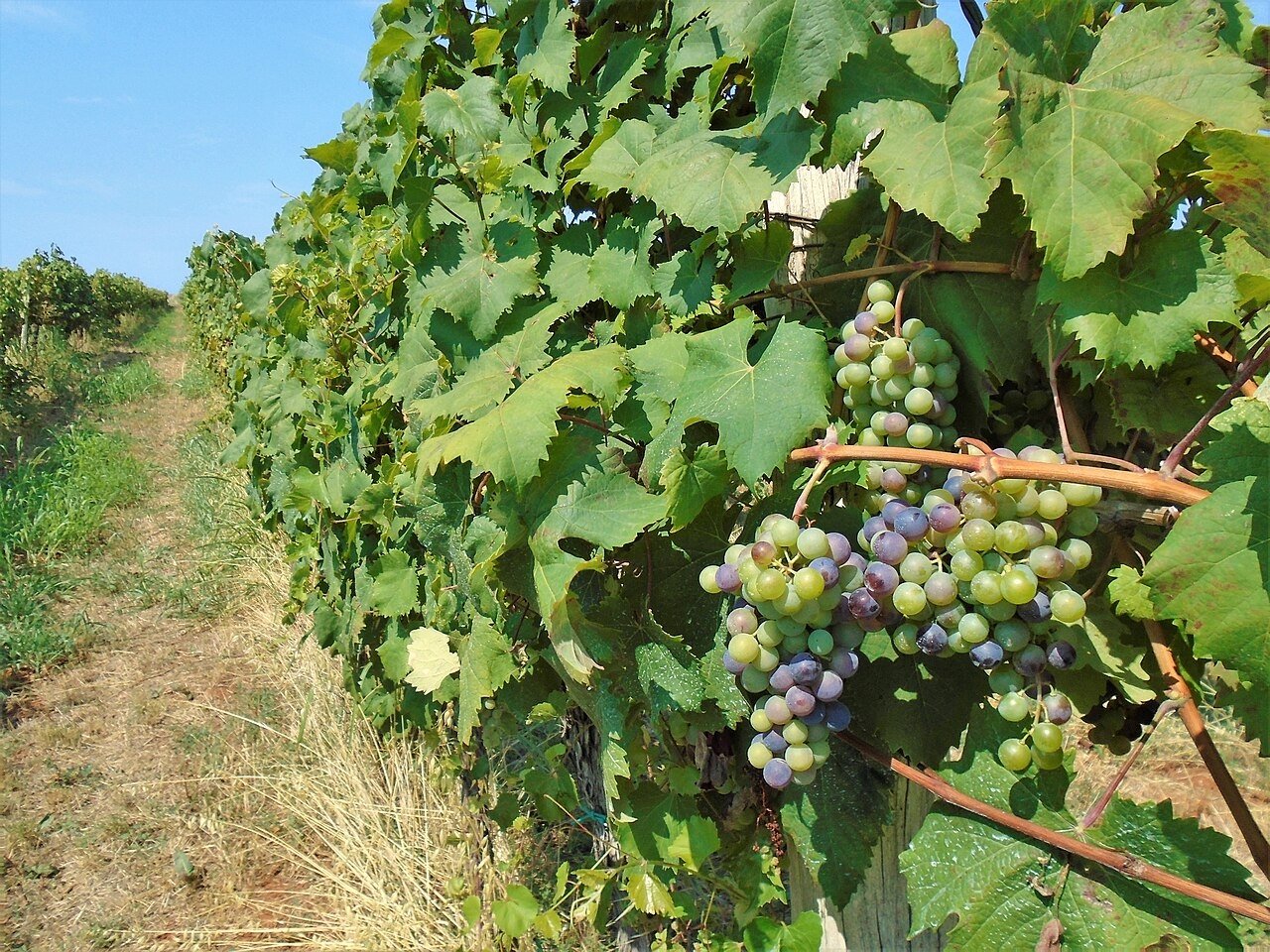
This is not because Istrian wine is obscure in the way that obscure means undiscovered and later recognised. It is because Malvazija Istarska and Teran — the white and red grapes that define the Istrian peninsula — are so completely adapted to the specific combination of the Istrian limestone, the red iron-rich clay soil and the intersection of Adriatic and Alpine weather that they produce something genuinely different from anything grown on similar varieties elsewhere. You cannot grow Malvazija Istarska anywhere else and get the same wine. The place is part of the grape.
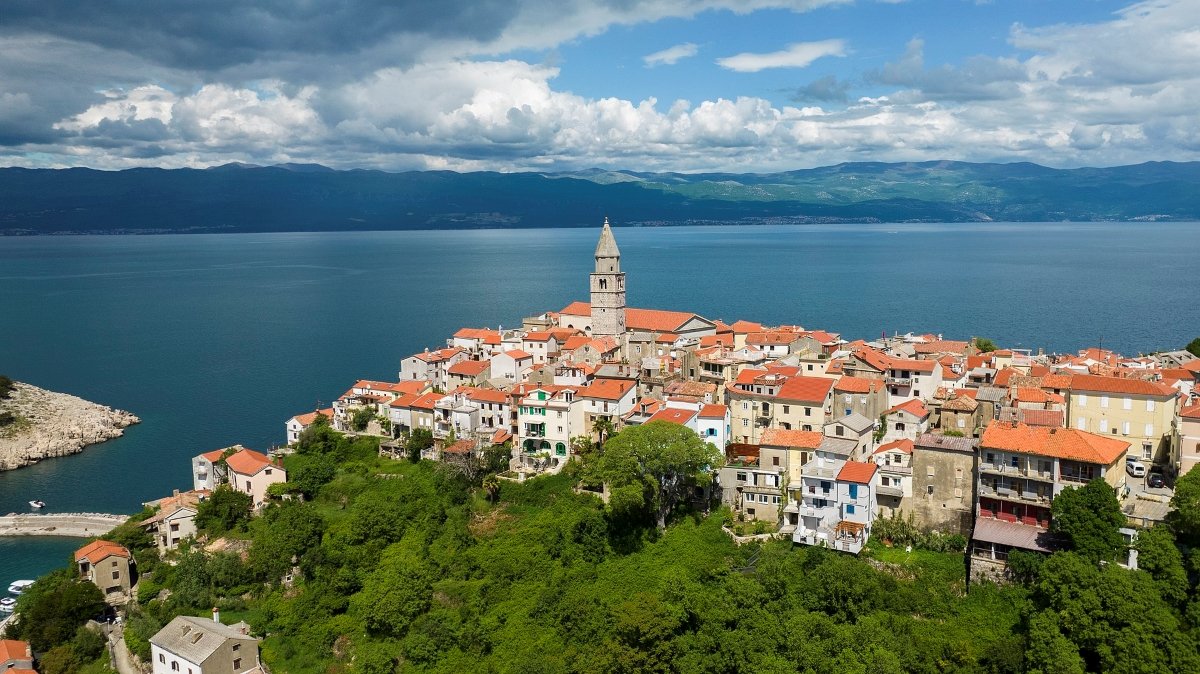
Most visitors to Istria drink the wine without knowing this. They sit in the extraordinary harbour restaurants of Rovinj or Novigrad, order the local white because the waiter suggests it, drink something of extraordinary mineral freshness and almond finish that they have never tasted before and assume it is the setting that makes it extraordinary. The setting helps. But the wine would be extraordinary in a car park.
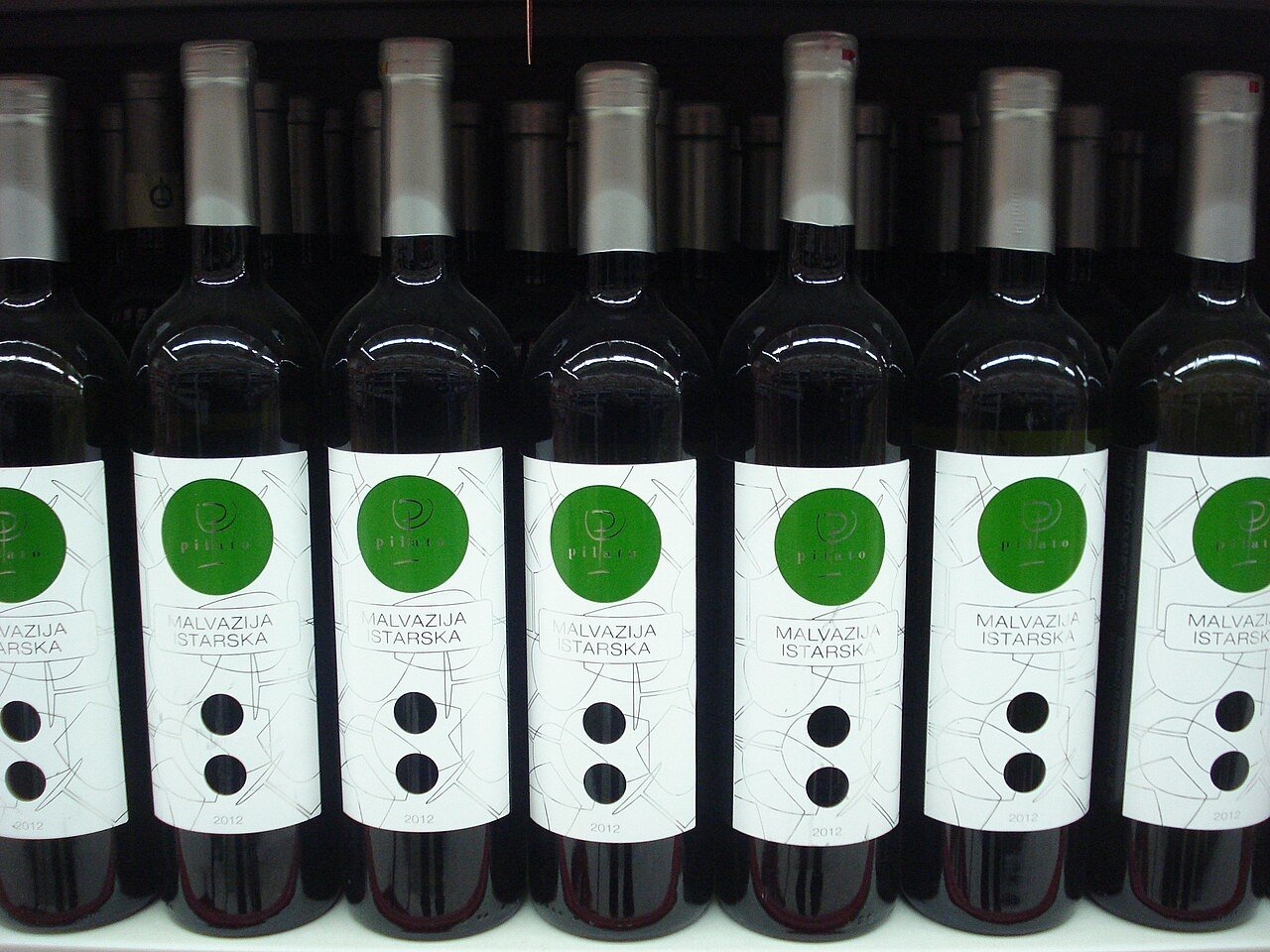
Malvazija Istarska — the white
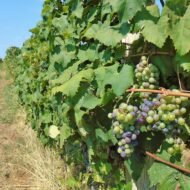
Malvazija Istarska is not Malvasia — the Greek grape family found across the Mediterranean from Madeira to the Peloponnese. It is a completely separate variety that shares the name and shares almost nothing else. The international Malvasia grape group produces wines of generally golden, aromatic and often sweet character. Malvazija Istarska produces a dry white of mineral precision, almond finish, extraordinary aromatic complexity and a distinctive saline quality that the Adriatic air and the limestone substrate create simultaneously.
The grape has been cultivated on the Istrian peninsula since the Venetian period — the Republic of Venice maintained the Istrian wine trade as a significant commercial interest and the Malvazija Istarska that Venetian merchants shipped north from the Istrian ports was one of the most commercially important wines in the medieval Adriatic economy. The variety survived the 20th century political upheavals that depopulated the Italian-speaking coastal communities and reduced the Istrian wine industry to near collapse — surviving in the family plots of the Croatian and Slovenian interior farmers who maintained it without international recognition.
The extraordinary revival began in the 1990s — the same post-independence decade that produced the Istrian tourist economy — when a generation of young Croatian winemakers began applying international winemaking technique to the indigenous variety. The result is a wine that now wins gold medals at international competitions while remaining almost entirely unknown to the international wine market that awards them.
Character: Dry · medium-bodied · mineral and saline · almond and wild herbs on the finish · extraordinary food pairing versatility
Best producers:
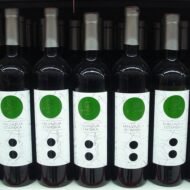
Kozlović — the most internationally recognised Istrian producer, based in Momjan in the northern interior. The Malvazija Santa Lucia is the most awarded Croatian white wine of the past decade — a single-vineyard expression from 50-year-old vines on the extraordinary limestone slopes above the Mirna valley of extraordinary concentration and extraordinary longevity. The Kozlović winery is open for visits and tastings — the most professionally organised winery experience in Istria.
Cattunar — the extraordinary family winery in Buje producing Malvazija of extraordinary aromatic complexity. The Cattunar approach — extended skin contact on selected wines, producing an extraordinary amber-coloured Malvazija of remarkable texture — is the most experimental and most extraordinary expression of the variety available in Istria.
Coronica — the most dramatically positioned winery in Istria, on the extraordinary hilltop above Umag with extraordinary views across the Adriatic toward Italy. The Coronica Grand Malvazija — aged in large oak for 12 months — is the most structured and most age-worthy expression of the variety in production.
Benvenuti — the extraordinary family winery in Kaldir near Poreč, producing the most elegant and most immediately accessible Malvazija in Istria. The Benvenuti Malvazija is the wine that converts visitors who claim not to like white wine.
Teran — the red
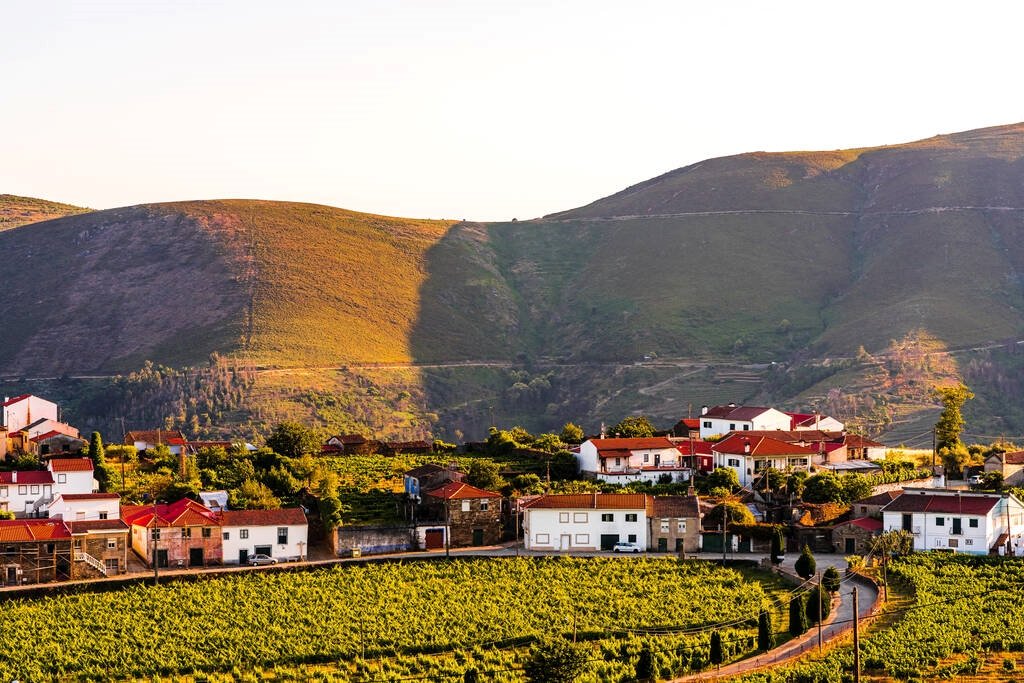
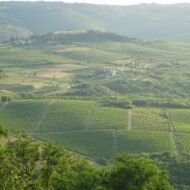
Teran is the extraordinary red grape of the Istrian karst — produced on the iron-rich red soil known as terra rossa that gives the wine its extraordinary deep ruby-purple colour, its extraordinary high natural acidity and its extraordinary mineral character of iron and dark berry. The terra rossa — the red clay soil produced by the weathering of the Istrian limestone — is the defining geographical feature of Teran production. The same soil that gives the wine its colour gives the Istrian landscape its extraordinary visual character: the deep red furrows of the ploughed vineyards against the pale limestone walls of the hilltop villages.
Teran is not a wine for the uninitiated. Its extraordinary acidity — significantly higher than most red wines — and its extraordinary tannin structure require food to function correctly. The food that Istrian cuisine provides is exactly correct: the extraordinary Istrian lamb from the karst pastures above the coast, the extraordinary aged sheep’s milk cheese of the interior, the extraordinary Istrian prosciutto from the San Daniele-adjacent curing tradition of the Drniš and Pazin valleys. Teran with Istrian lamb is one of the most completely correct food and wine combinations in the Adriatic world — not because someone designed it but because the same landscape produced both simultaneously over centuries.
Best producers:
Trapan — the most commercially successful Teran producer in Istria, based in Fažana near the Brijuni archipelago. The Trapan Teran is the most widely distributed Istrian red wine and the most accessible introduction to the variety.
Giorgio Clai — the most extraordinary natural winemaker in Istria, producing Teran of extraordinary character from biodynamic vineyards near Buje. The Clai Ottocento is the most expensive and most extraordinary Istrian red wine in production — a wine of exceptional concentration and exceptional longevity that requires years of cellaring before revealing its full extraordinary character.
Vina Laguna — the largest wine producer in Istria, producing Teran of consistent quality at a price point that makes the variety accessible to visitors who encounter it for the first time in the harbour restaurants of Poreč and Rovinj.
The wine road — Vinska Cesta
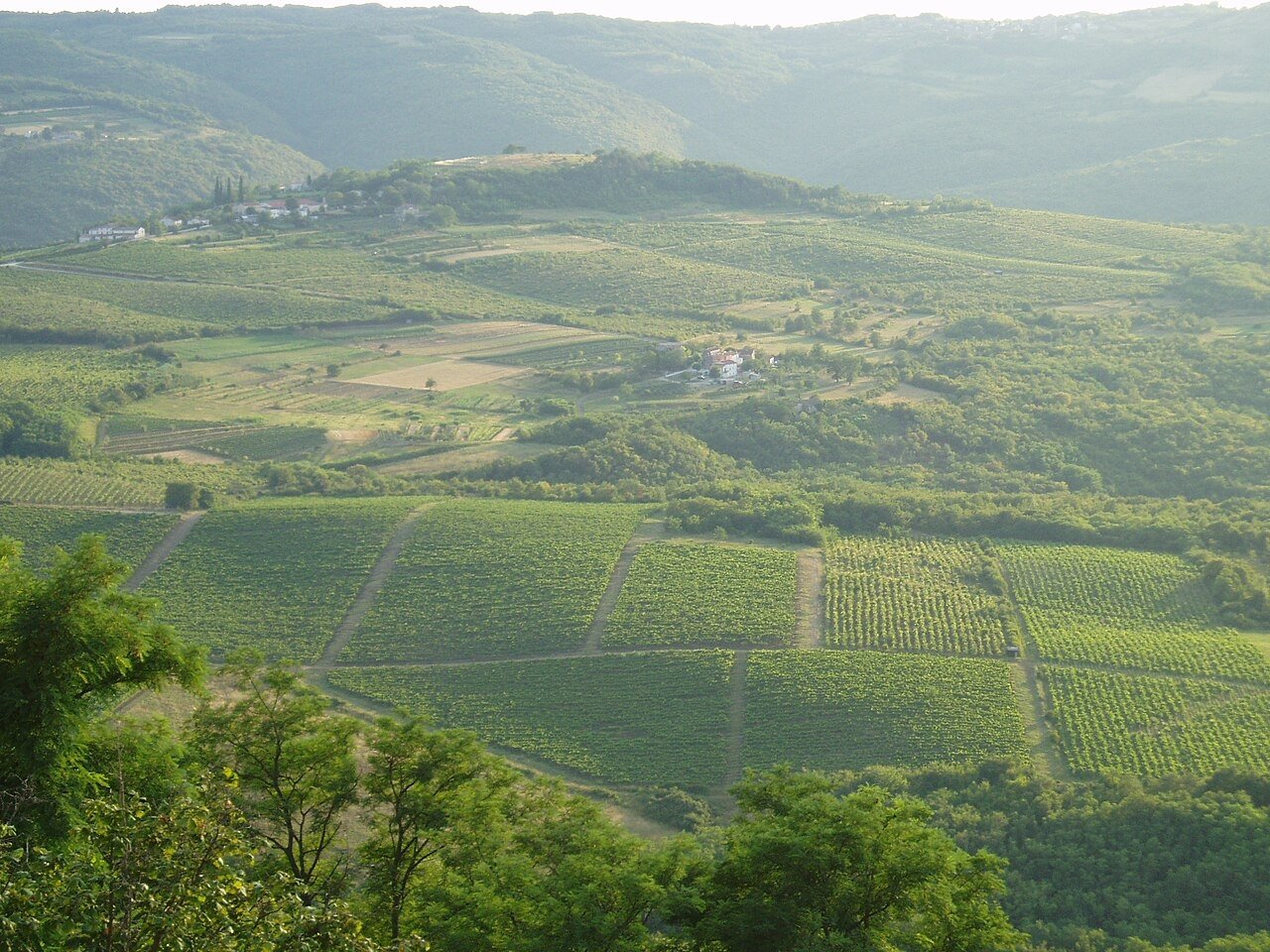
The Istrian wine road — Vinska Cesta Istre — is a marked route connecting the extraordinary wine producers of the interior plateau in a circuit of remarkable concentrated wine culture accessible by car from any base on the Istrian coast. The route passes through Motovun, Grožnjan, Buje, Momjan and the extraordinary hilltop villages of the northern interior — the same territory that produces the truffle harvest between October and January.
The wine road circuit from Rovinj covers approximately 150km of extraordinary Istrian landscape — the red-soiled vineyard plateau of the interior, the extraordinary hilltop village silhouettes, the extraordinary Mirna valley below Motovun and the extraordinary northern Istrian ridge above Buje with views extending across the Adriatic toward Trieste and Venice on clear days.
Practical information:
Wine road length:    approximately 150km complete circuit
Base:               Rovinj · Poreč · Pula · Motovun
Best season:        September-October (harvest) and
                    October-January (truffle season)
Producer visits:    Most require advance booking
                    Kozlović · Cattunar · Coronica most
                    visitor-ready — book via winery websites
Driving note:       The wine road is a driving route —
                    designated driver essential or
                    hire a local guide with transport
The October convergence — wine and truffle
Between October and January the two most extraordinary products of the Istrian interior arrive simultaneously — the white truffle harvest from the Motovun forest and the new wine release from the extraordinary Malvazija and Teran producers of the plateau. The combination produces the most extraordinary food and wine season in the Adriatic world.
A plate of fresh white truffle — Tuber magnatum — shaved over pasta with a glass of Kozlović Malvazija Santa Lucia in a family konoba in the Mirna valley is the most extraordinary simple luxury available in Croatia. The truffle at extraordinary price per gram. The wine at extraordinary quality per euro. The konoba at extraordinary simplicity of setting. The combination at a level of sensory experience that no restaurant with a Michelin star improves upon.
Konobas: Why Croatia’s Best Food Is Never on the Waterfront →
The konoba is the setting where Istrian wine and Istrian food meet correctly — the family-run tavern of the interior where the wine is poured without a wine list because there is one wine and it is the right one, and the truffle is shaved without ceremony because ceremony is not the point.
Where to drink Istrian wine
In the interior konobas — the correct setting. The family taverns of Motovun, Grožnjan, Buje and the Mirna valley serve the local Malvazija and Teran by the carafe with the extraordinary Istrian food at prices that the coastal tourist restaurants cannot match and in settings that the coastal tourist restaurants cannot replicate.
At the wineries — Kozlović, Cattunar and Coronica all offer tasting rooms. The extraordinary landscape context of the winery visits — the red-soiled vineyards, the hilltop views, the extraordinary Istrian light on the plateau — gives the wine a geographical grounding that the restaurant glass cannot provide.
In the harbour restaurants of Rovinj and Novigrad — the most accessible introduction. Order the local Malvazija by the glass with the extraordinary Adriatic shellfish and understand why Venetian merchants shipped it north for five centuries.
The practical guide to buying Istrian wine
Most extraordinary Istrian wines are not exported. The Kozlović Santa Lucia, the Cattunar skin-contact Malvazija and the Clai Ottocento are almost impossible to find outside Croatia. Buy at the winery. Buy at the extraordinary wine shops in Rovinj and Poreč that stock the complete range of Istrian producers. Buy an extra bag at the airport for the journey home.
The extraordinary Istrian wine that you drink in a konoba in the Mirna valley in October will not taste the same at home. Not because the wine is different but because the terra rossa, the truffle season, the limestone hilltop and the extraordinary Adriatic light are not exportable. The wine is the souvenir of the place. Drink it there.
Istrian wine is part of The Wanders Istria regional guide — the complete Beyond the Map editorial series on the peninsula that three countries share and one Venetian culture defines.