

The best autumn travel is not the kind that requires a plan. It is the kind that requires a direction — a general understanding that the place you are going has something specific to offer in October, that the crowds have thinned, that the light has changed, and that the version of the place you will find is not the version the summer photographs show.
These five places are not connected by country, by landscape or by what they offer. What connects them is October. Each one is specifically, decisively better in autumn than at any other time of year — and in each case the reason is different: the thermal waters, the wine harvest, the mountain light, the glacial lake reflection, the castle park in colour. Five countries. Five completely different experiences. One season that makes each of them worth the journey.
01. Garešnica, Croatia
The Moslavina town that autumn turns into a different place entirely
Location: Garešnica · Bjelovar-Bilogora County · central Croatia GPS (town centre): 45.5734°N · 16.9378°E GPS (Moslavačka gora forest park): 45.5234°N · 16.8934°E Best month: October 5–25 Distance from Zagreb: 100km · approx 1h 15m by car
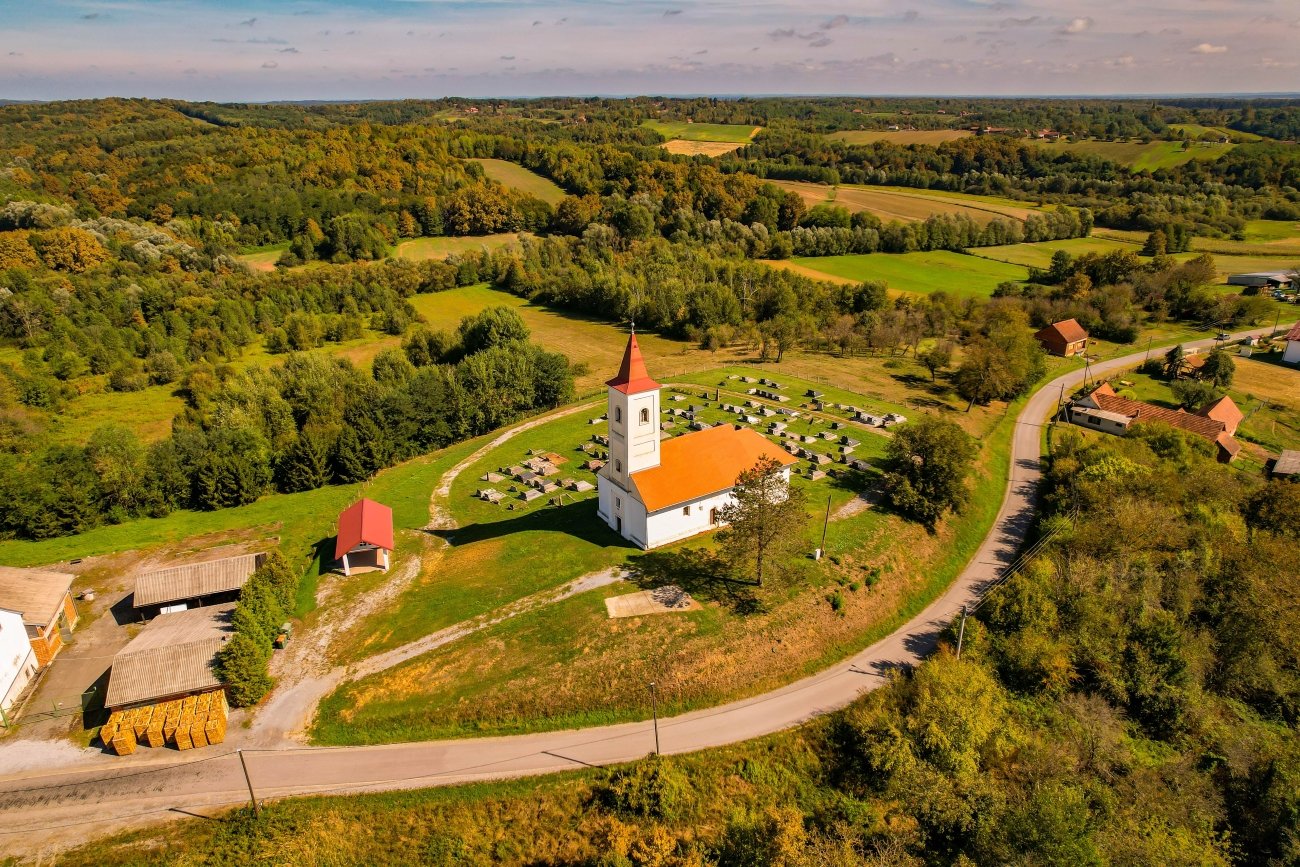
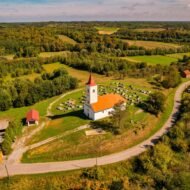
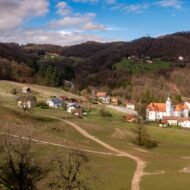
Garešnica sits at the foot of Moslavačka gora — the Moslavina Mountain — in the part of central Croatia that the coastal traveller never reaches. It is a town of approximately 8,600 people in Bjelovar-Bilogora County, first mentioned in records in 1527, with a Baroque church built in 1752 that still contains most of its original inventory. It is not a destination that appears on any standard Croatian itinerary. It does not have a UNESCO designation, a famous beach or a connection to the Game of Thrones filming locations. What it has, in October, is the Moslavačka gora forest above it and the specific atmosphere of a Croatian inland town returning to itself after a season when it was never particularly busy with visitors in the first place.
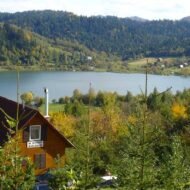
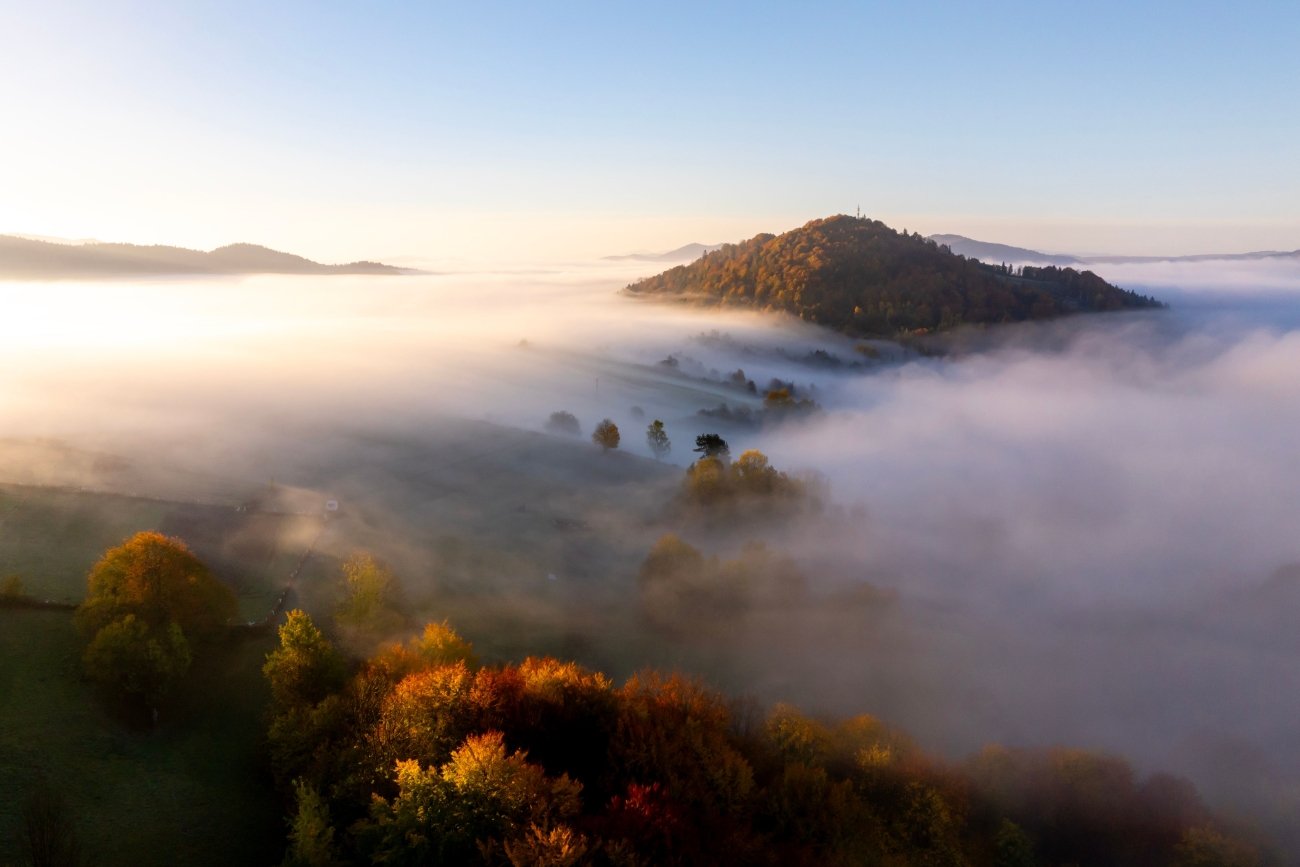
The Moslavačka gora is a forested massif that rises to 489 metres above the Moslavina plain. The slopes are covered in mixed oak and beech forest that turns in the second and third weeks of October — the colour descending from the ridge into the valley over the course of the month. The forests are crossed by marked hiking trails that connect the ridge to the valley below and that in October carry almost no other walkers. The specific combination — the Croatian inland forest, the slow pace of a regional town in shoulder season, the church in the main square, the markets that operate through autumn with the seasonal produce of the Moslavina plain — is the correct version of what Garešnica offers.
The Moslavina region has a wine tradition that receives almost no international attention. The local wines — predominantly white, Graševina and Pinot Gris — come from the vineyards on the slopes of the Moslavačka gora. October is the harvest month. The local wine cellars that dot the road between Garešnica and the surrounding villages are at their most active in the first two weeks of October, and the Croatian tradition of the harvest festival — the berba, the grape-picking — happens in villages that have been doing it the same way for generations.
The practical case for Garešnica in October: it is 100km from Zagreb on a straightforward road, the accommodation is in family-run guesthouses at prices that the Croatian coast abandoned fifteen years ago, and the experience of spending a weekend in a central Croatian town in autumn — the Saturday market, the Sunday church bells, the forest walk above the town in the afternoon light — is the authentic inland Croatian experience that the coastal itinerary has no room for.
What to look for specifically: The Baroque Church of the Visitation of Our Lady · the forest road up Moslavačka gora · the local wine cellars on the Kutina road · the Saturday market in the main square · the Ilova river walk south of the town
GPS (Moslavačka gora ridge trail start): 45.5189°N · 16.8834°E
02. Šmarje pri Jelšah, Slovenia
A Styrian wine town and the wine road that October makes yours
Location: Šmarje pri Jelšah · Styria · eastern Slovenia GPS (town centre): 46.2289°N · 15.5167°E GPS (Šmarje-Virštajn wine road start): 46.2134°N · 15.5234°E Best month: October · the harvest and the first wines Distance from Ljubljana: 80km · 1h by car Distance from Celje: 18km · 20 min
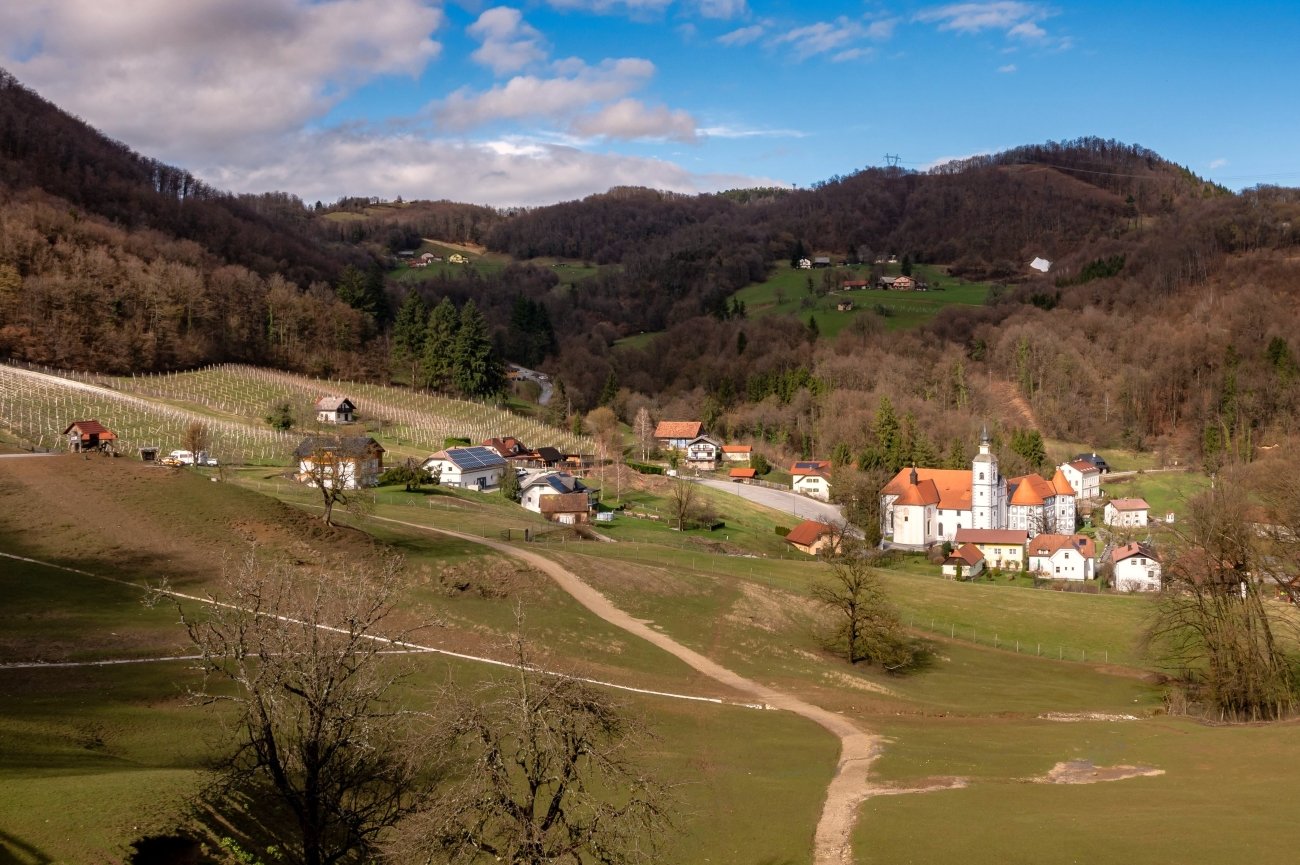
Eastern Slovenia is the part of the country that the standard Slovenian itinerary — Ljubljana, Lake Bled, the Soča Valley — misses entirely. Šmarje pri Jelšah is a small town of approximately 3,000 people in the Štajerska wine region, positioned at the start of the Šmarje-Virštajn wine road: a route through the vine-covered hills of eastern Slovenia that connects the town to Rogaška Slatina in the north and to Podsreda and its castle in the south.
The wine road is the specific reason to come in October. The Šmarje-Virštajn route passes through a landscape of hillside vineyards, timber-framed farmhouses and klopotec — the traditional wooden bird-scarers that the Slovenian wine country uses to protect the grapes and that produce a rattling sound in the wind that carries across the hillside. The klopotec is the sound of the Slovenian wine country in October. The harvest runs through September and into October, and arriving in the first two weeks of the month means arriving when the work is finishing and the wine from the previous year is being opened.
The route connects to several specific destinations that make the wine road more than a scenic drive. Olimje Monastery — the oldest continuously operating pharmacy in Slovenia, established by the Franciscans in 1658 — is 30 minutes south. The monastery pharmacy still operates and still produces herbal medicines from the recipe book that the friars have maintained for over 350 years. The apothecary is the most specific single destination in the region. Podsreda Castle — described as the best-preserved Romanesque castle in Slovenia — is in the valley below the monastery.
Rogaška Slatina, 18km north of Šmarje, is the oldest spa town in Slovenia — the mineral water from the Roitschocrene spring was being prescribed by Viennese doctors in the 17th century. The Hotel Styria and the Grand Hotel Rogaška sit in a pedestrianised colonnaded park that the 19th-century spa-town designers built to accommodate the health tourists who came from across the Habsburg Empire to drink the waters. In October the colonnades are empty of the summer visitors and the spa treatment bookings are at their most available and most affordable.
The zidanica — the traditional Slovenian vineyard cottage, built on the hillside above the vines as a working shelter and social space for the harvest — is the specific accommodation to seek in the Šmarje region. These are small, simple, private and specific to this landscape. Several operate as holiday rentals accessible through Slovenian booking platforms. The view from a hillside zidanica in the first week of October, the harvest audible in the valley below, is the reason the Slovenian wine country existed before anyone thought to write about it.
What to look for specifically: Olimje Monastery pharmacy · Podsreda Castle · the klopotec on the hillside road · Rogaška Slatina colonnades · the hillside zidanica above the vines · the Terme Olimia spa (20 min) for the November wet-weather option
GPS (Podsreda Castle): 46.0567°N · 15.6034°E GPS (Olimje Monastery pharmacy): 46.0645°N · 15.5934°E
03. Levada dos Balcões (PR11), Santana, Madeira, Portugal
A 45-minute walk through ancient laurel forest to a view of the Atlantic sky
Location: Ribeiro Frio · near Santana · northern Madeira · Portugal GPS (trailhead, Ribeiro Frio): 32.7456°N · 16.8812°W GPS (Balcões viewpoint): 32.7489°N · 16.8756°W Best month: October–November · the island’s mildest season Entry fee: €4.50 · book via SIMplifica portal Trail: PR11 · 1.5km each way · flat · 45 minutes
The levadas of Madeira are irrigation channels — narrow concrete water courses built from the 15th century onwards to carry water from the wet northern mountains to the dry southern coastline. Over 2,000km of levada exist on an island 57km long. The paths that maintenance workers used to walk beside them became the hiking trails that connect the interior of Madeira — an island where the terrain is so steep that walking beside a water channel at a fixed altitude is sometimes the only practical way to move through the landscape.
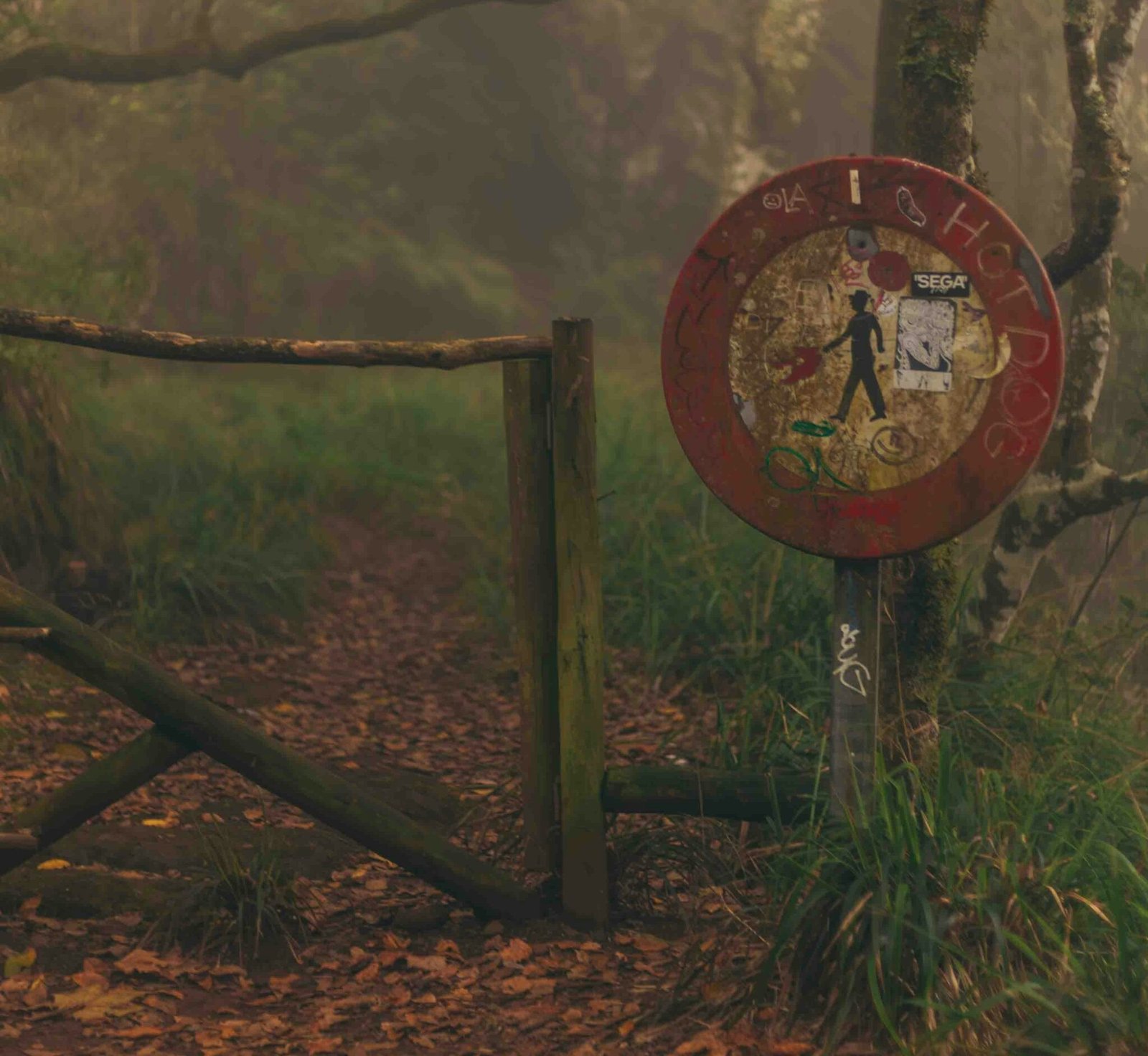
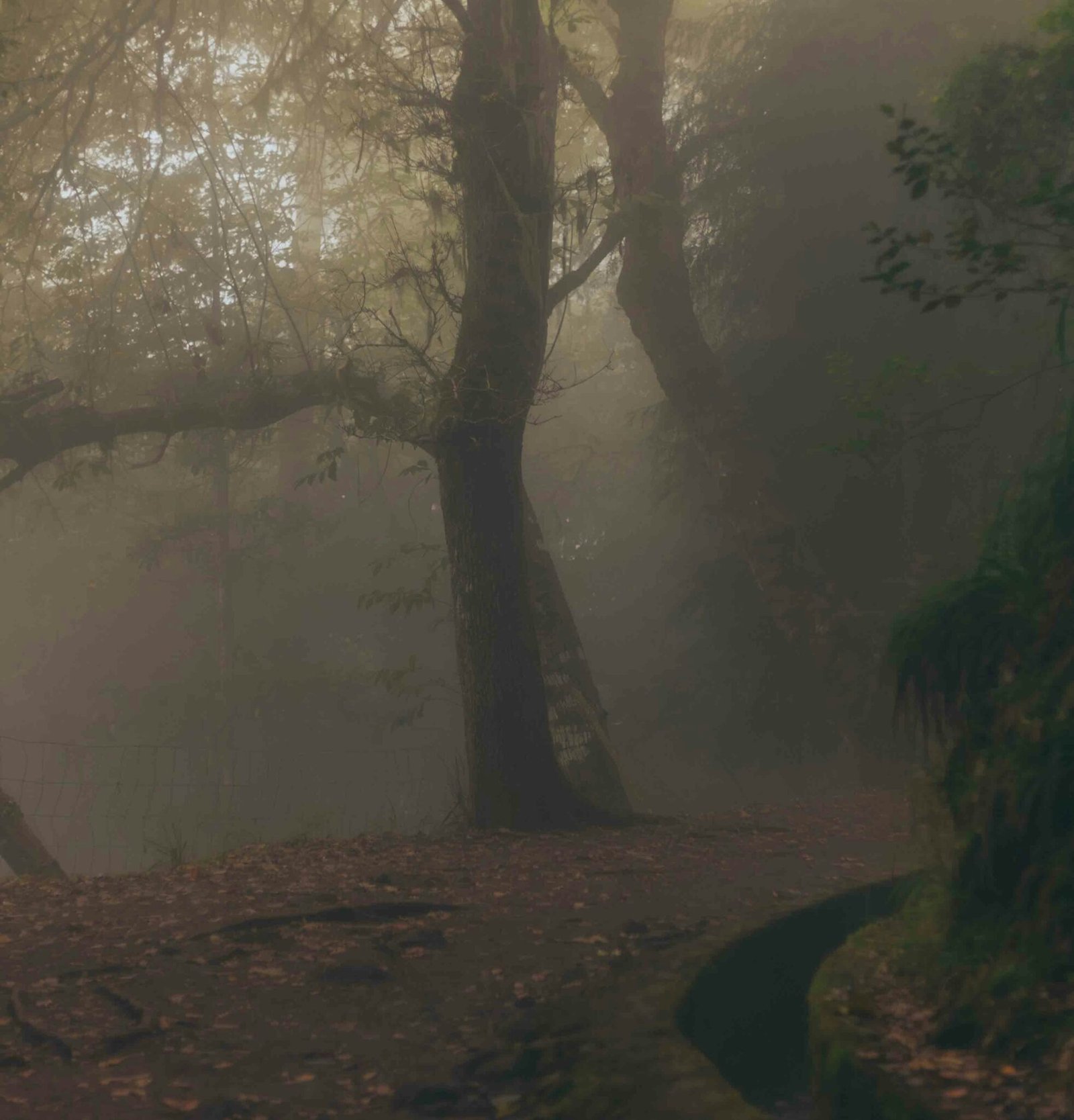
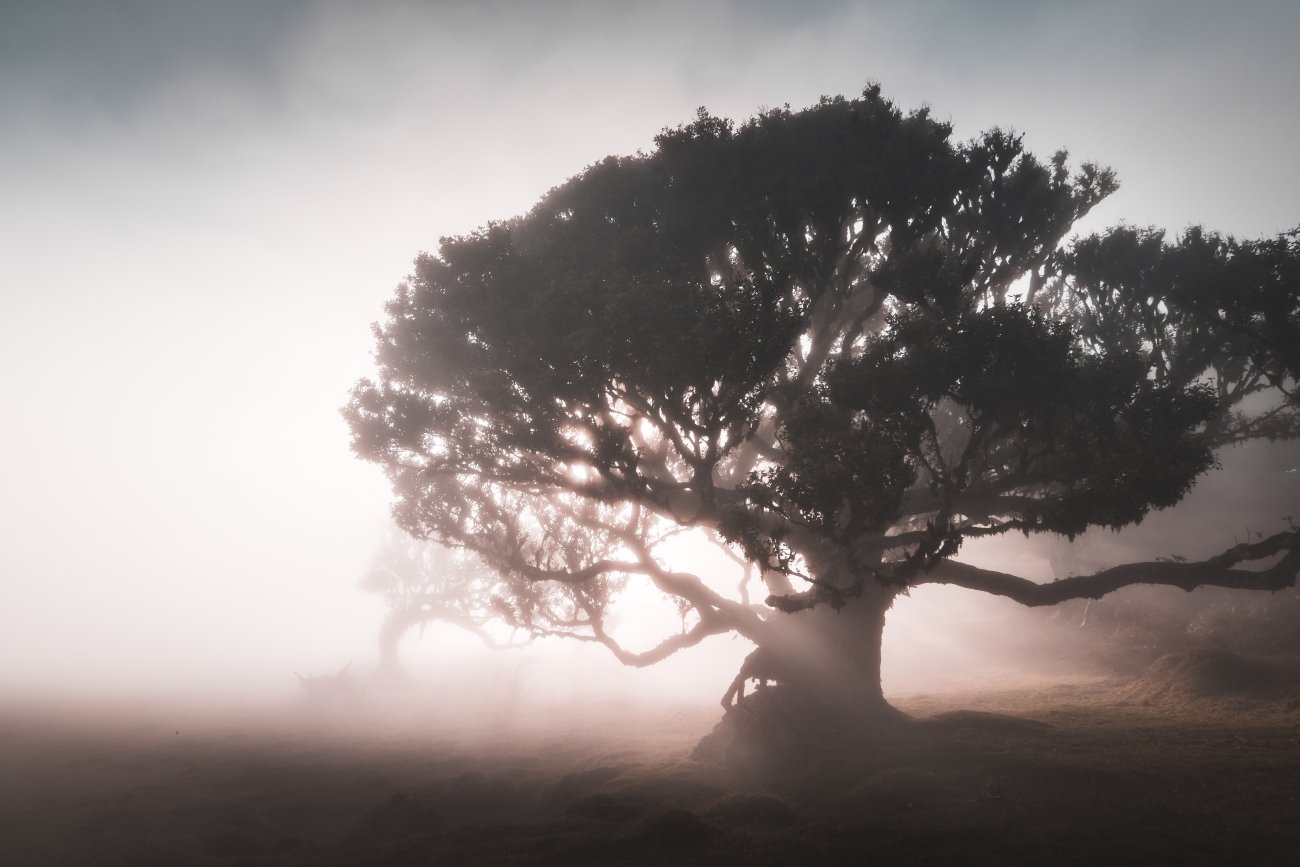
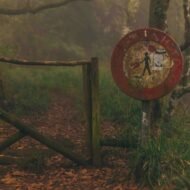
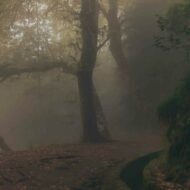
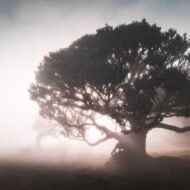
The Levada dos Balcões is the most accessible of the classic Madeiran levada walks — 1.5km on a flat path through the Laurisilva forest of Ribeiro Frio to the Balcões viewpoint. The Laurisilva is the specific thing. This is the ancient laurel forest that covered most of southern Europe before the ice ages — the forest that survived in Madeira because the island was never glaciated and that is now a UNESCO World Heritage Site. Walking through it in October means walking through a forest whose species composition has not fundamentally changed in millions of years: the til, the Canary laurel, the stinkwood, the Madeira mahogany. The forest is dark and damp and smells of a specific combination of bark and wet stone that is unlike any other forest smell in Europe.
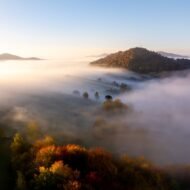
At the end of the path, the Balcões viewpoint opens to the south: a 180-degree panorama of Madeira’s three highest peaks — Pico do Areeiro (1,818m), Pico das Torres (1,851m) and Pico Ruivo (1,862m) — with the Atlantic visible on the horizon beyond them. The viewpoint takes its name from the Portuguese word for balcony. The name is accurate. You are standing on a ledge above the Ribeiro Frio valley with the entire central mountain range spread before you.
October is the correct month for a specific reason. Madeira has a reputation for rain — the northern coast, where Ribeiro Frio sits, is the wet side of the island. October on Madeira is the transition month: the summer crowds are gone, the temperature is mild (21–23°C at sea level, cooler at altitude), and the Laurisilva forest in particular is at its most atmospheric in the post-summer rain when the moss is vivid green and the water channels are full. The trail in summer is one of the most popular walks on the island — in October it returns to the quiet that its character demands.
The birds of Ribeiro Frio are the specific reason to slow down on the walk itself rather than hurrying to the viewpoint. The Madeiran Firecrest — the endemic subspecies found nowhere else in the world — moves through the laurel canopy along the levada path. The Long-toed Laurel Pigeon, another Madeiran endemic, sits in the canopy above. The Grey Wagtail runs along the water channel edge. None of these requires binoculars or specialist knowledge. They simply require walking slowly and paying attention to the sound above the water.
The town of Santana, 8km north of Ribeiro Frio on the northern coast, is the correct base: traditional A-frame thatched houses (palheiros), the northern Atlantic coastline, the village of Faial with its viewpoint above the cliffs. October weekday mornings at Ribeiro Frio: the car park is manageable, the trail is quiet, and the viewpoint belongs to whoever gets there before the tour bus from Funchal.
What to look for specifically: The Madeiran Firecrest in the laurel canopy · the trout farm at Ribeiro Frio (the original function of the valley) · the Santana palheiro houses · the walk continued to Pico do Areeiro (a harder extension, 4h) · the restaurant at the trail’s midpoint
04. Štrbské Pleso, Vysoké Tatry, Slovakia
A glacial lake at 1,351 metres in the High Tatras — the reflection October produces
Location: Štrbské Pleso · Vysoké Tatry · northern Slovakia GPS (lake shore, primary position): 49.1189°N · 20.0612°E GPS (Solisko mountain trail start): 49.1167°N · 20.0534°E Best month: October 1–20 Entry: Tatra National Park fee applies (vehicle entry) Key property: Grand Hotel Kempinski High Tatras · directly on the lake
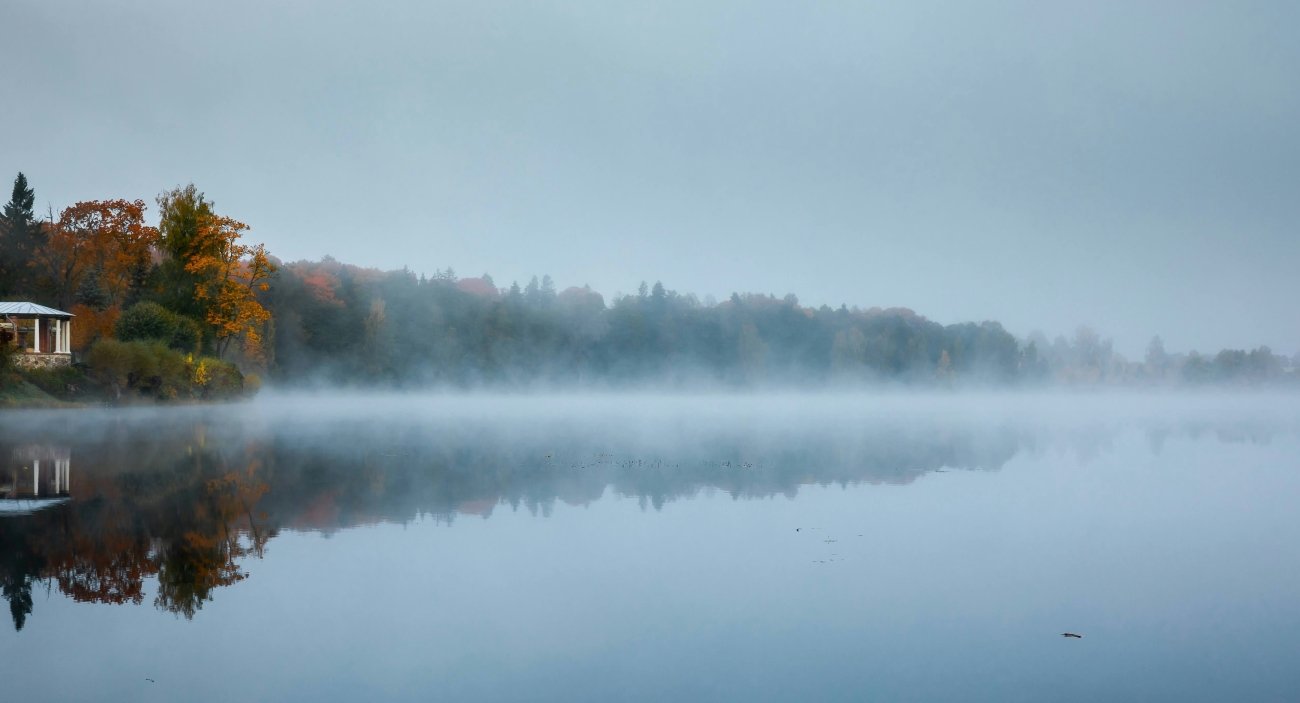
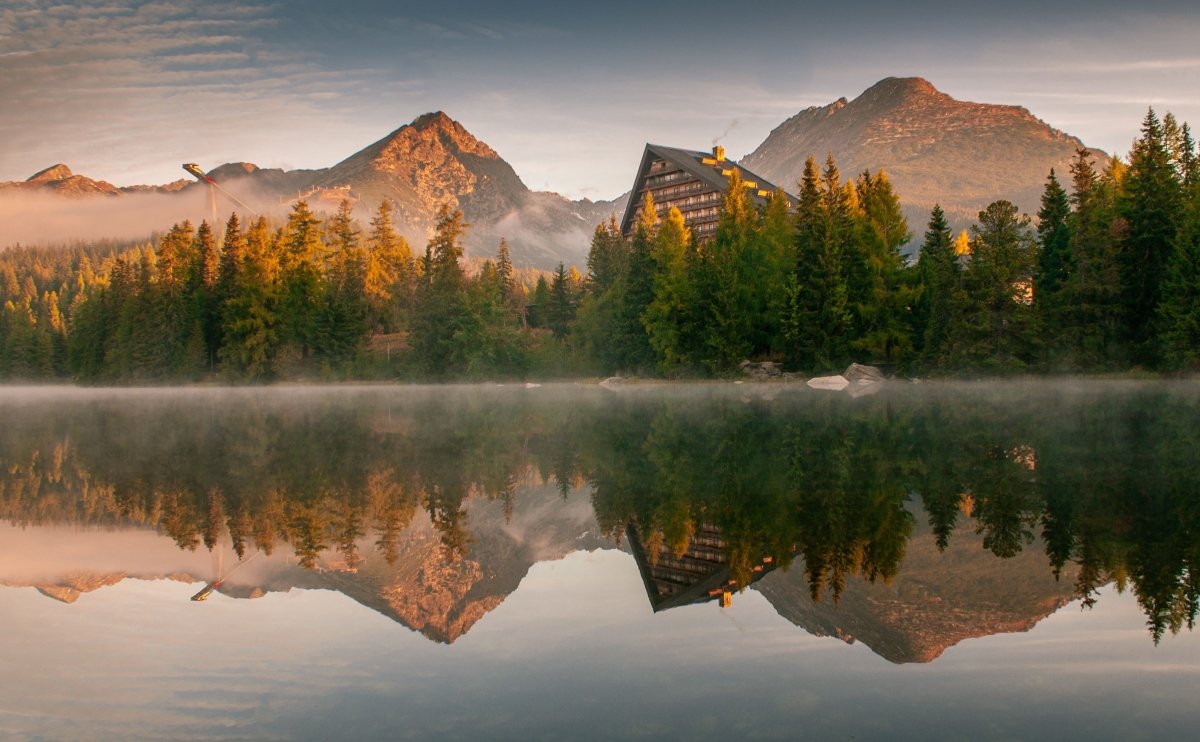
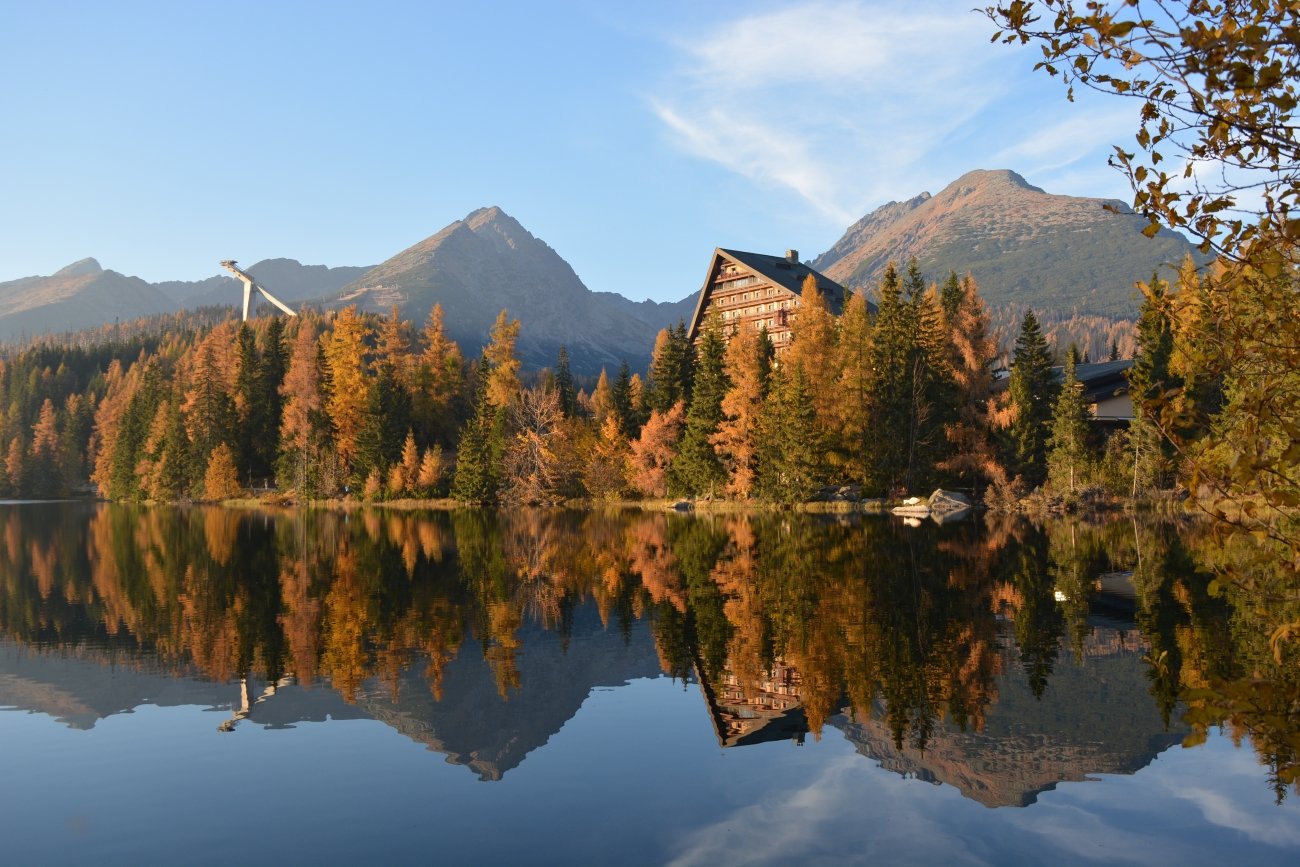
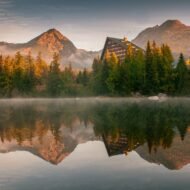
Štrbské Pleso is a glacial tarn at 1,351 metres above sea level in the High Tatras national park of northern Slovakia — the second-largest glacial lake on the Slovak side of the mountains, formed in the last ice age in the cirque below the Solisko and Patria peaks. It remains frozen for approximately 155 days a year. In the months when it is not frozen — and October is the last full month before the ice returns — the lake surface reflects the surrounding peaks in conditions of morning calm with a completeness that the summer photographs suggest but the summer visitor rarely experiences without wind.
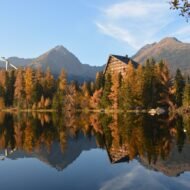
October is the specific month because of what happens above the lake. The High Tatras are predominantly granite above 1,500m — treeless, rocky, the peaks sharp. But between 1,000m and 1,400m, the mountain pine (kosodrevina) and the mountain ash and the dwarf birch cover the slopes in a scrub that turns copper and gold in the first weeks of October. From the lake shore looking south, the Solisko peak above the lake carries this colour on its lower slopes in the second week of October. The lake reflects the colour as it reflects everything else — completely, in the morning calm, for the hour between first light and the arrival of the wind.
The Grand Hotel Kempinski High Tatras stands on the eastern shore of the lake, its position unchanged since the original spa hotel was built here in the late 19th century when the Austrian elite began coming to the Tatras for the altitude and the mountain air. The current building is the 5-star iteration of that tradition. Staying at the Kempinski in October — at rates significantly below the winter ski season — means waking to the lake from the window, walking to the shore before breakfast, and finding the reflection in conditions that the summer brochure photographs cannot guarantee.
The Mlynická Valley trail begins at the western end of the lake and climbs past a series of mountain tarns — Jamské pleso, Pleso nad Skokom — to the Vodopád Skok waterfall at 1,789m. The full ascent to the saddle takes three to four hours and requires appropriate footwear; in October the upper sections may carry early snow. The valley in October, below the snowline, is the specific Tatra mountain experience — the silence, the clean water, the granite walls — without the summer crowds that fill the same path in August.
Štrbské Pleso is accessible from Poprad (25km, 30 minutes by car) and by the Tatra Electric Railway (TEŽ) that has been connecting the High Tatras resorts since 1908. In October the railway runs on its normal schedule and the trains are largely empty.
What to look for specifically: The lake reflection at dawn from the eastern shore · the Mlynická Valley trail above the lake · the Tatra Electric Railway from Poprad · the Popradské Pleso lake walk (45 min from Štrbské Pleso by trail) · the mountain pine colour on the Solisko slopes in the second week of October
GPS (Mlynická Valley trail entrance): 49.1145°N · 20.0534°E GPS (Popradské Pleso lake): 49.1034°N · 20.0689°E
05. Bīriņi Castle, Latvia
A neo-Gothic castle on a lake in the Gauja region — the Baltic autumn and what it does to pink stone
Location: Bīriņi · Limbažu County · Vidzeme · Latvia GPS (castle, lake shore): 57.4034°N · 24.6289°E Best month: October 1–20 Distance from Riga: 55km · approx 45 minutes by car URL: birinupils.lv Accommodation: Castle hotel · standard rooms from approx €70/night
The road to Bīriņi Castle runs along a scenic alley and over sluices where two lakes meet — Bīriņi Lake and Dzirnazu Lake — before the castle appears above the water. Lone Planet described it, accurately, as resembling “a big pink birthday cake sitting on a verdant lawn.” It was built in 1860 by August von Pistolkors, a Baltic German nobleman whose family connection extended to St Petersburg banking circles and whose taste in architecture ran to neo-Gothic towers with semicircular window arches that the architect Friedrich Wilhelm Hesse executed in a specific combination of styles that the Latvian heritage commission has since classified as unique.
The Pistolkors family are gone. The Soviet period converted the castle for institutional use. After 1991 it was returned to private management and operates today as a hotel, a restaurant and a wedding venue — the last function accounting, as the Sigulda tourism website delicately notes, for the erratic operating hours. The castle hotel has rooms in both the main castle building and the adjacent gardener’s house: the castle rooms have the original vaulted ceilings and the views over the lake; the gardener’s house rooms are quieter. The restaurant is in the vaulted basement below the castle.
October is the specific month because the park makes it so. The Bīriņi estate includes the Priežkalna park, the Emilie park with its artificially created pond system, and the landscape park that surrounds the castle from the former stables to the gardener’s house — all planted in the 18th and 19th century with a combination of native Latvian species and introduced specimens. The oak, ash, lime and maple that fill the park turn in the first three weeks of October. The pink neo-Gothic castle in the colour of the October park, reflected in the lake below it, is the specific image that Bīriņi produces and that the summer visits — when the castle is predominantly busy with weddings — cannot replicate.
The castle grounds include a barrel-vaulted underground tomb from 1814 — the family vault of the Counts von Mellin, whose monument is here — and a watermill on the Dzirnavu Lake. The traditional Latvian sauna in the separate bathhouse building can be booked with the hotel stay. The Watermill Lake swimming spot, accessible from the shore path, is cold in October but available to those who want it.
The broader context: Bīriņi is in the Gauja region, one of the most beautiful river valley landscapes in the Baltic states. The Gauja National Park — red sandstone cliffs, medieval castle ruins, the river itself — is 30km east. The town of Cēsis, with its Livonian castle, its medieval centre and its connection to Latvian national identity, is 40km east. October in the Gauja region is the birch and maple colour peak — the specific Baltic autumn palette of pale yellow and copper that the Latvian landscape produces in the third week of October.
What to look for specifically: The lake reflection of the castle at dawn · the barrel-vaulted underground tombs in the Priežkalna park · the watermill on Dzirnazu Lake · the traditional Latvian sauna · the Gauja National Park 30km east · Cēsis medieval town 40km east
What October gives each of them
The Moslavina forest above Garešnica in the second week of October, the harvest in the vineyards below, the Croatian inland town on a Saturday morning. The wine road above Šmarje pri Jelšah, the klopotec in the wind, the oldest pharmacy in Slovenia at the end of the drive. The levada path through ancient laurel forest in Madeira, the endemic birds in the canopy, the three peaks visible at the end of the walk. The glacial lake at Štrbské Pleso at dawn, the mountain pine turning above it, the Kempinski on the eastern shore at October rates. The pink neo-Gothic castle above the Bīriņi Lake, the park in October colour, the underground tombs and the Latvian sauna.
Five countries. Five completely different landscapes, histories and reasons to go. What they share is the month — and the specific quality that October brings to each one that no other month produces.
This article is part of the Beyond the Map seasonal series — five different places, five different reasons to travel, one season that makes each of them worth going.
The Beyond the Map catalogue — field guides to the places the standard itinerary has not reached — is available at thewanders.eu