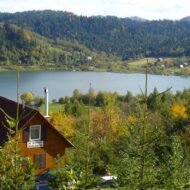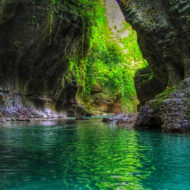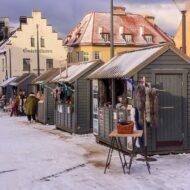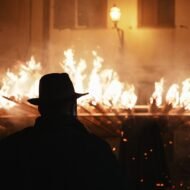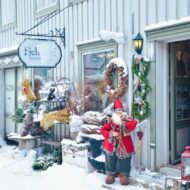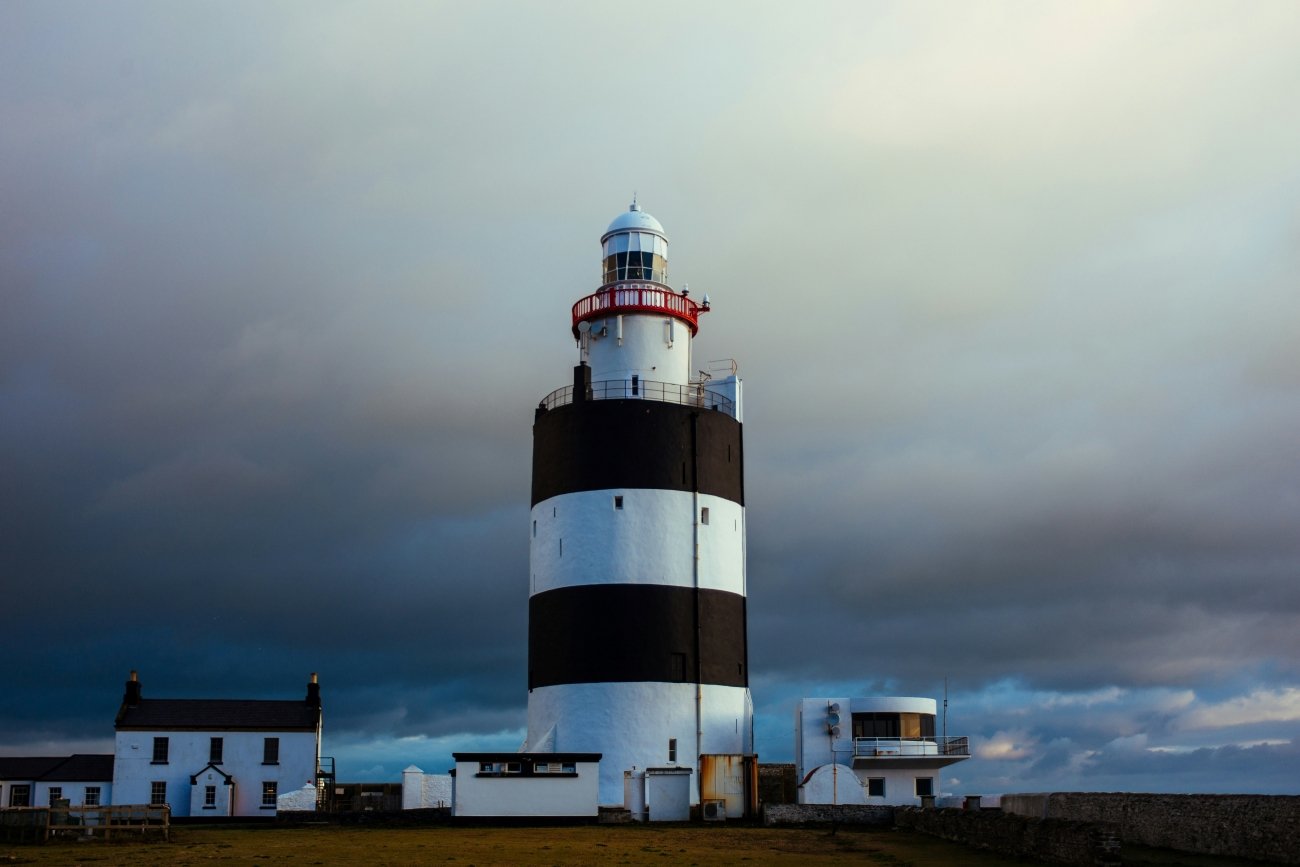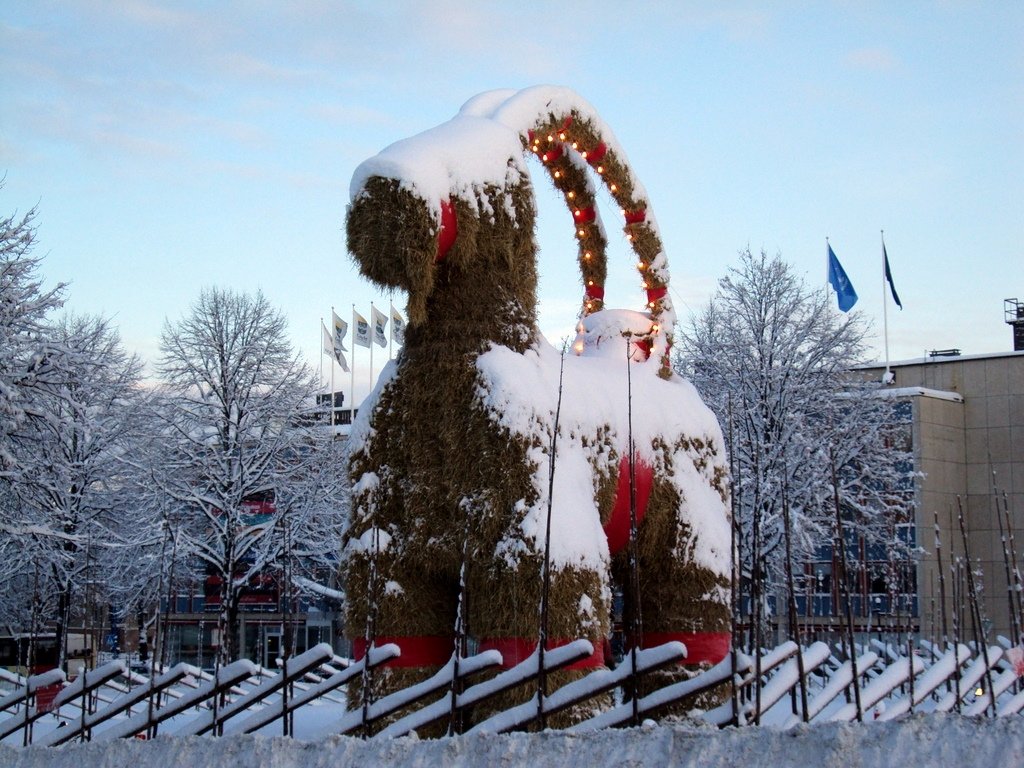


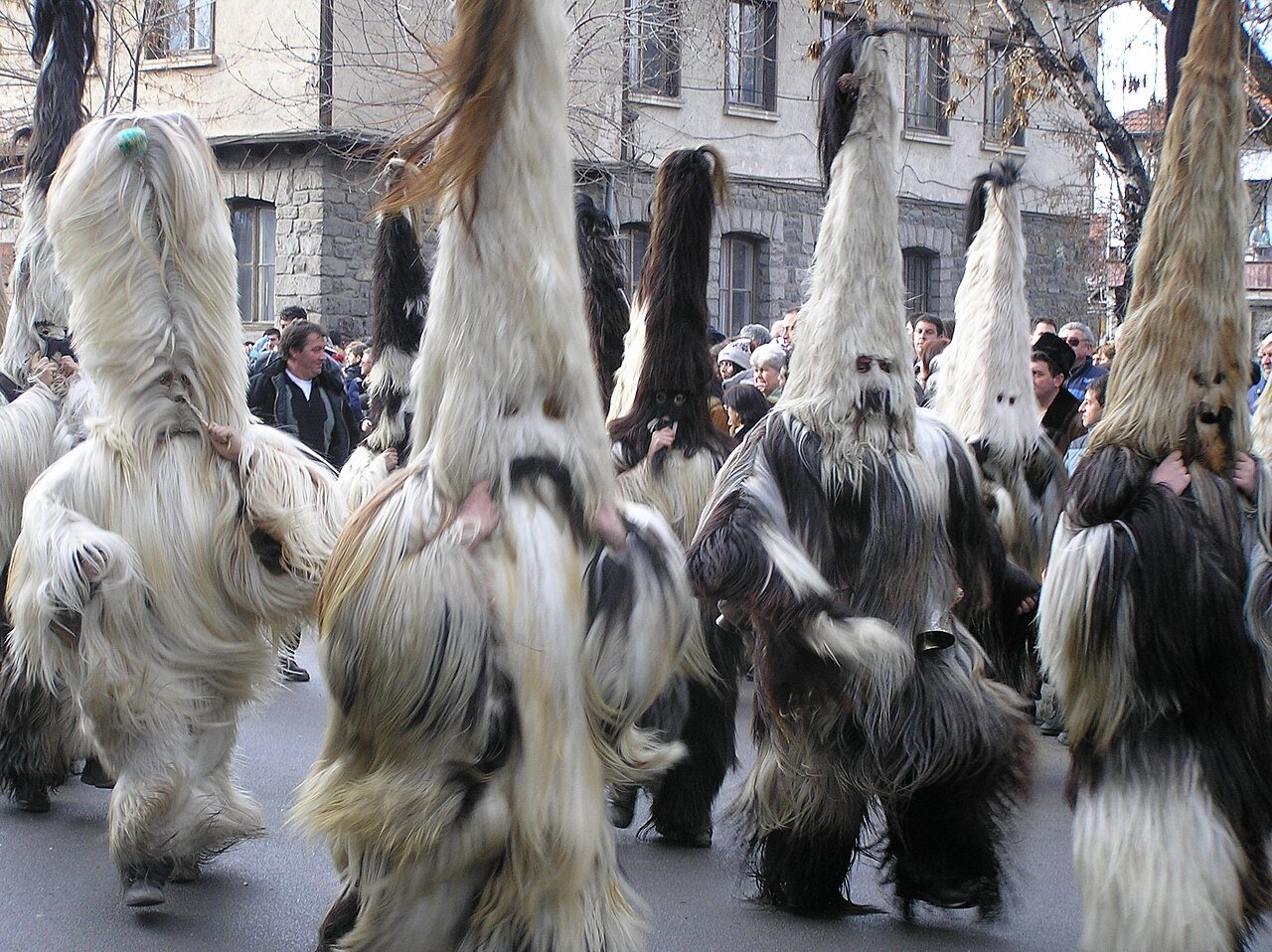
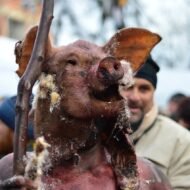
An oak branch burning in a town square on the night of 6 January. Masked mummers with heavy bells waking a Bulgarian mountain town on New Year’s morning. A lakeside Greek town dancing for three days after Epiphany. Six places where Christmas follows the Orthodox calendar, and lasts until the middle of January.
In much of Europe, Christmas ends on 26 December. In the Orthodox East, it is a longer season, and in some places it has not even started yet. The Orthodox world keeps two calendars. The churches of Greece, Romania, Bulgaria, Cyprus and Finland celebrate Christmas on 25 December. The churches of Serbia, North Macedonia, Montenegro and Georgia still follow the old Julian calendar, so their Christmas falls on 7 January and their New Year on 14 January.
Between those dates lies a season of fasting and feasting, carols and masks, holy water and fire, from late November until mid-January. Here are six places to experience it, in calendar order, with 2026–27 dates.
| Date | Place | Country | What happens |
|---|---|---|---|
| 25–29 Dec | Bucovina | Romania | Christmas around the painted monasteries, winter customs festival in Vatra Dornei |
| 25 Dec | New Valamo Monastery | Finland | An Orthodox Christmas in the snow of the Finnish lakeland |
| 1 Jan | Razlog | Bulgaria | Starchevata: masked mummers with heavy bells greet the New Year |
| 6–8 Jan | Kastoria | Greece | Epiphany, then the three-day Ragoutsaria carnival |
| 6–7 Jan | Sremski Karlovci | Serbia | Christmas Eve: the badnjak oak log burns in the town square |
| 13–14 Jan | Vevčani | North Macedonia | A masked carnival for the Orthodox New Year |
1. Bucovina, Romania
47.65° N, 25.60° E · Suceava County, north-eastern Romania
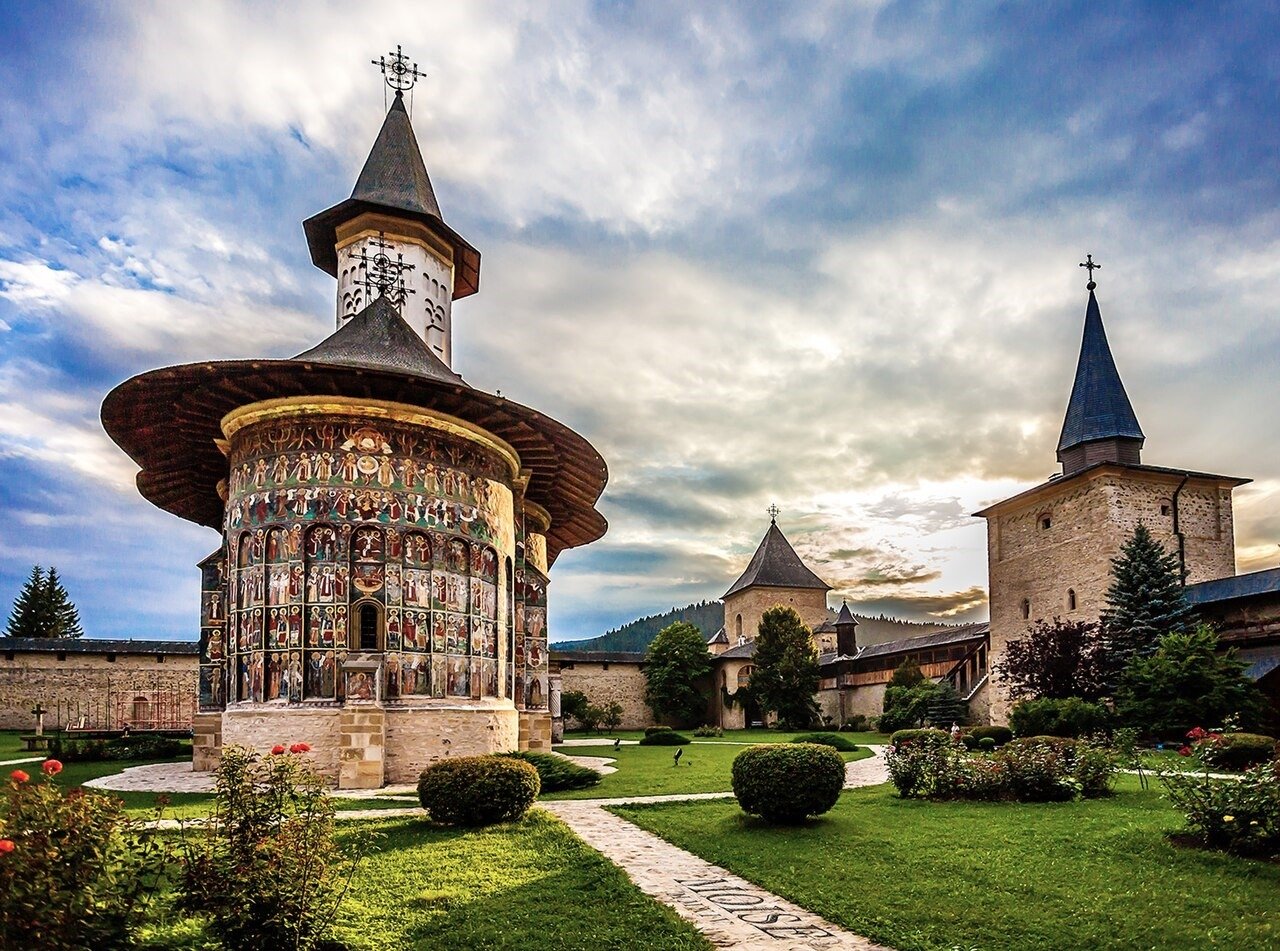
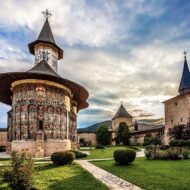
In the hills of Bucovina, the old churches are painted on the outside, from the eaves to the ground, with saints, angels and the Last Judgement. Several of these painted monasteries, among them Sucevița, Voroneț, Humor and Moldovița, are UNESCO World Heritage Sites, and in winter, with snow on their shingled roofs, they are at their most beautiful and least visited.
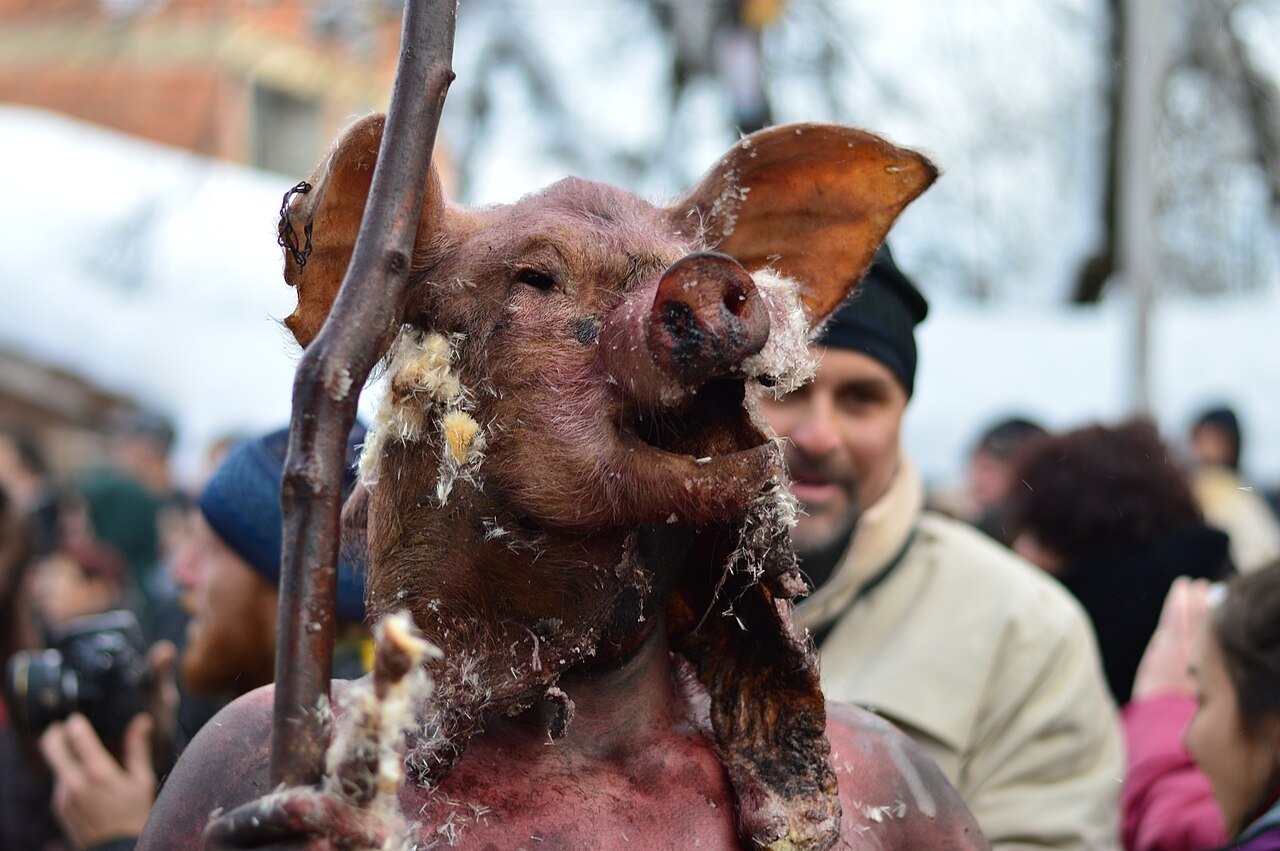
Christmas here is not a show. Preparations begin on St Nicholas’ Day (6 December), when families traditionally slaughter the pig for the Christmas table. Carollers go from house to house, and between Christmas and New Year, villages bring out their masks: animal faces made of wood, bark, fur and beads, worn in New Year rituals that mix Christian and much older customs. In the mountain town of Vatra Dornei, a festival of winter customs and traditions usually takes place on 29 December, with hundreds of participants.
If you have already read about Christmas in nearby Maramureș, Bucovina is its companion: the same carols and village customs, with monasteries instead of wooden churches.
2026 dates: Christmas, 25 December, Vatra Dornei winter customs festival, usually 29 December (check the date).
Weather in Bucovina: a cold continental climate. December days are usually around or below freezing, with snow on the hills and colder nights in the mountains around Vatra Dornei.
Getting there: fly to Suceava, or take the train from Bucharest or Cluj; a car is needed for the monasteries.
2. New Valamo Monastery, Finland
62.56° N, 28.79° E · Heinävesi, North Karelia
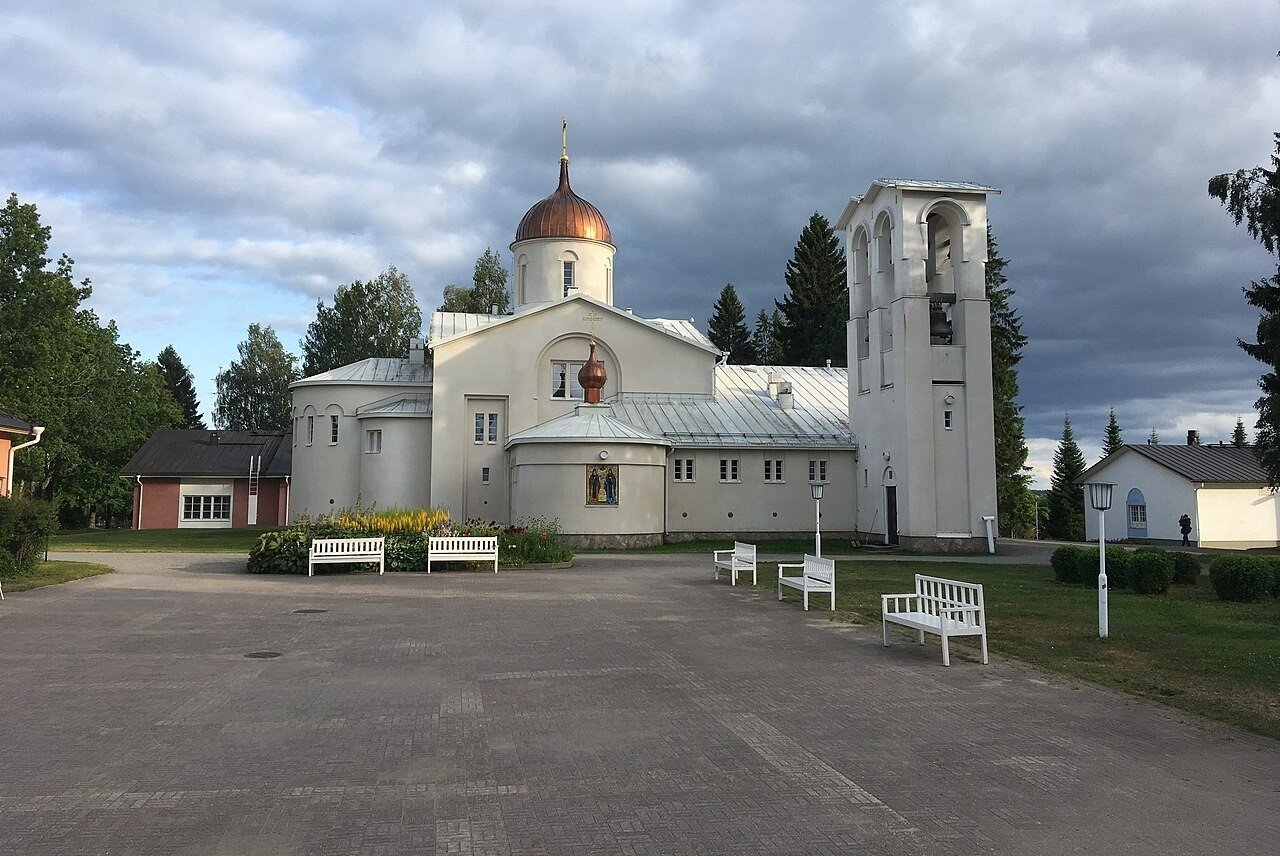
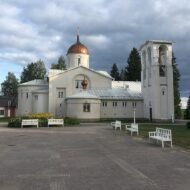
The least expected place on this list. New Valamo is Finland’s Orthodox monastery for men, set among forests and frozen lakes in eastern Finland. Its story is one of exile. In 1940, during the Winter War, its monks left the ancient monastery of Valamo (Valaam), on an island in Lake Ladoga, and crossed the ice with their icons and relics. They settled on an old estate at Heinävesi, and stayed.
The Orthodox Church of Finland follows the modern calendar, so Christmas here falls on 25 December. The monastery welcomes guests all year, with a guesthouse, a restaurant, a museum and the stone Church of the Transfiguration, built in 1977. A Christmas service here, in a candlelit church in a snow-covered Finnish forest, is something few travellers ever see.
2026 dates: Christmas, 25 December. Check the Christmas service times and book accommodation on valamo.fi.
Weather at New Valamo: cold and snowy, with temperatures usually well below freezing and only a few hours of daylight in late December.
Getting there: about an hour by car from Joensuu or Kuopio, or from Varkaus.
3. Razlog, Bulgaria
41.88° N, 23.47° E · Pirin Mountains, Blagoevgrad Province
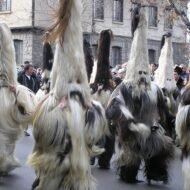
Bulgaria celebrates Christmas on 25 December, but the great noise of the season comes a week later. On the morning of 1 January, the mountain town of Razlog, below the Pirin, wakes to drums, zurnas (shrill folk oboes) and huge bells. This is Starchevata, the town’s New Year mummers’ festival.
Groups come out from each of the town’s neighbourhoods. At their head are the chaushi, as Razlog calls its masked mummers, in fur and masks, with heavy bells tied to their bodies, meant to drive away evil and wake the new year. Behind them come young women and men in embroidered costumes, bear-leaders with costumed “bears”, jesters and whole families, from babies to great-grandparents. In 2025, organisers expected 250 mummers and over 2,200 participants in costume. It ends with a great horo, the round dance, on the central square.
2027 date: 1 January, from around 11:00, on Preobrazhenie Square.
Weather in Razlog: cold and often snowy at around 850 metres, with frosty mornings.
Getting there: about 2.5 hours by car from Sofia, the ski town of Bansko is 6 km away and makes a good base.
4. Kastoria, Greece
40.52° N, 21.27° E · Western Macedonia
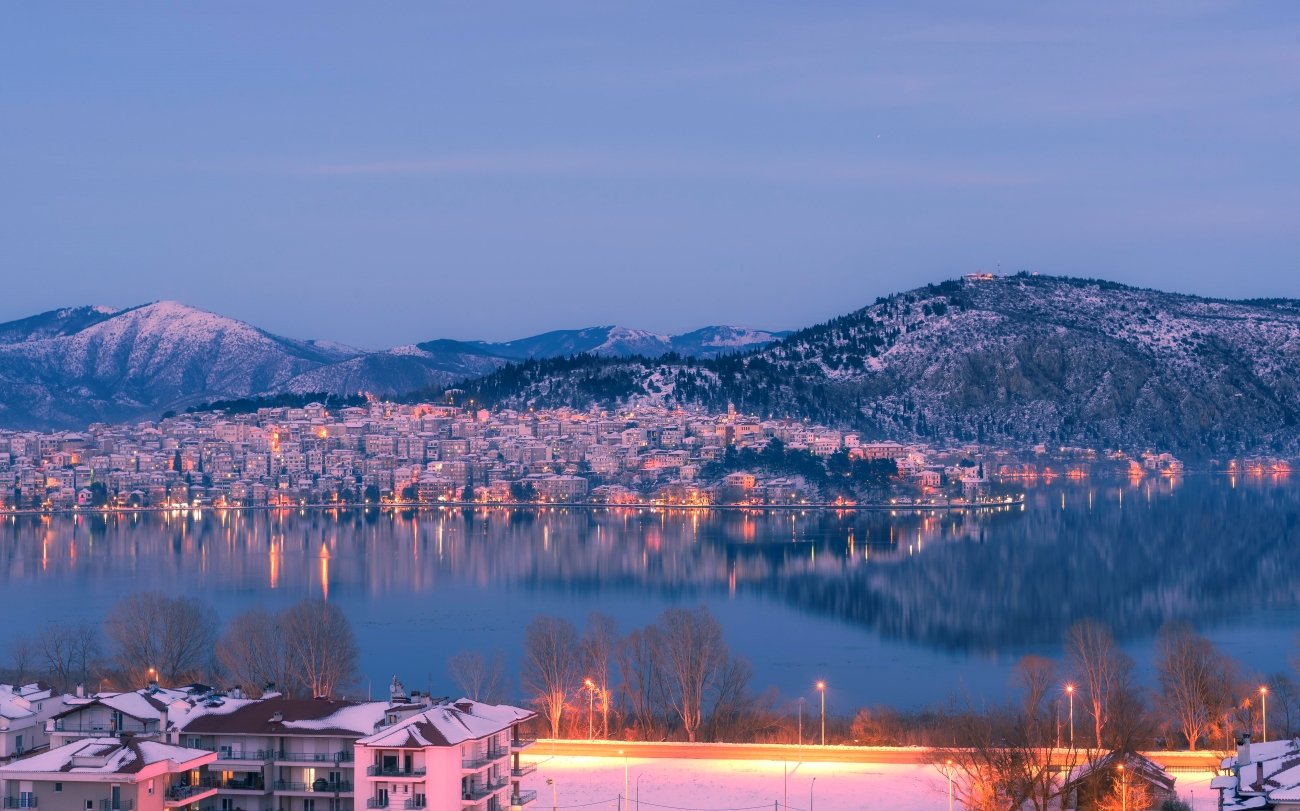
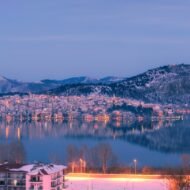
On a peninsula in Lake Orestiada, ringed by mountains, Kastoria is a town of Byzantine churches, old stone mansions and fur workshops. On 6 January, the Feast of the Epiphany (Theophania), the waters are blessed and a cross is thrown into the lake.
That same afternoon, the Ragoutsaria begins: three days of carnival in the middle of winter. Groups of masked revellers called bouloukia, each with its own brass band, fill the streets day and night, and the whole town joins in, young and old. It peaks on 8 January, the Pateritsa, with a great parade that ends in Doltso Square, where the dancing goes on for hours. It is said to go back to ancient Dionysian rites, and in the villages around Kastoria, older masked customs begin on New Year’s Eve.
2027 dates: 6–8 January (Wednesday to Friday), with the main parade on 8 January.
Weather in Kastoria: cold and often foggy over the lake, at around 700 metres, January days are usually a few degrees above freezing, with frost at night and snow possible.
Getting there: about 2.5 hours by car from Thessaloniki, Kastoria also has a small airport.
5. Sremski Karlovci, Serbia
45.20° N, 19.93° E · Vojvodina, on the Danube
For Serbs, Christmas Eve is Badnji dan, 6 January. In the morning, a young oak branch, the badnjak, is cut, and in the evening it is burned, like a Yule log, while straw is spread on the floor and the fasting meal is laid out. Since the early 1990s, the Serbian Orthodox Church has also held public badnjak fires in front of churches.
There is no better place to see one than Sremski Karlovci, a small Baroque town on the Danube below the hills of Fruška Gora. For a long time, it was the spiritual centre of the Serbs in the Habsburg lands, with its cathedral, Patriarchal palace and old seminary. On Christmas Eve, the badnjak is lit in the town centre, in front of the Four Lions fountain. Visit the monasteries of Fruška Gora by day, and spend the next day, Christmas, in a town that smells of wood smoke and mulled wine.
2027 dates: Christmas Eve (Badnji dan), 6 January, Christmas, 7 January.
Weather in Sremski Karlovci: cold and continental, January days are usually around freezing, with the cold wind košava sometimes blowing along the Danube.
Getting there: about 15 minutes by bus or car from Novi Sad, and about an hour from Belgrade.
6. Vevčani, North Macedonia
41.24° N, 20.59° E · Near Struga and Lake Ohrid
The season ends in a village at the foot of the Jablanica mountains, near Lake Ohrid. On 13 and 14 January, the eve and the first day of the New Year by the old calendar, which is also St Basil’s Day (Vasilica), Vevčani holds its famous carnival. Its people say it goes back around 1,400 years.
Almost the whole village takes part. The masked Vasiličari fill the streets with drums, zurnas and pots and pans, in costumes that range from the traditional bride and groom to sharp satire of the year’s politicians. The point, as in Razlog and Kastoria, is old: to chase away evil spirits and make way for a good new year. In the small hours of 14 January, villagers follow the bride and groom to the village springs to collect water for the New Year bread.
2027 dates: 13–14 January.
Weather in Vevčani: cold mountain winter, nights can be well below freezing, and snow is common.
Getting there: about 15 minutes by car from Struga, and about 30 minutes from Ohrid, whose airport has flights in winter.
Beyond the map
From Bucovina to Vevčani, an Orthodox Christmas is a season, not a day: forty days of fasting, then a feast, then masks, bells, fire and water, ending only in mid-January when the old year finally runs out. It is less about shopping and lights and more about family, church and very old customs. And because so few visitors come, you are often welcomed into it rather than watching it from outside.
Read next: Christmas in the Mountains · December Festivals in Europe · Christmas in Europe’s Walled Towns