



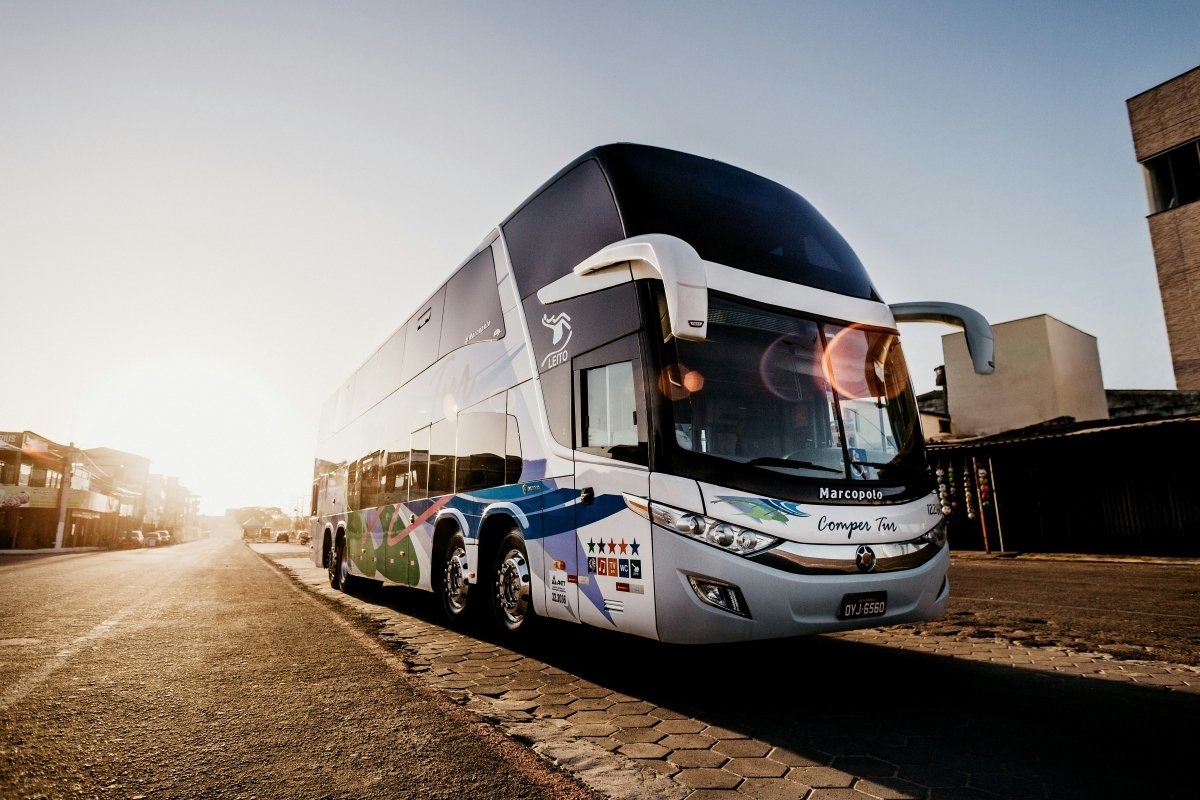


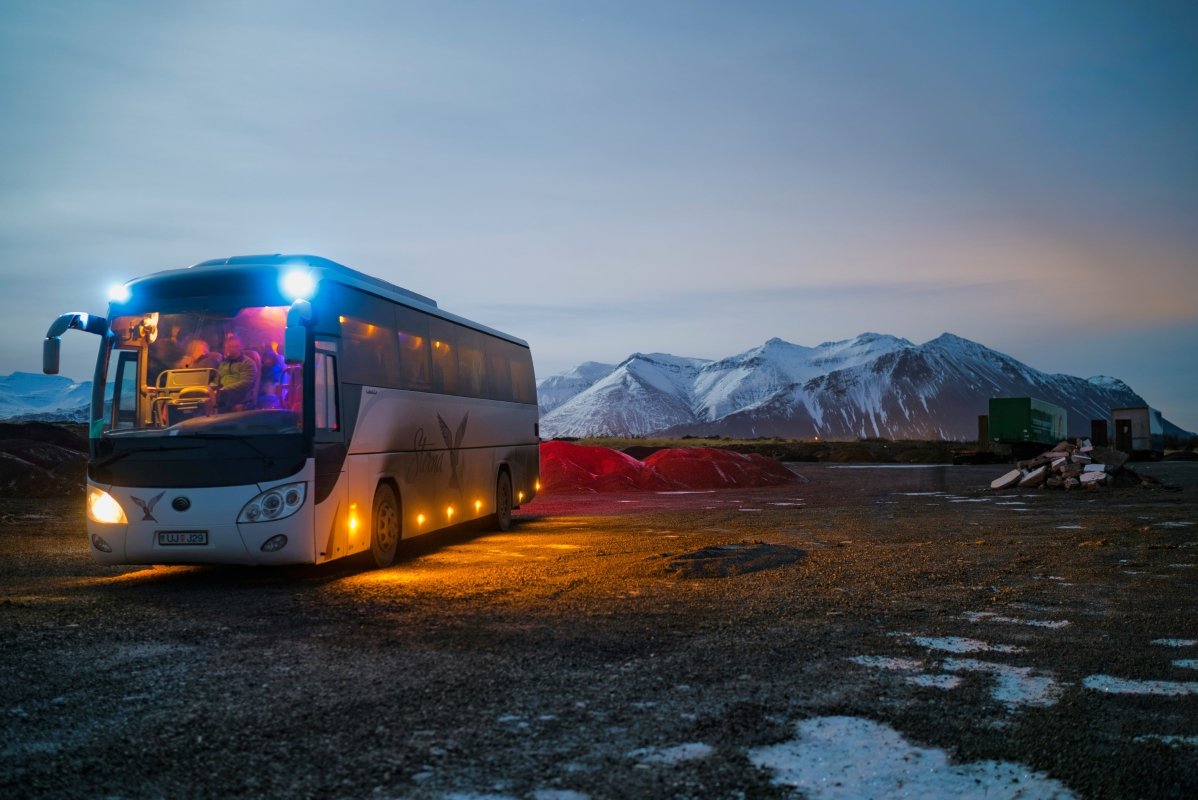





Bus travel in Europe is incredibly affordable, eco-friendly, and connects you to amazing destinations across 35+ countries. Expect to pay €20-50 for long-distance routes, enjoy scenic views, meet fellow travelers, and explore cities that flights can’t reach. Book through FlixBus, Eurolines, or regional operators, pack light, bring snacks, and prepare for the adventure of a lifetime!
- Why Choose Bus Travel in Europe? The Real Deal
- Major Bus Companies: Your Travel Partners
- Route Planning: Your European Adventure Mapped Out
- Booking Your Journey: Insider Strategies for Better Deals
- What to Expect Onboard: The Real Experience
- Packing Smart: Your Bus Travel Essentials
- Navigating Borders and Documentation
- Safety and Security: Staying Smart on the Road
- Making the Most of Rest Stops and Layovers
- Food, Drinks, and Dining on the Road
- Technology and Connectivity on European Buses
- Seasonal Considerations: When to Go and What to Expect
- Summer Travel (June-August)
- Shoulder Seasons (April-May, September-October)
- Winter Adventures (December-February)
- Budget Breakdown: Real Costs for Real Travelers
- Conclusion: Your European Adventure Awaits
- Disclaimer
Ready to explore Europe without breaking the bank? Bus travel might just be your golden ticket to the trip of your dreams. Whether you’re a budget-conscious backpacker, an eco-warrior, or someone who simply loves meeting people from all walks of life, European bus travel offers something magical that planes and trains can’t match.
Why Choose Bus Travel in Europe? The Real Deal
Let’s be honest – buses aren’t always the first thing that comes to mind when planning your European adventure. But here’s what seasoned travelers know: bus travel in the EU is a game-changer that opens doors (literally) to experiences you never knew you wanted.
The money talk nobody wants to avoid: A bus ticket from Berlin to Prague costs around €25, while a flight might set you back €150+. That’s money you could spend on that incredible pasta in Rome or those vintage finds in Amsterdam’s markets.
Environmental impact that actually matters: Buses produce up to 80% fewer emissions per passenger than flights. When you choose the bus, you’re not just saving money – you’re making a choice that your future self (and the planet) will thank you for.
Connections that matter: Ever wanted to stop in that tiny Bavarian town you saw on Instagram? Buses reach over 2,500 destinations across Europe, including charming villages and hidden gems that major airports simply don’t serve.
Major Bus Companies: Your Travel Partners
FlixBus – The Green Giant
FlixBus dominates European bus travel for good reason. Operating in 35+ countries with over 400,000 daily connections, they’ve revolutionized what bus travel looks like. Think free Wi-Fi, power outlets, air conditioning, and surprisingly comfortable seats.
Pro tip: Download their app for exclusive deals and real-time tracking. Their “FlixTrain” service also combines bus and train travel for ultimate flexibility.
Eurolines – The Classic Choice
The grandfather of European bus travel, Eurolines has been connecting cities since 1985. While their fleet might look more traditional, they offer excellent value and reach destinations that newer companies haven’t discovered yet.
Insider secret: Their multi-city passes can be incredibly cost-effective for longer trips. The 30-day pass covering 51 cities starts around €435 – that’s less than some people spend on a single international flight.
Regional Champions
Don’t overlook local operators like Germany’s Mein Fernbus, Spain’s ALSA, or the UK’s National Express. These companies often offer deeper local knowledge, better regional connections, and competitive prices on specific routes.
Route Planning: Your European Adventure Mapped Out
Popular Long-Distance Routes That Never Disappoint
The Classic Western Loop: London → Paris → Amsterdam → Berlin → Prague → Vienna → Zurich → Barcelona → Madrid → Lisbon Timeline: 3-4 weeks | Estimated cost: €300-450 for all buses
The Balkan Discovery: Budapest → Belgrade → Sarajevo → Dubrovnik → Split → Zagreb → Ljubljana Timeline: 2-3 weeks | Estimated cost: €200-300
The Scandinavian Circle: Copenhagen → Stockholm → Oslo → Gothenburg → Hamburg → Berlin Timeline: 2-3 weeks | Estimated cost: €350-500
Hidden Gems Only Accessible by Bus
Some of Europe’s most breathtaking destinations are only reachable by bus. Picture yourself winding through Swiss mountain passes to reach tiny Alpine villages, or discovering medieval towns in Romania’s countryside that time forgot.
Must-visit bus-exclusive destinations:
- Hallstatt, Austria (connect via regional buses from Salzburg)
- Giethoorn, Netherlands (the “Venice of the North”)
- Sinaia, Romania (fairy-tale castles await)
- Rila Monastery, Bulgaria (spiritual serenity in the mountains)
Booking Your Journey: Insider Strategies for Better Deals
Timing Is Everything
Book your tickets 2-4 weeks in advance for the best prices, but don’t panic if you’re spontaneous – last-minute deals often pop up, especially on less popular routes.
Seasonal pricing secrets:
- April-May and September-October offer the sweet spot of good weather and reasonable prices
- July-August prices can double, but the experience and weather are typically worth it
- December-February offers rock-bottom prices, perfect for cozy city breaks
The Art of Flexible Travel
Most bus companies offer flexible tickets for just €5-10 extra. Trust us, when you fall in love with Prague and want to extend your stay, you’ll be grateful for this small investment.
Money-saving booking hacks:
- Clear your browser cookies before booking (dynamic pricing is real)
- Check multiple departure dates – sometimes shifting by one day saves €20+
- Consider split tickets for very long routes
- Student, senior, and group discounts are widely available
What to Expect Onboard: The Real Experience
Comfort Level Reality Check
Modern European buses are light-years ahead of what you might remember from school trips. We’re talking reclining seats with decent legroom, individual reading lights, and climate control that actually works.
Onboard amenities you can count on:
- Free Wi-Fi (quality varies, but usually sufficient for social media and messaging)
- Power outlets at every seat
- Air conditioning and heating
- Onboard toilets (clean and regularly serviced)
- Storage space for luggage
The Social Aspect Nobody Talks About
Bus travel naturally brings people together in ways that planes simply can’t. You’ll find yourself chatting with a retired teacher from Portugal, sharing snacks with university students from Poland, or getting restaurant recommendations from locals who know the real spots.
Cultural exchange opportunities:
- Multi-language conversations that somehow work perfectly
- Impromptu travel buddy partnerships
- Local insights you can’t find in guidebooks
- Lifelong friendships that start over shared charging cables
Packing Smart: Your Bus Travel Essentials
The Carry-On Strategy
Most bus companies allow one large bag (up to 20kg) and one carry-on. Pack your carry-on like your comfort depends on it – because it does.
Must-have carry-on items:
- Neck pillow and eye mask (trust us on this)
- Portable phone charger/power bank
- Snacks and water bottle
- Light blanket or large scarf
- Entertainment downloaded offline
- Basic toiletries for freshen-ups
Luggage Tips That Make a Difference
Pack cubes are your best friend for bus travel. They keep everything organized and make it easy to grab what you need without unpacking your entire bag at rest stops.
Smart packing strategies:
- Roll clothes instead of folding (saves 30% more space)
- Pack one complete outfit in your carry-on (just in case)
- Bring layers – bus temperature can vary dramatically
- Keep important documents easily accessible
Navigating Borders and Documentation
Schengen Zone Advantages
One of the biggest perks of EU bus travel is the seamless border crossings within the Schengen Area. You might not even wake up when crossing from Germany into Czech Republic – it’s that smooth.
Essential documents:
- Valid passport or national ID (EU citizens)
- Travel insurance (highly recommended)
- Student ID for discounts
- Emergency contact information
Brexit Considerations for UK Travel
Post-Brexit, traveling between the UK and EU requires a bit more planning. Make sure your passport has at least six months validity, and budget extra time for border controls.
Safety and Security: Staying Smart on the Road
Personal Safety Best Practices
European bus travel is remarkably safe, but common sense goes a long way. Keep valuables secure, trust your instincts about fellow passengers, and stay aware of your surroundings during station stops.
Security tips that matter:
- Keep copies of important documents separate from originals
- Use bags with zippers for valuables
- Stay alert during night travel
- Share your itinerary with someone back home
Health and Hygiene Considerations
Bring hand sanitizer and basic medications. While modern buses are clean, you’re sharing space with people from all over Europe, so a little extra hygiene care goes a long way.
Making the Most of Rest Stops and Layovers
Strategic Stop Planning
Long-distance bus routes include regular breaks every 2-4 hours. These aren’t just bathroom breaks – they’re mini-adventures waiting to happen.
Rest stop maximization:
- Research stops in advance for local specialties
- Use apps to find nearby attractions during longer layovers
- Connect with fellow passengers for mini-explorations
- Stock up on local snacks you can’t find elsewhere
Extended Layovers as City Previews
Sometimes layovers can extend to several hours, especially in major cities. Instead of staying in the station, treat these as free city previews. Many European bus stations are centrally located, making quick city center visits totally doable.
Food, Drinks, and Dining on the Road
Onboard Dining Reality
Most buses don’t have extensive food service, but many offer basic snacks and drinks for purchase. The real strategy is planning your food game in advance.
Smart food strategies:
- Pack non-perishable favorites from home
- Try local specialties at rest stops
- Stay hydrated but balance with bathroom needs
- Respect other passengers with scent-free food choices
Cultural Food Discoveries
Some of the best meals you’ll have happen at random highway rest stops where you taste authentic regional specialties you never knew existed. That Croatian burek at 3 AM might just become your favorite travel memory.
Technology and Connectivity on European Buses
Wi-Fi Reality Check
Free Wi-Fi is standard, but don’t expect to stream Netflix. It’s perfect for messaging, social media updates, and light browsing. Download entertainment in advance for longer routes.
Digital preparation:
- Download offline maps for your destinations
- Save important travel documents to your phone
- Bring portable chargers and European plug adapters
- Download language translation apps
Apps That Make Bus Travel Easier
Beyond booking apps, consider downloading currency converters, offline translation tools, and local transport apps for your destinations. Many cities offer comprehensive public transport apps that work perfectly for getting from the bus station to your accommodation.
Seasonal Considerations: When to Go and What to Expect
Summer Travel (June-August)
Peak season means higher prices but also the best weather, longest days, and vibrant festival seasons. Book well in advance and expect buses to be full of fellow travelers from around the world.
Shoulder Seasons (April-May, September-October)
The sweet spot for many travelers. Better prices, pleasant weather, and fewer crowds. Many consider this the optimal time for European bus travel.
Winter Adventures (December-February)
Don’t write off winter bus travel. Christmas markets, snow-covered landscapes viewed from warm bus windows, and significantly lower prices make winter travel magical in its own way.
Budget Breakdown: Real Costs for Real Travelers
Daily Budget Expectations
Budget traveler: €50-70/day (including accommodation, food, local transport, and activities) Mid-range explorer: €80-120/day Comfortable traveler: €150+/day
Sample 10-day trip costs:
- Bus transportation: €200-350
- Accommodation (hostels/budget hotels): €300-600
- Food and drinks: €250-500
- Activities and sightseeing: €200-400
- Total: €950-1,850
Money-Saving Strategies That Actually Work
Mix bus travel with other transport modes strategically. Sometimes a €30 flight saves you 12 hours and €20 compared to a bus route. The goal isn’t to only use buses – it’s to travel smart.
Conclusion: Your European Adventure Awaits
Bus travel in Europe isn’t just about getting from Point A to Point B – it’s about embracing a different pace of travel that allows for spontaneous discoveries, meaningful connections, and authentic experiences that you simply can’t get any other way.
Whether you’re planning a grand tour of European capitals or seeking out hidden villages that don’t appear on tourist maps, bus travel offers the perfect combination of affordability, environmental consciousness, and cultural immersion.
The next time someone asks about your European adventure, you won’t just have photos of famous landmarks. You’ll have stories of sunrise views from a bus window crossing the Alps, conversations with strangers who became friends, and the satisfaction of having traveled in a way that’s kind to both your wallet and the planet.
Europe is waiting, and your bus is probably boarding soon. All you need to do is take that first step, grab that ticket, and trust that the journey itself will be just as rewarding as any destination.
Ready to start planning? Download the FlixBus app, start mapping your dream route, and remember – the best European adventures often begin with the decision to take the scenic route.
Disclaimer
Important Notice: The information provided in this travel guide is for general informational purposes only and reflects conditions as of the time of writing. Travel regulations, bus company policies, pricing, routes, and border requirements can change frequently and without notice.
Before traveling, please:
- Verify current visa and documentation requirements with official government sources
- Check the latest COVID-19 travel restrictions and health protocols
- Confirm bus schedules, routes, and pricing directly with transport companies
- Review your travel insurance coverage and policy details
- Consult official tourism boards and embassy websites for destination-specific information
Financial considerations: Prices mentioned are estimates based on typical costs and may vary significantly depending on booking time, season, demand, and current market conditions. Currency exchange rates fluctuate daily.
Safety and health: While we strive to provide accurate safety information, travelers are responsible for their own safety and should research current conditions, follow local laws and customs, and take appropriate precautions. Consider consulting healthcare providers regarding vaccinations or health precautions before traveling.
This guide does not constitute professional travel advice. The author and publisher are not responsible for any inconvenience, loss, or injury that may result from the use of information contained in this article. Always verify information with official sources and use your best judgment when making travel decisions.