


TL;DR: Fairytale European towns for winter couples getaways , Skip the crowded tourist traps and discover five stunning medieval European towns perfect for couples seeking romance, history, and authentic winter vibes. From Austrian alpine charm to Portuguese hilltop fortresses, these lesser-known destinations offer fairytale settings without the crowds—or the premium prices.
- 1. Feldkirch, Austria – Alpine Medieval Magic
- History at a Glance
- Why Couples Love It
- Accommodation Options
- Shopping & Local Traditions
- Outdoor Adventures & Skiing
- Budget Considerations
- Food & Cultural Experience
- Winter Events
- Useful Information
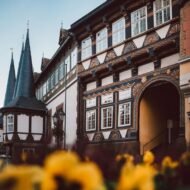
- 2. Einbeck, Germany – Half-Timbered Heaven
- History at a Glance
- Why Couples Love It
- Accommodation Options
- Shopping & Local Traditions
- Outdoor Adventures
- Budget Considerations
- Food & Cultural Experience
- Winter Events
- Useful Information
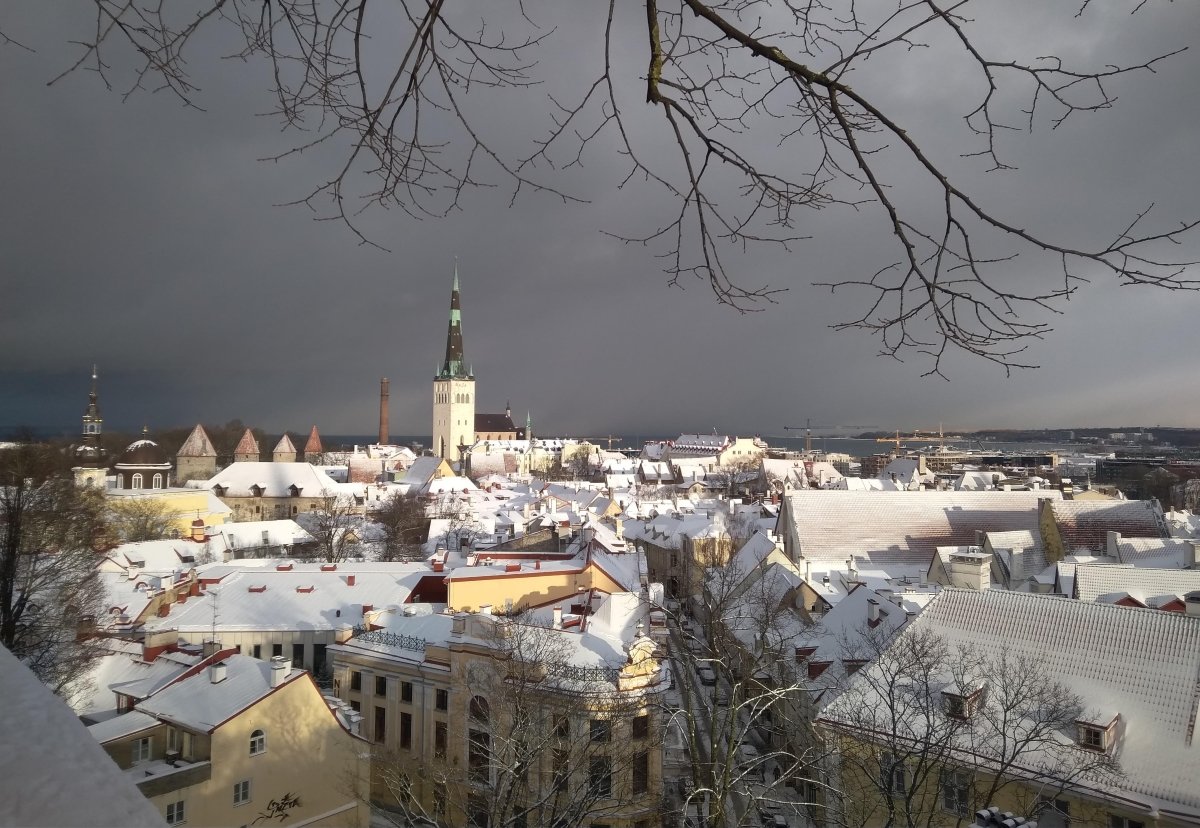
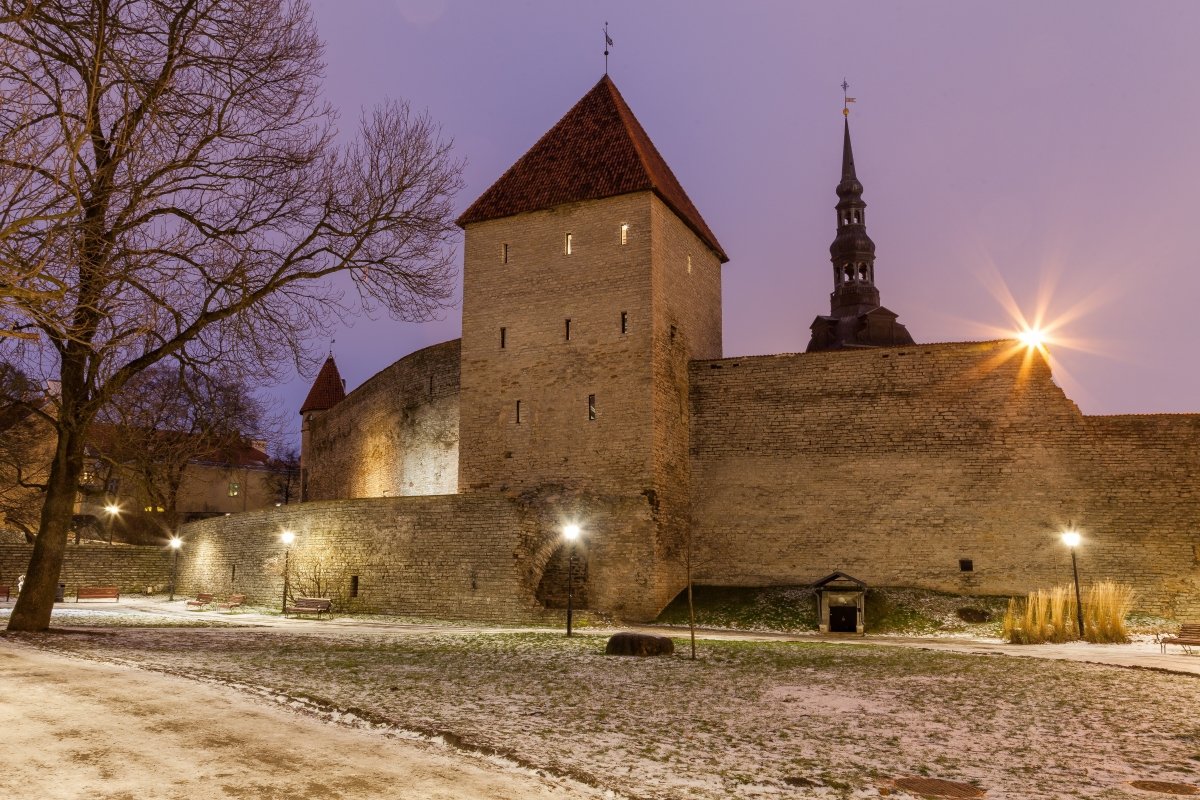
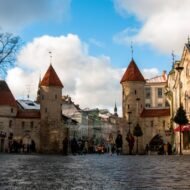
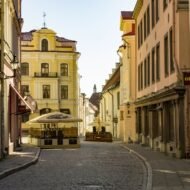
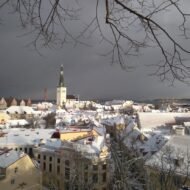
- 3. Tallinn, Estonia – Baltic Beauty
- History at a Glance
- Why Couples Love It
- Accommodation Options
- Shopping & Local Traditions
- Outdoor Adventures & Skiing
- Budget Considerations
- Food & Cultural Experience
- Winter Events
- Useful Information
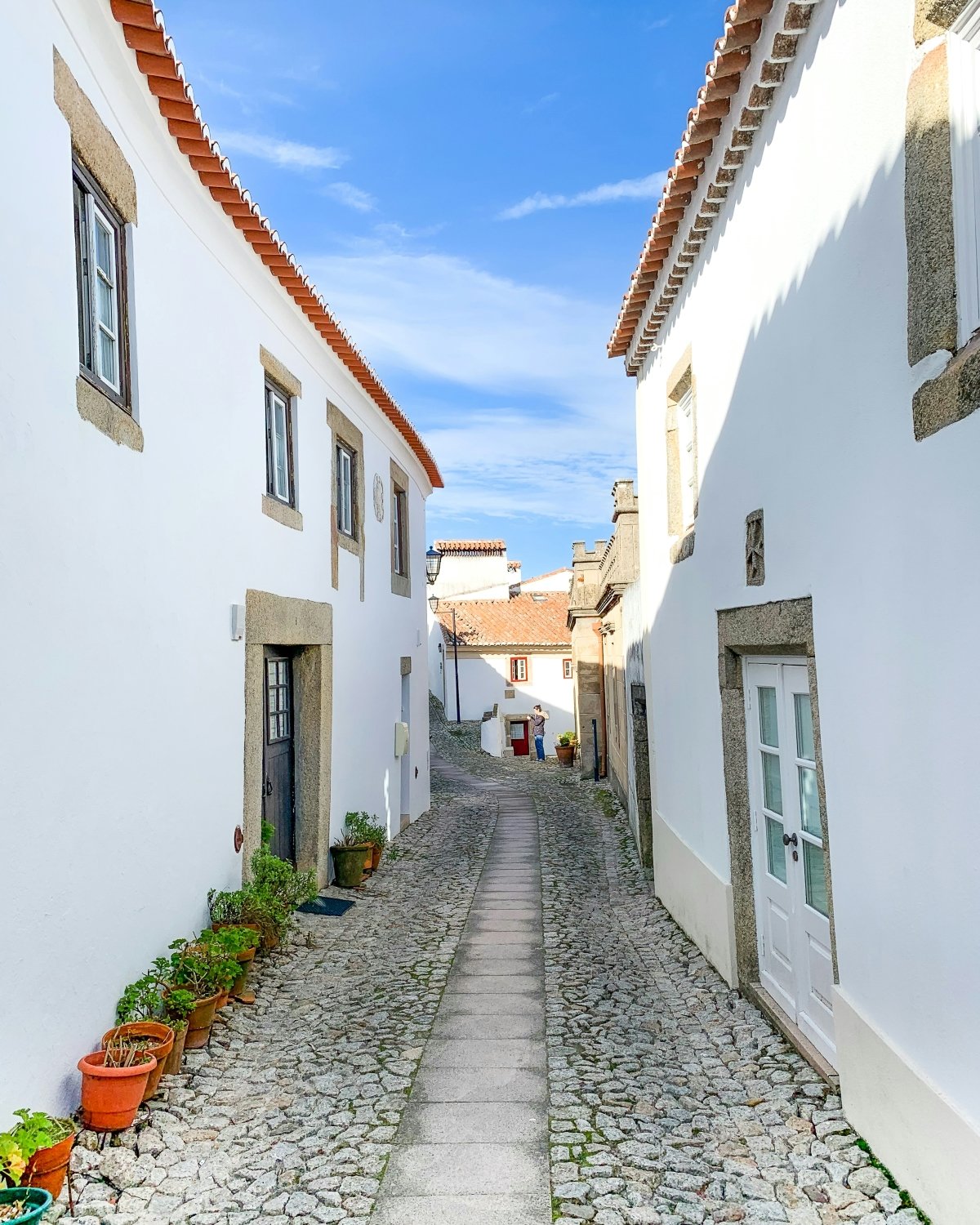
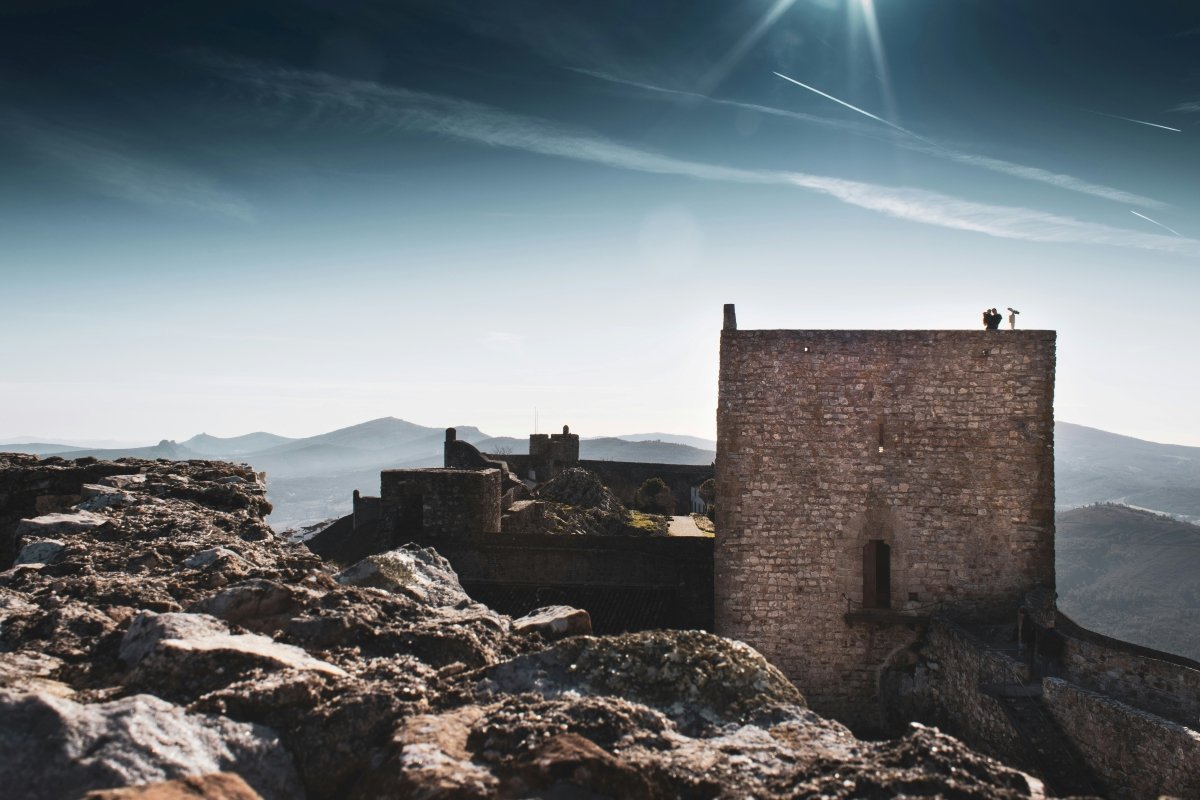
- 4. Marvão, Portugal – The Hilltop Fortress
- History at a Glance
- Why Couples Love It
- Accommodation Options
- Shopping & Local Traditions
- Outdoor Adventures
- Budget Considerations
- Food & Cultural Experience
- Winter Events
- Useful Information
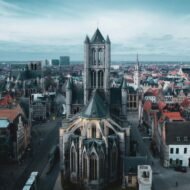
- 5. Ghent, Belgium – The Underrated Medieval Masterpiece
- History at a Glance
- Why Couples Love It
- Accommodation Options
- Shopping & Local Traditions
- Outdoor Adventures & Skiing
- Budget Considerations
- Food & Cultural Experience
- Winter Events
- Useful Information
- Final Thoughts: Your Medieval Winter Romance Awaits
- Disclaimer
Let’s be honest: when most people think “romantic European winter getaway,” they immediately picture Paris, Prague, or Vienna. And sure, those cities are gorgeous—but they’re also packed with tourists, expensive as hell, and about as intimate as a shopping mall on Black Friday.
What if we told you there are medieval towns across Europe that look like they’ve been plucked straight from a storybook, where cobblestone streets actually echo with your footsteps (instead of selfie sticks), and where you can actually afford that second glass of wine at dinner?
We’re talking about places where castle walls still stand guard, where Christmas markets feel genuinely local, and where the biggest decision you’ll make is whether to spend the afternoon exploring medieval ramparts or cozying up in a café with hot chocolate.
Ready to discover Europe’s best-kept secrets for winter romance? Let’s dive in.
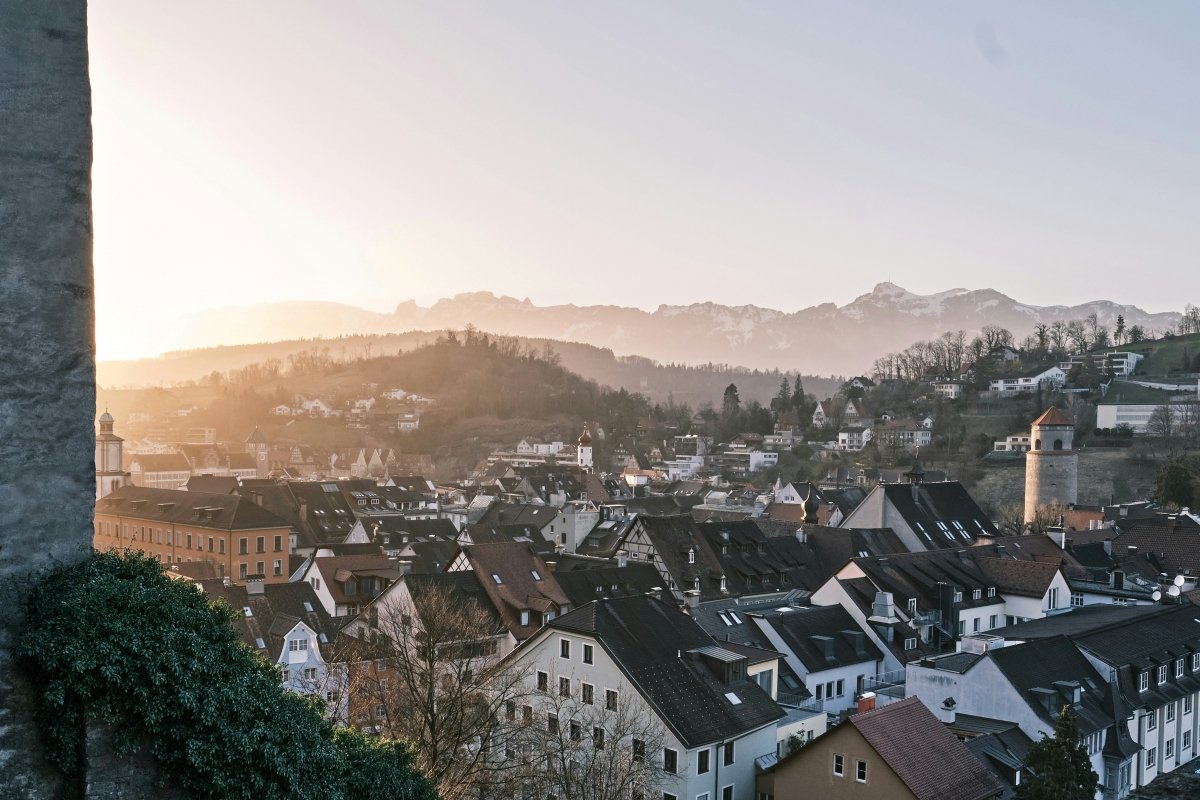
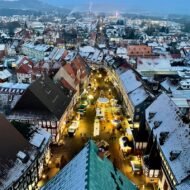
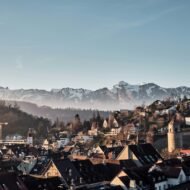
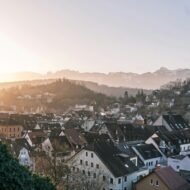
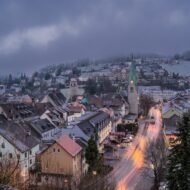
1. Feldkirch, Austria – Alpine Medieval Magic
History at a Glance
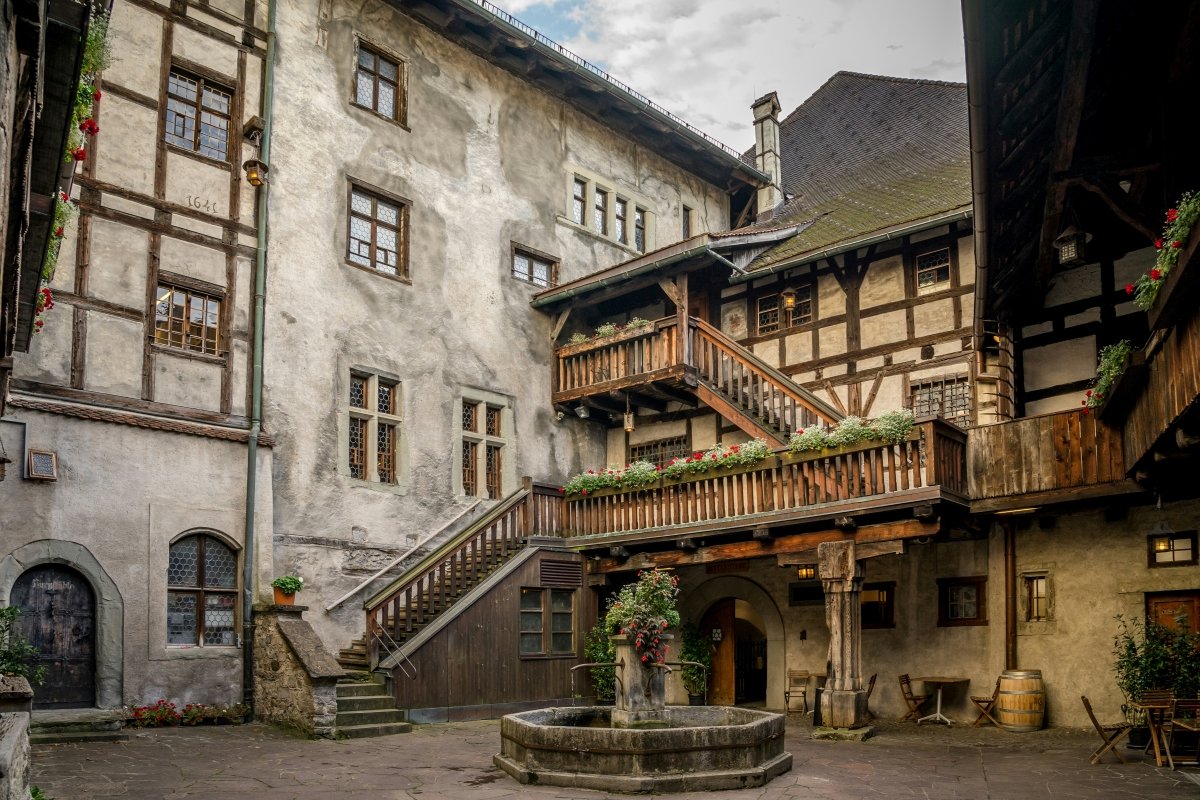
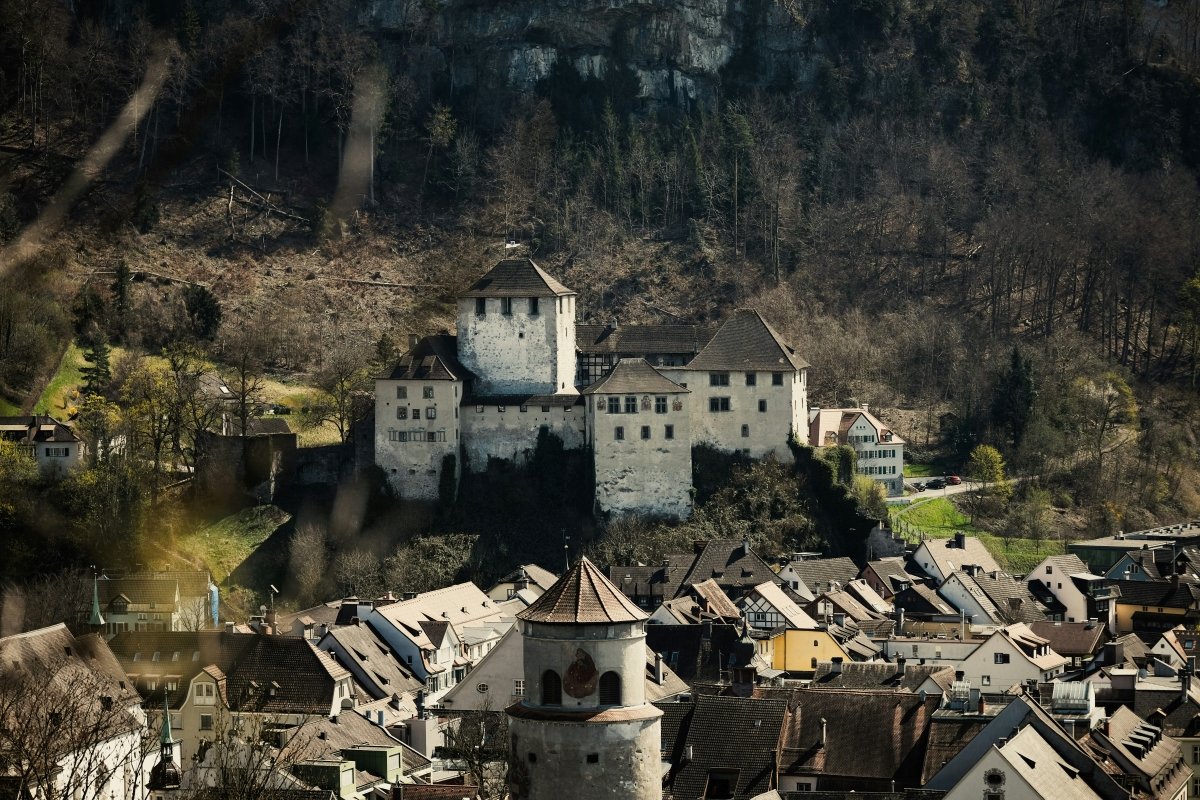
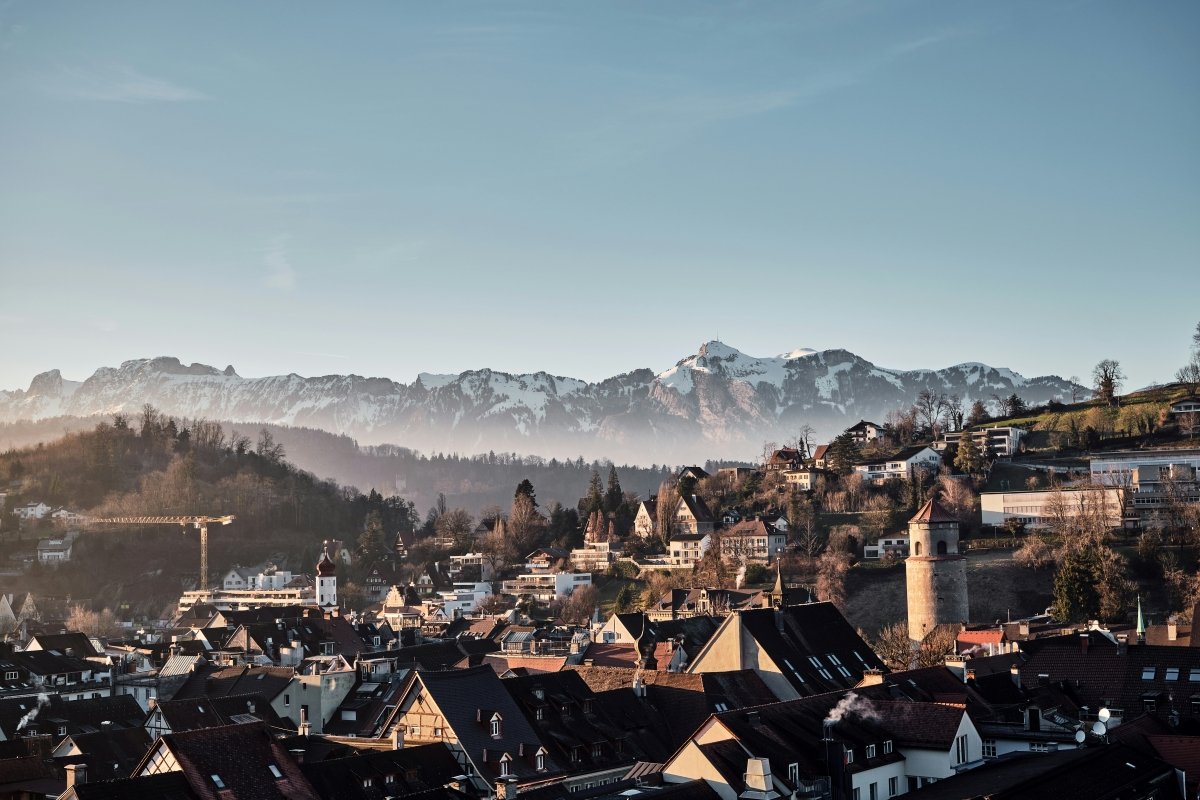
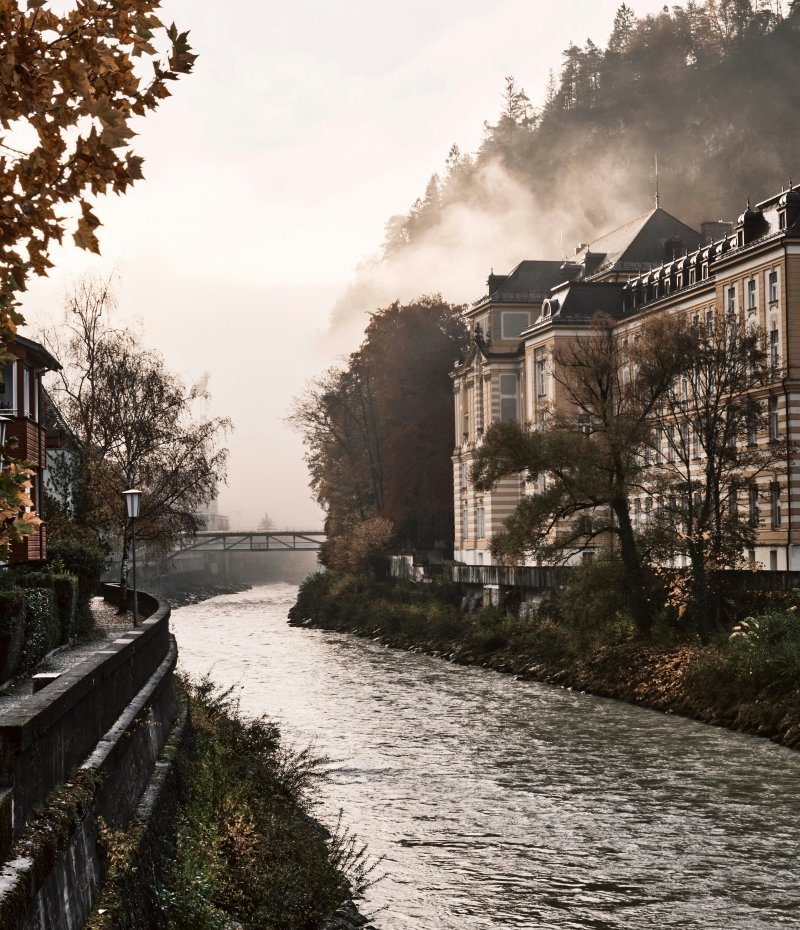
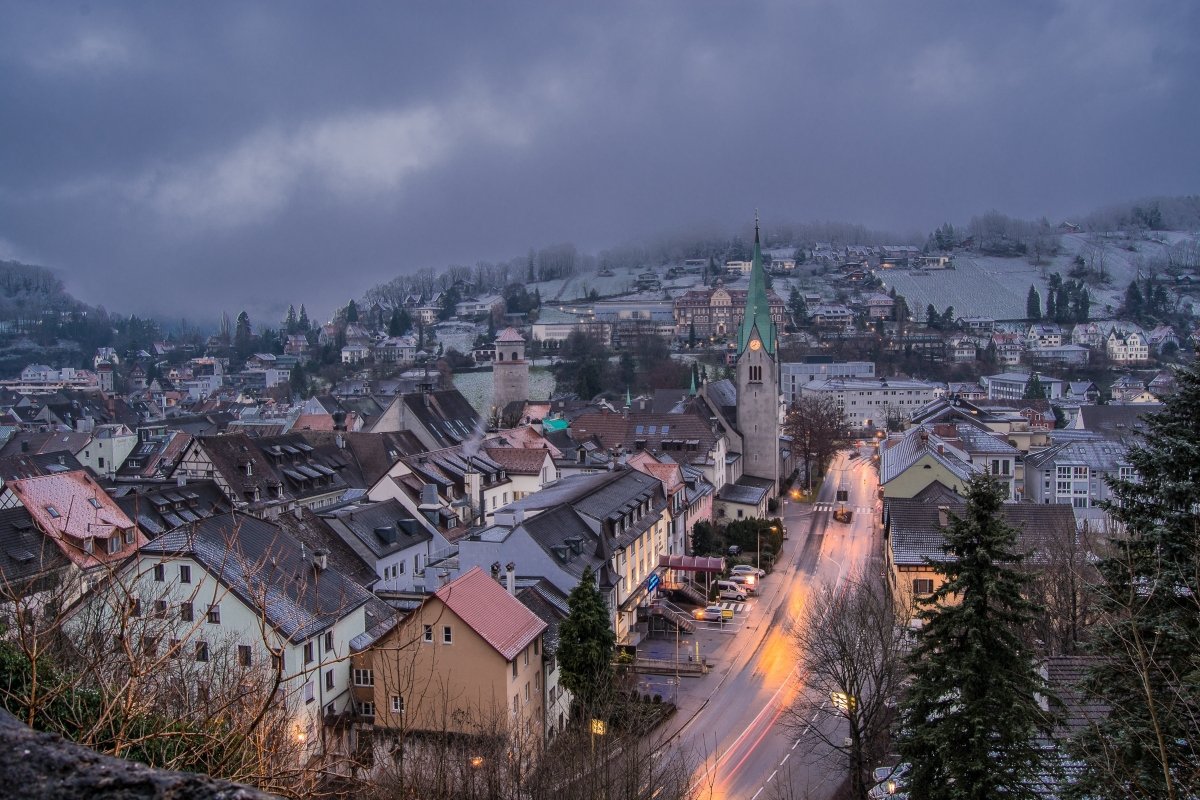
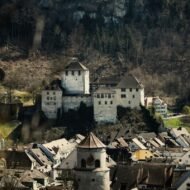
Tucked in Austria’s westernmost corner where Switzerland, Liechtenstein, and Austria meet, Feldkirch has been charming visitors since the 13th century. The Schattenburg Castle, perched above town since 1260, watched over medieval trade routes and still dominates the skyline today. The town survived wars, plagues, and even a Swedish siege in 1647—and somehow emerged with its medieval character completely intact.
Why Couples Love It
Picture this: snow-dusted medieval arcades, a fortress looming romantically overhead, and the Alps providing the most dramatic backdrop imaginable. Feldkirch gives you that perfect blend of history and mountain magic without the Innsbruck price tag or crowds.
Accommodation Options
- Budget-conscious ($80-120/night): Gasthof Löwen offers traditional Austrian hospitality right in the old town
- Mid-range comfort ($120-180/night): Hotel Garni Bären blends historic charm with modern amenities
- Splurge-worthy ($180-250/night): Alpenrose Hotel & Spa combines medieval atmosphere with alpine luxury
Pro tip: Book accommodations with “Altstadt” (old town) in the description to stay within the medieval walls.
Shopping & Local Traditions
The Saturday morning market in Marktgasse has been running for over 800 years—locals still sell mountain cheese, smoked meats, and handcrafted goods just like their ancestors did. In winter, browse the Christmas market (late November through December) where you’ll find genuine Vorarlberg crafts instead of mass-produced souvenirs.
Don’t leave without trying “Funkaküachle” (traditional carnival pastries) from local bakeries—they’re an edible piece of Feldkirch history.
Outdoor Adventures & Skiing
You’re literally minutes from world-class skiing. The Brandnertal ski area (15 minutes away) offers 55km of slopes with none of the attitude you’ll find in glitzier resorts. Prefer something more romantic? Take the cable car up for sunset views, or try winter hiking on cleared mountain trails. Nearby Liechtenstein is perfect for a spontaneous day trip—you can literally walk to another country.
Budget Considerations
Feldkirch punches way above its weight for value. Expect to spend:
- Dinner for two: €40-70 at quality restaurants
- Museum/castle entry: €8-12 per person
- Day ski pass: €45-55 (significantly cheaper than major resorts)
- Coffee and cake: €8-12 for two
Food & Cultural Experience
Austrian cuisine here leans into both Alpine and Swiss influences. Hunt down “Käsknöpfle” (cheese spaetzle that’ll ruin all other comfort food for you) and “Riebel” (a traditional cornmeal dish). The Wirtschaft zum Sternen serves authentic regional cuisine in a building that’s older than most American cities.
Coffee culture is serious here—afternoon Kaffee und Kuchen (coffee and cake) isn’t just a meal, it’s a lifestyle.
Winter Events
- Feldkirch Christmas Market (late Nov-Dec): Intimate, authentic, and incredibly atmospheric
- Montforter Zwischentöne Festival (varies): Avant-garde music in medieval settings
- Traditional Alpine Christmas (throughout December): Expect carolers, nativity scenes, and genuine holiday spirit
Useful Information
- Getting there: Zürich Airport (1.5 hours) or Friedrichshafen (1 hour)
- Language: German, but English widely spoken in tourist areas
- Best time: December for Christmas magic; January-February for skiing and fewer crowds
- Local secret: Climb up to Schattenburg at dusk for mind-blowing sunset views over the Rhine Valley
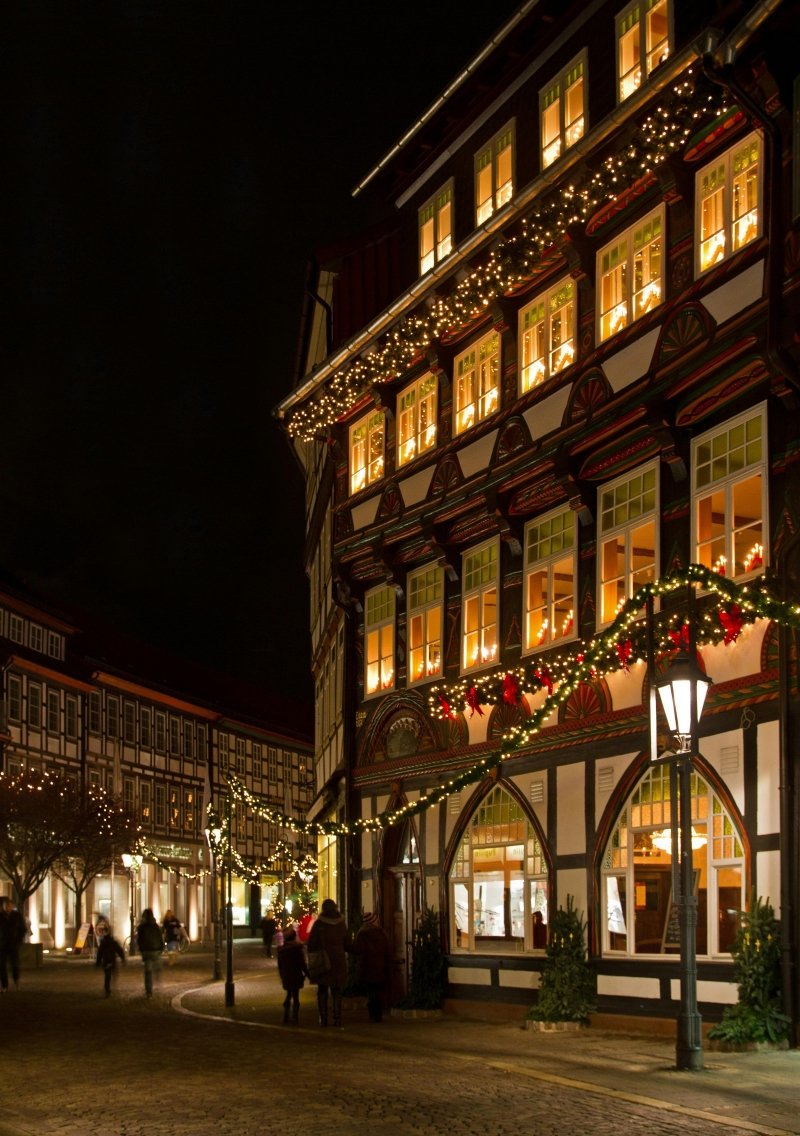
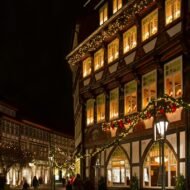
2. Einbeck, Germany – Half-Timbered Heaven
History at a Glance
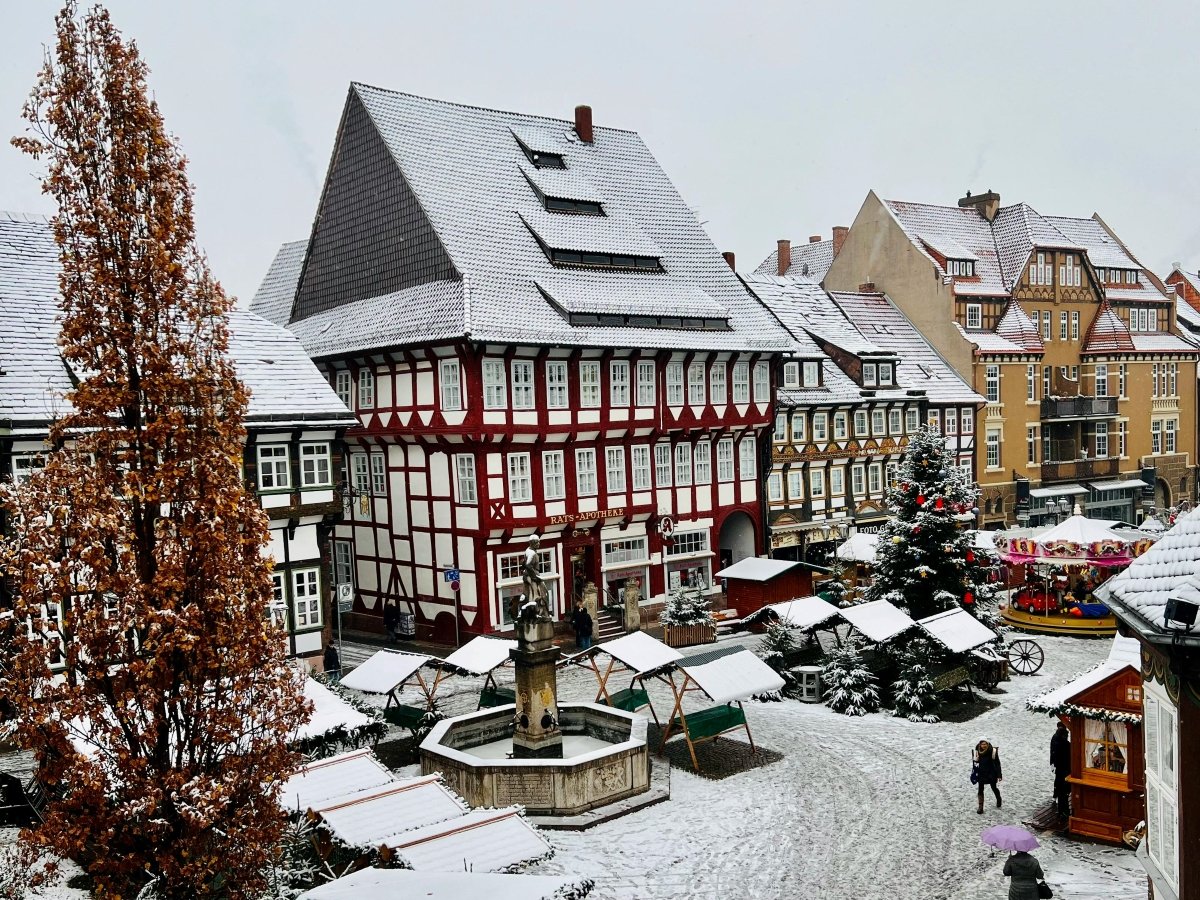
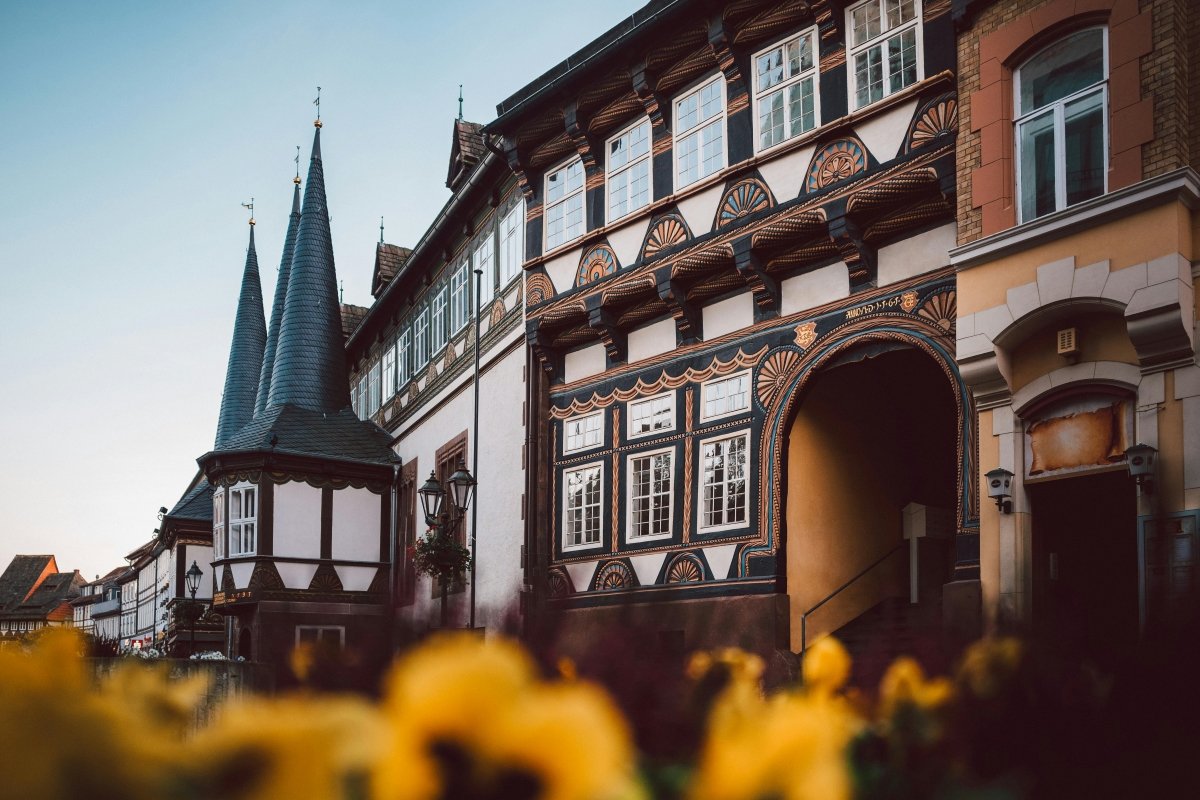
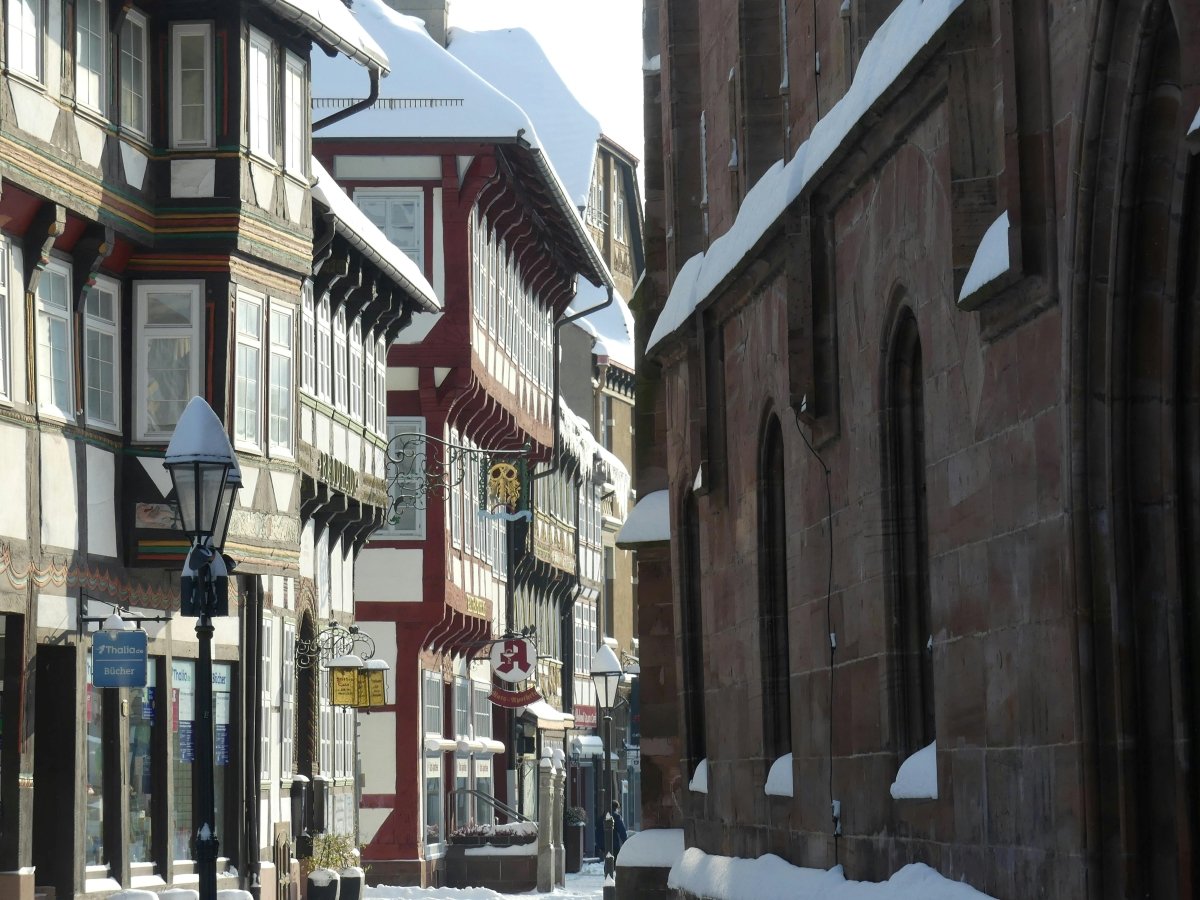
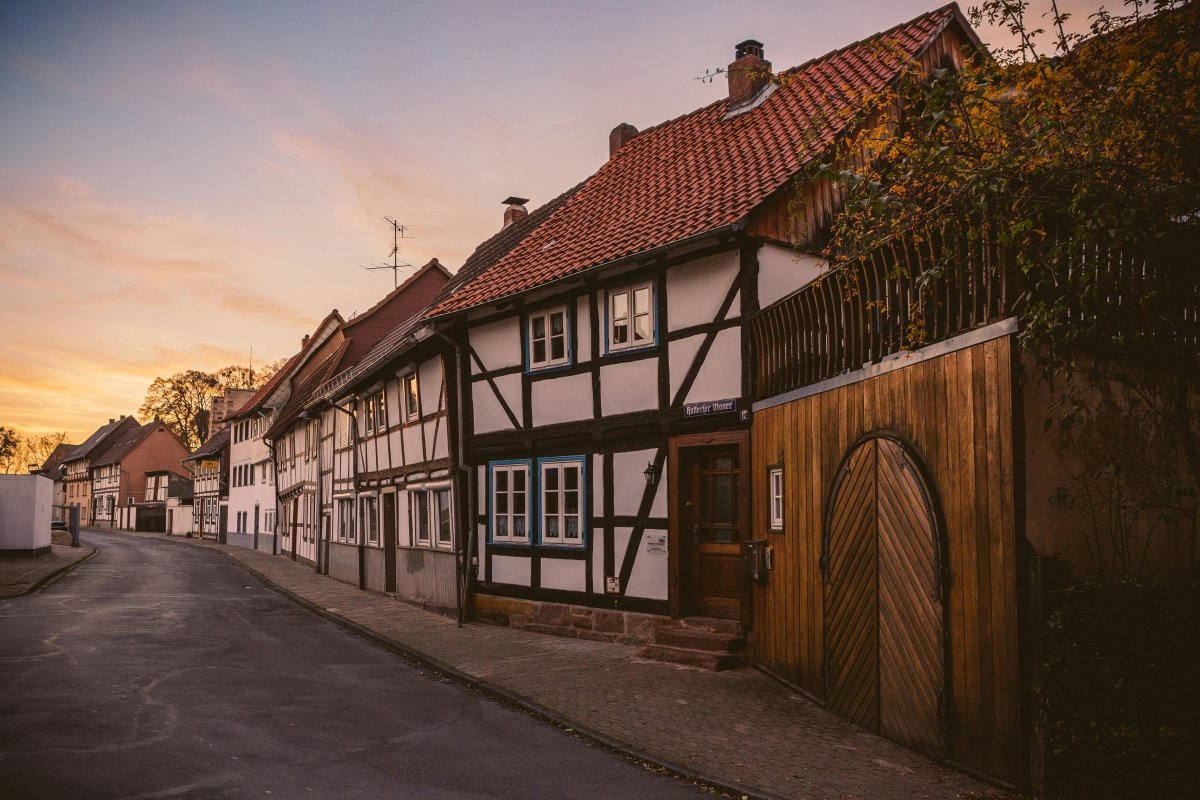
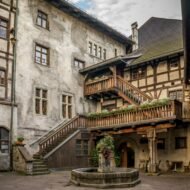
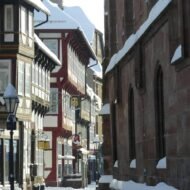
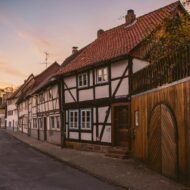
Einbeck isn’t just another pretty medieval town—it’s where modern beer culture basically started. This Lower Saxon gem was brewing beer way back in the 14th century, and by the 1500s, it was exporting “Einbeck beer” across Europe. Eventually, this became “bock beer,” which explains why you’ve been drinking Einbeck’s legacy without knowing it. The town’s 400+ half-timbered houses create what might be Germany’s most photogenic medieval streetscape.
Why Couples Love It
Imagine wandering through streets where literally every building looks like it belongs on a gingerbread house, discovering cozy brewery pubs, and realizing you have the place almost entirely to yourselves. Einbeck delivers authentic German medieval charm without the tour buses.
Accommodation Options
- Budget-friendly ($70-110/night): Einbecker Sonnenberg offers clean rooms in the historic center
- Character-filled mid-range ($110-160/night): Der Schwan combines 16th-century architecture with comfort
- Treat yourselves ($160-220/night): Freigeist Einbeck occupies a beautifully restored brewery building with modern design
Shopping & Local Traditions
The town center is a treasure hunt of small shops in medieval buildings. Look for traditional German Christmas decorations (Einbeck’s craftspeople still make blown-glass ornaments), local honey, and handmade wooden items. The Thursday market brings locals selling regional products to Marktplatz.
Beer-making tradition runs deep here—visiting the Einbecker Brewery isn’t just tourism, it’s experiencing living history.
Outdoor Adventures
While Einbeck isn’t a ski destination, it’s surrounded by the gentle Harz Mountains. Winter hiking trails wind through snowy forests, and the nearby Harz region offers downhill skiing about 40 minutes away. Rent bikes (yes, even in winter—locals are hardy) to explore the surrounding countryside, or take romantic walks along the medieval town walls.
Budget Considerations
Germany’s smaller towns deliver incredible value:
- Hearty dinner for two: €35-60
- Museum entries: €5-10 per person
- Beer brewery tour: €8-15 (includes tastings)
- Regional day trip: €20-30 for train tickets
Food & Cultural Experience
This is where you discover what German food can actually be. “Einbecker Ur-Bock” beer must be tried—it’s brewed using 700-year-old traditions. Local restaurants serve “Grünkohl mit Pinkel” (kale with smoked sausage—trust us, it’s delicious), and the hearty soups will warm you from the inside out.
Sunday brunch at traditional cafés is an institution, often featuring live accordion music.
Winter Events
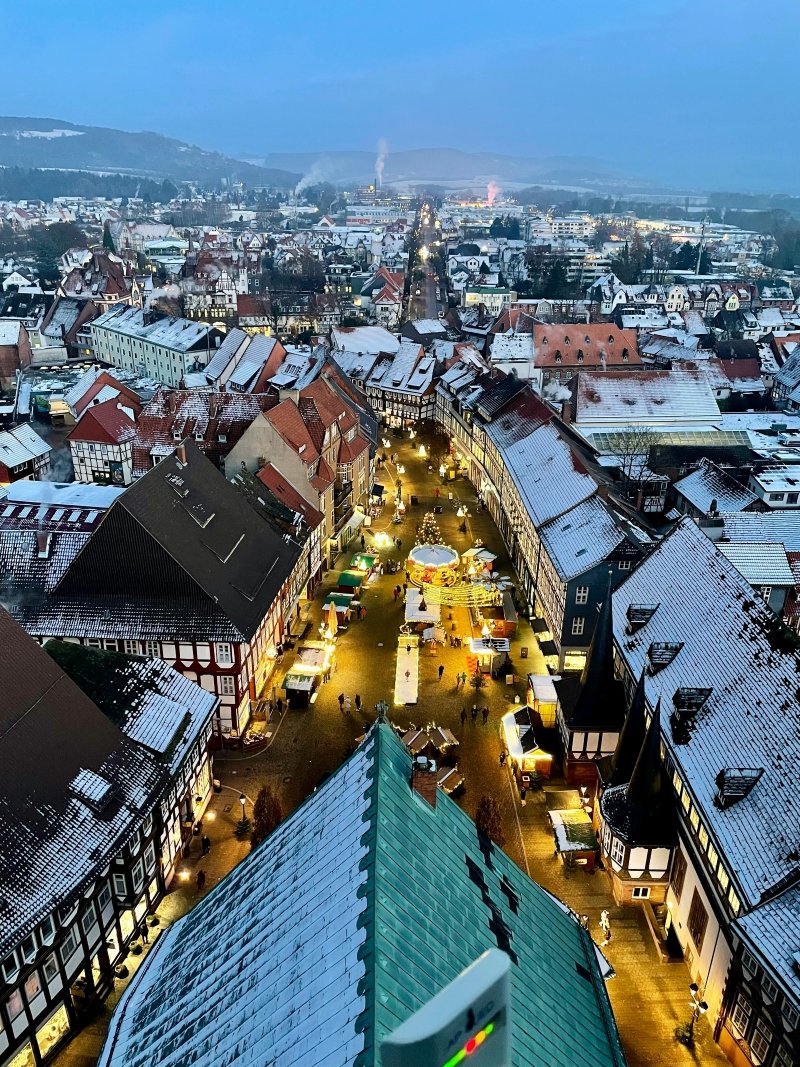
- Einbeck Christmas Market (early December): Small, authentic, and focused on regional crafts
- St. Martin’s Festival (November): Traditional lantern processions through medieval streets
- PS.Speicher Car Museum (year-round): World-class vintage vehicle collection in historic buildings
Useful Information
- Getting there: Hanover Airport (1 hour); excellent train connections
- Language: German; less English than bigger cities, but friendly locals
- Best time: December for Christmas market intimacy; January-February for peaceful exploration
- Insider tip: Book the “Night Watchman Tour” (English available)—it’s touristy but genuinely entertaining and informative
3. Tallinn, Estonia – Baltic Beauty
History at a Glance
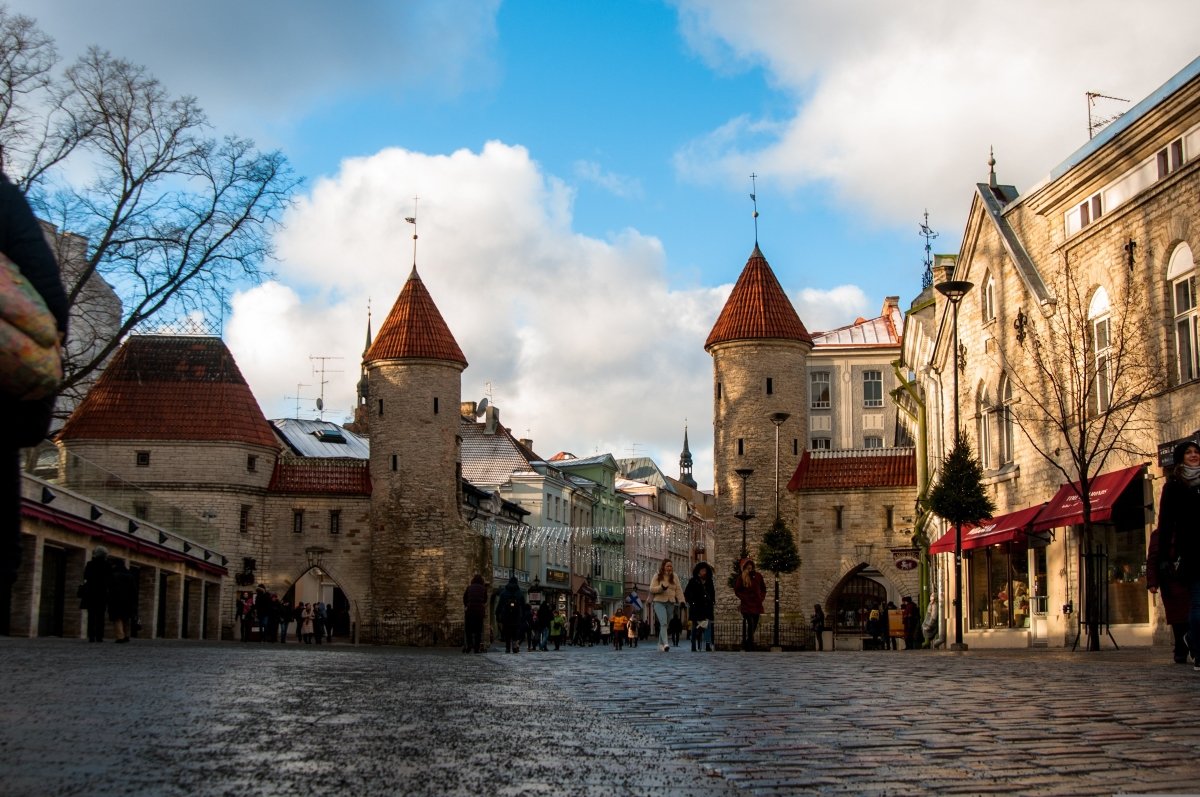
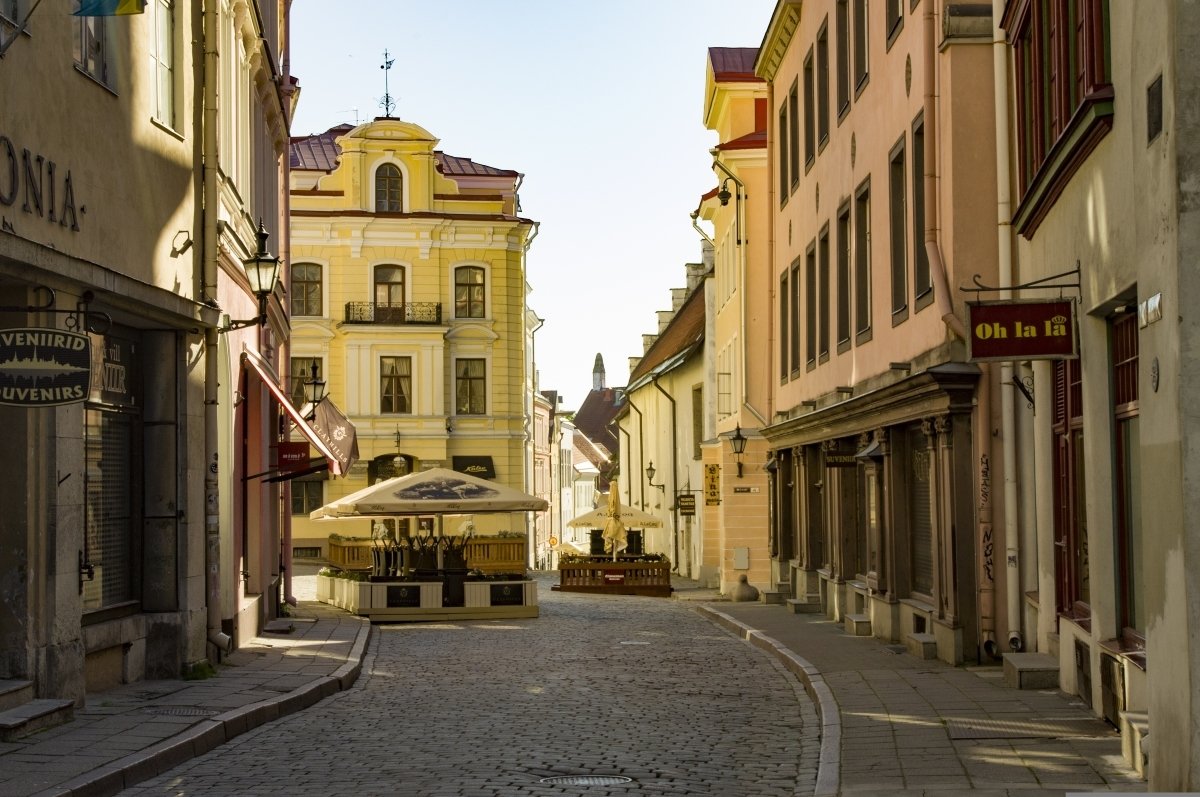
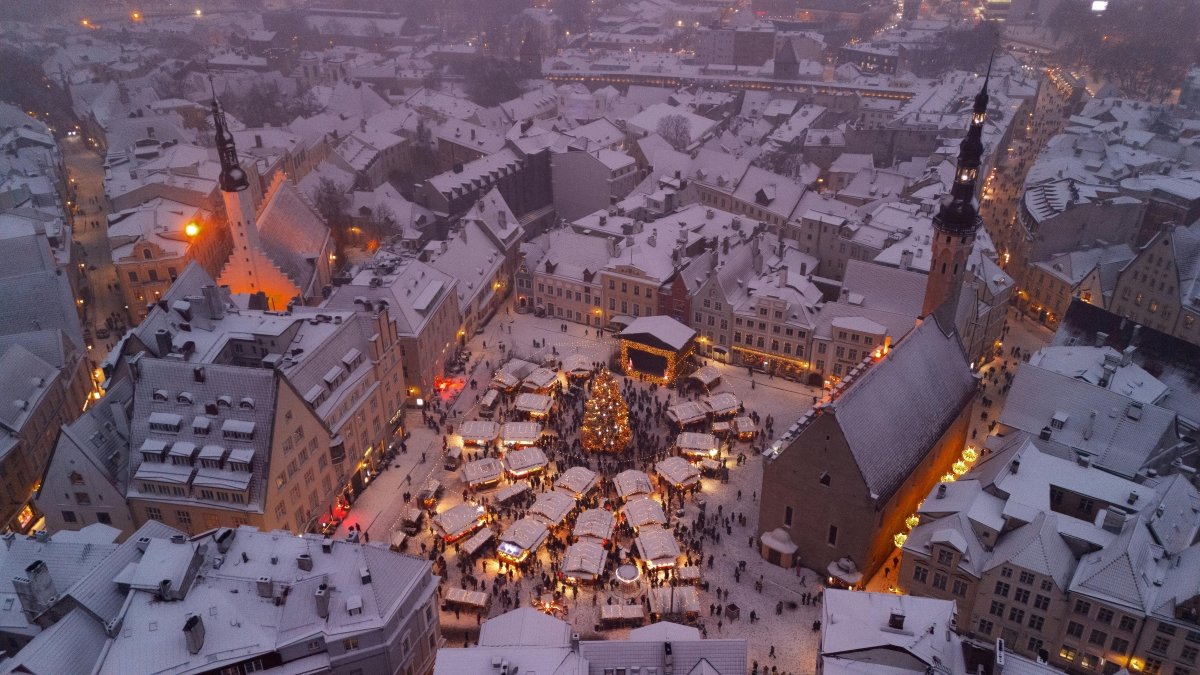
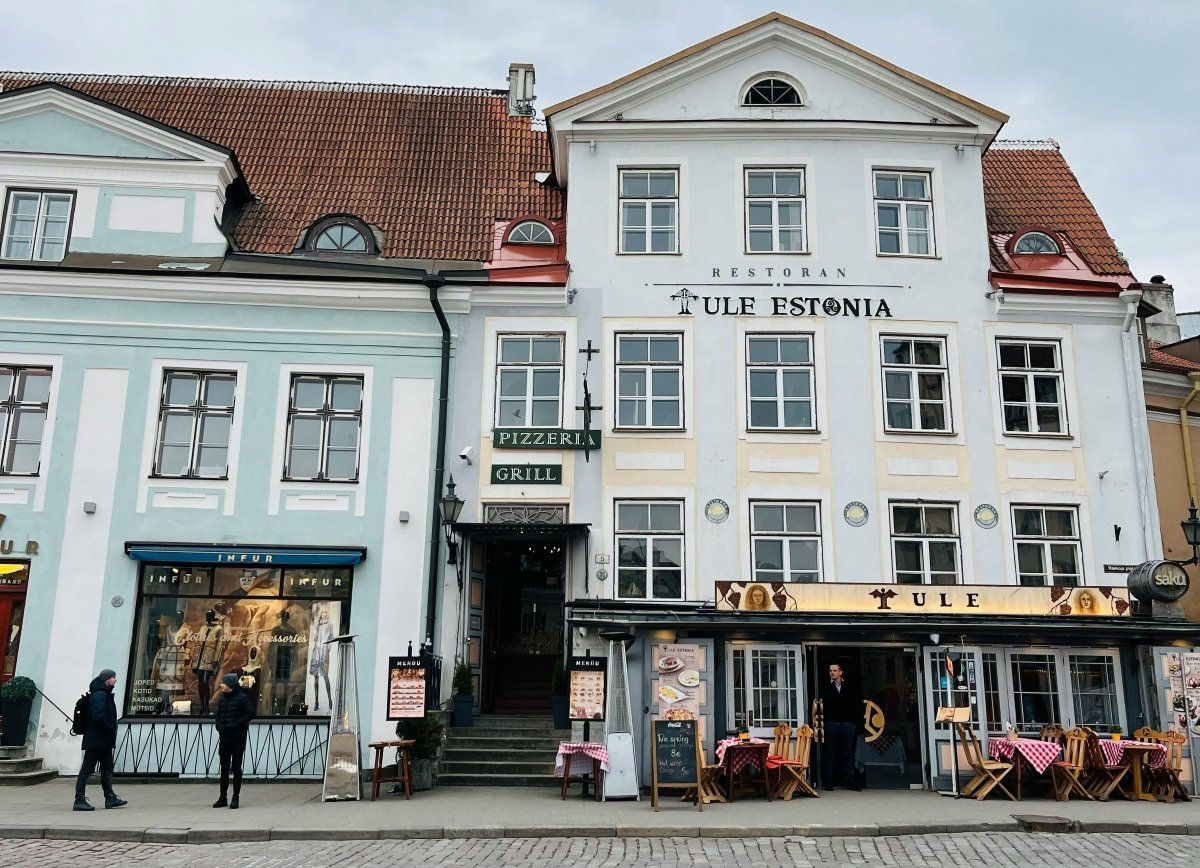
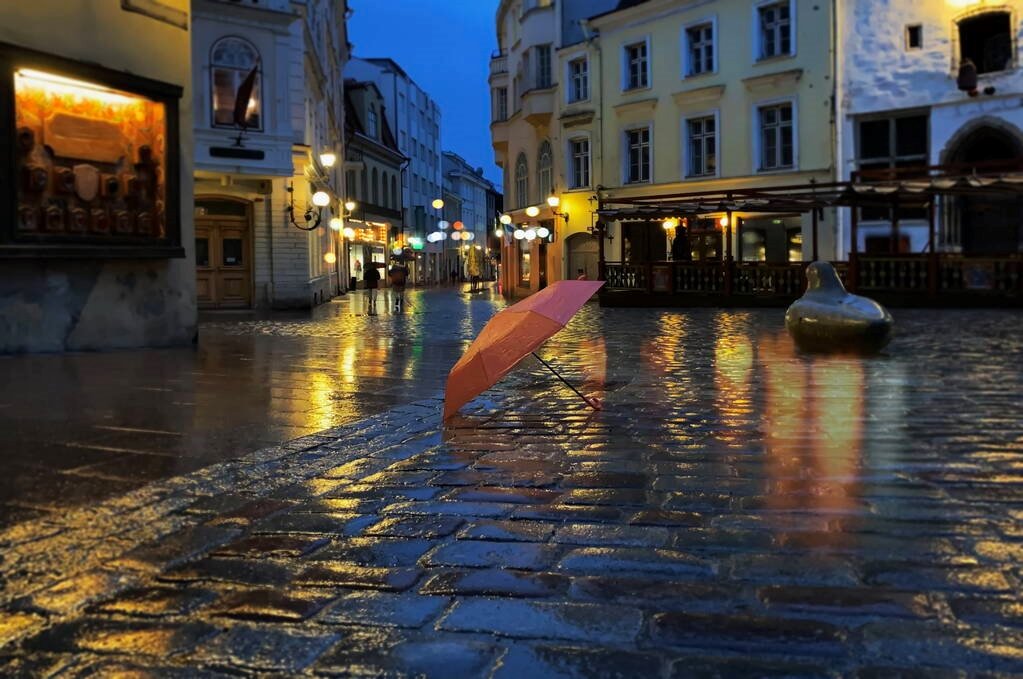
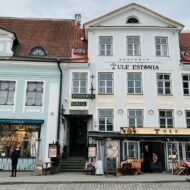
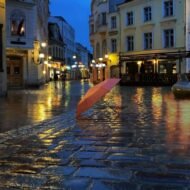
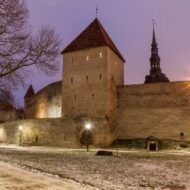
Tallinn’s Old Town is a UNESCO World Heritage site that’s been sitting pretty on the Baltic coast since the 13th century. As a Hanseatic trading hub, this was where merchants from across Europe met, schemed, and built one of the most complete medieval cities in Northern Europe. The city walls, merchant houses, and cobbled lanes survived Soviet occupation, world wars, and centuries of Baltic weather to emerge as one of Europe’s best-preserved medieval quarters.
Why Couples Love It
Tallinn offers something unique: medieval authenticity meets Nordic sophistication. You get fairytale towers and winding alleys, but also Estonian design sensibility, cutting-edge restaurants, and a creative energy that makes the city feel alive rather than museum-like. Plus, winter here is properly winter—snow-covered spires, frozen medieval streets, and that crisp Nordic light that makes everything magical.
Accommodation Options
- Budget-smart ($60-100/night): Tabinoya Guesthouse brings Japanese minimalism to a medieval building
- Boutique charm ($100-170/night): Merchants House Hotel occupies a 14th-century building with original details
- Luxury experience ($170-280/night): Telegraaf Hotel blends 19th-century elegance with medieval surroundings
Pro tip: Stay within the Old Town walls for maximum atmosphere, but expect narrower streets and some noise from revelers.
Shopping & Local Traditions
Estonian craft traditions are having a serious renaissance. Look for hand-knitted woolens (you’ll actually need them), amber jewelry, and contemporary Estonian design at Telliskivi Creative City. The Christmas market in Town Hall Square sells traditional Estonian handicrafts, not Chinese imports.
Estonian culture values nature, silence, and sauna—embrace all three during your visit.
Outdoor Adventures & Skiing
Tallinn itself doesn’t offer skiing, but you can reach small ski areas within an hour. What it does offer: stunning coastal walks along snowy beaches, cross-country skiing in Pirita Forest, and ice skating in the medieval Old Town. The real adventure is embracing Baltic winter properly—dress warmly and explore the frozen coastline at sunrise.
Consider a day trip to Lahemaa National Park (1 hour) for pristine winter forest landscapes.
Budget Considerations
Estonia remains one of Europe’s best values, though Tallinn has gotten pricier:
- Excellent dinner for two: €50-85
- Museum entries: €8-15 per person
- Old Town attractions: Free to €12
- Local transport: €2 per ride (or free with Tallinn Card)
Money-saving hack: Many museums offer free entry on certain days—check before you go.
Food & Cultural Experience
Estonian cuisine is having a moment. Modern restaurants reinterpret traditional Baltic ingredients—think fermented vegetables, local fish, foraged mushrooms, and dark rye bread. Try “verivorst” (blood sausage) at Christmas markets, sample “kamavaht” (malt cream) for dessert, and warm up with mulled wine called “hõõgvein.”
Restaurant Rataskaevu 16 and NOA Chef’s Hall showcase why Estonian food is getting international attention.
Don’t miss afternoon coffee at Maiasmokk, Estonia’s oldest café (operating since 1864).
Winter Events
- Tallinn Christmas Market (late Nov-early Jan): One of Europe’s most atmospheric
- Black Nights Film Festival (November): Major international film festival
- Old Town Days (varies): Medieval reenactments and traditional celebrations
- St. Catherine’s Passage (year-round): Medieval craftspeople working in historic workshops
Useful Information
- Getting there: Tallinn Airport (4km from city center); ferries from Helsinki (2 hours)
- Language: Estonian, but nearly everyone speaks English
- Best time: December for Christmas atmosphere; January-February for winter beauty and bargains
- Essential experience: Take the elevator/stairs up to Kohtuotsa viewing platform at sunset
4. Marvão, Portugal – The Hilltop Fortress
History at a Glance
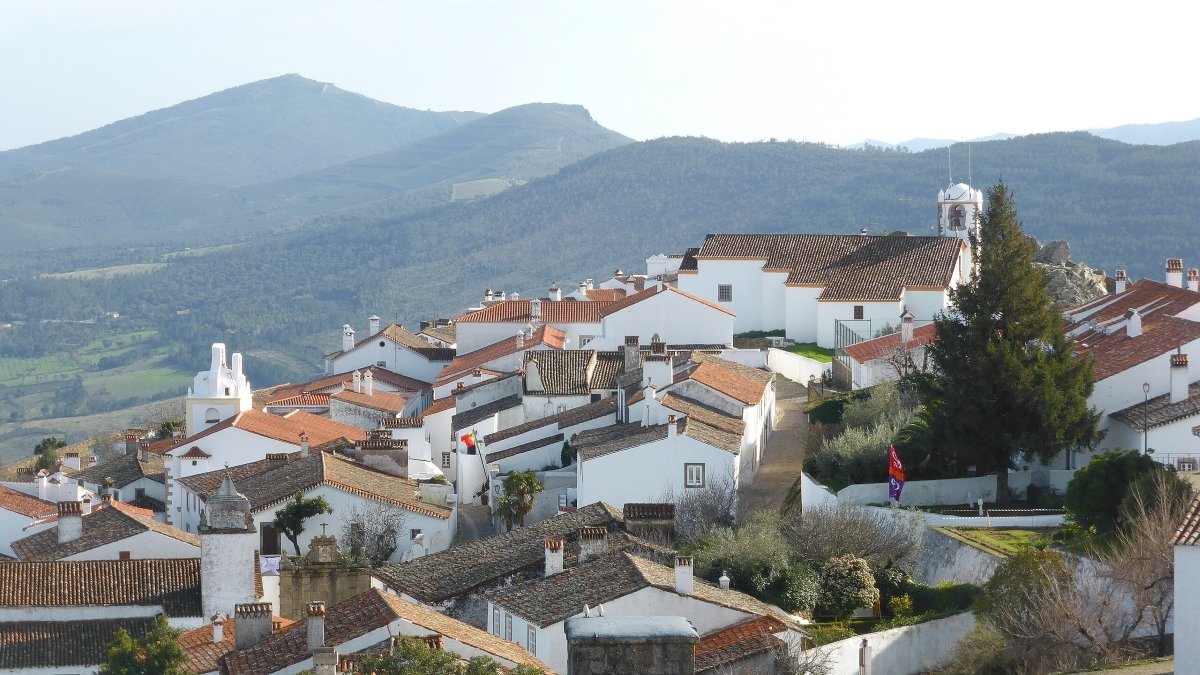
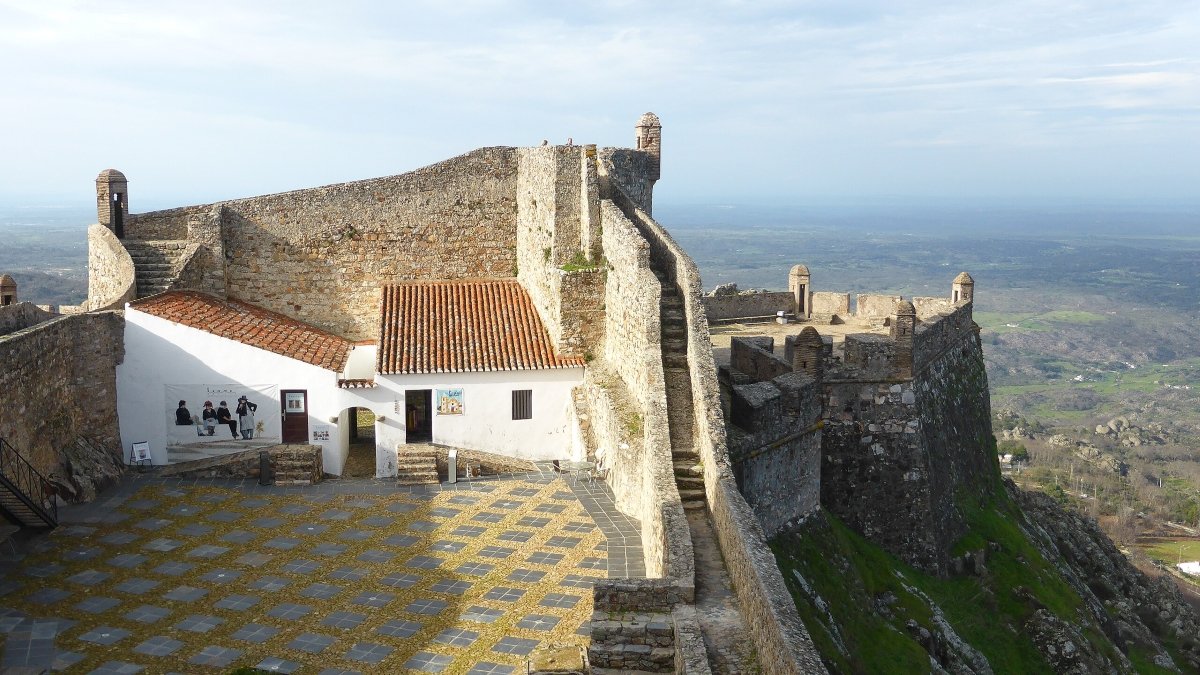
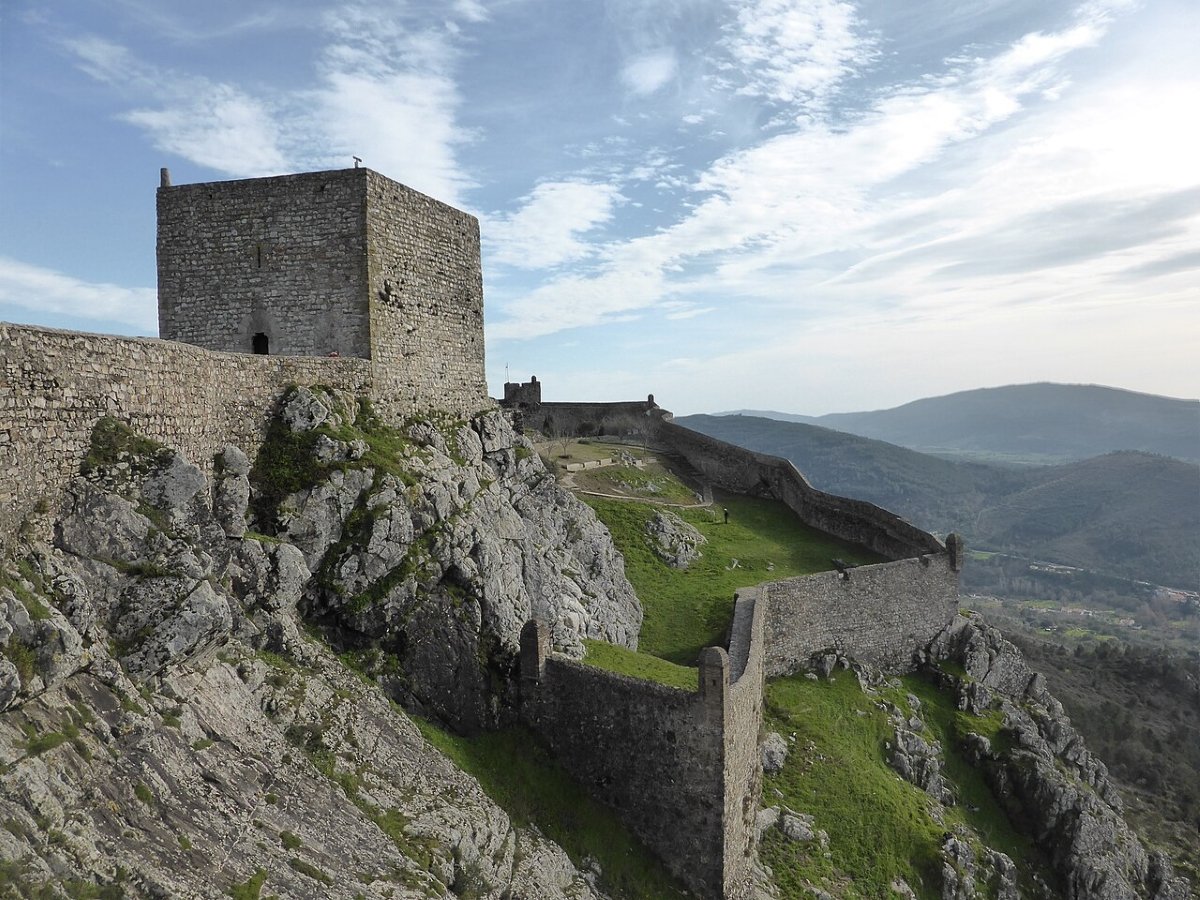
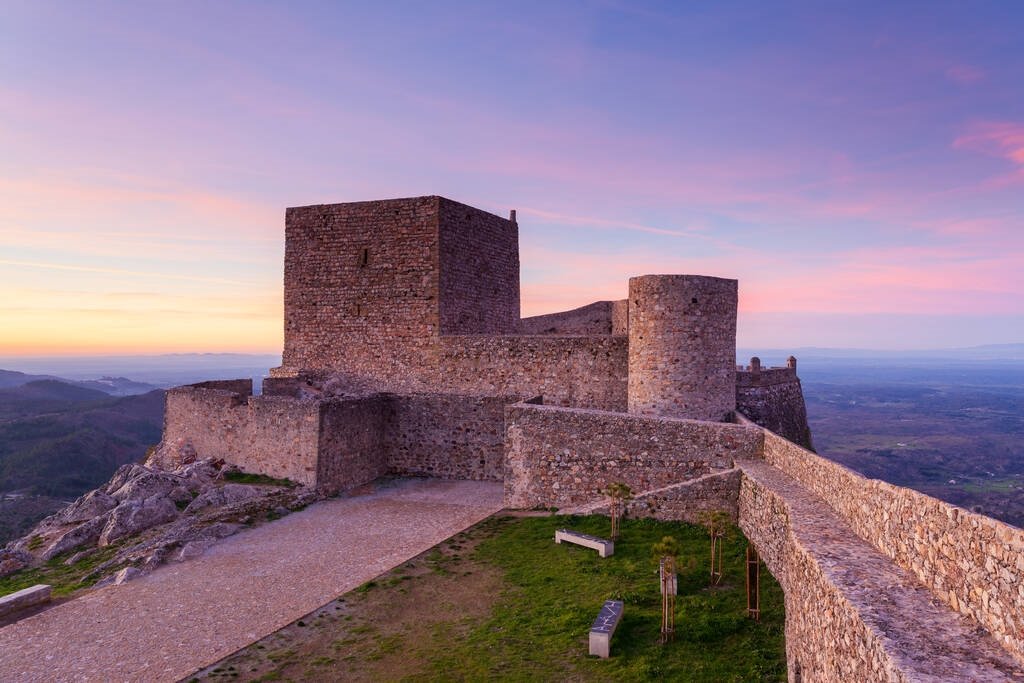
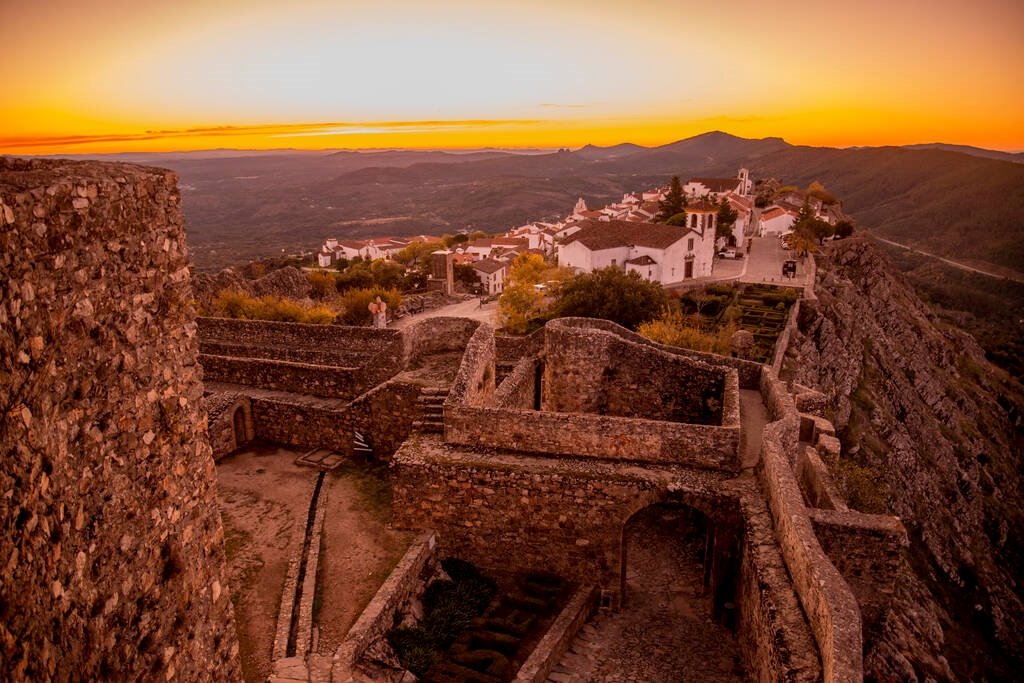
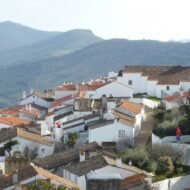
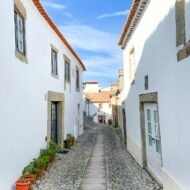
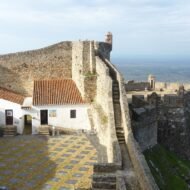
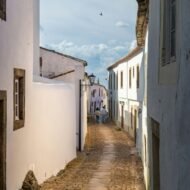
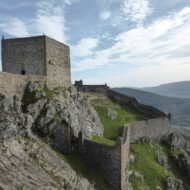
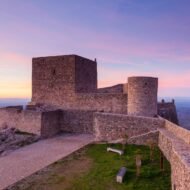
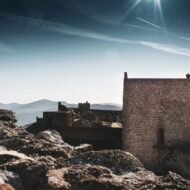
Perched impossibly atop a granite crag near the Spanish border, Marvão looks like someone stacked a medieval village on top of a mountain just to see if they could. The fortress dates to the 13th century, built on even older Roman and Moorish foundations. Its purpose? Guarding Portugal’s eastern frontier, which it did successfully for centuries thanks to those massive stone walls and the fact that attackers basically had to climb a mountain to even try.
Why Couples Love It
This is Europe’s most dramatic medieval setting. Period. The entire village sits inside fortress walls at 862 meters elevation, offering 360-degree views over the Alentejo plains toward Spain. There are no crowds, the pace is gloriously slow, and winter fog rolling through the ramparts creates scenes so atmospheric you’ll think you’ve time-traveled.
Accommodation Options
- Traditional experience ($65-100/night): Casa d’Óbidos offers authentic Portuguese hospitality
- Romantic hideaway ($100-150/night): El-Rei Dom Manuel blends medieval charm with comfort
- Splurge option ($150-200/night): Pousada de Marvão occupies two renovated medieval houses with stunning views
Note: Accommodation is limited—book ahead, especially for weekends.
Shopping & Local Traditions
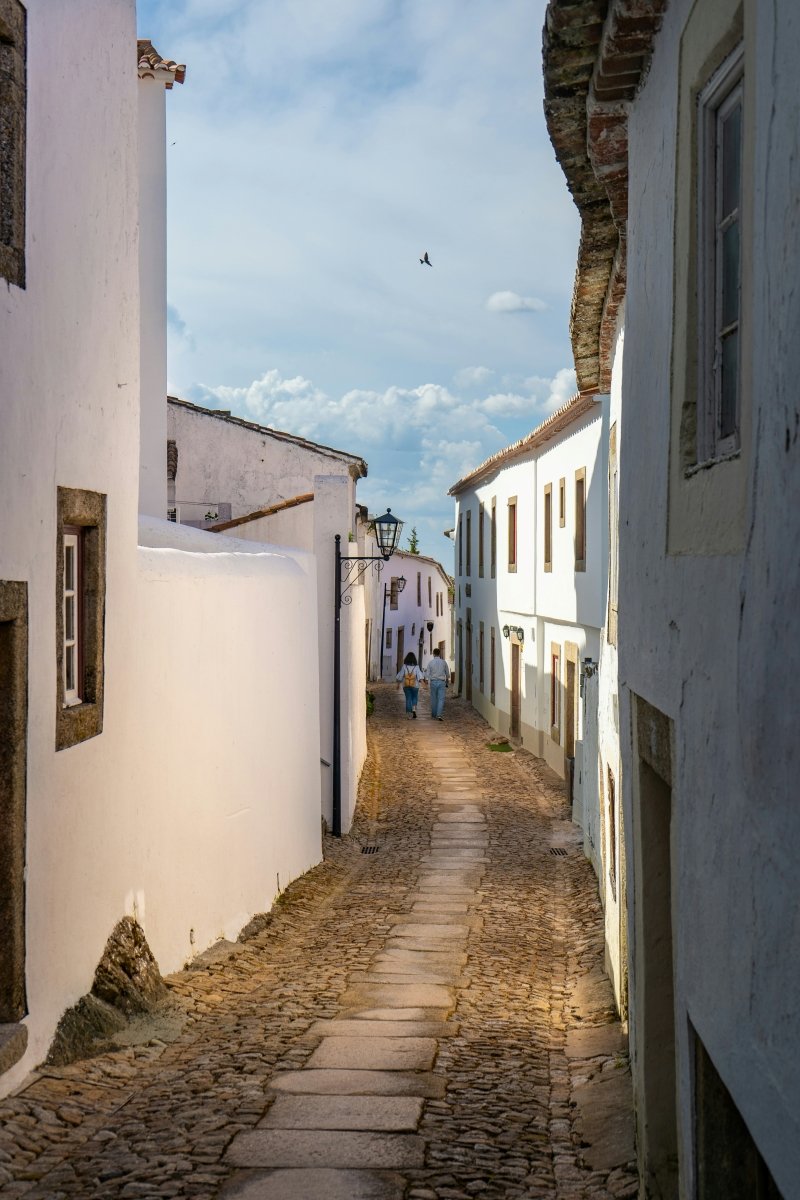
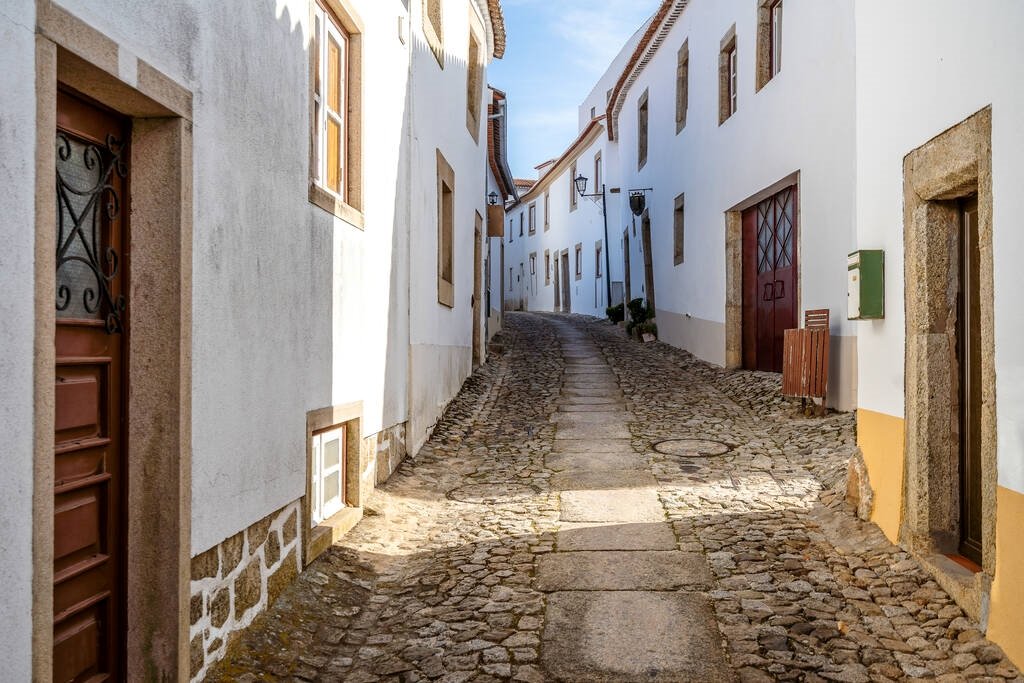
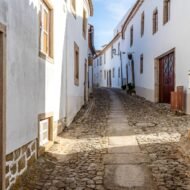
Marvão isn’t a shopping destination, which is part of its charm. Small shops sell local products: Alentejo cork items, traditional textiles, honey, and olive oil from nearby groves. The weekly market (Saturdays) brings farmers from surrounding villages selling regional specialties.
Portuguese traditions here feel genuine—expect to see elderly locals in traditional dress, especially at festivals.
Outdoor Adventures
Winter in Marvão means hiking without the summer heat. Walk the complete circuit of fortress walls (bring your camera), explore the surrounding Natural Park trails, or drive to Serra de São Mamede for more challenging hikes. The Spanish border is literally visible—you can day-trip to Cáceres or Valencia de Alcántara.
No skiing here, but the crisp mountain air and views more than compensate.
Budget Considerations
Portugal remains incredibly affordable:
- Traditional meal for two: €25-45
- Museum/castle entry: €3-6 per person
- Wine: €8-15 per bottle in restaurants
- Rental car: Essential; from €30-50/day
Food & Cultural Experience
Alentejo cuisine is rustic, hearty, and underrated. You must try “açorda” (bread soup with garlic and egg), “migas” (fried breadcrumbs with pork), and “sericaia” (egg-based dessert with cinnamon). Local wines from Alentejo region are exceptional and criminally cheap.
O Sever restaurant serves traditional dishes with panoramic views that’ll distract you from your plate.
Portuguese hospitality is real—locals will genuinely want to share their culture with you.
Winter Events
- Christmas Celebrations (December): Traditional Portuguese nativity scenes and midnight mass
- Medieval Fair (varies, check locally): Period costumes, traditional crafts, and medieval music
- Chestnut Festival (November): Celebrating the autumn harvest with roasted chestnuts and local wine
Useful Information
- Getting there: Lisbon (2.5 hours) or Madrid (3.5 hours); rental car essential
- Language: Portuguese; limited English outside hotels
- Best time: November-February for mild weather and solitude; December for holiday atmosphere
- Reality check: Very quiet in winter—perfect if that’s what you want, but plan accordingly
- Essential download: Offline maps—GPS can be unreliable in mountains
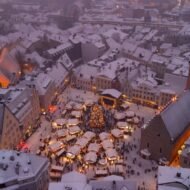
5. Ghent, Belgium – The Underrated Medieval Masterpiece
History at a Glance
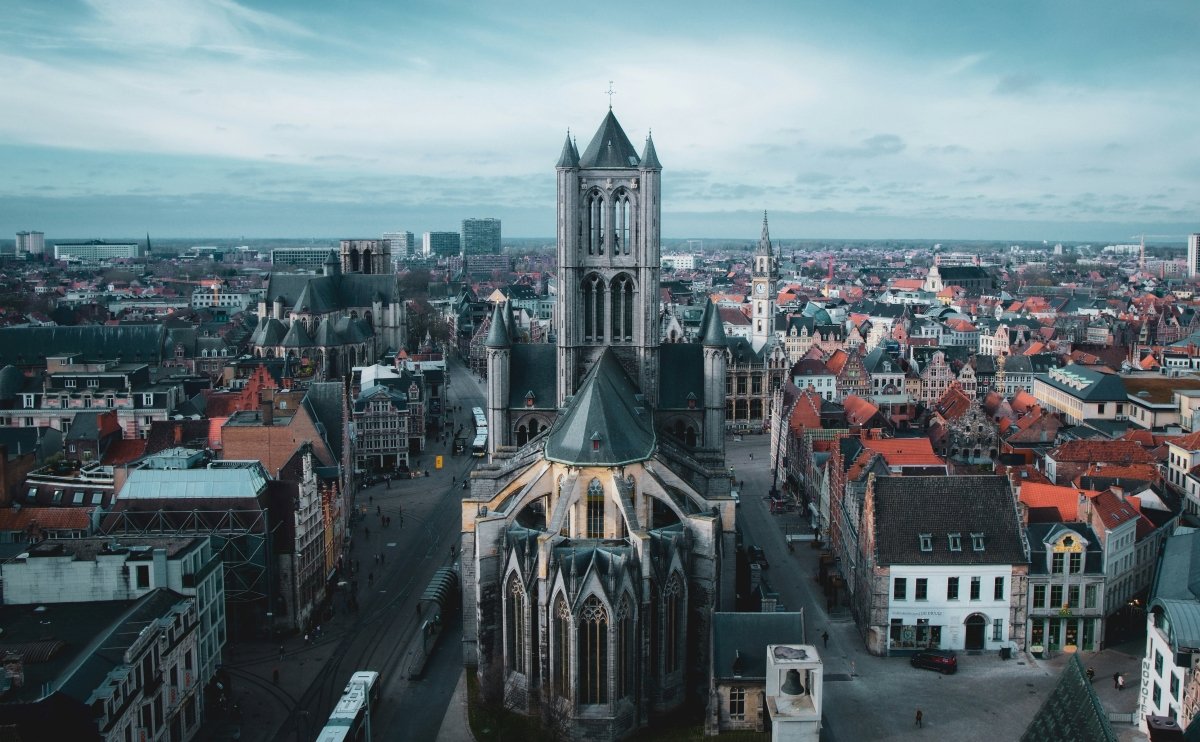
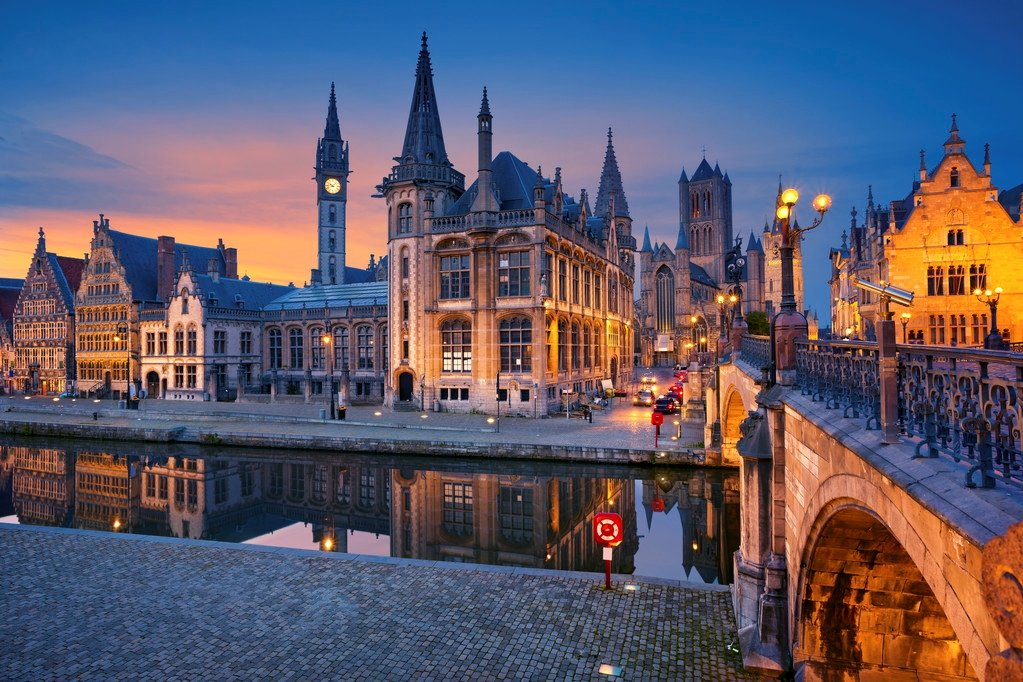
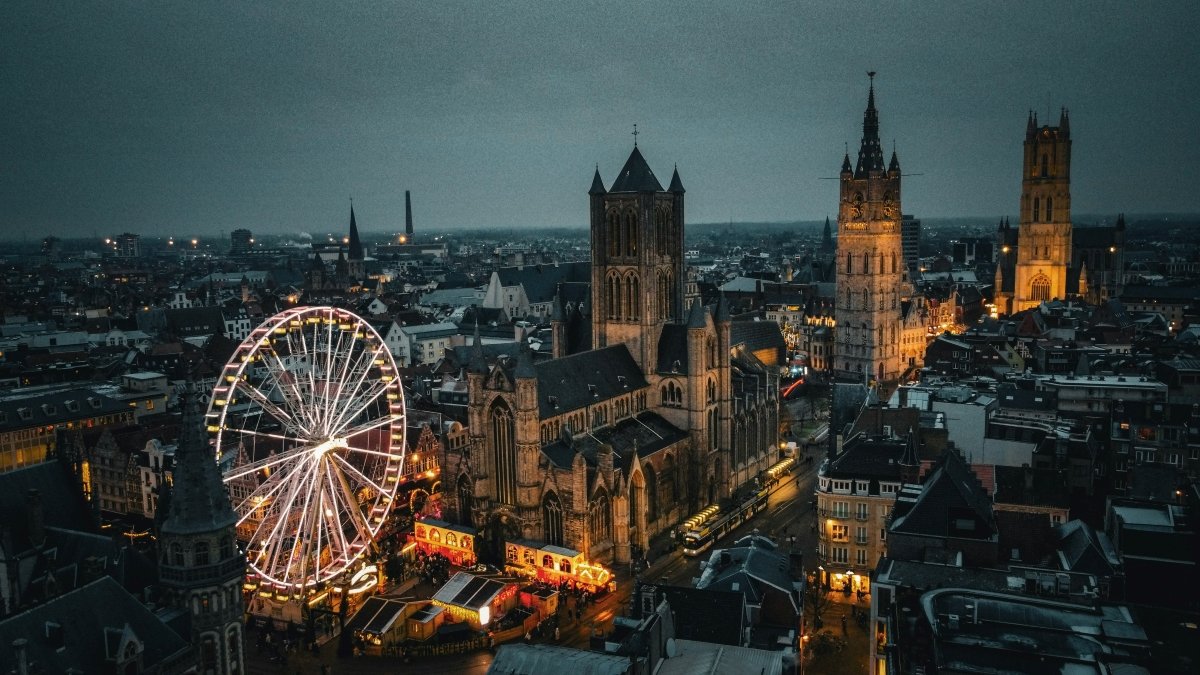
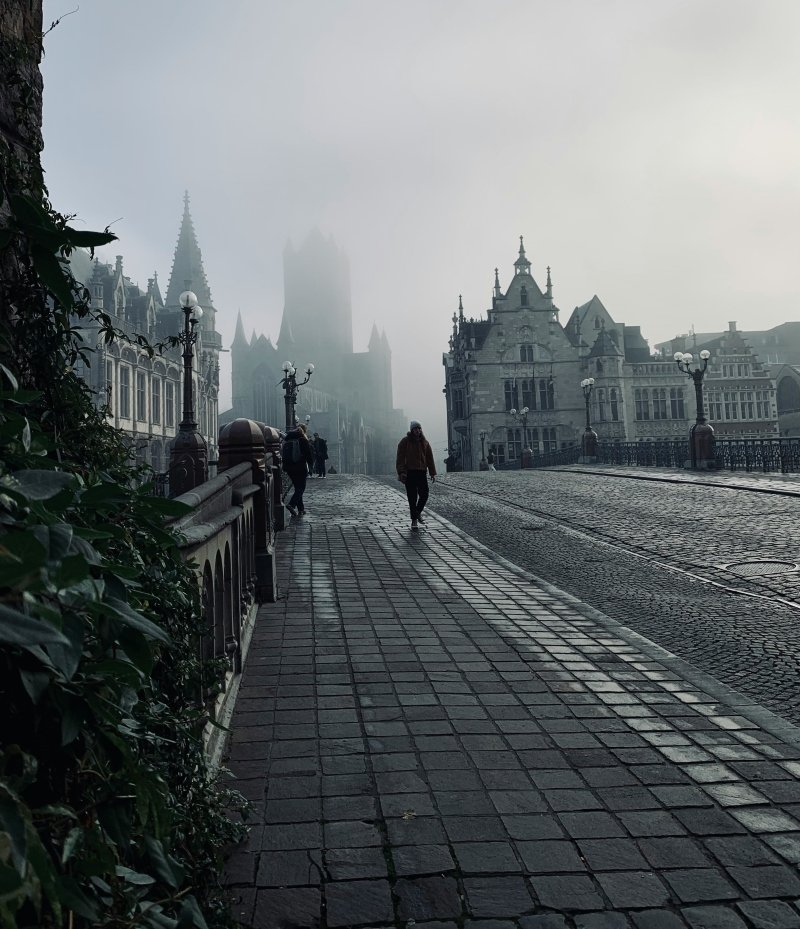
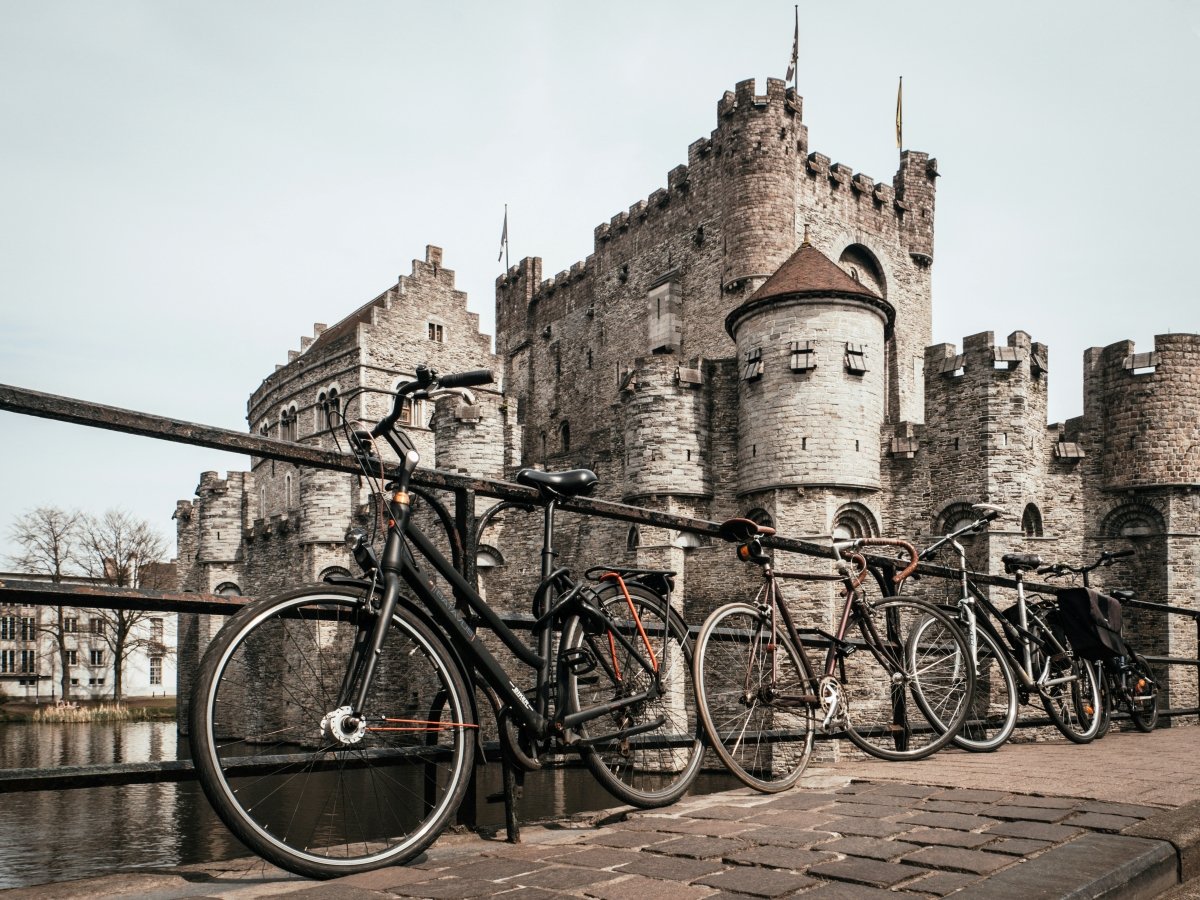
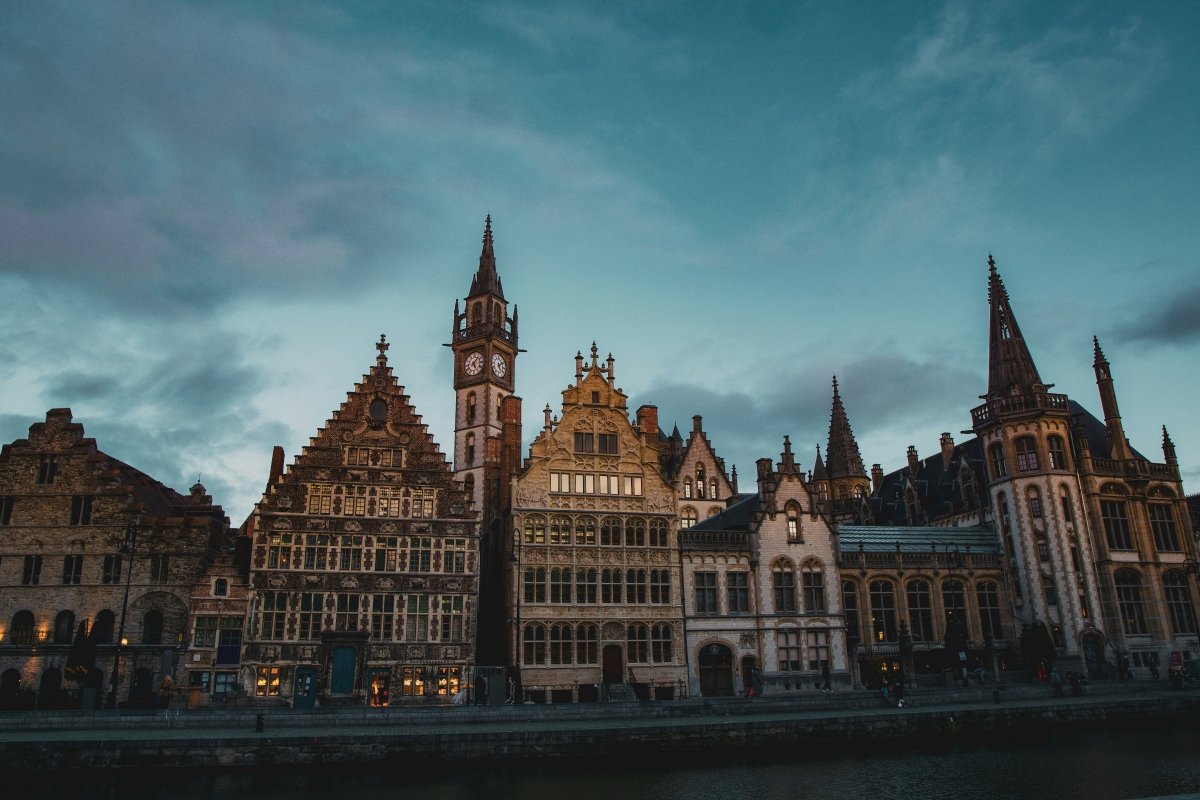
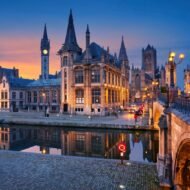
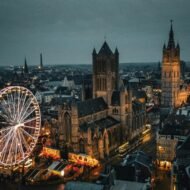
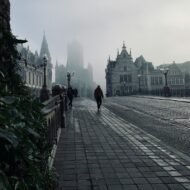
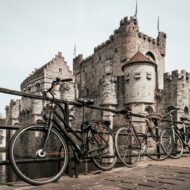
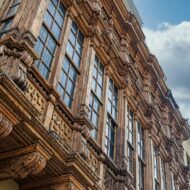
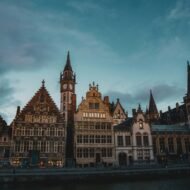
While everyone flocks to Bruges, Ghent quietly maintains its position as Flanders’ best-kept secret. This was once one of Europe’s largest and wealthiest cities in the Middle Ages—bigger than London—powered by textile trade. Three medieval towers still dominate the skyline, Gravensteen Castle sits in the city center, and the Guild Houses along the canals look like they’ve been waiting for you since the 14th century. Unlike Bruges, Ghent never became a museum—it’s a living city where students, artists, and locals outnumber tourists.
Why Couples Love It
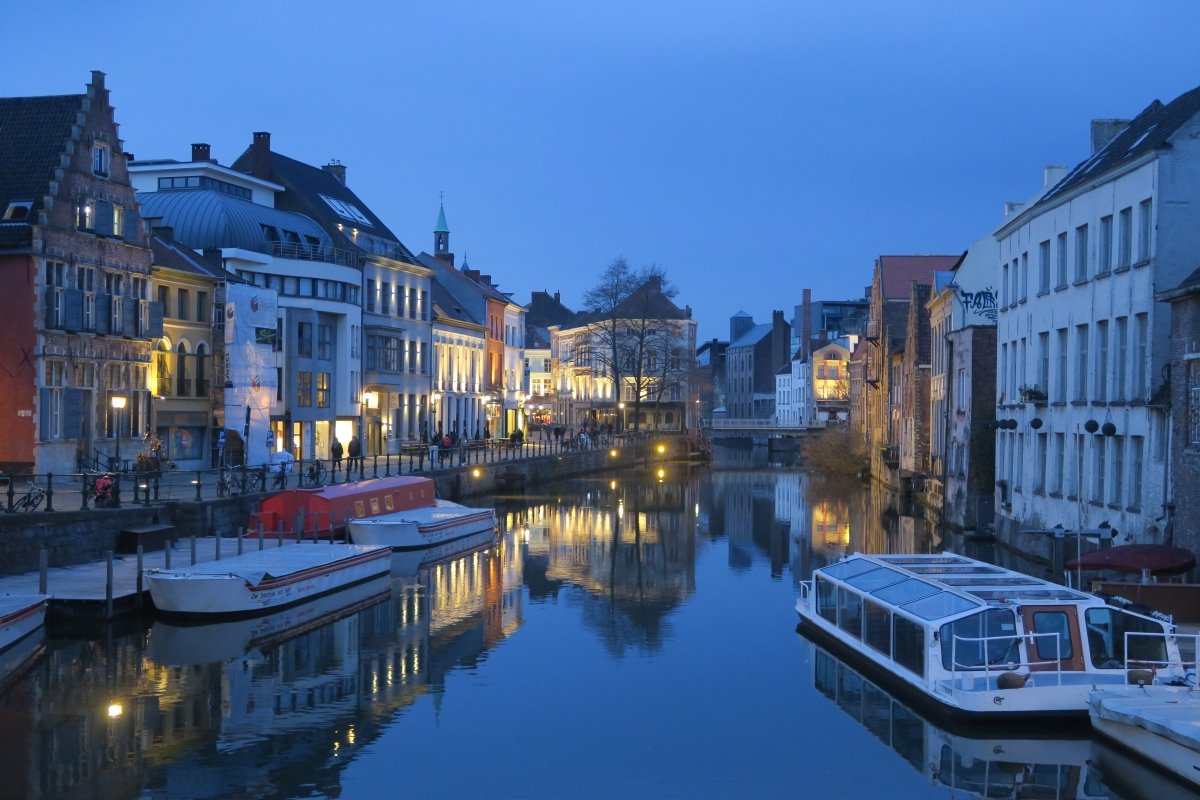
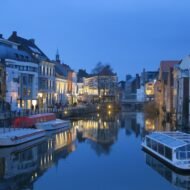
Ghent gives you everything Bruges offers—canals, medieval architecture, chocolate, beer—but with actual local life, better food, fewer crowds, and lower prices. Winter evenings see the medieval center illuminated beautifully, and the city’s youthful energy means excellent bars and restaurants located into Gothic buildings.
Accommodation Options
- Budget-friendly ($80-120/night): Chambreplus offers design-conscious rooms in a townhouse
- Characterful mid-range ($120-180/night): 1898 The Post is a converted post office with historical details
- Luxury stay ($180-280/night): Pillows Grand Boutique Hotel Reylof occupies an 18th-century mansion
Location tip: Stay in Patershol (medieval quarter) for maximum charm or near Korenmarkt for central convenience.
Shopping & Local Traditions
Ghent’s shopping scene is incredible. The Friday market at Bij Sint-Jacobs has run for over 1,000 years. Modern boutiques fill medieval townhouses, and the student population supports creative vintage shops and independent bookstores. Pick up “Cuberdons” (unique Ghent candy), jenever (Belgian gin), and Flemish tapestries.
Ghent has a vegetarian food tradition dating to medieval times—unique in Europe.
Outdoor Adventures & Skiing
No mountains here, but Ghent offers romantic winter experiences: canal boat rides through illuminated medieval quarters, cycling along the Leie River, or day trips to the Belgian coast (45 minutes). The Ardennes region, about 90 minutes away, offers modest skiing and spectacular winter hiking.
Budget Considerations
Ghent delivers exceptional value for a major Belgian city:
- Dinner for two: €50-80 at excellent restaurants
- Museum entries: €8-12 per person
- Beer tasting: €4-8 per specialty beer
- Canal cruise: €12-15 per person
Food & Cultural Experience
Belgian cuisine reaches its peak here. Sample “Gentse Waterzooi” (creamy chicken stew that originated in Ghent), “stoofvlees” (Flemish beef stew), and fresh “mosselen” (mussels). The city’s famous for its vegetarian scene too—medieval fasting traditions evolved into modern plant-based cuisine at restaurants like De Appelier.
Beer culture is serious: seek out ‘t Dreupelkot for jenever tastings or Dulle Griet for rare Belgian beers served in unique glassware.
Waffles, chocolate, and fries are technically mandatory.
Winter Events
- Ghent Light Festival (every 3 years, next in 2025): Incredible light installations throughout medieval center
- Winter Festivities/Christmas Market (mid-Dec to early Jan): One of Belgium’s best, centered around Sint-Baafsplein
- Ghent Film Festival (October, but worth planning around): Major international event
- St. Nicholas Celebrations (early December): Traditional Belgian holiday festivities
Useful Information
- Getting there: Brussels Airport (40 minutes by train); excellent European rail connections
- Language: Dutch (Flemish), but English widely spoken
- Best time: December for Christmas market; January-February for lower prices
- Local wisdom: Rent bikes like the locals do—Ghent is flat and bike-friendly
- Must-do: Climb St. Bavo’s Cathedral tower at sunset
Final Thoughts: Your Medieval Winter Romance Awaits
Here’s what these five destinations share: they’re genuine, affordable, and blissfully crowd-free compared to Europe’s blockbuster cities. You won’t spend half your trip queuing or fighting for a restaurant table. Instead, you’ll actually have those intimate moments that make couples’ getaways memorable.
Whether you’re into alpine skiing (Feldkirch), beer culture (Einbeck), Baltic atmosphere (Tallinn), hilltop drama (Marvão), or canal-side charm (Ghent), each town offers something unique while delivering that medieval fairytale vibe you’re after.
Winter is genuinely the best time to visit these places. The crowds thin out, prices drop, Christmas markets feel authentic rather than manufactured, and that fresh snow or winter light makes already-beautiful architecture absolutely magical. Plus, there’s something undeniably romantic about warming up together in a cozy café after exploring frozen medieval streets.
So here’s our suggestion: Pick whichever destination speaks to you both, book those flights, and prepare to discover what European winter travel should actually feel like—intimate, authentic, and memorable for all the right reasons.
Your fairytale medieval winter is waiting. The only question is: which cobblestone street will you wander down first?
Disclaimer
Travel information accuracy: This guide provides general travel information current as of late 2024/early 2025. Prices, opening hours, and event schedules change regularly—always verify details with official sources before booking. Exchange rates and accommodation prices fluctuate seasonally and may differ from estimates provided.
Personal responsibility: Winter travel involves weather-related risks. Check conditions before traveling, especially in mountain regions. Ensure you have appropriate travel insurance covering winter activities.
Cultural sensitivity: We’ve aimed to represent local cultures respectfully, but our perspective is necessarily limited. Approach each destination with openness and respect for local customs and traditions.
Accessibility: Not all medieval towns are easily accessible for travelers with mobility challenges. Historic buildings often lack elevators, and cobblestone streets can be difficult to navigate. Contact accommodations directly to discuss specific accessibility needs.
Affiliate disclosure: This guide contains no affiliate links or sponsored content—these are genuine recommendations based on research and traveler feedback.
No professional advice: This article provides general travel suggestions, not professional travel planning or financial advice. Make decisions based on your personal circumstances, budget, and preferences.
Safe travels, and may your medieval winter adventure exceed every expectation!