

European ski resorts accessible by train , Skip the stress of winter driving and airport chaos. These incredible European ski resorts sit practically on train platforms, letting you glide from station to slopes in minutes. We’re talking Switzerland’s picture-perfect villages, French Alps accessibility, and Austrian charm—all without touching a steering wheel.
- Why Train Travel Changes Everything for Ski Trips
- Top Train-Accessible Ski Resorts in Europe
- Zermatt, Switzerland: The Car-Free Classic
- St. Anton am Arlberg, Austria: Powder Paradise at Platform’s Edge
- Chamonix, France: Alpine Icon with Stellar Connections
- Wengen and Mürren, Switzerland: Jungfrau Region Gems
- Innsbruck, Austria: City Meets Slopes
- Andermatt, Switzerland: The Rising Star
- Essential Tips for Train-to-Ski Success
- Sample Itineraries
- Making the Most of Your Journey
- Accessibility and Inclusive Travel
- Environmental Impact: The Numbers
- Quick Recap: Your Train-to-Ski Checklist
- Final Thoughts
Why Train Travel Changes Everything for Ski Trips
Let’s be honest: nothing kills the ski holiday vibe faster than white-knuckling it through alpine switchbacks in a snowstorm or circling airport parking lots at 4 AM. Train travel flips the script entirely.
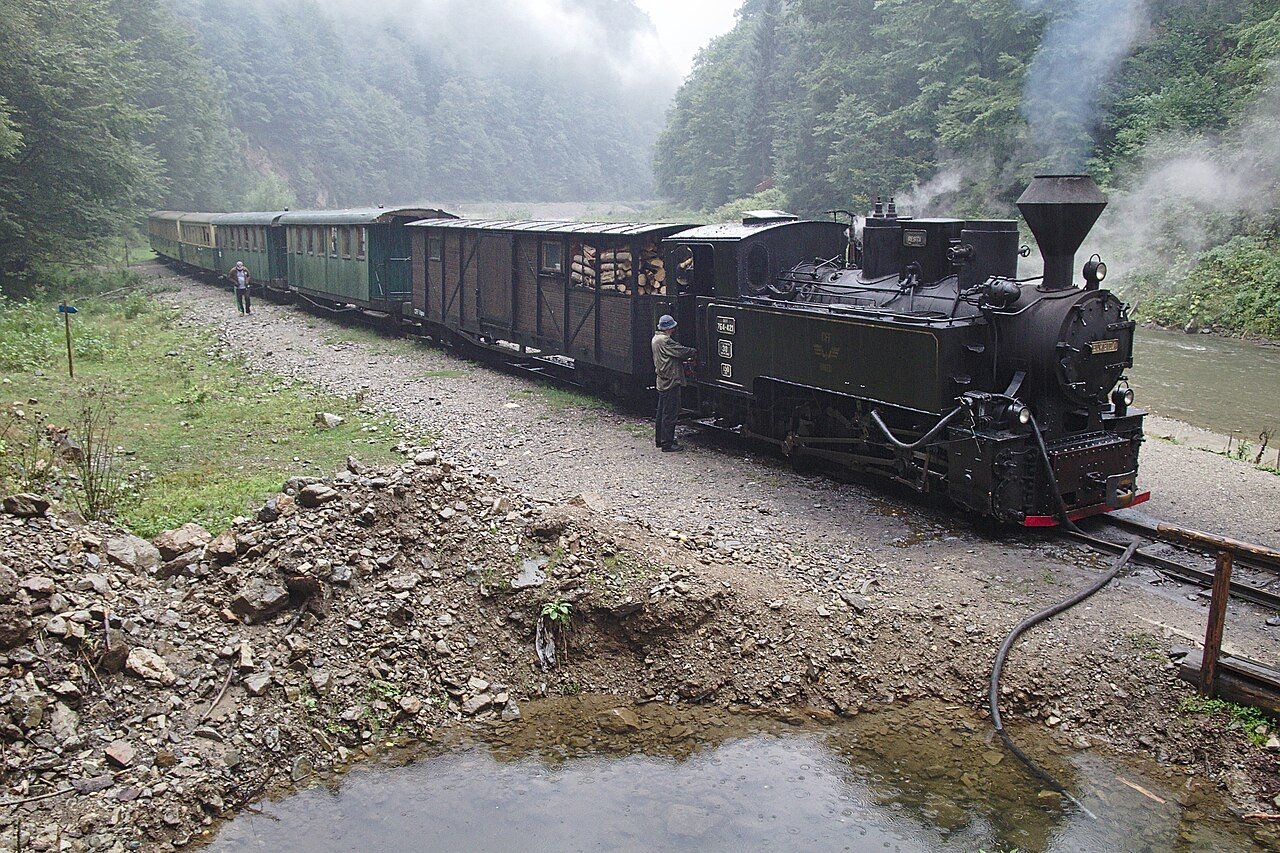
You’re sipping coffee while mountains scroll past your window. Your gear’s safely stowed. Zero stress about snow chains, fuel stops, or whether that rental car insurance actually covers avalanche zones. Plus, trains in Europe run like clockwork—even when flights are grounded and highways are gridlocked.
The environmental bonus? Trains slash your carbon footprint compared to flying or driving. You can hit the slopes knowing you’ve made the greener choice without sacrificing convenience.
Top Train-Accessible Ski Resorts in Europe
Zermatt, Switzerland: The Car-Free Classic
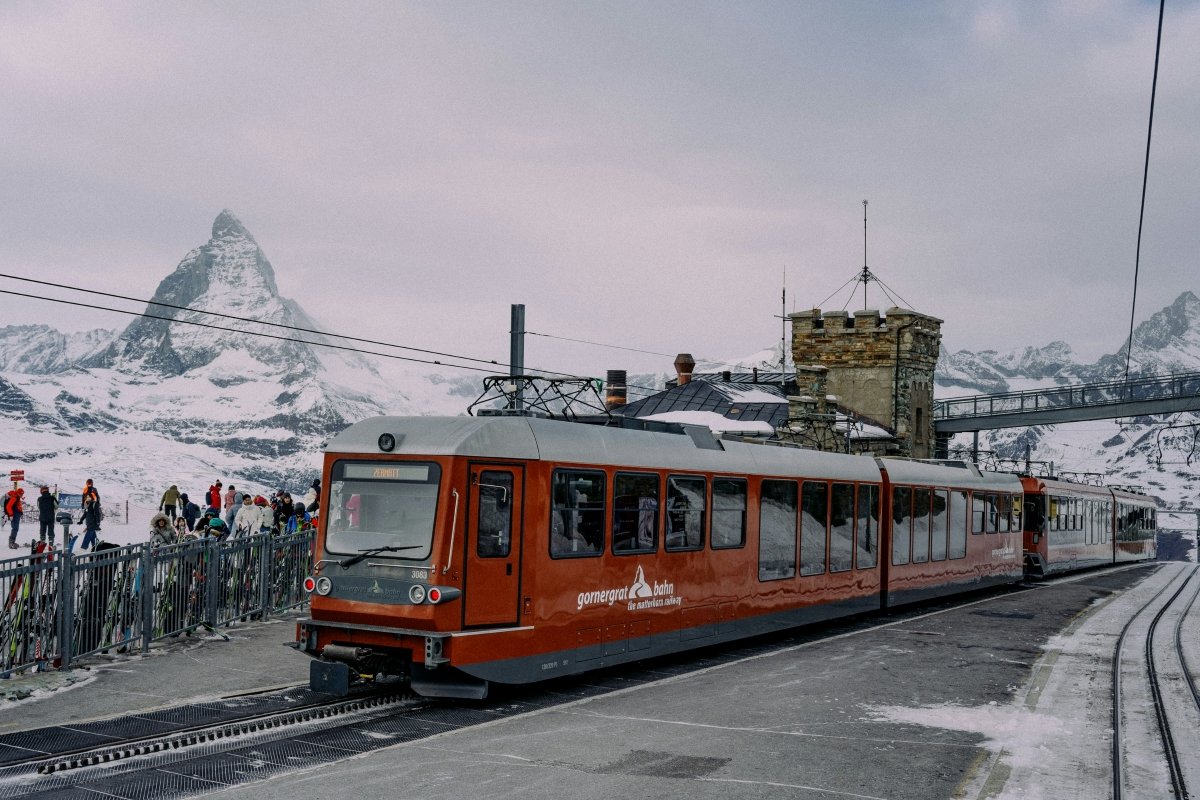
Journey: Direct trains from Zurich or Geneva to Visp, then the scenic Matterhorn Gotthard Bahn to Zermatt (total time: 3-4 hours)
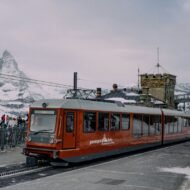
Zermatt doesn’t just tolerate trains—it only allows trains. No cars permitted, period. This creates an almost surreal serenity when you arrive. Electric taxis and horse-drawn sleighs replace honking traffic.
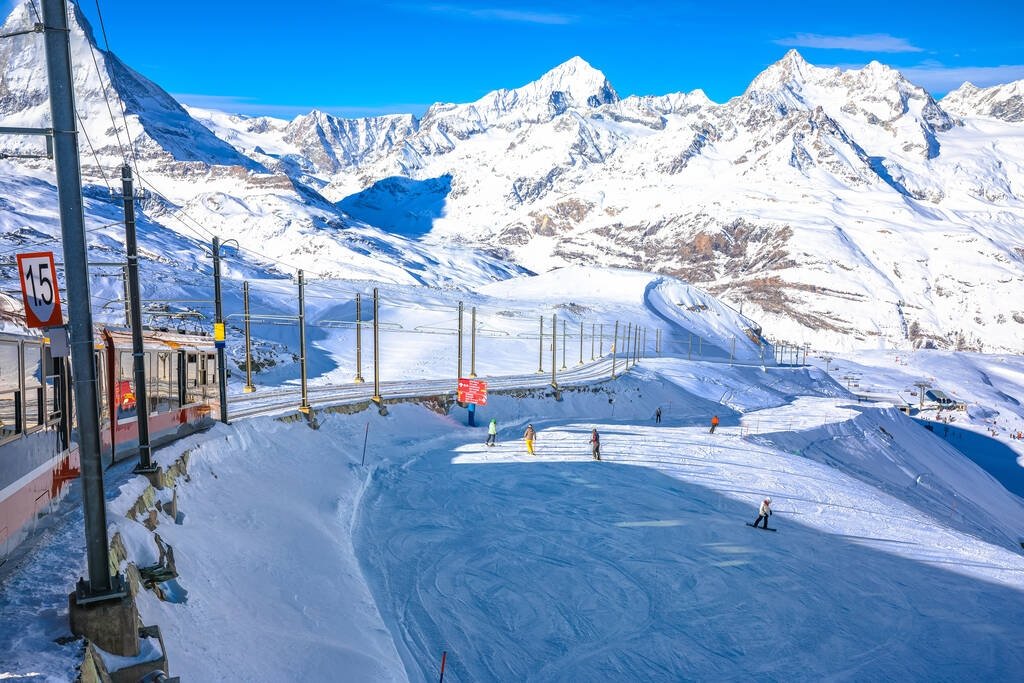
The Matterhorn dominates every view, and the skiing spans 360 kilometers across Switzerland and Italy. The train literally deposits you in the village center, where you’re a five-minute walk from gondolas. Accommodation ranges from budget chalets to five-star luxury, all within easy reach.
Pro tip: Book the Glacier Express from St. Moritz for one of the world’s most spectacular train journeys, arriving ready to ski.
St. Anton am Arlberg, Austria: Powder Paradise at Platform’s Edge
Journey: Direct trains from Zurich, Innsbruck, or Munich to St. Anton station (sitting right in the resort)
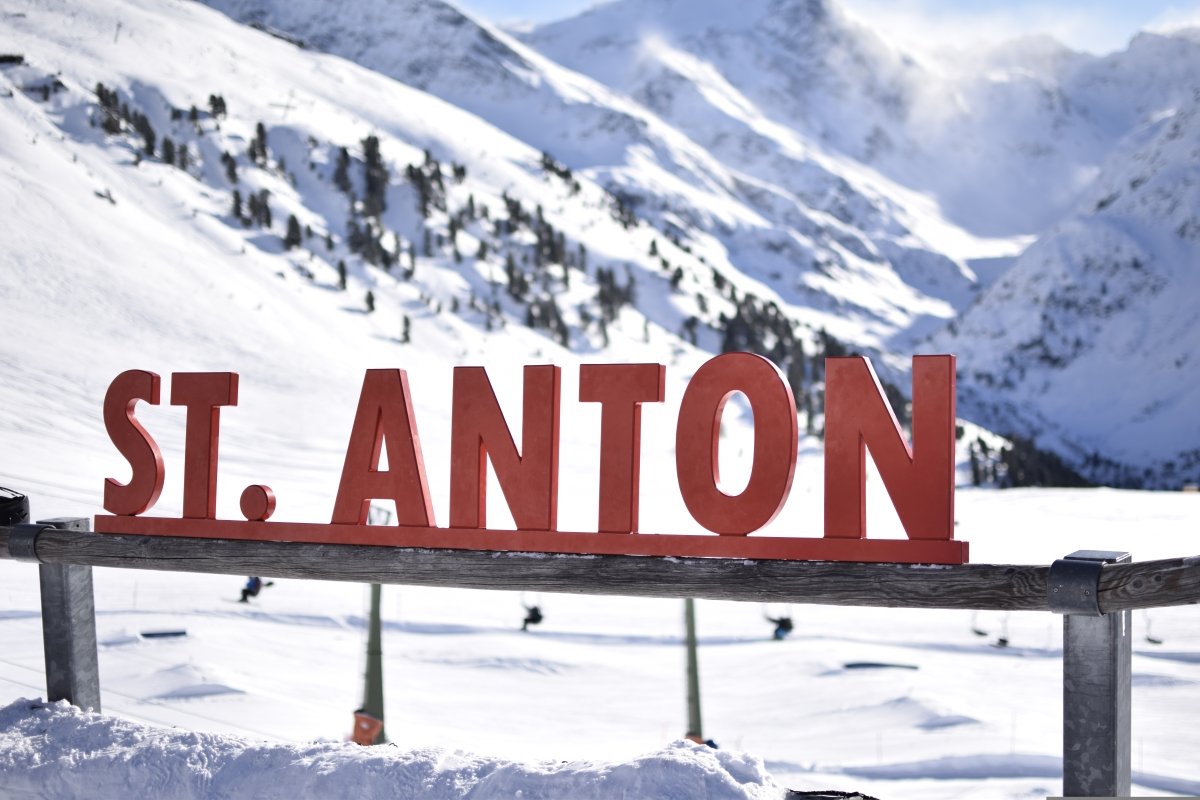
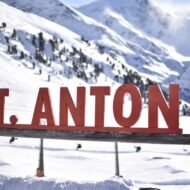
St. Anton’s train station sits so close to the slopes that you can practically see skiers from the platform. This legendary resort offers some of Europe’s best off-piste terrain and a vibrant après-ski scene that’s famous across the continent.
The Arlberg region connects five resorts with 305 kilometers of pistes. From the station, you’re a short walk to accommodations and lifts. The Austrian efficiency means trains arrive punctually, even during peak season.
Insider knowledge: The Nightjet sleeper train from various European cities lets you board after dinner, sleep through the journey, and wake up in the mountains. No hotel needed for that first night.
Chamonix, France: Alpine Icon with Stellar Connections
Journey: TGV from Paris to Chamonix-Mont-Blanc station (5.5 hours direct, or via Geneva/Annecy)
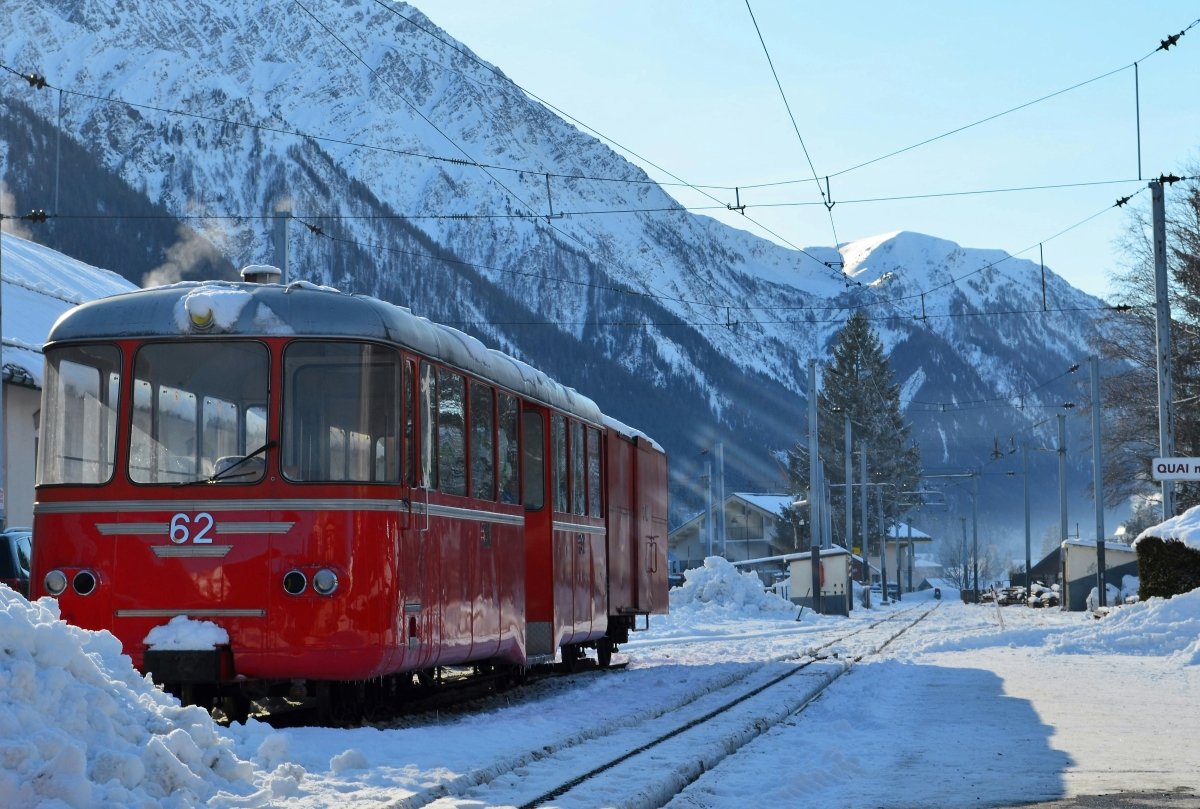
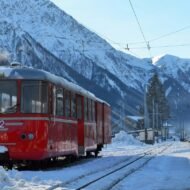
Chamonix practically invented alpine tourism, and its train access remains exceptional. The station sits in the town center, surrounded by accommodation, gear shops, and restaurants. Mont Blanc looms overhead—you can’t miss it.
The Chamonix valley offers varied terrain from beginner-friendly Grands Montets to the legendary Vallée Blanche off-piste descent. Free shuttle buses connect different ski areas, and everything links back to the train station.
Money-saving move: The Chamonix Guest Card (free with accommodation) provides discounts on lifts and free local transport.
Wengen and Mürren, Switzerland: Jungfrau Region Gems
Journey: Train to Interlaken, then mountain railways to either resort (Wengen via Lauterbrunnen, Mürren via cable car from Lauterbrunnen)
These twin car-free villages perch on opposite sides of the Lauterbrunnen Valley, accessible only by cog railway or cable car. The journey itself feels like an attraction—especially Wengen’s rack railway clinging to the cliff face.
The Jungfrau ski region connects both resorts with 206 kilometers of runs. Families love the gentle slopes and safe village atmospheres. The infrastructure handles crowds beautifully, with precise Swiss timing on every lift and train.
Best for: Families and those seeking traditional alpine charm without modern traffic chaos.
Innsbruck, Austria: City Meets Slopes
Journey: Direct trains from Munich (2 hours), Zurich (3.5 hours), or Vienna (4 hours) to Innsbruck Hauptbahnhof
Innsbruck offers something unique—a proper city with multiple ski resorts accessible via public transport from the main train station. Nordkette’s funicular rises literally from the city center, while Stubai Glacier (Austria’s largest) sits 45 minutes away by bus.
This setup works brilliantly for mixed groups. Skiers hit the slopes while others explore museums, shops, and cafés, then everyone reunites for dinner. The Innsbruck Card bundles transport and attractions.
Perfect for: Groups with varying interests or anyone wanting city amenities alongside skiing.
Andermatt, Switzerland: The Rising Star
Journey: Glacier Express from Zermatt or St. Moritz, or regular trains from Zurich via Göschenen (2.5 hours)
Andermatt transformed recently with massive investment but retained its authentic character. The train station connects directly to the SkiArena Andermatt-Sedrun—180 kilometers of largely intermediate terrain with reliable snow.
The village itself offers less glitz than St. Moritz but more substance. Swiss hospitality, reasonable prices (for Switzerland), and that unbeatable train convenience make it a smart choice.
Hidden advantage: Fewer crowds than famous neighbors despite comparable skiing quality.
Essential Tips for Train-to-Ski Success
Booking and Planning
Book early for better prices: European rail tickets often use dynamic pricing. Secure your seats 2-3 months ahead for significant savings, especially for popular routes and weekends.
Consider rail passes: The Swiss Travel Pass or Eurail Pass can deliver serious value if you’re exploring multiple resorts or staying more than a few days. Calculate your specific routes—sometimes individual tickets beat passes, sometimes they don’t.
Check luggage policies: Most European trains accommodate skis and snowboards, but confirm limits. Some high-speed trains require reservations for sports equipment.
Packing Smart
Ski gear: Many resorts offer rental delivery to your accommodation or station pickup. This eliminates dragging equipment across platforms. Alternatively, ski bags with wheels make train travel manageable.
Essentials in carry-on: Keep valuables, medications, and one change of clothes in your day bag. Checked luggage occasionally goes astray, even on trains.
Light layers: Trains often run warm despite winter weather outside. Dress in removable layers rather than one bulky coat.
Navigation and Transfers
Download offline maps: Apps like Rail Planner work offline and show real-time updates. Screenshot your tickets and platform numbers as backup.
Buffer time for connections: Allow 15-20 minutes between trains, especially in large stations. Swiss precision is real, but occasionally delays happen.
Platform changes: European stations announce platform changes in multiple languages. Stay alert during the final approach to your connection.
Money Matters
Credit cards: Trains, stations, and resorts widely accept cards, but carry some local currency for small mountain huts or village bakeries that might be cash-only.
Seat reservations: Some high-speed trains require them (included in ticket price), others offer optional reservations (recommended during peak season).
Seasonal Considerations
Peak season chaos: February half-term and Christmas/New Year see maximum crowds. Book everything early and expect trains to fill up.
Shoulder season value: Early December and late March offer cheaper rates, shorter lift lines, and easier train travel—though snow conditions vary.
Spring skiing: Late March through April brings longer days, warmer temperatures, and thinner crowds. Higher resorts like Zermatt and Stubai maintain better snow coverage.
Sample Itineraries
Weekend Warrior (3 days)
- Friday evening: Sleeper train from your city
- Saturday morning: Arrive in resort, rent gear, ski until close
- Sunday: Full ski day
- Monday morning: Final morning runs, afternoon train home
Alps Explorer (7 days)
- Day 1-2: Chamonix (arrival and skiing)
- Day 3: Train to Zermatt via scenic routes
- Day 4-5: Zermatt skiing
- Day 6: Train to St. Anton
- Day 7: St. Anton skiing, evening departure
Family Swiss Adventure (5 days)
- Day 1: Arrive Interlaken, settle in
- Day 2-3: Wengen skiing
- Day 4: Mürren exploration
- Day 5: Departure with possible Jungfraujoch visit
Making the Most of Your Journey
The train ride isn’t just transport—it’s part of the experience. The Glacier Express, Bernina Express, and similar panoramic routes showcase alpine scenery that drivers completely miss while focusing on the road.
Book window seats when possible. Bring snacks and drinks (trains often have dining cars, but prices run high). Use travel time to plan your skiing, review piste maps, or simply decompress.
Many travelers find the journey more relaxing than flying. No security theater, no baggage fees, no cramped middle seats. You can move around, stretch your legs, and actually see the landscape you’re traveling through.
Accessibility and Inclusive Travel
European ski resorts increasingly prioritize accessibility, and train travel often provides better options than car rental for travelers with mobility needs.
Many trains offer designated spaces for wheelchairs, priority seating, and assistance services when booked in advance. Mountain railways typically accommodate adaptive equipment, and resorts like Wengen and Zermatt feature extensive accessible facilities.
Contact rail operators and resorts directly about specific needs—they’re generally helpful and experienced with accommodation requests. The Swiss railway system particularly excels at accessibility support.
Environmental Impact: The Numbers
Choosing trains over flights for European ski trips delivers measurable environmental benefits:
- Train vs. plane: Trains emit roughly 80-90% less CO₂ per passenger-kilometer than flights
- Train vs. car: Even with multiple passengers, cars typically produce 3-4 times more emissions than trains
- Resort impact: Car-free villages like Zermatt and Wengen maintain better air quality and reduce noise pollution
These choices add up. If 100,000 skiers chose trains over flights for a Paris-to-Alps trip, it would prevent approximately 10,000 tons of CO₂ emissions annually.
Quick Recap: Your Train-to-Ski Checklist
✓ Book early for best prices and seat selection
✓ Research rail passes vs. individual tickets for your specific route
✓ Confirm luggage policies and ski equipment rules
✓ Download offline maps and save tickets to your phone
✓ Pack smart with layers and essentials in carry-on
✓ Allow buffer time for connections (15-20 minutes minimum)
✓ Consider gear rental delivered to accommodation
✓ Check accessibility services if needed (book in advance)
✓ Embrace the journey as part of your holiday experience
✓ Verify snow conditions before finalizing dates, especially shoulder season
Final Thoughts
Train-accessible ski resorts represent European mountain tourism at its finest. You’re choosing convenience, sustainability, and genuine adventure over the hassle of airports and rental cars.
Whether you’re carving down Chamonix’s legendary slopes, soaking in Zermatt’s car-free atmosphere, or discovering Andermatt’s emerging ski scene, the journey enhances rather than detracts from your experience.
The mountains await. The trains run on time. Your skis are packed. All that’s left is booking that ticket and claiming your window seat.