

Croatia has 1,246 islands. Most visitors see three of them.
- The island hopping route
- The articles
- Gaz: The Croatian Islet Shaped Exactly Like a Fish
- Betina Cave Beach: Dubrovnik’s Most Extraordinary Hidden Cove
- Rovinj: The Croatian Town That Forgot to Leave Venice
- Lastovo: The Croatian Island That Chose Not to Be Found
- The eco island layer
- Croatian islands in The Wanders collection
The standard Dalmatian itinerary — Split, Hvar, Brač, return — covers the most accessible, most photographed and most visited islands in the Croatian archipelago. These are extraordinary islands. They are also the islands that have been in every Croatia travel feature since the country opened its coast to international tourism in the 1990s.
The Croatian archipelago extends far beyond this circuit. It extends to Vis — closed to foreigners until 1989, a Yugoslav military island that missed the tourist development decades and emerged looking exactly as the Dalmatian coast looked in the 1970s. To Lastovo — 47 nautical miles from Split, 800 permanent inhabitants, the most remote inhabited island in the Croatian Adriatic. To the Brijuni archipelago in Istria — a national park of 14 islands that once hosted Tito’s extraordinary island diplomacy and whose most remarkable member is an uninhabited islet shaped precisely like a fish. And to the extraordinary hidden coves of the Dubrovnik coastline — reachable only by swimming through a sea arch in a limestone headland.
This is the editorial guide to the Croatian islands The Wanders covers. Not the complete guide to all 1,246. The guide to the ones that reward the decision to go further.
The island hopping route
The foundation of The Wanders Croatian island coverage is the complete island hopping route from Split to Dubrovnik via the southwestern Dalmatian archipelago — eight islands, twelve days, the Jadrolinija ferry network moving consistently southwest toward Lastovo before turning east to Dubrovnik.
Read the complete route: Island Hopping Dalmatia — The Route Beyond Hvar →
The route covers Hvar, Vis, Biševo, Korčula, Lastovo and Mljet before arriving at Dubrovnik. Every island is described with ferry logistics, accommodation guidance and the specific thing that makes it worth the crossing.
The articles
Gaz: The Croatian Islet Shaped Exactly Like a Fish
Brijuni National Park, Istria · 3,778 views
The Brijuni archipelago off the Istrian coast is one of the most extraordinary protected island territories in the Adriatic — 14 islands and islets, a national park since 1983, accessible only by authorised boat from Fažana on the mainland. The most famous island in the archipelago is Veli Brijun — where Josip Broz Tito maintained his extraordinary island summer residence, hosting Elizabeth Taylor, Sophia Loren and Indira Gandhi in the most remarkable programme of island diplomacy in Cold War Europe.
The most visually extraordinary island in the archipelago is Gaz — an uninhabited islet whose elongated body, fin-like rocky outcrops and tail formation create a silhouette so precisely fish-shaped that aerial photographs of the Brijuni archipelago are immediately dominated by its extraordinary outline. Landing on Gaz is prohibited within the national park’s strictly protected zone — but the islet is visible from the elevated viewpoints on Veli Brijun and from the authorised boat tours of the archipelago that depart from Fažana.
Read the full article: Gaz — The Croatian Islet Shaped Exactly Like a Fish →
Betina Cave Beach: Dubrovnik’s Most Extraordinary Hidden Cove
Lapad Peninsula, Dubrovnik · 2,806 views
Dubrovnik receives over four million visitors per year. Almost none of them find Betina Cave Beach.
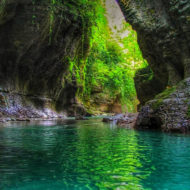
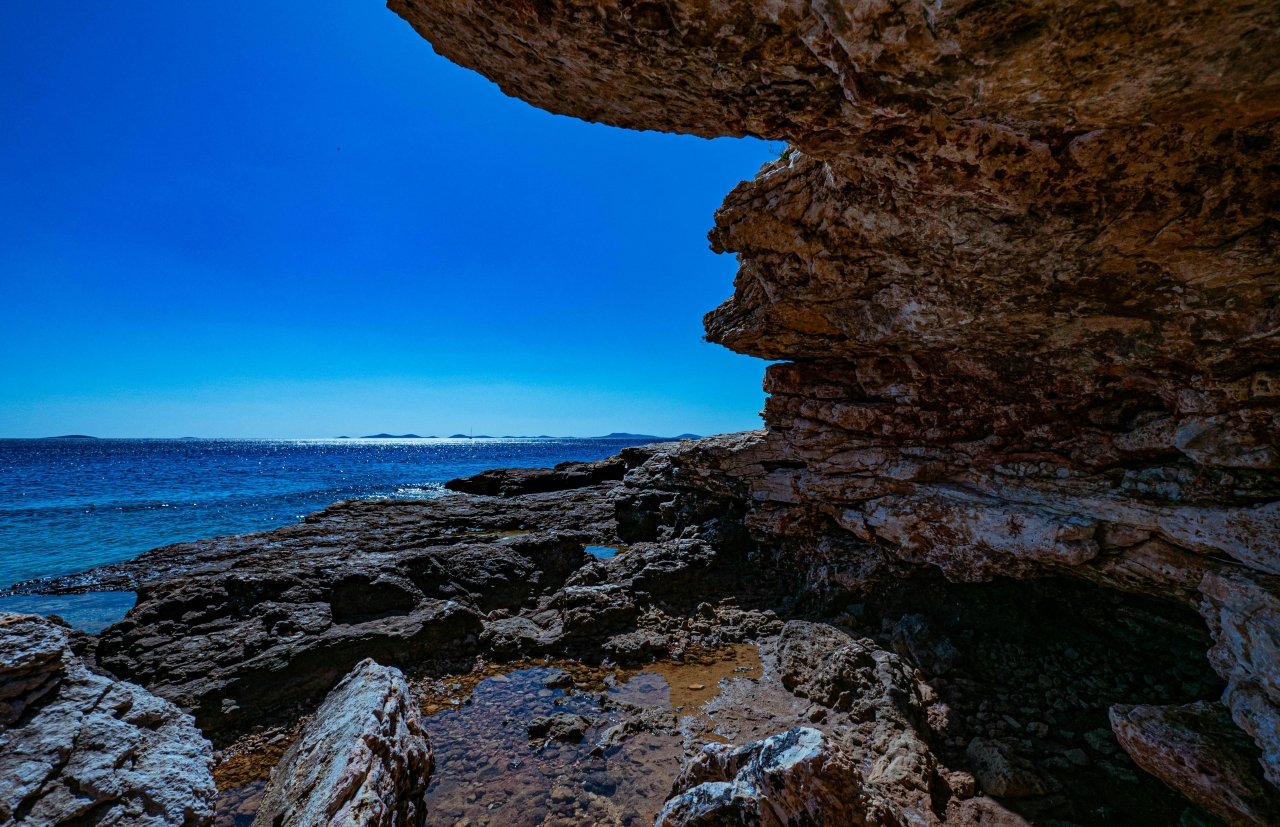
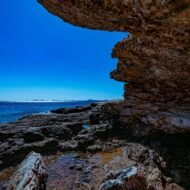
Betina Cave Beach — Uvala Betina — sits below the cliffs of the Lapad Peninsula on the western edge of Dubrovnik, accessible only by swimming through a narrow sea arch carved through the limestone headland. The arch is approximately 10 metres long. On the other side — an enclosed bay of extraordinary turquoise water, the limestone walls rising 15-20 metres above the surface, the sound of the Adriatic amplified into the cave ceiling.
The beach receives complete solitude even in peak Dubrovnik season because the sea arch access filters out everyone unwilling to swim 10 metres through rock. That filtration is precisely what makes it extraordinary.
Read the full article: Betina Cave Beach — Dubrovnik’s Most Extraordinary Hidden Cove →
Rovinj: The Croatian Town That Forgot to Leave Venice
Istria, Croatia · 1,886 views
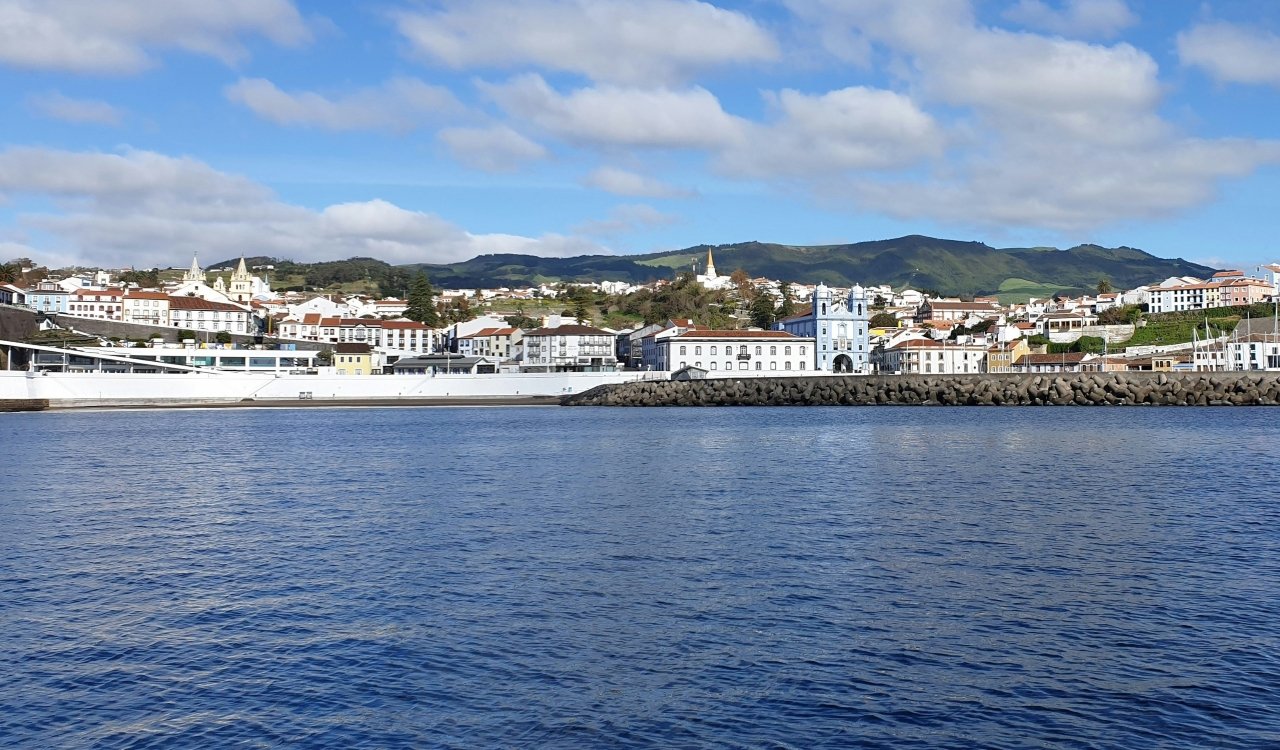
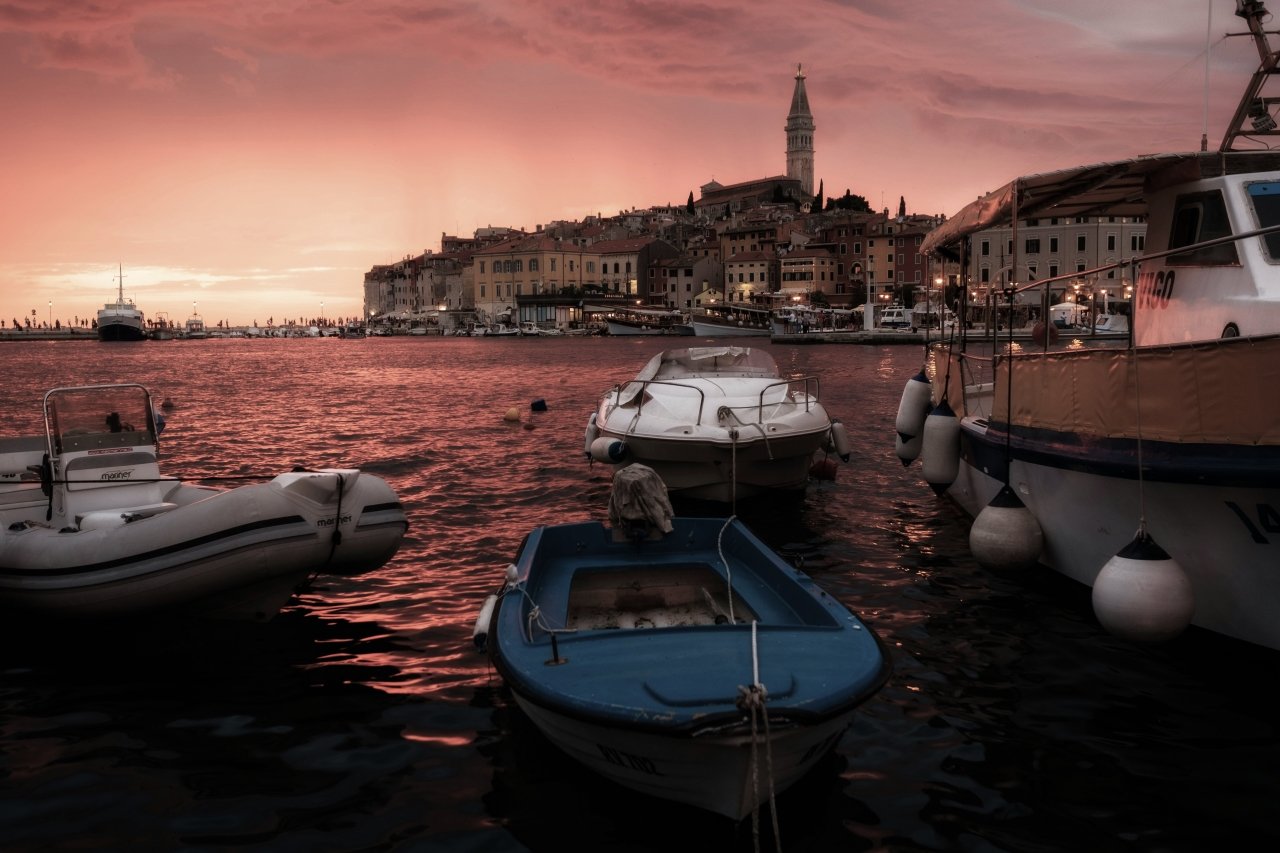
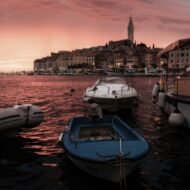
Rovinj has been Croatian since 1945. For the 500 years before that it was Venetian — and 500 years of subsequent history have not changed the fundamental Venetian character of the old town. The tall narrow houses in ochre and terracotta crowding the rocky peninsula. The bell tower modelled directly on the campanile of St Mark’s. The double name on every official sign — Rovinj in Croatian, Rovigno in Italian — acknowledging the living Italian-speaking community that has maintained its language in a Croatian city across eight decades of political change.
The Grisia — the extraordinary cobblestone street climbing from the harbour to the church of St Euphemia — is the most beautifully intact Venetian urban street in the eastern Adriatic outside Piran. The 14 Rovinj islands visible from the waterfront give the town an extraordinary maritime dimension that the standard old town visit entirely misses.
Read the full article: Rovinj — The Croatian Town That Forgot to Leave Venice →
Lastovo: The Croatian Island That Chose Not to Be Found
Dalmatian Archipelago, Croatia · 1,458 views
47 nautical miles from Split. One ferry per day in high season. 800 permanent inhabitants. No airport. No international hotel. No tourist information office in any language other than Croatian.
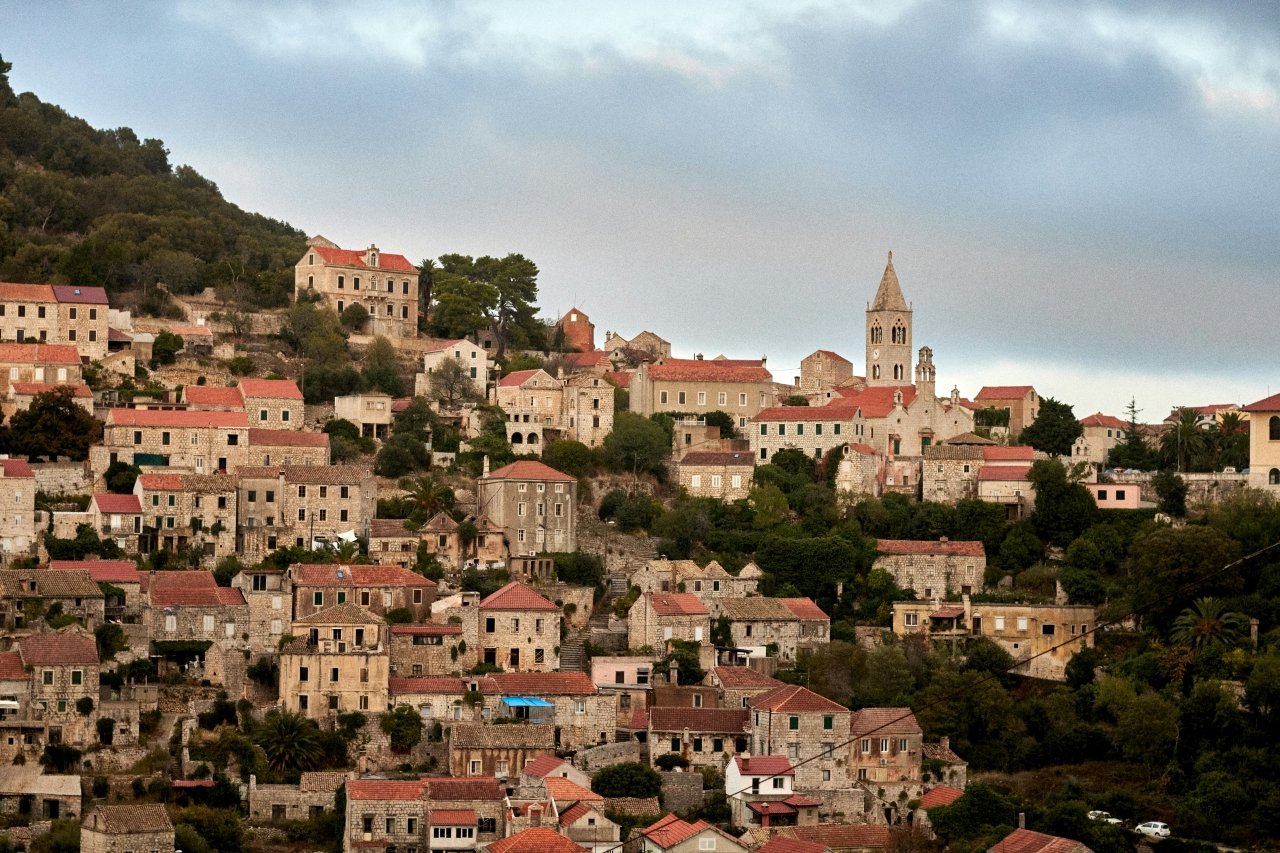
Lastovo is the most remote inhabited island in the Croatian Adriatic. The Yugoslav military occupied the island from 1945 until 1989, closing it to all foreign visitors during the decades when Hvar and Brač were being developed as resort destinations. When Lastovo opened it had none of that infrastructure. It still does not.
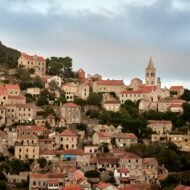
The medieval village of Lastovo Town is invisible from the harbour — built on the inland hillside specifically to be invisible from the sea during the pirate centuries. The Poklad carnival — one of the oldest living carnival traditions in Croatia, held each Shrove Tuesday — is an extraordinary Living Traditions event unchanged for centuries. The Lastovo Archipelago Nature Park surrounding the island produces the most pristine marine waters in the Croatian Adriatic. The seabed is visible at 20 metres from the surface.
Lastovo is the island that justifies the entire route.
Read the full article: Lastovo — The Croatian Island That Chose Not to Be Found →
The eco island layer
Brijuni National Park — Croatia’s Most Extraordinary Protected Islands
Istria, Croatia
The Brijuni archipelago represents the Croatian island world at its most protected and most historically layered. The national park status — established 1983 — prevents private boat access, controls visitor numbers and maintains the extraordinary ecological integrity of 14 islands that include Roman villa ruins, Tito’s former residences, a safari park with African animal descendants and the extraordinary fish-shaped Gaz islet.
Access only by authorised boat from Fažana on the Istrian mainland. Day trips available or overnight stays in the park’s limited accommodation on Veli Brijun.
Read the full article: Brijuni — The Croatian Island Where Tito Hosted the World →
Croatian islands in The Wanders collection
| Island | Character | Views | Ferry from |
|---|---|---|---|
| Gaz / Brijuni | Eco · National park | 3,778 | Fažana |
| Betina Cove · Dubrovnik | Beach Hunter · Hidden | 2,806 | Walk from Lapad |
| Rovinj | Venetian · Village | 1,886 | Road from Pula |
| Lastovo | Terra Incognita · Remote | 1,458 | Split / Korčula |
| Brijuni National Park | Eco · Tito · Roman | — | Fažana |
All Croatian island articles are part of The Wanders Island Hunter collection — European islands that reward the decision to take the ferry. The island hopping route from Split to Dubrovnik connects all of the above into one navigable twelve-day journey.