

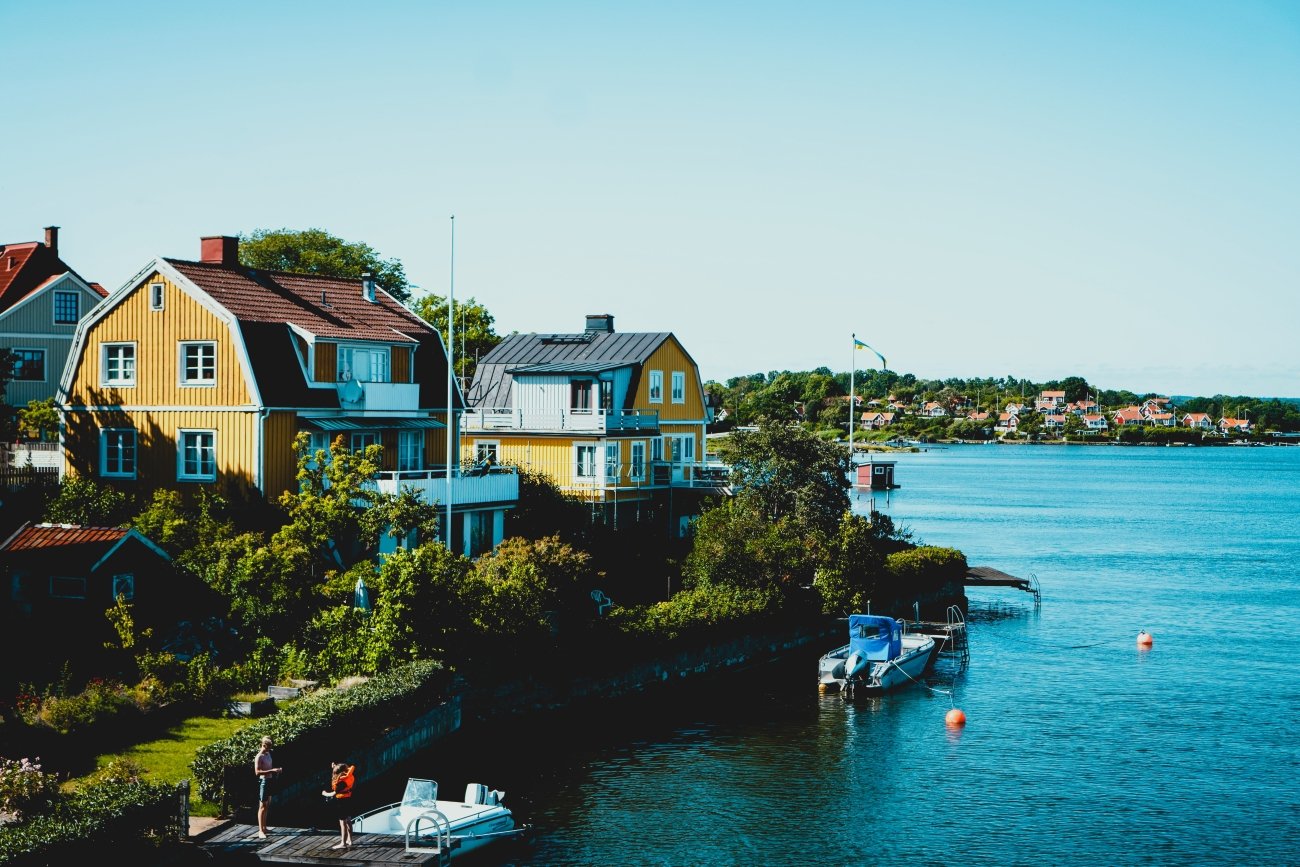
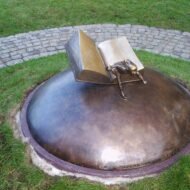
A city built on thirty islands to house a navy, one of the largest wooden churches in Sweden, and the country’s longest wooden building. Karlskrona is one of the best-preserved naval towns of the age of sail in Europe.
In 1680, King Charles XI of Sweden needed a new home for his fleet. The navy had been based in Stockholm, where the sea froze every winter and the ships lay trapped in the ice. In the far south, on the islands of the Blekinge archipelago, the water stayed open all year, and the coast faced Denmark, Sweden’s great rival. So the king founded a city from nothing, on a cluster of rocky islands, and called it after himself: Carlscrona, the Crown of Charles.
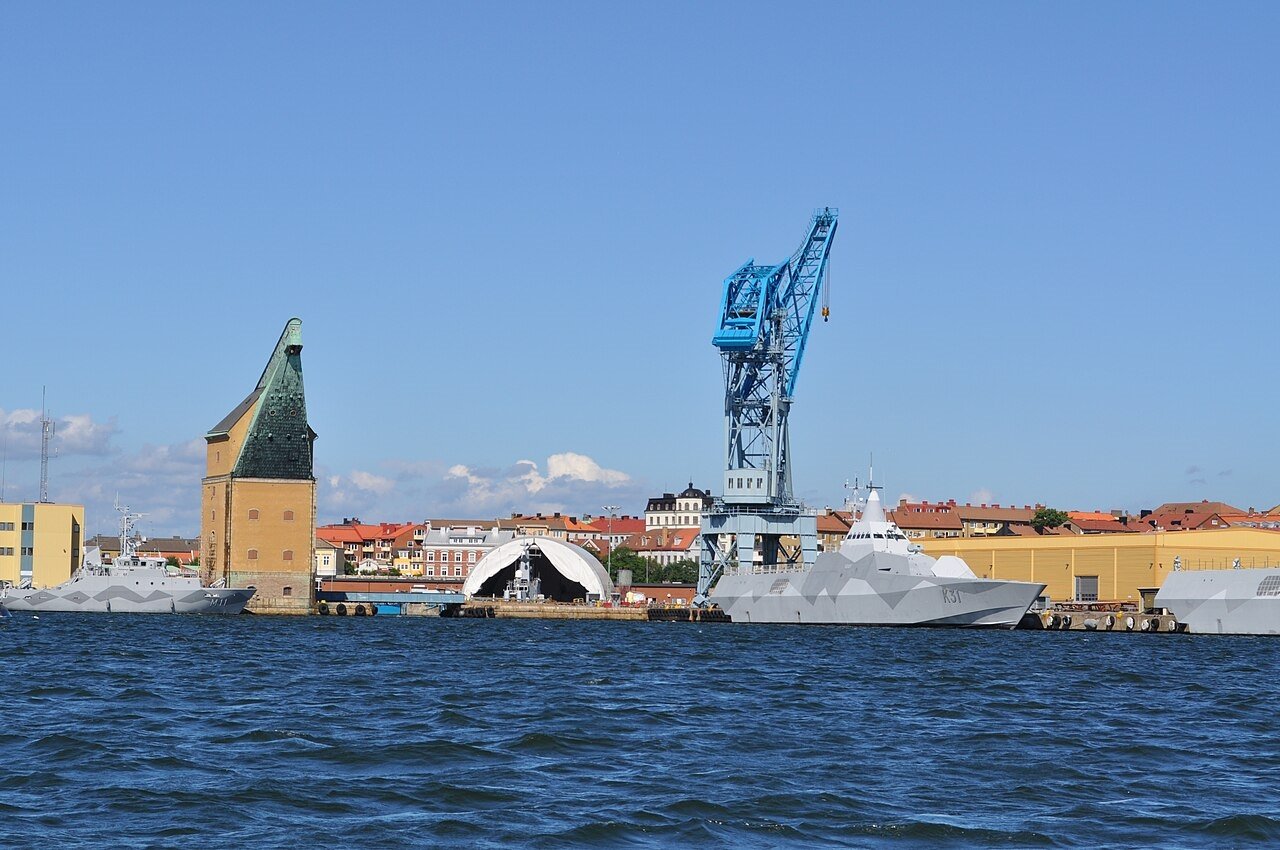
More than three centuries later, Karlskrona is still a naval town. The largest base of the Swedish Navy is here, and so is an extraordinary collection of shipyards, docks, fortresses, churches and workshops from the age of sail. In 1998, the Naval Port of Karlskrona became a UNESCO World Heritage Site, described as an exceptionally well-preserved example of a planned European naval town. Yet most travellers to Sweden have never heard of it.
At a glance
| Where | Blekinge, south-eastern Sweden, on the Baltic Sea |
| Founded | 1680, by King Charles XI |
| UNESCO | Naval Port of Karlskrona, World Heritage Site since 1998 |
| Built on | About 30 islands; the old town stands on Trossö |
| Known for | Baroque town plan, naval shipyard, ropewalk, fortresses, archipelago |
| Best time | May to September for the archipelago and fortress tours |
Sweden’s only Baroque city
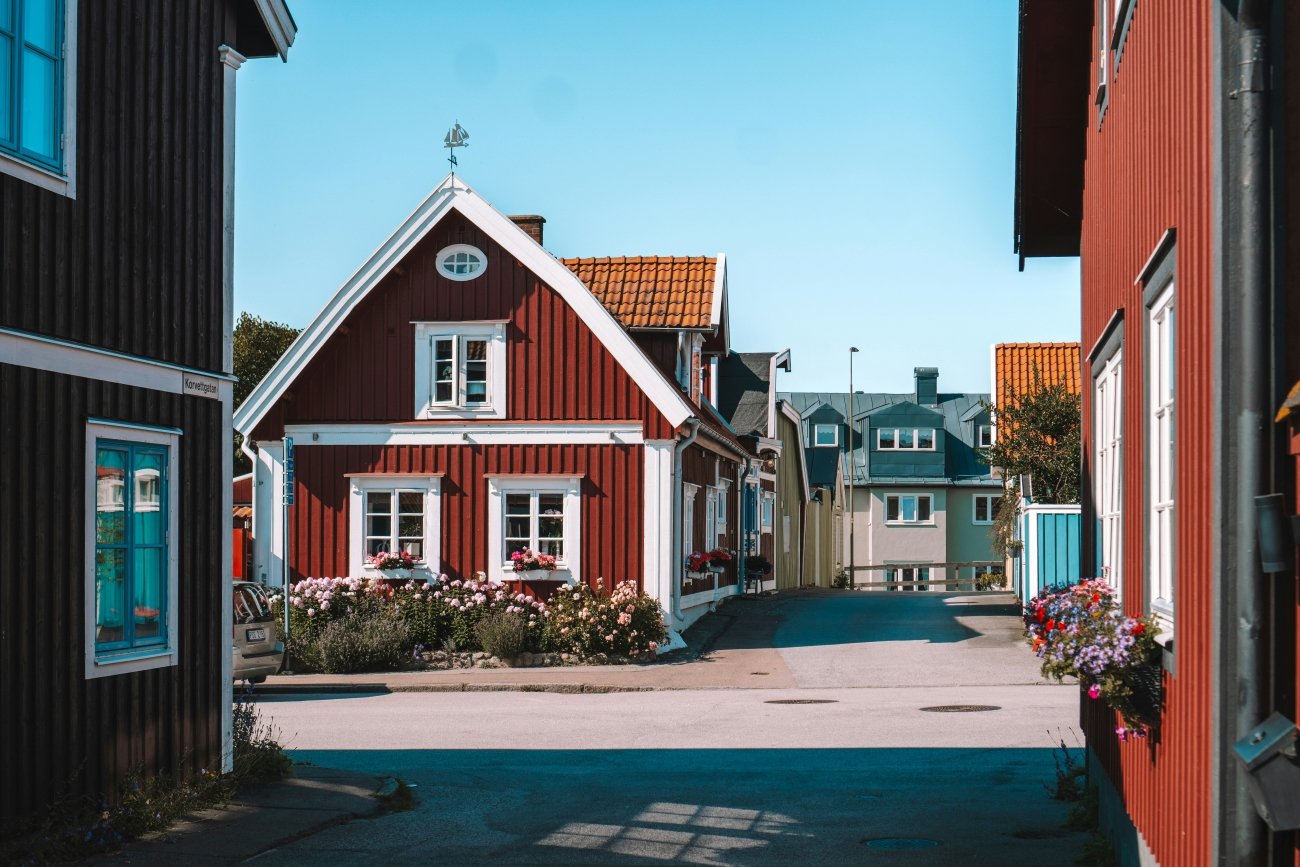
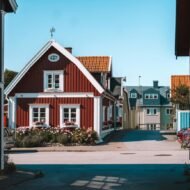
Karlskrona was planned as a whole, on a grid of wide streets and squares across the island of Trossö, with buildings attributed to the great Swedish architect Nicodemus Tessin. It is often called Sweden’s only Baroque city. Its great central square is framed by two Baroque churches: Fredrik Church, with its twin towers, and Holy Trinity Church, built for the town’s German community, with a dome rare in Sweden.
Down by the water stands the Admiralty Church, built in 1685 of red-painted wood, and one of the largest wooden churches in Sweden. In front of it, a carved wooden figure, Rosenbom, holds out his hat for coins, a character made famous by Selma Lagerlöf in The Wonderful Adventures of Nils.
Premium access: a walking route through Trossö’s Baroque streets, the stories behind each church, and the hidden courtyards most visitors miss.
The shipyard and the ropewalk
The naval shipyard was founded almost at the same time as the city, and by 1711 it was Sweden’s largest industrial workplace, with around 1,100 workers. Its great dock, the Polhem Dock, cut into the rock and named after the engineer Christopher Polhem, is still in use. The yard was later home to Fredrik Henrik af Chapman, one of the most influential naval architects of the 18th century.
At its heart stands the Ropewalk (Repslagarbanan), built in 1692–93. Around 300 metres long, it is the longest wooden building in Sweden, and one of the oldest buildings in the city. Here, for nearly three centuries, workers twisted hemp into the ropes that rigged the Swedish fleet. Rope making ended in the 1960s, but the building still smells of tar.
Premium access: how to visit the historic shipyard area (parts of it are inside the active naval base), guided-tour tips, and the best times to see the Ropewalk.
The Naval Museum
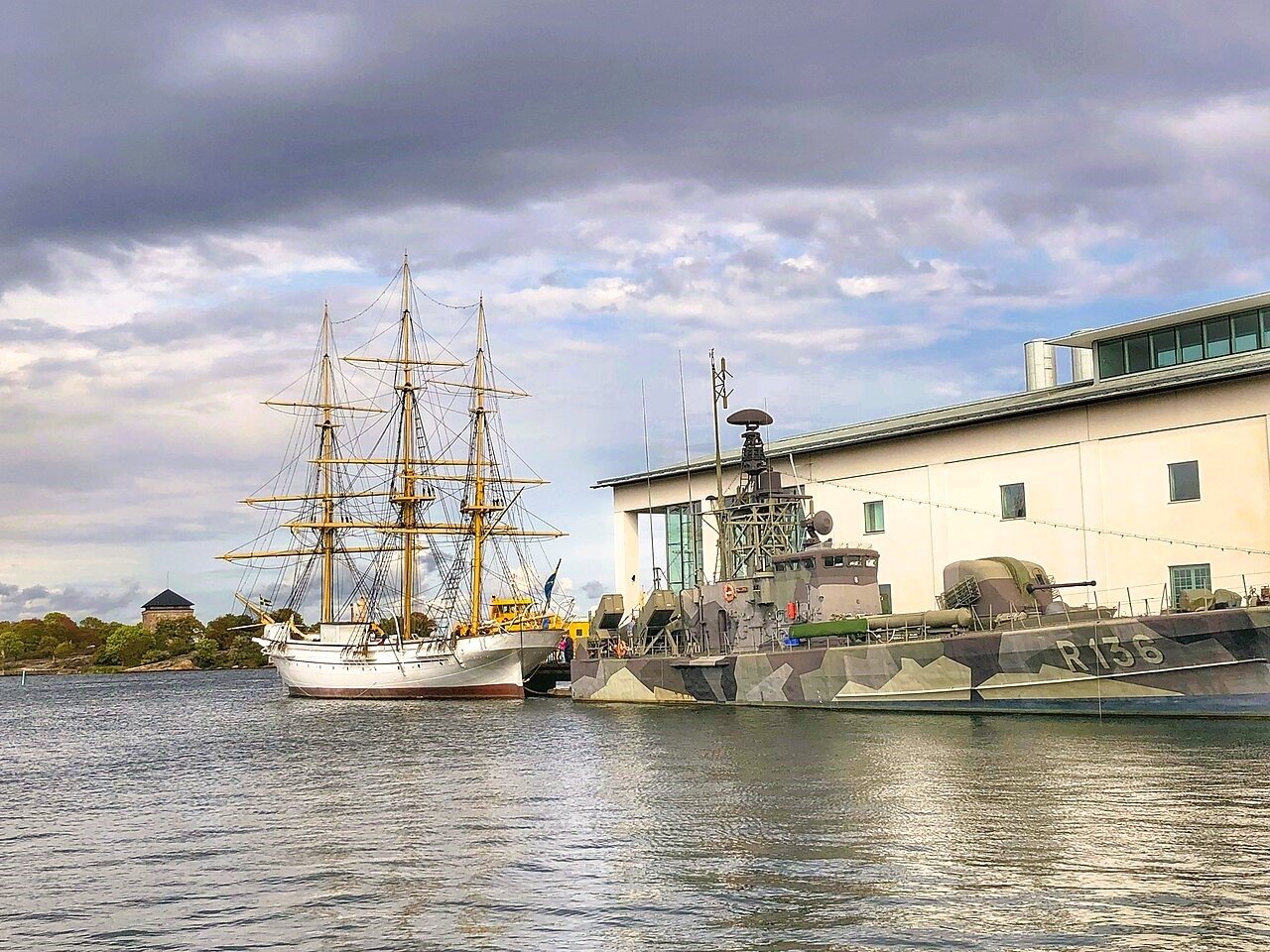
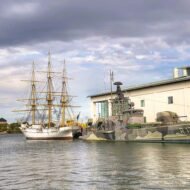
On the island of Stumholmen, the Marinmuseum is Sweden’s national naval museum, opened in its current building in 1997. Its collection began with a room of ship models created in 1752, used to train shipbuilders, and it now tells the story of the Swedish navy from the age of sail to the submarines of today. A highlight is the ship-model hall, and the museum’s underwater tunnel, where you can look at a sunken wreck through the glass.
Premium access: the museum’s highlights in one visit, family tips, and how to combine it with the archipelago boats.
The fortresses of the archipelago
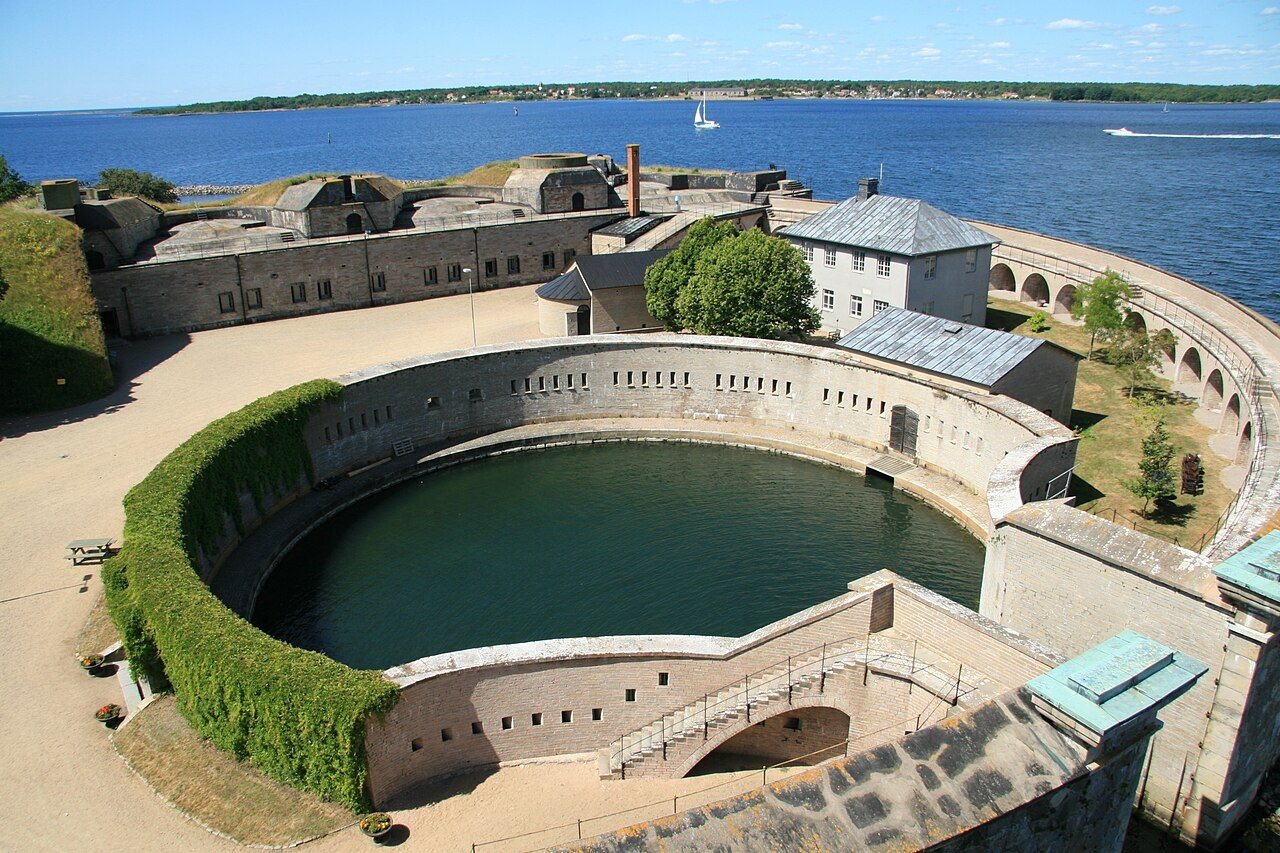
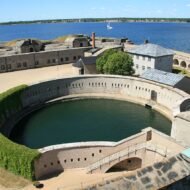
Karlskrona was built to be defended from the sea. At the entrance to its harbour, two fortresses face each other across the strait: Kungsholm Fortress, with its unusual circular harbour, and the Drottningskär Citadel on the island of Aspö. Together they guarded the naval port for centuries.
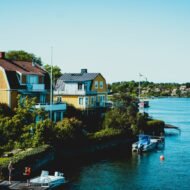
Beyond them stretches the Blekinge archipelago, with small islands, fishing villages and quiet bays, reached by local boats in summer.
Premium access: how to reach Kungsholm and Drottningskär, summer boat routes through the archipelago, and the best islands for a day trip.
Cold War on the rocks
Karlskrona’s naval role did not end with the age of sail. On 27 October 1981, a Soviet submarine ran aground on the rocks about 10 kilometres from the city, deep inside Swedish waters, in one of the most famous incidents of the Cold War. Today, Karlskrona remains the main base of the Swedish Navy, home to its submarine flotilla, a living naval town as much as a museum.
Premium access: the Cold War story of Karlskrona, and where to see its traces today.
When to go
- May to September: the best time for the archipelago, the boat trips and the fortress tours.
- Summer: long light evenings, swimming and island hopping.
- Autumn and winter: quiet streets, the museum and the Baroque town to yourself; many boat routes stop running.
Getting there
- By train: about 3 hours from Copenhagen, via Malmö, and about 4 to 5 hours from Stockholm.
- By air: Ronneby airport, with flights from Stockholm, is about 25 minutes away.
- By sea: ferries link Karlskrona with Gdynia in Poland.
The old town on Trossö is compact and easy to explore on foot.
Beyond the map
Karlskrona was built for a purpose: to keep a fleet ready, through every winter, for three centuries. That purpose shaped every street, church and dock, and it is still visible today. Walk from the Baroque square to the Ropewalk, take a boat past the fortresses into the archipelago, and you are moving through a navy town of the 1680s that never stopped working.
Go deeper: Karlskrona Premium Access
[Karlskrona — The Beyond the Map Premium Guide]
Unlock the full guide:
- A walking route through Sweden’s only Baroque city
- The shipyard and the Ropewalk: how to visit, and what to look for
- The Naval Museum in one visit
- The fortresses and the archipelago: boats, islands and day trips
- The Cold War story of Karlskrona
- Where to stay and eat on Trossö and in the archipelago
- A two-day itinerary, plus how to combine Karlskrona with the rest of Blekinge
- Offline maps and GPS points
→ [Get Premium Access]
Explore more: Trails · Awarded Europe · Military Heritage