


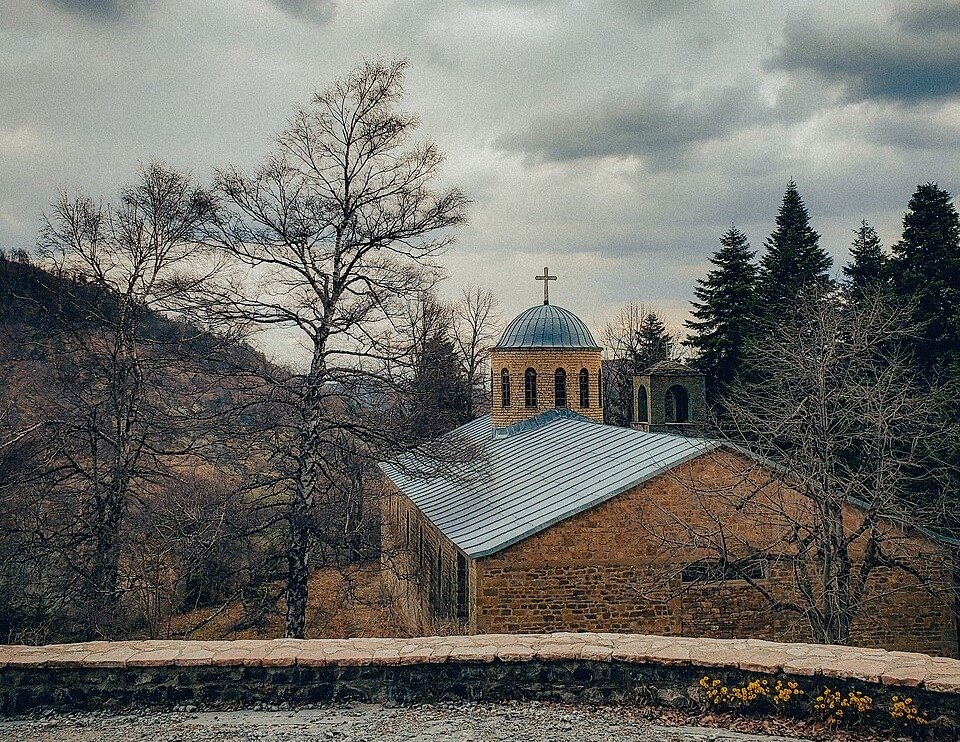








Five places where old ways still echo: mountain valleys and high pastures where Europe’s rural communities shaped a way of life that is slowly disappearing.
Across Europe, in places the modern world reached late, there were homelands that lived almost entirely by their own rules. Villages shared their pastures, moved with their animals between summer and winter, built with the stone at hand and depended on each other to survive. For centuries, these communities were poor, remote and largely ignored. Then, in the 20th century, roads, emigration and the cities emptied them.
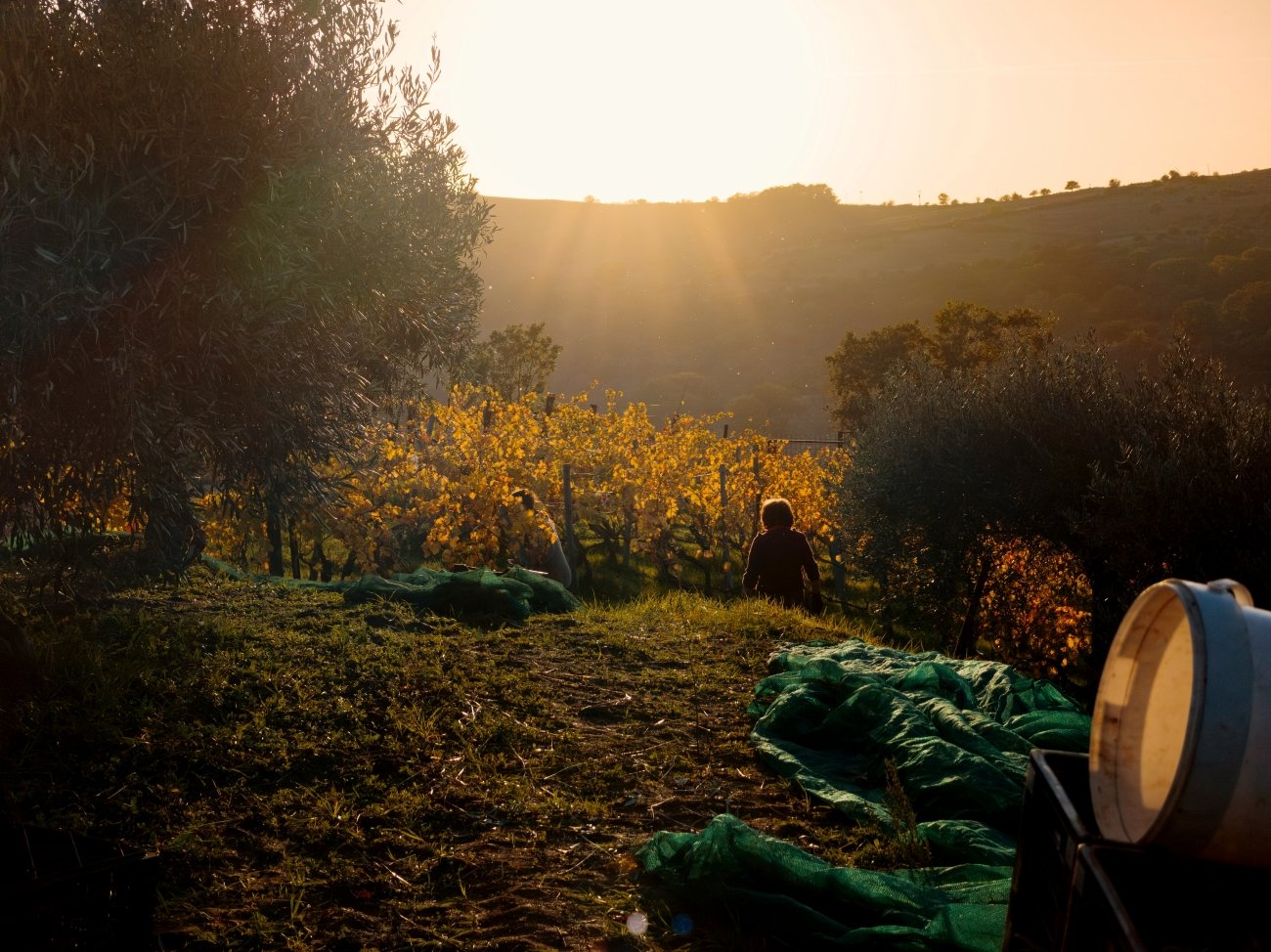
Some of those homelands are still there. Their houses, huts and pastures remain, and in a few places the old ways still echo: a shepherd climbing to a summer hut, a village herding its animals together, an emigrant returning to the stone house of his grandparents. These are five forgotten homelands of Europe:
- a Spanish mountain region once called a “land without bread”
- an Albanian mountain village built by emigrants
- a high pasture of the Polish Tatras
- the summer shepherd camps of Durmitor in Montenegro
- the granite villages of Portugal’s only national park
1. Las Hurdes, Spain
40.40° N, 6.25° W · northern Cáceres, Extremadura
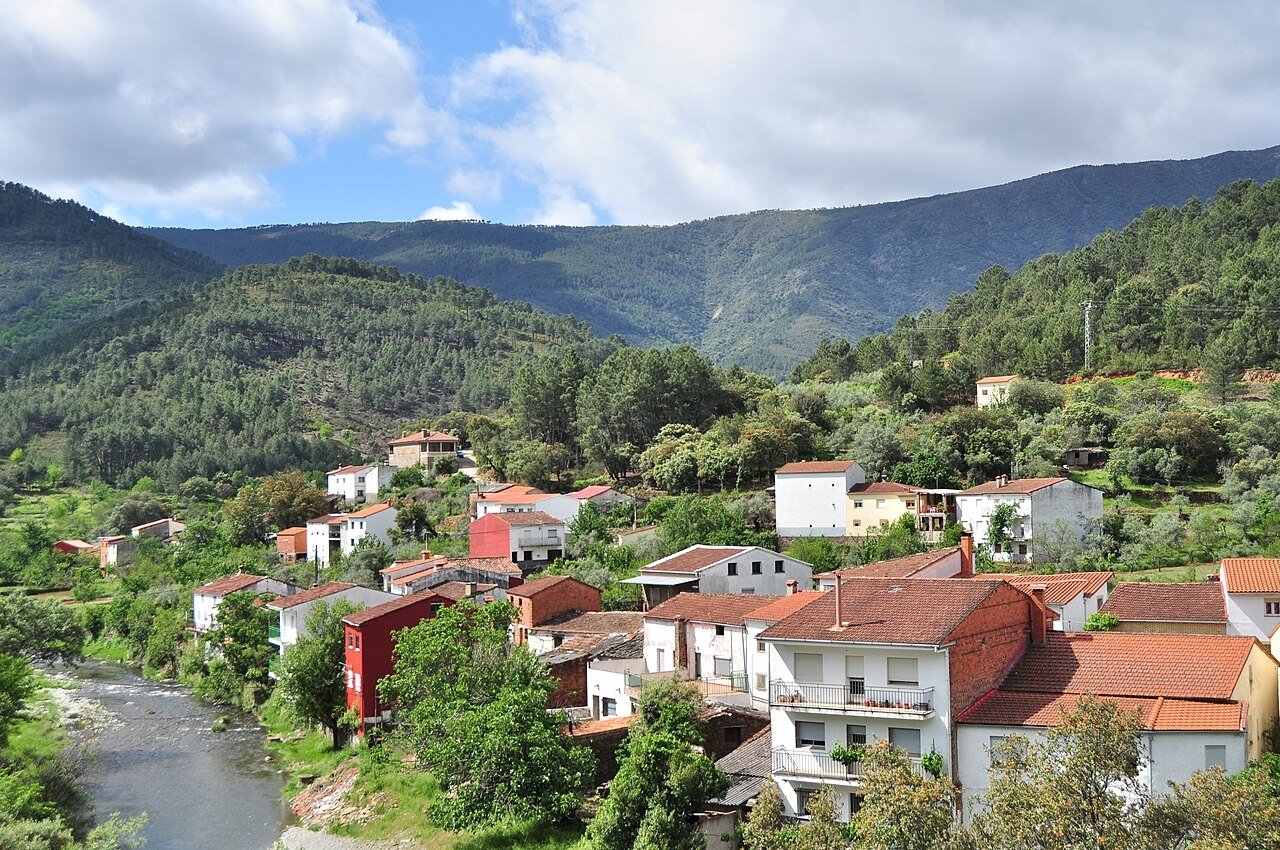
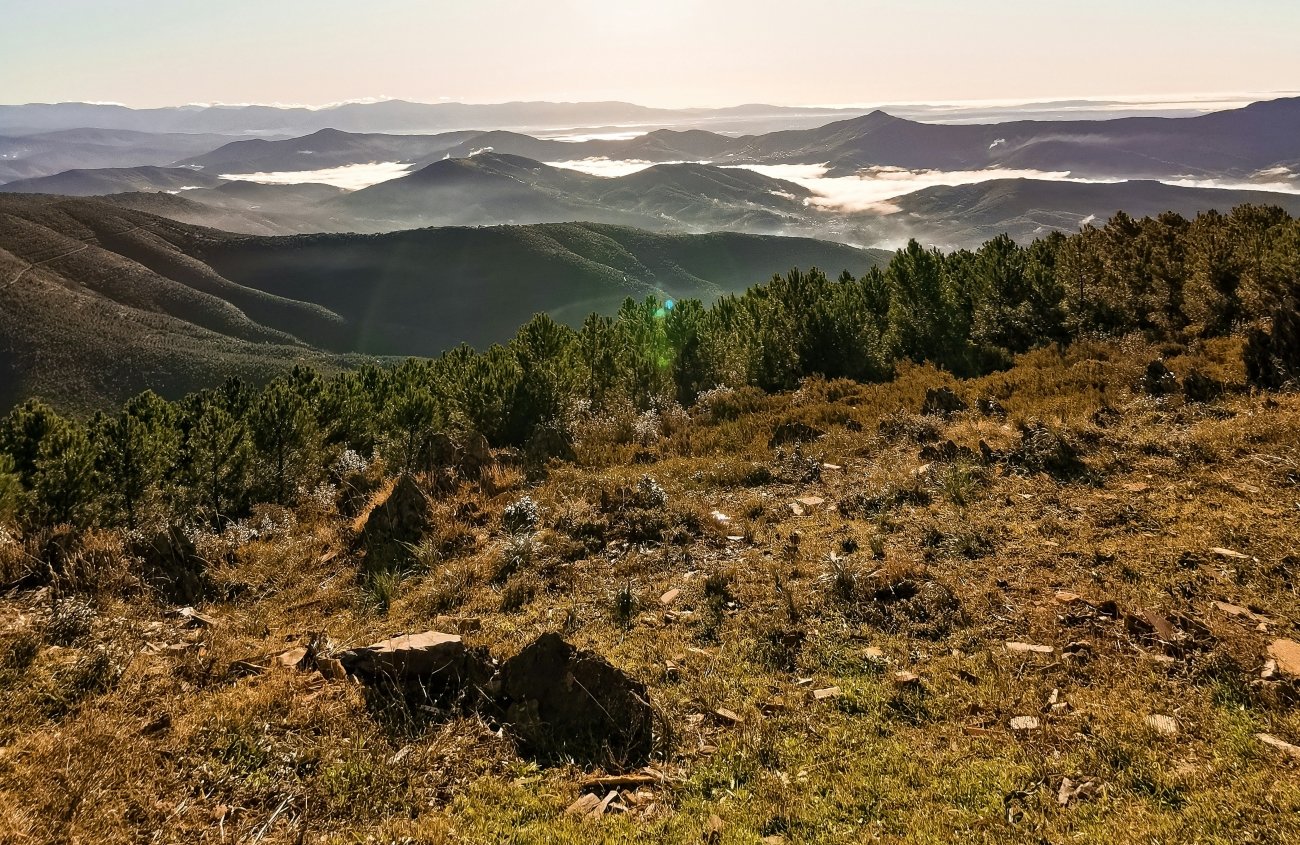
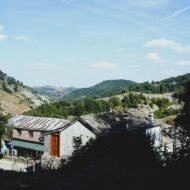
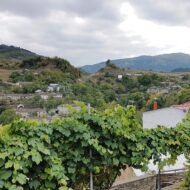
For centuries, Las Hurdes was the most isolated corner of Spain. Its people lived in tiny hamlets, called alquerías, scattered across steep, slate-covered valleys where little would grow. Their houses were built of dark slate, low and windowless, so close to the hillside that from a distance they almost disappeared. The poverty here became so famous that King Alfonso XIII came to see it for himself in 1922, and the filmmaker Luis Buñuel made Las Hurdes the subject of his 1933 documentary Land Without Bread.
That story has changed. Roads, schools and new houses arrived in the decades that followed, and many families left. But the old alquerías are still there: slate villages like El Gasco and Riomalo de Arriba, terraces of olives and chestnuts, beehives on the slopes, and paths that link one hamlet to the next as they always did. Today Las Hurdes is a place of quiet walks, river pools and some of the darkest skies in inland Spain, and a reminder of how recently rural Europe lived on the edge.
- Go for: the slate hamlets of El Gasco and Riomalo de Arriba, the Meandro del Melero, walks between the alquerías, local honey and olive oil.
- When: spring and autumn; summer is hot.
- Getting there: about 1 hour 30 minutes by car from Salamanca.
→ Read more about Las Hurdes in Five Coordinates Where Europe Goes Silent
2. Dardhë, Albania
40.52° N, 20.83° E · Dardhë, Korçë, south-eastern Albania
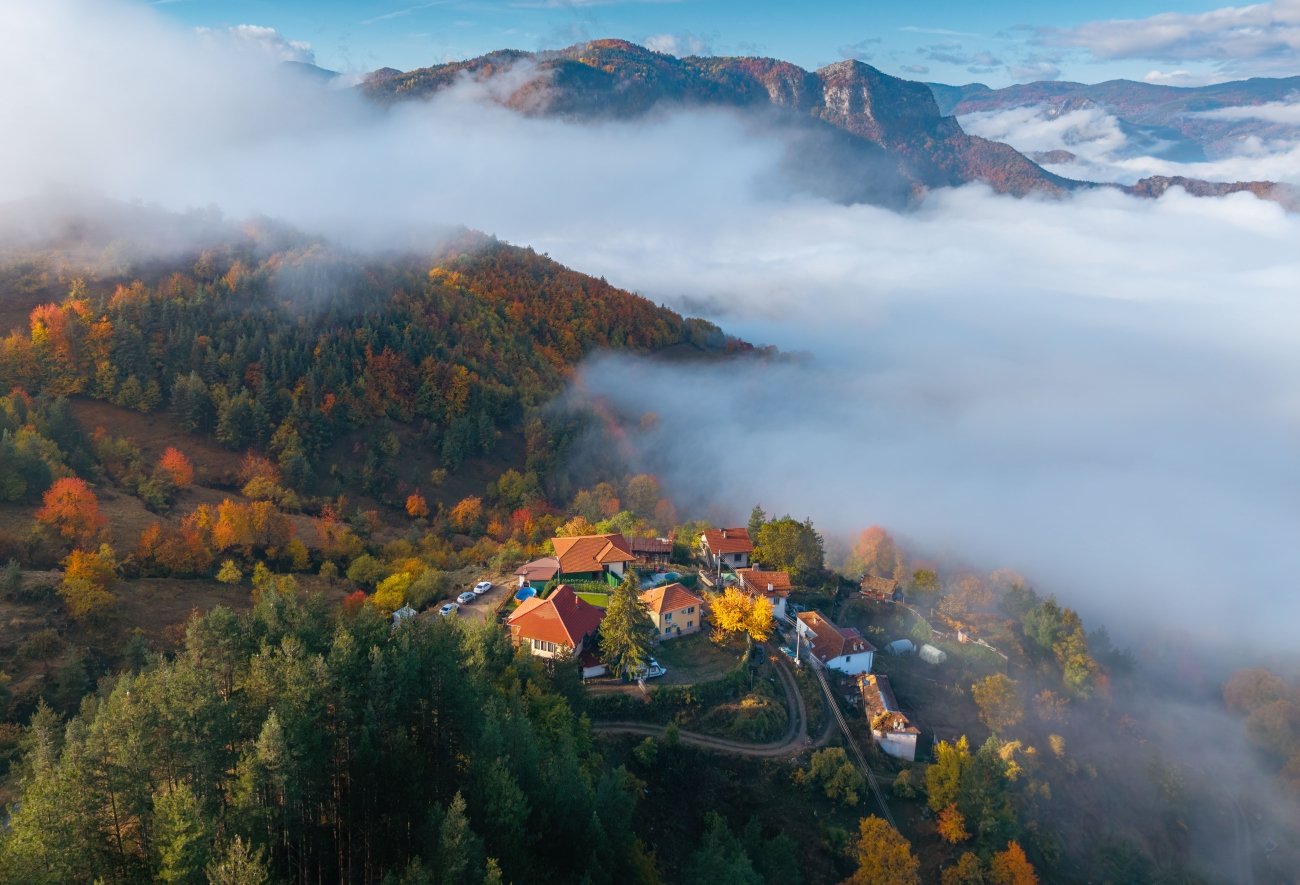
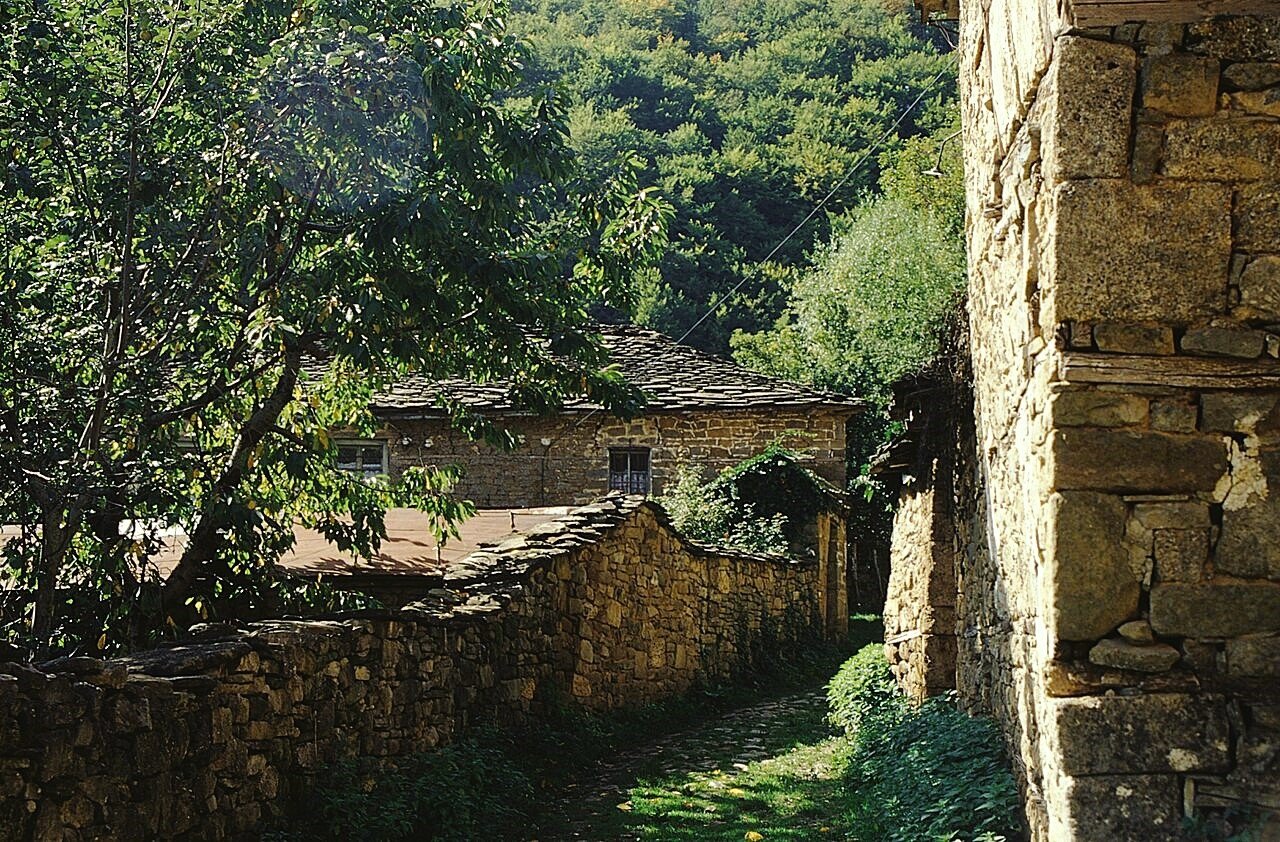
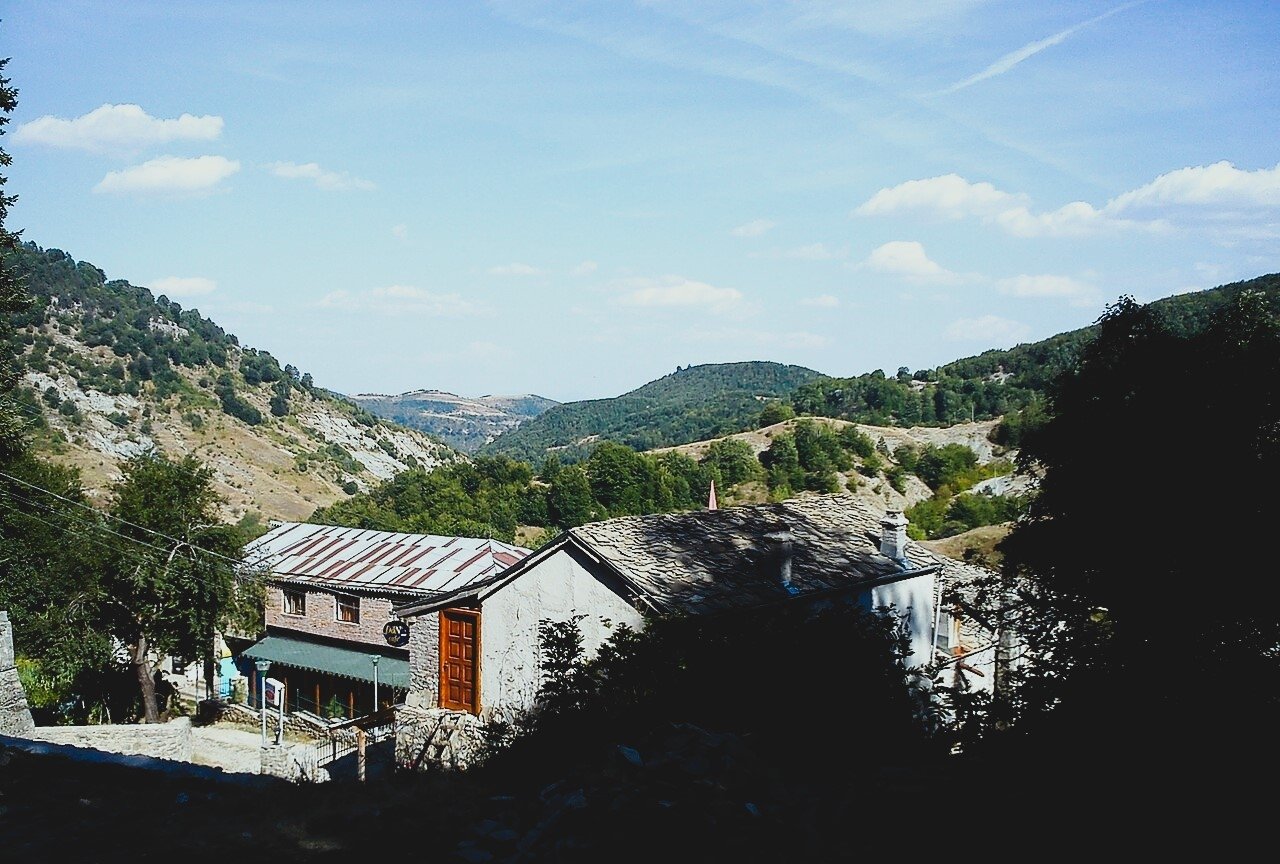
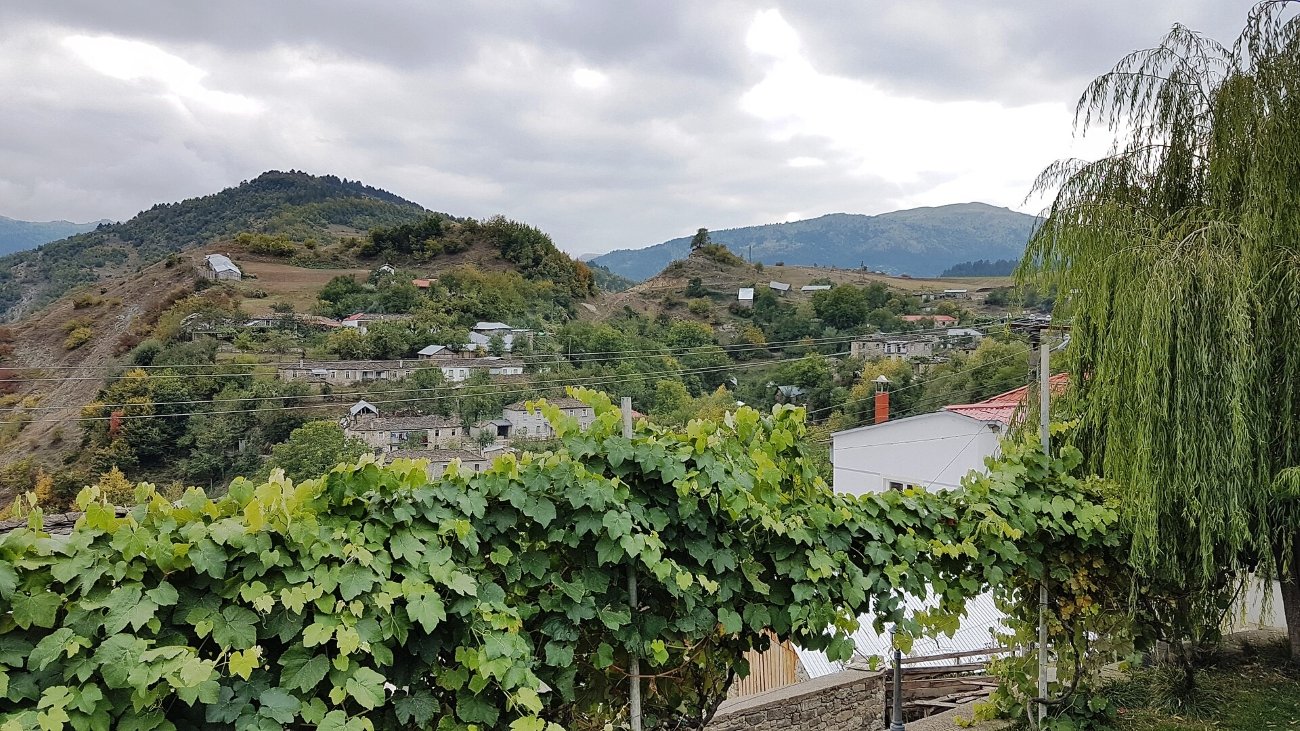
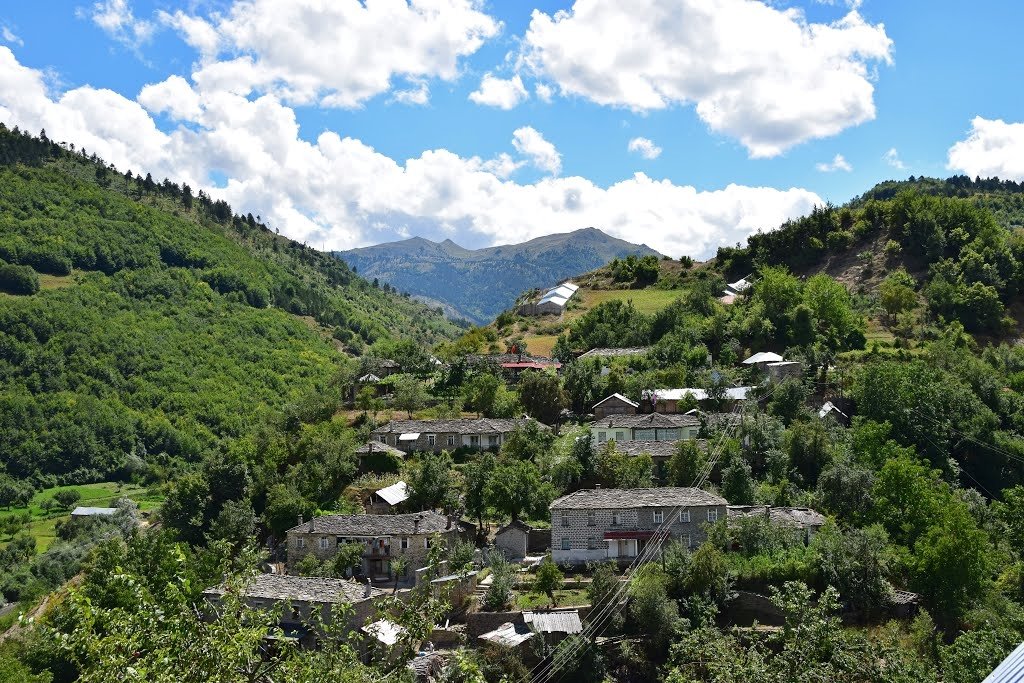
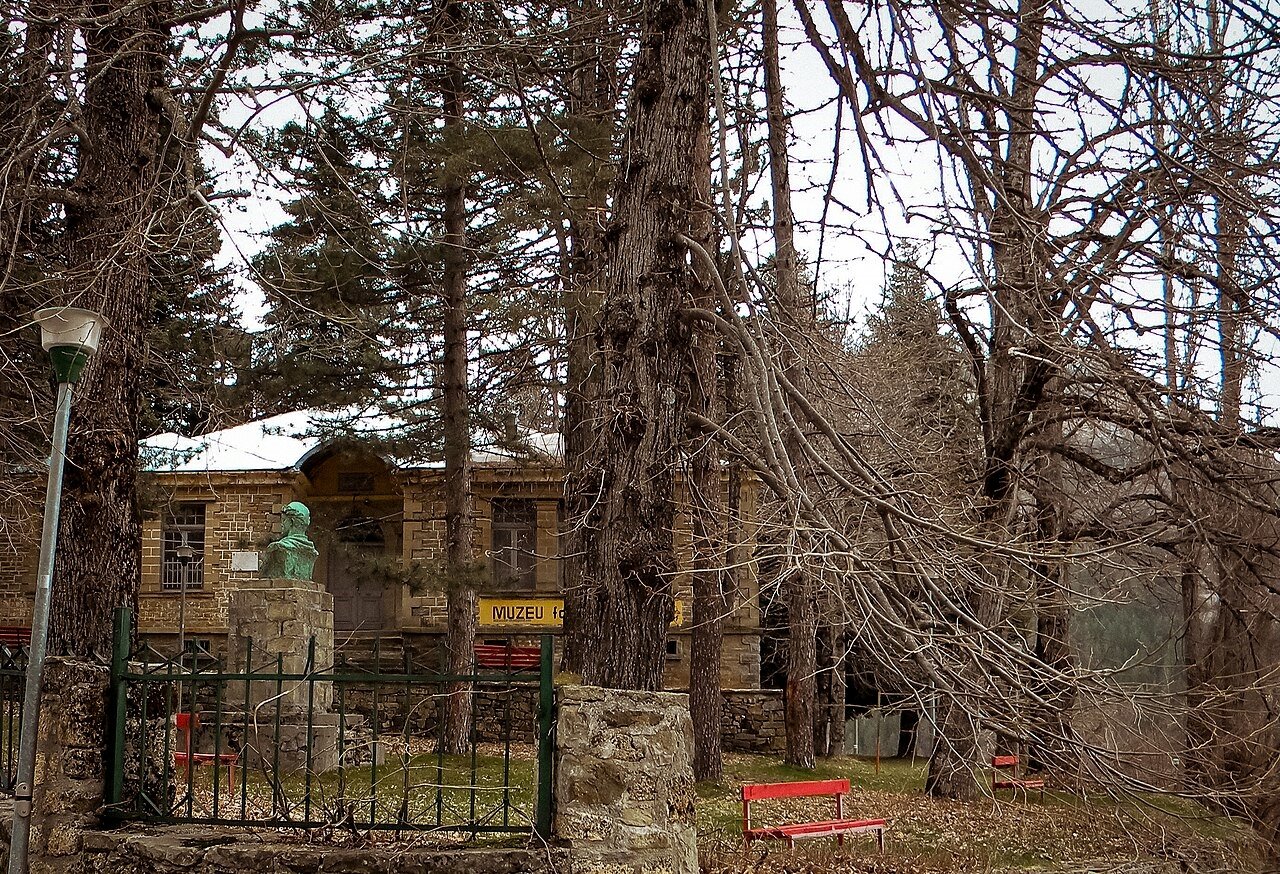
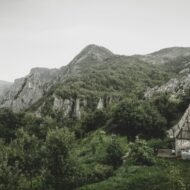
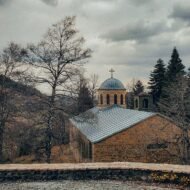
High in the mountains above Korçë, at around 1,250 metres, Dardhë is a village of stone houses with steep roofs, built along a hillside of pine and beech. Its name means “pear” in Albanian. According to local tradition, it was founded by Orthodox Albanians who fled into these mountains after the death of the national hero Skanderbeg in the 15th century.
Dardhë’s story is one of departure and return. Its people left in great numbers: they helped found some of the earliest Albanian communities in the United States and in Romania, and later moved to Tirana, Korçë and Greece. The village had schools long before most of rural Albania, and produced painters, writers, scholars and politicians far beyond its size. In recent years, families have come back to restore the old houses, and Dardhë has become a favourite mountain retreat for Albanians. It has been known for skiing since the 1920s.
- Go for: the stone houses and lanes, walks in the surrounding forests, local food and raki, and the mountain air above Korçë.
- When: summer for walking and cool air; winter for snow; autumn for colour.
- Getting there: about 30 to 40 minutes by car from Korçë, which is about 3 hours from Tirana.
→ Read more: Dardhë / Voskopoja, Albania on Skis: Europe’s Last Frontier Resort
3. Hala Gąsienicowa, Poland
49.24° N, 20.01° E · Tatra National Park, above Zakopane
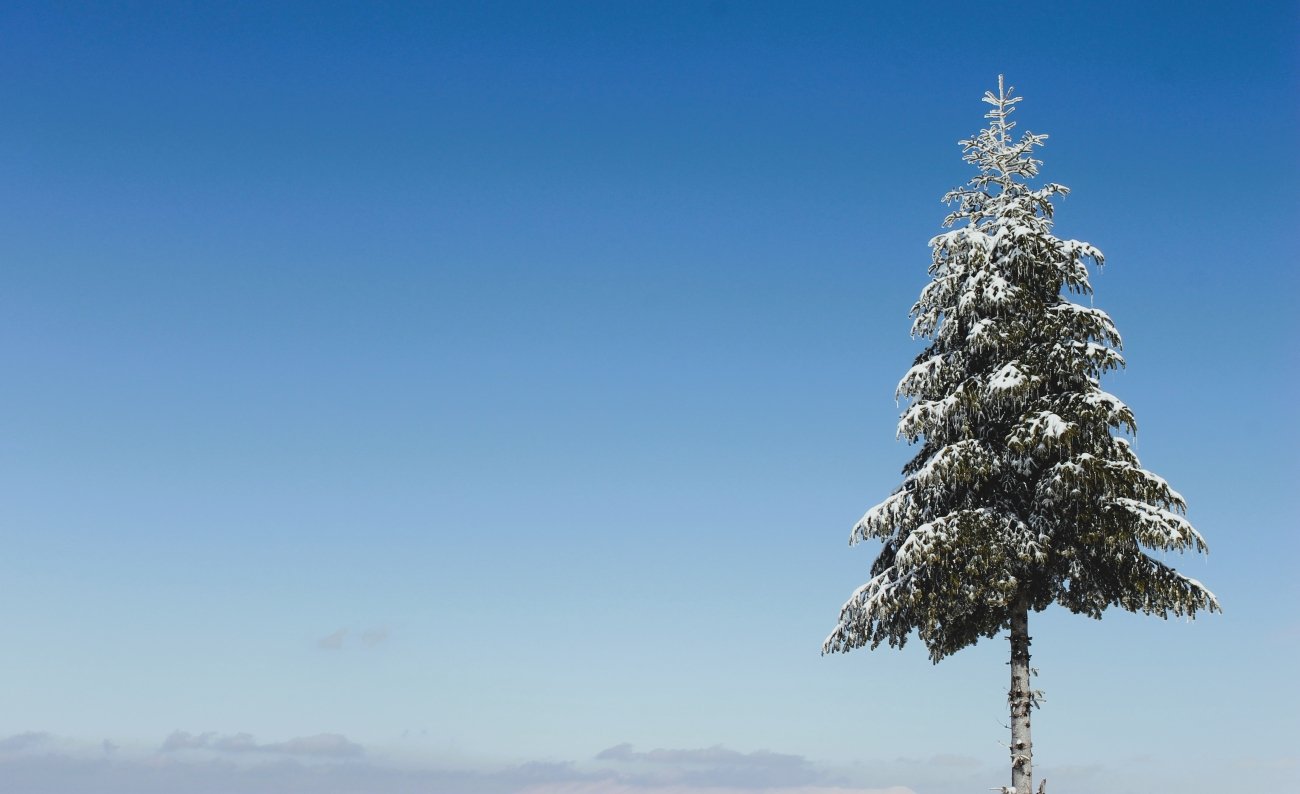
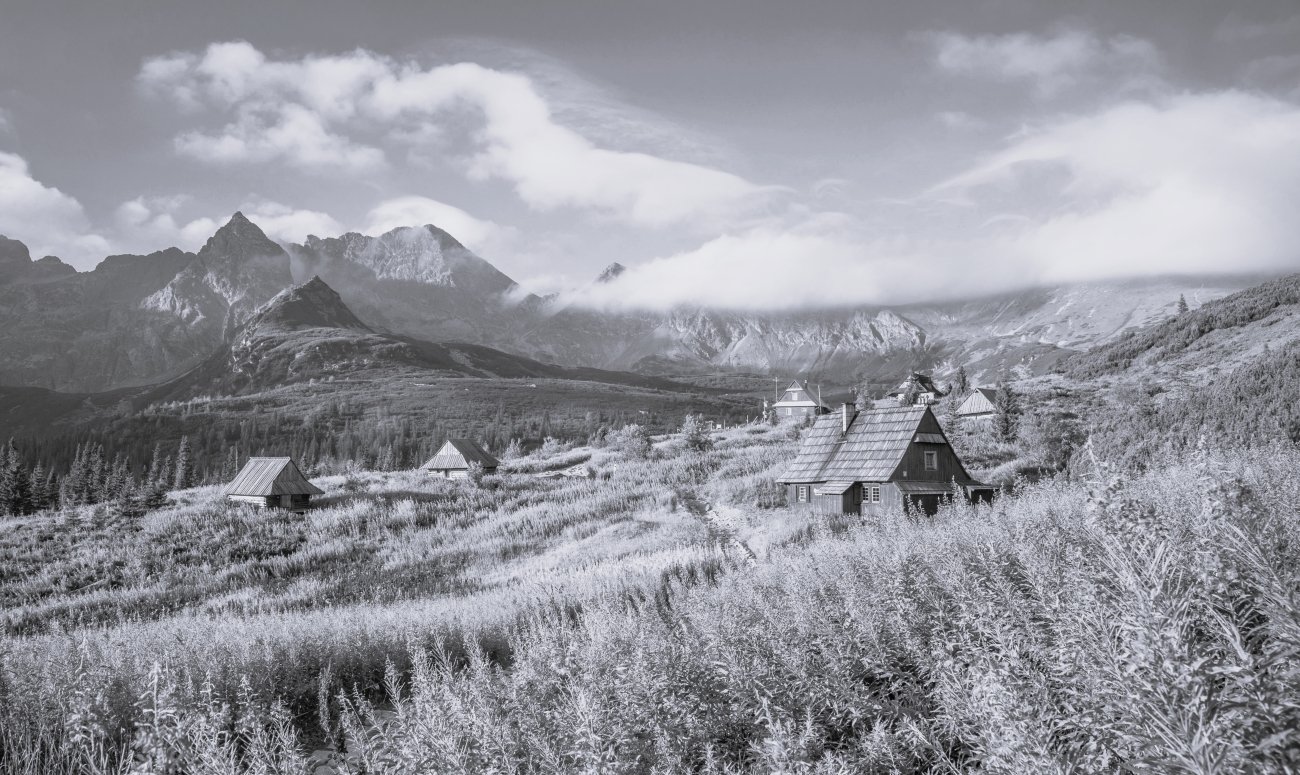
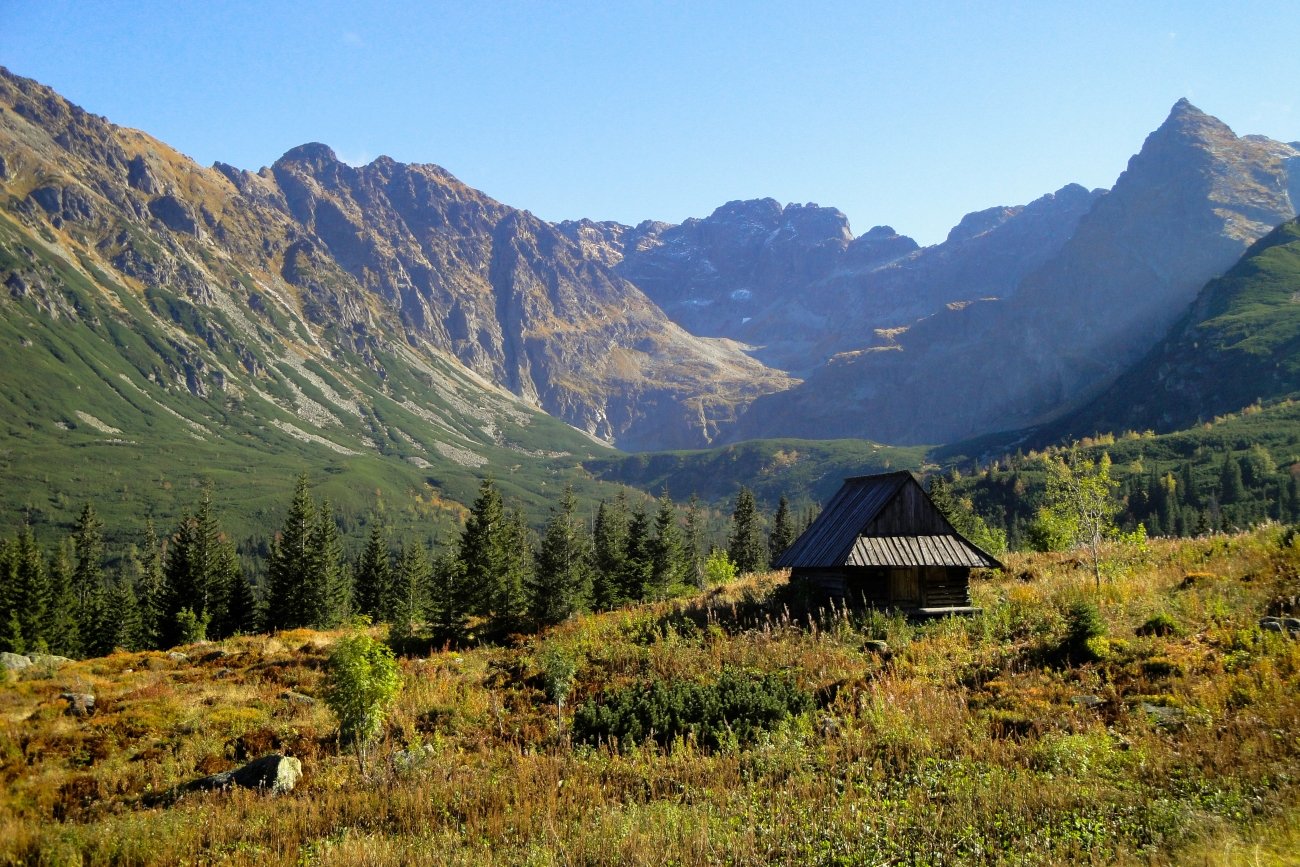
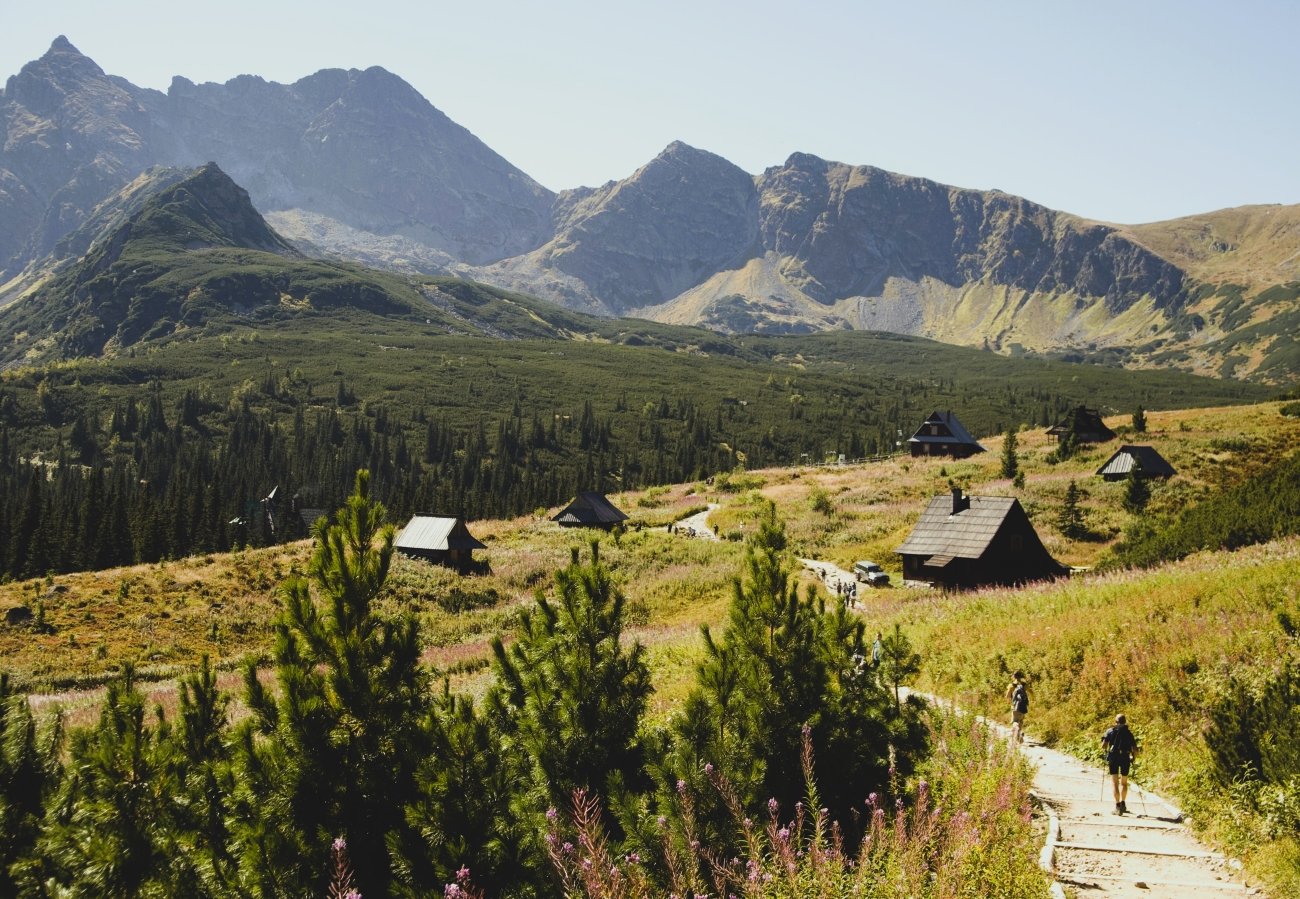
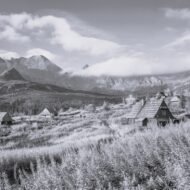
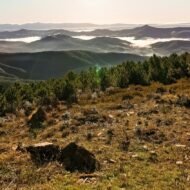
Above Zakopane, in the heart of the Polish Tatras, Hala Gąsienicowa is a wide, high valley of grass, boulders and dwarf pine, scattered with small lakes beneath the granite peaks. Its open meadows look natural, but they are not: for centuries, highland shepherds cleared the dwarf pine to create pasture for their sheep. The valley takes its name from the Gąsienica family, who owned it in the 17th century.
By the 20th century, the pasture was divided among hundreds of highland owners from the villages below; when the state bought it in 1961, it had 381 of them. Then the grazing stopped, and the dwarf pine began to return. Today, old shepherd huts still stand among the meadows, alongside the Murowaniec mountain hut and the station where the first high-mountain weather observations in Polish territory were made, from 1913. It is a landscape shaped entirely by the górale, the highlanders, and their flocks.
- Go for: the walk up from Kuźnice, the old shepherd huts, the lake of Czarny Staw Gąsienicowy, and the views of Kościelec and the high Tatras.
- When: June to October for walking; winter for snow and ski touring (experienced visitors only).
- Getting there: about 2 hours on foot from Kuźnice, on the edge of Zakopane.
→ Read more: Hala Gąsienicowa: The High Tatras Valley Worth the Climb
4. The Katuns of Durmitor, Montenegro
43.15° N, 19.08° E · Durmitor, around Žabljak, northern Montenegro
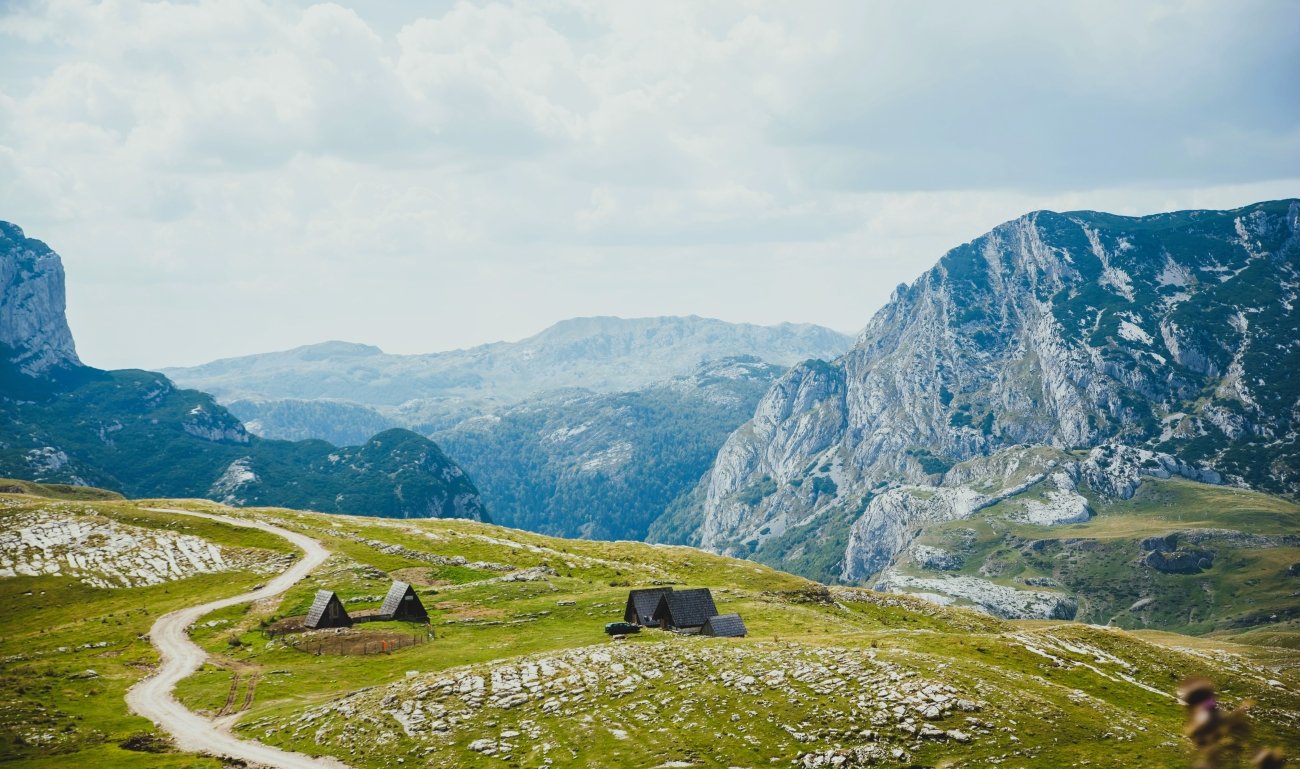
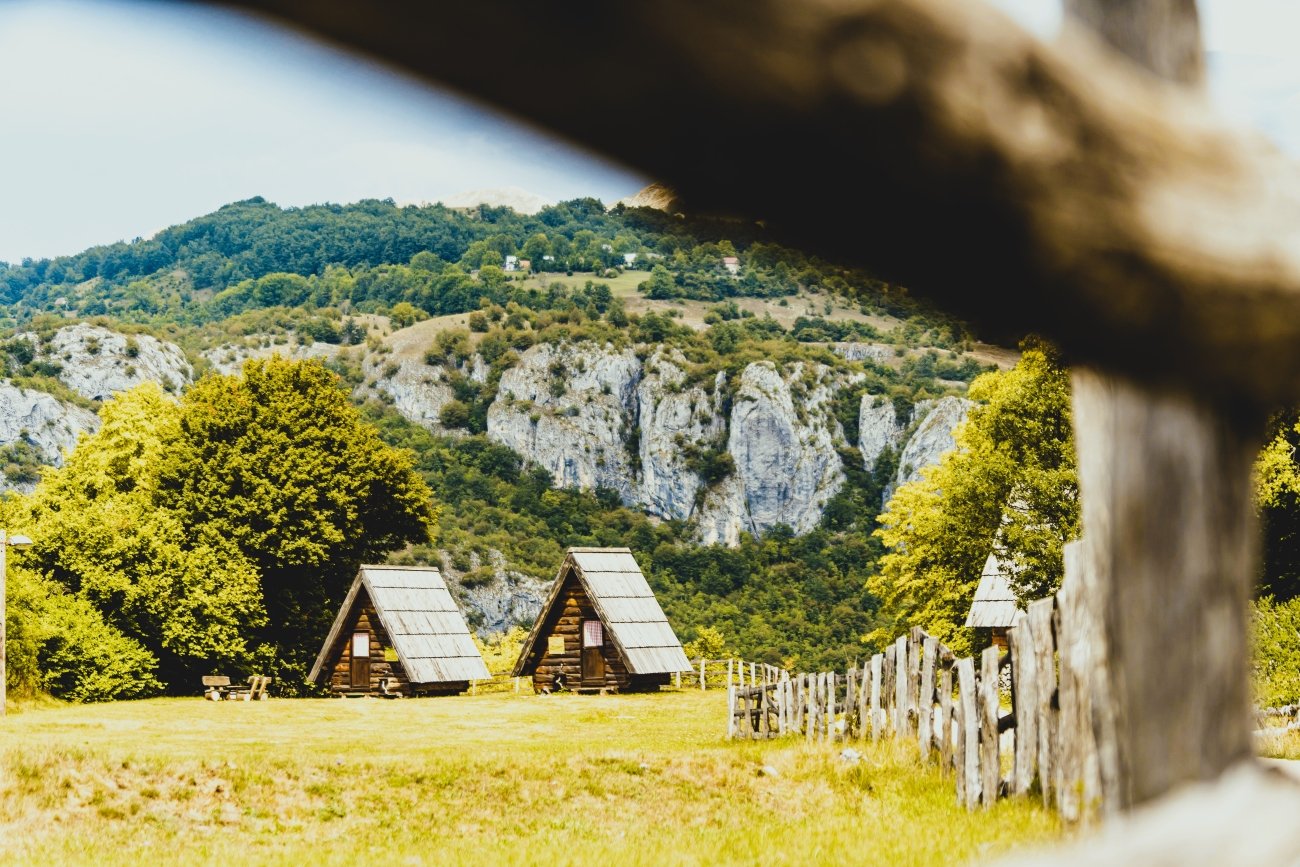
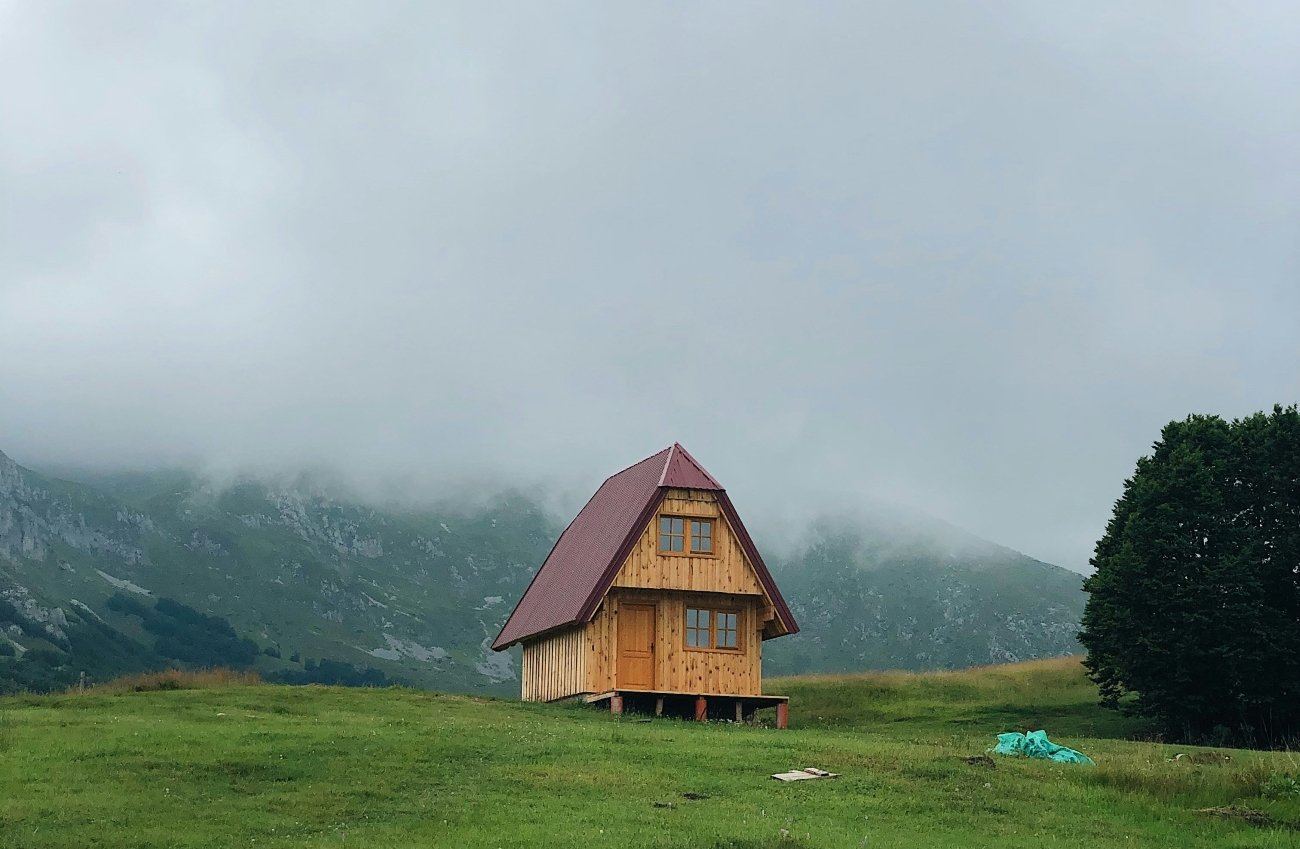
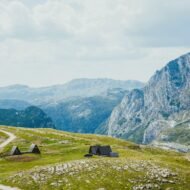
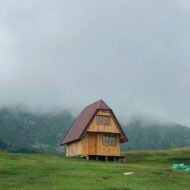
Every spring, for centuries, families from the villages of northern Montenegro drove their sheep and cattle up into the mountains and lived there until the first snow. Their summer settlements are called katuns: small groups of huts on the high pastures, built of stone on the rocky slopes of Durmitor, of wood where there was forest. A hut was usually a single room, with no floor or windows, heated by a small wood stove.
Life in a katun revolved around milk. Families made cheese, kajmak, a rich clotted cream, and thick yoghurt, and gathered mushrooms and blueberries on the slopes. Today, fewer families go up each year, and many katuns have no electricity or running water. But the tradition continues, and herders are known for their hospitality to walkers who pass by. On the high plateaus of Durmitor, it is still possible to meet a family in its summer huts, and to taste cheese that has never seen a shop.
- Go for: hiking across the Durmitor plateaus, meeting herders in their katuns, fresh kajmak and cheese, the Black Lake and the Tara canyon nearby.
- When: June to September, when the families are up in the mountains.
- Getting there: Žabljak is about 2 hours 30 minutes by car from Podgorica. Ask locally which katuns are still active and welcome visitors.
→ Read more: Durmitor National Park · in winter, Durmitor Ski Resort
5. Peneda-Gerês, Portugal
42.03° N, 8.16° W · Castro Laboreiro, Peneda-Gerês National Park, northern Portugal
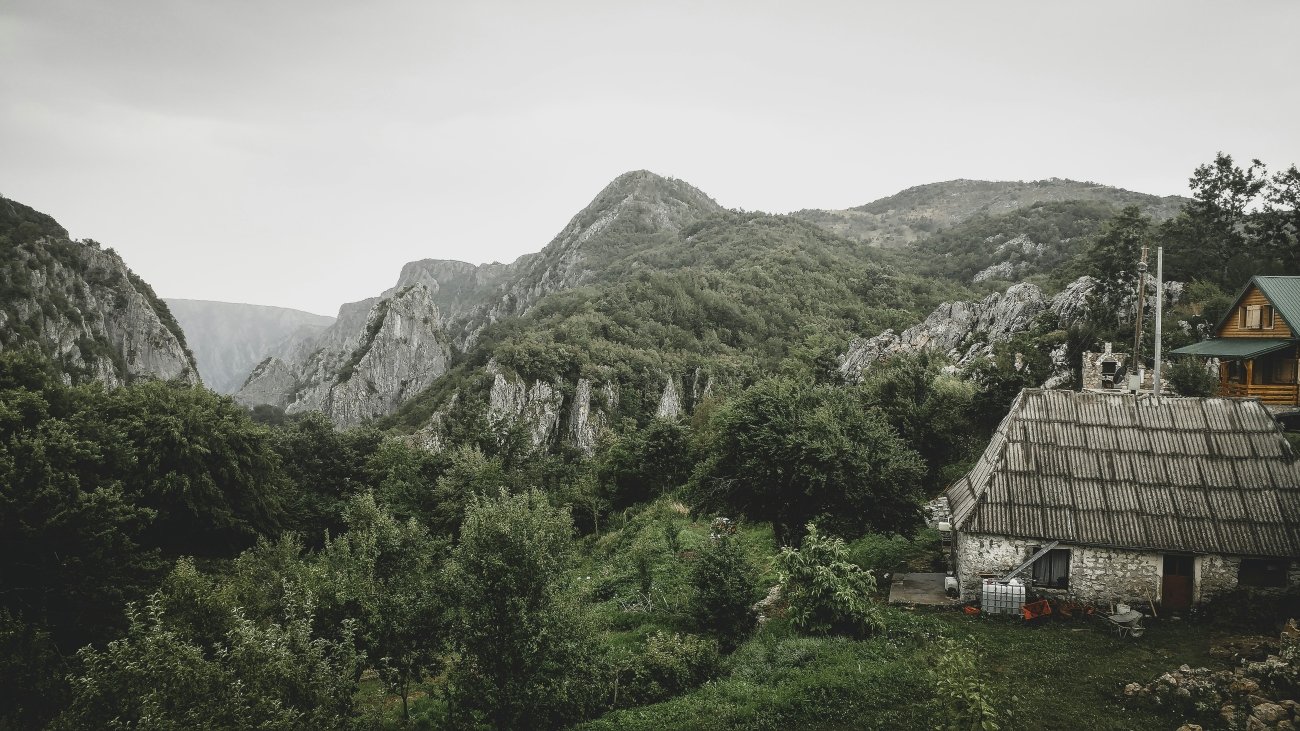
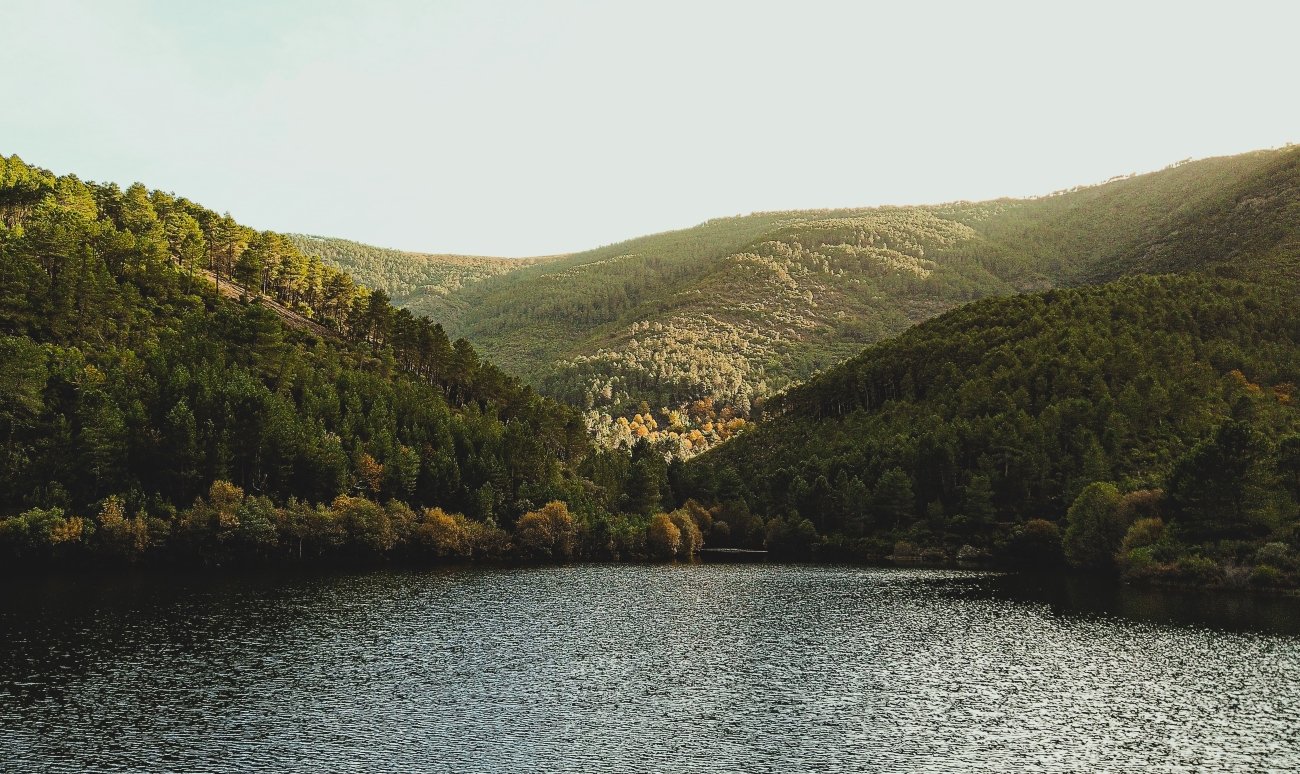
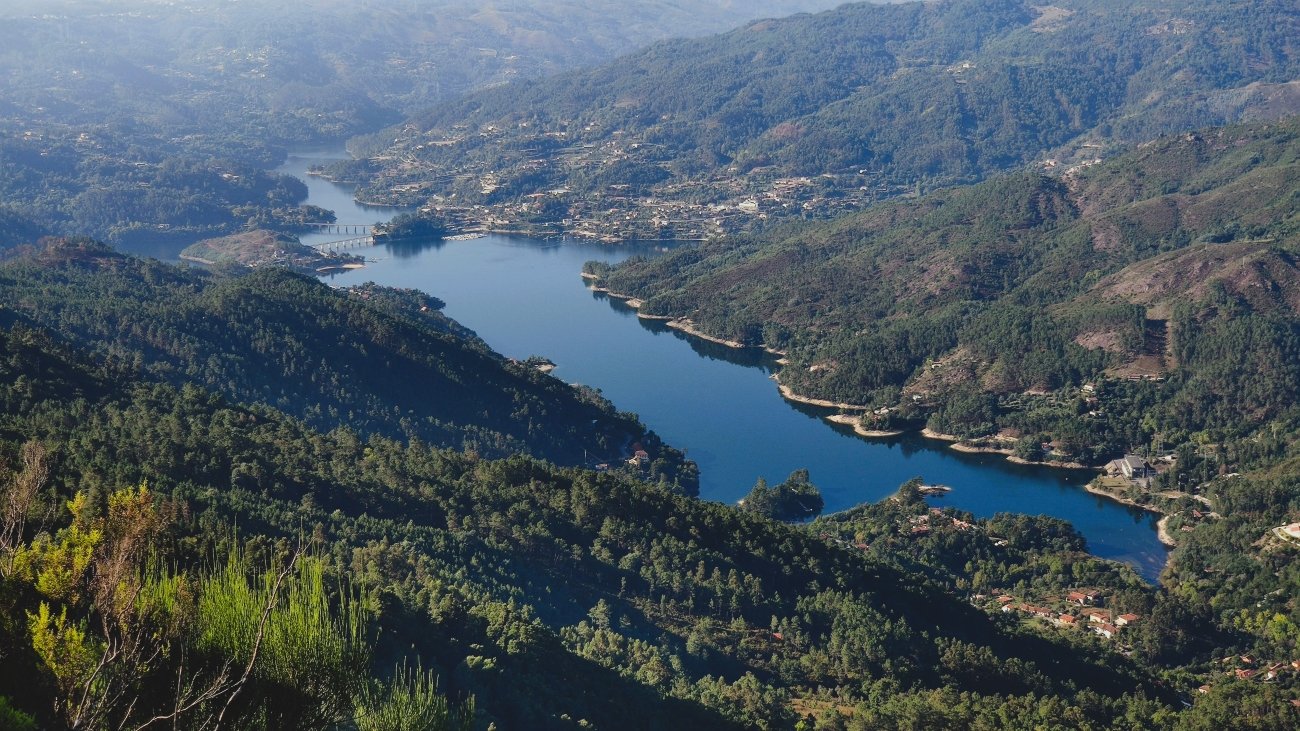
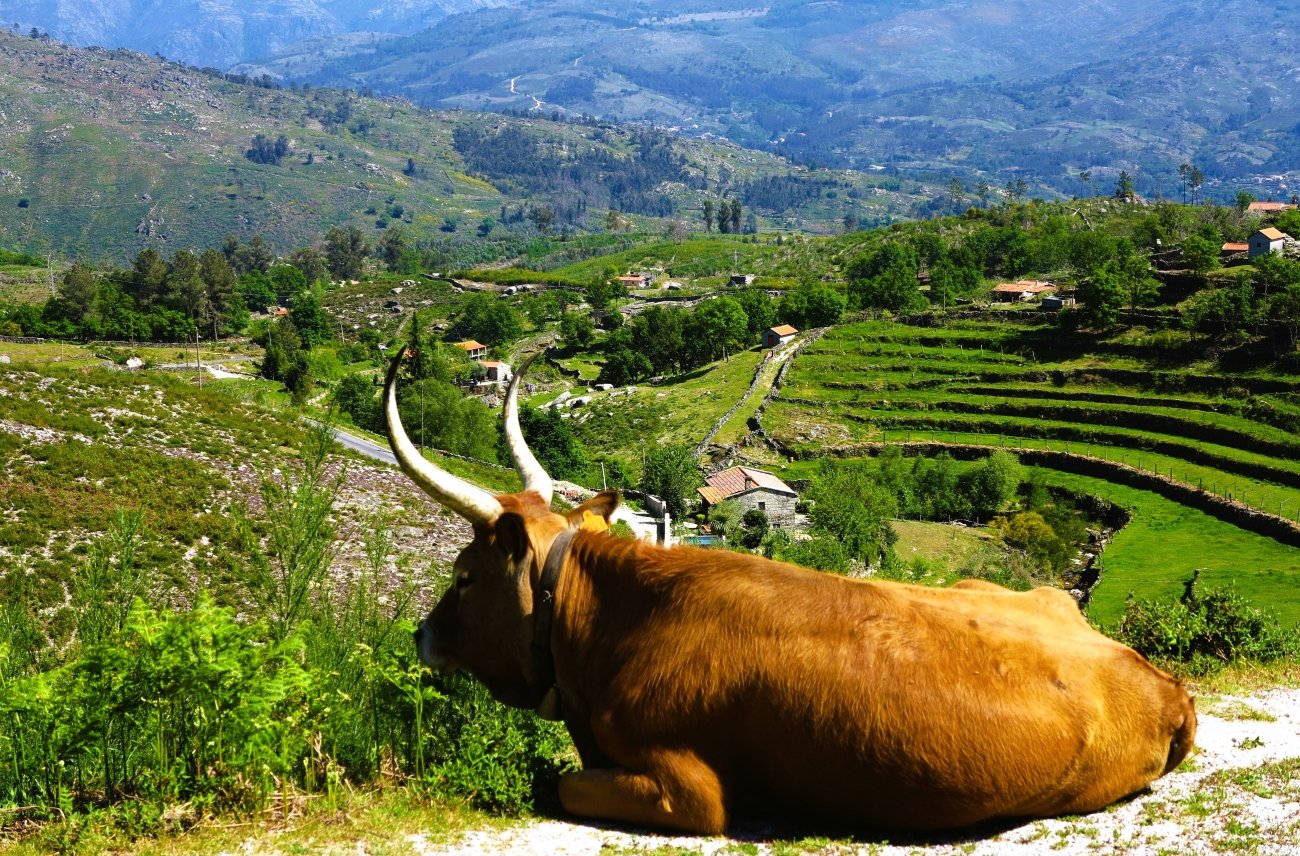
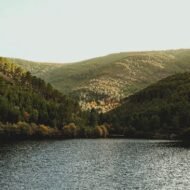
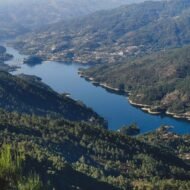
In the far north of Portugal, on the border with Galicia, Peneda-Gerês is the country’s only national park, a land of granite mountains, oak forests, wild Garrano horses and Iberian wolves. Its villages are built of granite too, and some of Europe’s most remarkable communal traditions survived here into living memory.
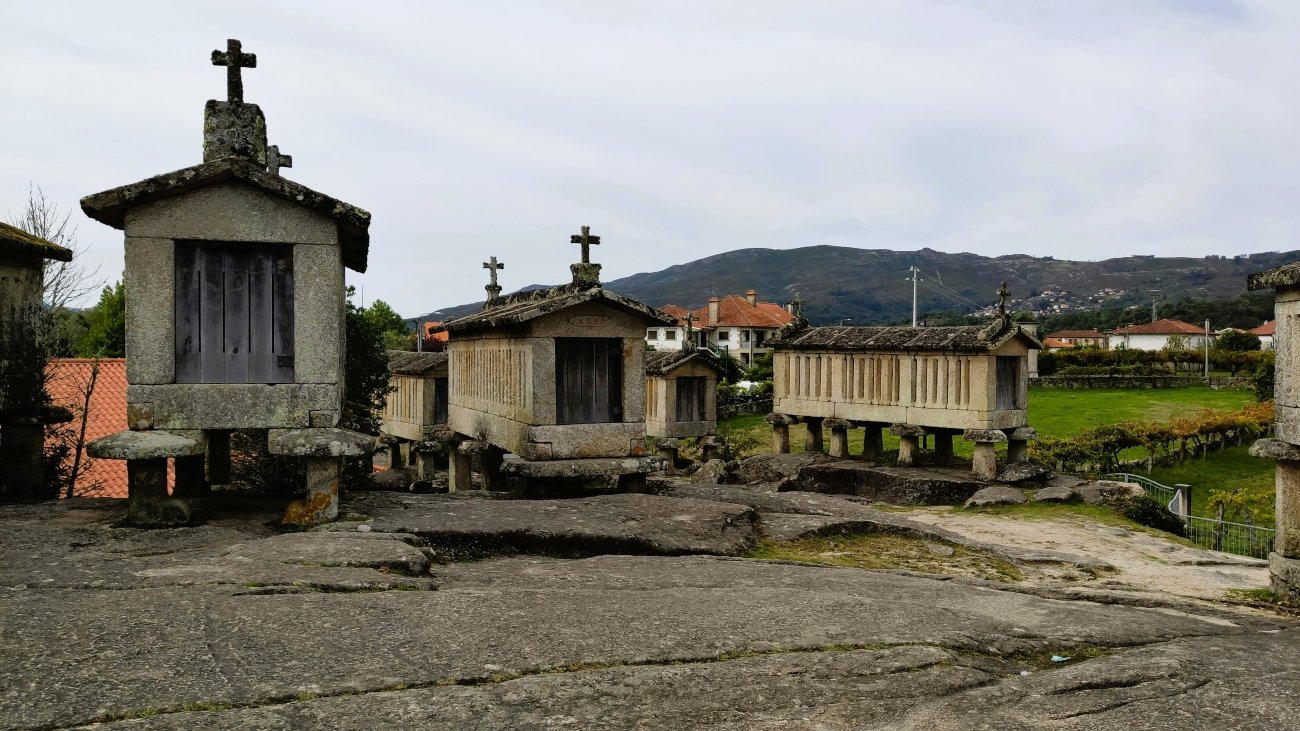
Around Castro Laboreiro, families once lived in two villages: the brandas, high summer villages beside the pastures, and the inverneiras, winter villages lower in the valleys, moving between them with their animals and possessions each year. Elsewhere in the park, villages practised the vezeira, a communal herding system in which households took turns guarding the whole village’s herd on the mountain. In Soajo and Lindoso, groups of granite granaries, the espigueiros, still stand on the threshing floors, raised on stone legs to keep the maize safe from rats and damp.
- Go for: the espigueiros of Soajo and Lindoso, the brandas and inverneiras of Castro Laboreiro, granite villages such as Pitões das Júnias, and walks in the mountains.
- When: spring and autumn for walking; summer for river swimming.
- Getting there: about 1 hour 30 minutes to 2 hours by car from Porto, depending on the area of the park.
→ Read more: Peneda-Gerês National Park
How to visit Europe’s forgotten homelands
- Remember that people live here. Many of these villages and pastures are still homes and working land.
- Ask before photographing people, houses or animals, especially in katuns and small villages.
- Buy local. Cheese, honey, oil and crafts bought directly from families help keep these places alive.
- Stay overnight. A night in a village guesthouse brings more to the community than a day trip.
- Leave gates and pastures as you find them. Animals graze freely in many of these landscapes.
Frequently asked questions
What is a katun? A katun is a summer shepherd settlement in the mountains of Montenegro and the western Balkans, where families take their livestock to graze from spring until the first snow.
Why was Las Hurdes called a “land without bread”? Because of its extreme poverty and isolation. The name comes from Luis Buñuel’s 1933 documentary Las Hurdes: Tierra sin pan.
What are espigueiros? Raised granite granaries found in northern Portugal and Galicia, used to dry and store maize. The largest groups are in Soajo and Lindoso, in Peneda-Gerês.
Is Peneda-Gerês Portugal’s only national park? Yes. Peneda-Gerês, created in 1971, is the only national park in Portugal.
Beyond the map
These homelands were never on the map of Europe’s great events. They were places where people simply tried to survive: sharing land, following their animals, building with what the mountain gave them. Their ways are fading, but they have not vanished. Walk up to a katun, sleep in a stone house in Dardhë, stand among the espigueiros of Soajo at dusk, and you can still hear the echo.
Read next: Where Europe’s Folk Culture Still Lives · Five Coordinates Where Europe Goes Silent
Carry the journey with you: Beyond the Map Field Guides
Overland & Campervan in the Balkans — The Beyond the Map Road Guide Dardhë, Durmitor and the mountain villages of the Balkans, by road and at your own pace.
Hidden Europe — The Beyond the Map Map Every place in this article, and hundreds more, on one map of the Europe most travellers never see.
Explore more: Terra Incognita · Living Traditions · The Village Collection