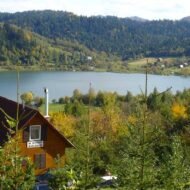


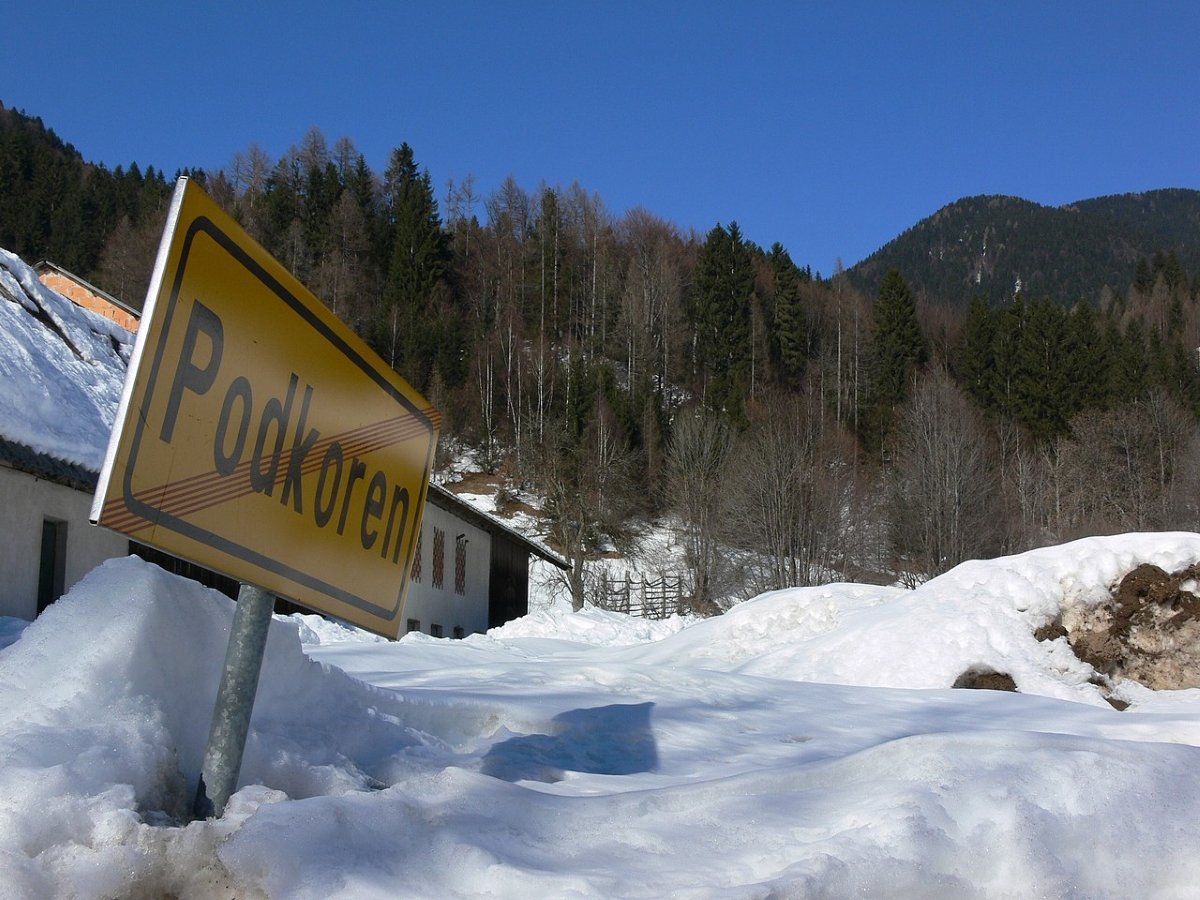
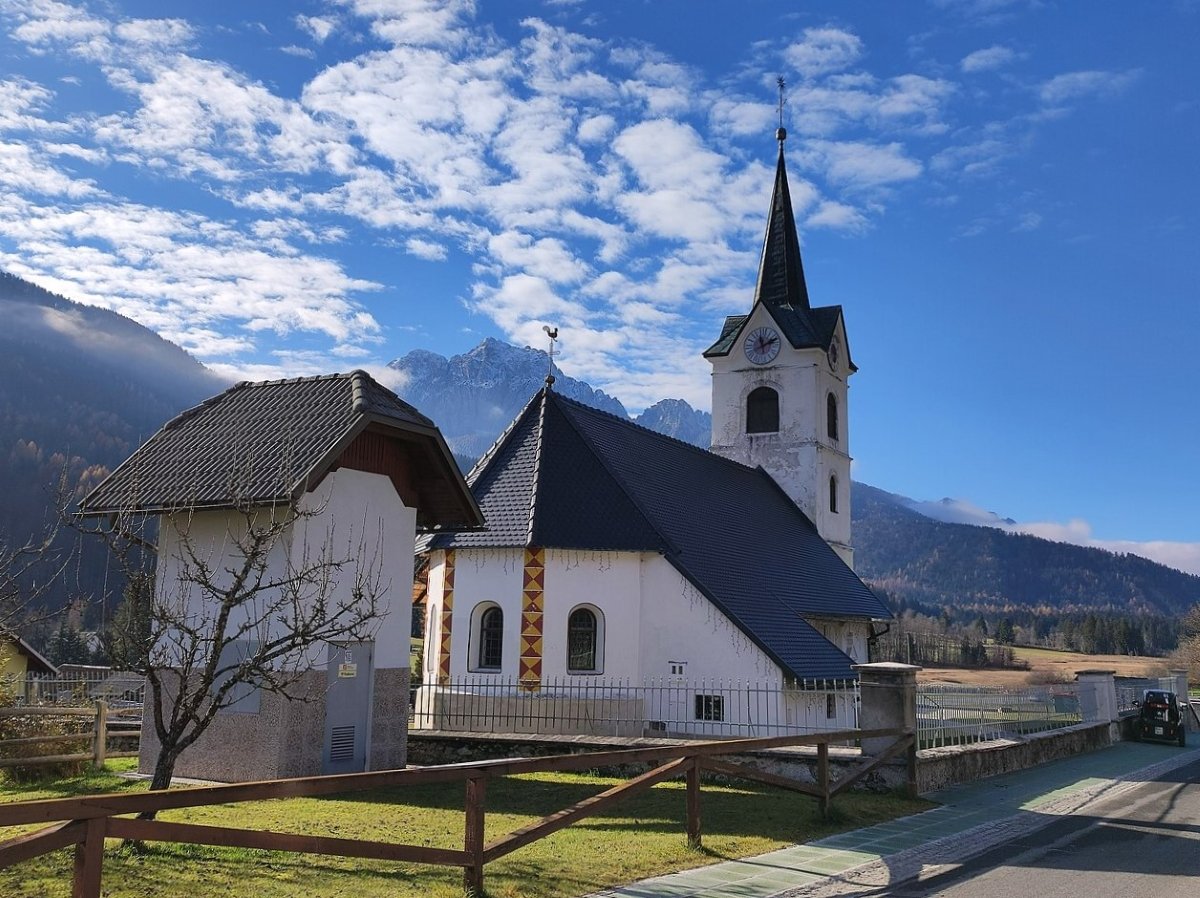

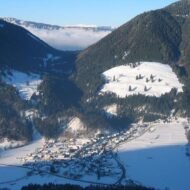
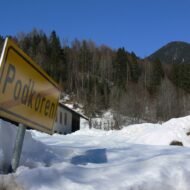
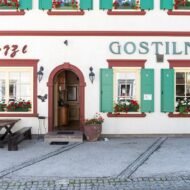
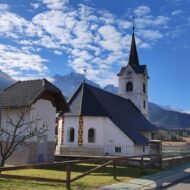
Podkoren is a ridiculously charming alpine village in Slovenia’s Julian Alps, sitting right on the Italian border. Think dramatic mountain views, zero crowds, authentic Slovenian vibes, and easy access to skiing, hiking, and Lake Bled. It’s the perfect base for exploring northwest Slovenia without the tourist chaos of more famous spots.
- What Makes Podkoren Special?
- Getting There (It’s Easier Than You Think)
- When to Visit: Timing Is Everything
- Where to Stay: From Cozy Guesthouses to Alpine Apartments
- What to Actually Do in and Around Podkoren
- Hiking That’ll Make Your Instagram Followers Jealous
- Skiing and Winter Sports
- Cycling Through Alpine Scenery
- Day Trips You Shouldn’t Miss
- Eating and Drinking: Slovenian Mountain Food Done Right
- Practical Stuff Nobody Tells You
- Who Is Podkoren Really For?
- The Bottom Line
Look, I’m going to level with you. When most travelers think of Slovenia, they picture Lake Bled’s island church or Ljubljana’s riverside cafés. But if you’re willing to venture just a bit further into the Julian Alps, you’ll discover villages that feel like they’ve been plucked straight from a fairy tale, minus the Instagram hordes. Podkoren is one of those places.
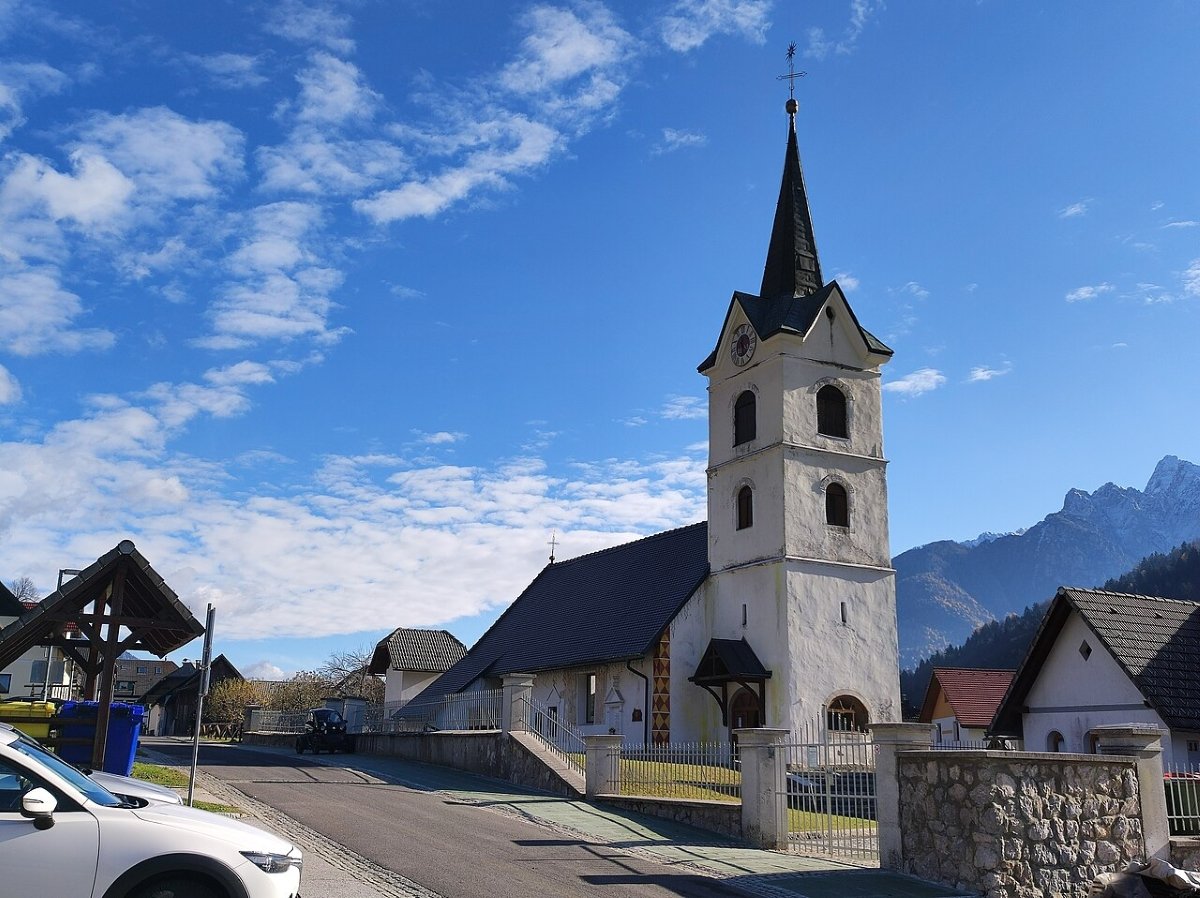
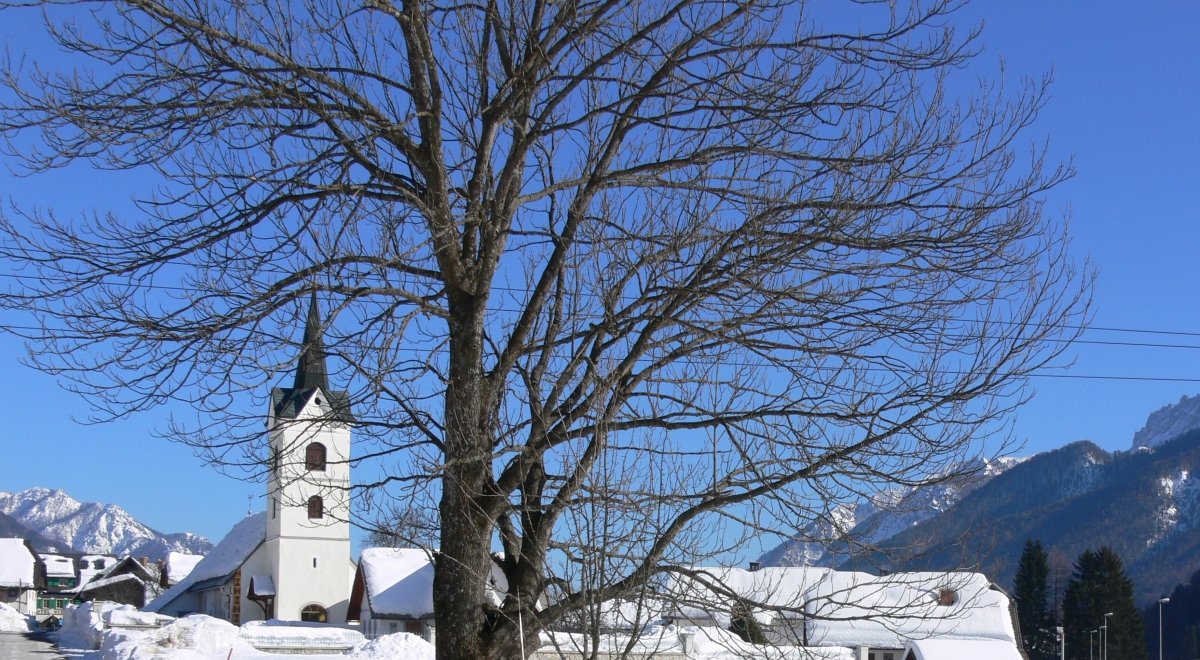
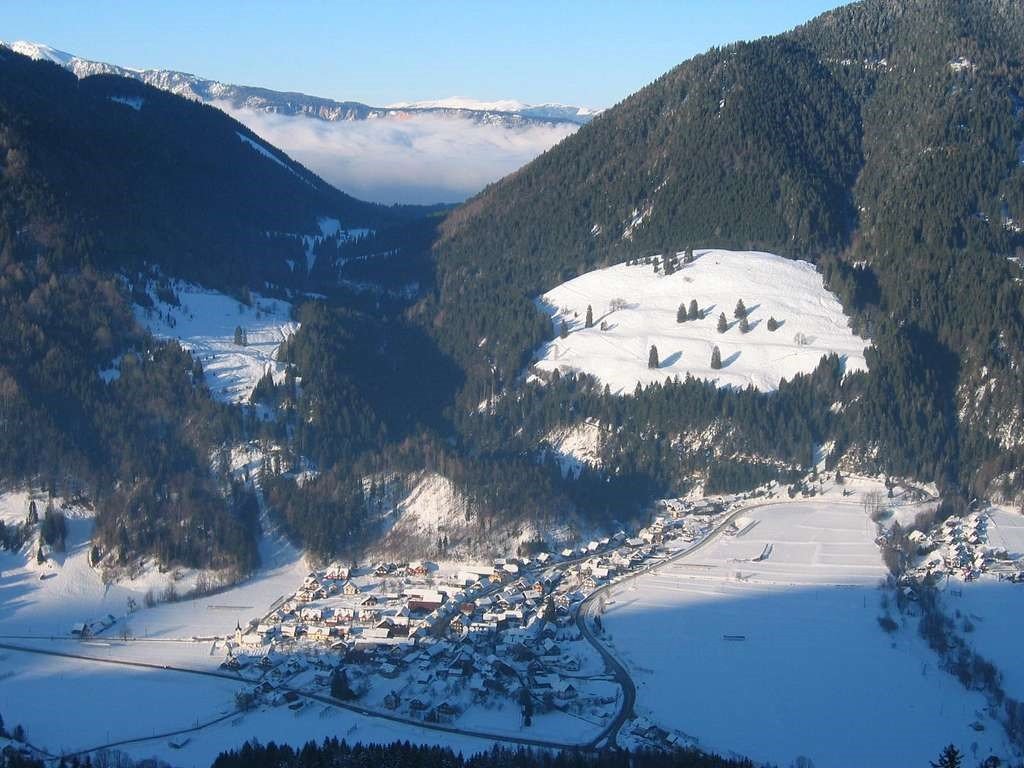
Nestled in the Municipality of Kranjska Gora in Upper Carniola, this tiny village of barely 100 souls sits at an elevation where the air tastes crisp and the mountain peaks seem close enough to touch. It’s the kind of place where locals still wave at passing cars, where church bells mark the rhythm of the day, and where you can actually hear yourself think.
What Makes Podkoren Special?
Fair question. Slovenia has no shortage of beautiful villages, so what makes this one special?
For starters, Podkoren occupies prime real estate in one of Europe’s most stunning yet underrated mountain regions. You’re literally minutes from the Italian border at Rateče, surrounded by the Karawanks mountain range to the north and the Julian Alps to the south. The village sits along the road connecting Kranjska Gora to the Planica Nordic Centre, meaning you get mountain resort amenities without the mountain resort prices or crowds.
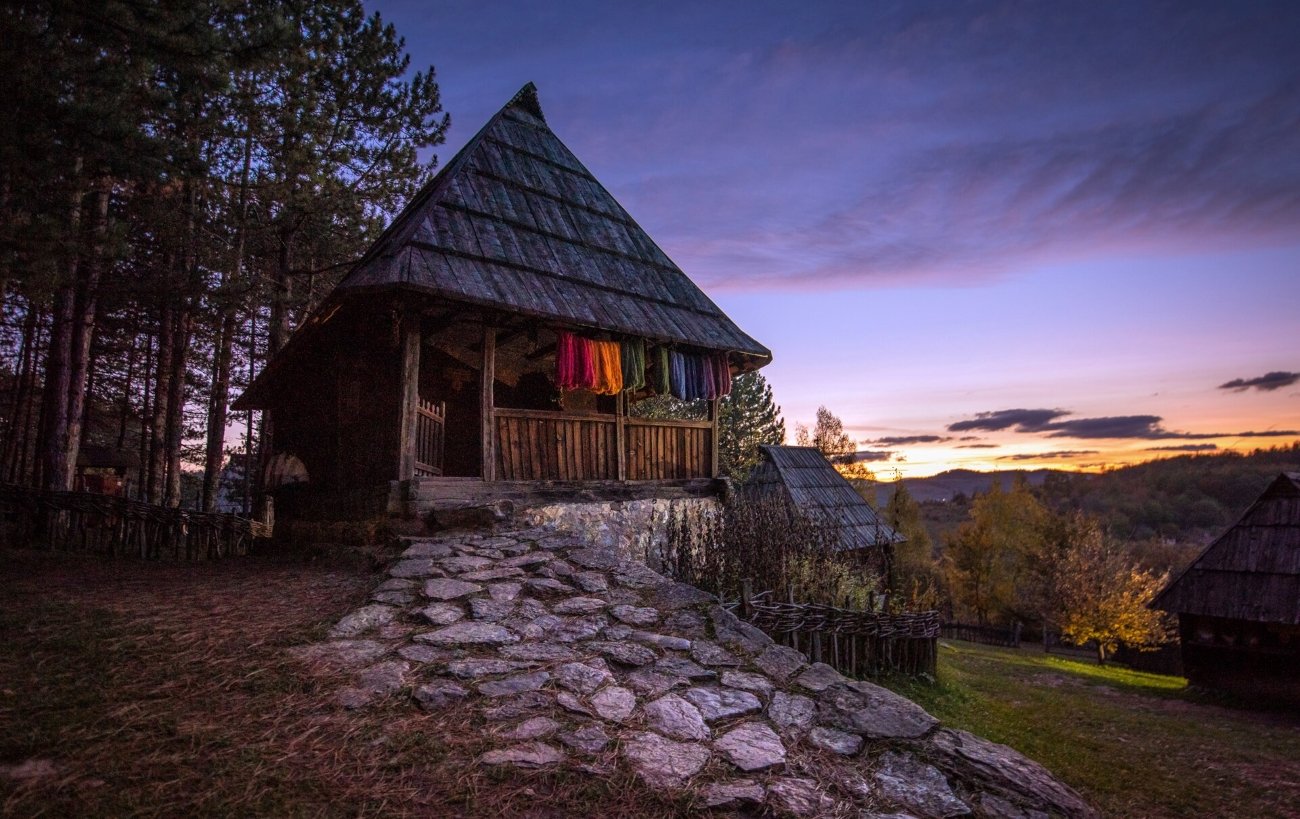
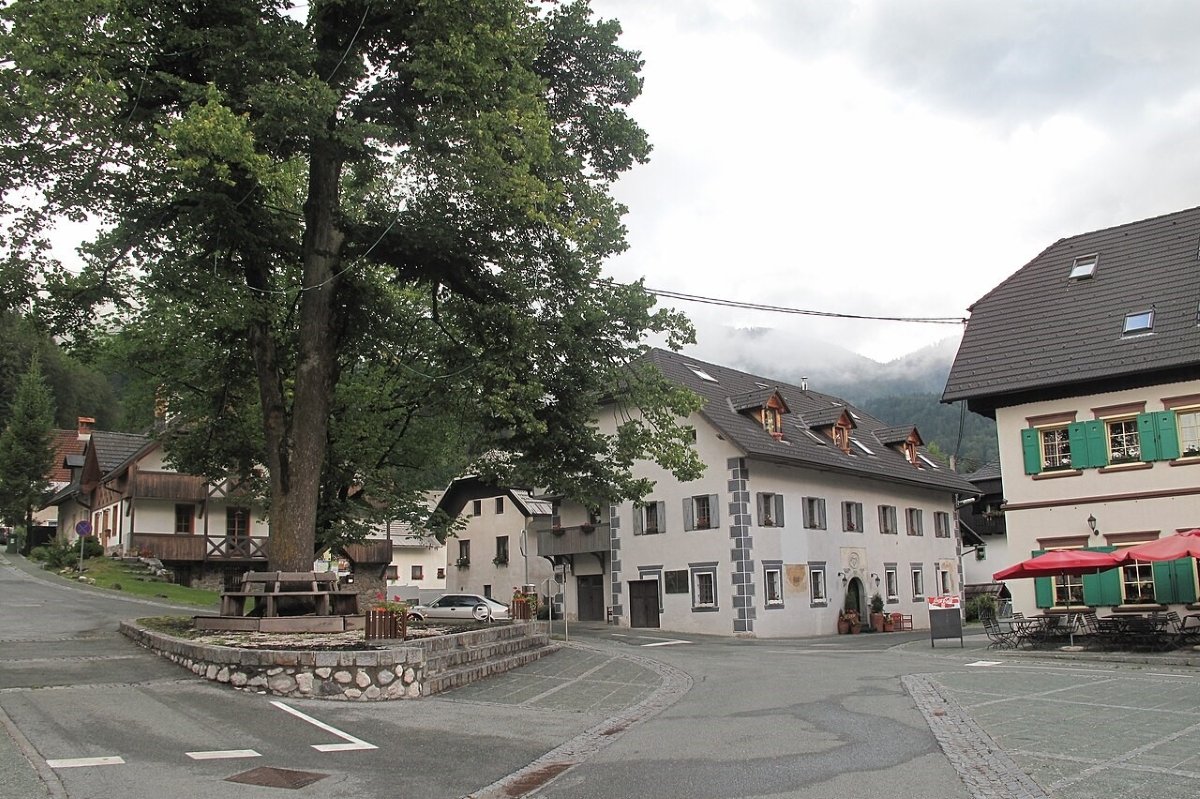
But here’s what really sets Podkoren apart: it’s remained authentically Slovenian. While nearby Kranjska Gora has evolved into a full-fledged ski resort town, Podkoren has kept its agricultural roots and traditional character. You’ll see working farms, historic wooden hay racks called “kozolci,” and architecture that hasn’t been Disneyfied for tourists. It’s real, it’s lived-in, and that’s increasingly rare in the Alps.
Getting There (It’s Easier Than You Think)
Podkoren might feel remote, but it’s surprisingly accessible. The village is roughly 80 kilometers from Ljubljana, Slovenia’s capital, making it a comfortable 90-minute drive through increasingly spectacular scenery. If you’re flying into Ljubljana Jože Pučnik Airport, you can rent a car and be in Podkoren before lunch.
Coming from elsewhere in Europe? You’ve got options. The village is about 90 kilometers from Klagenfurt, Austria, and roughly 150 kilometers from Trieste, Italy. Many visitors combine trips to all three countries since you’re right at the tri-border area.
Public transportation exists but requires some patience. Buses run from Ljubljana to Kranjska Gora, and from there you can catch a local bus or arrange a short taxi ride to Podkoren. That said, having your own wheels opens up the region dramatically, letting you explore mountain passes, hidden valleys, and neighboring villages at your own pace.
When to Visit: Timing Is Everything
Podkoren genuinely works year-round, but the experience changes dramatically with the seasons.
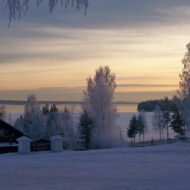
Winter (December-March) transforms the area into a snowy wonderland. The nearby Kranjska Gora ski resort offers excellent slopes for all abilities, while the Planica Nordic Centre becomes a cross-country skiing paradise. Expect proper Alpine winter conditions with temperatures often below freezing and reliable snow cover. This is high season, so book accommodations ahead.
Spring (April-May) brings wildflower meadows and rushing waterfalls as snowmelt feeds every stream and river. The weather can be unpredictable, but you’ll have trails largely to yourself. Locals consider this shoulder season, meaning better rates and availability.
Summer (June-September) is hiking heaven. Temperatures hover comfortably in the 20s Celsius (70s Fahrenheit), perfect for mountain adventures. July and August see the most visitors, but “crowded” here still means peaceful compared to Western European alpine destinations. This is also when mountain huts are fully operational and high-altitude trails become accessible.
Autumn (October-November) delivers spectacular foliage and mushroom foraging season. The mountains take on golden and rust tones, and there’s something magical about crisp autumn air in the Alps. Just be prepared for earlier sunsets and the possibility of early snow at higher elevations.
Where to Stay: From Cozy Guesthouses to Alpine Apartments
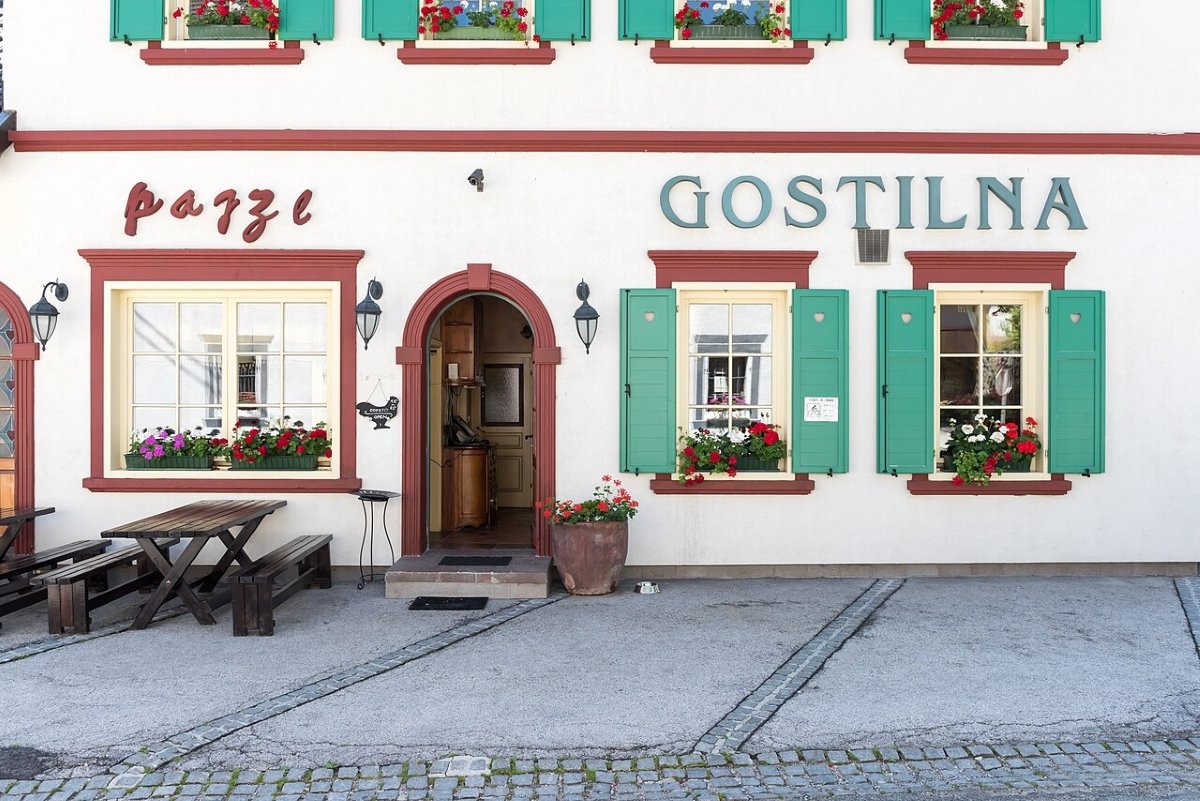
Podkoren isn’t overflowing with accommodation options, which is part of its charm. What you will find tends toward family-run guesthouses, mountain apartments, and small hotels that prioritize hospitality over star ratings.
Traditional alpine guesthouses here often include breakfast featuring local products, from farm-fresh eggs to homemade bread and jams. Many hosts can arrange packed lunches for hiking days and genuinely enjoy sharing recommendations about the area. Don’t expect luxury spa facilities, but do expect warmth, cleanliness, and authentic character.
Self-catering apartments are popular with families and longer-staying visitors. These typically come with fully equipped kitchens, letting you shop at local markets and prepare meals at your own pace. This setup works particularly well if you’re traveling with kids or have dietary requirements.
If Podkoren’s limited options don’t align with your needs, nearby Kranjska Gora (just 3 kilometers away) offers everything from budget hostels to upscale hotels. Staying there gives you more choice while keeping Podkoren easily accessible for day visits.
What to Actually Do in and Around Podkoren
Let’s be honest: Podkoren itself is tiny. You can walk through the village center in about 15 minutes. But that’s missing the point entirely. This village serves as your launching pad for some of Slovenia’s best outdoor experiences.
Hiking That’ll Make Your Instagram Followers Jealous
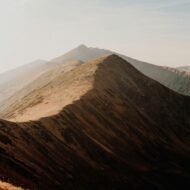
The Julian Alps are laced with trails ranging from gentle valley walks to serious alpine ascents. From Podkoren, you can access routes heading into the Tamar Valley, toward the Prisojnik massif, or up to various mountain huts.
One standout option is hiking toward the Koča na Doliču mountain hut via the Tamar Valley. This takes you through pristine alpine forest, past turquoise mountain streams, and eventually above the treeline where views expand to include Slovenia’s highest peaks. The hut itself serves traditional Slovenian mountain food and offers overnight stays if you want to catch sunrise above the clouds.
For something less intense, the path toward the Planica Valley offers relatively flat walking with stunning mountain backdrops. This area is famous for ski flying, and even in summer, the massive ski jumps create a surreal landscape against the peaks.
Skiing and Winter Sports
When snow blankets the region, options multiply. Kranjska Gora ski resort offers about 20 kilometers of groomed slopes, perfectly suited for intermediate skiers and families. It’s not Chamonix, but that’s exactly the appeal—you’ll actually get multiple runs in without queuing for an hour.
Cross-country enthusiasts should head straight to Planica. The Nordic Centre there maintains an extensive network of trails, and the area regularly hosts World Cup ski jumping and cross-country events. There’s something genuinely thrilling about gliding along the same courses used by Olympic athletes.
Snowshoeing and winter hiking are equally rewarding. Many summer trails remain accessible in winter with proper gear, offering the magical experience of pristine snow-covered forests and mountain silence broken only by your own breathing.
Cycling Through Alpine Scenery
The area has become increasingly popular with road cyclists tackling the mountain passes and mountain bikers exploring forest trails. The Vršič Pass, Slovenia’s highest mountain road, presents a challenging but spectacular ride with 50 hairpin turns and views that justify every bit of suffering.
More relaxed cyclists can enjoy valley routes along relatively flat terrain, connecting villages and stopping at local farms or restaurants. E-bikes have made the region accessible to less experienced cyclists, letting everyone enjoy the scenery without needing Tour de France fitness levels.
Day Trips You Shouldn’t Miss
Podkoren’s location is strategically perfect for exploring the wider region. Lake Bled sits about 30 kilometers south—close enough for an easy half-day trip but far enough that you can escape back to tranquility. The less-visited Lake Bohinj lies slightly further but offers even more dramatic mountain settings and fewer crowds.
The Soča River Valley, with its impossibly turquoise water, makes for an unforgettable day trip. The drive itself over the Vršič Pass ranks among Europe’s most scenic routes, while the valley below offers rafting, kayaking, and riverside walks.
Don’t overlook the Italian side either. The border town of Tarvisio is minutes away, offering excellent Italian coffee and cuisine plus duty-free shopping if that interests you. The entire Friuli Venezia Giulia region beckons with its own alpine character and culinary traditions.
Eating and Drinking: Slovenian Mountain Food Done Right
Alpine cuisine here centers on hearty, warming dishes designed to fuel mountain activities. Think slow-cooked stews, game meats, dumplings, and dairy products from mountain farms.
“Jota” is a local stew combining sauerkraut, beans, potatoes, and usually pork—simple ingredients transformed into comfort food perfection. “Štruklji” are rolled dumplings that can be sweet or savory, often served in broth or with walnut sauce. In autumn, mushroom dishes dominate menus as foragers return from the forests with porcini and chanterelles.
Local trout from mountain streams appears on most menus, typically prepared simply to let the fresh flavor shine. Pair it with “ajdovi žganci,” a buckwheat dish that’s been sustaining mountain people for centuries.
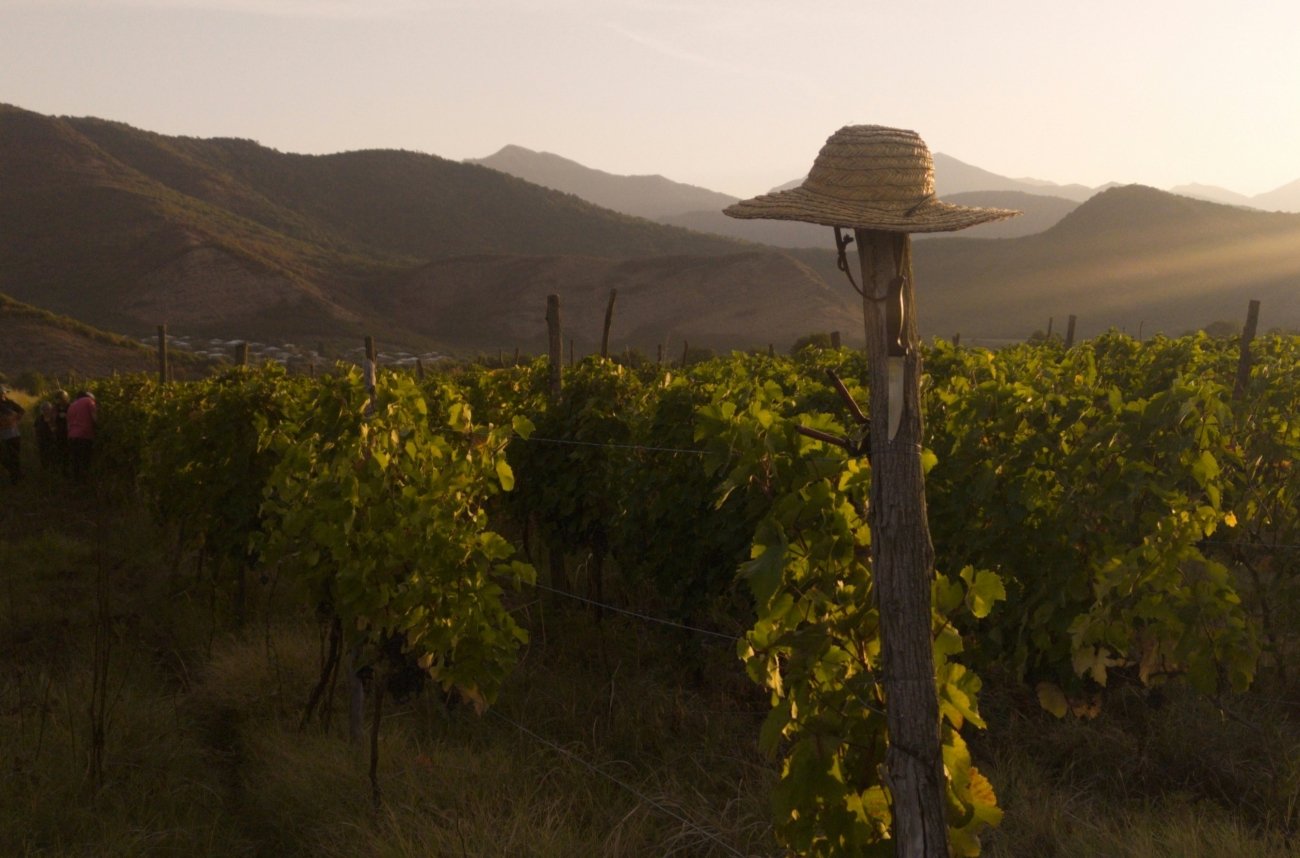
For drinks, don’t miss Slovenian wine even this far north. The country produces excellent whites, particularly from the Vipava and Goriška Brda regions. Locally, you’ll find “schnapps” or fruit brandies made from everything from plums to pears, often homemade and offered as a digestif or warming winter drink.
Practical Stuff Nobody Tells You
- Money matters: Slovenia uses the Euro, and while cards are widely accepted, smaller family-run places may prefer cash. ATMs are available in Kranjska Gora.
- Language: Slovenian is the local language, but German and English are commonly understood, especially in tourism-related businesses. Learning a few Slovenian phrases wins smiles: “hvala” (thank you), “prosim” (please), and “dober dan” (good day) go a long way.
- Connectivity: Mobile coverage is generally good in villages and valleys, though it can get spotty in the mountains. Many accommodations offer WiFi, but don’t count on blazing speeds.
- Weather preparedness: Mountain weather changes quickly. Even in summer, bring layers including a waterproof jacket. Proper hiking boots make a huge difference on rocky trails.
- Sustainability: This region takes its natural environment seriously. Stick to marked trails, carry out all trash, and respect farming areas and private property. The pristine condition of these mountains depends on everyone’s cooperation.
Who Is Podkoren Really For?
Let’s cut through the marketing speak. Podkoren works brilliantly for travelers who value authenticity over amenities, who’d rather hike a mountain than tour a museum, and who appreciate the quieter side of travel. It’s perfect for outdoors enthusiasts, families wanting a safe and beautiful base, and anyone looking to disconnect from urban chaos.
It’s less ideal if you need constant entertainment, nightlife, or extensive dining options. This isn’t a party destination or a luxury resort area. If you need a different restaurant every night or can’t handle a bit of rural simplicity, nearby Kranjska Gora or even Lake Bled might suit you better.
The Bottom Line
Podkoren represents what much of the Alps used to be before mass tourism transformed every scenic village into a resort. It’s a place where agriculture and tourism coexist, where traditions persist not as performance but as actual life, and where the mountains still feel wild and vast.
You won’t find crowds here, or luxury shopping, or Michelin-starred restaurants. What you will find is authentic alpine Slovenia, spectacular natural beauty, and the kind of peace that’s become increasingly precious in our overstimulated world.
Sometimes the best travel experiences come not from visiting the most famous places, but from discovering the quiet corners that make you slow down, breathe deeply, and remember why you started traveling in the first place. Podkoren is one of those places.
Pack your hiking boots, bring your sense of adventure, and prepare to fall for a little Slovenian village that most of the world still hasn’t discovered.