


TL;DR: The Bochnia Salt Mine is one of the world’s oldest salt mines (since 1248!) located just 40km from Kraków. It’s less crowded than Wieliczka, costs about half the price, and offers underground boat rides, a multimedia show, and even an underground health spa. Tours last 2-3 hours, require moderate fitness (lots of stairs!), and book up fast in summer. Best visited April-October. Not wheelchair accessible.
- Why Bochnia Should Be on Your Poland Itinerary
- Getting There: Easier Than You Think
- What Tours Are Available (And Which One You Should Actually Book)
- Booking Your Visit: Don’t Wing This Part
- What to Expect: The Underground Reality Check
- The Highlights: What You’re Actually Paying For
- Food and Facilities: The Practical Stuff
- Beyond the Mine: Is Bochnia Town Worth Exploring?
- Money Matters: What This Adventure Will Cost You
- Bochnia vs. Wieliczka: The Showdown Everyone Wants
- Health and Safety Stuff You Should Know
- Pro Tips from Someone Who’s Been There
- When Things Don’t Go to Plan
- The Verdict: Is Bochnia Salt Mine Worth Your Time?
- Quick Recap
- Disclaimer
Look, I’m going to level with you—when most people think “Polish salt mine,” they immediately picture Wieliczka. And sure, Wieliczka is stunning, but here’s the thing: everyone and their grandmother knows about it. You’ll be shuffling through those underground corridors like you’re in a slow-moving queue at the DMV, all while paying premium tourist prices.
Enter Bochnia Salt Mine, the cooler older sibling that nobody talks about.
This place has been producing salt since 1248 (yes, it’s that old), making it one of the oldest operating salt mines in the world. It’s got everything Wieliczka has—dramatic chambers, fascinating history, therapeutic salt air—plus some tricks up its sleeve that’ll make you wonder why anyone bothers with the famous one at all.
Why Bochnia Should Be on Your Poland Itinerary
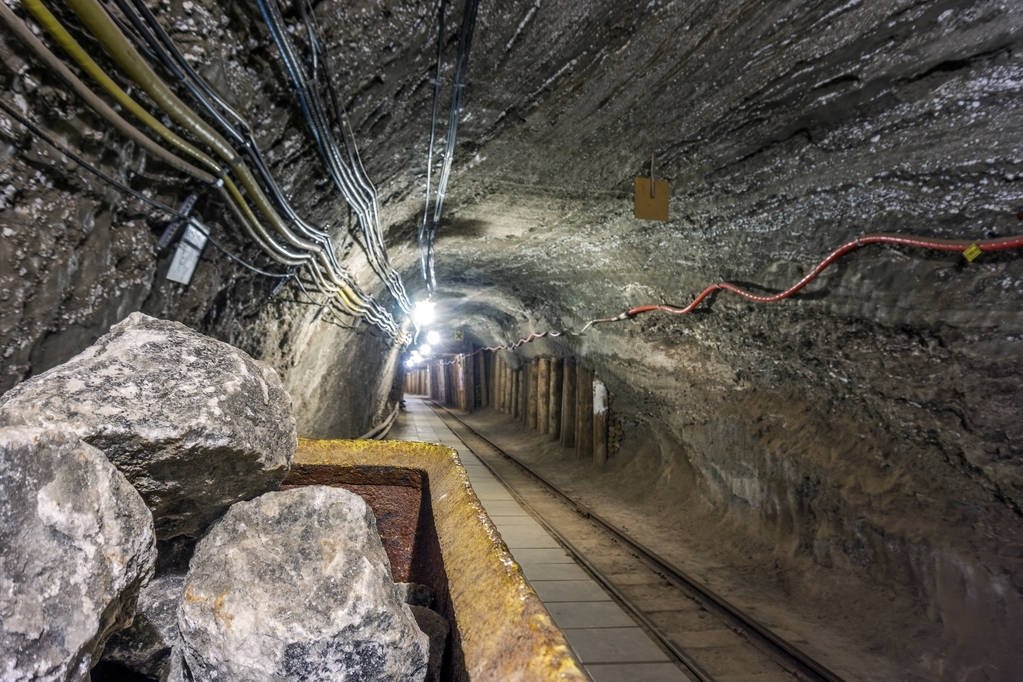
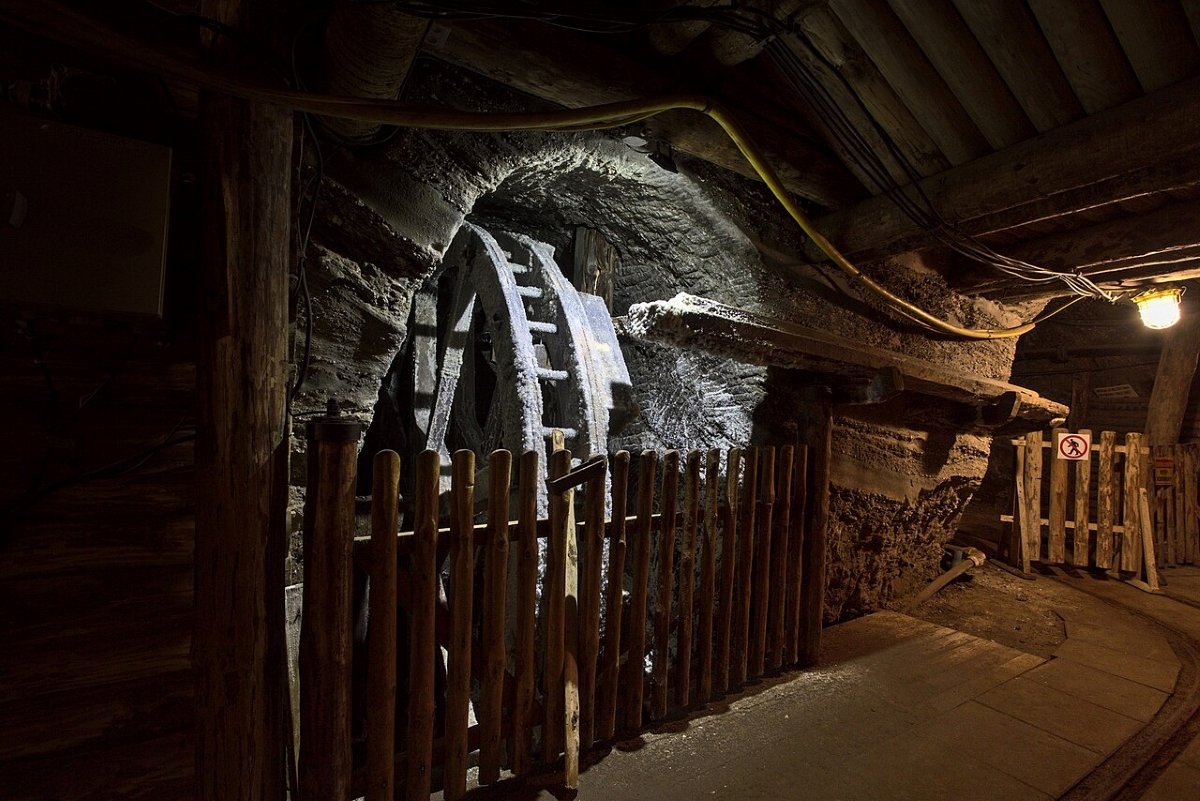
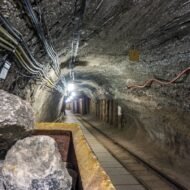
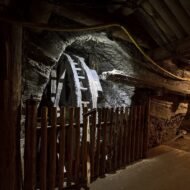
Here’s what makes Bochnia special: it’s a working mine that’s been continuously operated for over 770 years. We’re talking medieval engineering, World War II bunkers, and modern tourism all layered together like a historical lasagna. The mine reaches depths of 250+ meters and has over 300km of corridors carved into the rock salt.
And get this—you can take an underground boat ride through flooded chambers. When’s the last time you did that at a tourist site?
The mine was designated a UNESCO World Heritage Site in 2013 (added to Wieliczka’s existing listing), so you’re getting the same prestigious credentials without the tour bus traffic jams.
Getting There: Easier Than You Think
From Kraków: Take a train from Kraków Główny station to Bochnia (about 40 minutes, costs around 15-20 PLN or $4-5 USD). Trains run regularly throughout the day. From Bochnia train station, it’s a 15-minute walk or quick taxi ride to the mine entrance.
By Car: It’s a straight shot on the A4 motorway, about 40km southeast of Kraków. Parking is available on-site and free.
By Bus: Several bus companies run routes from Kraków to Bochnia (slightly cheaper than trains but takes longer, about 1 hour).
Pro tip: Don’t rely on Uber or Bolt in Bochnia—they’re hit or miss. If you need a taxi, ask your hotel or the mine staff to call one for you.
What Tours Are Available (And Which One You Should Actually Book)
The mine offers several tour options, and choosing the wrong one is a rookie mistake:
Tourist Route (Most Popular)
- Duration: 2.5-3 hours
- Depth: Down to 255 meters
- What you’ll see: Historical chambers, chapels, salt lakes, multimedia shows, and that famous underground boat ride
- Price: Around 100-120 PLN ($25-30 USD) for adults
- Best for: First-timers who want the full experience
Heritage Route
- Duration: About 2 hours
- Depth: Around 180 meters
- What you’ll see: Focus on medieval mining techniques and historical aspects
- Price: Slightly cheaper at 80-100 PLN
- Best for: History buffs who care more about the story than the spectacle
Adventure Route
- Duration: 3+ hours
- What you’ll do: Actual mining simulations, rope activities, underground zip-lining
- Price: 150+ PLN
- Best for: Active travelers and families with teens
Health and Wellness Visits
- Duration: 1-4 hours (you choose)
- What you’ll do: Relax in therapeutic salt chambers
- Price: Varies by package
- Best for: People with respiratory issues or anyone wanting a unique spa experience
My recommendation? Go for the Tourist Route. It’s the Goldilocks option—not too intense, not too basic, and you get all the highlights including that boat ride which is genuinely cool.
Booking Your Visit: Don’t Wing This Part
Here’s where people mess up: they show up without reservations, especially in summer, and end up waiting hours or getting turned away entirely. The mine limits visitor numbers for safety and experience quality, so book online in advance through the official website (kopalniasoli.pl).
English-language tours are available but less frequent than Polish ones, so you’ll want to check the schedule specifically for English tours. They typically run a few times daily during peak season (May-September) but might be limited to once or twice daily in off-season.
Best time to visit: April through October for the most reliable tour schedules. July-August gets busy (book 2+ weeks ahead), while May-June and September-October hit that sweet spot of good weather and manageable crowds.
Time your visit: Morning tours (9-11am starts) tend to be less crowded. Afternoon tours can feel rushed if you want to explore Bochnia town afterward.
What to Expect: The Underground Reality Check
Let’s talk logistics because this isn’t a casual stroll through a museum:
Temperature: It’s a constant 14-16°C (57-61°F) down there year-round. In summer, this feels refreshing. In winter, it feels… exactly the same. Bring a light jacket regardless of the season above ground.
Stairs: Oh boy, the stairs. You’ll descend about 800 steps total (spread throughout the tour, not all at once). Coming back up involves climbing around 300+ steps. There is a miners’ cage elevator for the final ascent, but not everyone can use it depending on group size and tour type.
Accessibility: I’ll be straight with you—this place is not wheelchair accessible. The terrain involves uneven surfaces, narrow passages, and those relentless stairs. If you have mobility issues, knee problems, or respiratory conditions, chat with the mine office before booking. They can advise on whether the Heritage Route (slightly easier) might work for you.
Claustrophobia: Some passages get narrow. Most chambers are spacious, but if tight spaces freak you out, maybe skip this one.
What to wear: Comfortable walking shoes with good grip are non-negotiable. The salt-covered floors can be slippery. Skip the fancy clothes—it’s a mine, not a restaurant.
Photography: Allowed on most tours, but flash can be restricted in certain areas. Your phone camera will struggle in low light, so bring a proper camera if you’re serious about photos.
The Highlights: What You’re Actually Paying For
The Underground Boat Ride: You’ll glide across a flooded chamber on a small boat, and honestly, it’s magical. The water reflects the dim lights, and the silence is almost eerie. This alone is worth the trip.
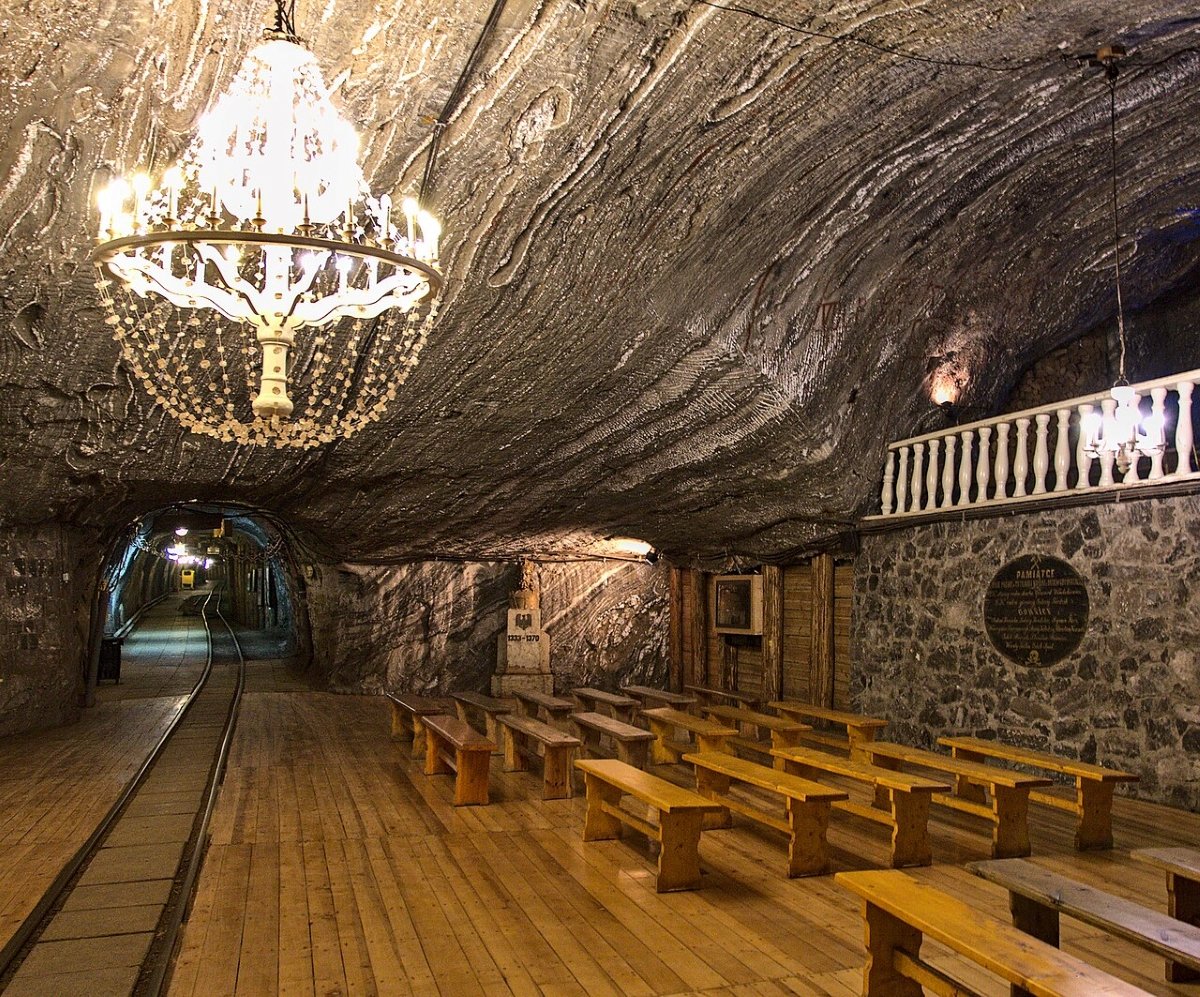
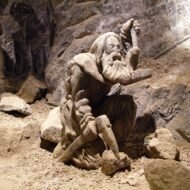
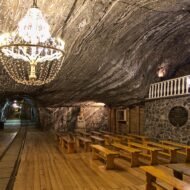
St. Kinga’s Chapel: Every salt mine in Poland has a chapel (it’s basically a requirement), and Bochnia’s doesn’t disappoint. Carved entirely from salt, it’s smaller than Wieliczka’s famous chapel but equally impressive.
The Multimedia Show: A modern laser and projection show that tells the mine’s history. Some people find it cheesy, others love it. I thought it was a fun break from the historical commentary.
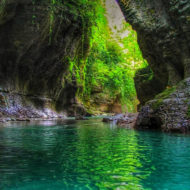
Salt Lakes: Several chambers feature underground lakes with that distinctive greenish tint. They’re hauntingly beautiful and nothing like what you’d see above ground.
WWII Bunker: During the war, the mine was used as an underground oil refinery by the Germans. The remains of this operation are still visible and add a sobering dimension to the visit.
The Health Chamber: Even if you’re not doing the full wellness program, you’ll spend time in salt chambers where the air is supposedly therapeutic for respiratory issues. Real or placebo? Who knows, but it smells interesting.
Food and Facilities: The Practical Stuff
There’s a small café at the mine entrance serving basic Polish food—pierogi, soup, coffee, snacks. Nothing fancy, but it’ll do if you’re hungry. Prices are reasonable (for a tourist site), around 20-30 PLN for a meal.
Bathrooms are available before and after the tour (but not during the 2.5-hour underground portion, so plan accordingly).
A gift shop sells salt products—lamps, bath salts, decorative items—at prices that are actually lower than what you’d pay at tourist traps in Kraków. The salt is real and locally sourced, so it makes for decent souvenirs.
Beyond the Mine: Is Bochnia Town Worth Exploring?
Short answer: Yeah, if you have time.
Bochnia is a charming small Polish town that hasn’t been completely overrun by tourism. The Market Square (Rynek) is lovely, with colorful buildings and local cafés where you can get authentic Polish food at non-tourist prices. Try Karczma Solna for traditional dishes.
The town also has a decent regional museum and some nice churches if you’re into that sort of thing. Budget 2-3 hours if you want to explore beyond the mine.
Where to eat in Bochnia:
- Karczma Solna (traditional Polish)
- Restauracja Camping (despite the name, actually good food)
- Pizzeria Verona (if you need a break from Polish cuisine)
Money Matters: What This Adventure Will Cost You
Let’s break down a typical visit from Kraków:
- Train ticket round-trip: 30-40 PLN ($8-10)
- Mine tour: 100-120 PLN ($25-30)
- Lunch: 25-40 PLN ($6-10)
- Souvenirs: 20-100+ PLN (optional)
Total: Around 175-300 PLN ($45-75 USD) for a full day trip including lunch
Compare this to Wieliczka where the tour alone costs 150+ PLN and you’re dealing with massive crowds. Bochnia gives you more bang for your buck.
Students, seniors, and families can get discounts—bring ID and ask when booking.
Bochnia vs. Wieliczka: The Showdown Everyone Wants
Okay, let’s address the elephant (or salt crystal) in the room. Here’s my honest take:
Choose Wieliczka if:
- You want the most famous, most photographed experience
- You don’t mind crowds
- You’re already in Kraków and only have time for one mine
- You want the most polished, tourist-friendly experience
Choose Bochnia if:
- You want a more intimate, less crowded experience
- You appreciate value for money
- You want unique features (boat ride, modern multimedia)
- You’re willing to travel a bit further for a better experience
- You’ve already done Wieliczka and want something different
Hot take: If you can only do one, I’d pick Bochnia. If you’re a salt mine completist, do both.
Health and Safety Stuff You Should Know
The salt air is genuinely therapeutic for respiratory conditions—this isn’t just marketing hype. The mines have been used for salt therapy (halotherapy) for decades. If you have asthma, allergies, or respiratory issues, you might actually feel better after the visit.
However, people with severe claustrophobia, heart conditions, or serious mobility issues should reconsider. The physical demands are real.
The mine maintains strict safety standards and guides are trained in first aid. Tours run rain or shine (you’re underground, after all), and the temperature never changes, so weather is a non-issue.
Pro Tips from Someone Who’s Been There
Book the first tour of the day. Fewer people, more relaxed guides, better photos without crowds in the background.
Bring water. You can’t buy any underground, and 2.5 hours is a long time to go without hydration, especially after all those stairs.
Download Google Translate or have a translation app handy. While tours are available in English, signage and staff outside the tours mostly speak Polish.
Combine with other sites. The mine visit takes half a day. Consider visiting Bochnia in the morning, then heading to Wieliczka, Tarnów, or back to Kraków for the evening.
Check for special events. The mine occasionally hosts underground concerts, dinners, and events. These are unique experiences but require separate bookings.
Don’t skip the boat ride. If given any option to skip it or take a shorter route, don’t. It’s the highlight.
When Things Don’t Go to Plan
Tour in Polish only? You’ll be given a printed guide in English, and honestly, the visual experience speaks for itself. Don’t let language barriers stop you.
Missed your train back? Trains run regularly until evening. Worst case, grab a bus or taxi back to Kraków. Budget about 100-150 PLN for a taxi (negotiate the price upfront).
Feeling claustrophobic or unwell? Tell your guide immediately. They can usually arrange for you to exit early through alternative routes.
The Verdict: Is Bochnia Salt Mine Worth Your Time?
Absolutely, yes—with caveats.
If you’re physically capable of handling stairs and confined spaces, if you appreciate history and unique experiences, and if you want to see a side of Poland that hasn’t been completely polished for mass tourism, Bochnia delivers.
It’s not going to change your life, but it’s a genuinely fascinating half-day or full-day trip that offers something different from the usual European tourist circuit. The combination of medieval history, World War II remnants, and modern tourism creates an experience that’s both educational and entertaining.
The value proposition is strong, the crowds are manageable, and that underground boat ride is something you won’t find anywhere else. Plus, you get bragging rights for visiting a place most tourists haven’t even heard of.
Quick Recap
Best for: History enthusiasts, families with older kids (10+), anyone looking for unique experiences off the beaten path
Skip if: You have mobility issues, severe claustrophobia, or are looking for a quick 30-minute tour
Budget: $45-75 USD for a day trip from Kraków including transportation, tour, and lunch
Essential booking info: Reserve English tours 1-2 weeks ahead in peak season; official website is kopalniasoli.pl
Physical requirements: Ability to climb 300+ stairs, walk for 2-3 hours on uneven surfaces
Best time: May-June or September-October for smaller crowds; avoid July-August if possible
Accessibility: Not wheelchair accessible; moderate to high physical fitness required
Disclaimer
This guide reflects conditions and pricing as of early 2025 and is based on personal experience and research. Prices, tour schedules, and accessibility may change—always verify details directly with the Bochnia Salt Mine (kopalniasoli.pl) before your visit. Medical advice regarding salt therapy and physical fitness requirements is general guidance only; consult healthcare professionals for personal health concerns. The author has no affiliation with the mine or any businesses mentioned and receives no compensation for recommendations. While every effort has been made to ensure accuracy, travelers should confirm all practical information (transportation schedules, pricing, booking requirements) before making concrete plans. Your experience may vary based on season, tour guide, group size, and individual preferences. Travel safely and responsibly!


 located just 40km from Kraków. a UNESCO World Heritage Site)