

Seven Extraordinary Autumn Destinations Nobody Writes About
There is a version of autumn in Europe that exists only in travel magazines: the same Dolomites, the same Tuscany vineyards, the same Prague bridge in morning mist. All of them are extraordinary. All of them have been photographed from the same spot by fifty thousand people before you arrived.
- 1. Zagori, Epirus, Greece — the gorge the Guinness records forgot to publicise
- 2. Maramureș, Romania — where the Carpathians still build churches from wood
- 3. Serra da Estrela, Portugal — the ice and the cheese and the extraordinary valley light
- 4. Monsanto, Portugal — the village built inside the boulders
- 5. Spania Dolina, Slovakia — the medieval mining village in its October forest
- 6. Breb, Maramureș, Romania — the village that time forgot to develop
- 7. Peneda-Gerês, Portugal — the only national park in the country in its wildest month
- The honest seasonal guide
- The field guide connection
The seven destinations below are different. Some are genuinely unknown to international visitors. Some are well-known within their country but almost invisible in English-language travel editorial. All of them have a specific characteristic — a tradition, a landscape feature, a light condition, a time window — that makes October and November the most extraordinary version of what they are.
1. Zagori, Epirus, Greece — the gorge the Guinness records forgot to publicise
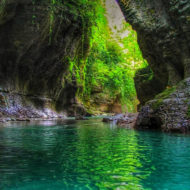
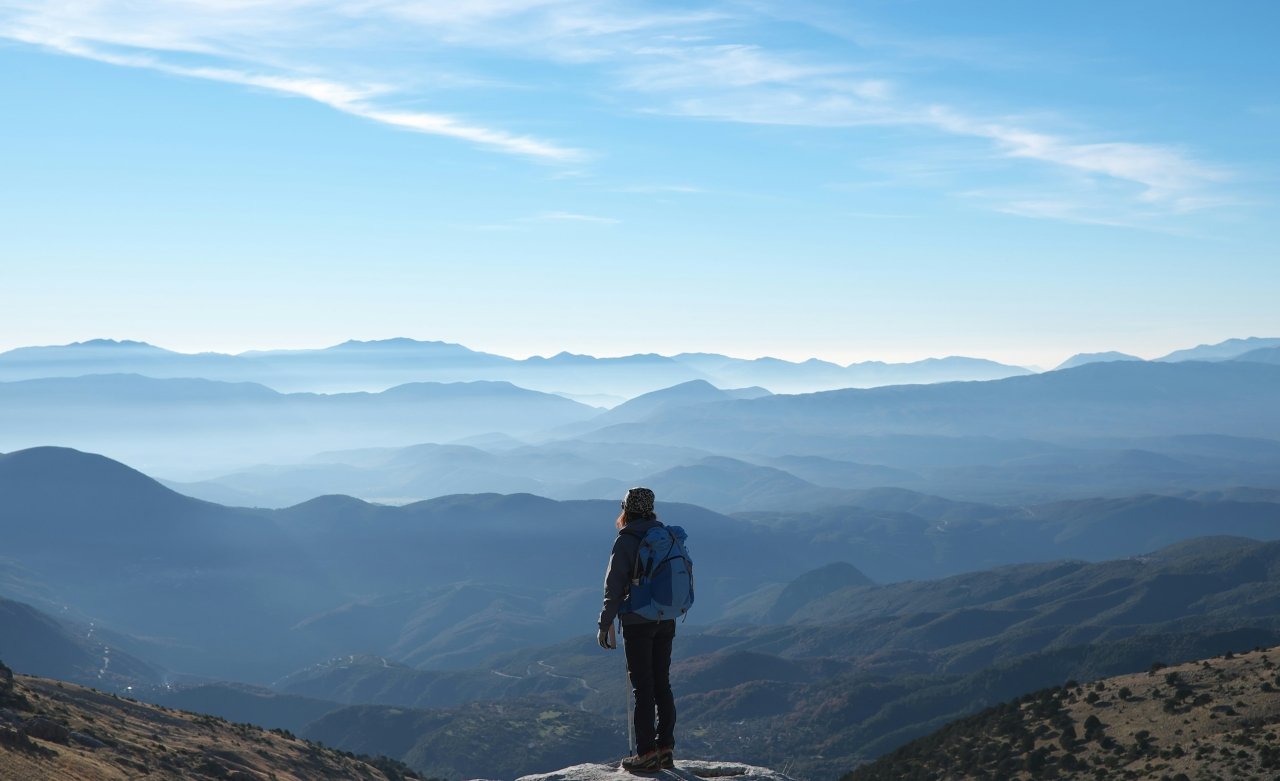
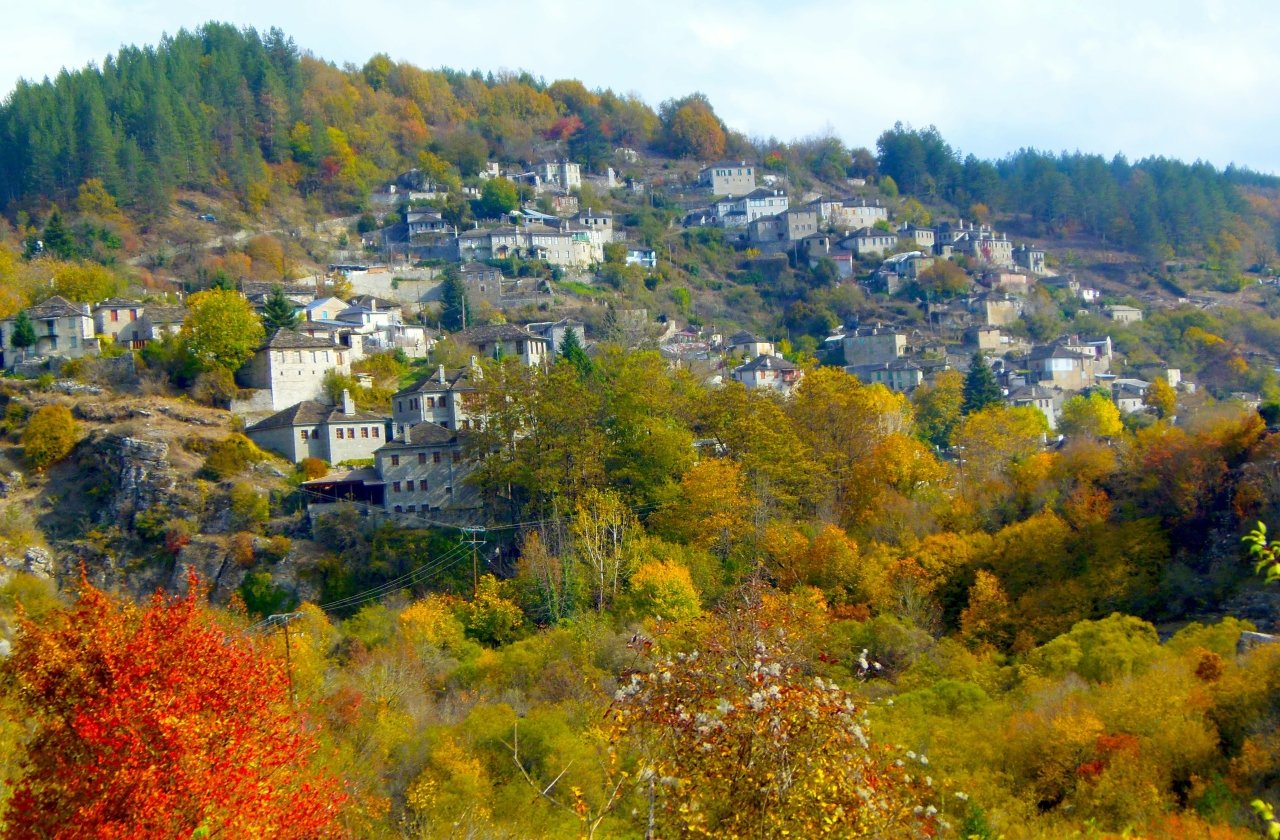
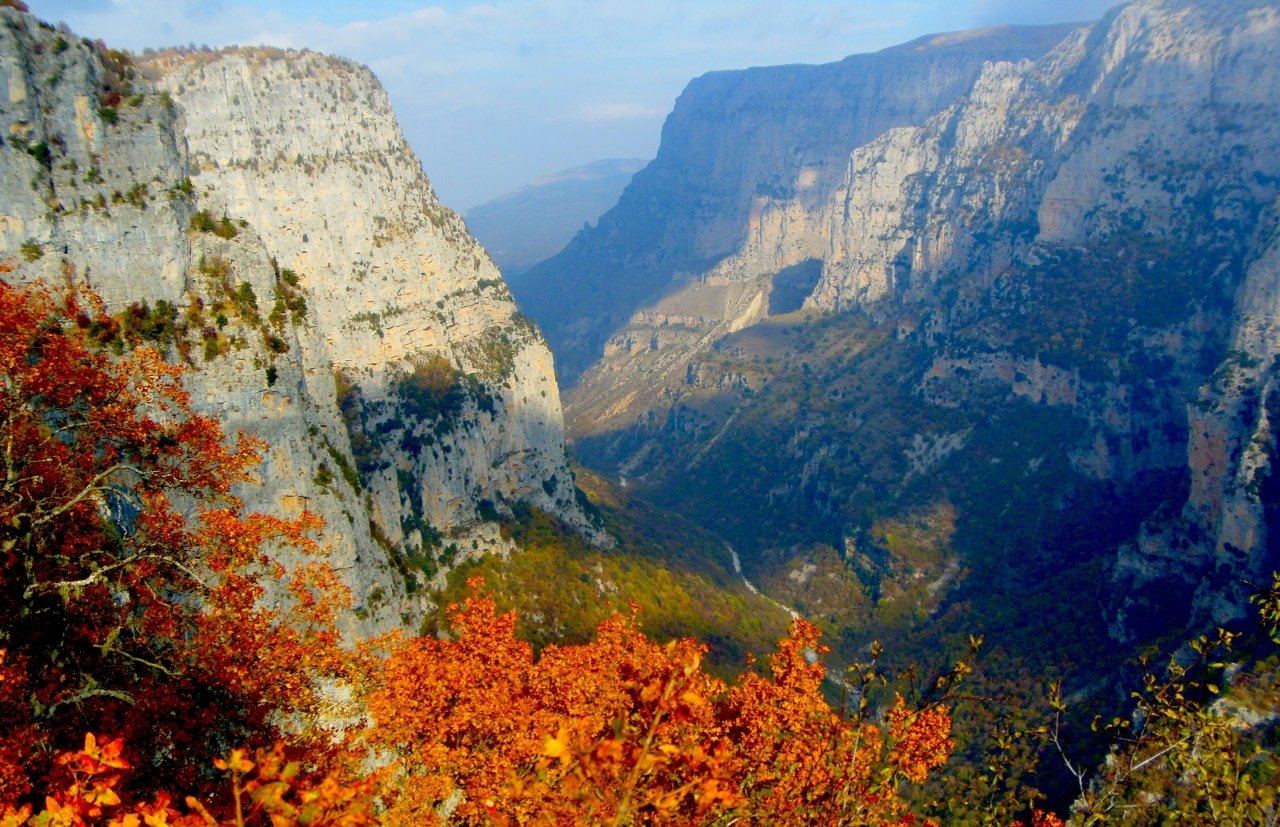
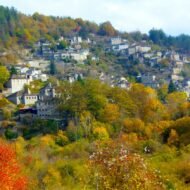
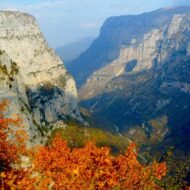
Most people who think of Greece in autumn think of islands. The correct autumn Greece is in the northwest mainland, in the Pindus Mountains of Epirus, where 46 stone villages sit above the Vikos Gorge — registered in the Guinness book of records as the deepest gorge in the world in proportion to its width, with a depth of more than 900 metres, while its narrowest opening is just 1.1 metres.
The Zagorochoria villages have been recently designated a UNESCO World Heritage Site — granted autonomy under the Ottomans in exchange for specific political arrangements, and using their relative freedom to accumulate significant wealth through trade. The money came back into the villages as architecture: the stone houses, arched bridges, and cobbled paths that make the Zagorochoria look and feel unlike anywhere else in Greece.
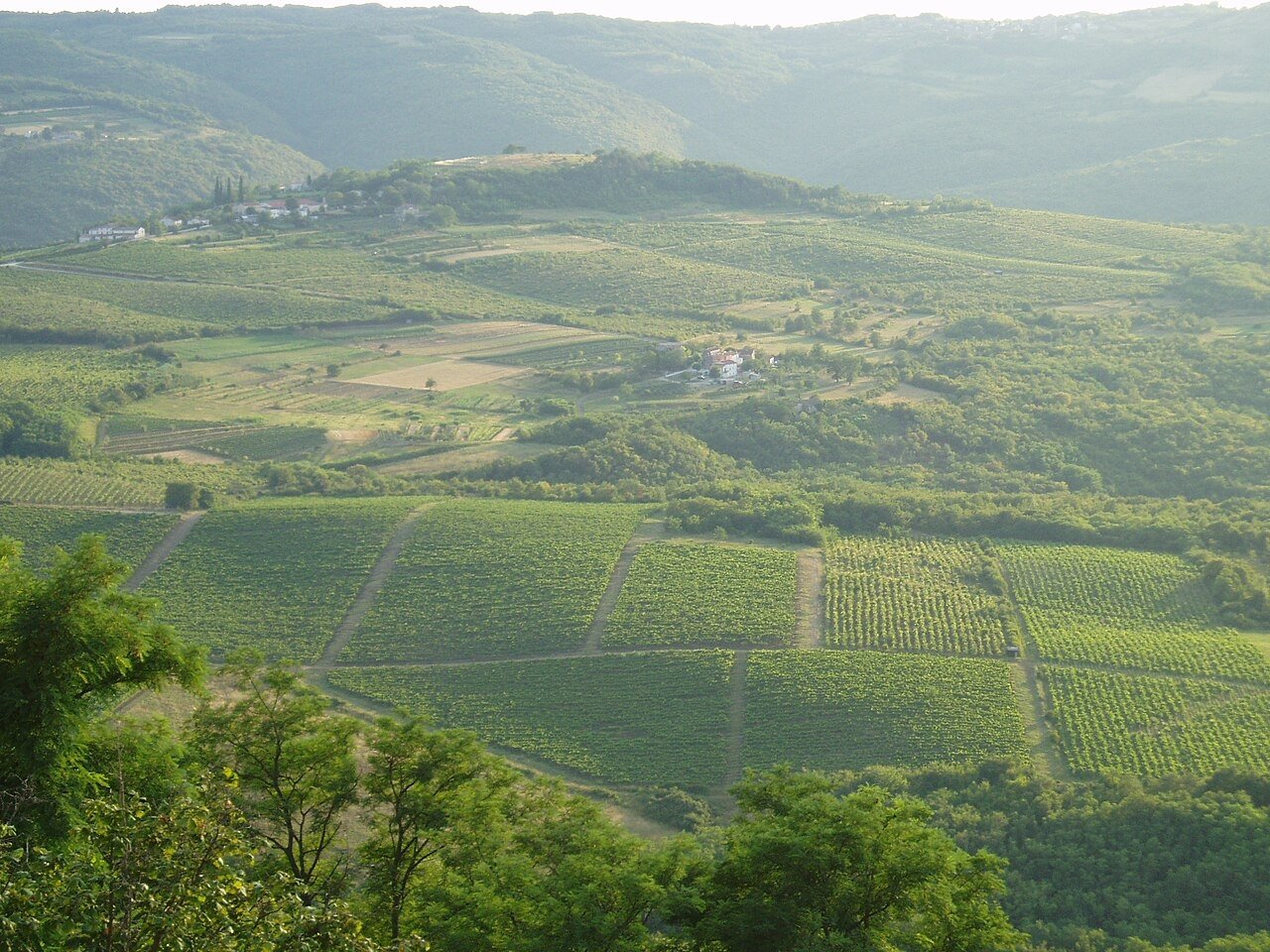
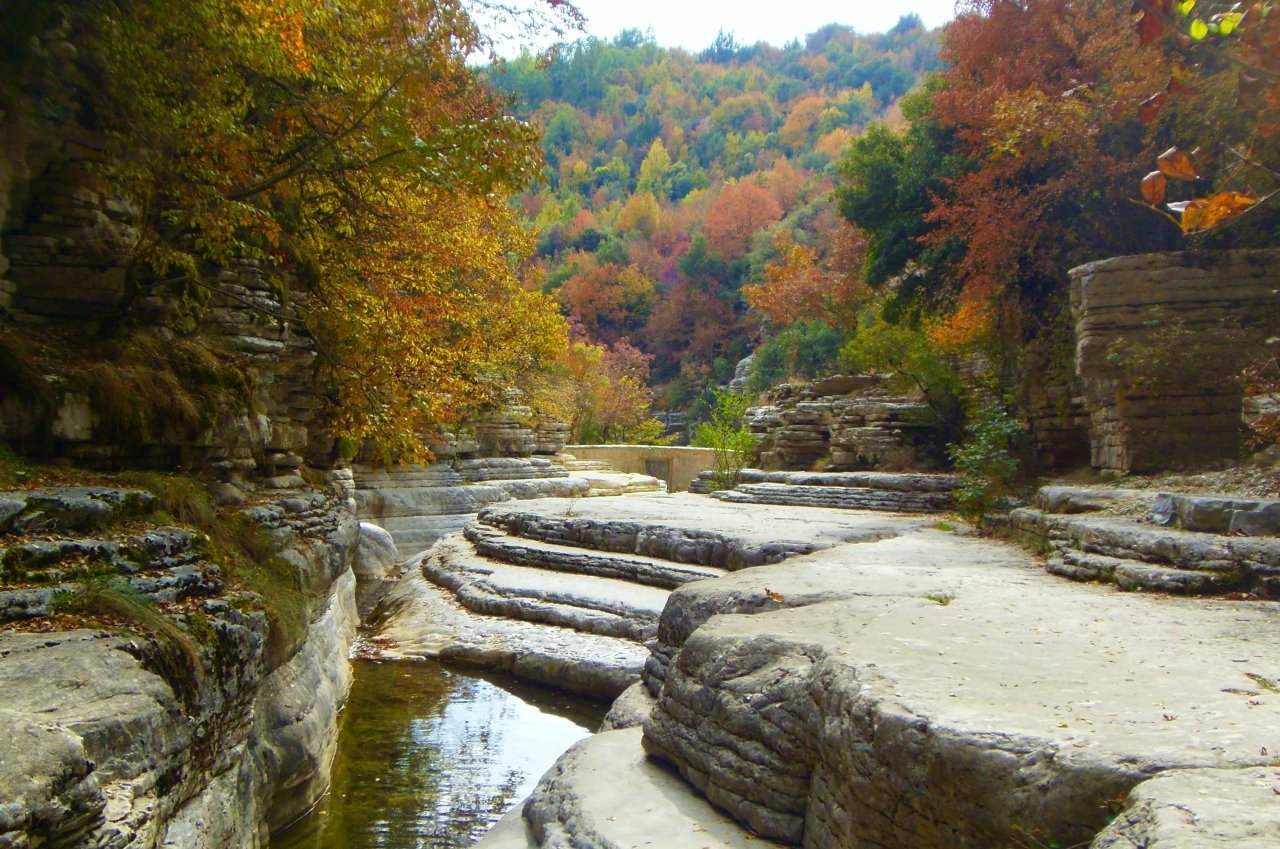
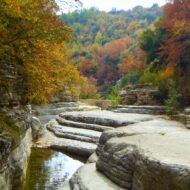
In October the beech, maple and oak forests that line the gorge turn in a colour that the August visitor — when Greece is burning — never sees. By the end of August, the Vikos Gorge is already tasting the crisp nights of autumn and the maples, beech, fig and oak trees along Greek National Trail 03 that follows the Vaidomatis River through the gorge are ablaze with colour.
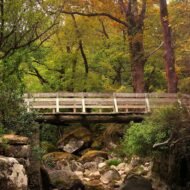
For photographers: Autumn brings stunning foliage and ideal photography conditions — quieter trails and the extraordinary light of the Greek mountain autumn. The Beloi viewpoint above Vradeto offers the most complete aerial view of the gorge. The Rigas stone bridge in Kipi — three arches over a river that reflects the surrounding forest — is the most photographed single element of the territory and most extraordinary in the two-hour window after dawn in October.
For retreats: The picturesque villages of Papigo, Aristi, Tsepelovo and more are full of traditional stone-built houses with an inviting atmosphere and smoking chimneys. Aristi is the most complete base — the guesthouses here have fireplaces, the walking access to the gorge rim is direct and the village has the quietness that the summer season removes.
Getting there: Fly to Ioannina, drive 45 minutes. A car is essential — the villages are spread across the Pindus plateau and public transport is limited. Best time: September to October. Budget estimate: €45-120 per day.
2. Maramureș, Romania — where the Carpathians still build churches from wood
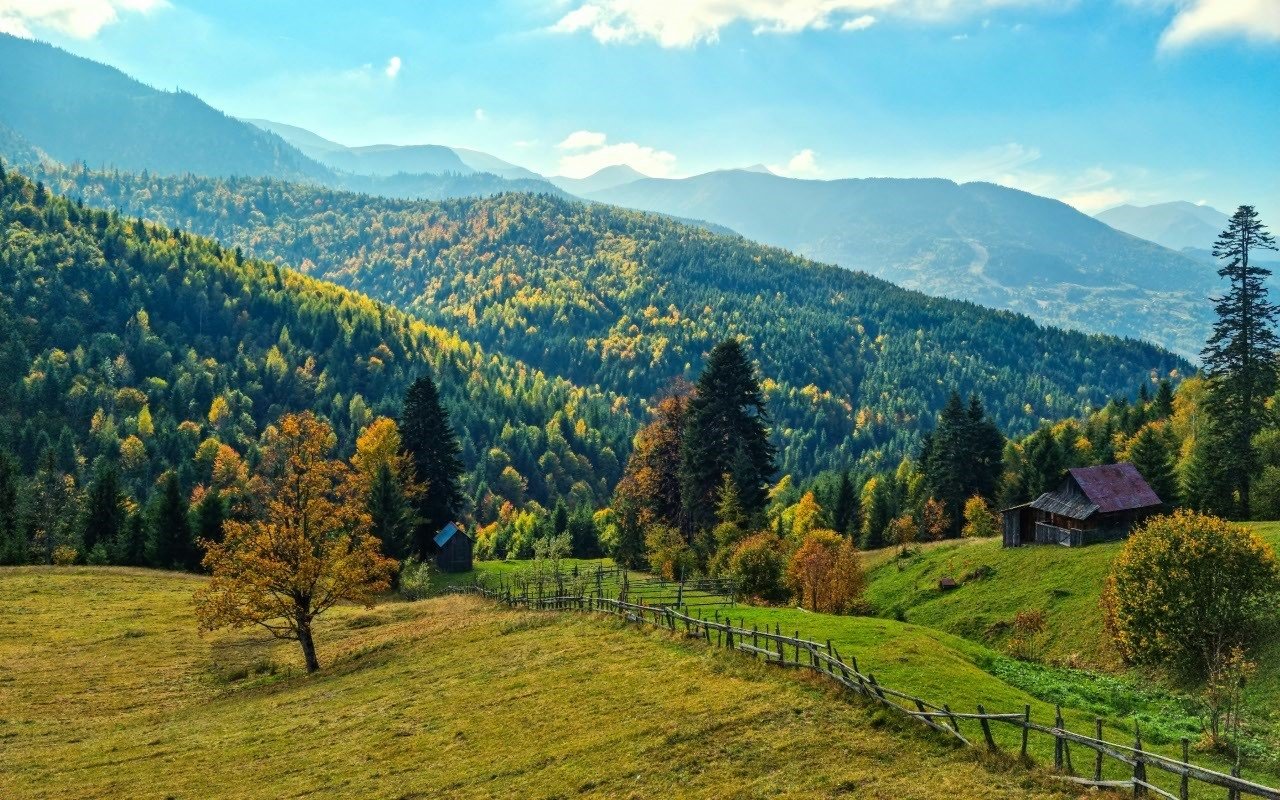
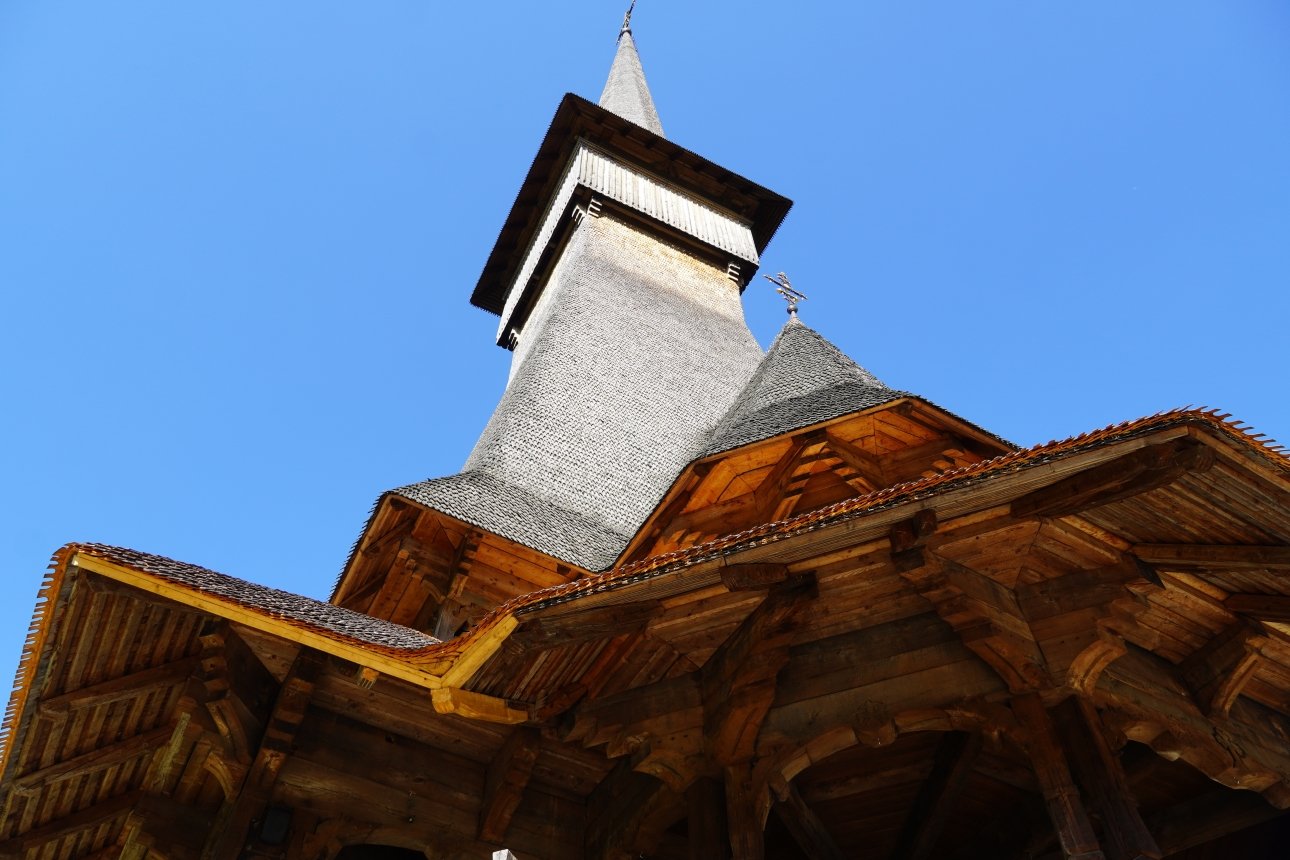
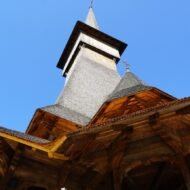
The Maramureș region of northern Romania is the most culturally intact rural territory in the Carpathian arc — a corner of the mountains partitioned between Romania and Ukraine after World War II, where almost one hundred Orthodox churches built between the 17th and the 19th centuries survive. These churches are considered outstanding examples of vernacular religious wooden architecture resulting from the interchange of Orthodox religious traditions with Gothic influences. The churches are of high timber construction with characteristic tall, slim bell towers above the entrance and massive shingle-covered roofs that dwarf the main body of the church.
Eight of these churches are listed by UNESCO as World Heritage Sites. At one time there were over 300 wooden churches in Maramureș. Only a hundred exist now.
The specific October window: the tour is carefully timed to coincide with All Saints’ Day (Luminațiile), a deeply moving religious tradition. After sunset, cemeteries become seas of candlelight as families honour their ancestors. It is a rare, intimate photographic moment where light, memory and silence merge. All Saints’ Day falls on 1 November. The week before and the day itself are the most extraordinary time to be in Maramureș.
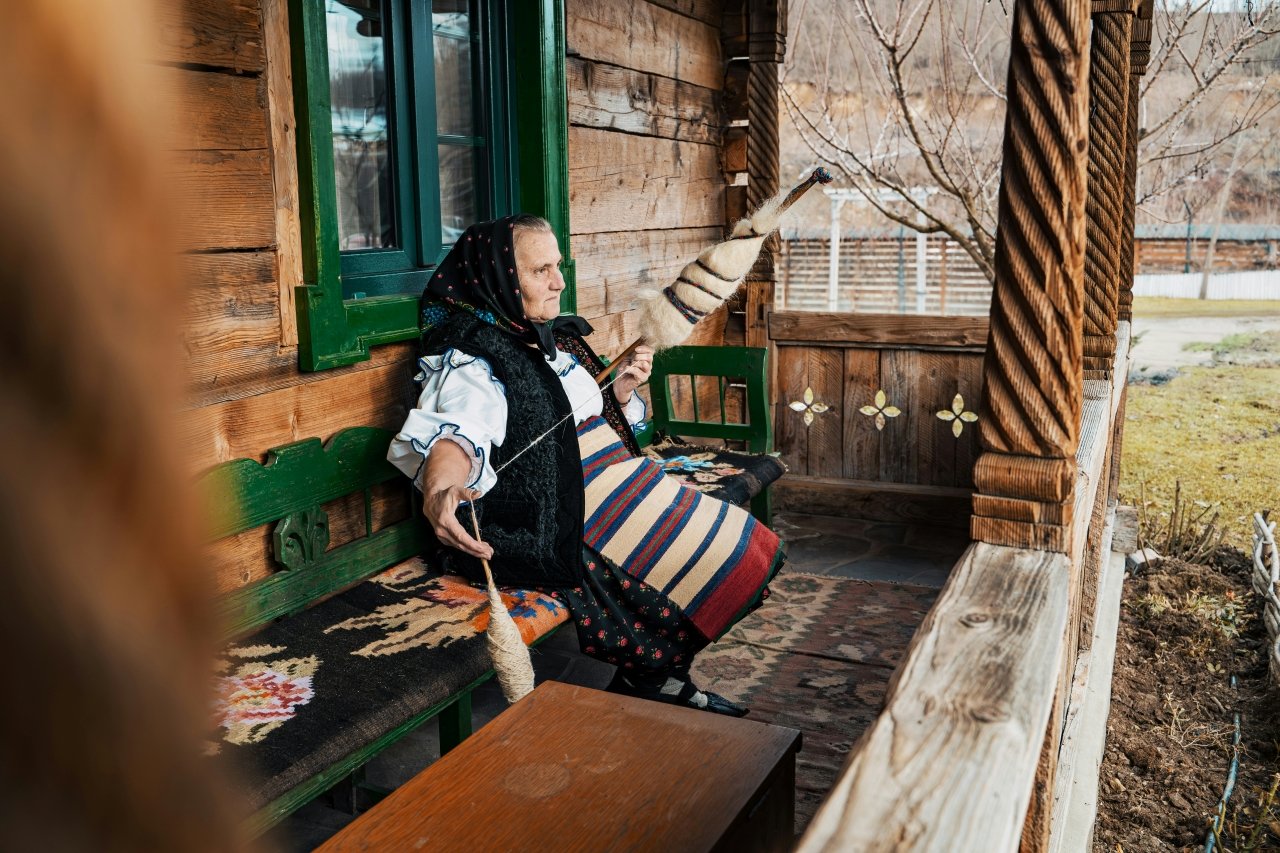
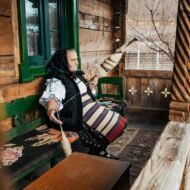
For photographers: Maramureș is one of Europe’s most visually and culturally intact rural regions. Here you can photograph wooden churches, traditional villages, elderly locals in everyday life, and pastoral scenes that feel suspended in time. The candlelit cemetery tradition on All Saints’ Day is one of the most extraordinary photographic opportunities available in European autumn — intimate, respectful, extraordinary in its light. Dress appropriately. Ask before photographing. The answer is almost always yes.
For retreats: The Mara and Iza valleys in the southern Maramureș contain the most extraordinary concentration of traditional villages — Breb, Budești, Ieud and Șurdești are the most architecturally complete. Most have guesthouses in restored traditional homes. No luxury. Stone fireplaces. Genuine rural Carpathian life visible from the window.
Getting there: Fly to Cluj-Napoca, drive 2-3 hours north. Or fly to Baia Mare (limited connections). A car is essential. The wooden churches are distributed across multiple villages — no single hub covers them all.
3. Serra da Estrela, Portugal — the ice and the cheese and the extraordinary valley light
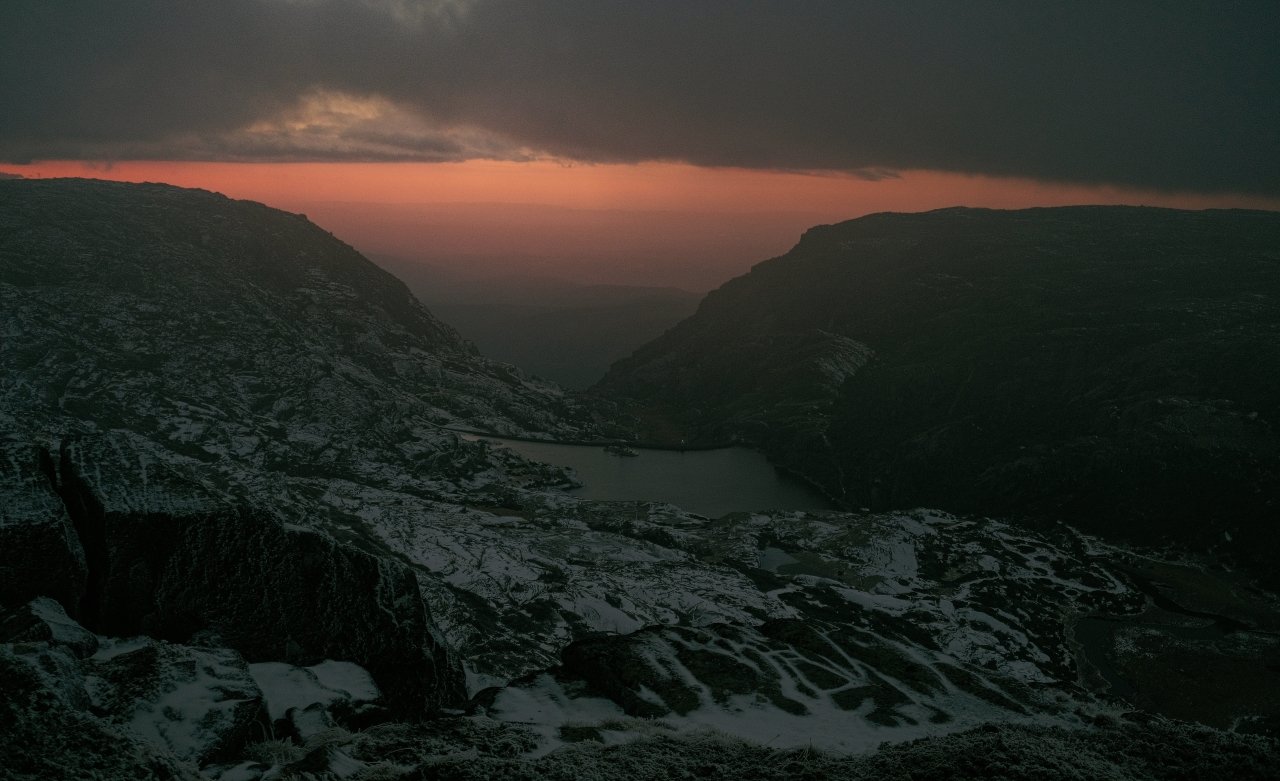
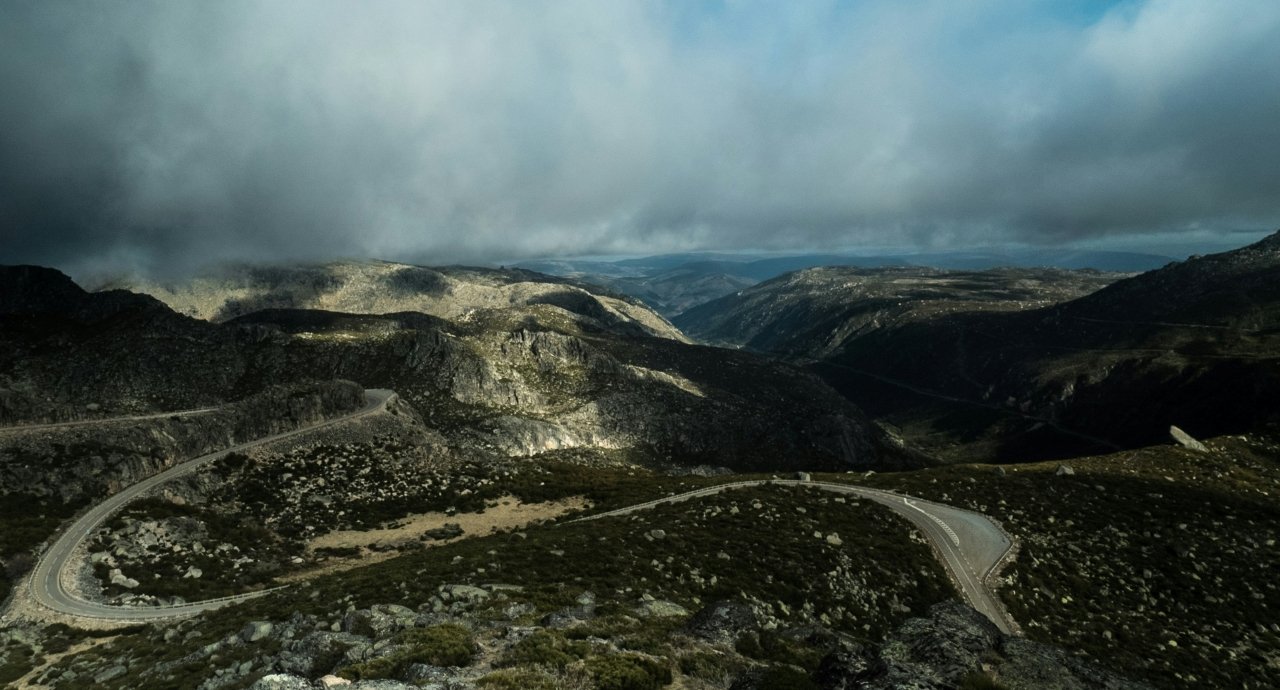
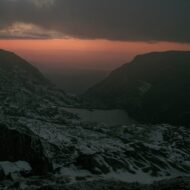
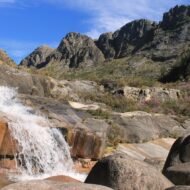
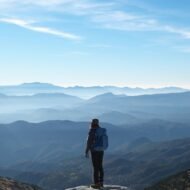
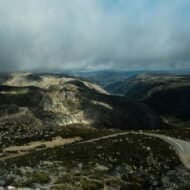
Serra da Estrela is the highest mountain range in mainland Portugal — a granite plateau reaching 1,993 metres, almost entirely above the tree line at its summit, with extraordinary oak and chestnut forests in its lower valleys that turn in October in a colour that the Portuguese Alentejo plains never show.
The specific characteristic: this is the only place in mainland Portugal where it reliably snows. In October the summit is above the cloud line on most clear days, the valleys below are in their most extraordinary colour, and the temperature differential between the summit and the valleys creates the most extraordinary morning light conditions of the year — the valley mist burning off as the sun rises over the granite, the chestnut forest catching the first colour.
Serra da Estrela is also where queijo da Serra — Portugal’s most celebrated raw-milk cheese, a washed-rind sheep’s milk cheese that is spooned rather than cut in its young form — is produced. The October and November cheese season produces the most extraordinary version of the cheese: the sheep have been on the mountain pastures all summer and the milk has the most complex mineral character of the year.
For photographers: The Zêzere valley — the glacial valley descending from the Torre summit — is the most extraordinary landscape in central Portugal for autumn photography. The river runs through a U-shaped valley of granite and oak forest, most extraordinary in the two hours after dawn when the mist sits in the valley floor. The village of Manteigas at the valley base is the correct overnight base for this light.
For retreats: The spa town of Manteigas sits at the base of the Zêzere valley. The thermal waters here — cold mineral springs rather than geothermal — are genuinely therapeutic and genuinely undervisited. The combination of the mountain air, the valley walking, the cheese and the thermal water is the most complete wellness retreat available in central Portugal at a price point far below anything the Alentejo luxury market offers.
Getting there: Drive from Lisbon (3h 30m) or Porto (2h 30m). No useful public transport. A car is essential. The best circuit: Manteigas → Torre summit → Penhas Douradas pine forest → return via Gouveia.
4. Monsanto, Portugal — the village built inside the boulders
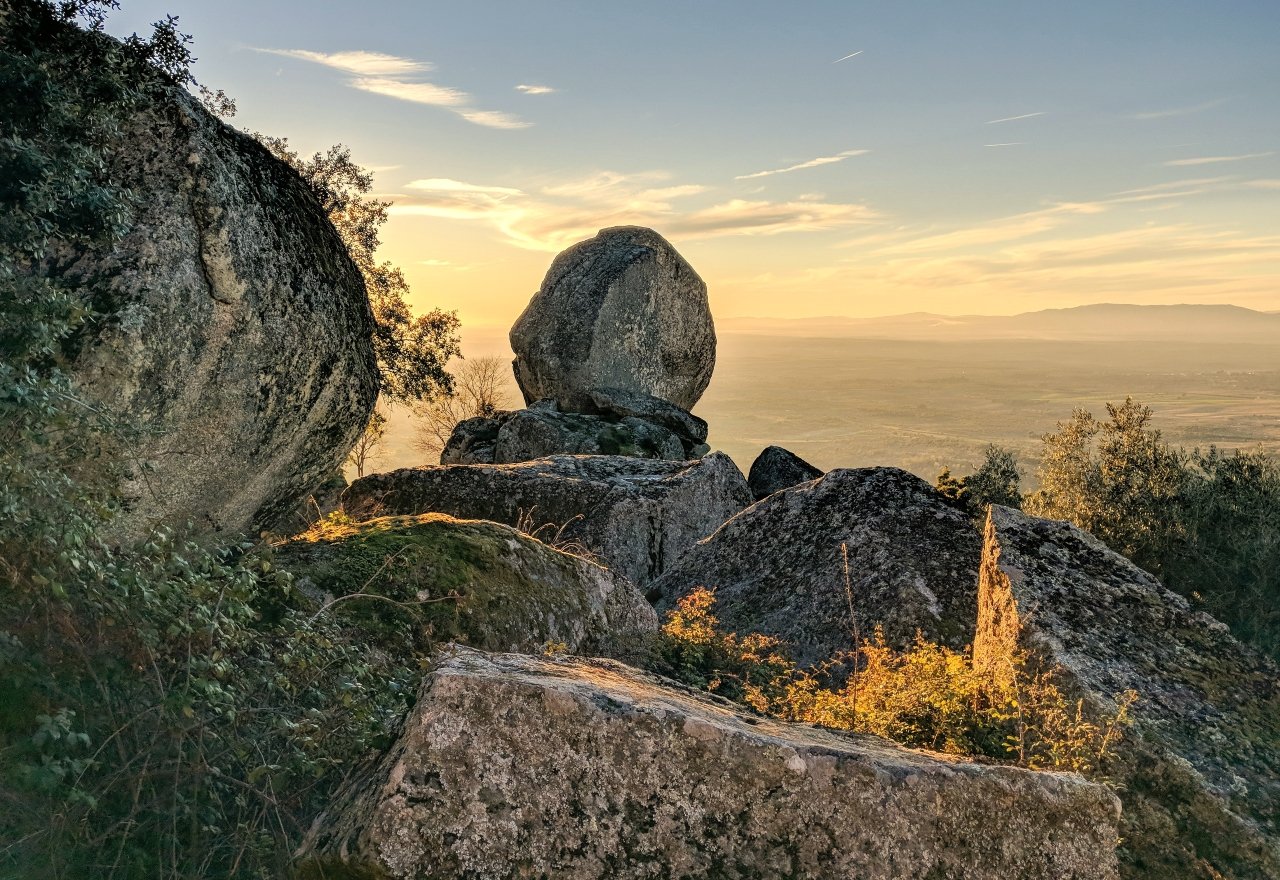
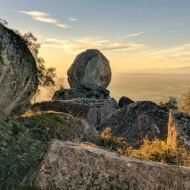
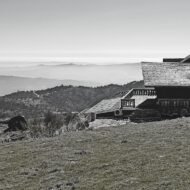
Monsanto was voted the most Portuguese village in Portugal in a national competition in 1938 and has not changed its fundamental character since. The village is built not around boulders but inside them — houses using the granite rocks as walls and roofs, the village climbing a granite outcrop above the Beira plains in an accumulation of stone and granite that from a distance looks entirely geological and only on approach reveals itself to be inhabited.
October is the correct month for two specific reasons. The first: the harsh summer light that flattens the granite throughout July and August is replaced by the low-angle October light that catches every texture of the stone, every shadow between the boulders, every ancient olive tree in the village terraces. The second: the village in October has a fraction of the summer visitors, and the silence — broken only by the bells of the Igreja Matriz and the sound of chickens in the lanes — is the most complete available in central Portugal.
For photographers: Monsanto is one of the most extraordinary architectural photography subjects in the Iberian Peninsula that has not yet been exhausted by international travel photography. The combination of ancient granite, traditional white-painted walls, olive trees of extraordinary age and the extraordinary plains of Beira visible below creates a visual territory with almost unlimited compositional possibilities. Shoot at dawn and at the two hours before sunset. The midday light here is merciless in any season.
For retreats: The village has a small number of traditional guesthouses and converted stone cottages available for rent. No luxury hotel. The point is the silence, the stone, the extraordinary view and the complete absence of anything resembling a tourist economy after September.
Getting there: Drive from Lisbon (2h 30m) or Coimbra (1h 30m). No public transport of any practical use. Combine with Serra da Estrela for the most complete central Portugal autumn circuit.
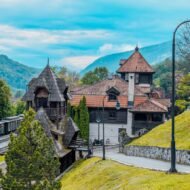
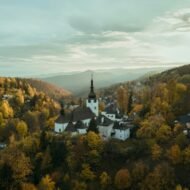
5. Spania Dolina, Slovakia — the medieval mining village in its October forest
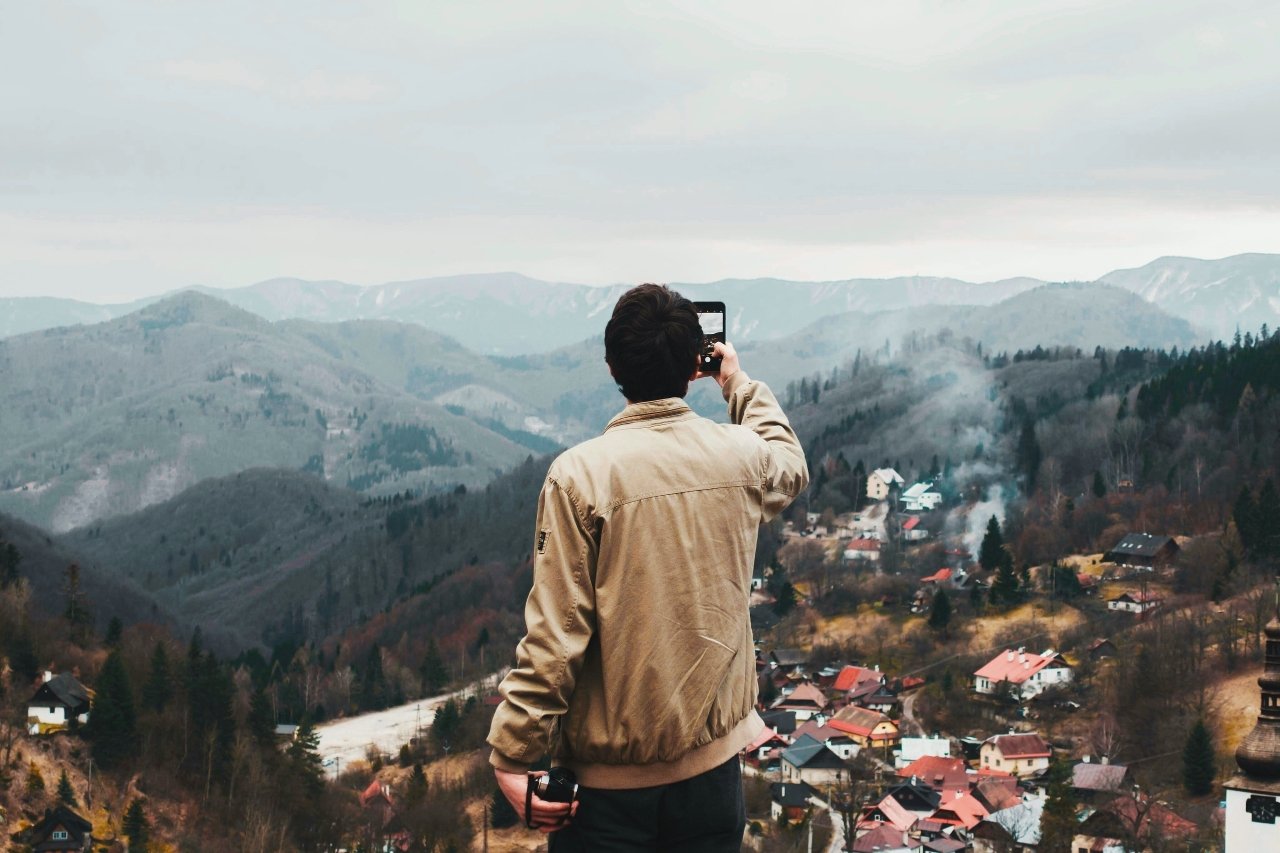
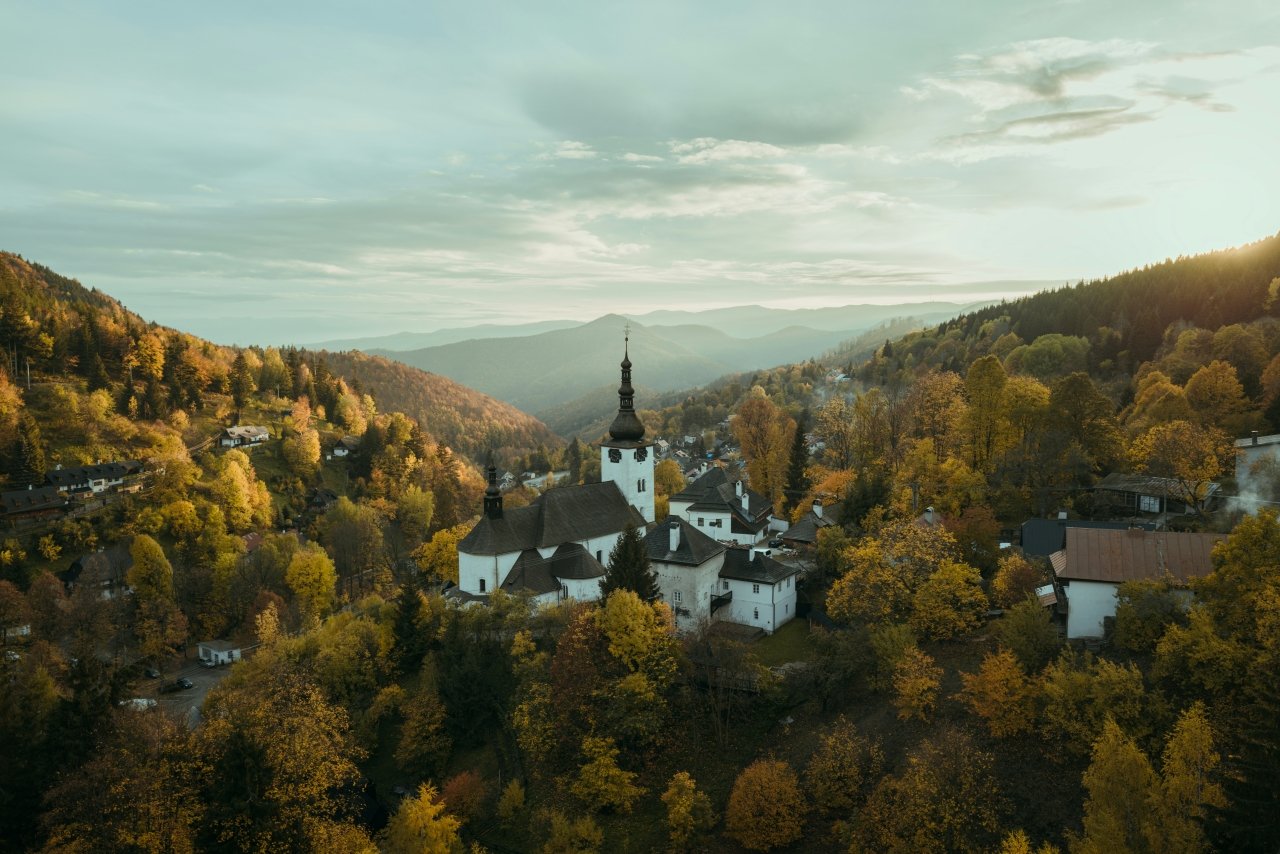
Spania Dolina is a small village in the Low Tatras mountains of central Slovakia that exists almost entirely unaware that it is one of the most architecturally and historically extraordinary mining settlements in central Europe. The village was established in the 16th century for copper miners and retains its extraordinary Gothic and Renaissance residential architecture — the miners’ houses, the ore processing buildings, the Renaissance church — in a state of remarkable completeness that the absence of international tourism has paradoxically preserved.
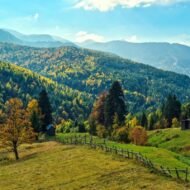
In October the beech forests of the Low Tatras above and around the village turn in a colour that is specifically and extraordinarily Slovak — the beech, not the oak or the maple, is the dominant species here and the pure gold of the beech autumn, with the extraordinary Gothic village at its base, is one of the most photographically extraordinary scenes in central Europe that almost no international travel photographer has reached.
For photographers: The specific image: the Renaissance church tower above a sea of gold beech forest, the copper-coloured tailings of the medieval mining operations visible in the valley below, the extraordinary afternoon light of October on the village façades. This image exists in almost no international travel photography archive. It is available to anyone who drives the 30 minutes from Banská Bystrica.
For retreats: The Low Tatras mountains above Spania Dolina have a well-developed network of mountain huts and the extraordinary Slovak tradition of mushroom foraging in autumn — the beech forest produces extraordinary porcini and chanterelles in October. A village stay in Spania Dolina combined with a mushroom-foraging morning and a mountain walk in the afternoon is the most complete Slovak autumn day available.
Getting there: Fly to Bratislava or Vienna, train to Banská Bystrica, drive 30 minutes. Or fly direct to Poprad for the High Tatras and combine. A car required for the village itself.
6. Breb, Maramureș, Romania — the village that time forgot to develop
Breb deserves a separate entry from the broader Maramureș section because it is specifically the most extraordinary single village in the entire Carpathian arc for the retreat and photography visitor — a small agricultural settlement in the Mara valley where horse-drawn carts still outnumber cars, where hay is still stacked by hand in the extraordinary conical stacks that cover the meadows in summer and where the traditional wooden gate — the Maramureș gate, carved with elaborate geometric patterns that encode the family’s history — stands at the entrance to every household.
In October the meadows that in August held the hay stacks are empty, the mist sits in the Mara valley at dawn, the plum orchards are in their last colour before the leaves fall, and the wooden churches at the village edge catch the extraordinary low autumn light in a way that the high sun of summer never allows.
For photographers: Sunrises break over rolling hills wrapped in mist, while evenings settle into layered blues and amber tones over shepherd huts and ridgelines. Breb specifically: the dawn mist over the plum orchards, the carved wooden gates in afternoon light, the cemetery candles on All Saints’ Day evening. These three images constitute a complete documentary photography project in one village.
For retreats: Breb has a small number of traditional guesthouses, the most recommended being Casa Iurca — a traditional Maramureș farmhouse operating as a guesthouse since the 1990s, cited consistently as one of the most extraordinary rural accommodation experiences in Romania. No luxury. Fireplaces. Traditional Maramureș food. Silence. The most complete withdrawal from contemporary European life available within a 3-hour flight of most European cities.
Getting there: Same as Maramureș above. The village of Breb is 15 minutes from Ocna Șugatag. Car essential.
7. Peneda-Gerês, Portugal — the only national park in the country in its wildest month
Peneda-Gerês is Portugal’s only national park — a territory of granite mountains, river gorges, ancient oak and laurel forests and abandoned village schists in the far northwest of the country, bordering Spanish Galicia, that most Portuguese visitors know about and most international visitors have never heard of.
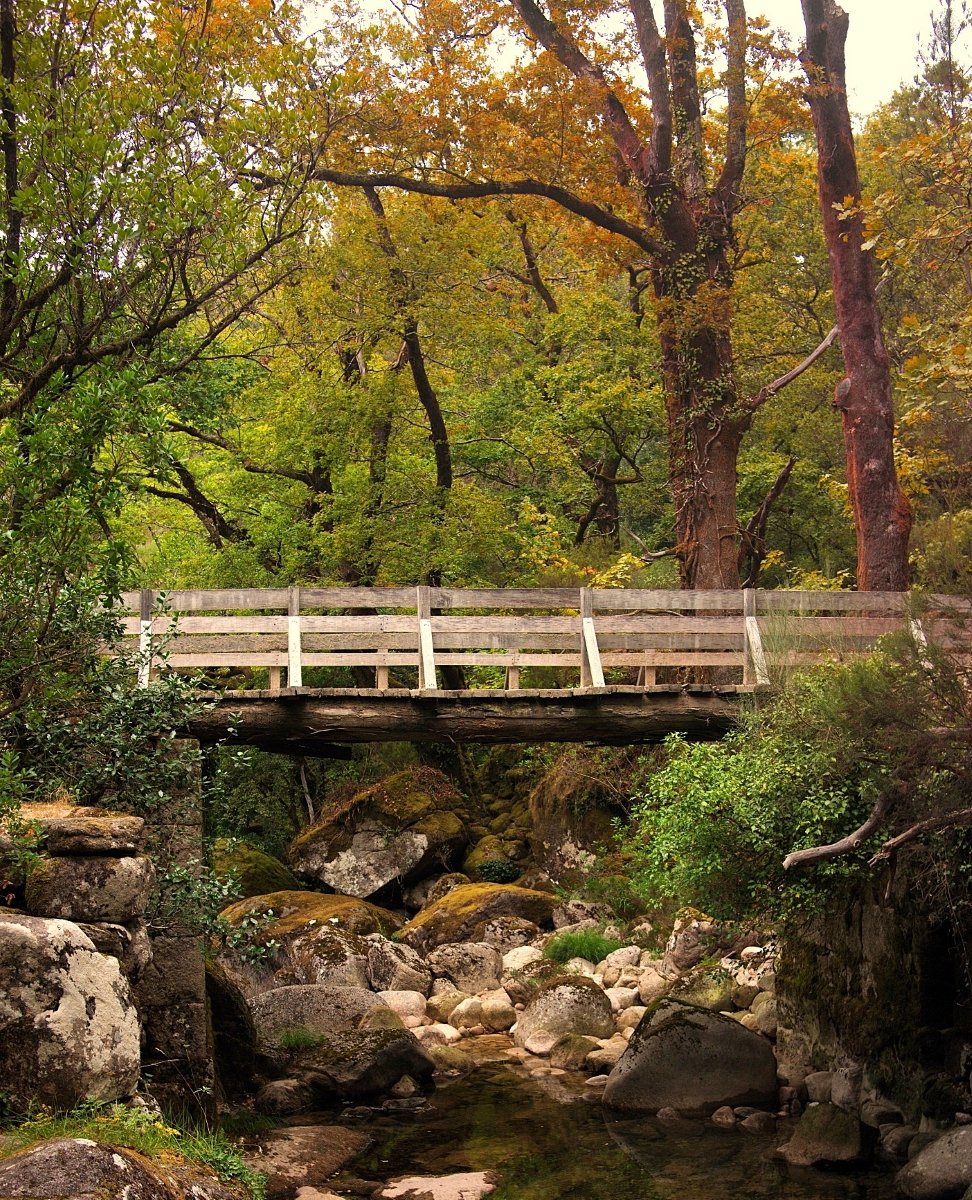
October in Gerês is the month when the park belongs to itself. In recent years Peneda-Gerês has been very popular during the hottest months, but it is also a beautiful experience in autumn. The leaves on the trees create a colourful blanket that covers trails and mountains, making the landscapes even more impressive.
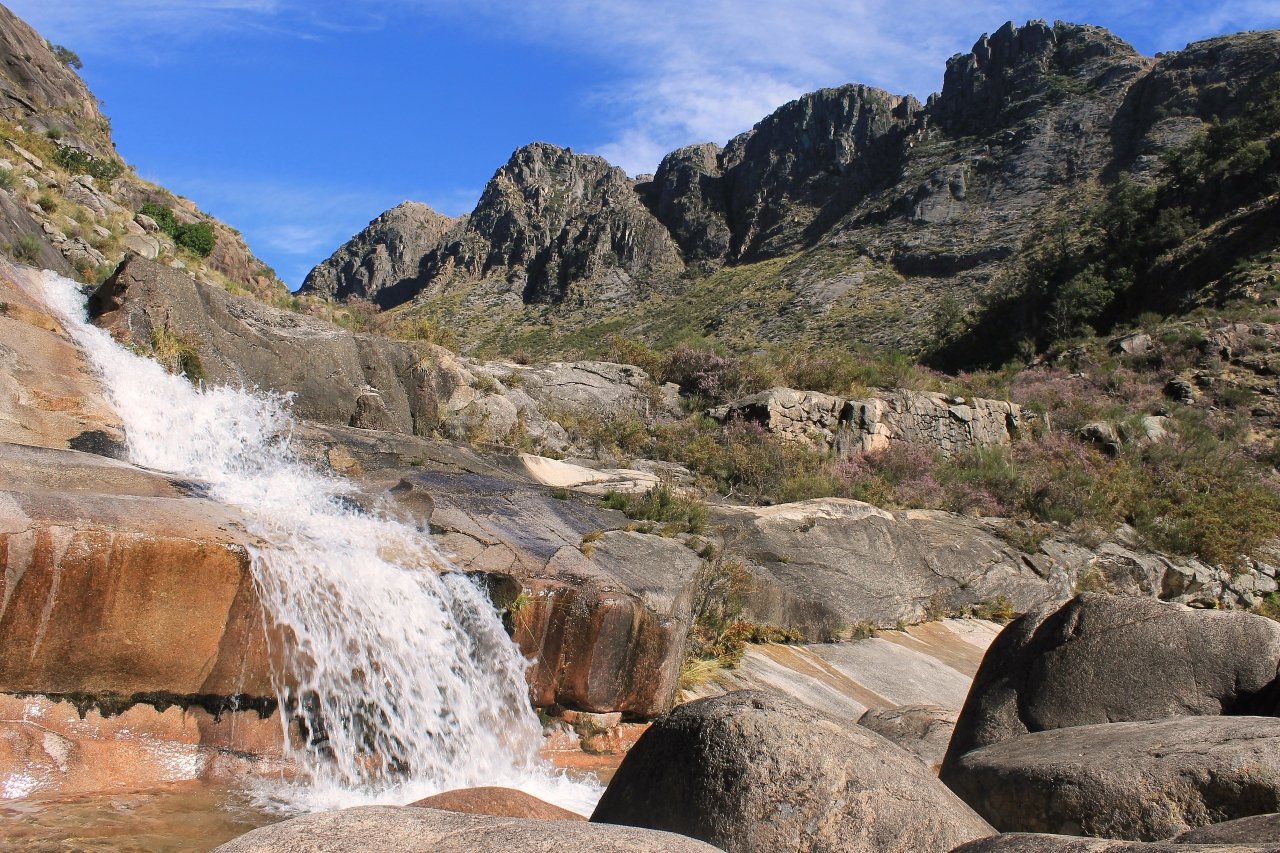
The specific characteristics: the Rio Lima in the valley below the Peneda sanctuary, the ancient drovers’ roads (bouças) that connect the abandoned village settlements across the granite plateau, the extraordinary Galo — the traditional giant reed beds of the Cávado river in the Gerês valley that in October catch the extraordinary northwest Portuguese light in a way unique to this specific landscape.
The abandoned village of Curutelo — a settlement high on the granite plateau abandoned in the 1960s when the Vilarinho das Furnas dam flooded the valley below and the community dispersed — reappears in very dry years at the lake’s receding edge, its stone walls rising from the water. In October 2025 it was partially visible. Whether it appears depends entirely on the rainfall.
For photographers: The Gerês landscape is most extraordinary in the two hours after dawn when the mist rises from the Cávado river valley and the oak forest catches the morning light. The Portela do Homem — the Roman road crossing into Spain, still paved with its original Roman stones — is the most extraordinary single photographic subject in the park and most dramatic in October when the surrounding heather is in its last purple.
For retreats: The spa village of Caldas do Gerês has thermal waters and a small number of traditional hotels at prices that the Portuguese wellness market has not yet inflated. The combination of the thermal waters, the granite mountain air, the forest walking and the extraordinary Northwest Portuguese cuisine — lamprey in season, caldo verde, the Vinhão red wine of the Minho valley — is the most complete retreat available in northern Portugal.
Getting there: Drive from Porto (1h 30m) or Braga (1h). The park interior requires a car. Entry is managed at park gates in season — check current access rules at adere-pg.pt before travel.
The honest seasonal guide
All seven destinations share one characteristic: they reach their most extraordinary version in October and November precisely because the summer visitor has left. The crowd mathematics of European autumn work in the serious traveller’s favour — the same landscapes, the same architecture, the same traditions, with a fraction of the humans and the most extraordinary light of the year.
For photographers specifically: October in all seven destinations produces the low-angle light, the mist conditions and the colour that the high summer sun eliminates. The golden hour in October lasts three times longer than in June. The mist that burns off mountain valleys at dawn in October does not exist in July. These are not the same destinations in a quieter month — they are genuinely different photographic territories.
For the retreat visitor: the stone guesthouses, the fireplaces, the mountain air and the extraordinary traditional food of all seven territories are most completely available in October when the pressure of the summer season has lifted and the hosts have time for the conversation that tourism at scale eliminates.
The field guide connection
Several of these territories are covered in The Wanders Beyond the Map Field Guides — GPS coordinates, specific trail data, the honest timing assessment and the practical logistics that make the visit possible rather than aspirational.
Europe in Autumn: The Beyond the Map Guide → 25 places documented at week-level timing. September, October and November. €14.
The Beyond the Map Regional Series → Nine European territories documented in editorial depth.