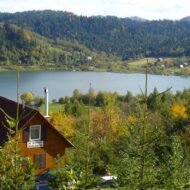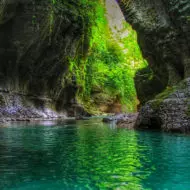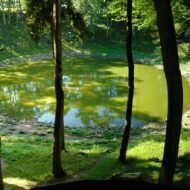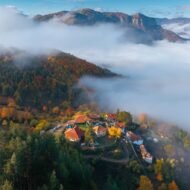


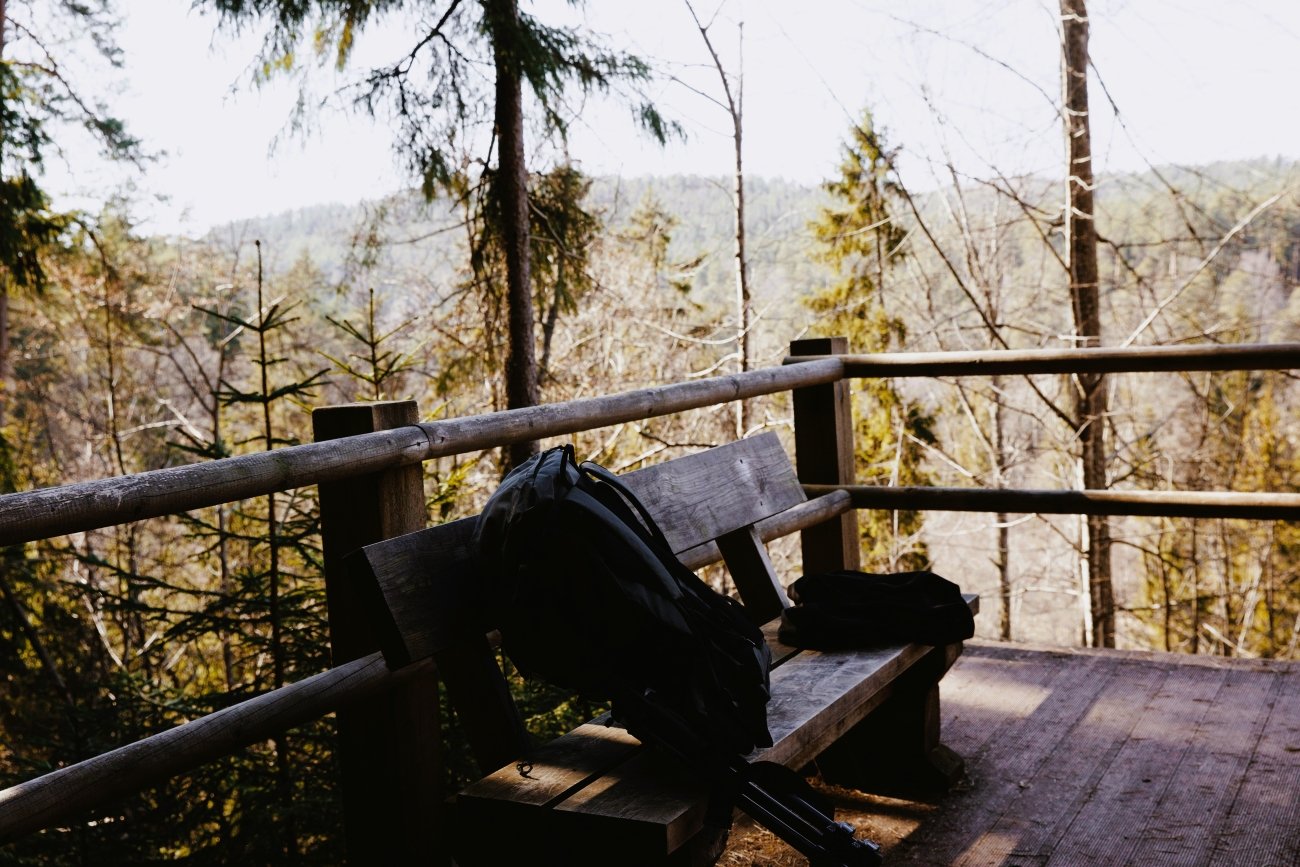
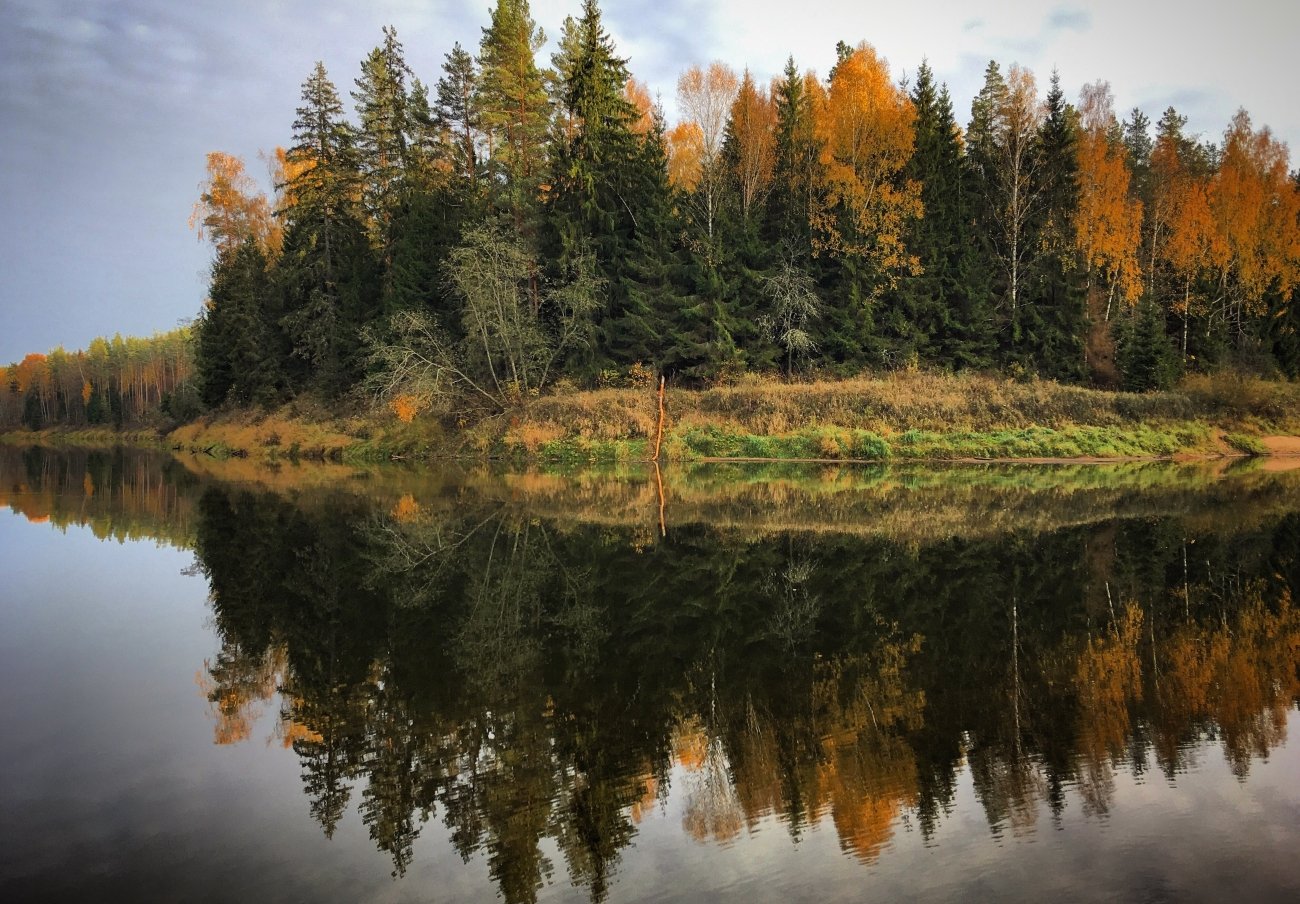
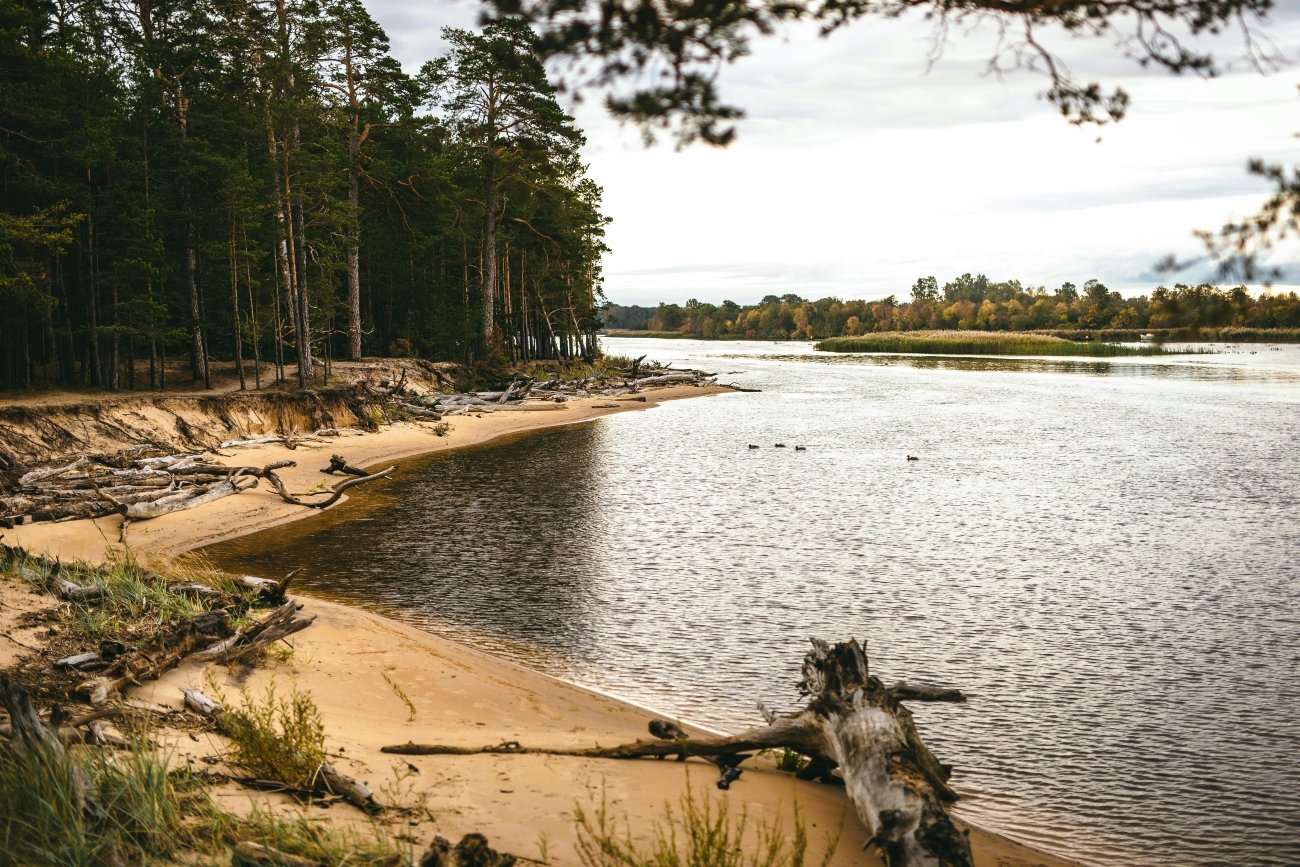
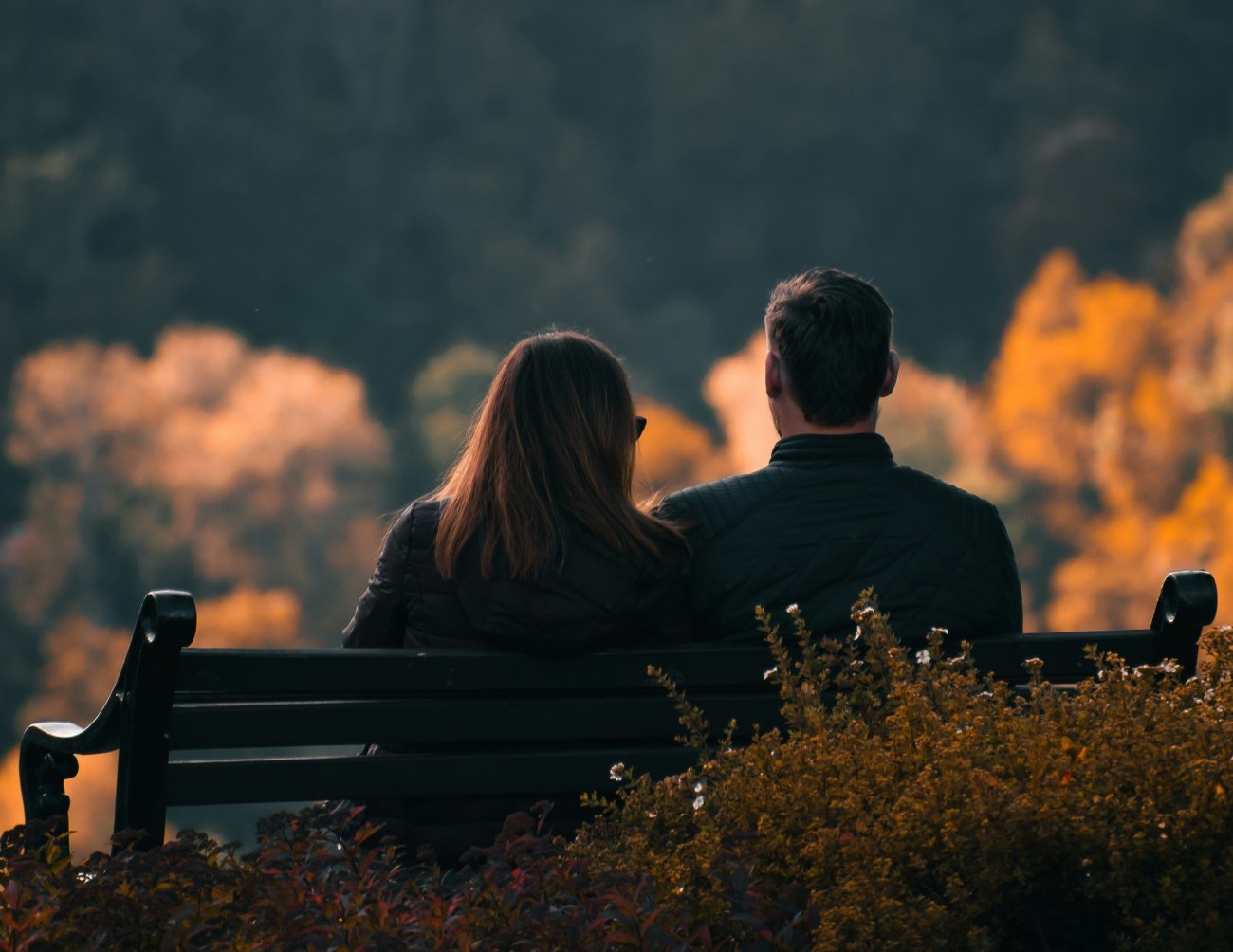
Red sandstone cliffs, medieval castles above a winding river, and forests that turn gold every October. An hour from Riga, the Gauja Valley is the Baltic’s most beautiful autumn landscape.
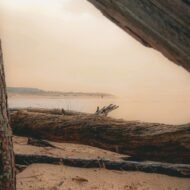
Latvia is a flat country. Most of it is forest, field and lake, rolling gently towards the Baltic Sea. That is why the Gauja Valley comes as such a surprise. Here the river Gauja has cut a deep, winding valley into soft red sandstone, leaving cliffs, caves and steep wooded slopes along its banks. Castles of the Livonian Order and the Archbishops of Riga stand on the heights above it, facing each other across the river.
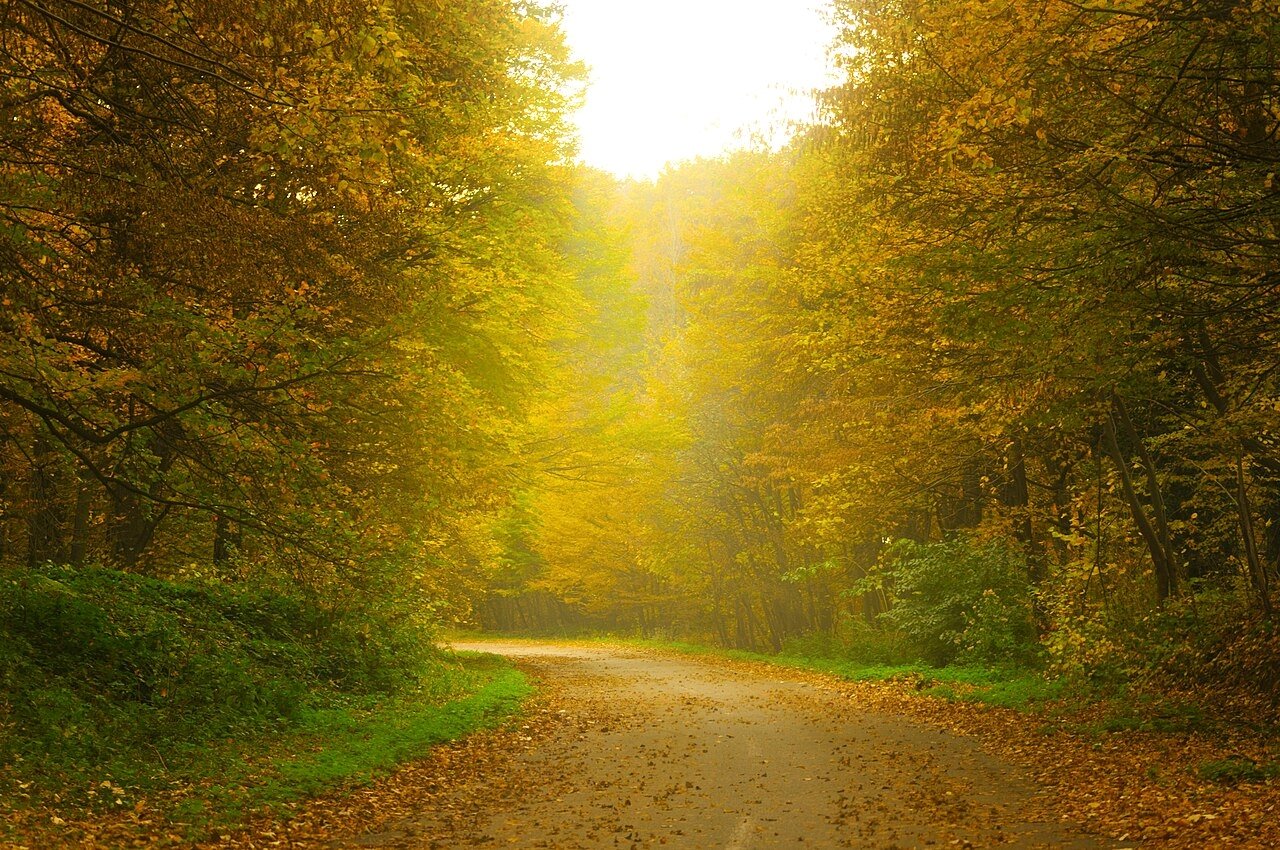
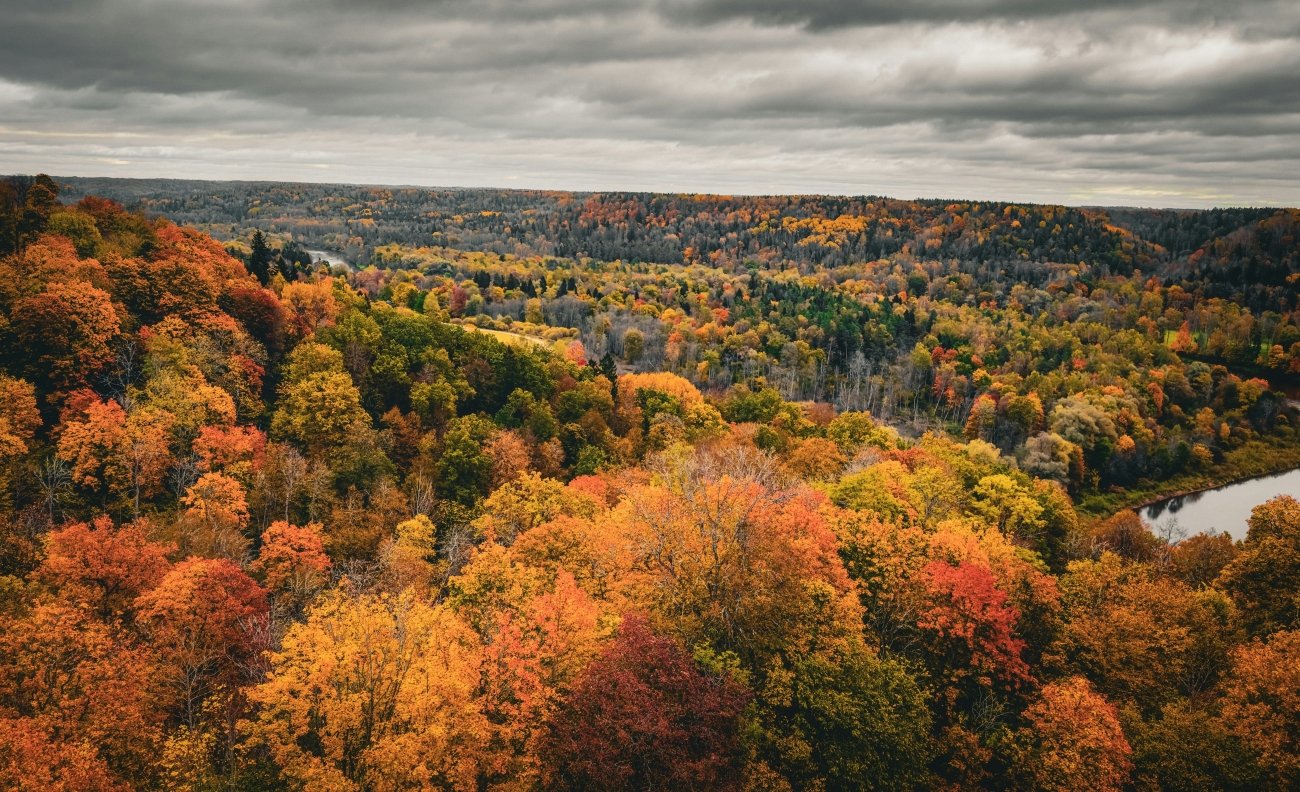
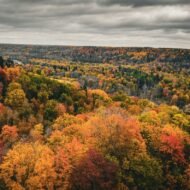
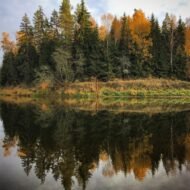
Locals sometimes call it the “Latvian Switzerland”. The name is a little generous, but in autumn it is easy to forgive. From the end of September, the forests along the valley turn yellow, orange and red, the river reflects them, and the castles rise out of a sea of colour. Sigulda, the valley’s main town, is known throughout Latvia as its autumn capital.
At a glance
| Where | Gauja National Park, north-east of Riga, Latvia |
| Main towns | Sigulda, Cēsis, Līgatne |
| Known for | Sandstone cliffs and caves, medieval castles, autumn colour, river canoeing |
| Best autumn weeks | Late September to mid-October (it can last until late October) |
| From Riga | About 1 hour by train or car |
The valley of castles
Within a few kilometres of Sigulda stand three castles, one on each side of the valley. Turaida Castle, founded in 1214, is a red-brick fortress on a hill above the river, its round tower one of the most photographed views in Latvia. Across the valley, the ruins of Sigulda Medieval Castle, built by the Livonian Brothers of the Sword in the 13th century, stand beside the town’s later manor, the “New Castle”. Further along, Krimulda has a manor house and park and the ruins of its own castle.
Upstream lies Cēsis, one of the oldest towns in Latvia, with one of the best-preserved castles of the Livonian Order in Latvia. In the old tower, visitors explore by candlelight, carrying lanterns through the dark stairs and rooms.
In the Field Guide: the complete castle route through the valley, with opening times, the best viewpoints, and the order to see them in one or two days.
Cliffs, caves and the Rose of Turaida
The Gauja’s red sandstone has been carved by the river into dramatic cliffs and caves. Gūtmaņa Cave, near Turaida, is the largest cave in the Baltic states, its walls covered with names and inscriptions carved by visitors over centuries. It is also the setting of the valley’s best-known legend: the Rose of Turaida, a young woman named Maija who, according to the story, chose death in the cave in the 17th century rather than betray her love. Her grave lies beneath an old lime tree near Turaida Castle, and couples still leave flowers there.
Elsewhere in the valley, cliffs such as Zvārte Rock, on the river Amata, rise high above the water, framed in autumn by golden forest.
In the Field Guide: five walks to the valley’s cliffs, caves and viewpoints, with maps, distances and the best times of day for light.
From the Iron Age to the Cold War
The Gauja Valley holds history from every age. At Āraiši, near Cēsis, a reconstructed lake fortress shows how people lived here more than a thousand years ago, in wooden houses on an island in the lake. In Līgatne, beneath a quiet rehabilitation centre in the forest, a secret Soviet bunker built for the government of the Latvian SSR has been preserved, almost exactly as it was, and can be visited on guided tours.
In the Field Guide: a history route from Āraiši to Līgatne, with tips for booking the bunker tour and other hidden sites in the park.
On the river and in the forest
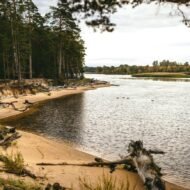
The Gauja is one of the best rivers for canoeing in the Baltics: slow, clear and winding, with sandstone cliffs and forests on both banks. In autumn, a canoe or kayak trip is the most peaceful way to see the colours. On land, the national park’s marked trails lead through forests of pine, spruce, oak and birch, and a cable car crosses the valley between Sigulda and Krimulda in about seven minutes, high above the golden treetops.
In the Field Guide: the best river trips for autumn, where to hire canoes, the cable car and the trails with the finest colour.
When to go
- Late September to mid-October: peak autumn colour, usually at its best around the first two weeks of October.
- Late October: the last colour and quieter trails; some attractions switch to winter opening hours.
- Winter: snow, frozen waterfalls and the Sigulda bobsleigh track.
- Summer: canoeing, swimming and long northern evenings.
Weekends at the peak of the autumn season can be busy in Sigulda; visit on a weekday or stay overnight.
Getting there
Sigulda is about 1 hour 10 minutes from Riga by train, and Cēsis about 1 hour 20 minutes. By car, both are about an hour away. Buses link Sigulda with Turaida, though they run only about once an hour, so allow time or walk the trails between the sites.
In the Field Guide: a two-day autumn itinerary through the valley, from Sigulda to Cēsis, with where to stay and eat.
Beyond the map
The Gauja Valley is proof that a country’s most beautiful landscapes are not always its most dramatic. A red cliff above a slow river, a castle tower in the mist, a forest turning gold in a single week of October: in the flat lands of the Baltic, it is enough to feel like another world. Come at the height of the autumn, walk early before the crowds, and watch the valley glow.
Read next: Europe’s Last Pagan Landscapes · The Rhodope Mountains in Autumn
Go deeper: the Gauja Valley Field Guide
[Gauja Valley — The Beyond the Map Field Guide]
- The castle route: Turaida, Sigulda, Krimulda and Cēsis, with times and viewpoints
- Five walks to cliffs, caves and the best autumn colour
- The history route: Āraiši lake fortress and the Līgatne Soviet bunker
- River trips and the cable car
- A two-day autumn itinerary from Sigulda to Cēsis
- Where to stay and eat in the valley
- Offline maps and GPS points for every place
→ [Download the Field Guide]
Explore more: Seasons · Wild Europe · Field Guides