

Forget the treasure hunts and the conspiracy theories. Across Europe, the Knights Templar left real castles, villages and chapels, and most of them are almost unknown. Here are five of the best.
The Knights Templar were founded in Jerusalem around 1120 to protect pilgrims on the roads to the Holy Land. Within two centuries, they had become one of the most powerful organisations in Europe: soldiers, monks, landowners and bankers, with castles in Spain and Portugal, farms in France and England, and commanderies from the Atlantic to the Baltic.
Then, on Friday 13 October 1307, King Philip IV of France ordered the arrest of every Templar in his kingdom. In 1312, the Pope dissolved the order, and in 1314, its last Grand Master, Jacques de Molay, was burned in Paris. Their lands passed to other orders, mostly the Knights Hospitaller, and the Templars passed into legend.
Most travellers know them only through that legend: the Holy Grail, the lost treasure, the secret codes. But the Templars were also builders, and across Europe their castles, villages and chapels are still standing. Most of them are far from the usual routes.
| Place | Why go | |
|---|---|---|
| 1 | Almourol, Portugal | A Templar castle on an island in the Tagus |
| 2 | Miravet, Spain | The castle of the Templars’ last stand |
| 3 | La Couvertoirade, France | A walled Templar village on the Larzac plateau |
| 4 | Chwarszczany, Poland | A fortified Templar chapel in the forests of western Poland |
| 5 | Vrana, Croatia | The Templars’ main base on the Adriatic |
1. Almourol Castle, Portugal
39.46° N, 8.38° W · On the Tagus, near Tancos, Santarém district
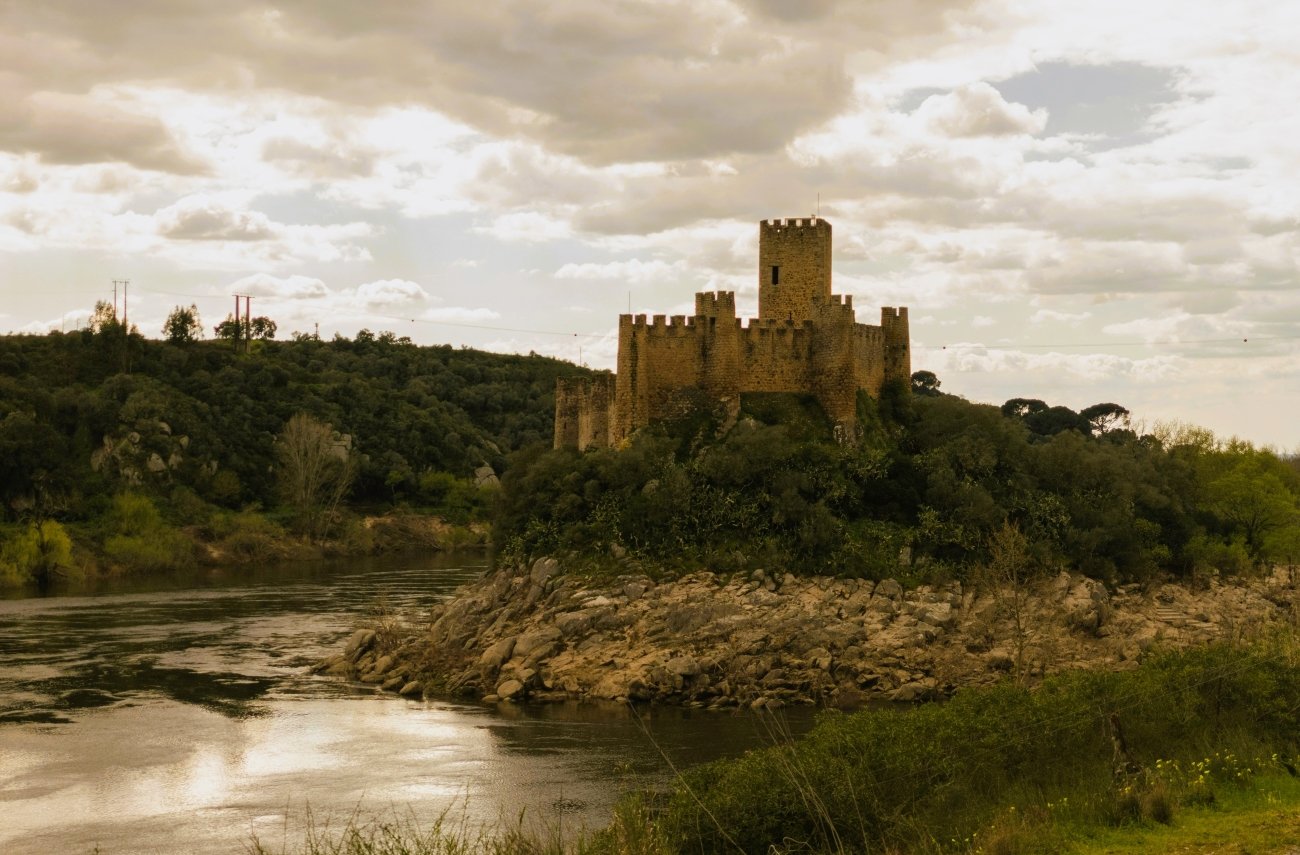
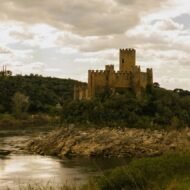
In the middle of the river Tagus, on a granite rock covered with trees, stands one of the most beautiful castles in Portugal. Almourol was taken from the Moors in 1129 and placed in the care of Gualdim Pais, the master of the Templars in Portugal. He rebuilt it, and an inscription over the main gate dates the work to 1171.
Almourol was part of the line of Templar castles that defended the Tagus, the frontier of Christian Portugal at the time. Its keep and watchtowers were new ideas in western Iberia, brought by the Templars from the East. The only way to reach the castle is still by boat.
In the Field Guide: how the boat crossing works, the best light for photographs, and the other Templar castles of the Tagus line, including Tomar.
When: spring and autumn; summer is hot, but the river keeps it pleasant. Weather at Almourol: a warm Portuguese interior climate. In nearby Santarém, average highs are about 31°C in July and August, 29°C in September and 24°C in October, falling to about 15°C in January. Summers are almost rainless; most rain falls from October to April. Getting there: about 1 hour 30 minutes by car from Lisbon. Boats leave from the riverbank at Tancos. The castle itself is free; you pay for the boat.
2. Miravet Castle, Spain
41.04° N, 0.60° E · Ribera d’Ebre, Tarragona, Catalonia
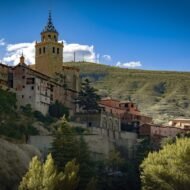
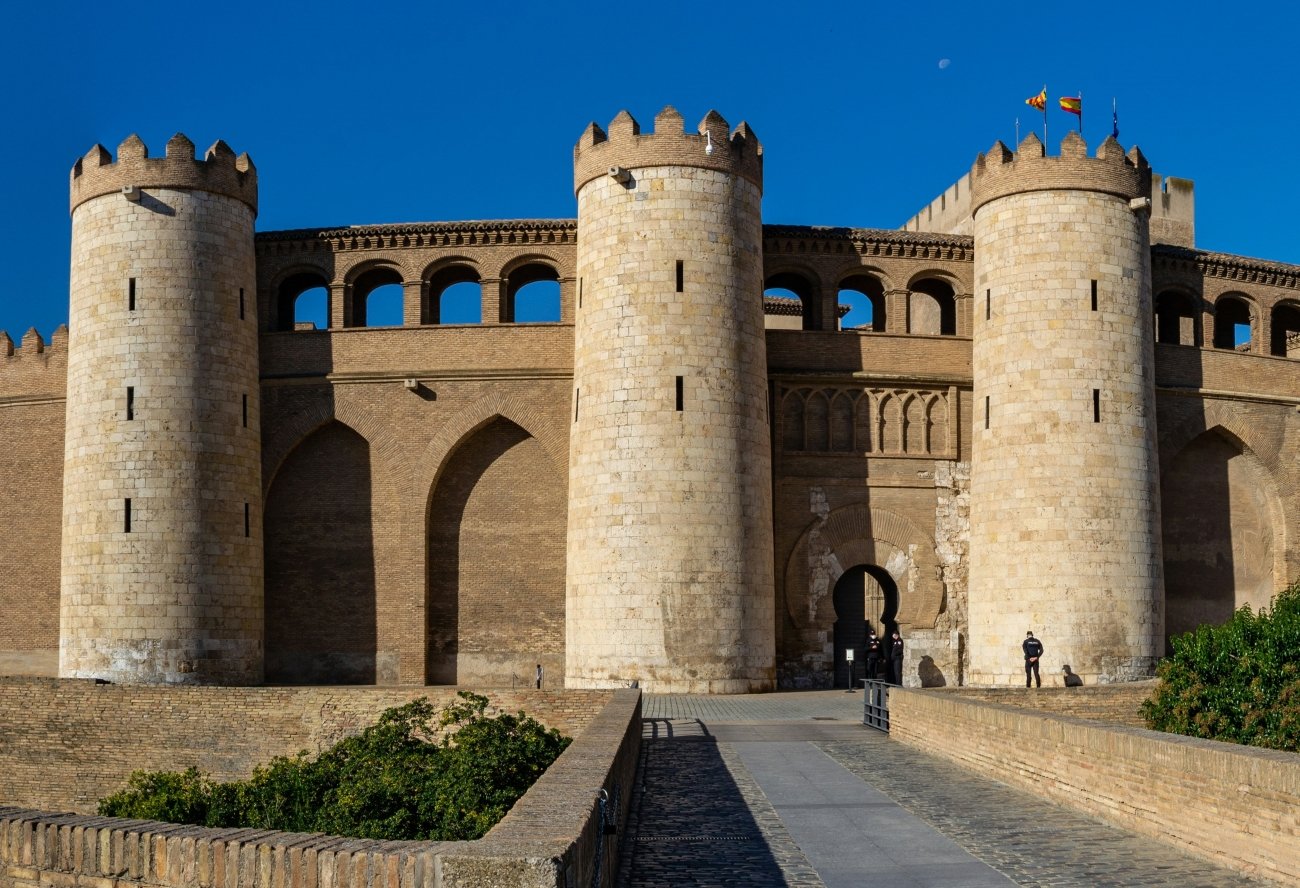
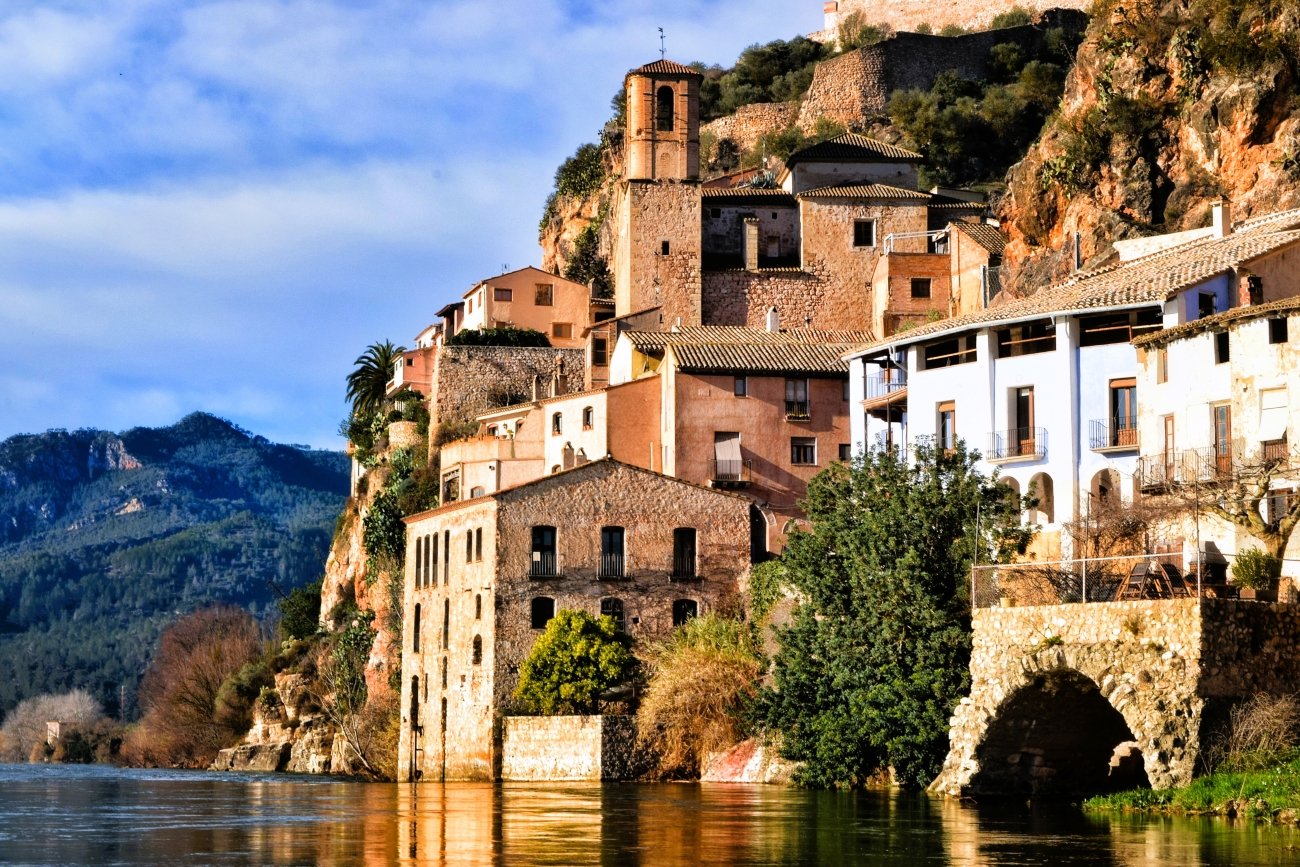
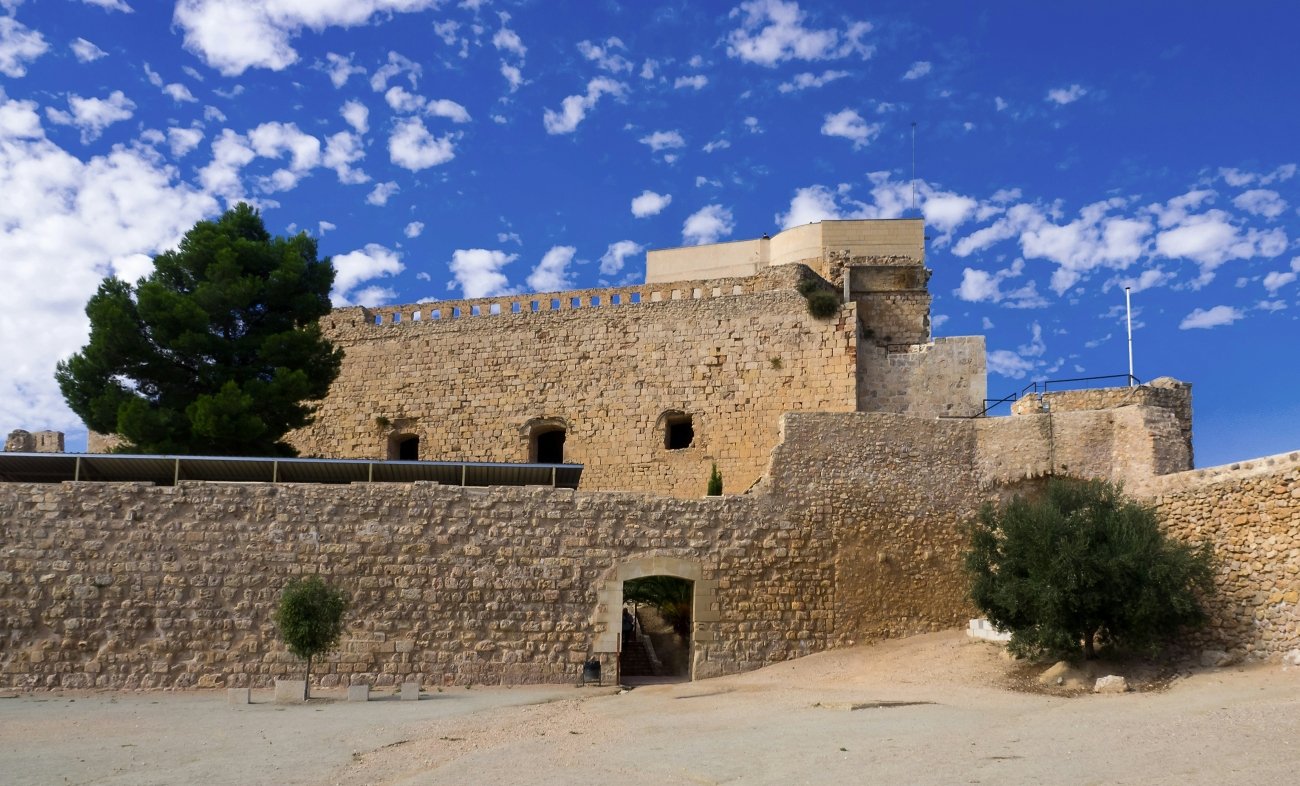
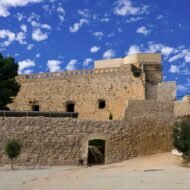
High above a bend in the river Ebro, the walls of Miravet Castle rise 25 metres from a rocky ridge, with the white village of Miravet below. The castle was built on the remains of an Andalusian fortress, and on 23 August 1153, after the conquest of the area, Count Ramon Berenguer IV gave it to the Templars. It became one of their most important strongholds in the Crown of Aragon, and one of the finest examples of Catalan military architecture of the 12th and 13th centuries.
It is also where the Templars made their last stand. When the order was arrested, the knights of Miravet, under Brother Ramon de Saguàrdia, held out against a siege for ten months. On 12 December 1308, the last 22 men surrendered. Six of them, including their commander, refused to give themselves up voluntarily.
Below the castle, the village keeps two old crafts alive. Its potters still work in the old quarter, and the pas de barca, a traditional river ferry, still carries people across the Ebro.
→ Read more: Castell de Miravet · Miravet · The Pottery of Miravet · Pas de barca de Miravet
In the Field Guide: the full story of the siege, the route through the castle, and the old riverside village of Miravet below.
When: spring and autumn; summer afternoons are very hot on the rock. Weather in Miravet: a hot, dry Mediterranean climate inland. In nearby Tortosa, average highs are about 33°C in July and August, 29°C in September and 25°C in October, and about 15°C in January. Autumn brings the heaviest rain. Getting there: about 1 hour 30 minutes by car from Tarragona. The castle is closed on Mondays (except public holidays); entry costs €7, and it is free for under-16s.
3. La Couvertoirade, France
43.91° N, 3.31° E · Larzac plateau, Aveyron, Occitanie
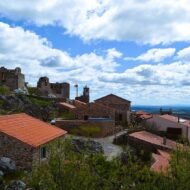
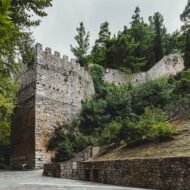
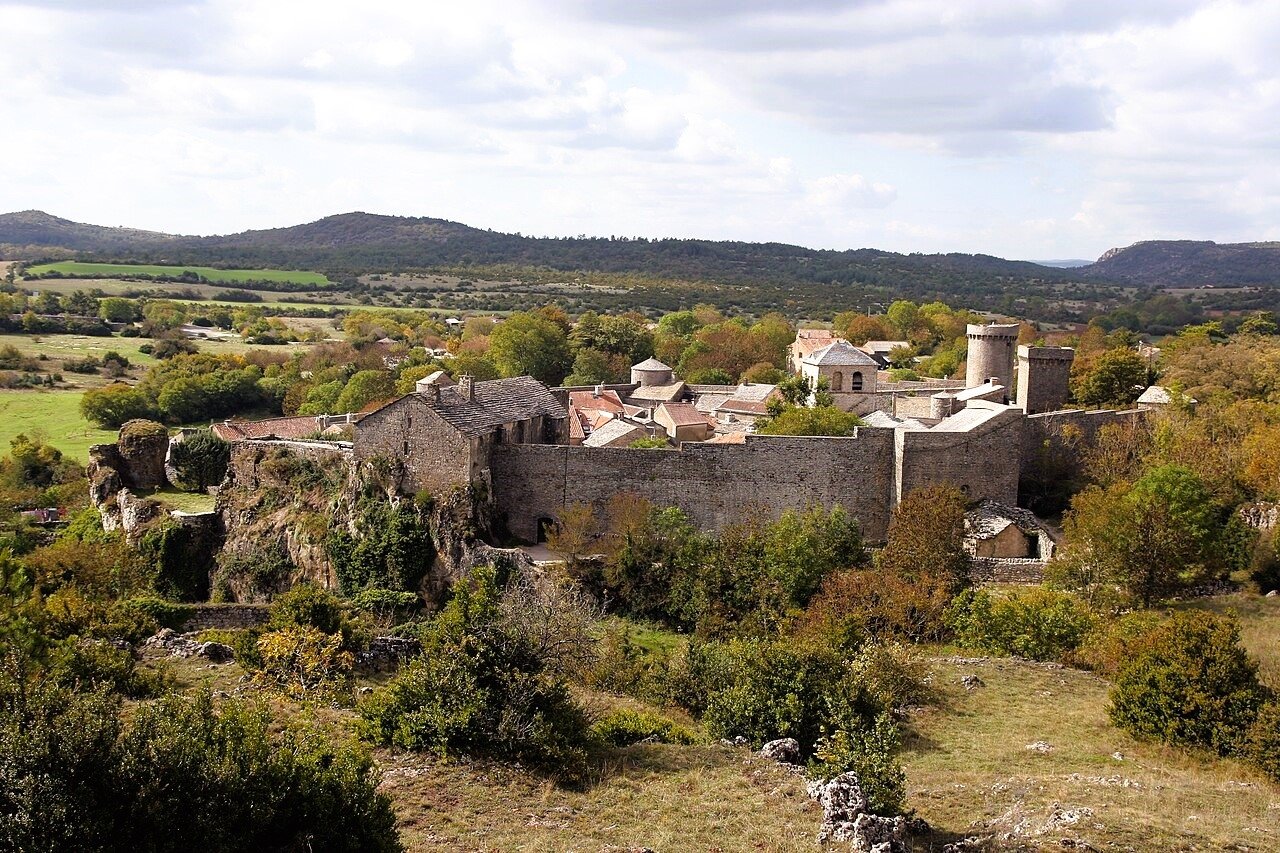
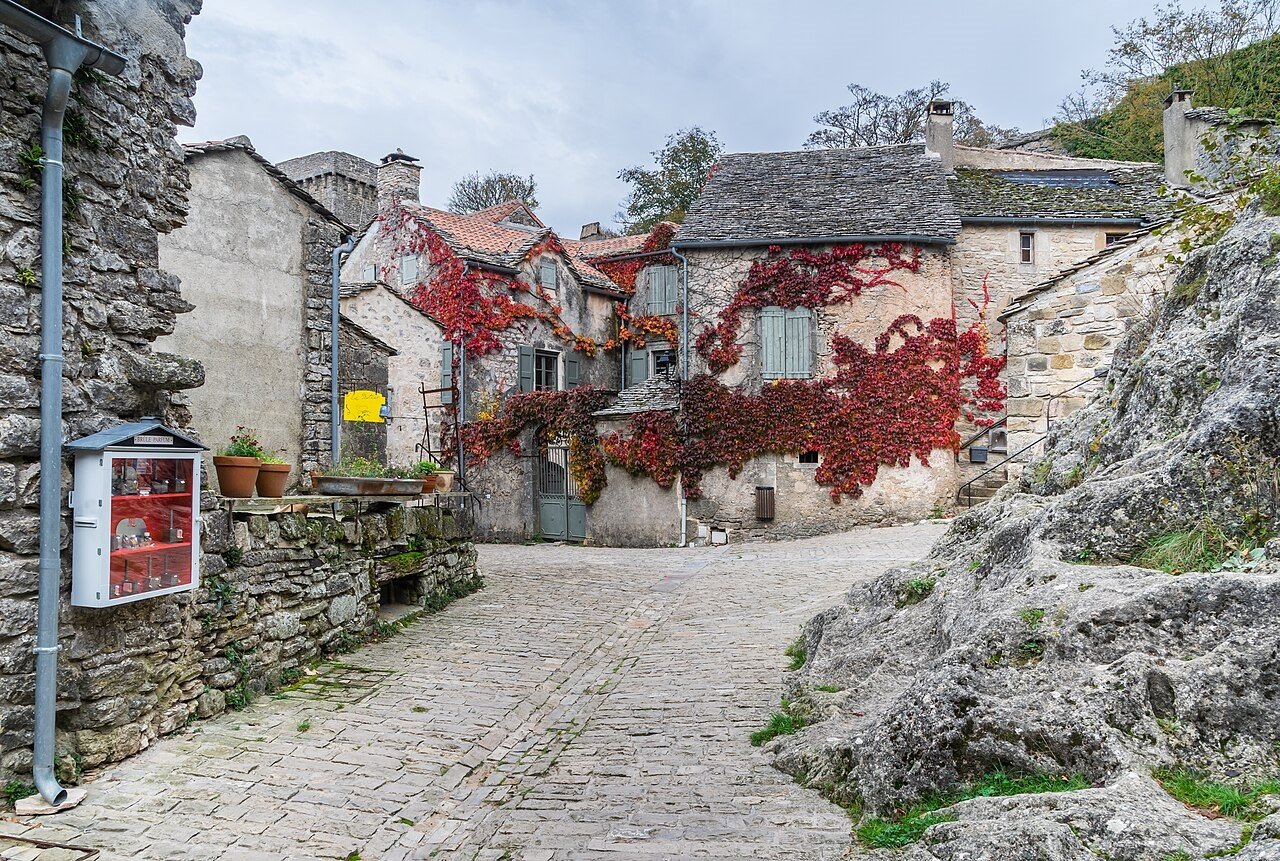
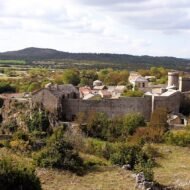
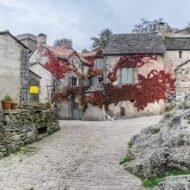
On the high, windswept limestone plateau of the Larzac, a small village sits entirely inside its walls. From the 12th century, La Couvertoirade belonged to the Templars, as part of their commandery of Sainte-Eulalie-de-Cernon, and they built its fortress in the 12th and 13th centuries.
After the order was dissolved in 1312, the village passed to the Knights Hospitaller, who built the curtain wall that still surrounds it, between 1439 and 1450. Today, about 200 people live here, many of them craftspeople working in enamel, pottery and weaving. It is one of Les Plus Beaux Villages de France, and part of a whole circuit of Templar and Hospitaller sites across the Larzac.
In the Field Guide: the Templar and Hospitaller circuit of the Larzac, including Sainte-Eulalie-de-Cernon, La Cavalerie and Saint-Jean-d’Alcas, with a 2-day route.
When: May to October; early morning or evening in summer, when the day visitors have gone. Weather on the Larzac: a high-plateau climate, at about 800 metres: hot, dry summer days with cool nights, and cold, windy winters with frost and occasional snow. The weather can change quickly, and the wind is strong all year. Getting there: about 30 minutes by car south of Millau, close to the A75 motorway.
4. Chwarszczany, Poland
52.66° N, 14.67° E · Western Pomerania, near the German border
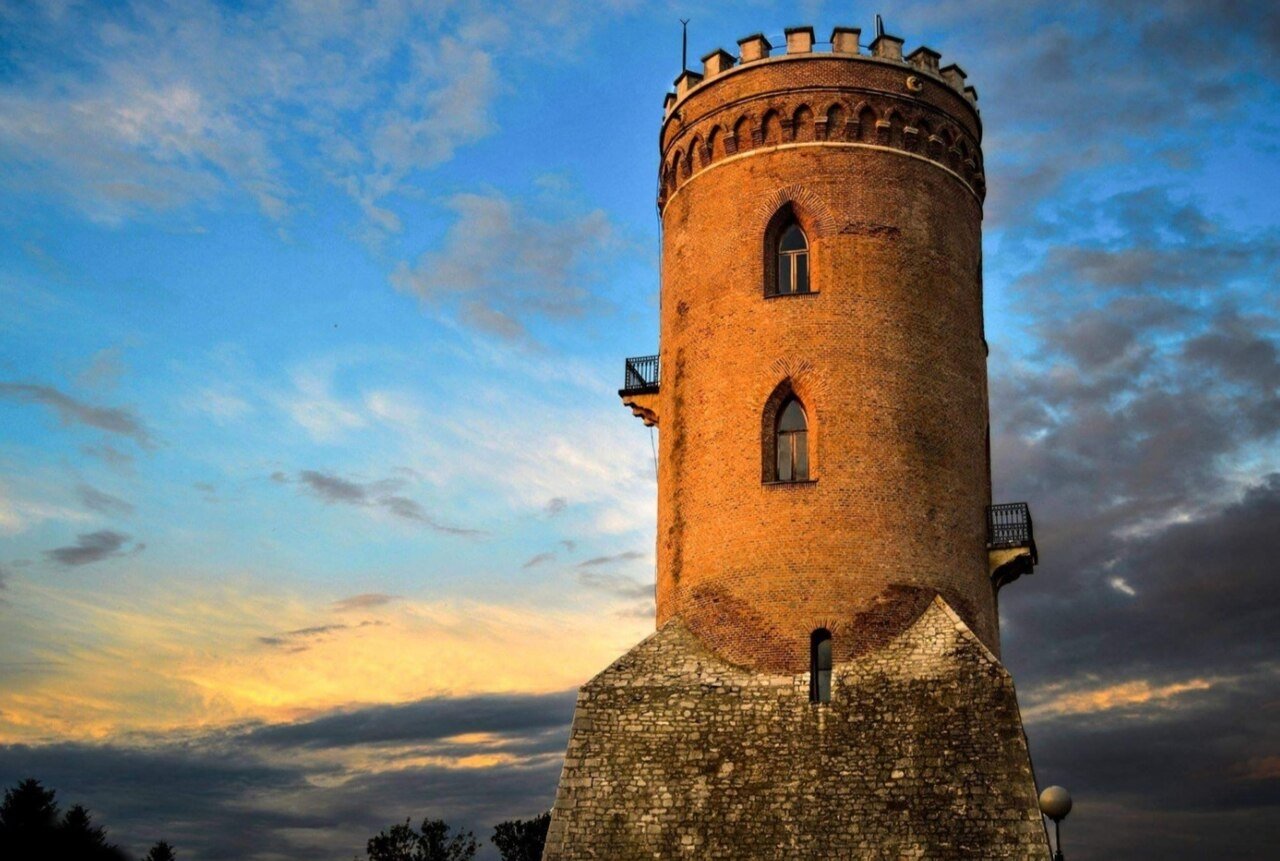
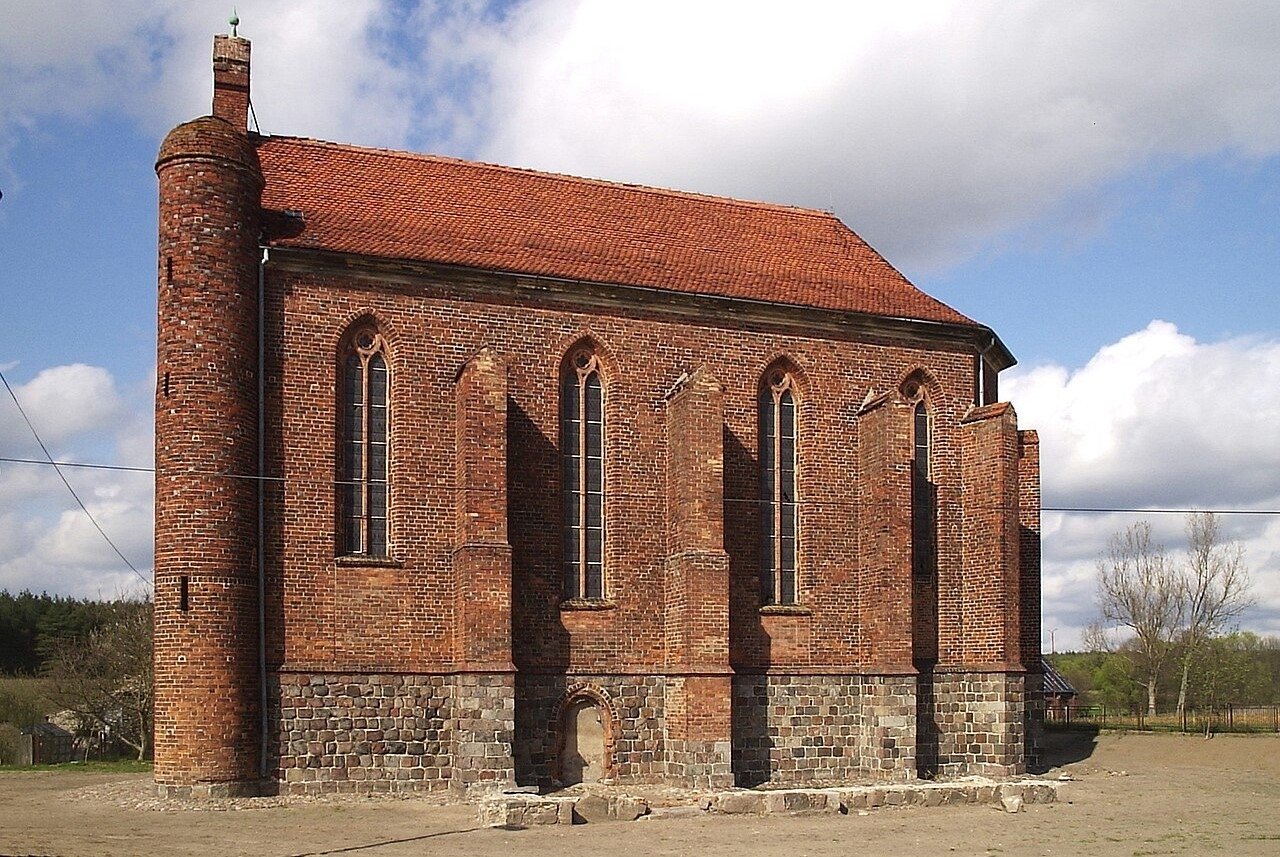
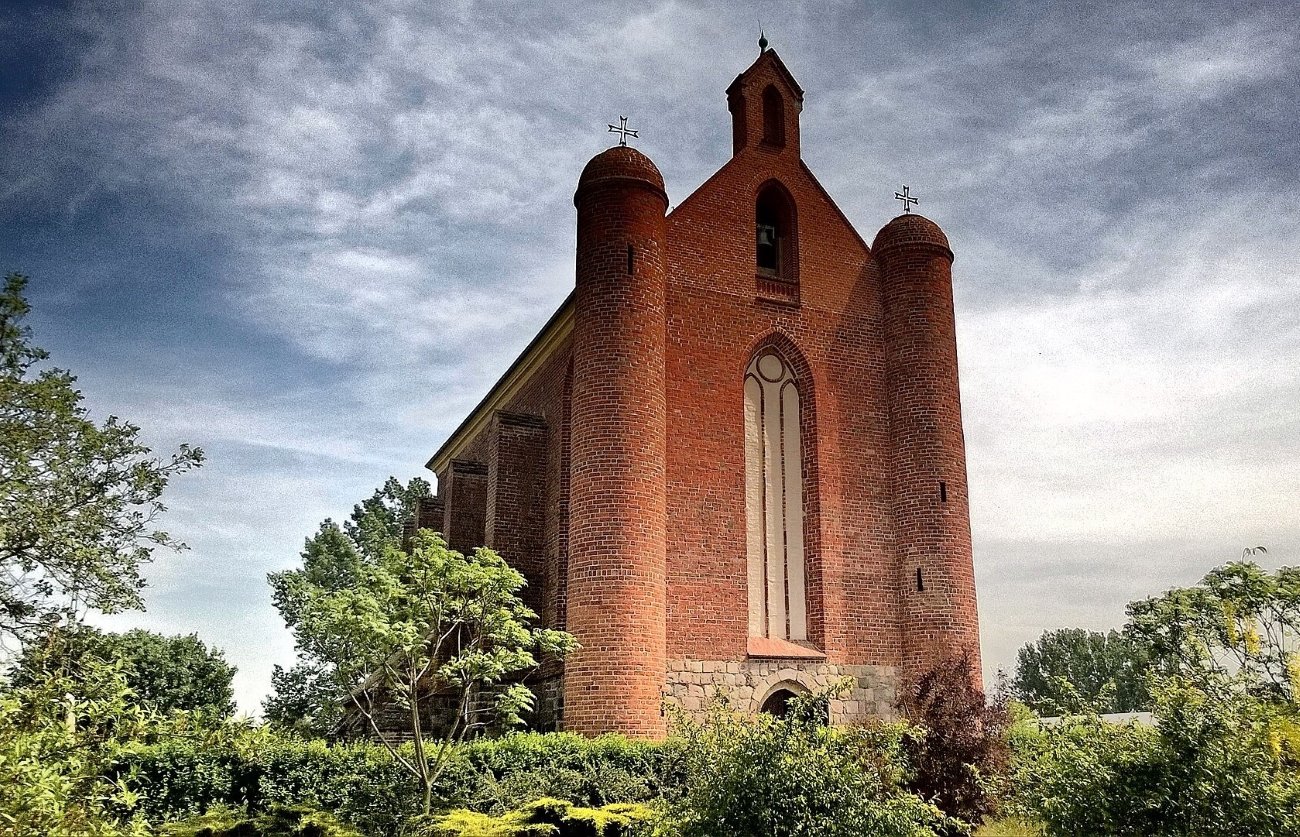
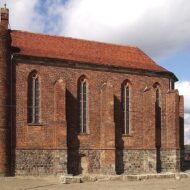
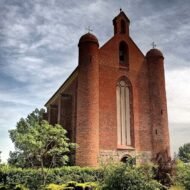
In a quiet village in western Poland, a red-brick chapel with two round towers stands among the trees. It looks more like a small fortress than a church. In 1232, Duke Władysław Odonic of Greater Poland gave the Templars land here, and they founded a commandery. In 1291, Chwarszczany became the seat of the Templar head for Poland, Pomerania and the New March.
The chapel of St Stanislaus was probably built at the end of the 13th century, in brick on a granite base. After the Templars, the Knights Hospitaller held it from 1318 to 1540, and around 1400 they painted the walls with a frieze almost three metres high, restored in the 1990s. In 2020, archaeologists found crypts beneath the floor, and a local legend even links the chapel to the Holy Grail.
In the Field Guide: the chapel and the Templar Museum next to it, the Chwarszczany Cultural Park, and the other Templar sites of western Poland.
When: May to September. Weather in Chwarszczany: a central European climate, with mild summers (highs in the low 20s °C) and cold winters, around 1°C in January, with frost and some snow. Getting there: by car from Gorzów Wielkopolski or from Berlin, about 1 hour 30 minutes away across the German border.
5. Vrana, Croatia
43.95° N, 15.51° E · Lake Vrana, Zadar County, Dalmatia
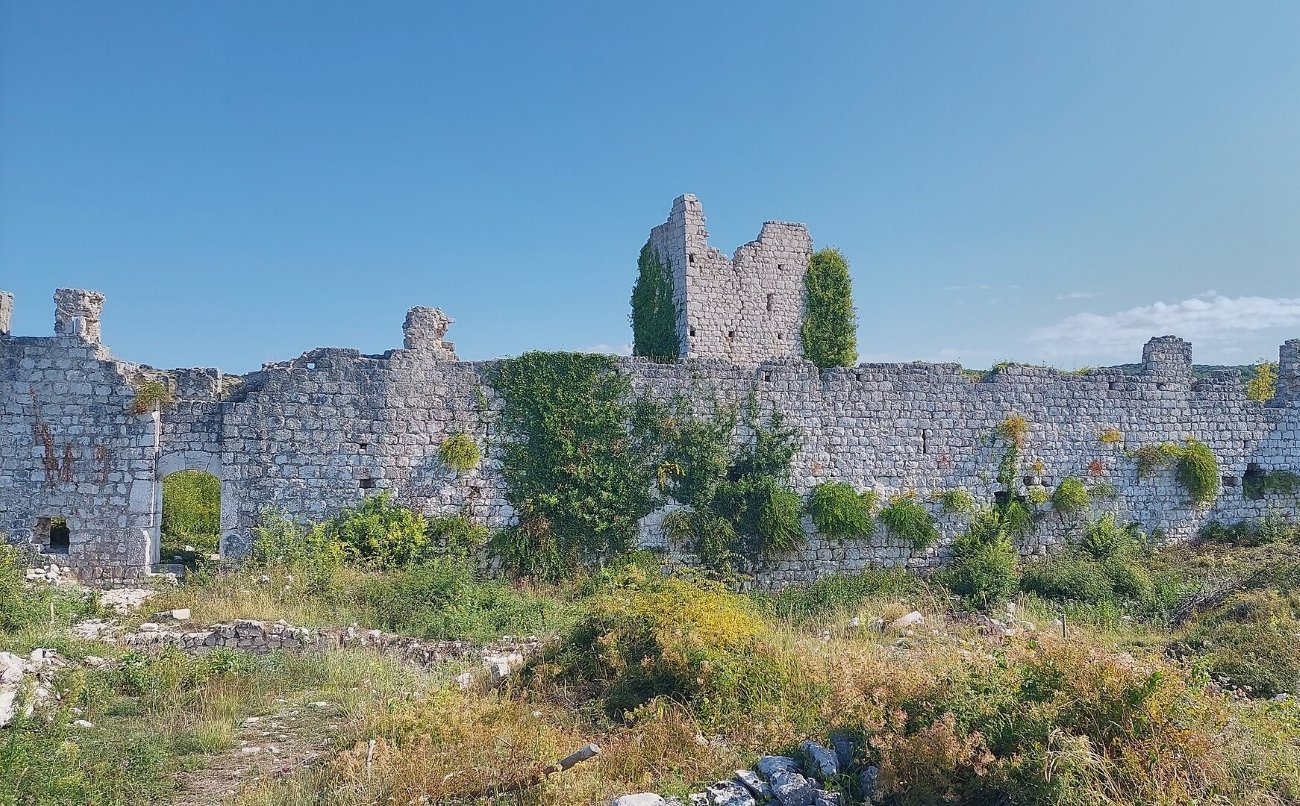
Near the largest natural lake in Croatia, between Zadar and Šibenik, lie the ruins of a fortress and monastery called Vrana. In the 11th century, it was a Benedictine monastery, granted by the Croatian king to the Pope. In the 12th century, it passed to the Templars. They fortified it with three rings of walls, a moat and a drawbridge, and it became their most important possession in the region.
After the Templars were abolished in 1312, Vrana became one of the great priories of the Knights Hospitaller in the Kingdom of Hungary. Later came the Venetians and, from 1527 to 1648, the Ottomans. Next to the ruins stands Maškovića Han, an Ottoman inn commissioned in 1644 by Jusuf Mašković, a local man who became an Ottoman admiral. He was executed in 1645, before it was finished. It survives almost intact, and is now a heritage hotel.
In the Field Guide: the ruins of the priory, Maškovića Han, the Vransko Lake Nature Park, and the summer medieval days in Vrana.
When: April to June and September to October; summer for the coast nearby. Weather in Vrana: a Mediterranean climate. In nearby Zadar, average highs are about 29°C in July and August, 25°C in September and 20°C in October, and about 11°C in January. The sea reaches about 25°C in August. In winter, the cold bora wind can blow hard from the mountains. Getting there: about 30 minutes by car from Zadar, near the coastal town of Pakoštane.
Beyond the map
The Templars are remembered for how they ended: the arrests, the trials, the fire in Paris. But they are better understood by what they built. A castle on an island in the Tagus. A fortress above the Ebro that held out for ten months. A walled village on a windswept plateau. A brick chapel in the Polish forest. A ruined priory by a lake in Dalmatia. Seven centuries after the order fell, these places are still there, quieter than the legends, and more real.
Templar Europe — a Beyond the Map Field Guide
[Templar Europe — The Beyond the Map Field Guide]
The five places in this article are only the beginning. Across Europe, the Templars left hundreds of commanderies, chapels, farms and castles, and most of them are unmarked and almost unknown. The Field Guide takes you to them:
- The five sites in detail, with visiting notes, opening times and the best routes
- The Templar castles of the Tagus, in Portugal, around Tomar and Almourol
- The Templar strongholds of Aragon and Catalonia, from Miravet to Gardeny and Monzón
- The Templar and Hospitaller Larzac: a 2-day route through its fortified villages
- Templar England: Cressing Temple Barns, Garway and Temple Bruer
- Templar chapels of central Europe, from Poland to Bohemia
- Legend vs history: Bornholm’s round churches, the Holy Grail and the “Templar treasure”
- The fall of the Templars, 1307–1314: the arrests, the trials and the last stands
- Offline maps and GPS points for every site
→ [Get the Field Guide]
Read next: The Kingdom of Aragon · Greece’s Catalan Castles · Europe’s Landscapes of Legend
Explore more: Trails · Military Heritage · Europe’s Most Beautiful, Beyond the Map