


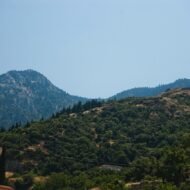
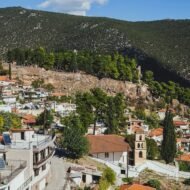
In 1909, a Catalan historian travelled through central Greece looking for the castles his countrymen had held six centuries earlier. He found four. They are still there, on their hills above Livadeia, Amfissa, Ypati and Lamia, and almost nobody visits them.
Between 1311 and 1388, a large part of central Greece was ruled by the Catalans. After a company of mercenaries from Catalonia and Aragon destroyed the Frankish knights of the Duke of Athens in 1311, they took over his lands, and later added a second duchy in the north, Neopatras. For almost eighty years, Catalan captains held the castles of Attica, Boeotia, Phocis and Phthiotis.
They left few monuments behind. Most of their churches and towers have vanished, and the castles they held were rebuilt by Ottomans, Greeks and modern restorers. But in 1909, the Catalan historian Antoni Rubió i Lluch, a scholar of the Catalan presence in Greece and for years the honorary Greek consul in Barcelona, made a journey to see what was left. On his last trip he visited four castles: Livadeia, Ypati, Lamia and Amfissa.
More than a century later, these four castles make one of the most unusual journeys in Greece, a route through the forgotten Catalan chapter of the country’s history, a short drive from Delphi and Thermopylae.
| Castle | Why go | |
|---|---|---|
| 1 | Livadeia | The Catalans’ own castle, above the Erkyna gorge |
| 2 | Amfissa (Salona) | The great fortress on the road to Delphi |
| 3 | Ypati (Neopatras) | The mountain capital of the second Catalan duchy |
| 4 | Lamia | The castle above the Sperchios valley |
1. Livadeia
38.43° N, 22.87° E · Boeotia, about 1 hour 30 minutes from Athens
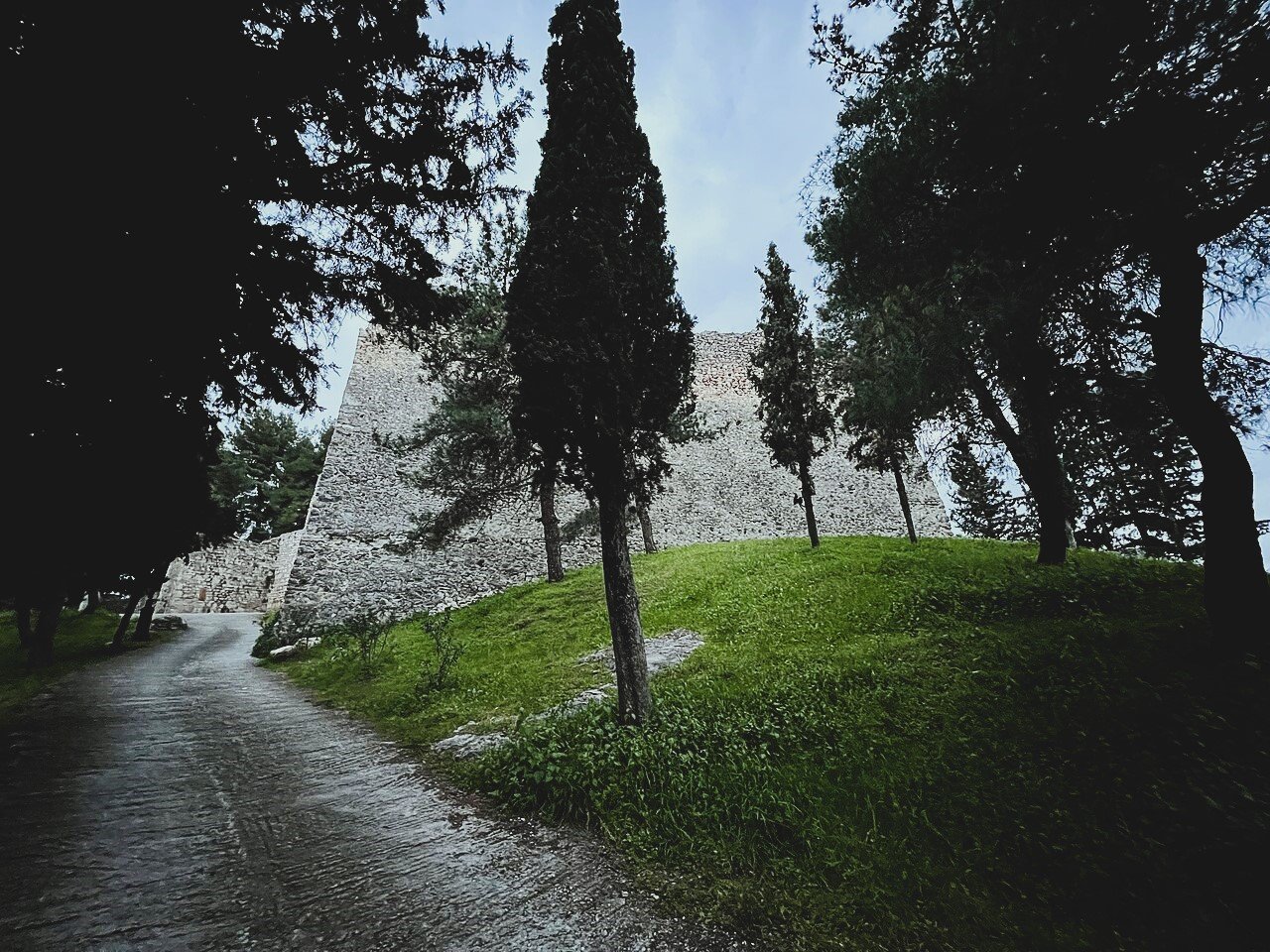
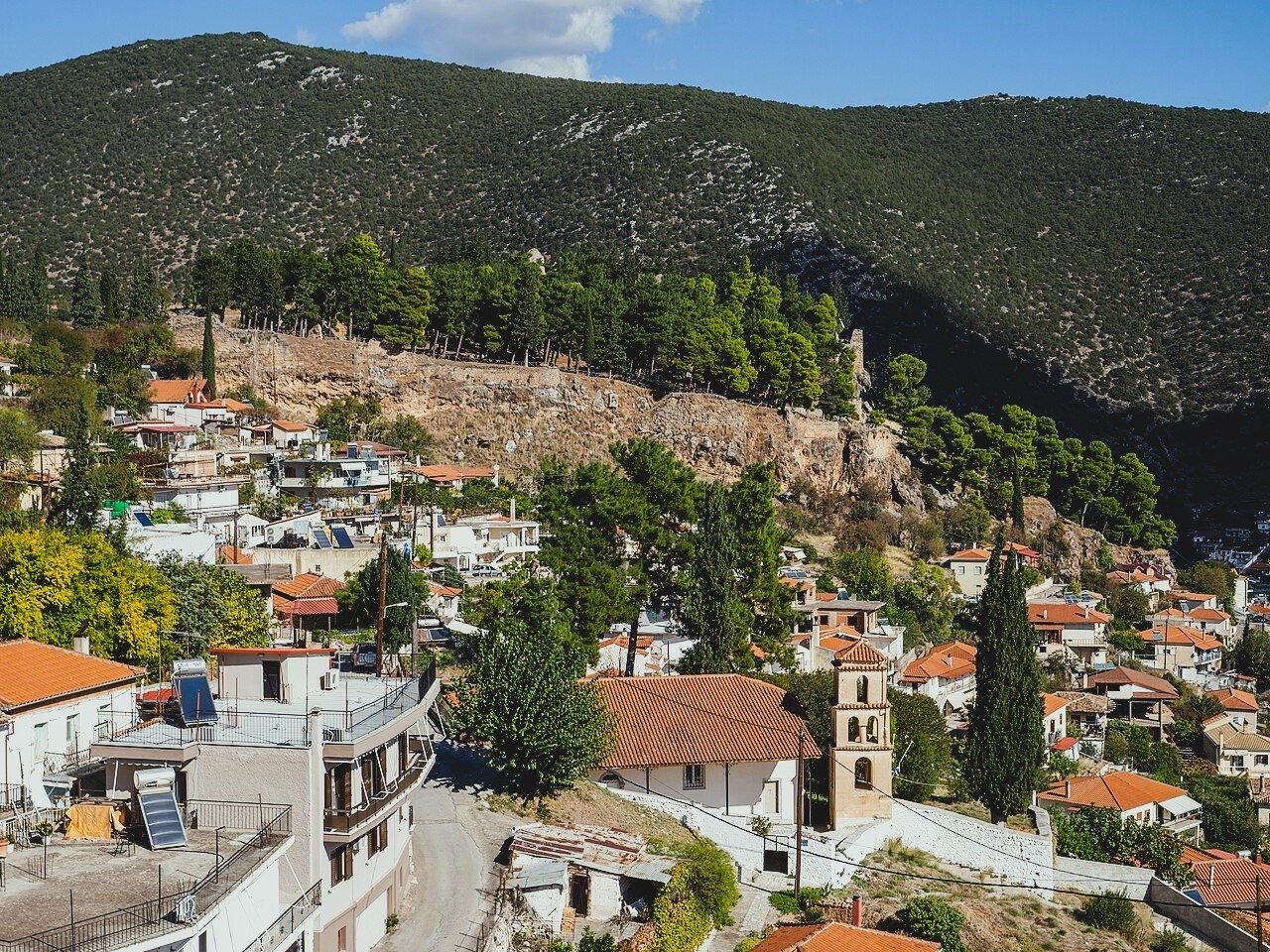
Of the four, Livadeia is the most Catalan. The castle on the hill of Profitis Ilias, above the town, was built by the Catalans in the early 14th century, soon after they conquered the area, and it is one of the few Catalan monuments that survive in Greece. For a time, Livadeia also held one of the duchy’s most precious relics, associated with Saint George, the patron saint of Catalonia.
The walls climb the rock above the gorge of the Erkyna river. Inside the walls, a small church looks down into the gorge. The castle was taken by the Ottomans in the 15th century, and in 1821 it was among the first places freed in the Greek War of Independence.
In the Field Guide: the best route up to the walls, what to look for in the Catalan masonry, and the walk down into the Erkyna gorge below.
Weather in Livadeia: a continental climate for Greece, hotter in summer and colder in winter than the coast. Summer afternoons are often above 30°C, and winter brings frost and the occasional snowfall. Spring and autumn are best for the climb. Getting there: about 1 hour 30 minutes by car from Athens, on the road to Delphi. The castle is reached by paved paths from the town, and entry is free.
2. Amfissa (Salona)
38.53° N, 22.38° E · Phocis, about 20 minutes from Delphi
On a hill above Amfissa, looking out over the great olive plain that runs down to the sea below Delphi, stands the castle the Franks and Catalans called Salona. It was built mainly in the 13th century on the site of the ancient acropolis, and after the Catalan victory of 1311 it was given to one of the company’s leaders. Throughout the Catalan period, it remained one of the main strongholds of the duchy, guarding the route between the Malian Gulf and the Gulf of Corinth.
Its walls enclose two terraces, with a circular tower on the upper citadel and a square tower guarding the main gate. Ancient walls of large blocks still show beneath the medieval ones. On 10 April 1821, Greek fighters took the castle after a siege, the first castle captured by the Greeks in the War of Independence.
In the Field Guide: how to combine Amfissa with Delphi in one day, the walk around the walls, and the Catalan-period lords of Salona.
Weather in Amfissa: a warm Mediterranean climate, sheltered from the north. Summers are hot and dry, winters mild but rainy, and the olive plain is green from November to April. Getting there: about 2 hours 30 minutes by car from Athens, or 20 minutes from Delphi.
3. Ypati (Neopatras)
38.86° N, 22.24° E · Phthiotis, on the slopes of Mount Oiti
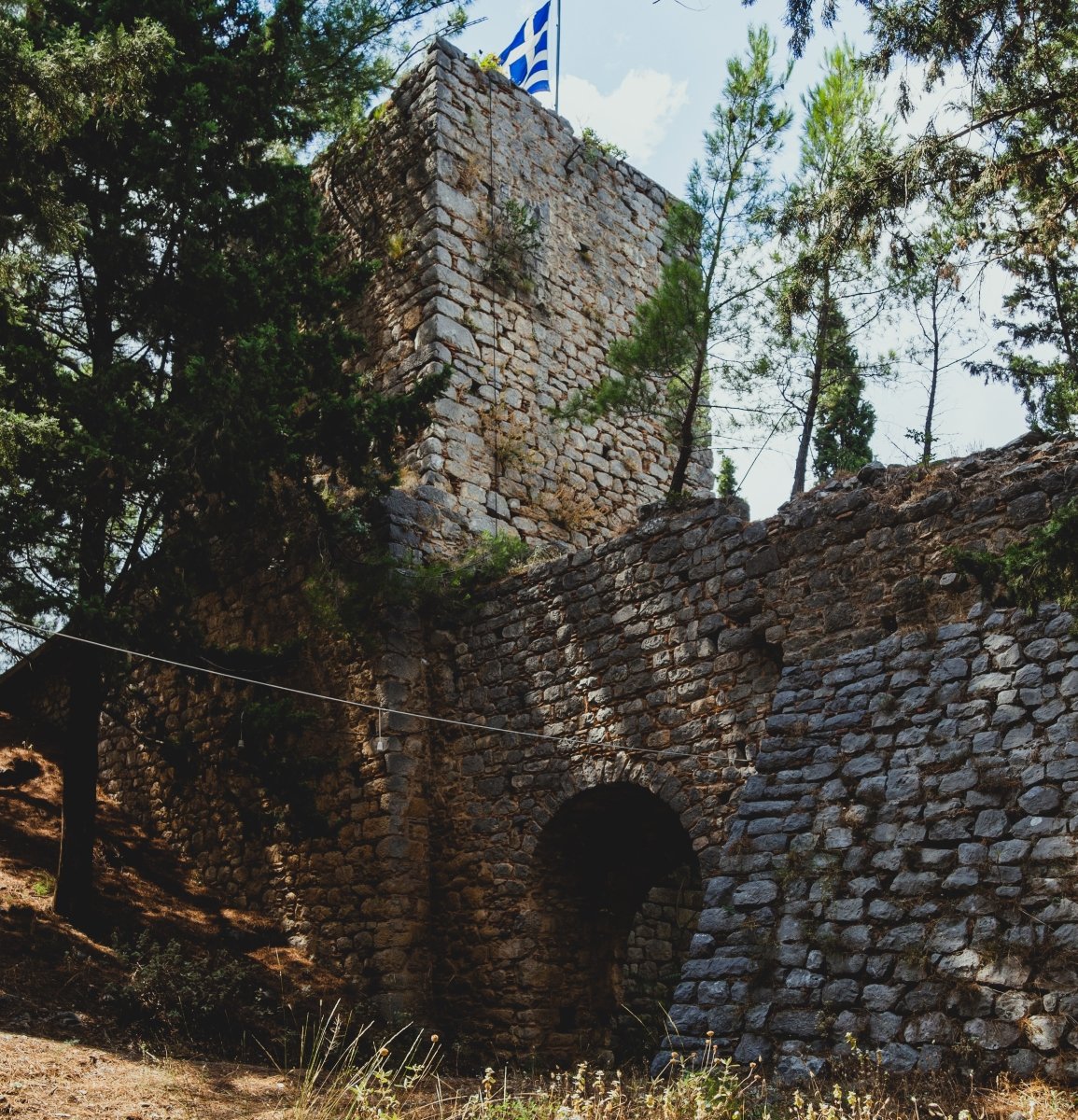
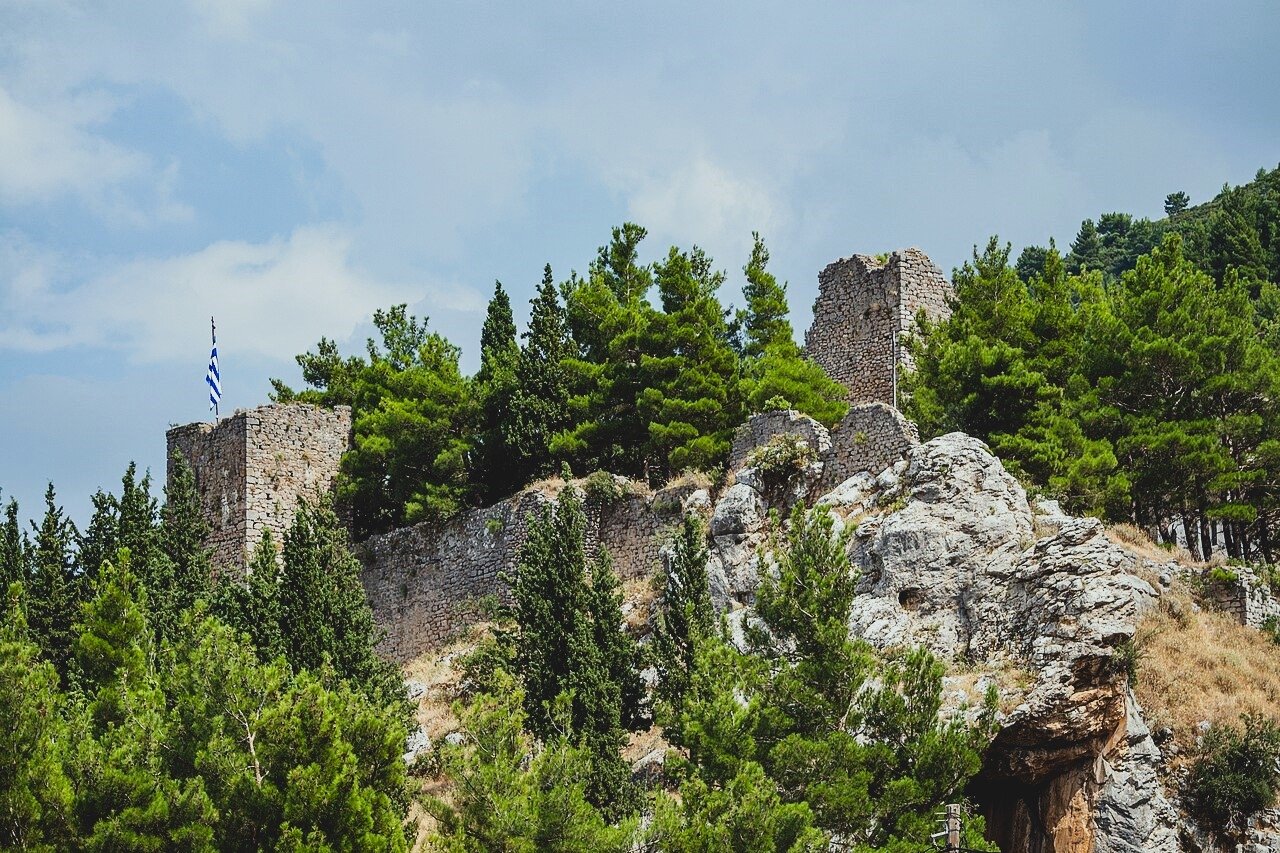
In the mountains west of Lamia, above the spa village of Ypati, a ruined castle stands on a rocky spur over the Sperchios valley. In the Middle Ages, this was Neopatras, and in 1318/19 it gave its name to the second Catalan duchy, the Duchy of Neopatras. For decades afterwards, the kings of Sicily and Aragon styled themselves “Dukes of Athens and Neopatras”.
The castle is far older than the Catalans. It was fortified in Hellenistic and early Byzantine times, and in the 13th century it became the base of a Greek ruler of Thessaly. Its most striking ruin is a round tower; historians are still unsure whether Greeks, Franks or Catalans built it. The Ottomans took Ypati at the end of the 14th century.
The site is wild and open, with no ticket office and no crowds, and recent restoration has made it easier to explore.
In the Field Guide: the road and the final walk to the castle (the last stretch is rough), the round tower, and where to stay in Ypati.
Weather in Ypati: like Lamia, but cooler at the foot of Mount Oiti, with snow on the mountain in winter. Expect summer highs a few degrees below Lamia’s. Getting there: about 30 minutes by car from Lamia. The last stretch of the rural road is best in a 4×4, or on foot. Entry is free.
4. Lamia
38.90° N, 22.43° E · Phthiotis, above the city
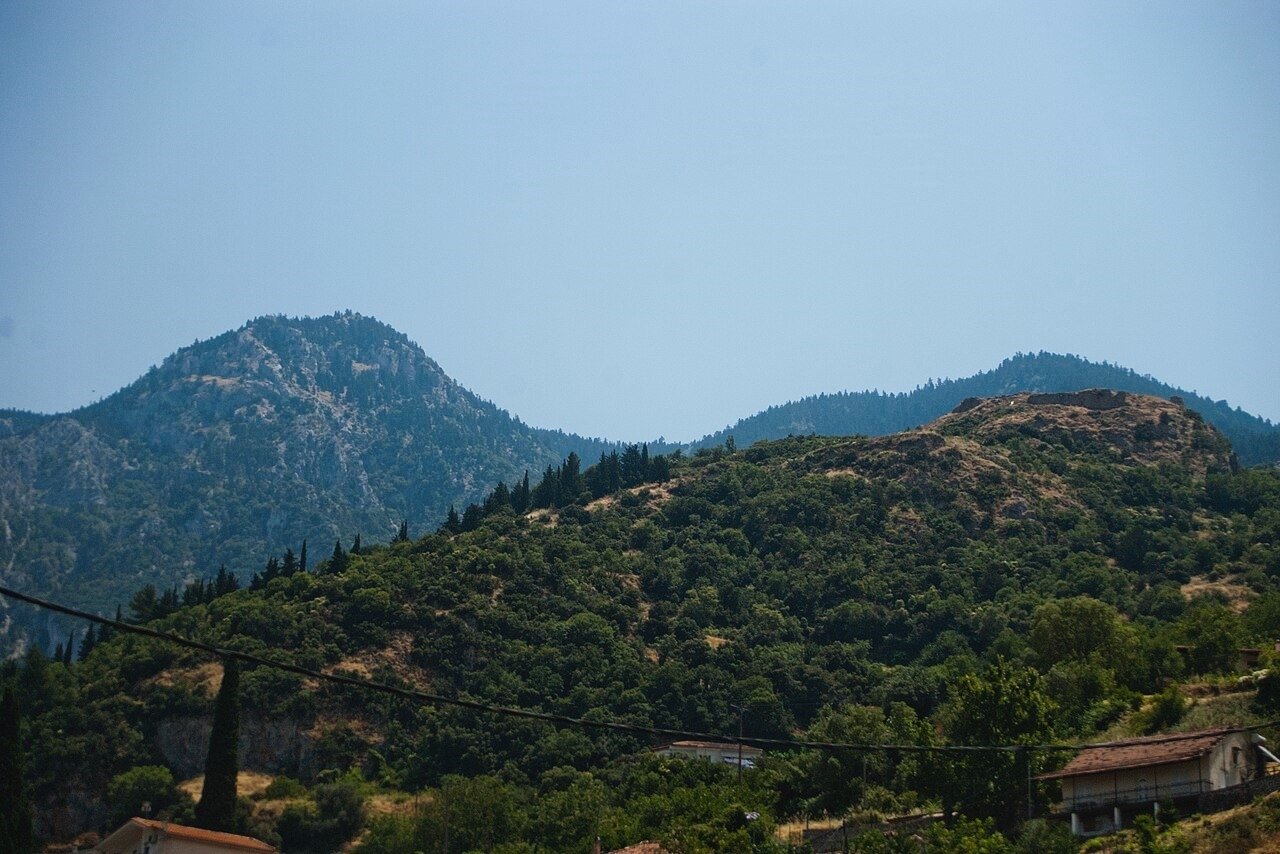
The castle of Lamia stands on a rocky hill above the city, controlling the Sperchios valley and the road north into Thessaly. People lived on this hill from the Bronze Age, and its oldest walls date back to the 5th and 4th centuries BC. In the 13th and 14th centuries, it was held by the Franks and then the Catalans, who called it simply “the Castle”. The Ottomans took it in 1446 and held it until 1833.
Today, the triangular circuit of walls, about 600 metres long and up to 13 metres high, encloses a 19th-century barracks built in the reign of King Otto. Since 1984, it has housed the Archaeological Museum of Lamia. Of the four castles, it is the easiest to visit, and the best place to begin or end the route.
In the Field Guide: the walk around the walls, the museum’s highlights, and the best viewpoint over the Sperchios valley and the Malian Gulf.
Weather in Lamia: hot summers and mild, wet winters. Average highs are about 34°C in July, 29°C in September and 23°C in October, falling to about 12°C in January. October and November are among the rainiest months. Getting there: about 2 hours 30 minutes by car from Athens. The castle is open daily from 08:00 to 15:00, and entry is free.
The route
The four castles fit neatly into a two- or three-day trip from Athens: Livadeia first, then Amfissa and Delphi, then over the mountains to Ypati and Lamia, returning past Thermopylae. Spring and autumn are the best seasons, when the hills are green and the walls are cool enough to explore.
Beyond the map
The Catalans did not leave cathedrals or palaces in Greece. They left something harder to see: their marks in the walls of castles that others had built before them and rebuilt after them. In 1909, a Catalan historian travelled to Greece to find them. A century later, the castles are still there, above Livadeia, Amfissa, Ypati and Lamia, waiting for the few travellers who know the story.
The Catalan Castles of Greece — a Beyond the Map Field Guide
[The Catalan Castles of Greece — The Beyond the Map Field Guide] (product link to add) · [PRICE]
The four castles are only the beginning. The Catalans held dozens of castles and towers across central Greece, and most of them are unmarked, unrestored and almost unknown. The Field Guide takes you to them:
- The four castles, with detailed visiting notes, walking routes and viewpoints
- The lost and hidden sites: the surviving keep of the castle of Thebes, the remote castles of Daulis and Lidoriki, Karystos on Evia, and the search for Sidirokastro, “the key of the Duchy of Athens”
- The medieval towers of Boeotia and Attica, watchtowers from the Frankish and Catalan centuries, some standing alone in fields and olive groves
- The Acropolis as a Catalan castle: what the Catalans called it, and what changed
- A 3-day route from Athens, with driving times, and a 5-day extended route
- Where to stay and eat, from Delphi to Ypati
- The story of the Catalan Company, from Roger de Flor to the fall of Athens
- Offline maps and GPS points for every site
→ [Get the Field Guide]
Read next: When Catalans Ruled Athens · Hidden Medieval Worlds · The Kingdom of Aragon
Explore more: Trails · Military Heritage · Terra Incognita
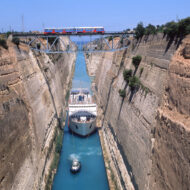
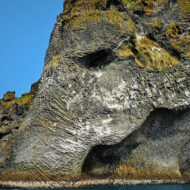
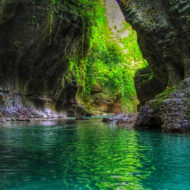
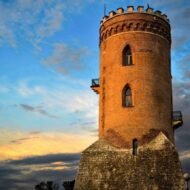
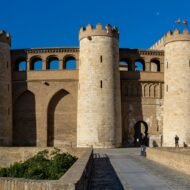

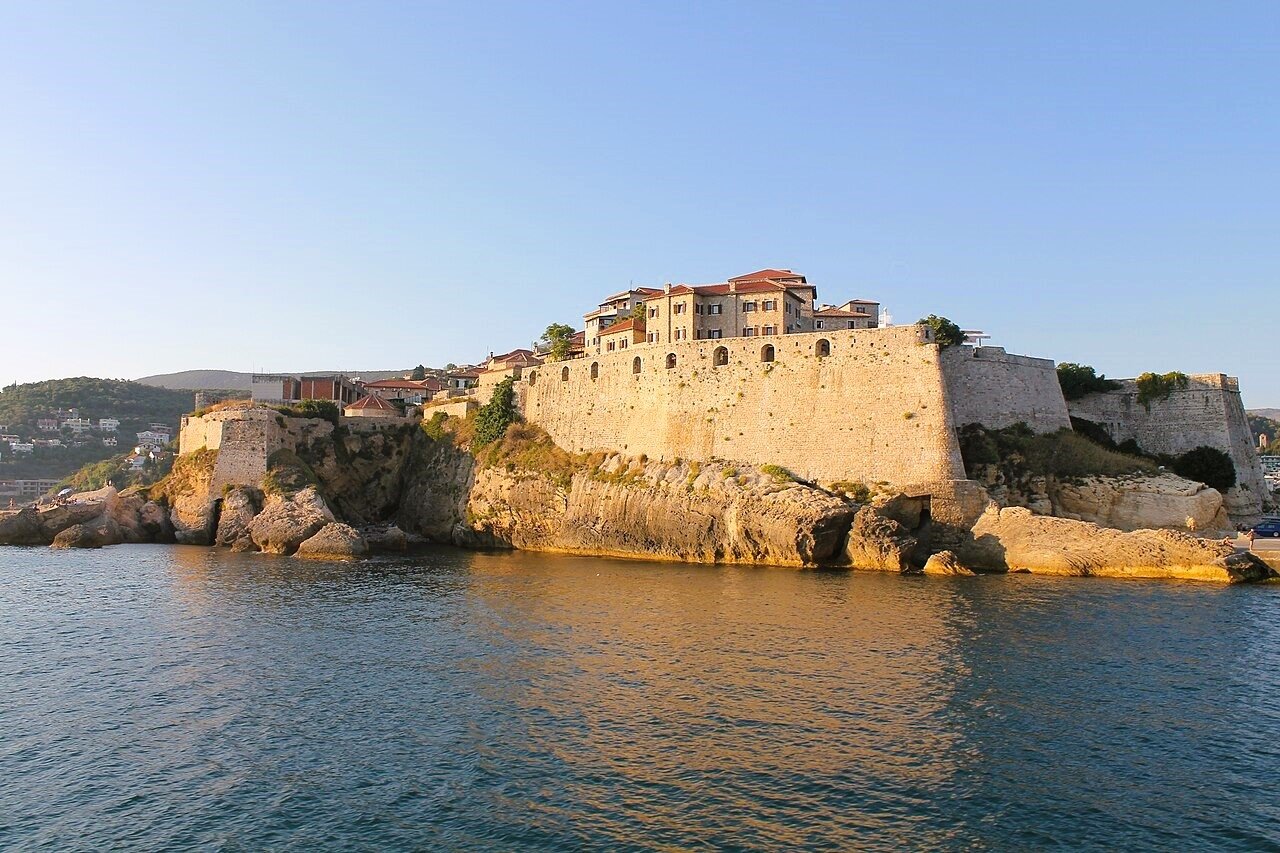
, Ypati (Neopatras) and Lamia, four medieval fortresses of the 14th-century Catalan)