

They began as a hospital in the Holy Land and ended up ruling a state of red-brick castles on the Baltic. Beyond the famous fortress of Malbork, the Teutonic Knights left castles, battlefields and palaces across Europe that few travellers ever see.
Of the three great military orders of the Crusades, the Templars are the most famous and the Hospitallers the most enduring. The Teutonic Knights were the most powerful on land. Founded in the Holy Land at the end of the 12th century, the order of German knights turned north in the 13th century, to fight the last pagan peoples of Europe on the Baltic. There, they built something no other crusading order ever had: a state of their own, with its own towns, its own fleet and dozens of brick castles.
Their power peaked in the 14th century and broke on 15 July 1410, at the Battle of Grunwald, one of the largest battles of medieval Europe. The order survived, lost Prussia, moved its headquarters south into Germany, and lives on today as a religious order.
Most travellers know only one Teutonic castle: Malbork, the vast fortress on the Nogat. But Malbork was only the capital. The real Teutonic world is scattered across northern Poland, Latvia and Germany, in castles where you may be the only visitor.
| Place | Why go | |
|---|---|---|
| 1 | Gniew, Poland | A Teutonic castle on the Vistula, still home to knights’ tournaments |
| 2 | Radzyń Chełmiński, Poland | The model of a Teutonic commandery, with towers you can climb |
| 3 | Grunwald, Poland | The battlefield where the order’s power broke in 1410 |
| 4 | Cēsis, Latvia | The castle of the Livonian Masters, explored by lantern |
| 5 | Bad Mergentheim, Germany | Where the Grand Masters lived after Prussia was lost |
1. Gniew, Poland
53.83° N, 18.83° E · Kociewie, on the Vistula, Pomerania
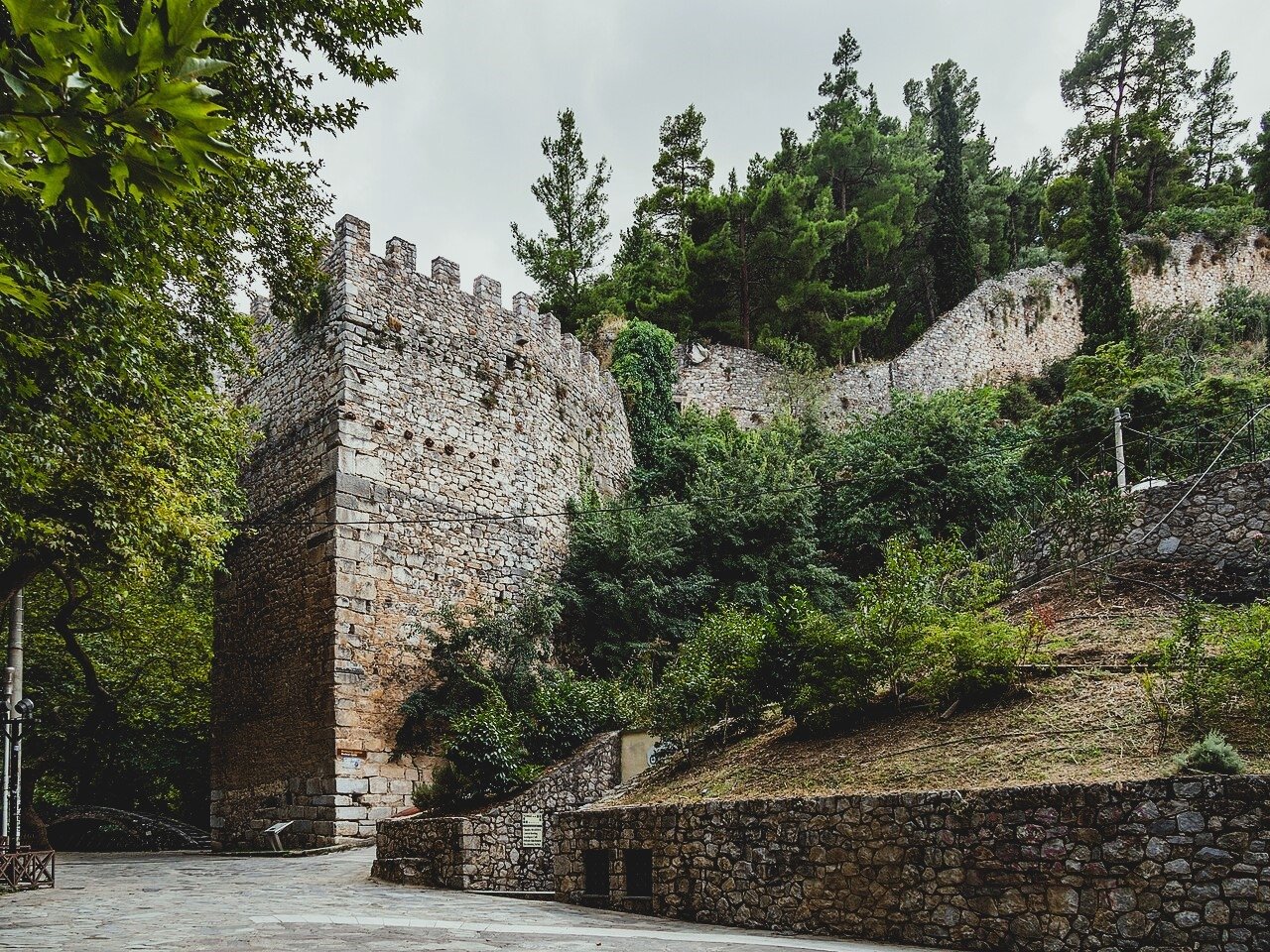
On a hill above the Vistula, south of Gdańsk, stands one of the most striking Teutonic castles in Poland. The knights took the land of Gniew in 1282 and began building soon after; construction continued into the 14th century. As the seat of a convent and its commander, Gniew was the political and economic centre of a whole Teutonic district.
After 1466, it passed to Poland. The future king John III Sobieski lived here and built a Baroque palace next to the castle for his wife, Marysieńka. A fire destroyed the castle in 1921, and it was rebuilt between 1968 and 1974.
Gniew has not become a museum piece. It is one of the liveliest castles in Poland: the old barracks hold a hotel, the courtyard hosts concerts and banquets, and the grounds are known for knights’ tournaments and battle re-enactments.
In the Field Guide: the tournament calendar, staying overnight inside the castle complex, and the other Teutonic castles of the Lower Vistula.
When: May to September, the season of tournaments and outdoor events. Weather in Gniew: a cool central European climate. In northern Poland, average highs are about 24°C in July and August, 18°C in September and 12°C in October, falling to around 1°C in January. Getting there: about 1 hour by car from Gdańsk.
2. Radzyń Chełmiński, Poland
53.38° N, 18.94° E · Chełmno Land, Kuyavian-Pomeranian Voivodeship
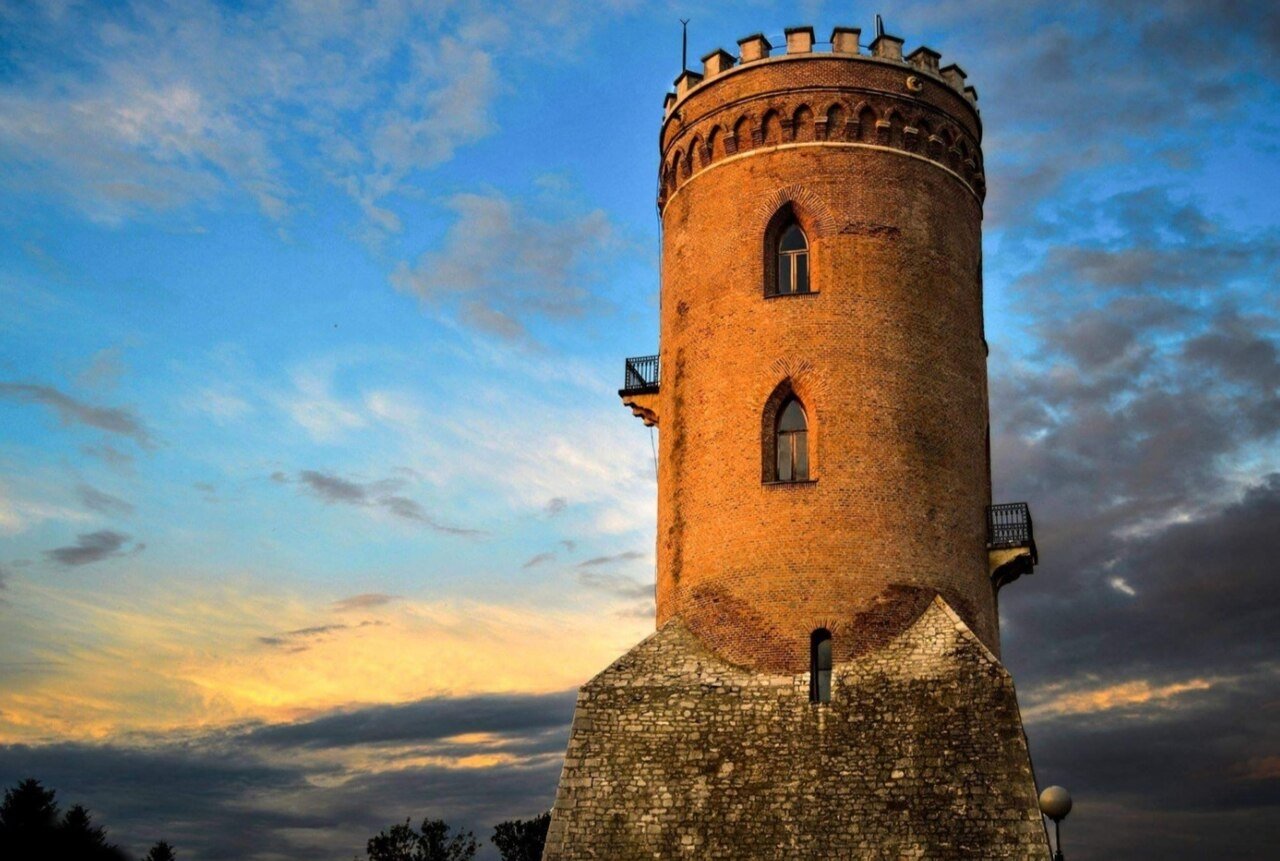
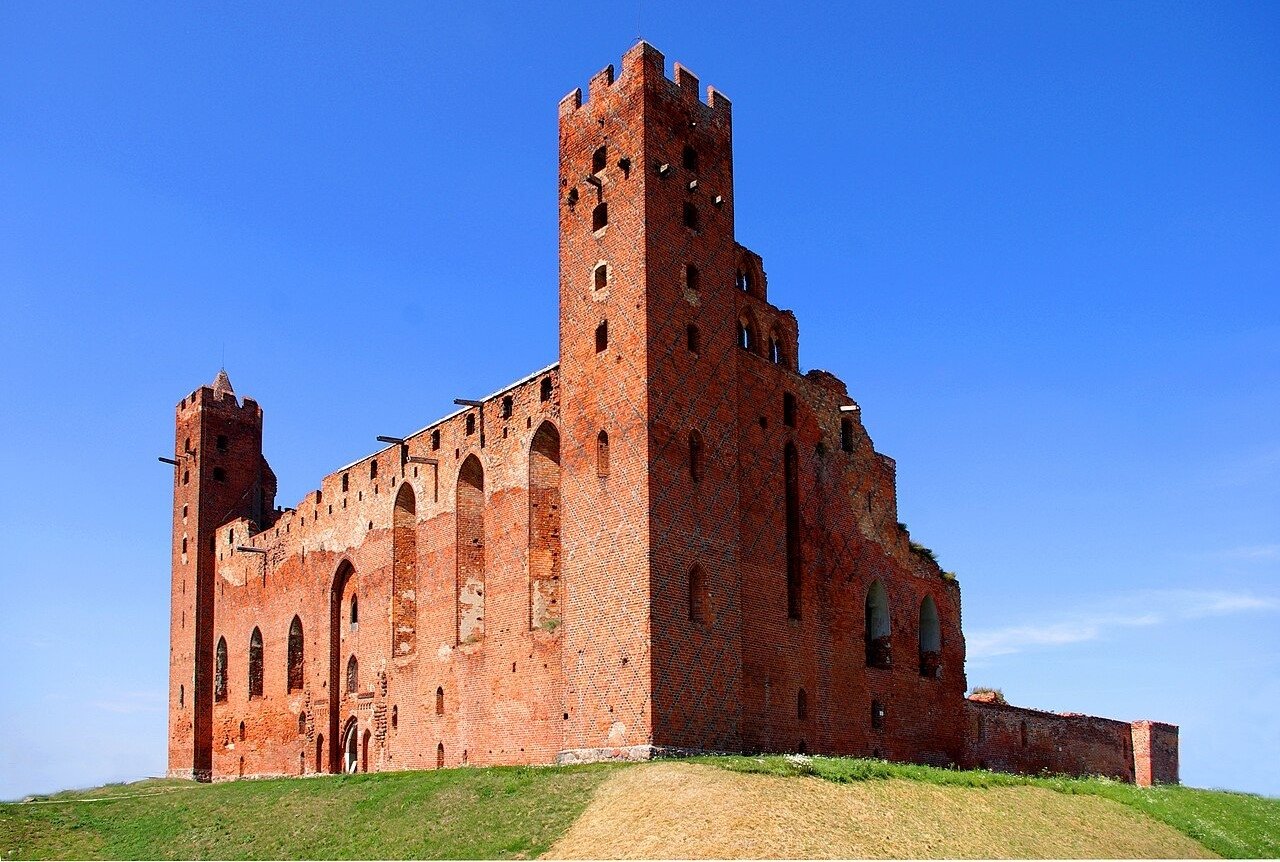
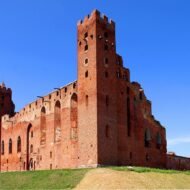
In a small town in the Chełmno Land, the first territory the Teutonic Knights conquered in Prussia, stand the walls of a castle that historians call a model Teutonic commandery. A first wood-and-earth fort was built here in 1234, and Radzyń became a commandery around 1251. The great brick castle rose between about 1320 and 1350, with four slender corner towers about 28 metres high and a massive octagonal main tower.
In 1409, the castle hosted the last unsuccessful peace talks between the Grand Master and the Polish delegation. A year later, the war came. Radzyń was captured after Grunwald, returned to the order, captured again, and finally passed to Poland in 1466. A Swedish siege in 1628 left it in ruins.
Today, the southern wing still stands almost to its full height, and you can climb both of its corner towers for wide views over the Chełmno countryside. It is one of the most atmospheric Teutonic ruins in Poland, and one of the least visited.
In the Field Guide: the climb to the towers, the exhibitions in the cellars, and a route through the castles of the Chełmno Land, including Golub.
When: May to September. Weather in Radzyń Chełmiński: like the rest of northern Poland: mild summers (highs around 24°C), cool autumns and cold winters with frost and some snow. Getting there: about 1 hour by car from Toruń.
3. Grunwald, Poland
53.49° N, 20.10° E · Warmia-Masuria, south-west of Olsztyn
Between the villages of Grunwald and Stębark, among quiet fields and lakes, is the place where the Teutonic Knights’ power broke. On 15 July 1410, a Polish-Lithuanian army led by King Władysław Jagiełło and Grand Duke Vytautas met the army of the order. By the end of the day, the Grand Master, Ulrich von Jungingen, was dead, and with him the order’s dominance over the south-eastern Baltic. It never recovered.
Today, the battlefield is a memorial site, with a monument, the remains of a chapel built by the order on the spot where its Grand Master fell, and a museum. Every July, around the anniversary, Grunwald hosts one of the largest medieval battle re-enactments in Europe: in 2024, more than 1,200 re-enactors fought in front of about 40,000 spectators.
In the Field Guide: the re-enactment (dates, tickets and where to stand), the battlefield walk, and the Teutonic castles of Warmia and Masuria.
When: mid-July for the re-enactment, May to October for the battlefield. Weather at Grunwald: in nearby Olsztyn, average highs are about 24°C in July and August, 18°C in September and 12°C in October, and about 1°C in January. July is one of the wettest months, with summer thunderstorms. Getting there: about 45 minutes to an hour by car from Olsztyn.
4. Cēsis, Latvia
57.31° N, 25.27° E · Vidzeme, central Latvia
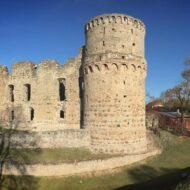
The Teutonic Knights did not only rule Prussia. In Livonia, today’s Latvia and Estonia, the order had a powerful branch, the Livonian Order, and its masters lived at Cēsis, the castle the Germans called Wenden.
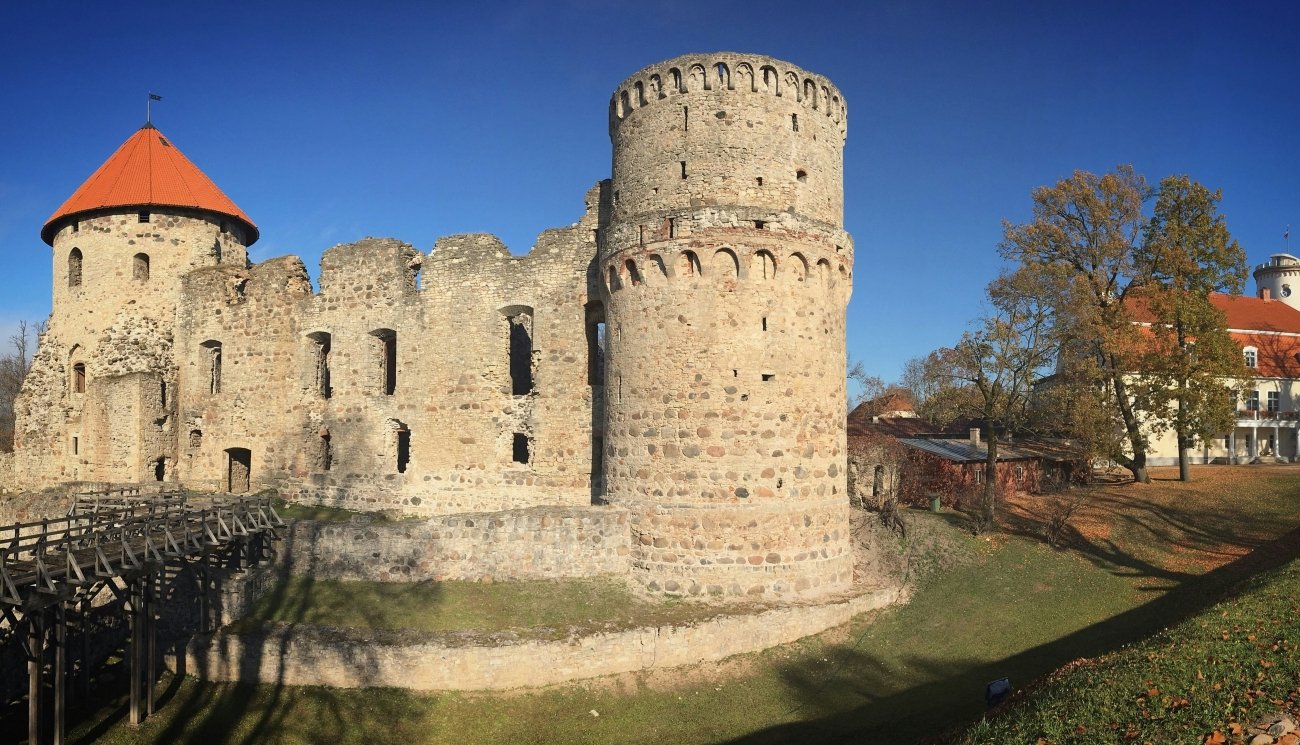
The castle began in 1208, when the crusading Livonian Brothers of the Sword settled in a hillfort of the local Wends, and they started building in stone in 1213 or 1214. Later, under the Teutonic Order, it became the permanent residence of the Livonian Master. Its end was terrible: in 1577, the army of Ivan the Terrible besieged and bombarded the castle for five days. Rather than surrender, about 300 people inside blew themselves up with gunpowder.
Cēsis is one of the best-preserved medieval castles in Latvia. Since 1996, visitors have been given a candle lantern to explore the dark rooms and stairs of the Western Tower, a tradition that makes it one of the most memorable castle visits in the Baltic.
In the Field Guide: the lantern visit, the new castle and its museum, the old town of Cēsis, and the other castles of the Livonian Order in Latvia and Estonia.
When: May to September, Cēsis also has a lively summer festival season. Weather in Cēsis: a Baltic climate. In Riga, average highs are about 24°C in July, 23°C in August, 18°C in September and 11°C in October, and around 0°C in January, with frequent light snow in winter. Getting there: about 1 hour 30 minutes by car or train from Riga. The castle is open Tuesday to Sunday, 10:00–17:00.
5. Bad Mergentheim, Germany
49.49° N, 9.77° E · Tauber valley, Baden-Württemberg
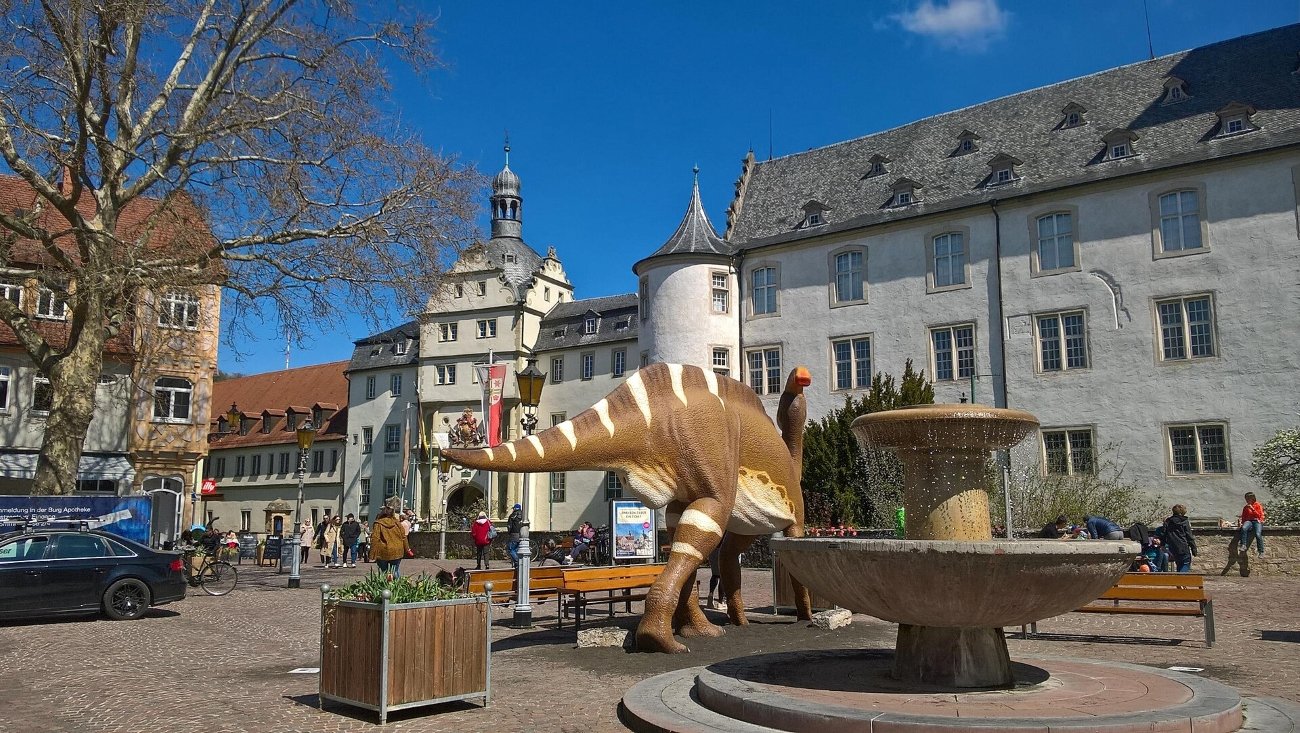
After the order lost Prussia in 1525, when its last Grand Master in Prussia became a Protestant duke, the Teutonic Knights needed a new home. They found it in the small town of Mergentheim, in the Tauber valley. In 1527, the Grand Master Walter von Cronberg made the castle here the order’s headquarters, combining the offices of German Master and Grand Master.
For almost three hundred years, Mergentheim Palace was the centre of the order. The Grand Masters rebuilt it as a Renaissance and Baroque residence, with a palace church consecrated in 1736. Then, in 1809, Napoleon stripped the order of its possessions, Württemberg occupied the town, and the knights were expelled.
Today, the palace houses the Teutonic Order Museum, telling the story of the order from the Holy Land to the present day. It is the quiet epilogue of the Teutonic story, in a spa town few foreign travellers know.
In the Field Guide: the museum’s highlights, the palace church, and a route along the Tauber valley, the “Liebliches Taubertal”, to the Romantic Road.
When: all year for the museum, spring to autumn for the Tauber valley. Weather in Bad Mergentheim: a mild southern German climate. In nearby Würzburg, average highs are about 25–26°C in July and August, 20°C in September and 14°C in October, and about 4°C in January. Getting there: about 45 minutes by car from Würzburg.
Beyond the map
The Teutonic Knights are remembered for Malbork and for Grunwald: the greatest castle and the greatest defeat. But their story is written across a much larger map. It is in the tournaments of Gniew, the towers of Radzyń, the quiet fields of Grunwald, a lantern-lit tower in Latvia and a palace in a German spa town. Follow them, and you trace one of the strangest journeys in European history: from a hospital in Acre to a state on the Baltic, and from there to a museum in the Tauber valley.
The Military Orders — a Beyond the Map Field Guide
[Teutonic Europe — The Beyond the Map Field Guide]
The five places in this article are only the beginning. The Field Guide takes you through the Teutonic world:
- The five sites in detail, with visiting notes, opening times and routes
- The castles of the Chełmno Land and the Vistula, including Golub, Kwidzyn and Nidzica
- Malbork, done right: how to visit the capital without the crowds
- The Livonian Order in Latvia and Estonia: Cēsis, Sigulda, Paide and Viljandi
- Grunwald: the battle hour by hour, and the re-enactment
- The order today: from Bad Mergentheim to Vienna
- A 7-day route through Teutonic Prussia from Gdańsk, and a Baltic extension
- Offline maps and GPS points for every site
→ [Get the Field Guide]
Pair it with Templar Europe for “The Military Orders”, a two-guide bundle.
Read next: Where the Templars Were · Where the Vikings Were · Europe’s Last Pagan Landscapes (the pagans the order came to fight)
Explore more: Trails · Military Heritage · Europe’s Most Beautiful, Beyond the Map