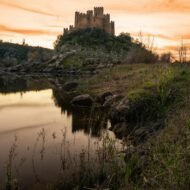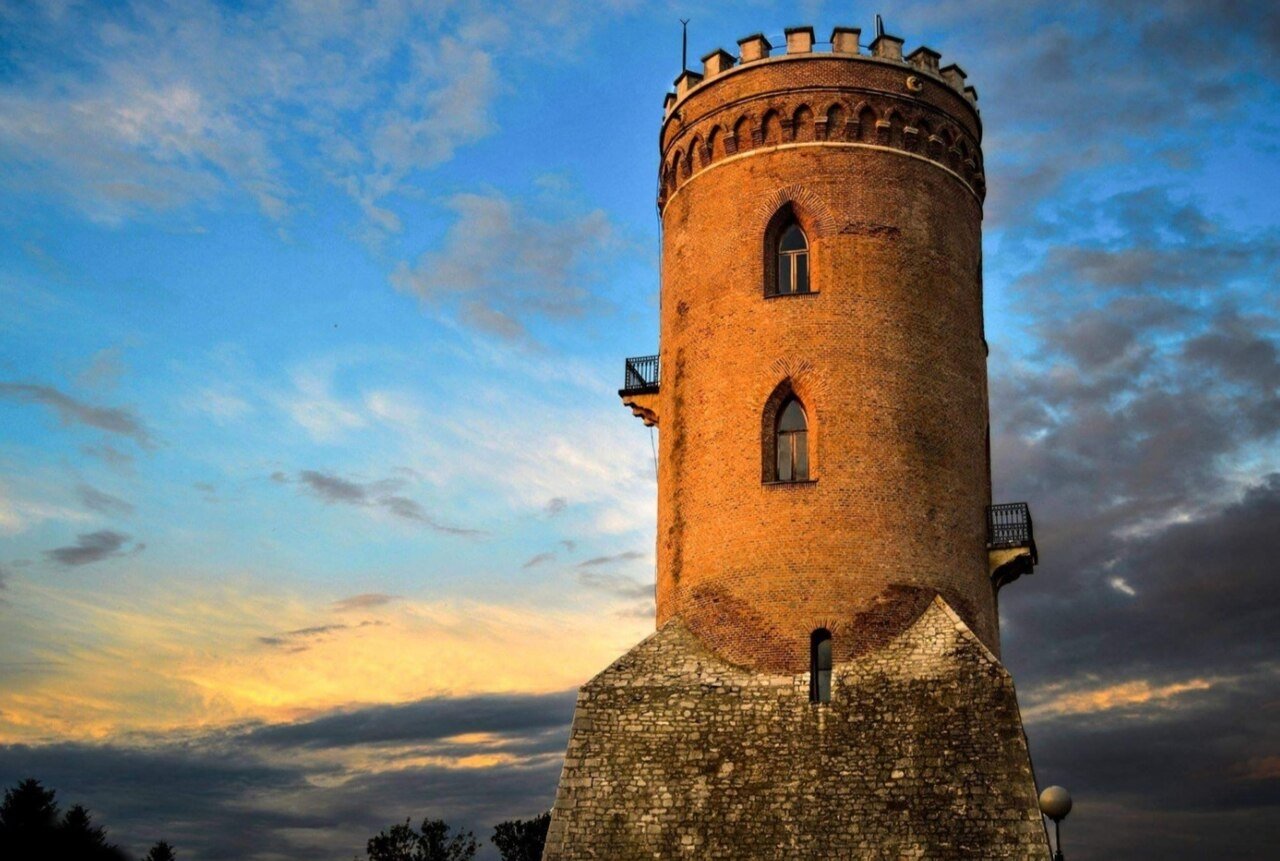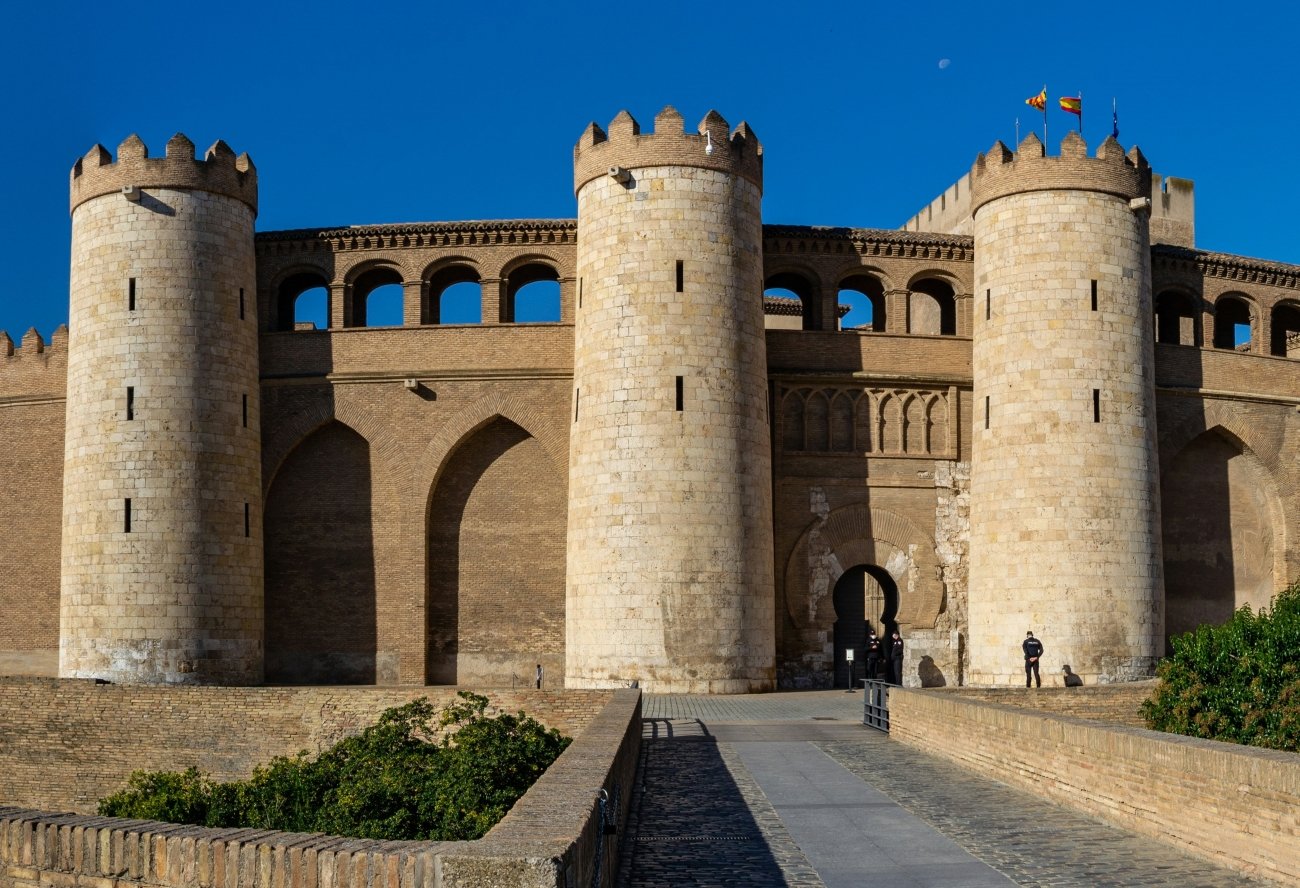


They outlived the Templars, ruled Rhodes and Malta, and still exist today. But beyond those two islands, the Knights of St John left castles, gates and palaces across Europe, from a Dodecanese harbour to a London street.
Of all the military orders of the Crusades, the Knights Hospitaller, the Order of St John, lasted the longest. They began as a hospital for pilgrims in Jerusalem in the 11th century and became a military order that fought in the Holy Land. When the Crusader states fell, they moved to Cyprus, then in 1310 to Rhodes, and in 1530 to Malta, which they ruled until Napoleon arrived in 1798. Today, the order still exists, and so does its oldest work: caring for the sick.
When the Templars were dissolved in 1312, most of their lands across Europe passed to the Hospitallers. Their network grew enormous: priories and commanderies from Spain to Germany, England to the Aegean. Rhodes and Malta are famous, and full of visitors. The rest of the Hospitaller world is not.
| Place | Why go | |
|---|---|---|
| 1 | Kos, Greece | The Knights’ harbour fortress, built from the stones of ancient Kos |
| 2 | Kolossi, Cyprus | A Hospitaller tower, a sugar mill and the oldest named wine in the world |
| 3 | Consuegra, Spain | The castle of the Order of St John above the windmills of La Mancha |
| 4 | St John’s Gate, London | The gatehouse of the order’s English headquarters |
| 5 | Heitersheim, Germany | The small German town that was a principality of the order |
1. Neratzia Castle, Kos, Greece
36.90° N, 27.29° E · Kos Town, Dodecanese
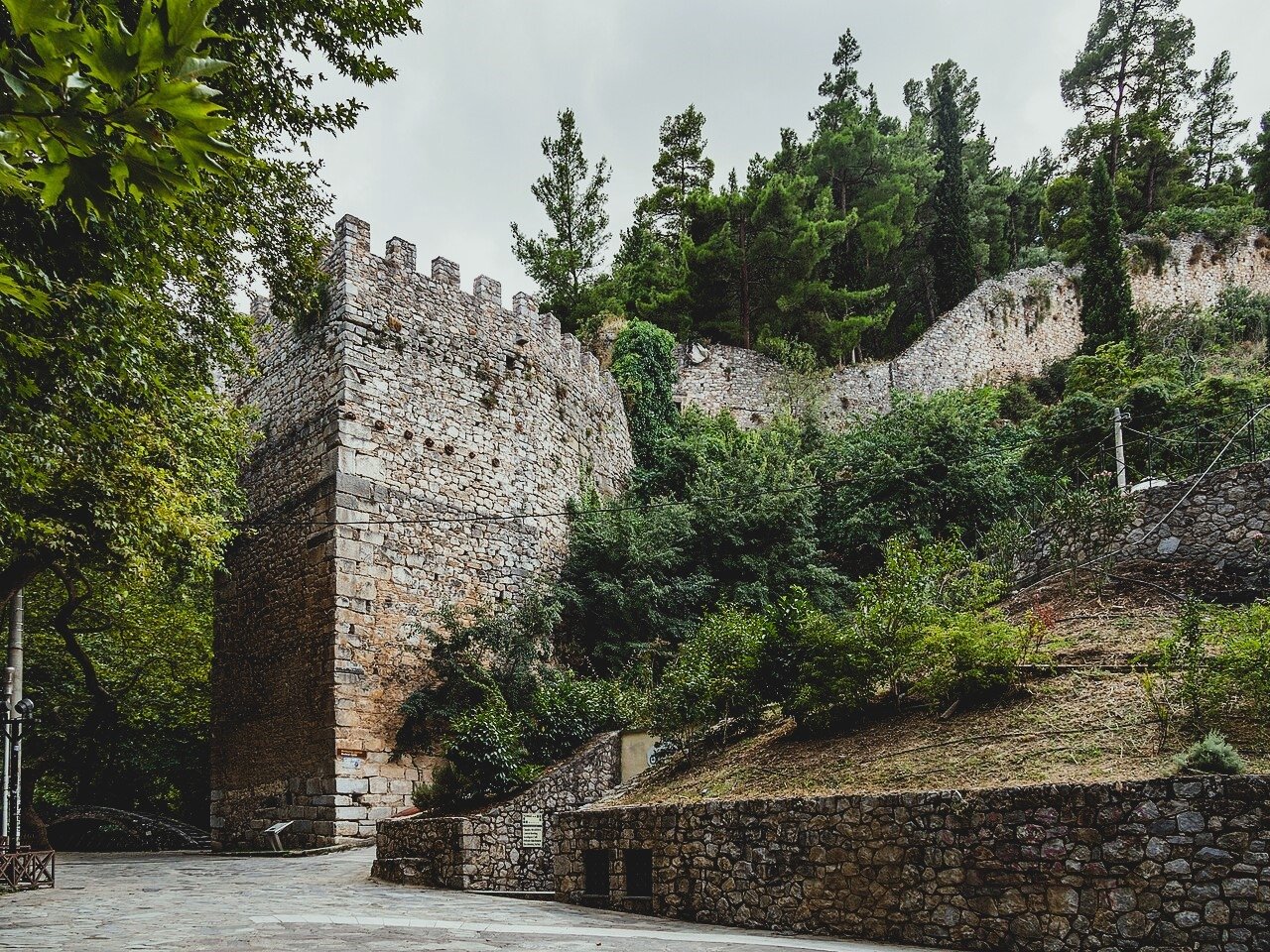
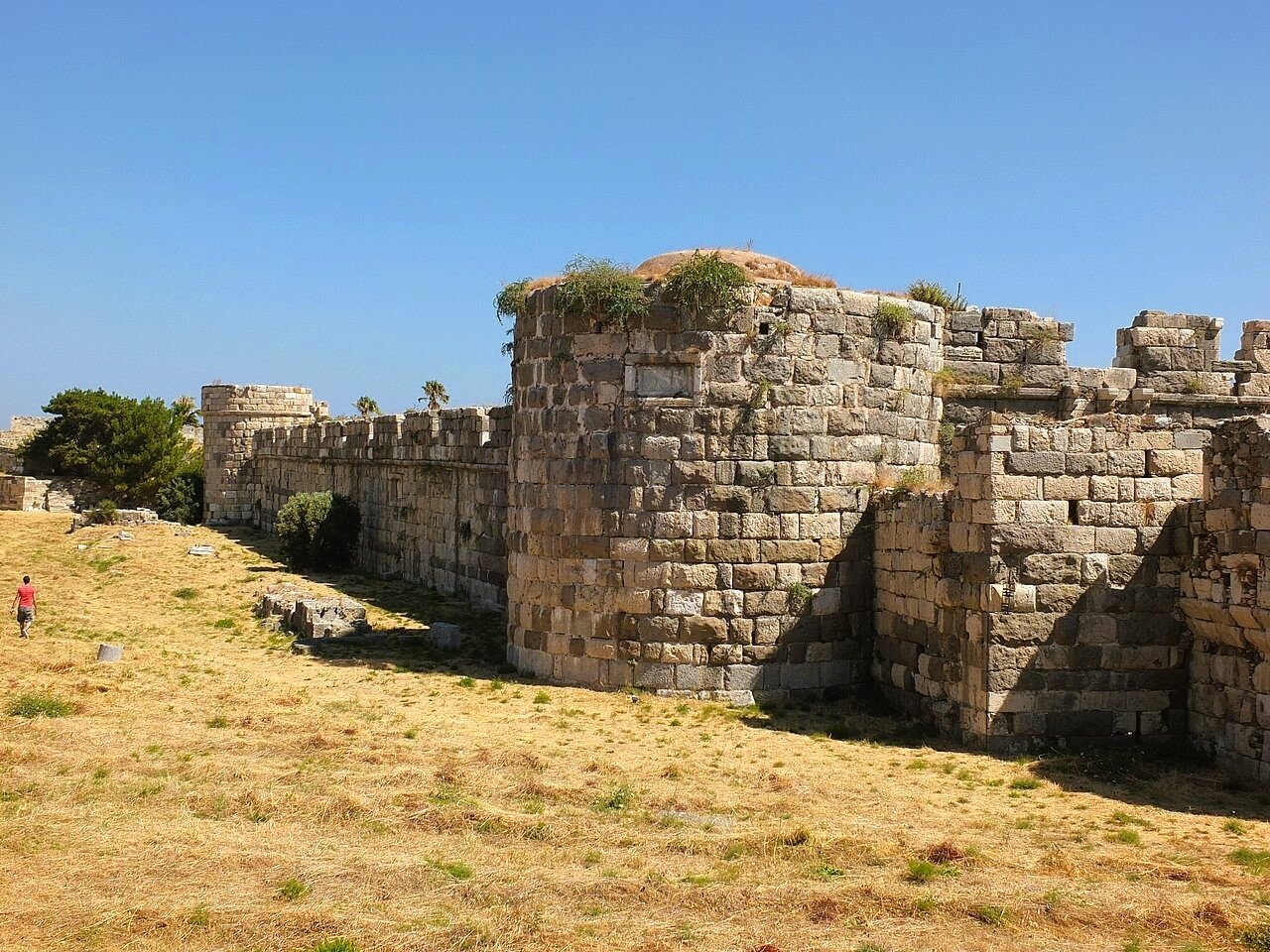
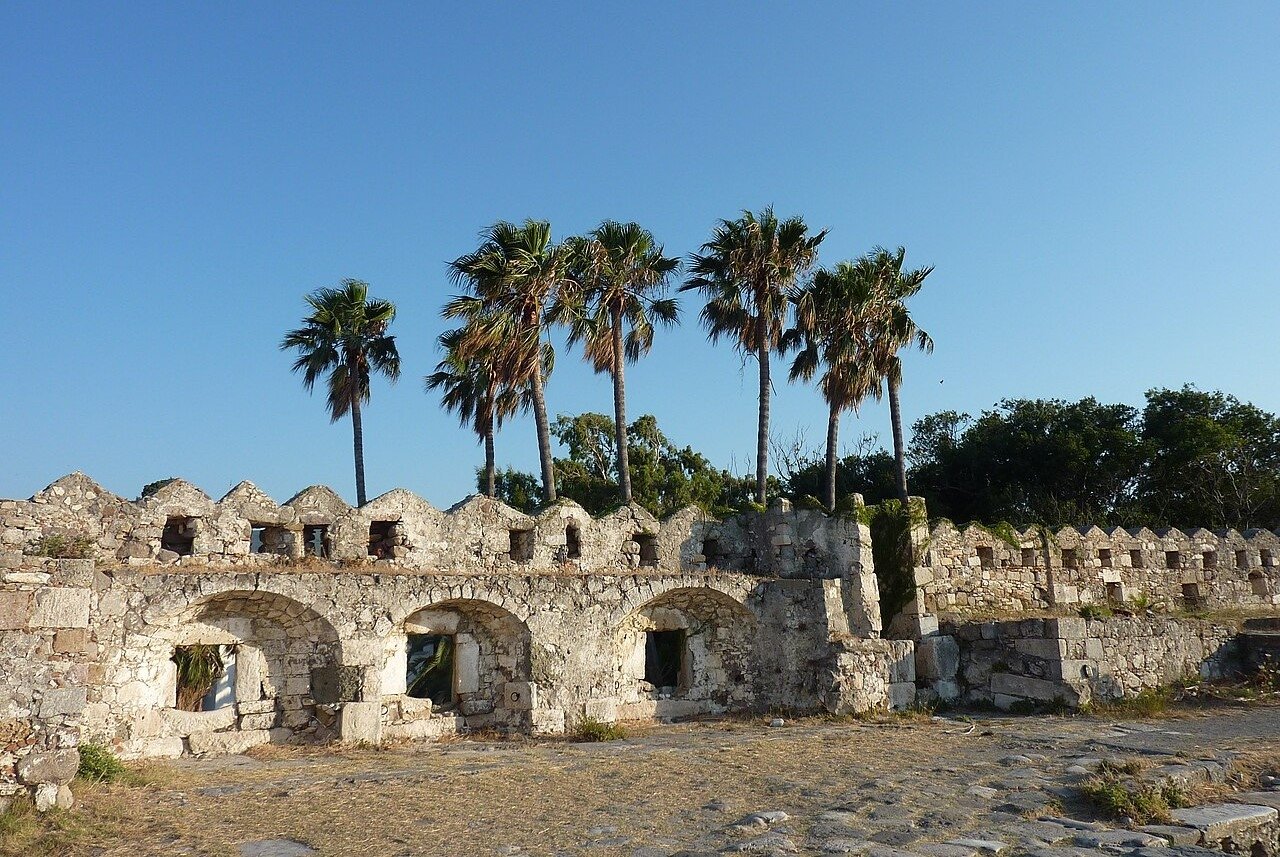
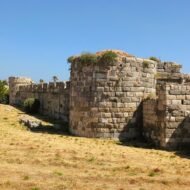
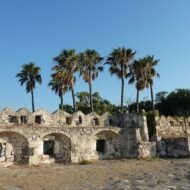
When the Hospitallers ruled Rhodes, they also held the islands around it, and Kos was one of the most important. At the entrance to its harbour, they built a great fortress, Neratzia, “the castle of the bitter oranges”. Its inner enclosure existed before the end of the 14th century; the main construction began in 1436 and was completed in 1514.
The Knights built it with whatever was at hand, including the ruins of ancient Kos and the Asklepieion, the sanctuary of the god of healing. Columns, inscriptions and carved stones from the classical city are still visible in its walls. A stone bridge crosses the old moat, now a palm-lined street, and connects the castle with the square of the Hippocrates plane tree, where, according to tradition, the father of medicine taught his students. For an order founded to care for the sick, it is a fitting neighbour.
The castle was damaged by the earthquake of 2017 and has been under restoration since, with parts of it closed for long periods.
In the Field Guide: what you can see when the castle is open, the Knights’ other castles on Kos (Antimachia and Kefalos), and the Hospitaller castles of the nearby islands: Nisyros, Leros, Halki and Symi.
When: April to June and September to October. Weather in Kos: average highs are about 31°C in July and August, 28°C in September and 24°C in October, and about 14°C in January. The sea is about 24–25°C in August and September and 22°C in October. The meltemi wind blows from mid-May, cooling the summer heat. Getting there: Kos Town is about 25 km from the island’s airport, with ferries from Piraeus and the other Dodecanese islands.
2. Kolossi Castle, Cyprus
34.67° N, 32.93° E · Near Limassol, southern Cyprus
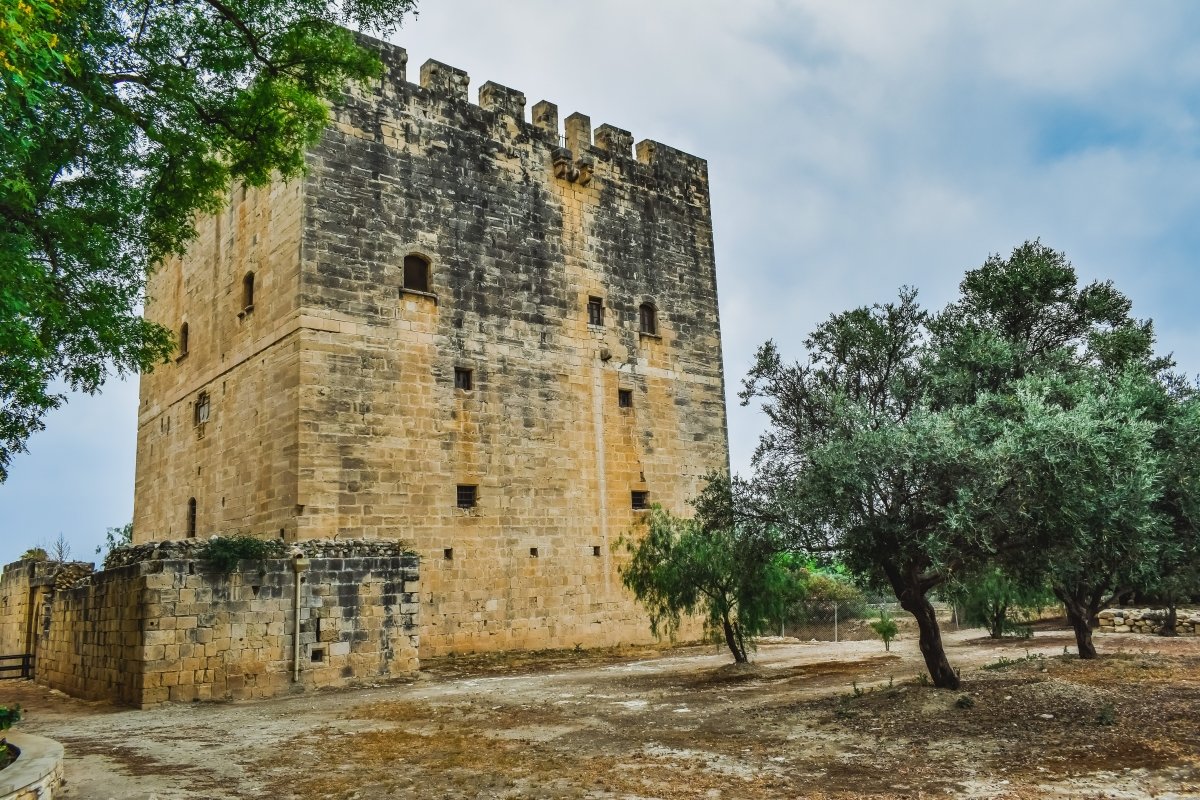
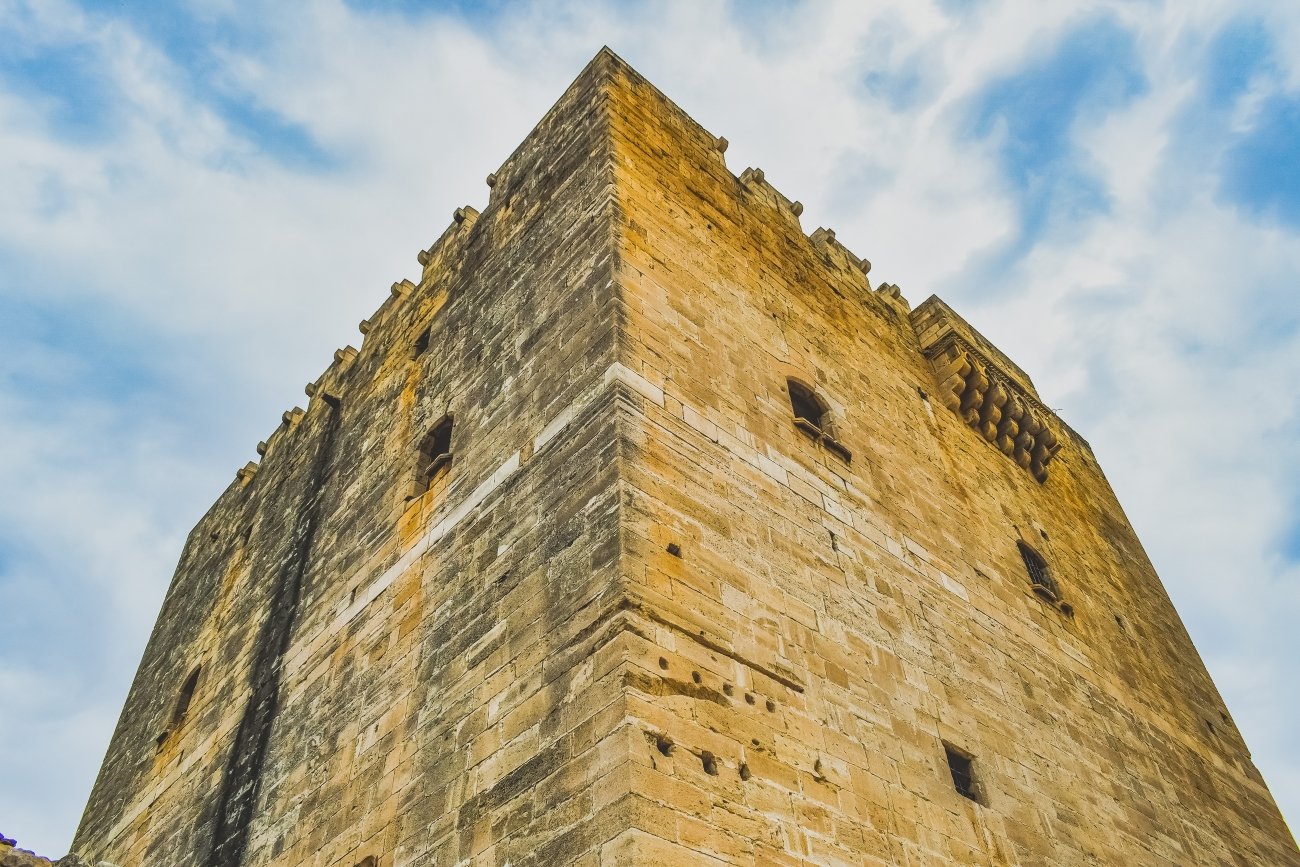
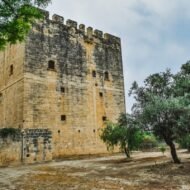
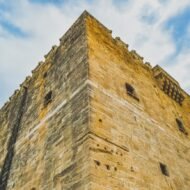
West of Limassol, among the fields and vineyards of southern Cyprus, a single square tower rises three storeys from the plain. Kolossi was the headquarters of the Hospitallers’ Grand Commandery in Cyprus. The land was granted to the order in 1210, and the castle that stands today was built in 1454 by the commander Louis de Magnac, whose coat of arms is still carved into its walls. For a few years, from 1306 to 1313, it was even held by the Templars.
The knights were not only soldiers. Beside the tower stand the remains of a large sugar factory, where they processed the sugarcane grown on their estates. And in the vineyards around them, they made a sweet wine that took its name from the commandery: Commandaria, thought to be the oldest continually produced named wine in the world.
→ Read more: Kolossi Castle
In the Field Guide: the tower and the sugar works, the Commandaria wine villages on the slopes of Troodos, and the other Crusader castles of Cyprus.
When: March to June and October to November; summer is very hot. Weather at Kolossi: a hot Mediterranean climate. Summers are long, dry and very hot, often well above 30°C; winters are mild and short, with most of the year’s rain falling between December and February. Getting there: about 15 minutes by car west of Limassol.
3. Consuegra, Spain
39.46° N, 3.61° W · La Mancha, Toledo province
Above the plains of La Mancha, on the ridge of Calderico Hill, a line of white windmills leads to a castle. It is one of the most photographed views in Spain, but few visitors know who built the castle. La Muela, as it is called, began as an Islamic fortress, probably in the 10th century. In the 12th century, King Alfonso VII granted it to the Hospitallers of St John, who enlarged it and made it the capital of their priory of La Mancha, an administrative, military and religious centre ruling a wide territory.
The French damaged it heavily during the Peninsular War in the early 19th century. In 1962, the town of Consuegra bought the ruin, and it has been restored since. Today you can walk from the windmills along the ridge to the castle, and look out over the same plains Don Quixote rode across.
→ Read more: Castle of La Muela
In the Field Guide: visiting the castle and the windmills, Consuegra’s medieval and saffron festivals, and the other castles of the military orders in La Mancha.
When: spring and autumn, late October for the saffron harvest season. Weather in Consuegra: a continental climate on the Spanish plateau. In nearby Toledo, summer highs are between about 29°C and 34°C, September is around 28°C, and winter days are cool, around 10–13°C, with frosty nights. Getting there: about 1 hour 30 minutes by car from Madrid, or about 1 hour from Toledo.
4. St John’s Gate, London
51.52° N, 0.10° W · St John’s Lane, Clerkenwell, London
In a quiet street in Clerkenwell, a stone gatehouse with crenellated towers looks oddly out of place among the modern offices. St John’s Gate was built in 1504 by Prior Thomas Docwra as the southern entrance to Clerkenwell Priory, the English headquarters of the Knights Hospitaller.
When Henry VIII dissolved the monasteries, the English branch of the order was dissolved too, but the gate survived. It had a remarkable afterlife. From 1701 to 1709, the young painter William Hogarth lived here, while his father ran a coffee house in the building, offering Latin lessons with the coffee. Later, it was the printing house of The Gentleman’s Magazine, and a place where Samuel Johnson worked.
Much of what stands today was heavily restored in the 19th century, and the gate is once again home to the Order of St John: it houses the order’s museum, and the headquarters of St John Ambulance.
In the Field Guide: the museum and the priory church, Clerkenwell’s medieval past, and the Templar and Hospitaller sites of London.
When: all year. Weather in London: mild and changeable, with summer highs in the low to mid 20s °C and winter days around 8°C. Rain can fall in any month, so carry an umbrella. Getting there: a few minutes’ walk from Farringdon station.
5. Heitersheim, Germany
47.87° N, 7.65° E · Markgräflerland, between Freiburg and Basel
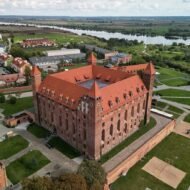
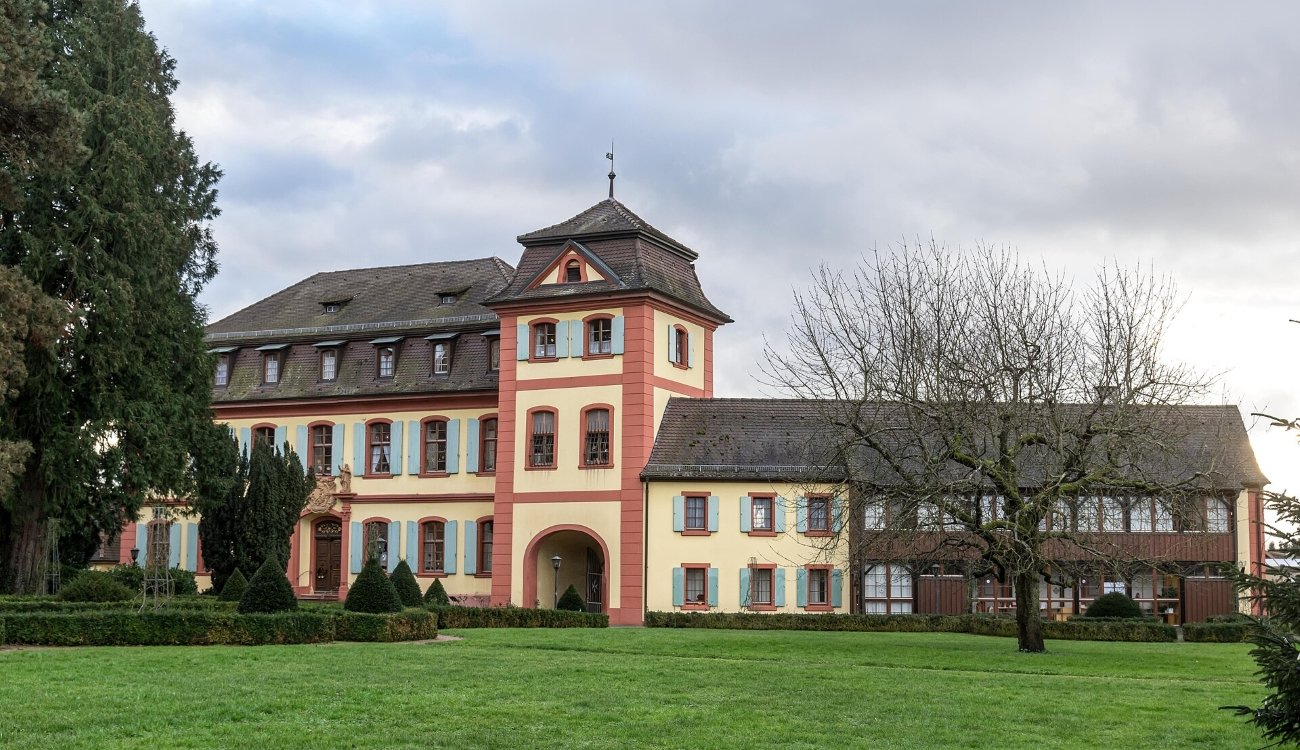
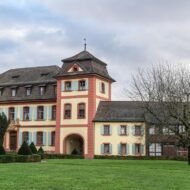
In the vineyards of the Markgräflerland, on the railway between Freiburg and Basel, lies a small town of about 6,500 people that was once a principality of the Knights of St John. From 1428, Heitersheim was the seat of the order’s German Grand Prior, and permanently from 1505. In 1548, the Emperor Charles V rewarded the order for its service against the Turks by giving the Grand Prior the rank of a prince of the Holy Roman Empire.
For more than 250 years, the little Principality of Heitersheim sat in the Imperial Diet. It ended in 1806, when it was annexed by Baden. The Malteserschloss, the castle of the Grand Priors, still stands, with a museum of the order. Since 2022, the town has been allowed to call itself Malteserstadt Heitersheim, “the Maltese town”.
In the Field Guide: the Malteserschloss and its museum, the Roman villa urbana museum in the same town, and a wine route through the Markgräflerland.
When: April to October, autumn for the grape harvest. Weather in Heitersheim: one of the warmest corners of Germany, in the Upper Rhine valley. Summers are warm, with highs in the mid-20s °C, and autumns are long and mild, ideal for vineyards. Getting there: about 20–30 minutes by train or car from Freiburg.
Beyond the map
The Hospitallers are remembered for their great sieges: Rhodes in 1522, Malta in 1565. But their real story is spread across Europe, in a harbour castle built from the stones of a healing sanctuary, a tower in the Cypriot vineyards, a castle above the windmills of La Mancha, a gate in a London street and a forgotten principality in the German wine country. The order has outlived empires. So have the places it built.
The Military Orders — a Beyond the Map Field Guide
[Hospitaller Europe — The Beyond the Map Field Guide]
The five places in this article are only the beginning. The Field Guide takes you across the Hospitaller world:
- The five sites in detail, with visiting notes, opening times and routes
- The Knights’ castles of the Dodecanese: Nisyros, Leros, Halki, Symi and the castles of Kos
- Rhodes and Malta without the crowds: where to go beyond the old towns
- Vrana in Croatia, from Templar seat to Hospitaller priory
- Hospitaller Spain and Portugal: castles and priories beyond Consuegra
- The order today: from Malta and Rome to St John Ambulance
- Offline maps and GPS points for every site
→ [Get the Field Guide]
Part of The Military Orders bundle, with Templar Europe and Teutonic Europe.
Read next: Where the Templars Were · Where the Teutonic Knights Were · Where Europe Is Still Warm in November
Explore more: Trails · Military Heritage · Europe’s Most Beautiful, Beyond the Map