

Istria is a peninsula in the northeastern Adriatic that three countries claim and one culture defines. The northwestern tip is Italian — Trieste and its extraordinary Habsburg-Venetian history. The western and southern coast is Croatian — Rovinj, Pula, Novigrad, the truffle country of the interior. The northeastern corner is Slovenian — Piran and Koper and the extraordinary Venetian coastal towns that Slovenia contributes to the same five-century architectural story. The borders that divided the peninsula after 1945 and shifted again after 1991 run through a landscape that remained recognisably Venetian in character throughout.
- The geography
- The Roman foundation
- The Croatian Venetian coast
- The food culture
- The wine legacy — Malvazija and Teran
- The Slovenian coast
- The Italian gateway
- The interior — the Istrian highlands
- The island hopping connection
- How to reach Istria
- The Istrian collection in The Wanders
- The Beyond the Map Field Guide
- Also in the Beyond the Map Regional Series
Istria is the most complete cross-border cultural region in central Europe. Three nation states share one coastline that was built, governed and inhabited by the same maritime republic for five centuries. Understanding Istria as a Venetian territory rather than as the Croatian tourism coast, the Slovenian riviera or the Italian hinterland is the editorial act that gives the region its correct register — and the editorial act that The Wanders’ Beyond the Map Regional Series is specifically designed to perform.
The geography
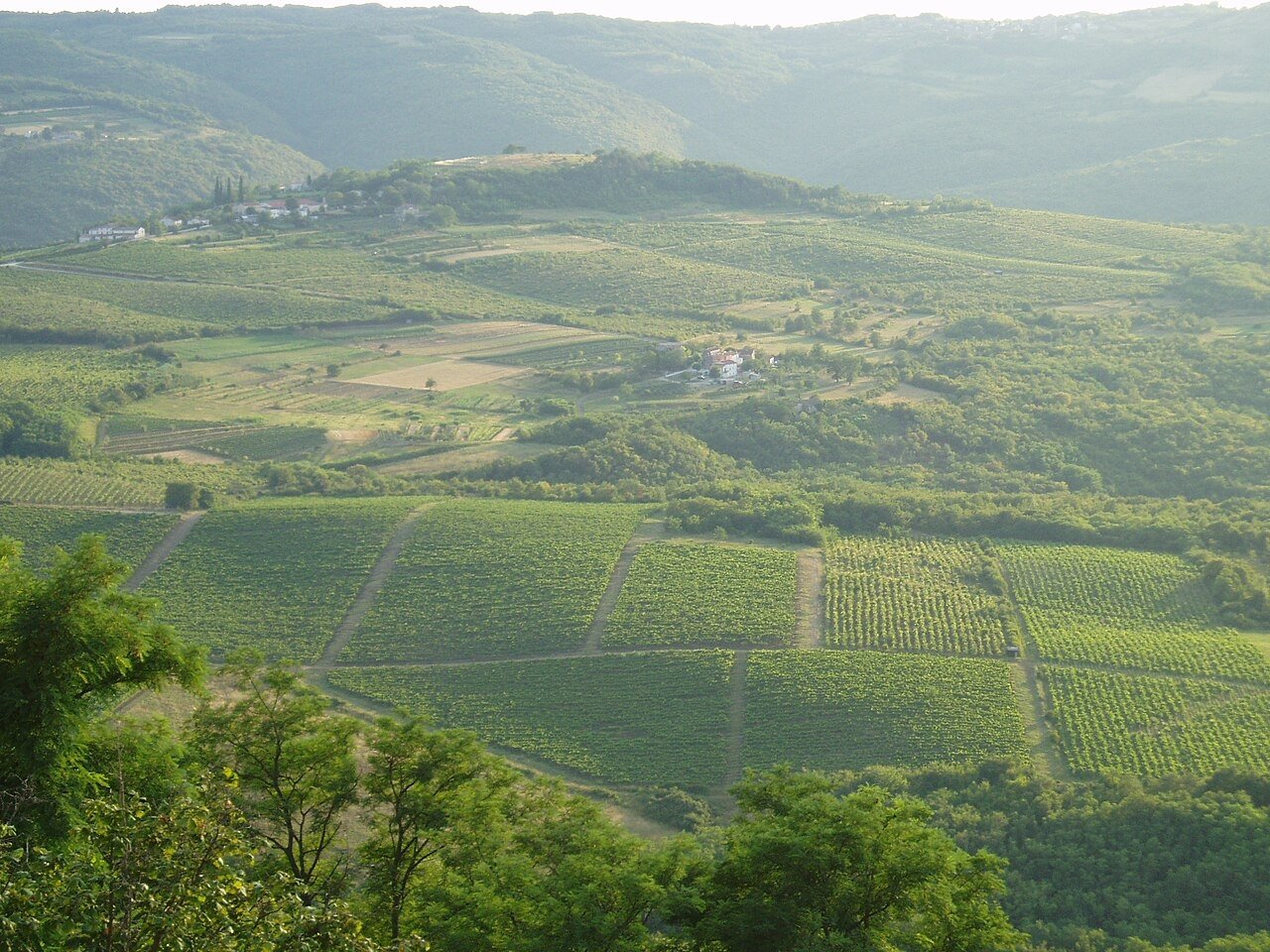
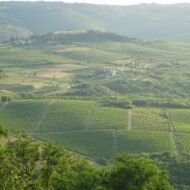
The Istrian Peninsula is a roughly triangular promontory approximately 100km from north to south — a limestone plateau sloping from the red-soiled hills of the interior to the extraordinary karst coastline of the west and south. The interior produces extraordinary wine — Malvazija Istarska and Teran — and the most commercially valuable culinary product in central Europe: the Istrian white truffle, harvested in the Motovun forest along the Mirna River valley between October and January.
The Roman foundation
Before the Venetians — Rome. Istria was a Roman province for five centuries and the Roman infrastructure is still present in the most extraordinary form at the southern tip of the peninsula.
Pula Arena: Where Rome Built Its Sixth Largest Amphitheatre →
The Pula amphitheatre is the sixth largest Roman amphitheatre in the world — built in the 1st century AD during the reign of Augustus, seating 23,000 spectators, extraordinarily complete with all four outer wall towers still standing and the extraordinary underground galleries intact where the gladiators and animals were held before combat. The arena is still used for concerts and film festivals — Sting, Elton John, Pavarotti and Andrea Bocelli have all performed in a venue built for gladiatorial combat two thousand years before their birth.
The broader Pula Roman ensemble — the extraordinary Temple of Augustus on the Forum (one of the best preserved Roman temples in the world), the extraordinary Triumphal Arch of the Sergii from 29 BC — makes Pula the most completely preserved Roman city in the Adriatic and the most undervisited Roman archaeological site in Europe given its extraordinary completeness.
The Croatian Venetian coast
Rovinj: The Croatian Town That Forgot to Leave Venice →
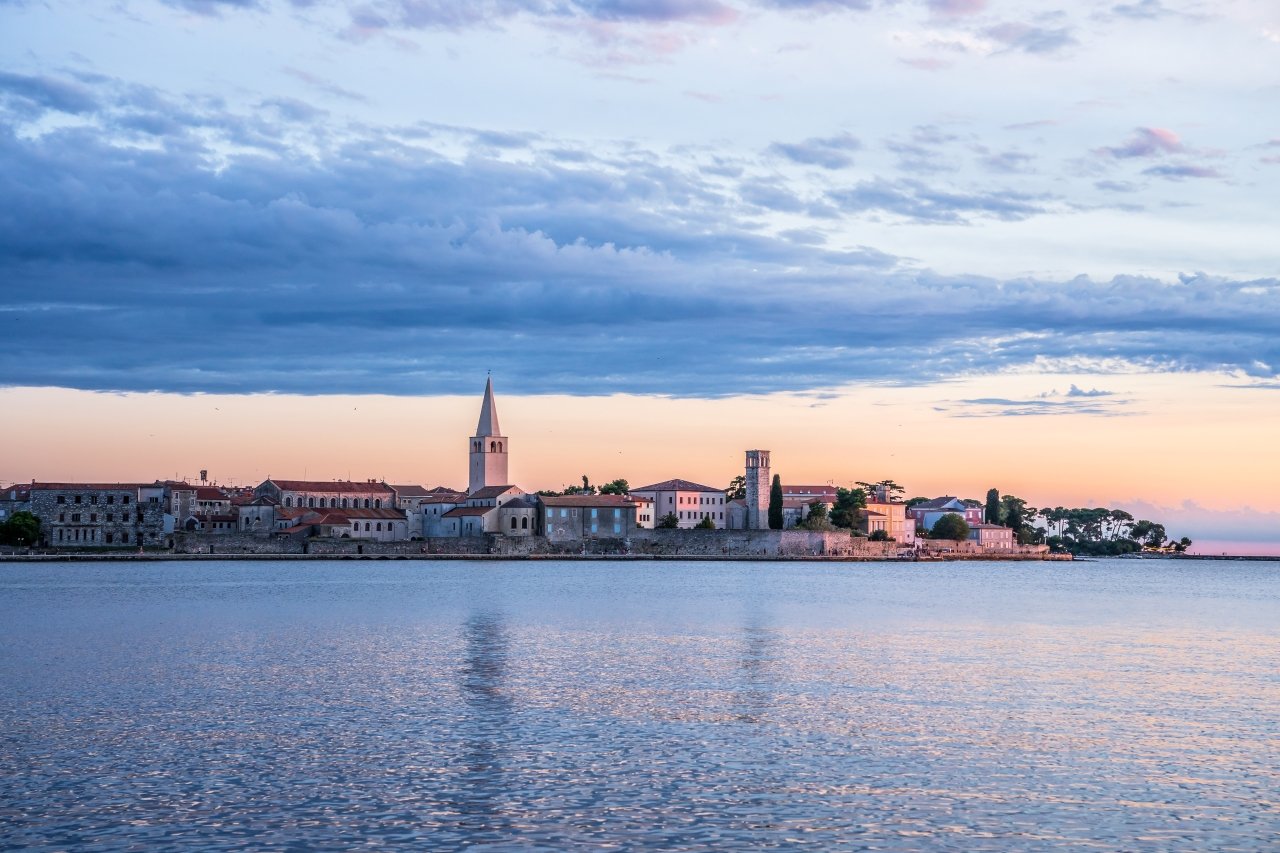
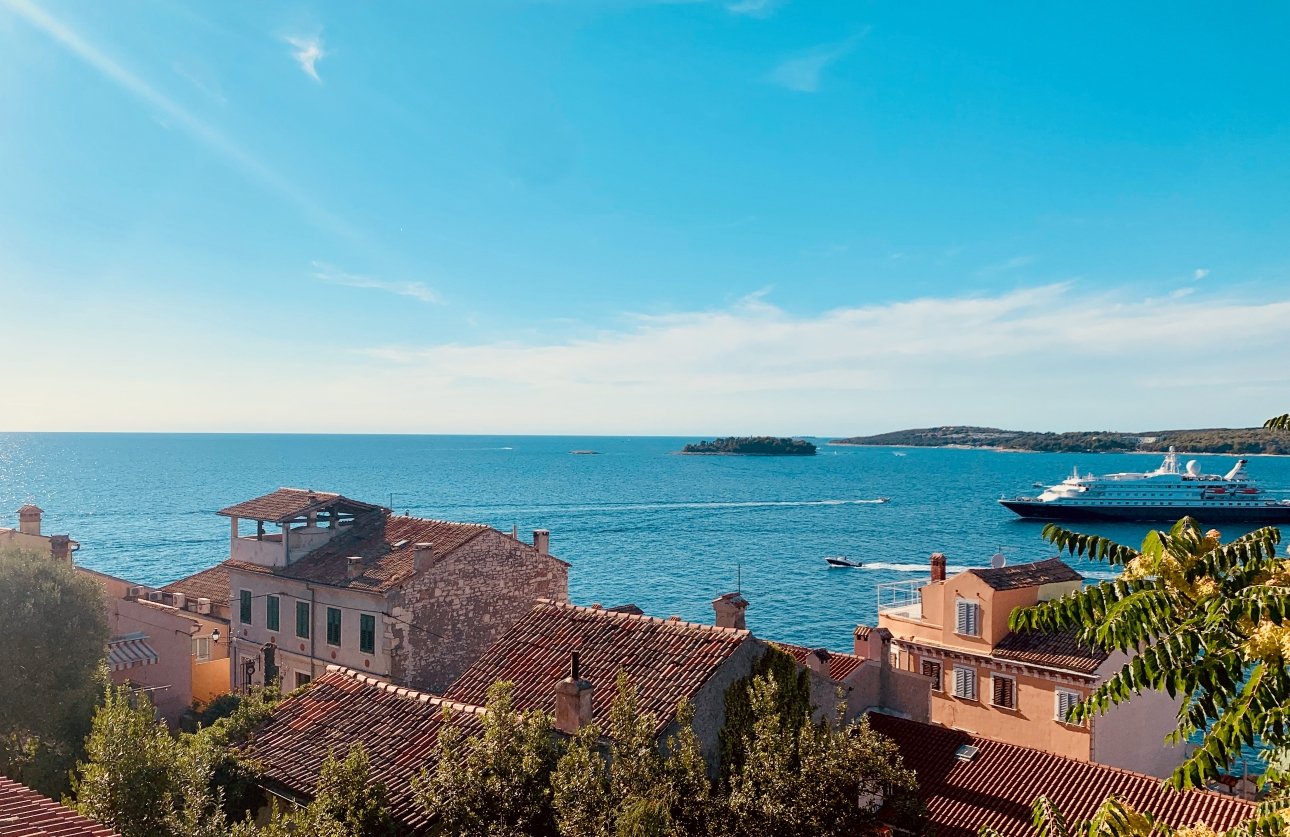
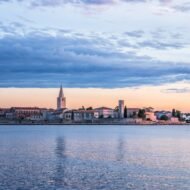
The most beautifully preserved Venetian coastal town on the eastern Adriatic — a rocky peninsula of tall narrow houses in ochre and terracotta, the bell tower modelled on the campanile of St Mark’s, the double name Rovinj-Rovigno on every official sign acknowledging the living Italian-speaking community. The Grisia — the extraordinary cobblestone street climbing to the Church of St Euphemia — is the most completely intact Venetian urban street in the eastern Adriatic outside Piran.
Novigrad: The Istrian Port Town That Venice Left Behind →
Novigrad — Cittanova in Italian — is the most completely preserved of the smaller northern Istrian port towns — an extraordinary old town on a small peninsula connected to the mainland, extraordinary Venetian harbour architecture and the most intimate small-scale Venetian townscape on the northwestern Istrian coast. The extraordinary Cathedral of St Pelagius contains a crypt of extraordinary early Christian character and the relics of the 1st century martyr saint after whom the town’s cathedral is dedicated. Novigrad sits between Poreč to the south and Umag to the north — the most overlooked of the three northern Istrian Venetian towns and the most authentically quiet.
Brijuni National Park: The Croatian Island Where Tito Hosted the World →
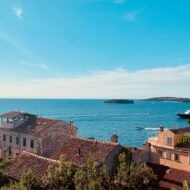
The Brijuni archipelago off the Istrian coast — 14 islands, national park since 1983, accessible only by authorised boat from Fažana. The Roman villa ruins. The extraordinary safari park whose African animal descendants still roam the main island. The most politically extraordinary island territory in the Adriatic — Elizabeth Taylor, Sophia Loren and Indira Gandhi all received here by Tito during the extraordinary Brijuni diplomatic summers of the Yugoslav period.
Gaz: The Croatian Islet Shaped Exactly Like a Fish →
The most visually extraordinary element of the Brijuni archipelago — an uninhabited islet whose geological silhouette is so precisely fish-shaped that aerial photographs of the archipelago are immediately defined by its outline. Within the national park’s strictly protected zone. The most extraordinary single geological curiosity on the Istrian coast.
The food culture
Konobas: Why Croatia’s Best Food Is Never on the Waterfront →
The konoba is the traditional Croatian family tavern — informal, unlisted, serving traditional Dalmatian and Istrian cuisine in settings of extraordinary simplicity and extraordinary quality. The konoba tradition is the most important element of Croatian food culture and the most completely bypassed by visitors who eat in tourist restaurants on the Venetian waterfront. Understanding the konoba — how to find one, what to order, what the menu means — transforms Croatian food from a tourist experience into a cultural one.
In Istria specifically the konoba tradition intersects with the extraordinary truffle culture — the family-run konobas of the Motovun valley and the Mirna river territory serve fresh white truffle shaved over pasta, eggs and risotto between October and January in a combination of extraordinary simplicity and extraordinary price that no restaurant in the region improves upon.
The wine legacy — Malvazija and Teran
Istrian Wine: The Two Grapes Nobody Else Can Grow →
Istria produces two extraordinary wines that exist in their specific form nowhere else on earth — and almost no international visitor knows either of them.
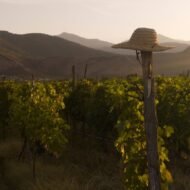
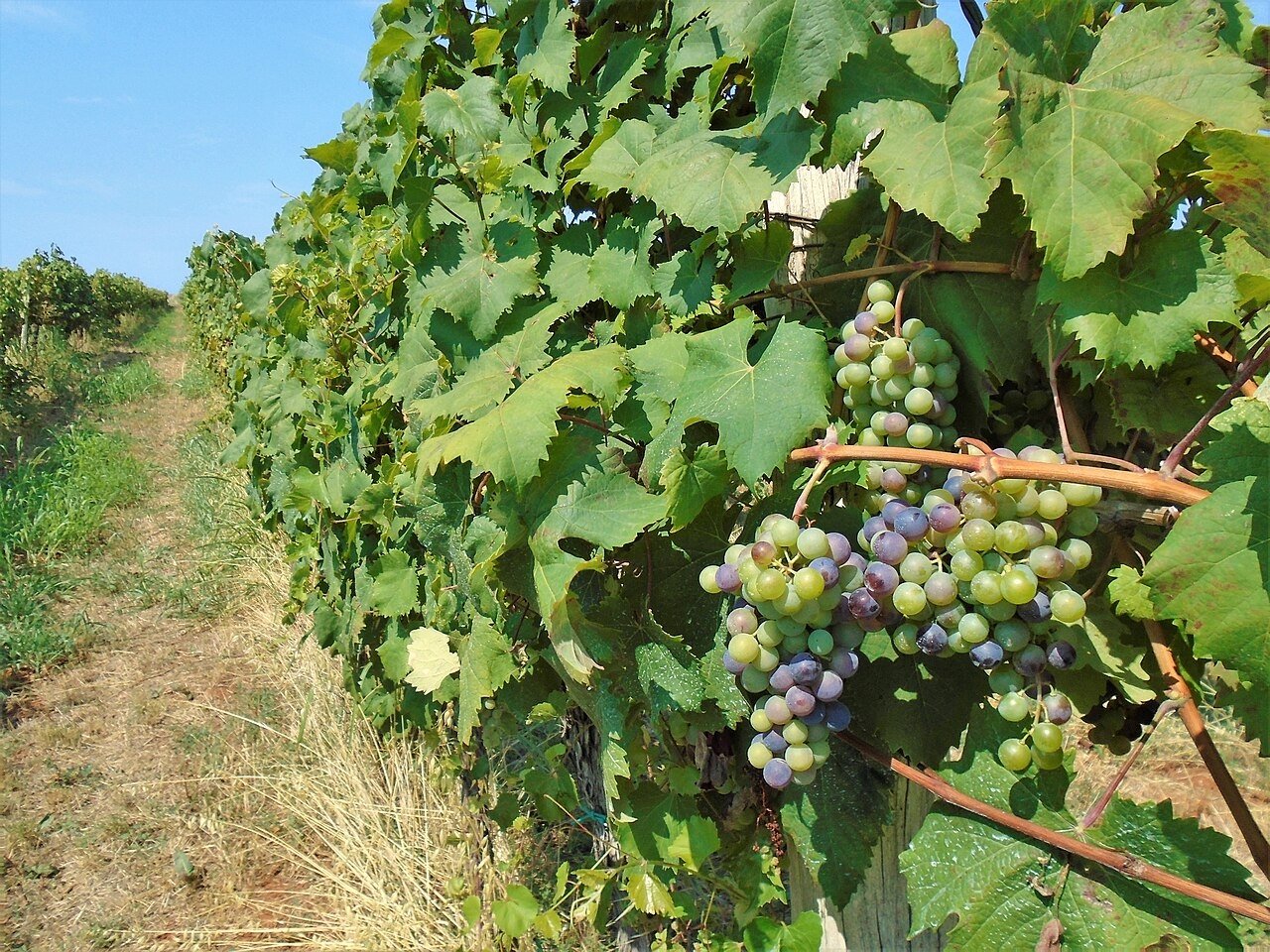
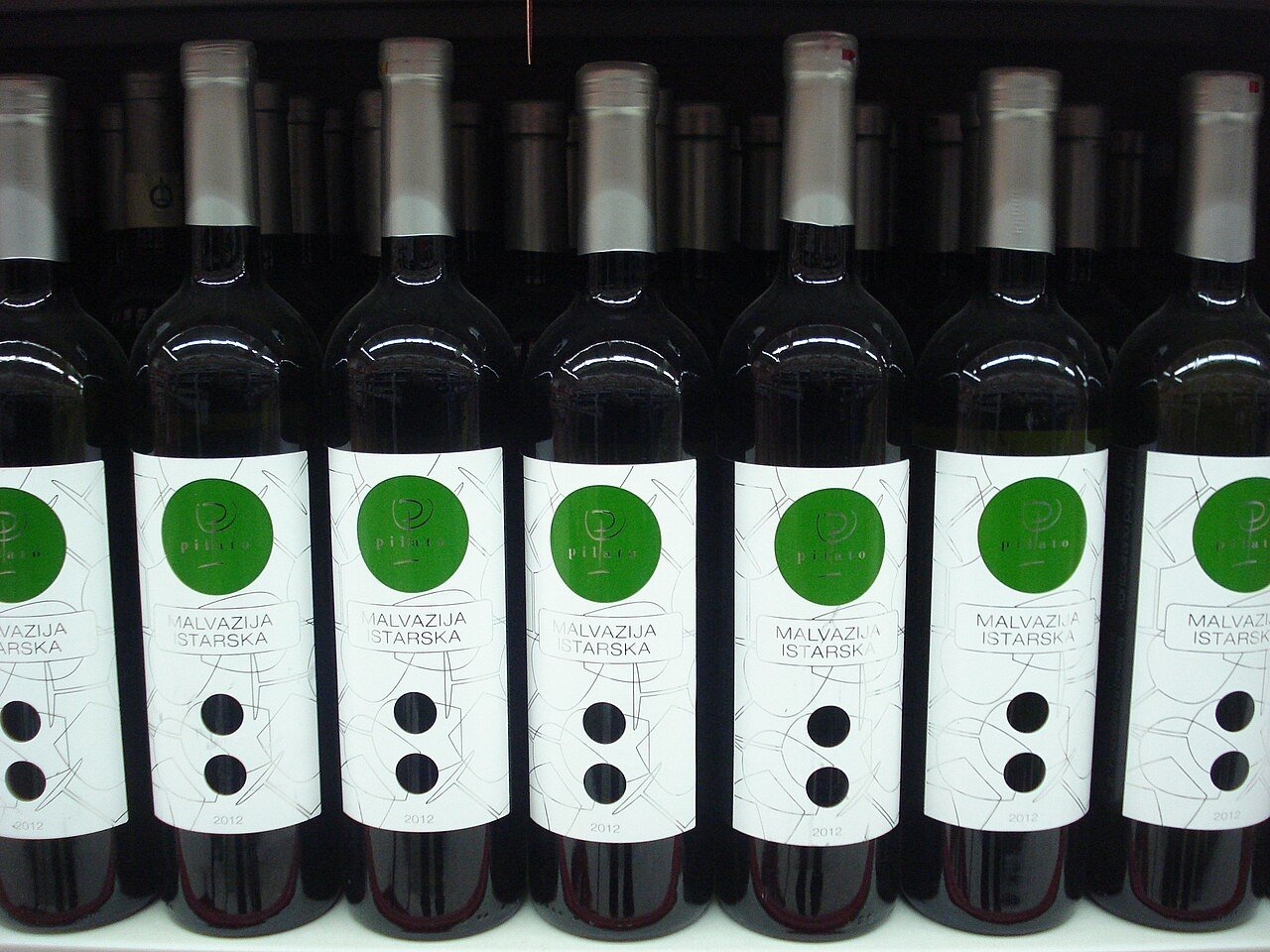
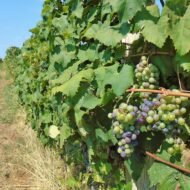
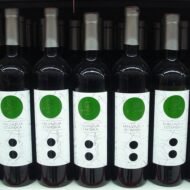
Malvazija Istarska is the white grape variety specific to the Istrian peninsula — not the international Malvasia grape family found across the Mediterranean, but a completely separate variety producing a dry white of extraordinary mineral character, almond finish and distinctive saline quality that the Adriatic air and the limestone substrate create simultaneously. The grape has been cultivated here since the Venetian period. The extraordinary revival that began in the 1990s — when a generation of young Croatian winemakers applied international technique to the indigenous variety — produced a wine that now wins gold medals at international competitions while remaining almost entirely unknown to the international wine market that awards them.
Teran is the extraordinary red grape of the Istrian karst — produced on the iron-rich red soil known as terra rossa that gives the wine its extraordinary deep ruby-purple colour, its extraordinary high natural acidity and its extraordinary mineral character. The same soil that gives Teran its colour gives the Istrian landscape its most distinctive visual quality — the deep red furrows of the ploughed vineyards against the pale limestone walls of the hilltop villages.
The most extraordinary producers: Kozlović in Momjan — the most internationally recognised, producing the most awarded Croatian white wine. Cattunar in Buje — the most experimental, producing extraordinary skin-contact Malvazija of remarkable texture. Coronica above Umag — the most dramatically positioned, with extraordinary views across the Adriatic toward Italy. Giorgio Clai near Buje — the most extraordinary natural winemaker in Istria, producing Teran of exceptional concentration and exceptional longevity.
The wine road — Vinska Cesta Istre — connects the extraordinary producers of the interior plateau in a circuit of approximately 150km passing through Motovun, Grožnjan, Buje and Momjan. Accessible by car in a single day from any base on the Istrian coast. Most rewarding between September and January — when the harvest season and the truffle season coincide in one extraordinary window of Istrian food and wine culture.
The Slovenian coast
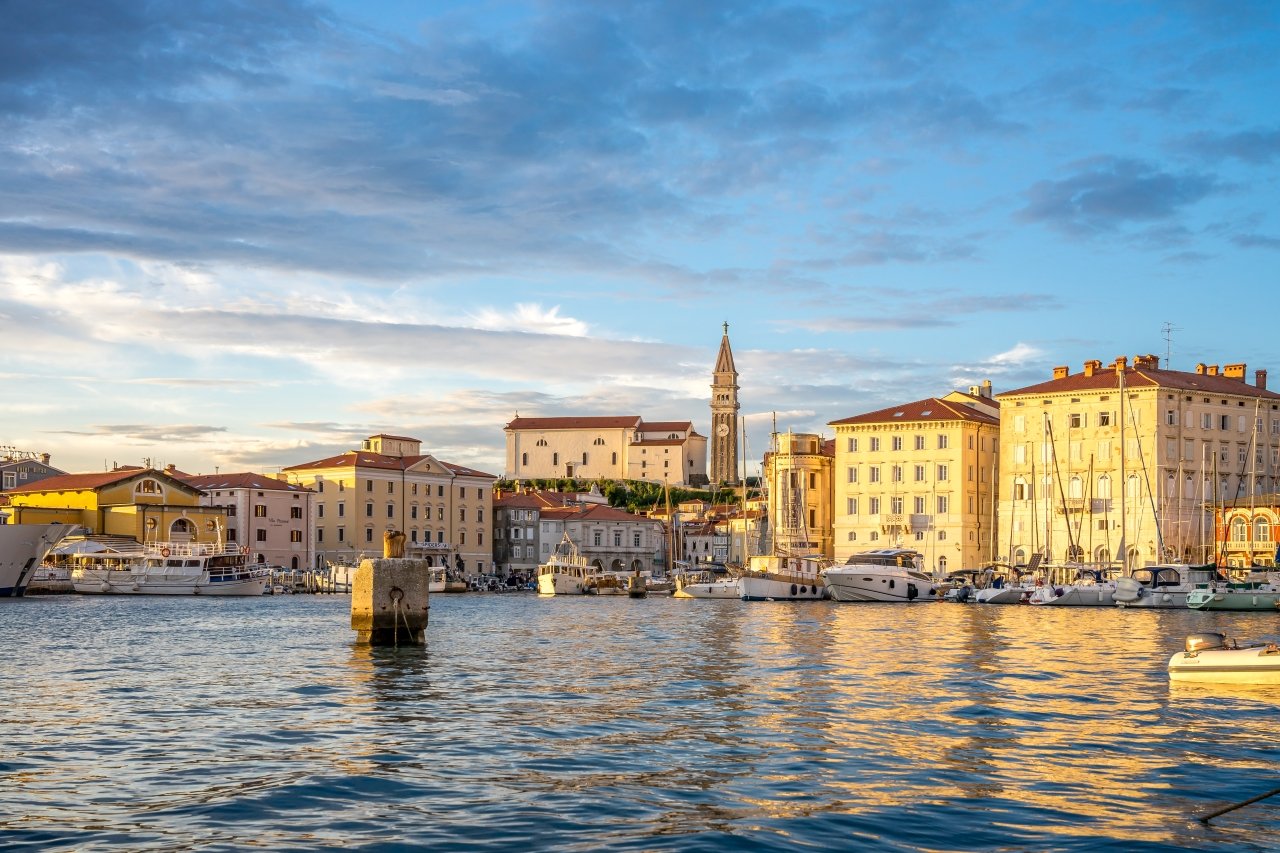
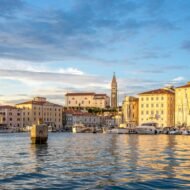
Piran — the most completely Venetian town on the Istrian coast, preserved with extraordinary completeness on a narrow peninsula on the Slovenian coast. The extraordinary Tartini Square — the most beautiful coastal piazza in the Adriatic, named for the 18th century violinist Giuseppe Tartini who was born in a house on the square — opens directly onto the sea. The extraordinary medieval salt pans of Sečovlje below the town — a UNESCO candidate — where the extraordinarily gentle coastal gradient produces conditions for salt crystallisation unchanged since the 13th century.
Koper — the administrative capital of Slovenian Istria and the most underrated city on the Istrian coast — an extraordinary Venetian old town on an artificial peninsula surrounded by the extraordinary commercial port infrastructure that makes Koper the most important port in Slovenia. The extraordinary Praetorian Palace on Titov Trg, the extraordinary Cathedral of the Assumption, the extraordinary loggia — a complete Venetian civic ensemble in a city that receives a fraction of Piran’s visitors despite comparable architectural quality.
The Italian gateway
Trieste — the extraordinary Habsburg port city at the northern tip of the Adriatic — is not geographically Istrian but is culturally and historically the city that bookends the Istrian peninsula from the Italian side. The extraordinary Piazza Unità d’Italia opening directly onto the sea — the largest seafront piazza in Europe. The extraordinary Miramare Castle on its headland — built by Archduke Maximilian of Austria who subsequently became Emperor of Mexico and was executed there in 1867. James Joyce lived here for eleven years and wrote most of Dubliners and Portrait of the Artist as a Young Man in Trieste — the most significant literary residency in any Adriatic city.
The interior — the Istrian highlands
Motovun — the most famous of the hilltop villages, a medieval walled town above the Mirna valley, its extraordinary wall walkway giving 360-degree views across the Istrian plateau. The Motovun Film Festival in July. The Motovun forest below the town — the most important white truffle territory in Croatia — producing specimens of extraordinary quality between October and January.
Grožnjan — an extraordinary small hilltop village almost completely abandoned in the 1960s when the Italian-speaking population emigrated and colonised by artists in the 1970s — studios, galleries and an extraordinary concentrated creative atmosphere in stone houses that were empty for a decade.
The island hopping connection
Island Hopping Dalmatia: The Route Beyond Hvar →
The Dalmatian island hopping route begins in Split rather than Istria — but the Brijuni archipelago and the Istrian coastal waters connect the Island Hunter collection to the Istrian territory. The route south from Istria toward Split traces the same Venetian coast that produced Rovinj, Novigrad and Pula before opening into the extraordinary Dalmatian island world.
How to reach Istria
By air:    Pula Airport (Croatia)
           Summer seasonal connections from major European cities
           Best for southern Istria · Rovinj · Brijuni

           Trieste Airport (Italy)
           Year-round · best for northern Istria
           and the Slovenian coast

           Ljubljana Airport (Slovenia)
           Best for Piran and the Slovenian coast
           90 minutes to Piran by road

By road:   Pula to Piran — 90 minutes
           Rovinj to Motovun — 45 minutes
           The complete Istrian circuit — 4-5 days by car

Best season:  May-June · September-October
              The truffle season: October-January
              The Motovun Film Festival: July
The Istrian collection in The Wanders
| Destination | Country | Character | Article |
|---|---|---|---|
| Pula Arena | Croatia | Roman · 6th largest amphitheatre | Published |
| Rovinj | Croatia | Venetian · peninsula · campanile | Published |
| Novigrad | Croatia | Small Venetian port · intimate | Published |
| Brijuni | Croatia | National park · Tito · eco island | Published |
| Gaz islet | Croatia | Fish-shaped · Brijuni archipelago | Published |
| Konobas | Croatia | Food culture · family taverns | Published |
| Istrian Wine | Croatia | Malvazija · Teran · wine road | Published |
| Piran | Slovenia | Most Venetian town · salt pans · Tartini Square | Commissioning |
| Motovun | Croatia | Hilltop · truffle forest · Film Festival | Commissioning |
| Grožnjan | Croatia | Artists’ village · abandoned · revived | Commissioning |
| Trieste | Italy | Habsburg port · Joyce · Miramare Castle | Commissioning |
| Koper | Slovenia | Underrated Venetian city · port | Commissioning |
| Poreč | Croatia | Euphrasian Basilica · UNESCO mosaics | Commissioning |
The Beyond the Map Field Guide
Istria: The Complete Beyond the Map Guide — €14
Three countries, one Venetian coast. Roman amphitheatre to truffle forest. Croatian harbour to Slovenian salt pan to Italian literary city. Malvazija Istarska to Teran to the white truffle of the Mirna valley. The complete editorial guide to the most cross-border coherent region in central Europe.
Beyond the Map Regional Series →
Also in the Beyond the Map Regional Series
Transylvania: The Region That Dracula Overshadowed →
The most misunderstood extraordinary region in central Europe — Saxon fortified villages, the Transfăgărășan mountain road, Bâlea Lake at 2,034 metres, brown bears in the Carpathian forest and the most extraordinary Art Nouveau city in Romania.
Istria is part of The Wanders Beyond the Map Regional Series — extraordinary European regions documented beyond the nation state boundaries that contain them.