

Transylvania is the most famous region in Romania and the most misunderstood in Europe. The name travels further than the place — Bram Stoker used it for his 1897 novel without having visited, creating a gothic fiction that has been more commercially successful than anything the actual region has produced. The vampire mythology has been extraordinarily good for Halloween costume sales. It has been less useful for understanding one of the most extraordinary and most historically layered regions in central Europe.
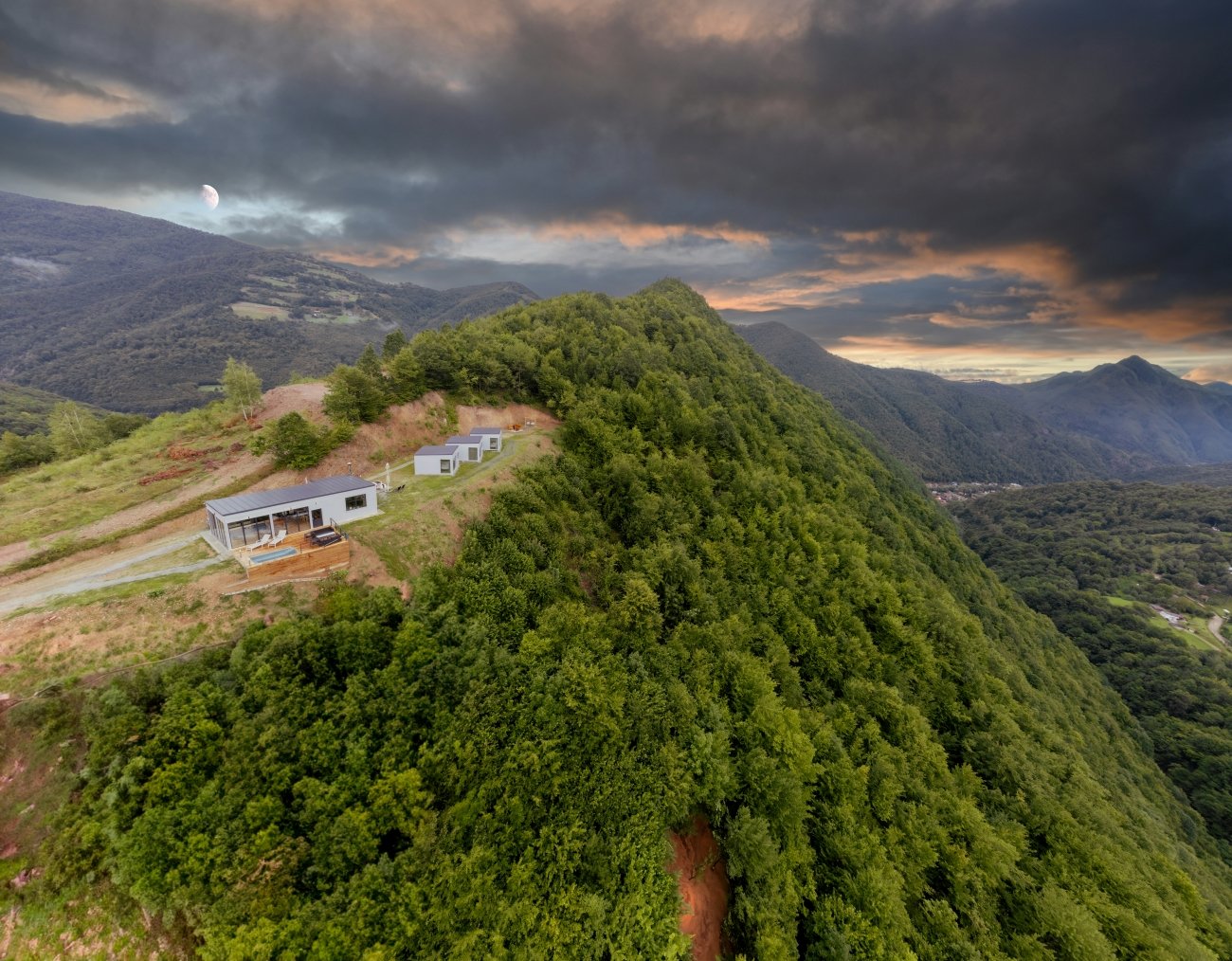
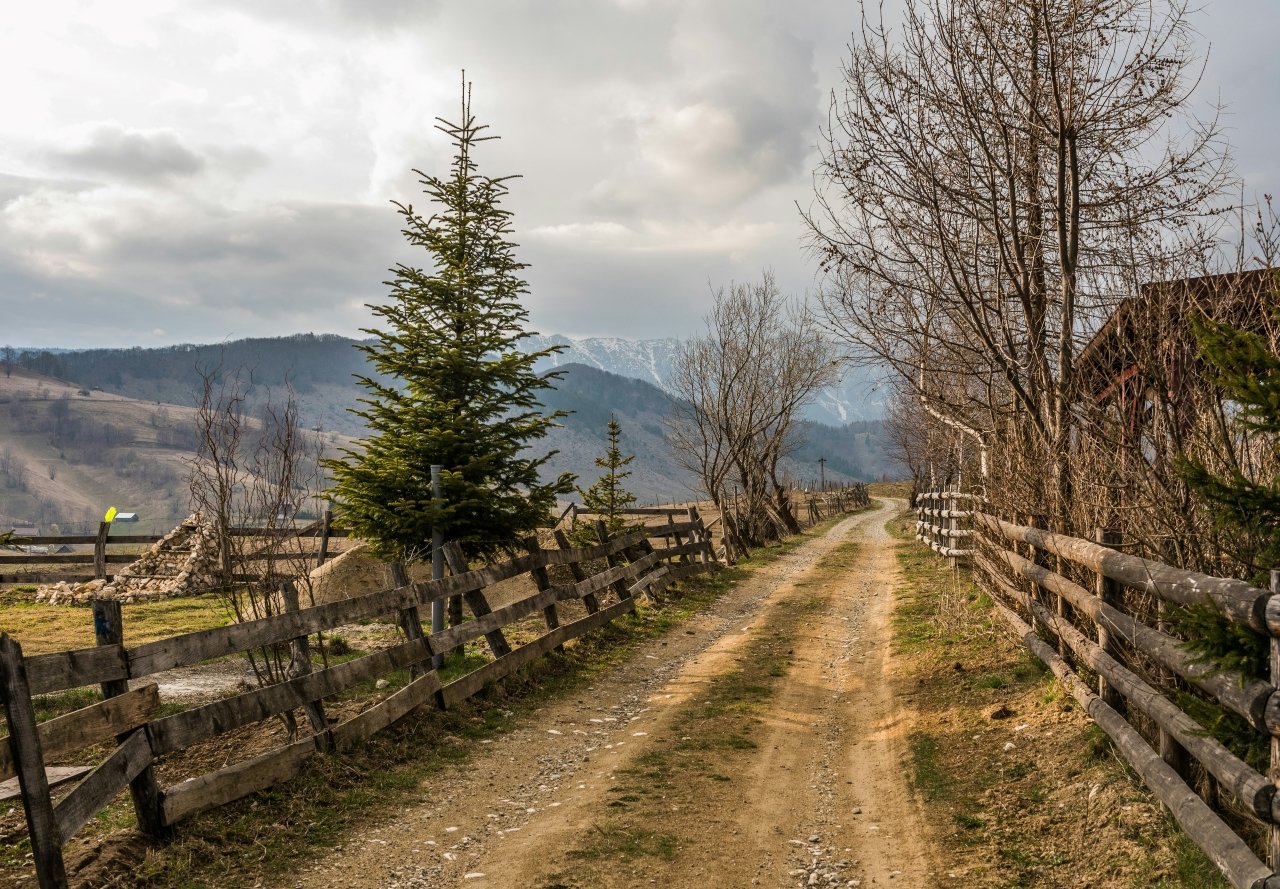
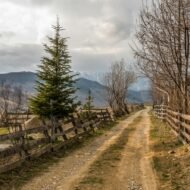
The real Transylvania is a plateau ringed by the Carpathian Mountains — an elevated basin of rolling hills, Saxon-built fortified churches, Magyar baroque cities, ancient Roman archaeological sites and one of the most extraordinary surviving traditional agricultural landscapes in Europe. The bears are real. The wolves are real. The forests are extraordinary. And the Transfăgărășan — the mountain road that crosses the Southern Carpathians above Transylvania — is genuinely the most extraordinary mountain road in Europe.
This is the editorial guide to the real Transylvania.
The mountain roads
Transfăgărășan: The Mountain Road Top Gear Made Famous →
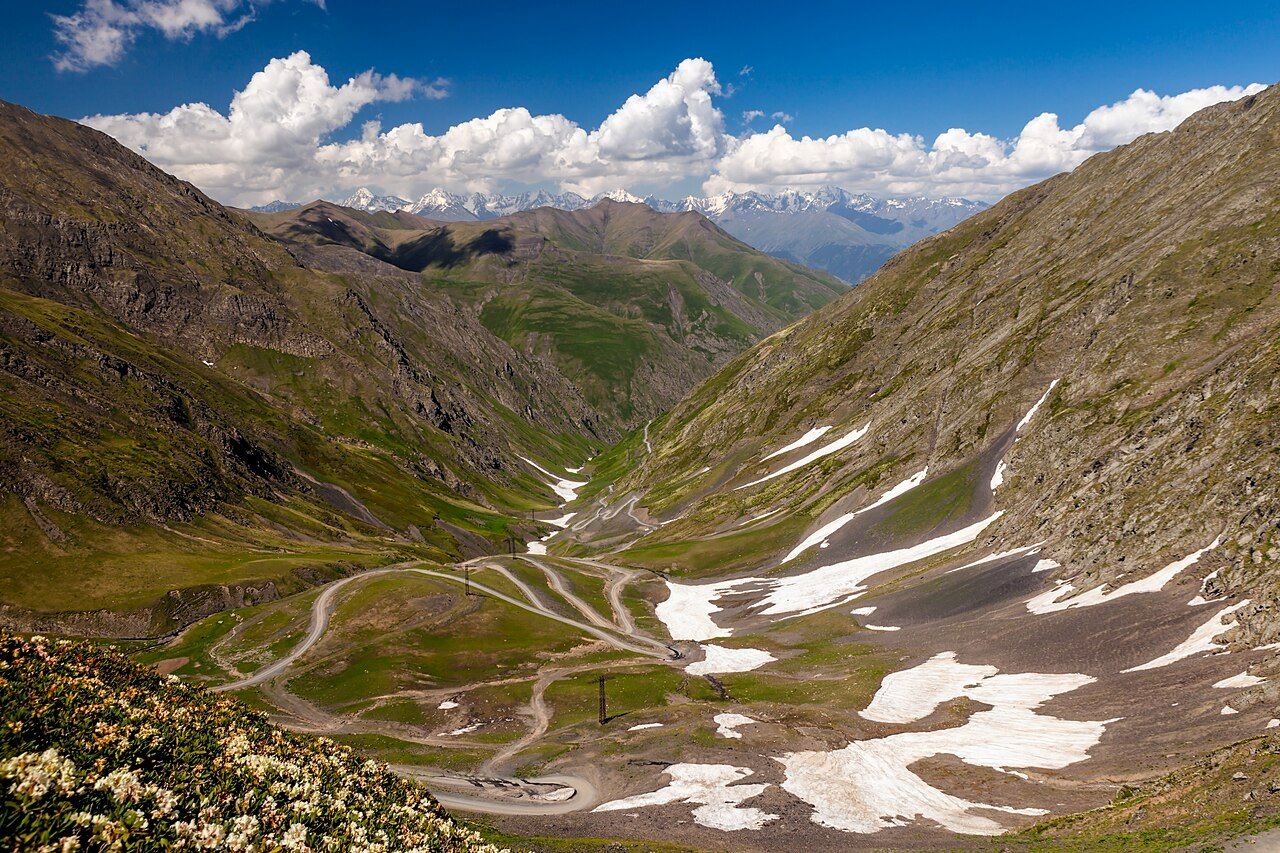
Built between 1970 and 1974 by Ceaușescu as a strategic military crossing of the Southern Carpathians, the Transfăgărășan climbs from the Transylvanian plateau through 48 hairpin bends to the Bâlea Lake at 2,034 metres before descending to Wallachia on the southern side. Open only between late June and October — the snowfall closes it for eight months. Top Gear called it the best road in the world in 2009. The description was accurate.
Bâlea Lake: Romania’s Glacial Lake on the Transfăgărășan → — 3,090 views
At the summit of the Transfăgărășan — at 2,034 metres above sea level in an extraordinary glacial cirque above the treeline — Bâlea Lake is the most dramatically positioned lake in Romania. The ice hotel that forms on the frozen lake each winter. The extraordinary cable car from the valley below. The extraordinary mountain amphitheatre of the Făgăraș peaks surrounding the lake on three sides. The most visited single natural site in Transylvania and one of the most extraordinary glacial landscapes in the Carpathians.
The mountain landscape
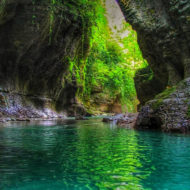
Bicaz: The Gorge Where Romania’s Mountains Close In →
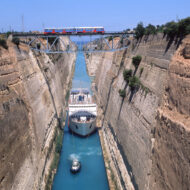
The Bicaz Gorge cuts through the eastern Carpathians on the boundary between Transylvania and Moldavia — a 12km limestone canyon where the rock walls close to within metres of the road in the most dramatic section, the extraordinary Neck of Hell narrowing to a passage of extraordinary claustrophobic geological drama. One of the most extraordinary natural landscape features in the Romanian Carpathians and the most dramatic single road journey in the eastern range.
Ciucaș: The Romanian Mountains Nobody Has Found →
The Ciucaș massif in the southeastern Carpathians is the most extraordinary and most overlooked mountain landscape in Transylvania — an extraordinary volcanic rock formation of sculptural limestone and conglomerate towers, the most dramatic summit landscape in the Romanian Carpathians outside the Bucegi, accessible on foot from Cheia and receiving a fraction of the visitors that Bucegi and the Retezat attract despite comparable geological drama.
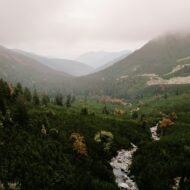
The Carpathians in Autumn: Europe’s Most Underrated Forest →
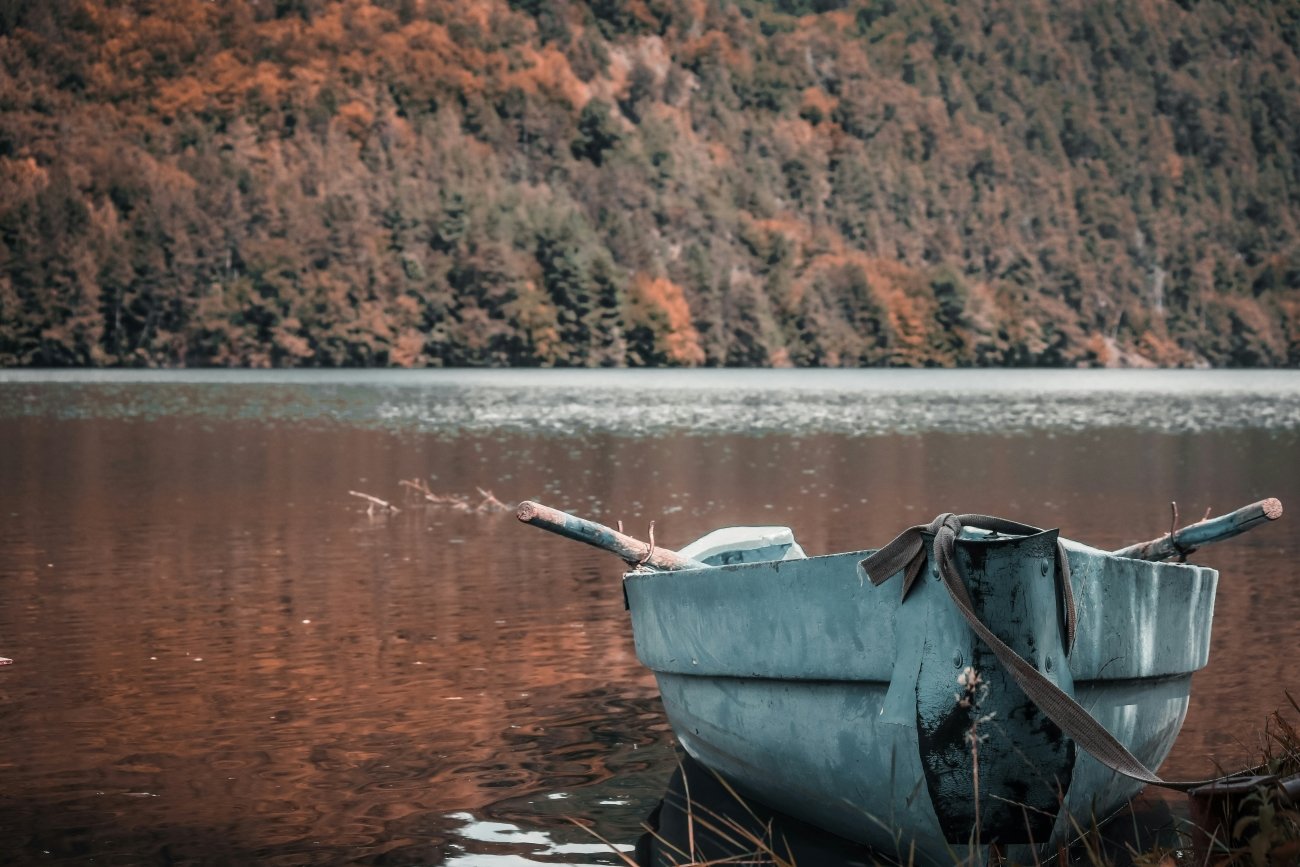
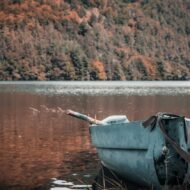
The Carpathian forest in autumn — the most extraordinary and most overlooked autumn forest landscape in Europe. The largest remaining old-growth forest in Europe outside Russia, covering the arc of the Carpathian range in a continuous canopy that turns the full range of the autumn palette between mid-September and mid-October. Brown bears active before hibernation. The most extraordinary wildlife observation window in the Carpathians. The season the Transylvania articles confirm as the most extraordinary for the region.
The Saxon villages
The most extraordinary element of the Transylvanian landscape — fortified churches and Saxon villages preserved by the same relative underdevelopment that protected the Carpathian forest.
Viscri — the most internationally famous, where King Charles III has maintained a guesthouse since 2006 and where the extraordinary white fortified church above the Saxon village street has become the defining image of Transylvanian heritage.
Biertan — the most architecturally extraordinary, with three concentric defence walls, eight towers and the extraordinary 19-bolt lock system in the sacristy door. UNESCO World Heritage. The seat of the Lutheran Bishop of Transylvania for three centuries.
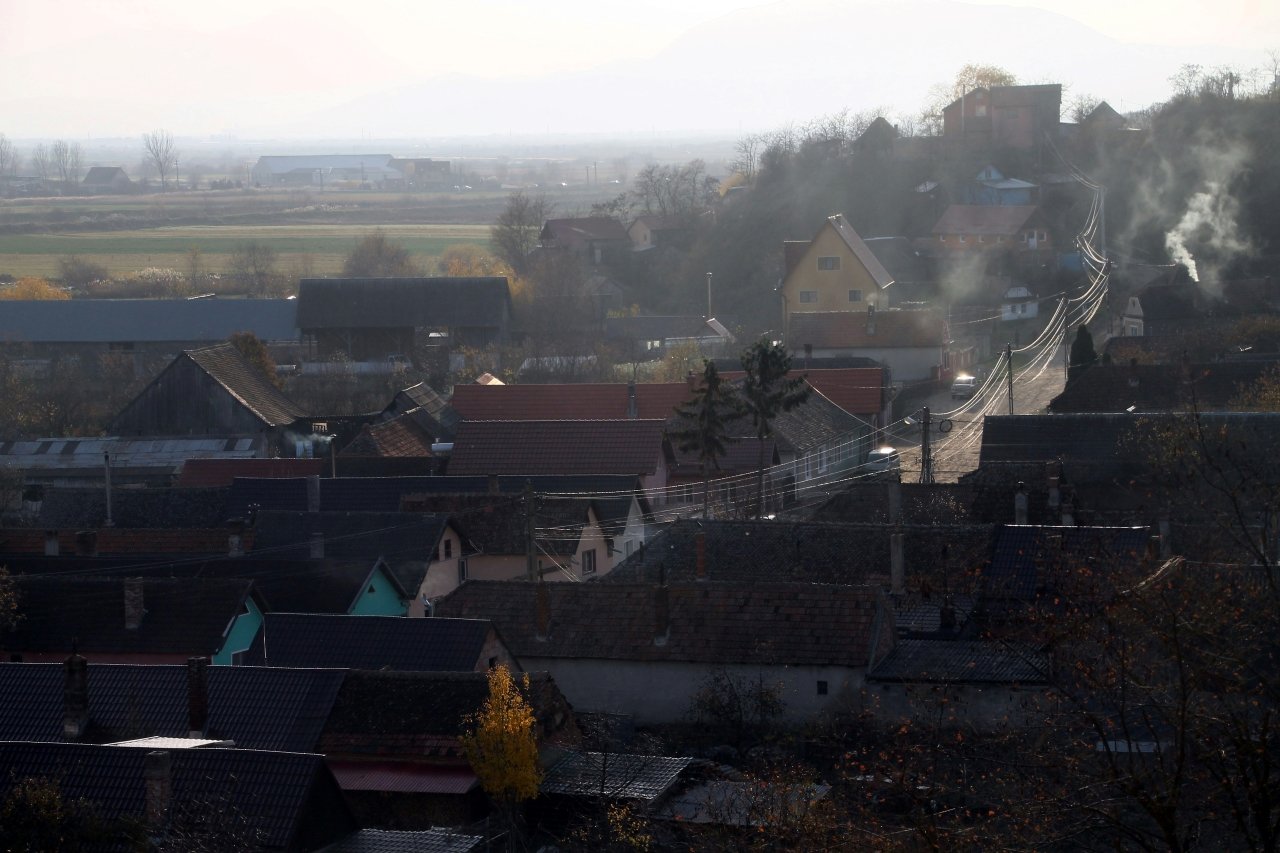
The Saxon village circuit — Viscri, Biertan, Saschiz, Dârjiu, Mălâncrav — extends through the Hârtibaciu valley in a series of extraordinary settlements where the fortified churches rise above agricultural landscapes unchanged for centuries.
The cities
Oradea: Romania’s Most Extraordinary Art Nouveau City →
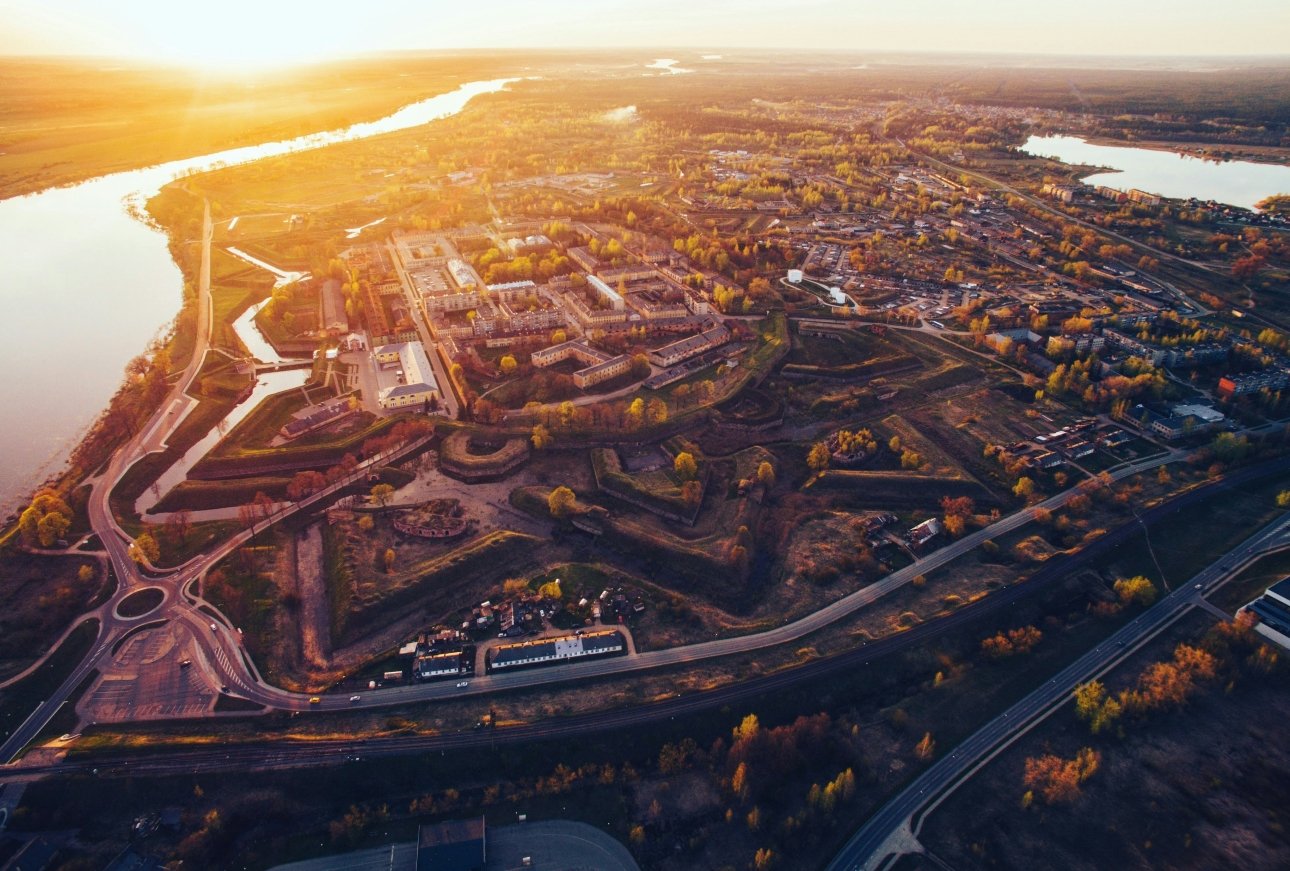
Oradea sits on the Romanian-Hungarian border in the historical Crișana territory — technically at the western edge of the greater Transylvanian cultural sphere — and contains the second most important concentration of Art Nouveau architecture in Europe after Riga. The extraordinary Secession buildings of the city centre, the extraordinary Black Eagle Palace, the extraordinary thermal baths and the extraordinary Crișul Repede riverside create a city of remarkable architectural completeness that almost no international visitor reaches.
The thermal landscape
Băile Tușnad — Romania’s highest altitude spa town at 650 metres in the extraordinary volcanic landscape of Harghita County, in the heart of Szeklerland. The extraordinary thermal springs emerging from the volcanic geology. The extraordinary St Anne volcanic crater lake above the town. The completely Hungarian cultural character of the Szekler heartland. The most complete thermal spa experience in Transylvania.
The seasons
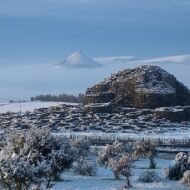
Transylvania in Winter: The Saxon Villages Under Snow →
The most overlooked season in Transylvania — and the most extraordinary. The fortified church silhouettes above snow-covered Saxon village streets. The extraordinary Christmas market traditions of the Saxon communities in Sibiu and Brașov. The extraordinary winter light on the Carpathian peaks. The bears in the forests. The most honest version of a region that summer tourism has not yet shaped into a performance of itself.
Poiana Brașov: Where Transylvania Goes Skiing →
The most important ski resort in Romania — on the slopes of Mount Postăvaru above Brașov, accessible in 12 minutes by cable car from the city. The resort that the Romanian urban middle class discovered in the communist period and has never relinquished. The most complete winter resort experience in the Carpathians and the most convenient — within 15 minutes of Brașov’s extraordinary medieval old town and within 2 hours of Bâlea Lake by road.
The Carpathian castle — the regional comparison
Orava Castle: The Slovak Fortress That Inspired Nosferatu →
Orava Castle in northern Slovakia — not in Transylvania but in the same Carpathian cultural sphere — was the filming location for F.W. Murnau’s 1922 Nosferatu, the unauthorised adaptation of Bram Stoker’s novel that created the visual language of the vampire film. The extraordinary Gothic fortress on its limestone rock above the Orava River is the visual source of the castle imagery that Bram Stoker’s Transylvanian invention did not need because the novel predates cinema. Included here as the Carpathian cross-border connection — the same culture of dramatic fortress architecture that produced Bran and Peleș in Romania produced Orava in Slovakia. The Carpathian castle tradition crosses the modern border as completely as the Saxon village tradition crosses the internal Transylvanian boundaries.
How to reach Transylvania
By air:    Cluj-Napoca International Airport
           Direct from London · Amsterdam · Vienna · Munich
           Best entry point for the Saxon village circuit

           Henri Coandă, Bucharest
           More connections · 2.5 hours to Brașov
           Best for Transfăgărășan and southern Transylvania

By car:    Recommended for the Saxon village circuit
           Sibiu or Brașov as base
           Car hire at Cluj and Sibiu airports

Best seasons:
May-June   Wildflower meadows · Saxon village character
July-Aug   Transfăgărășan open · Bâlea Lake accessible
Sep-Oct    Extraordinary autumn forest · bear activity
Dec-Mar    Saxon Christmas traditions · skiing at Poiana Brașov
The complete Transylvania collection
| Destination | Character | Views | Article |
|---|---|---|---|
| Bâlea Lake | Glacial lake · Transfăgărășan summit | 3,090 | Published |
| Transfăgărășan | Most extraordinary mountain road | — | Published |
| Bicaz Gorge | Limestone canyon · eastern Carpathians | — | Published |
| Ciucaș | Volcanic rock formations · unknown | — | Published |
| Carpathians in Autumn | Old-growth forest · bears · autumn | — | Published |
| Oradea | Art Nouveau · Habsburg border city | — | Published |
| Băile Tușnad | Thermal spa · Szeklerland · volcanic | — | Published |
| Transylvania Winter | Saxon villages under snow · skiing | — | Published |
| Poiana Brașov | Skiing · above Brașov · cable car | — | Published |
| Viscri | Saxon village · King Charles · UNESCO | — | Published |
| Biertan | Most impressive fortified church | — | Published |
| Orava Castle | Slovak fortress · Nosferatu · Carpathian | — | Published |
12 articles · one extraordinary region · one editorial guide
The Beyond the Map Field Guide
Transylvania: The Complete Beyond the Map Guide — €14
Twelve destinations, four cultures, one Carpathian plateau. The complete editorial guide to the most misunderstood extraordinary region in central Europe.
Beyond the Map Regional Series →
Transylvania is the first article in The Wanders Beyond the Map Regional Series — extraordinary European regions documented beyond the nation state boundaries that contain them.