

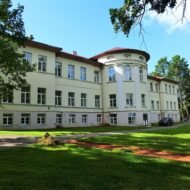
Mark Rothko was born in 1903 in a city in the far east of Latvia called Dvinsk. He left in 1913 at the age of ten, with his family, for America. He never returned. He became Marcus Rothkowitz in New York, then Mark Rothko — one of the most significant painters of the 20th century, the defining figure of colour field painting, a man whose large canvases of extraordinary saturated colour are in the collections of the Museum of Modern Art, the Tate Modern and the National Gallery of Art. The city he was born in is now called Daugavpils. It is in the region of Latvia called Latgale.
- The geography — the land of blue lakes
- The character — a region unlike the rest of Latvia
- Daugavpils — the city Napoleon failed to capture
- Aglona — the Catholic heart of Latvia
- The lakes — Rāzna and the blue landscape
- The Jewish heritage
- How to reach Latgale
- The Latgale collection in The Wanders
- The Beyond the Map Field Guide
- Also in the Beyond the Map Regional Series
Almost nobody connects these facts. Almost no English-language travel editorial covers them. The Mark Rothko Art Centre in Daugavpils Fortress — containing five original Rothko canvases loaned by the family, the only place in eastern Europe where you can see original Rothko works — opened in 2013 and receives a fraction of the visitors that travel to Tate Modern specifically for the Rothko Room. The reason is simple: nobody has written about it seriously in English.
Latgale is the most extraordinary undocumented region in Latvia and one of the most extraordinary undocumented regions in the Baltic states — a territory of 800 lakes, a distinct language, a Catholic minority in a Lutheran country, a Napoleonic-era fortress that Napoleon failed to capture, and the birthplace of one of the most important painters of the last century. This is the editorial case for going east.
The geography — the land of blue lakes
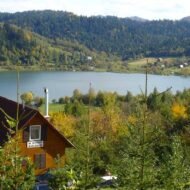
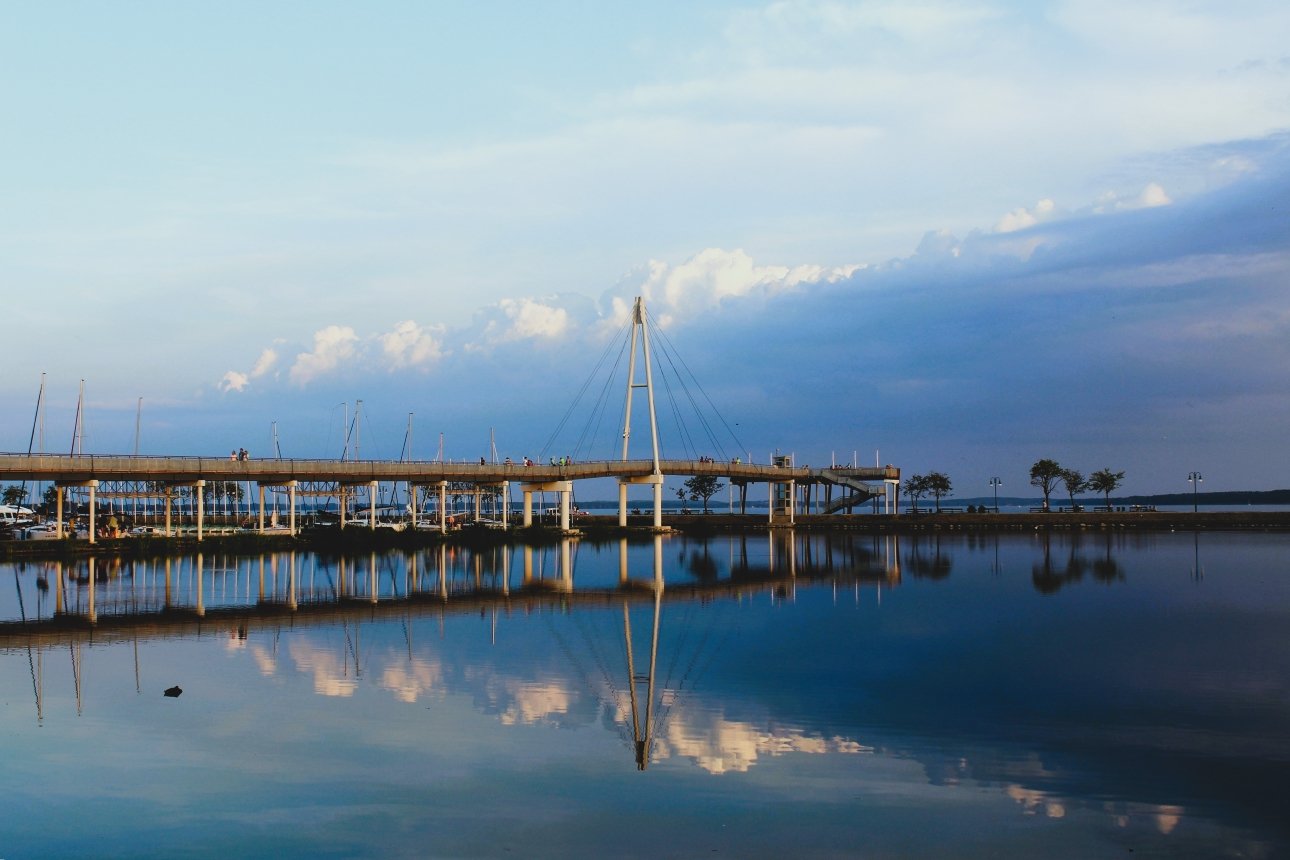
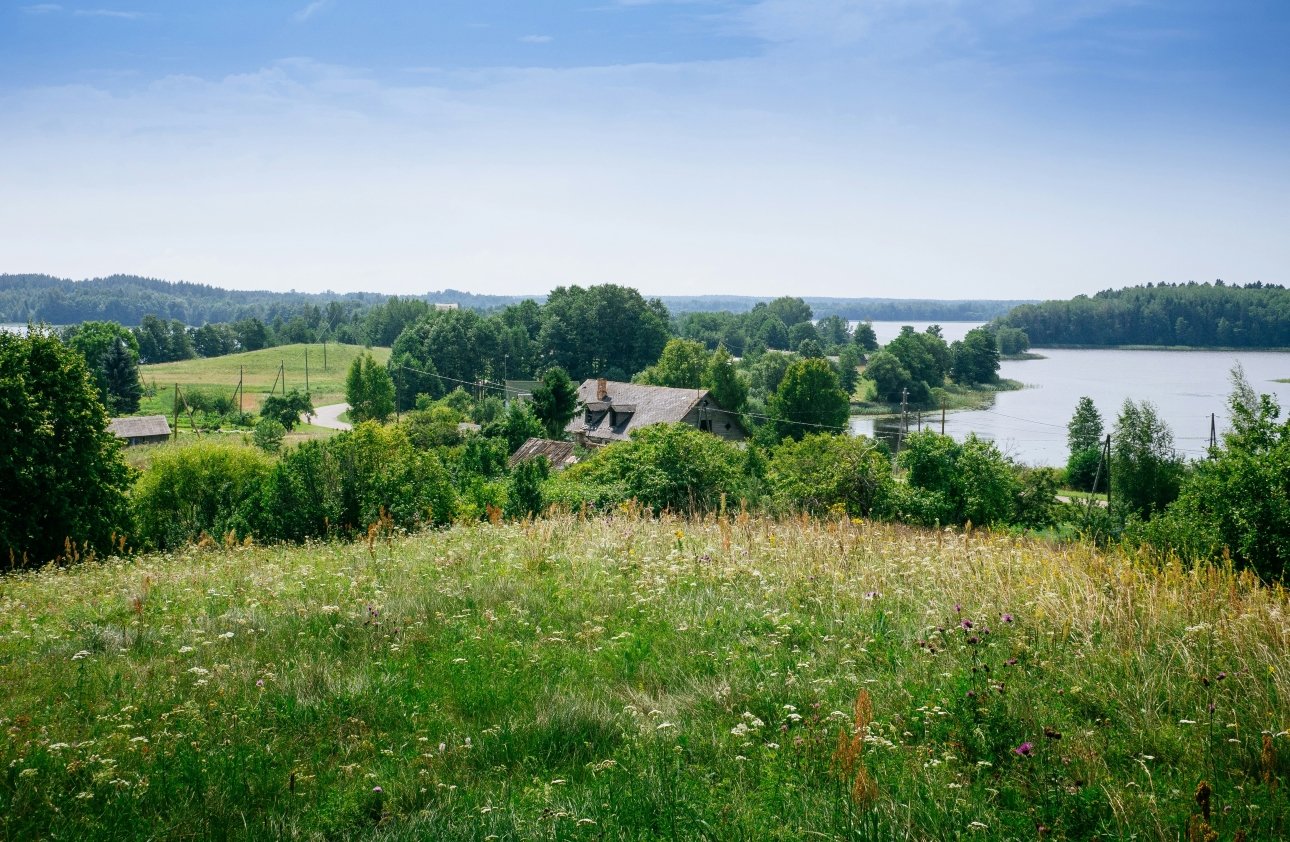
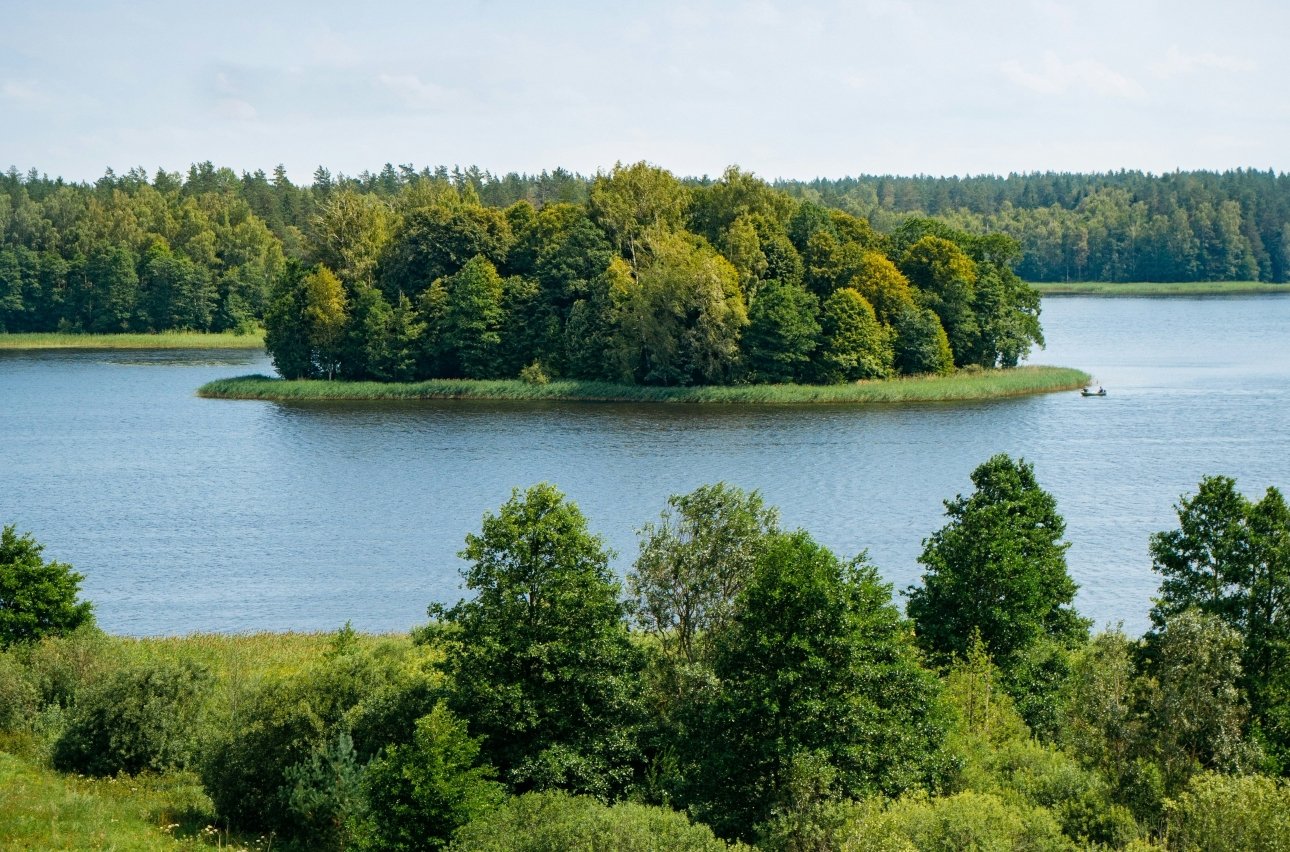
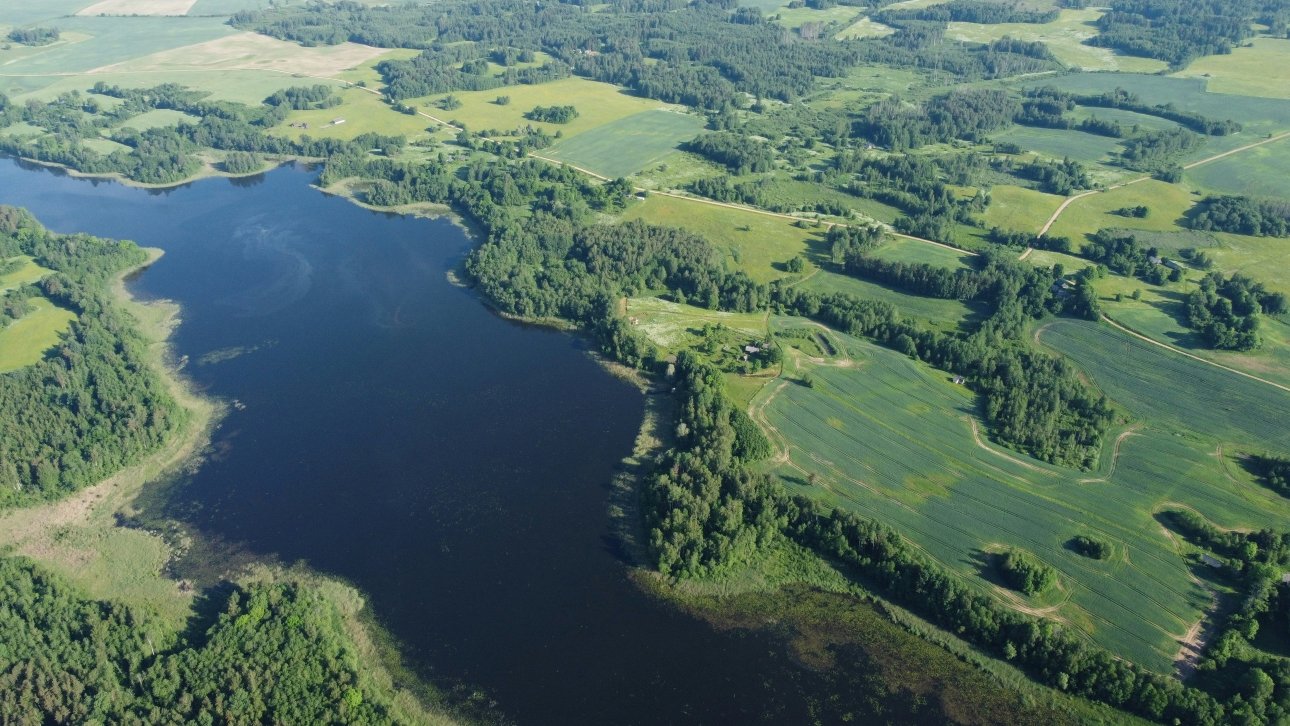
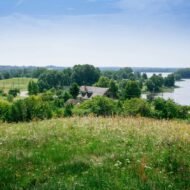
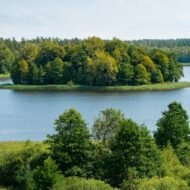
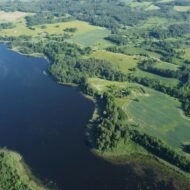
Latgale occupies the southeastern corner of Latvia — a territory of approximately 14,500 square kilometres bordered by Estonia to the north, Russia to the east, Belarus to the south and Lithuania to the southwest. The landscape is the most lake-dense in Latvia — over 800 lakes scattered across the extraordinary flat post-glacial terrain, the largest concentration of inland water in any Latvian region. The Rāzna Lake — the second largest lake in Latvia — and the extraordinary Rāzna National Park surrounding it form the most important nature reserve in Latgale.
The Daugava River — the most important river in Latvia, the ancient trade route connecting the Baltic to the Black Sea, called the Dyna or Dvina in the historical sources — crosses Latgale from east to west in a series of extraordinary meanders between Krāslava and Naujene. Between Krāslava and Naujene the river forms eight massive bends, each around 6km, creating the Augsdaugava protected landscape area designated as UNESCO World Heritage since 2011. The extraordinary river landscape visible from the Vasargeliski observation tower is one of the most dramatic inland water views in the Baltic states.
The character — a region unlike the rest of Latvia
Latgale is not simply the eastern part of Latvia. It is a culturally distinct territory whose differences from the rest of the country are sufficiently profound that the Latvian parliament formally recognised them in the Historical Latvian Lands Law of 2021.
The language: Latgalian is not a dialect of Latvian but a distinct written language with its own literature, its own grammar and its own historical tradition of publication. The Latgalian language was suppressed during the Soviet period and is currently spoken by approximately 150,000 people. The most complete surviving example of a distinct Baltic language that the standard travel itinerary treats as indistinguishable from its neighbour.
The religion: Latgale is the most Catholic region in a predominantly Lutheran country — the consequence of centuries of Polish-Lithuanian Commonwealth rule that ended in 1629 when the rest of Latvia passed to Swedish and later Russian Protestant administration while Latgale remained under Polish Catholic governance until 1772. The extraordinary concentration of Baroque Catholic churches and pilgrimage sites in Latgale — including the most important Catholic pilgrimage destination in Latvia — is the direct architectural record of that political separation.
The culture: The Latgalian cultural tradition is distinct in its pottery (the extraordinary Latgalian ceramic tradition producing distinctive dark-glazed work), its food (the extraordinary shmakovka — a traditional local moonshine of remarkable character, the subject of a dedicated museum in Daugavpils), its folk traditions and its extraordinary hospitality culture documented by every visitor who reaches this far east.
Daugavpils — the city Napoleon failed to capture
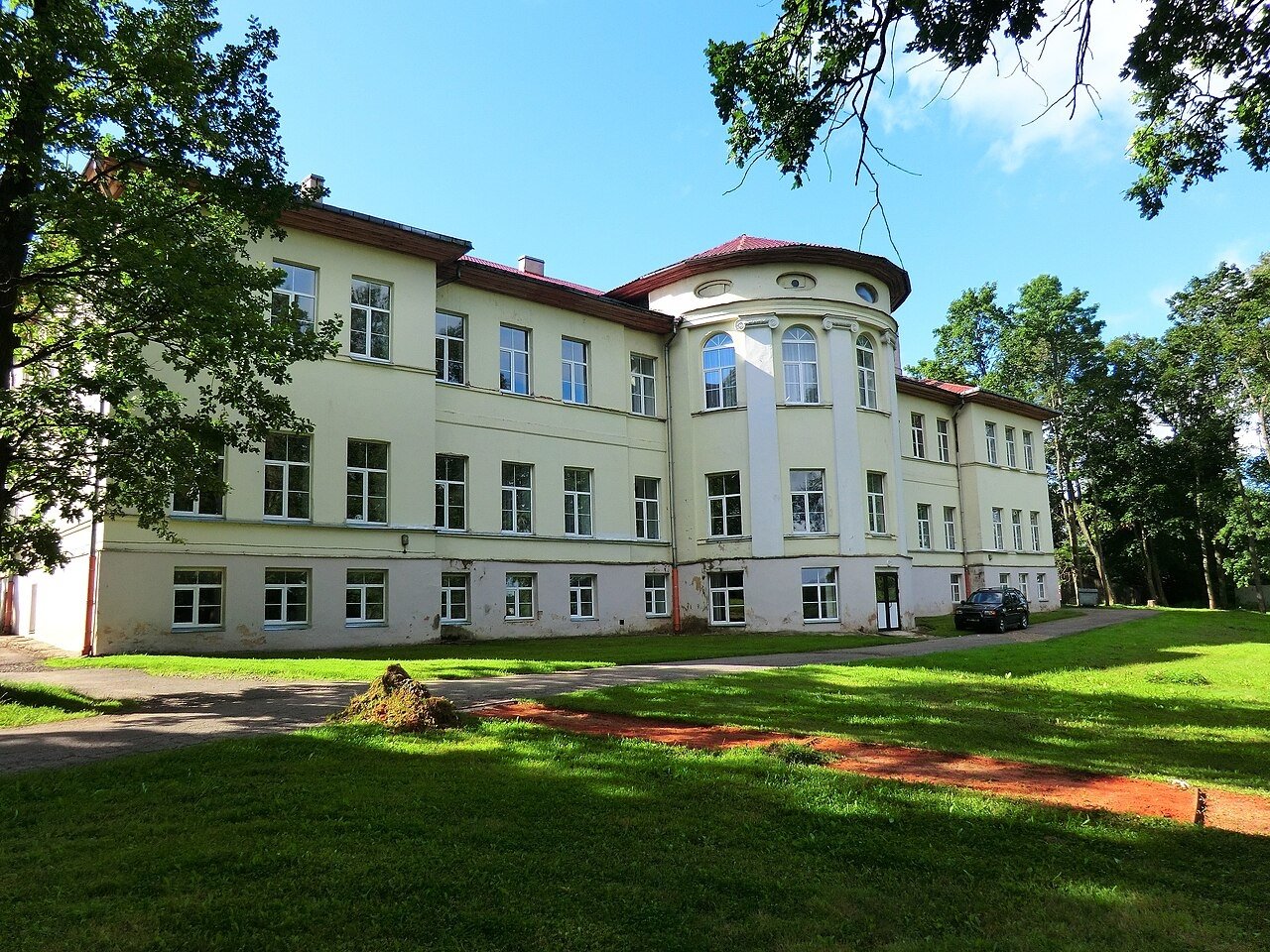
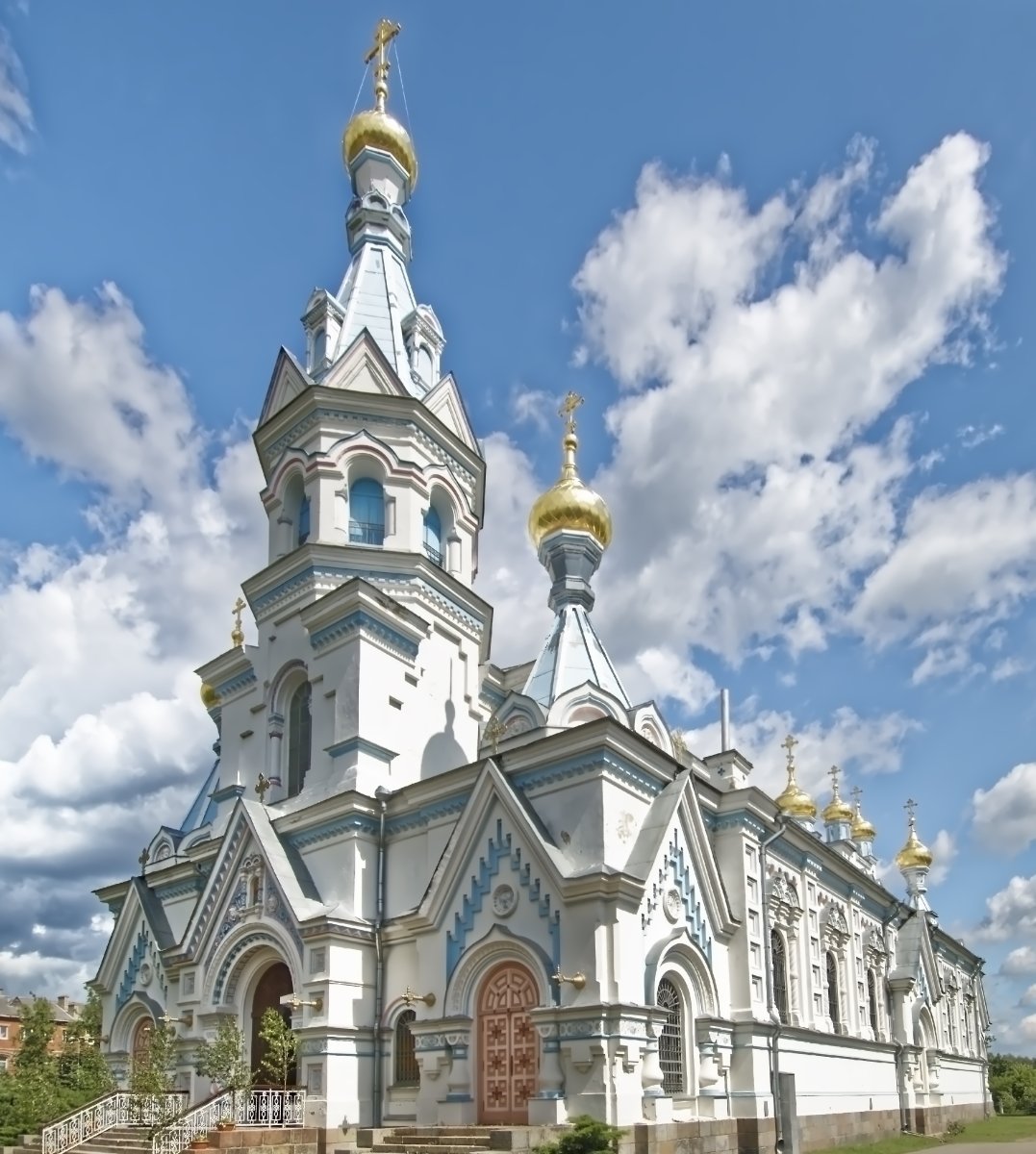
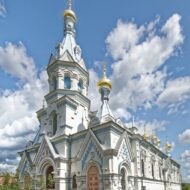
Daugavpils is the second largest city in Latvia — a city of approximately 80,000 people in the far southeast, 224km from Riga, predominantly Russian-speaking, extraordinary in its cultural and religious diversity. Catholic, Orthodox, Lutheran and Old Believer churches coexist within the same city in a concentration of Christian architectural variety found nowhere else in Latvia.
The Fortress
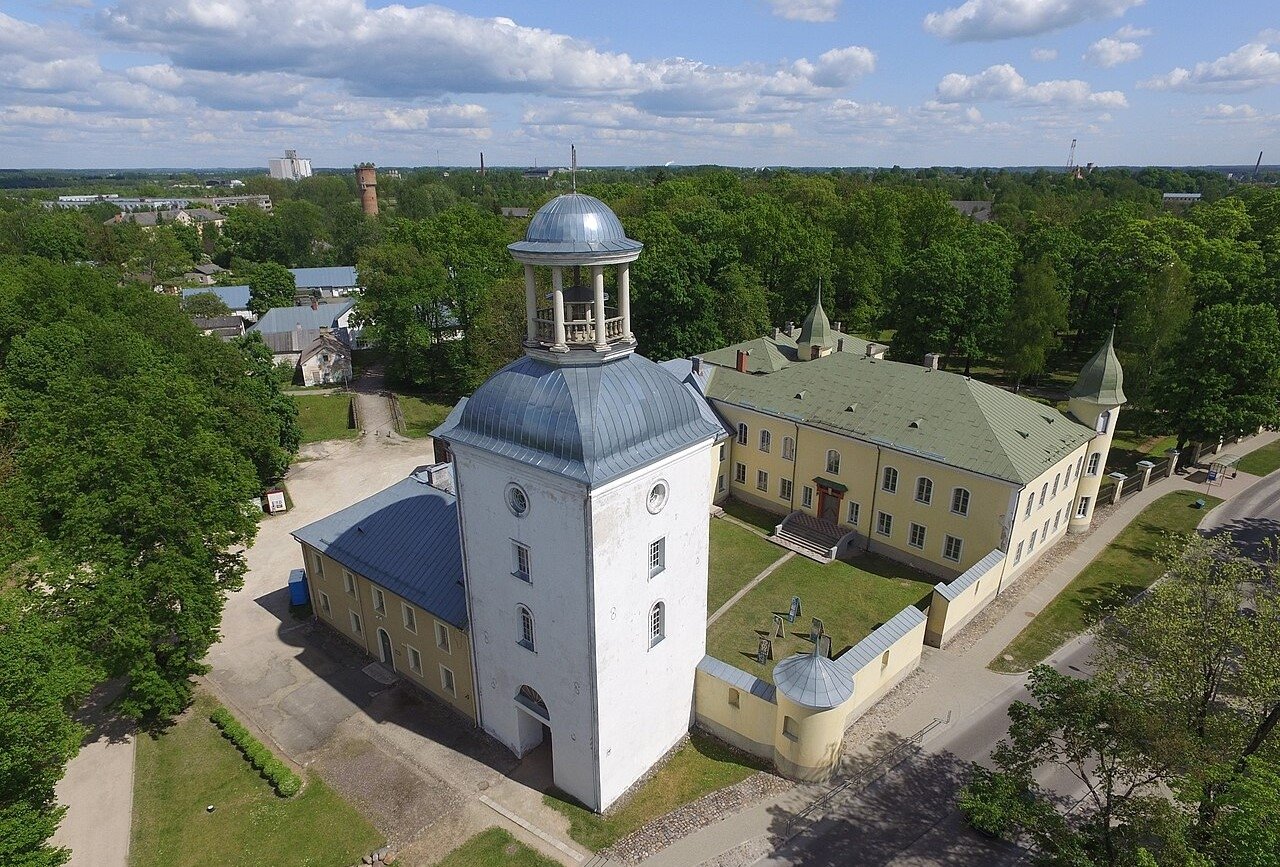
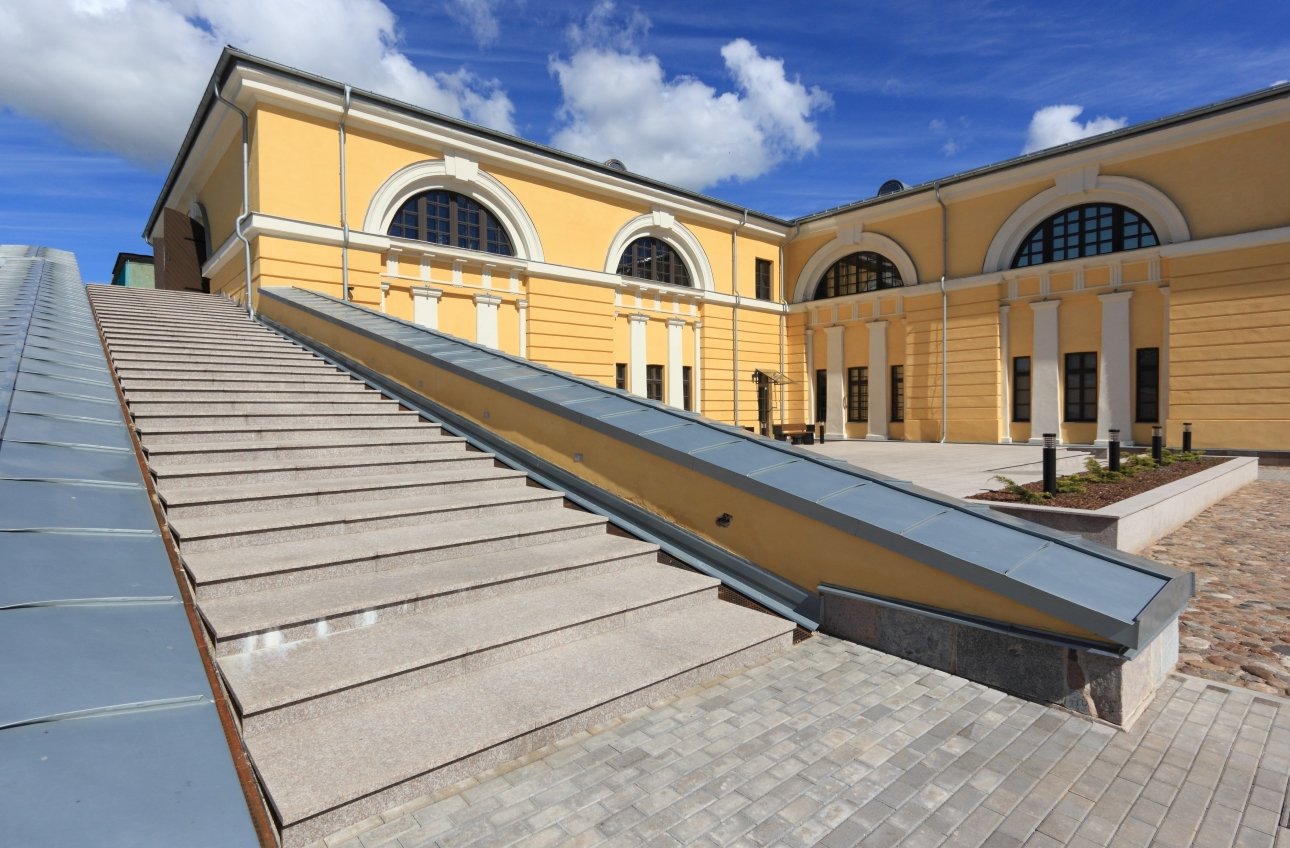
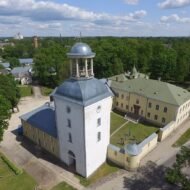
The city’s most important landmark is Daugavpils Fortress, a vast 19th-century military complex and the only preserved Napoleonic-era bastion-type fortress of its kind in Eastern Europe. Construction began in 1810 specifically to defend the city — then called Dinaburg — against Napoleon’s invading troops. Napoleon’s forces captured Dinaburg in 1812 but never took the fortress. The extraordinary star-shaped defensive works, the extraordinary moat system and the extraordinary preservation of the complete fortress complex — substantially unaltered since its construction — make Daugavpils Fortress the most completely preserved early 19th century military fortification in the Baltic states.
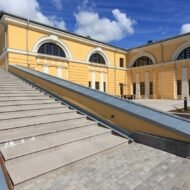
Within the fortress walls: museums, galleries and cultural spaces, including the Mark Rothko Art Centre, dedicated to the world-renowned abstract expressionist who was born in the city.
The Rothko Art Centre
Marcus Rothkowitz was born in Daugavpils in 1903. He left for America in 1913 with his family and never returned to the city of his birth. He became Mark Rothko — one of the defining painters of the 20th century, whose extraordinary large-format canvases of saturated, luminous colour fields are among the most recognised and most studied works in the history of abstract art. At the core of the Rothko Art Centre are five Rothko originals, loaned by the family, which are changed every three years. There’s also a digital display dealing with the artist’s life and an extensive library.
The extraordinary situation of the Rothko Art Centre — five original canvases by one of the most significant painters of the last century, in the restored Arsenal building of a Napoleonic fortress in the most overlooked region of Latvia — is one of the most completely extraordinary art destinations in the Baltic states. The contrast between the extraordinary global significance of the work and the extraordinary obscurity of the location is the most editorially powerful element of the entire Latgale story.
The Shot Factory
The Daugavpils Shot Factory — a 31.5-metre tower above a 19-metre deep well — is the last operating lead shot factory in the Baltic states, using a production method invented in 1782 in which molten lead is poured from the top of the tower and solidifies into perfect spheres as it falls through the air before landing in the water below. Production of lead shot started in 1886. The industrial landmark is still used to make lead shot one day a year. Guided tours are a way of discovering how molten metal was poured to create shot used by hunters and gamekeepers. The most extraordinary surviving example of 18th century industrial physics applied as a manufacturing process still in operation in the Baltic states.
Aglona — the Catholic heart of Latvia
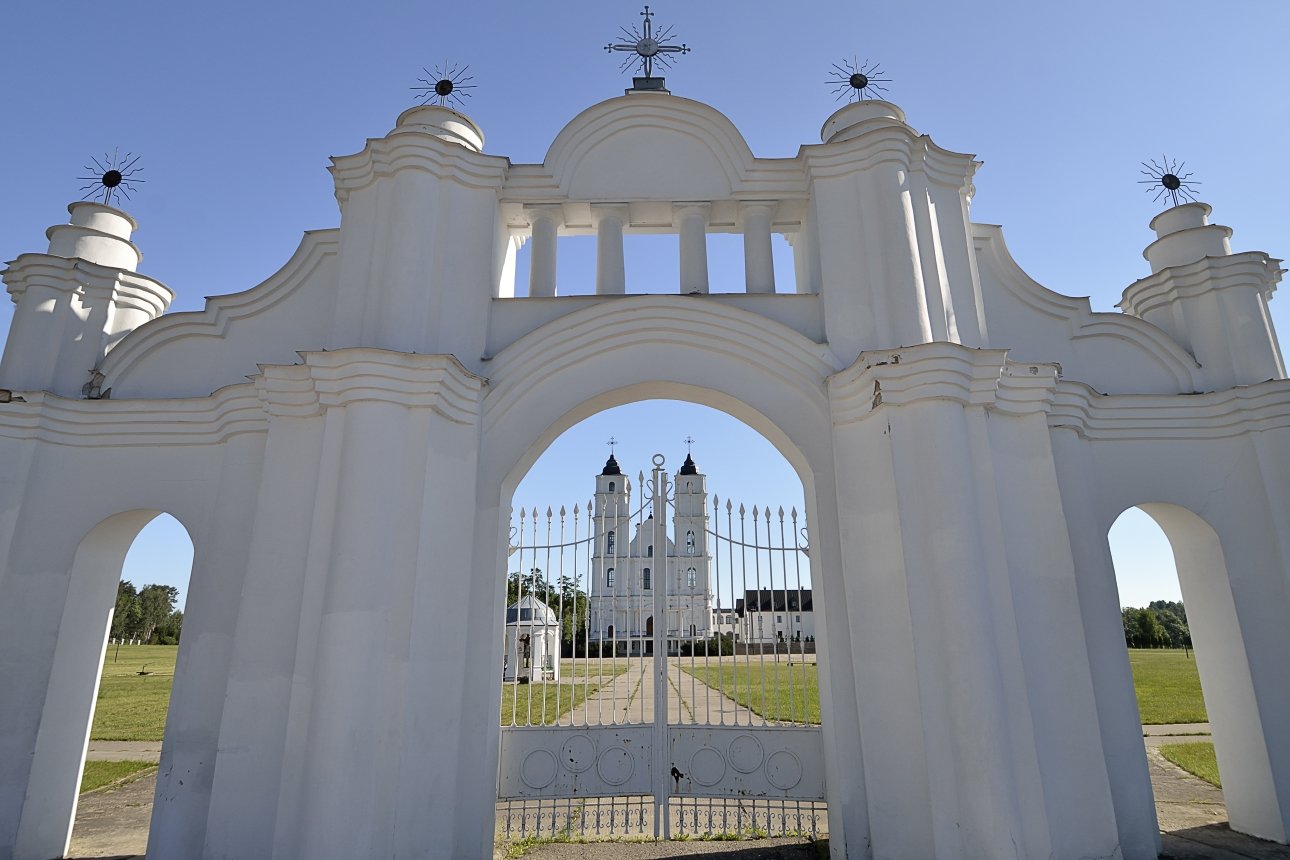
Aglona is the most important Catholic pilgrimage site in Latvia and one of the most important in the Baltic states — a small village 80km north of Daugavpils whose extraordinary neo-Baroque Basilica of the Assumption draws pilgrims from across Latvia, Lithuania and Poland, reaching its most extraordinary concentration on the Feast of the Assumption on 15 August when tens of thousands of Catholic pilgrims arrive in a settlement of a few hundred permanent inhabitants.
The extraordinary white Basilica — built between 1768 and 1800 in an extraordinary Baroque style unusual for the Baltic states — stands on a ridge above the extraordinary Aglona lakes in a setting of remarkable natural beauty. The extraordinary interior contains the most venerated image in Latvian Catholicism — the miraculous painting of the Virgin of Aglona, the most important sacred object in Latgale and the object of the most significant annual Catholic gathering in the country.
The Aglona Bread Museum — dedicated to the traditional Latgalian bread-baking culture — allows visitors to bake bread with a local host in a wood-burning oven in one of the most extraordinary living culinary tradition experiences in Latvia.
The lakes — Rāzna and the blue landscape
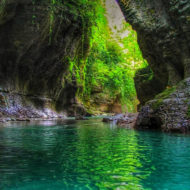
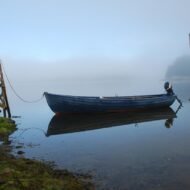
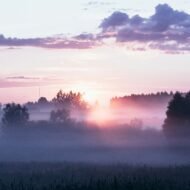
The Latgalian lake landscape is the most extraordinary natural feature of the region — over 800 lakes of completely different character and scale across the post-glacial terrain of southeastern Latvia. The Rāzna Lake at 57.6 square kilometres is the second largest lake in Latvia, its extraordinary shallow waters producing the extraordinary blue colour that gives Latgale its name — the Land of Blue Lakes. The Rāzna National Park surrounding the lake protects the most important wetland and forest ecosystem in Latgale and one of the most important in Latvia.
The extraordinary Ludza medieval castle ruins — on a promontory between two lakes in the small town of Ludza — are the most atmospherically extraordinary medieval ruins in Latgale, their extraordinary position above the extraordinary lake landscape giving the ruins a quality of melancholy beauty that the better-preserved Latvian castles cannot replicate.
The Jewish heritage
Daugavpils had one of the largest Jewish communities in Latvia before the Second World War — a community that produced Mark Rothko and that was destroyed almost entirely in 1941 during the German occupation. The extraordinary Daugavpils Synagogue — one of the few surviving pre-war synagogues in Latvia — and the extraordinary documentation of the former Jewish quarter of Daugavpils constitute the most important Jewish heritage site in eastern Latvia and one of the most significant in the Baltic states.
The Jewish heritage of Latgale extends beyond Daugavpils — the small towns of Krāslava, Dagda and Rēzekne all had significant Jewish communities before 1941. The extraordinary absence of those communities, documented in the surviving synagogue architecture and in the extraordinary silence of the former Jewish quarters, is one of the most historically significant and most editorially serious subjects in the Latgale landscape.
How to reach Latgale
By train:  Riga → Daugavpils: 3.5 hours (InterCity)
           The most comfortable and most recommended
           approach — the railway passes through
           extraordinary Latvian countryside and
           arrives at Daugavpils' extraordinary
           historic station building

By car:    Riga → Daugavpils: 3 hours via A6
           Daugavpils → Aglona: 80km · 1 hour
           Daugavpils → Krāslava: 40km · 45 minutes
           A car is recommended for the lake circuit
           and the smaller Latgalian towns

By bus:    Regular services from Riga to Daugavpils
           and to Rēzekne (the second Latgalian city)

Border note: Latgale borders Russia and Belarus.
             The border crossings are open to EU
             citizens but the geopolitical situation
             requires monitoring. Check current
             crossing status before planning.

Best seasons:
June-August    Lake season · extraordinary blue water
               · Aglona Assumption (15 August)
               the most extraordinary single event
September      Extraordinary light · lake reflections
               · reduced crowds · most atmospheric
               for the fortress and castle ruins
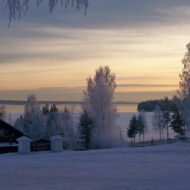
Winter         Extraordinary for the fortress visit
               · extraordinary snow on the lake
               landscape · Latgalian winter culture
The Latgale collection in The Wanders
| Destination | Character | Article |
|---|---|---|
| Daugavpils Fortress | Napoleonic fortress · Rothko Art Centre | Commissioning |
| Mark Rothko Art Centre | Five original Rothkos · only in eastern Europe | Commissioning |
| Aglona Basilica | Most important Catholic pilgrimage site in Latvia | Commissioning |
| Rāzna National Park | Second largest lake · extraordinary blue landscape | Commissioning |
| Ludza Castle | Medieval ruins above the lake · most atmospheric in Latgale | Commissioning |
| Daugava UNESCO meanders | Eight river bends · extraordinary landscape | Commissioning |
The Beyond the Map Field Guide
Latgale: The Complete Beyond the Map Guide — €12
The birthplace of Mark Rothko, the only Napoleonic fortress in eastern Europe that Napoleon failed to capture, 800 lakes in a country that almost no international visitor has reached, and the most important Catholic pilgrimage site in the Baltic states. The complete editorial guide to the most extraordinary undocumented region in Latvia.
Beyond the Map Regional Series →
Also in the Beyond the Map Regional Series
Transylvania: The Region That Dracula Overshadowed → Bohemia: The Kingdom at the Heart of Europe → The Albanian Riviera: Europe’s Last Undiscovered Mediterranean Coast → Masuria: Poland’s Lake District Beyond the Tourist Map →
Latgale is part of The Wanders Beyond the Map Regional Series — extraordinary European regions documented beyond the standard travel itinerary.