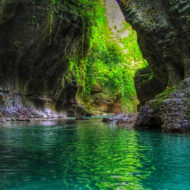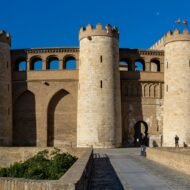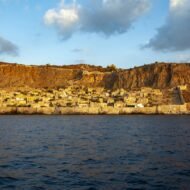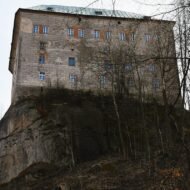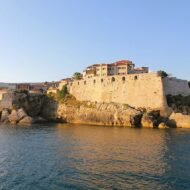



Between the Carpathians and the Danube lies the land of the real Dracula: a medieval principality of fortified monasteries, princely courts and a castle on a cliff. Five places tell its story, far from the vampire myth.
Most people know Wallachia through a single name. Vlad III, called Vlad the Impaler, Vlad Țepeș, ruled here in the 15th century, and four hundred years later, an Irish novelist borrowed his family name, Dracula, for a vampire. Since then, the myth has eclipsed the country.
The real Wallachia is more interesting. It was a principality ruled by voivodes, wedged between Hungary and the Ottoman Empire, which survived by fighting, negotiating and building. Its princes founded monasteries in the mountains and courts in the foothills, and buried themselves in churches painted from floor to dome. Its capitals moved from Curtea de Argeș to Târgoviște and finally to Bucharest, and the landscape between them is full of their traces.
This article is the starting point of our Wallachia series: five places, each with its own full article, and one complete route guide.
| Place | Why go | |
|---|---|---|
| 1 | Snagov Monastery | The island church where Vlad is said to be buried |
| 2 | Târgoviște | The princely court and Vlad’s Chindia Tower |
| 3 | Curtea de Argeș | The first capital, and the legend of Master Manole |
| 4 | Poenari Fortress | Vlad’s real castle, on a cliff above the Argeș gorge |
| 5 | Cozia Monastery | The tomb of Mircea the Elder, above the Olt |
1. Snagov Monastery
44.70° N, 26.17° E · Snagov Lake, about 30 km north of Bucharest
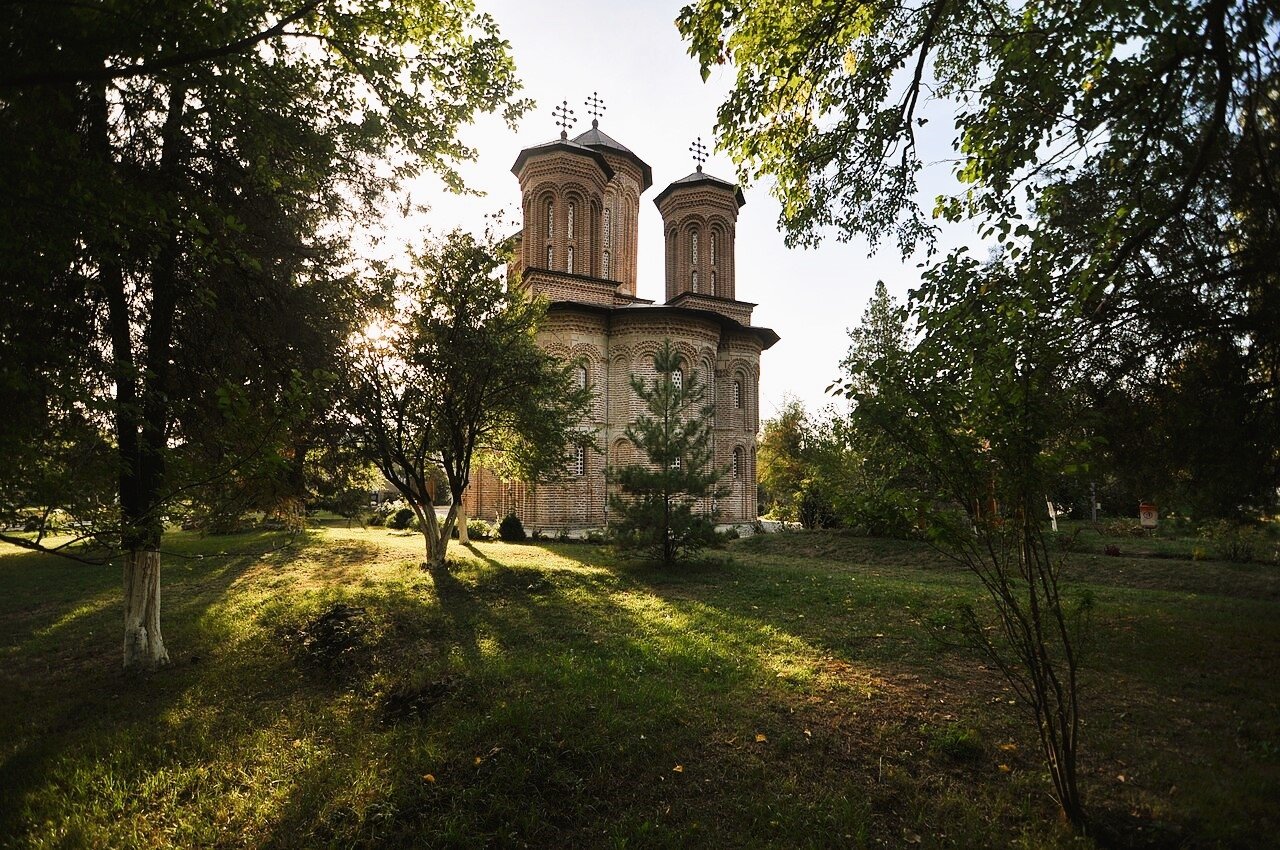
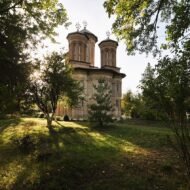
On a small island in a forest lake north of Bucharest stands a brick church surrounded by water and trees. Snagov is one of the oldest monastic sites in Wallachia, and in the 15th century it was fortified, with a defensive wall and a prison.
Its fame comes from a tradition: that after Vlad the Impaler was killed in 1476, his followers brought his body here and buried it before the altar. A stone slab still marks the supposed grave. When researchers excavated beneath the church in 1933, however, they found only animal bones, and many historians now believe that Vlad lies elsewhere, perhaps at the monastery of Comana, south of the capital. The mystery has never been solved, which is exactly why people still come.
Since 2012, a footbridge has linked the island to the shore, so you no longer need a boat.
In the Route Guide: the legend and the evidence, how to visit Snagov and Comana, and the best lakeside stop on the way.
When: April to October , autumn for the colours around the lake. Weather at Snagov: a continental climate, like Bucharest. Average highs are about 30°C in July and August, 25°C in September and 18°C in October, while January is cold, around 3°C, with frost and snow. Summer thunderstorms are common. Getting there: about 45 minutes by car from central Bucharest. A footbridge leads from the shore to the island.
2. Târgoviște
44.93° N, 25.46° E · Dâmbovița County
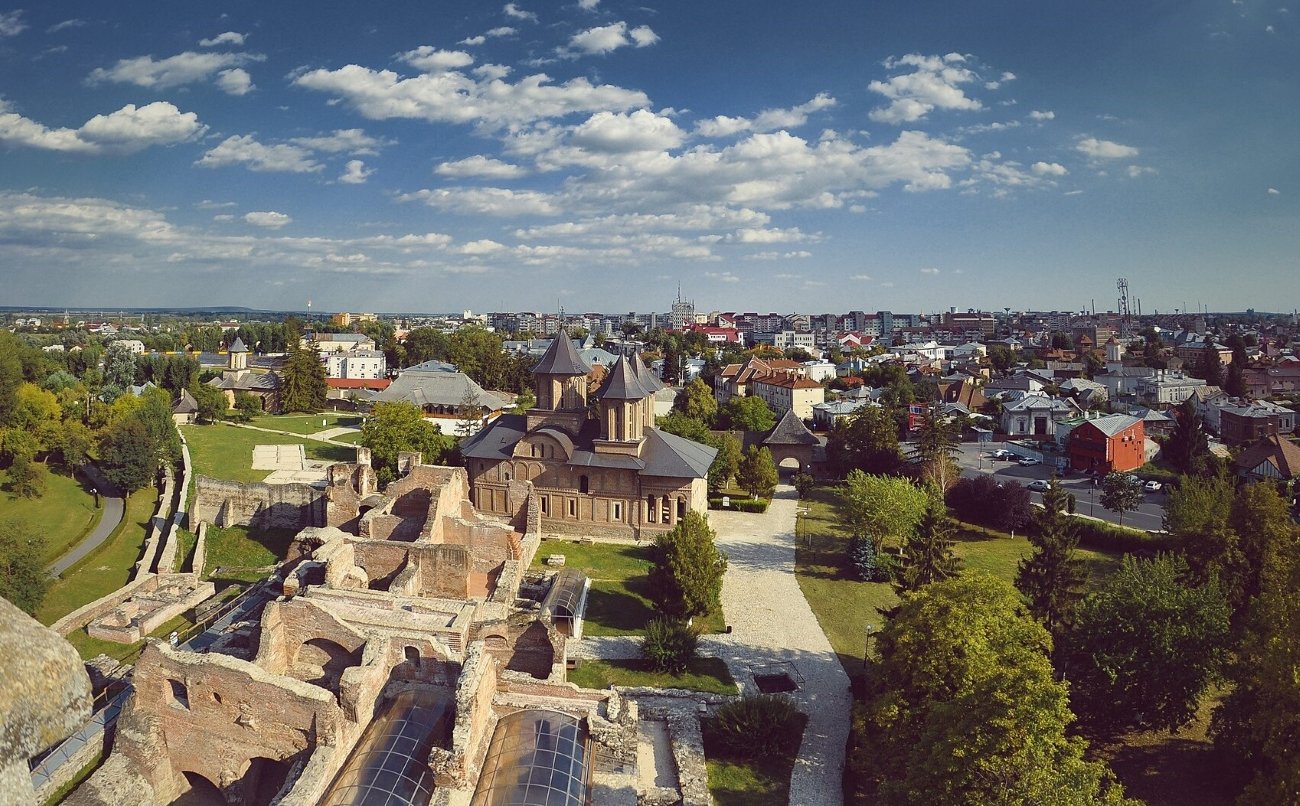
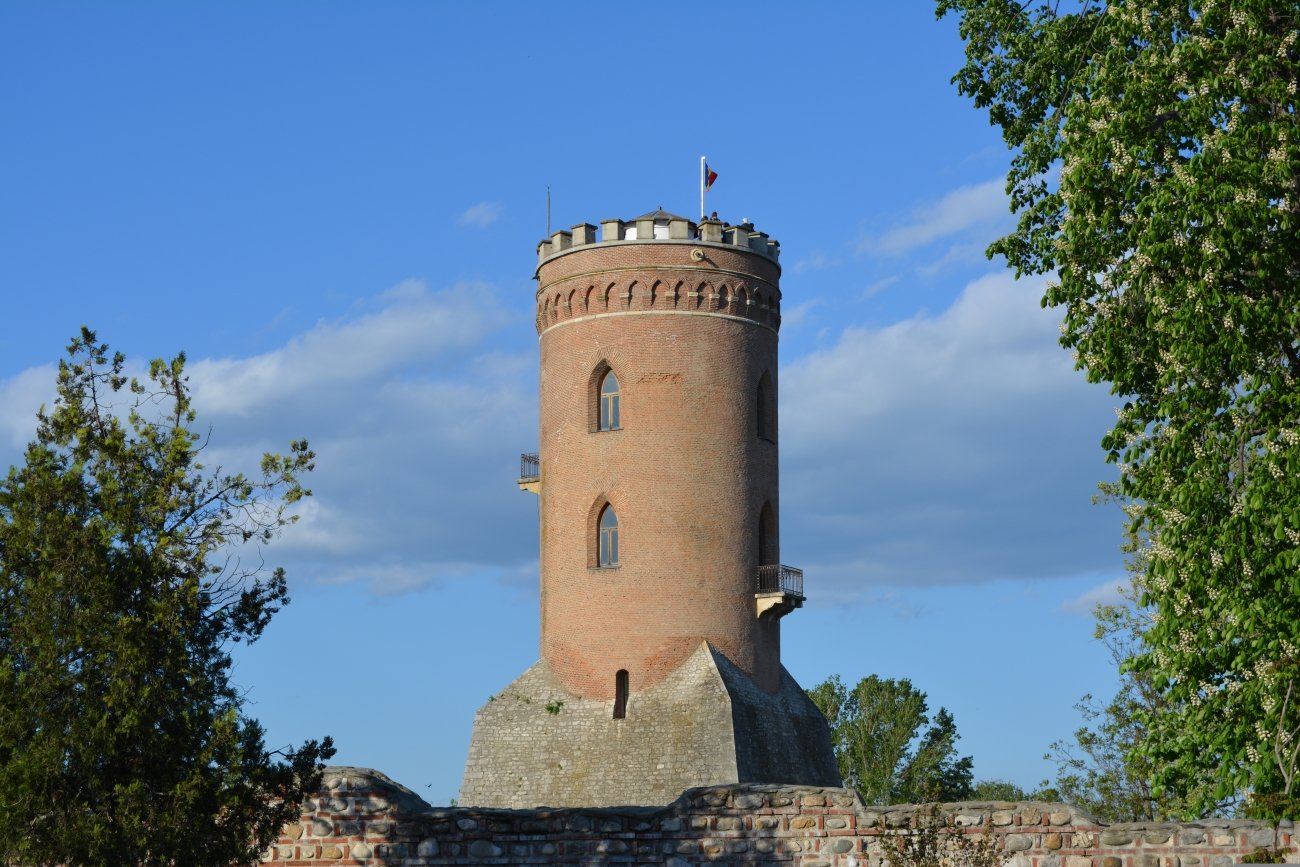
For almost three centuries, Târgoviște was the capital of Wallachia. Its princely court, the Curtea Domnească, is attested in the time of Mircea the Elder in the early 15th century, and from 1431 it was the principality’s sole capital. Here the voivodes held court, received ambassadors and planned their wars.
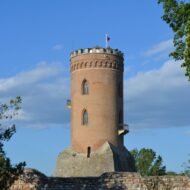
Above the ruins of the palace rises the slender Chindia Tower, traditionally credited to Vlad the Impaler in the 15th century. Climb its stairs, and you look out over the whole court: the foundations of the palace, the princely church and the walls that once defended them. Since 1961, the court has been a museum complex.
In the Route Guide: the best route through the court, the climb up the Chindia Tower, and Târgoviște’s other old churches.
When: April to October. Weather in Târgoviște: a continental climate, a little cooler than Bucharest at the edge of the hills. Expect summer highs around 30°C, a mild September, and cold winters with frost. Getting there: about 1 hour 30 minutes by car from Bucharest.
3. Curtea de Argeș
45.14° N, 24.68° E · Argeș County, at the foot of the Carpathians
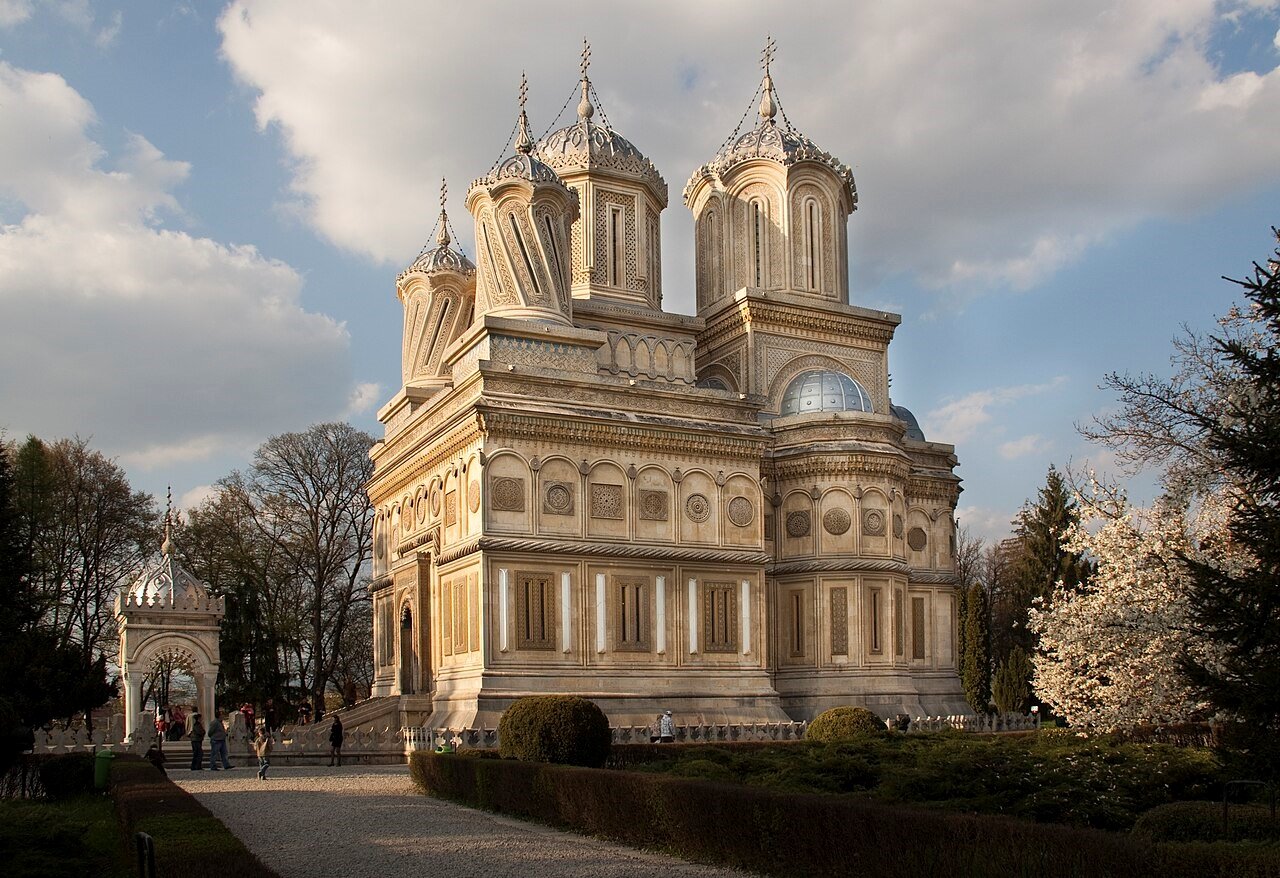
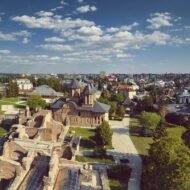
Where the Argeș river leaves the mountains lies Curtea de Argeș, the first capital of Wallachia. Its old Princely Church is one of the oldest medieval monuments in the country, still in its original form.
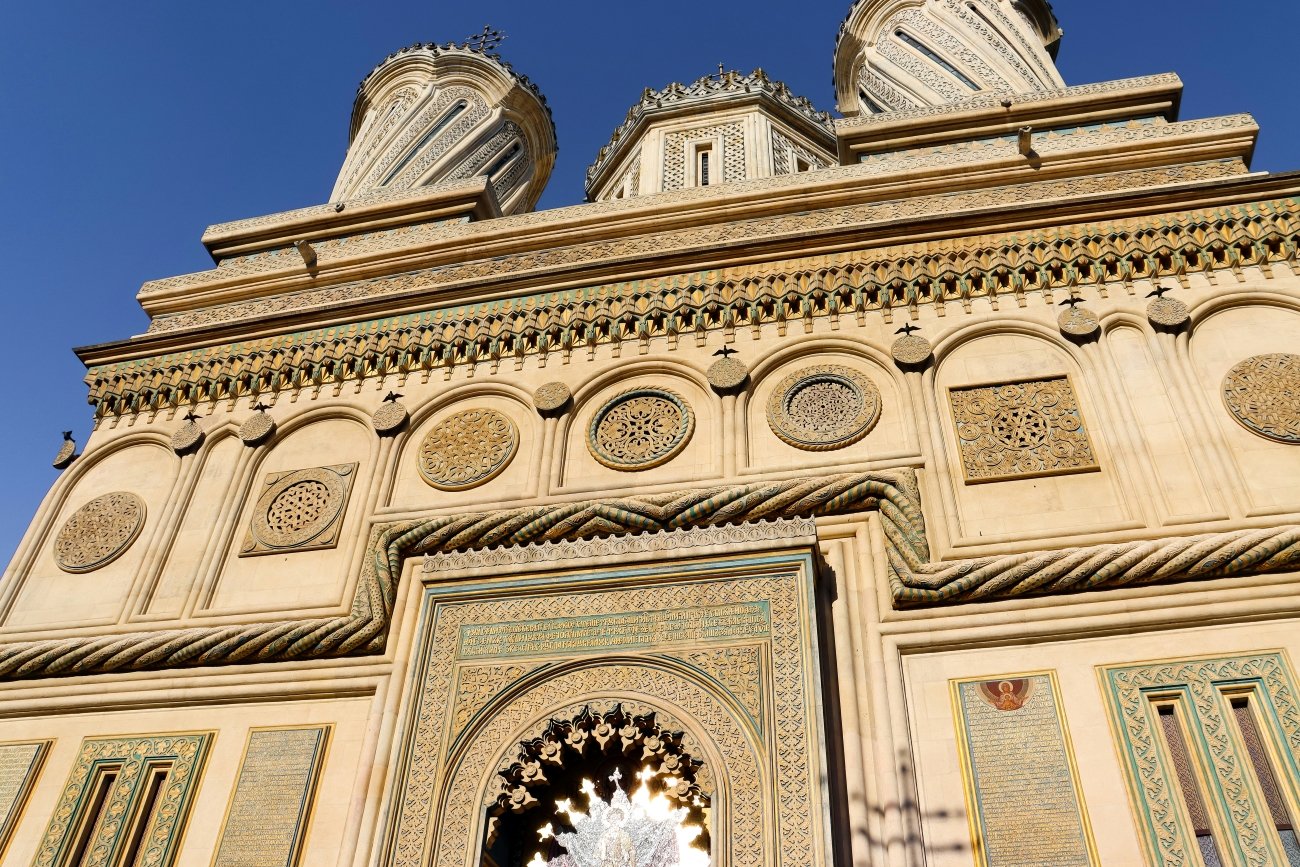
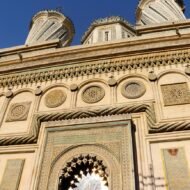
But the town is famous for its monastery. Built between 1512 and 1521 under Prince Neagoe Basarab, the Curtea de Argeș Monastery is a masterpiece of Romanian medieval architecture, with twisted towers and carved stone. It is linked to one of the darkest legends of the Balkans: the ballad of Master Manole, the builder whose walls kept collapsing until he walled his own wife into them, so that the church would stand. Today the monastery is also the resting place of Romania’s modern kings and queens.
In the Route Guide: the Princely Church, the monastery and its royal tombs, and the full story of Master Manole.
When: April to October, early morning for the quietest visit. Weather in Curtea de Argeș: in the foothills of the Carpathians, summers are warm rather than hot and nights are cooler than on the plain. Winters bring snow and frost, and spring and early summer are the rainiest seasons. Getting there: about 2 hours 30 minutes by car from Bucharest, via Pitești.
4. Poenari Fortress
45.35° N, 24.64° E · Argeș gorge, about 25 km north of Curtea de Argeș
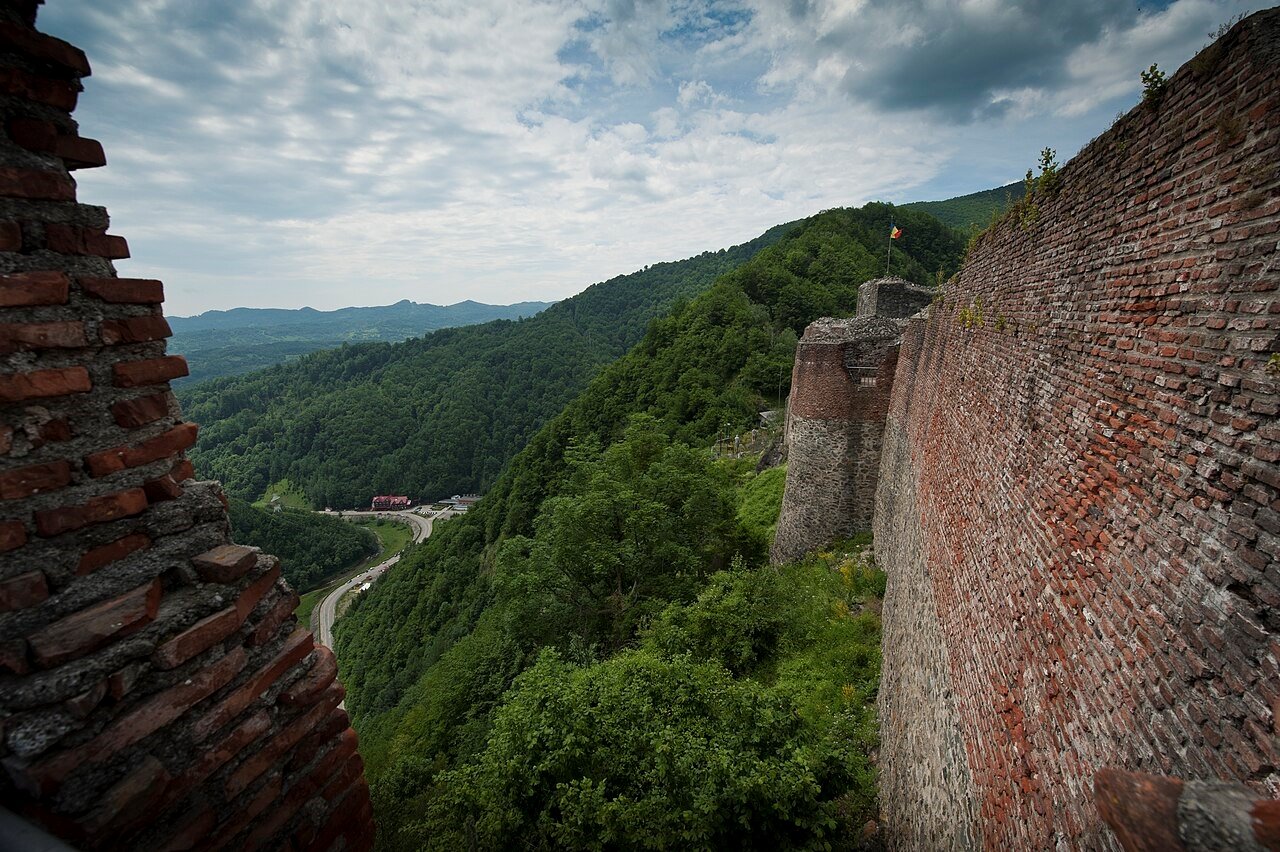
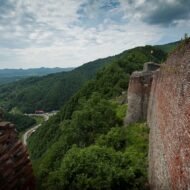
North of Curtea de Argeș, the river cuts a deep gorge into the Făgăraș Mountains. On a peak high above it stand the ruins of Poenari, the castle most closely tied to Vlad the Impaler. Bran Castle in Transylvania is the one sold to tourists as “Dracula’s castle”, but Poenari is the fortress Vlad actually rebuilt and used, in the 15th century.
Getting there is part of the experience: about 1,480 steps climb through the forest to the ruins, and from the walls, the gorge falls away beneath you. Further up the valley, the road climbs past the Vidraru dam to the famous Transfăgărășan highway, which crosses the mountains at over 2,000 metres.
In the Route Guide: how to visit Poenari (and what to do if it is closed), the drive to Vidraru and the Transfăgărășan, and where to stay in the valley.
When: late spring to early autumn. The high section of the Transfăgărășan is open only in summer and early autumn. Weather at Poenari: mountain weather, cooler and wetter than the plain. Summer days are pleasant, but storms build quickly in the afternoon. Snow closes the high road from late autumn to early summer. Getting there: about 30 minutes by car from Curtea de Argeș.
5. Cozia Monastery
45.27° N, 24.33° E · Olt valley, near Călimănești, Vâlcea County
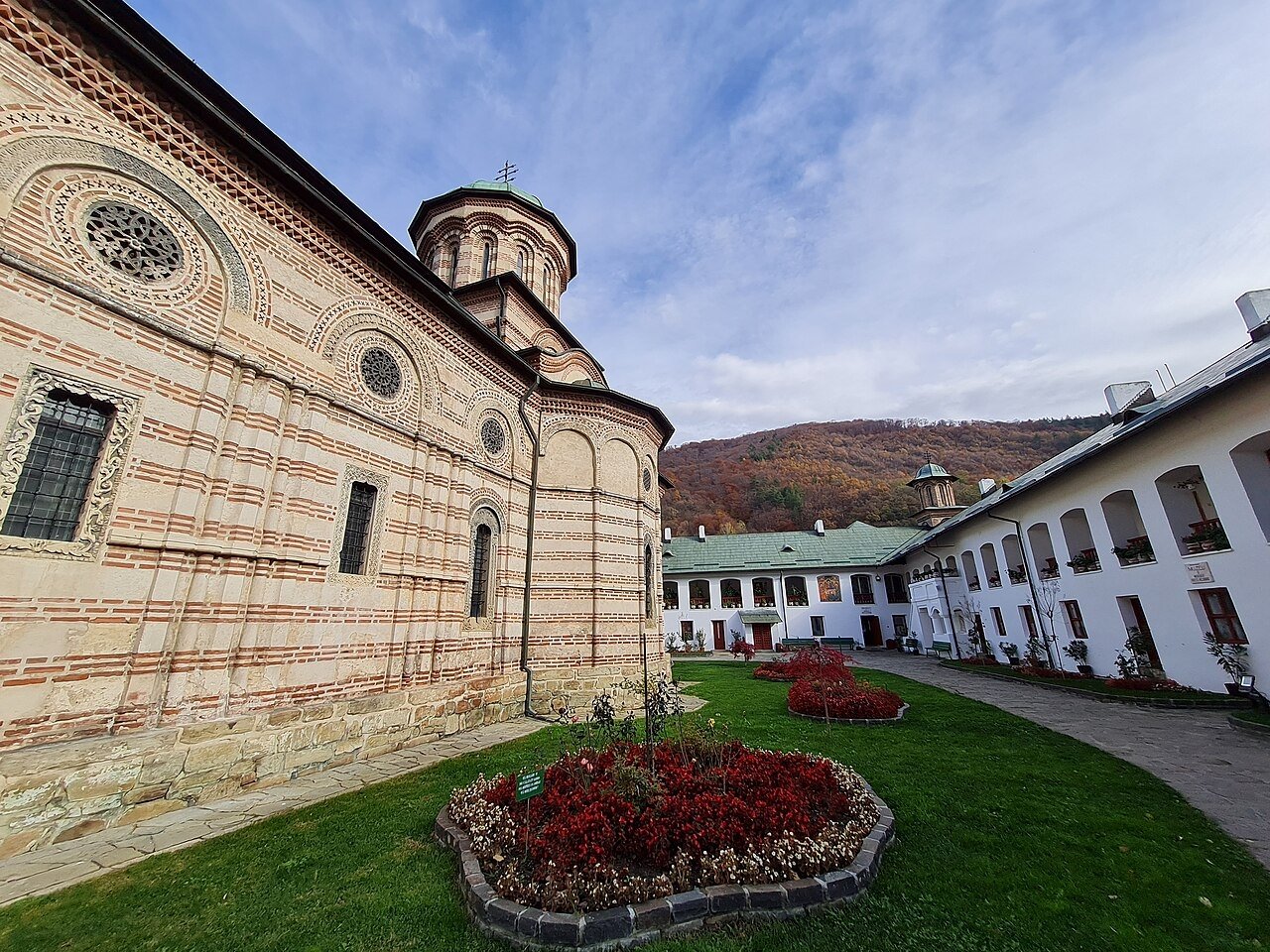
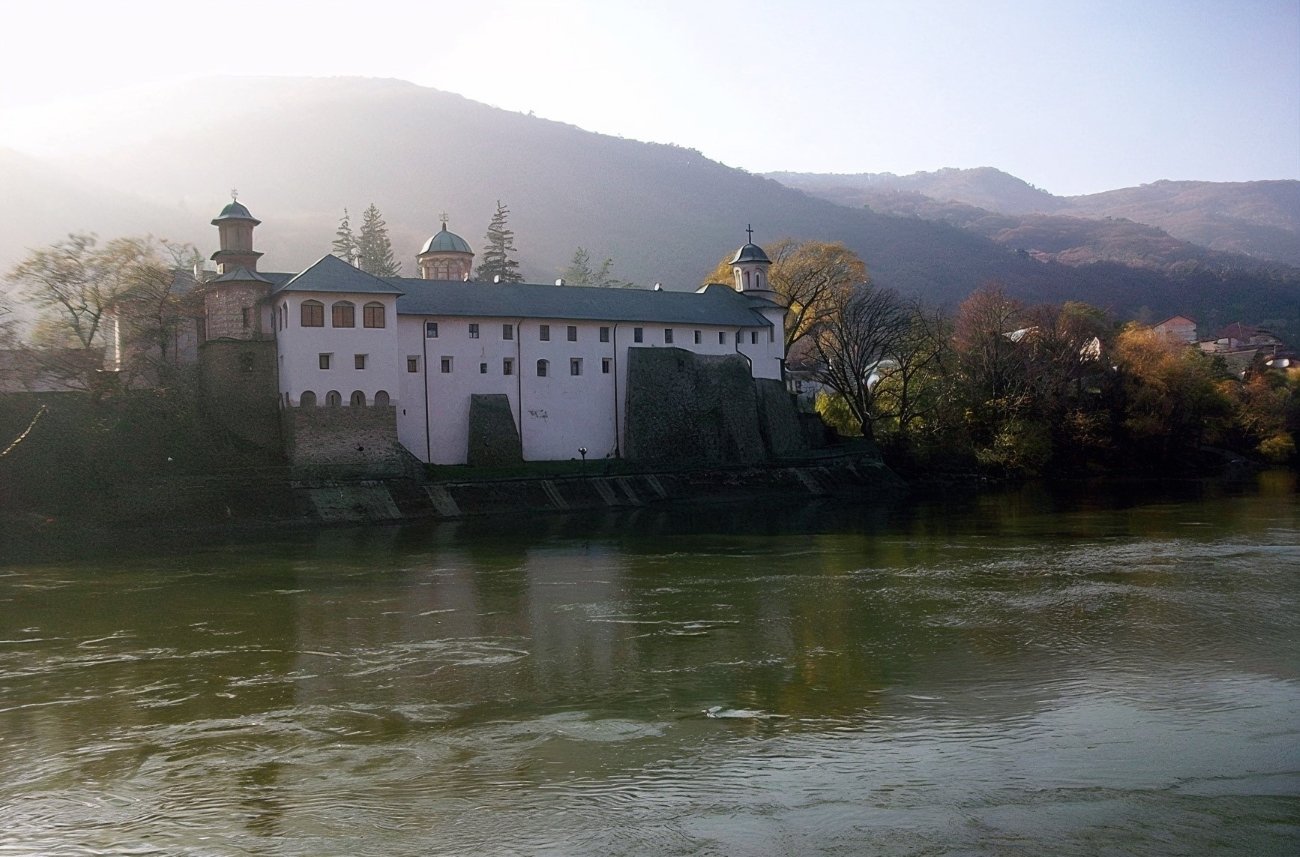
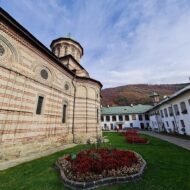
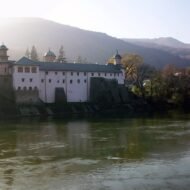
Where the river Olt breaks through the Carpathians, a walled monastery stands on its right bank. Cozia was founded by Mircea the Elder, one of Wallachia’s greatest princes, and its main church was consecrated in 1388. Mircea is buried inside.
Cozia is more than a church. It was also a strategic stronghold on the Olt, with fortified walls and chapels overlooking the river. Its main church mixes Byzantine, Serbian and local styles, and still preserves original frescoes from 1390–1391. It is an active monastery, and one of the most beautiful in Romania.
In the Route Guide: Cozia’s frescoes and Mircea’s tomb, the Olt valley drive, and the nearby monasteries of Vâlcea.
When: April to October; autumn for the colours of the Olt gorge. Weather at Cozia: sheltered in the Olt valley, with warm summers and cold winters. Like the rest of the foothills, it is cooler and wetter than the plain around Bucharest. Getting there: about 3 hours by car from Bucharest, on the road to Sibiu.
The route
Together, these five places make a natural journey through Wallachia: from the lakes and plains around Bucharest, through the old capital of Târgoviște, into the foothills at Curtea de Argeș, up to Poenari in the gorge, and across to the Olt valley at Cozia. With a car, it takes five to six days. From Cozia, the road continues north to Sibiu and Transylvania.
Beyond the map
Vlad the Impaler made Wallachia famous, but he is only one chapter of its story. The princes who came before and after him built monasteries in the mountains, courts in the hills and churches covered in paint. Some are said to hold Vlad’s body; others hold the tombs of princes and kings. Follow them from the lake at Snagov to the Olt at Cozia, and you discover a part of Europe that has been hidden behind a vampire for more than a century.
Wallachia — a Beyond the Map Route Guide
[Wallachia — The Beyond the Map Route Guide]
The complete journey through medieval Wallachia, in one guide:
- A 6-day route from Bucharest to the Olt valley, with daily driving times
- Snagov and Comana: the legend and the evidence of Vlad’s grave
- Târgoviște: the princely court and the Chindia Tower
- Curtea de Argeș: the Princely Church, the monastery, the royal tombs and the story of Master Manole
- Poenari, Vidraru and the Transfăgărășan: how to visit, and when the road is open
- Cozia and the monasteries of the Olt valley
- The real Vlad the Impaler: his life, his castles and his legend
- Where to stay and eat at every stop
- Offline maps and GPS points
→ [Get the Route Guide]
The Wallachia series
- The Principality of Wallachia (this article)
- Snagov Monastery (coming soon)
- Târgoviște (coming soon)
- Curtea de Argeș (coming soon)
- Poenari Fortress (coming soon)
- Cozia Monastery (coming soon)
Explore more: The Kingdom of Aragon · Vaser Valley: Romania’s Last Forest Railway · Europe’s Landscapes of Legend