


Some of Europe’s best-loved Christmas foods come from places most people could not find on a map: a Gothic brick town where gingerbread has been baked for six centuries, a landscape of medieval fishponds that feeds a nation’s Christmas Eve, a hill town that turns almonds and honey into turrón, two mountain valleys that wrap cheese in spruce bark, and a lakeside village where a widow invented the striped peppermint stick. Five stops on a Christmas food trail.
Every country has its Christmas table, and every table has its stars: a biscuit, a sweet, a fish, a cheese. We eat them every December without thinking about where they come from. But many of them have a birthplace, a small town or a valley where they are still made, sometimes by hand, often in the same way for centuries.
This is a trail to five of them. Each stop is a place in its own right, and each one is best in winter.
| Place | Country | Christmas food | Best time | |
|---|---|---|---|---|
| 1 | Toruń | Poland | Gingerbread (pierniki) | All year, Advent for the Christmas market |
| 2 | Třeboň | Czechia | Christmas carp | Autumn harvests December for Christmas |
| 3 | Xixona (Jijona) | Spain | Turrón | Early December for the Christmas fair |
| 4 | Haut-Doubs & Vallée de Joux | France & Switzerland | Mont d’Or cheese | 10 September – 10 May |
| 5 | Gränna | Sweden | Polkagris, the striped peppermint stick | All year winter for the cosy version |
1. Toruń, Poland: Gingerbread
53.01° N, 18.60° E · Kuyavian-Pomeranian, on the Vistula
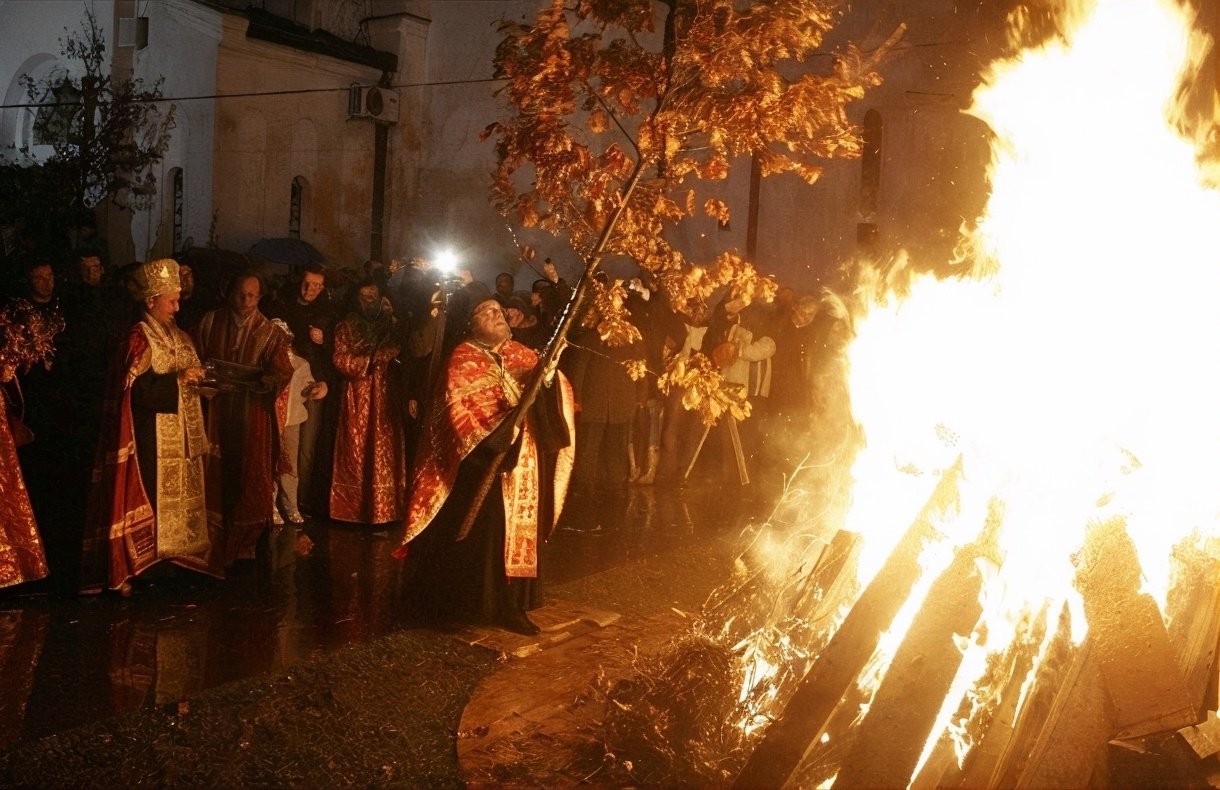
Toruń is best known as the birthplace of Copernicus and for its UNESCO-listed Gothic old town of dark red brick, which, as one writer put it, looks as if it were built out of gingerbread itself. Fittingly, gingerbread is what the town has made for about 600 years. Its spiced honey cakes, pierniki, were once a luxury traded across the Baltic, pressed into carved wooden moulds shaped like saints, kings, coats of arms and hearts.
Two museums tell the story:
- The Museum of Toruń Gingerbread (Muzeum Toruńskiego Piernika), in the old gingerbread factory of the Weese family, built in 1885. It calls itself the largest gingerbread museum in Europe and has the largest collection of wooden gingerbread moulds.
- The Living Museum of Gingerbread (Żywe Muzeum Piernika), in an early 19th-century granary, where a “master baker” and a “gingerbread witch” guide you through baking and decorating your own.
Then walk the old town with a bag of katarzynki, the classic Toruń gingerbread biscuits, and look for the Christmas market in the main square.
When: all year; in Advent for the Christmas market. Note that the Museum of Toruń Gingerbread closes on 24 and 25 December.
Weather in Toruń: a cold, damp lowland winter December is usually around freezing and often grey, with snow possible.
Getting there: by train from Warsaw (about 2.5 hours) or Gdańsk (about 2.5 hours) Bydgoszcz airport is about 50 km away.
2. Třeboň, Czechia: Christmas Carp
49.00° N, 14.77° E · South Bohemia
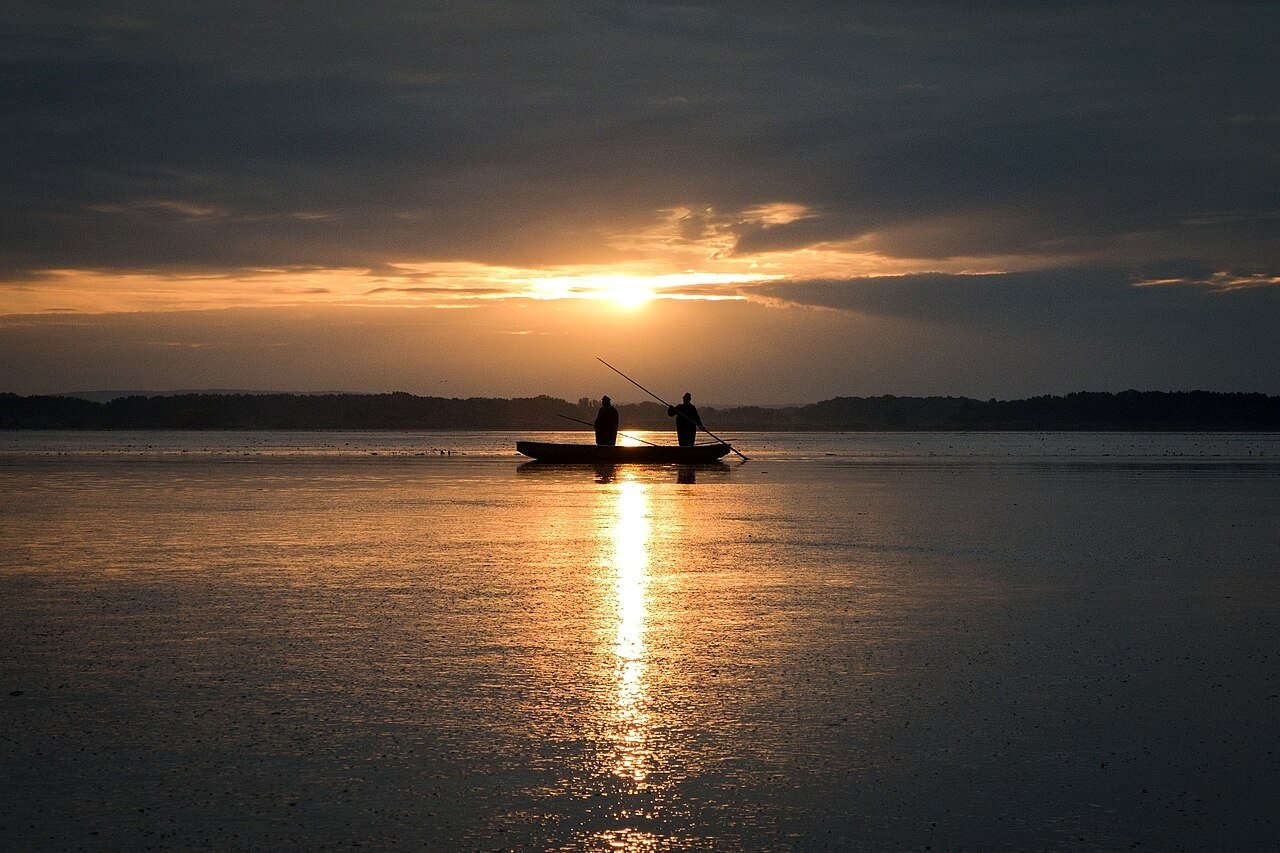
For Czechs, Christmas Eve means carp: fried in breadcrumbs, served with potato salad. In the weeks before Christmas, live carp are sold from tubs on street corners, and many families still keep their fish in the bathtub until the big day. Most of those carp come from one place: the pond landscape around Třeboň, in the south of Bohemia.
Here, from the 15th and 16th centuries onwards, the lords of Rožmberk built a vast network of fishponds and canals, one of the great feats of medieval engineering. Their largest, the Rožmberk pond, covers about 647 hectares and is still the biggest pond in the country. Every autumn, fishermen in waders drag the nets and haul out tonnes of carp in a public harvest that, in a normal year, draws tens of thousands of visitors.
In 2026, extreme drought forced the public Rožmberk harvest to be cancelled, and the Třeboň fishery held “Days with the Třeboň fishermen” instead. Visit in December for the town itself: a Renaissance square, a château, the ponds under frost, and carp in every possible form in its restaurants.
→ Read more: Bohemia: The Kingdom at the Heart of Europe
When: October–November for the pond harvests (check the year’s programme) December for the Christmas carp.
Weather in Třeboň: a cold inland climate; December is usually around or below freezing, often foggy over the ponds.
Getting there: about 2 hours by car or train from Prague; about 30 minutes from České Budějovice.
3. Xixona (Jijona), Spain: Turrón
38.54° N, 0.51° W · Alicante, Valencian Community
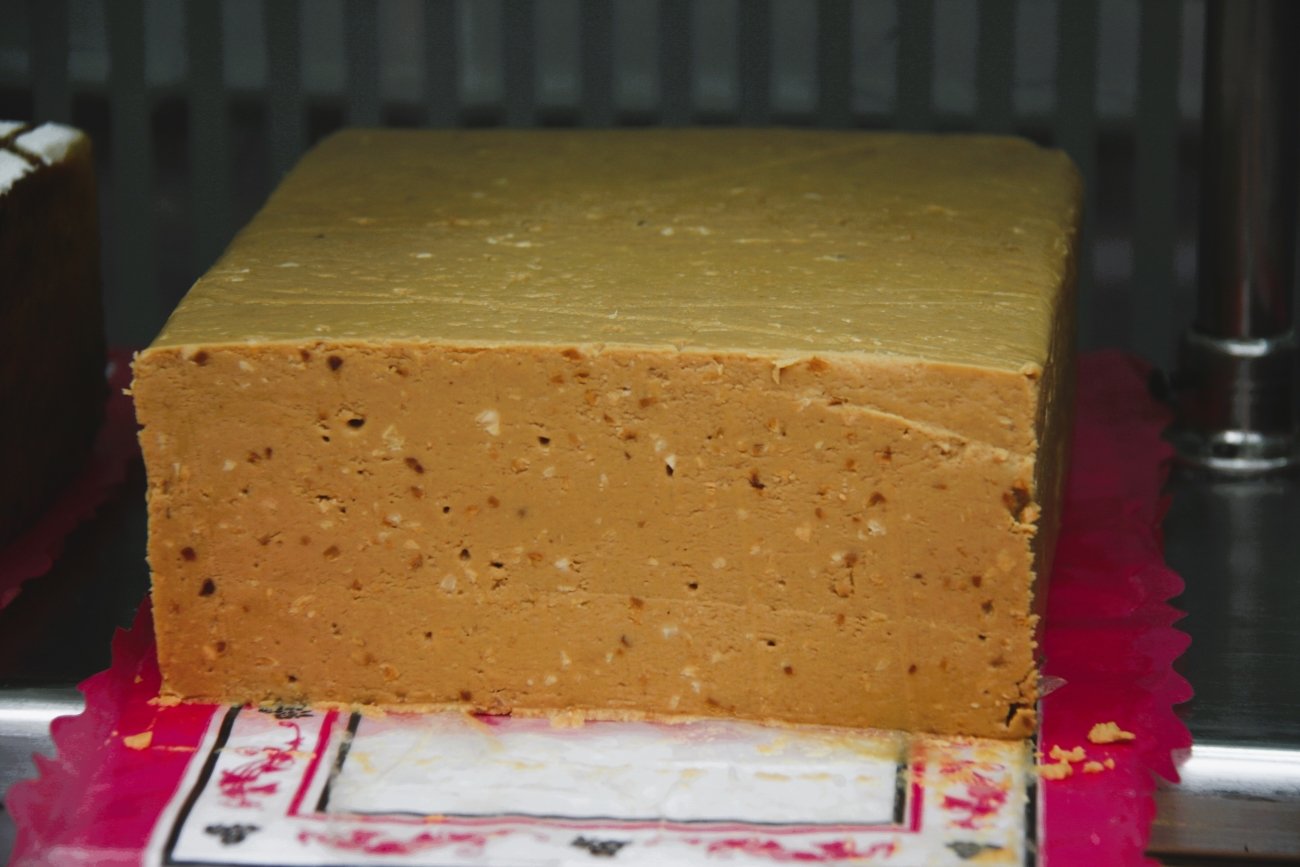
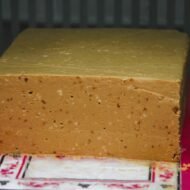
No Spanish Christmas is complete without turrón, and the most famous turrón of all is named after a small hill town in the mountains behind Alicante: Xixona (Jijona in Spanish). Its soft turrón of ground almonds and honey, turrón de Jijona, is protected by a geographical indication (IGP), together with the hard turrón of Alicante. The town calls itself “the sweetest place in the world”.
The Turrón Museum on the edge of town shows how turrón has been made, from old stone mills and tools to modern production, and ends with a tasting. Above the town, the restored Almohad castle looks out over the hills where the almonds are grown. And in early December, Xixona holds its Christmas Fair (Fira de Nadal), the biggest market of turrón and Christmas sweets in the region, with tastings, workshops and the town’s bakeries and workshops open to visitors.
When: the Christmas Fair, 4–8 December 2026; the Turrón Museum is open all year.
Weather in Xixona: mild and sunny for December, often around 15 °C by day, cooler at night in the hills.
Getting there: about 30 minutes by car from Alicante buses run from Alicante.
4. Haut-Doubs and Vallée de Joux, France and Switzerland: Mont d’Or
46.75° N, 6.29° E (Mouthe) · 46.62° N, 6.23° E (Vallée de Joux) · Jura Mountains
On both sides of the Jura Mountains, along the French–Swiss border, dairies make one of Europe’s great winter cheeses: soft, creamy and wrapped in a strip of spruce bark, then packed in a round spruce box. In France, it is called Mont d’Or (or Vacherin du Haut-Doubs); in Switzerland, Vacherin Mont-d’Or. Its season is fixed by law: in France, it may only be made from 15 August to 15 March and sold from 10 September to 10 May.
The cheese was born of winter: when snow closed the mountain roads and the cows gave too little milk for the great wheels of Comté and Gruyère, cheesemakers made these small, soft cheeses instead. Today, it is a fixture of French and Swiss winter tables. The classic way to eat it is baked in its box, with a splash of white wine and garlic, and scooped up with potatoes.
- France (Haut-Doubs): about ten dairies make it, in villages such as Mouthe, Morteau and Montbenoît, in a landscape of spruce forests and snowy pastures.
- Switzerland (Vallée de Joux): in this high valley in the Vaud Jura, the cheese has been made by hand for more than a century. The dairies welcome visitors during the production season, from late September to April, to watch the cheesemakers wrap each cheese in its bark.
→ Read more: Christmas in the Forest
When: 10 September – 10 May in France (Swiss sales run from mid-September to spring); best in winter.
Weather in the Haut-Doubs and Vallée de Joux: among the coldest places in France and Switzerland winters are long and snowy, often well below freezing. Mouthe is famous for some of France’s lowest temperatures.
Getting there: the Vallée de Joux is about 1 hour by car or train from Lausanne; Mouthe is about 1.5 hours by car from Besançon.
5. Gränna, Sweden: Polkagris
58.02° N, 14.46° E · Lake Vättern, Småland
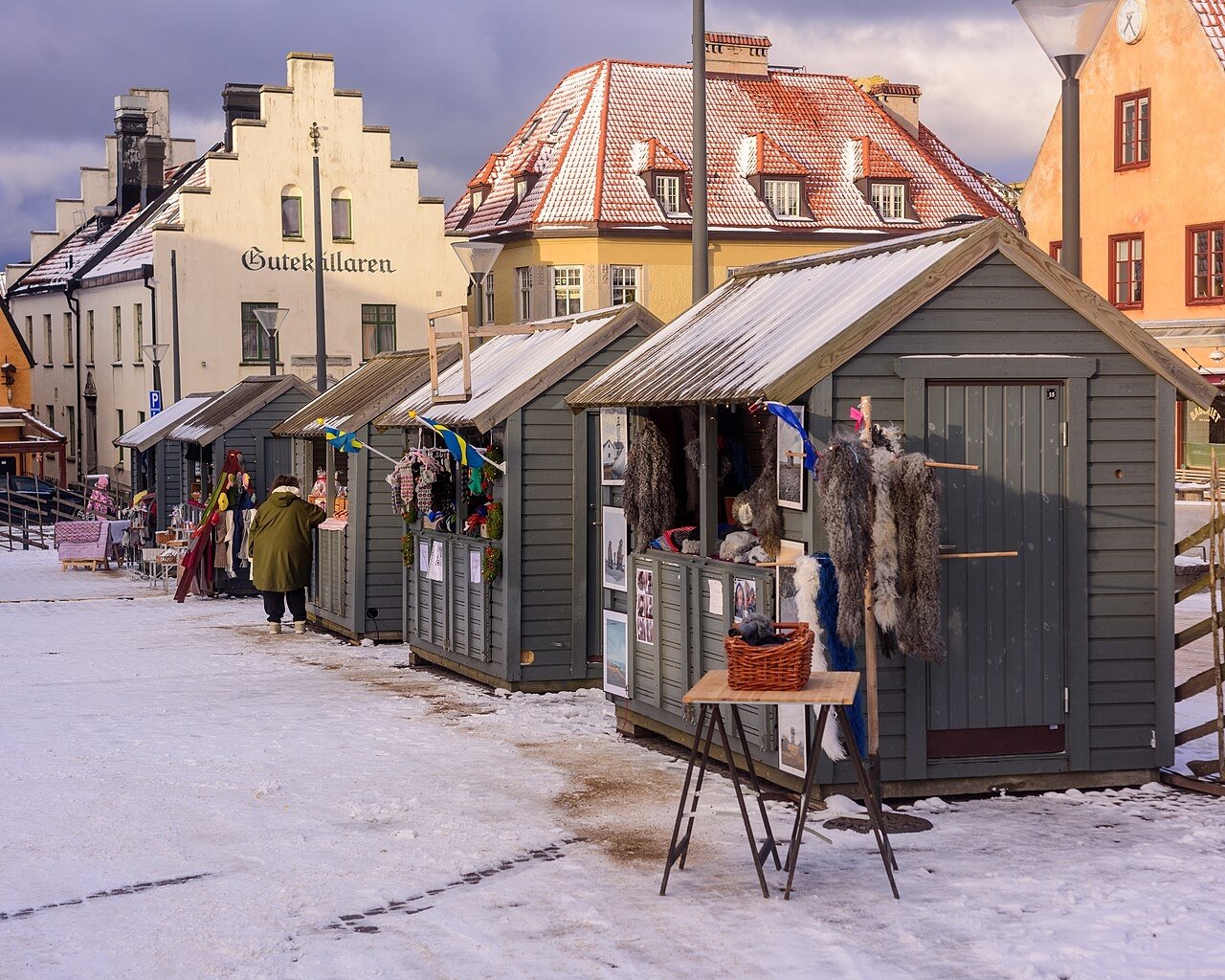
On the eastern shore of Lake Vättern, the little wooden town of Gränna is the home of the polkagris, Sweden’s red-and-white striped peppermint stick. It was invented in 1859 by Amalia Eriksson, a young widow who had lost her husband shortly after their daughter was born. To support her family, she applied for a licence to open a bakery and sell a peppermint candy of her own recipe, and the town granted it on 10 January 1859.
Her polkagris became famous across Sweden Crown Prince Gustaf Adolf came to buy some in 1915. At some point, the sticks were bent at one end into a cane, so they could hang on a Christmas tree. Today, Gränna’s candy shops still pull, twist and roll polkagris by hand in front of visitors, and you can try making your own. Visit Amalia’s statue in the southern park, and take the ferry across to the island of Visingsö.
→ Read more: Christmas by the Lake
When: all year; winter for a quiet, cosy visit (the town is busiest in summer).
Weather in Gränna: a cold Swedish winter December is usually around freezing, with short days and sometimes snow by the lake.
Getting there: about 40 minutes by car or bus from Jönköping; about 3.5 hours from Stockholm.
Beyond the map
We tend to think of Christmas food as something that comes from shops. But behind each of these flavours is a place: a brick town, a pond, a hillside of almond trees, a spruce forest, a widow’s kitchen. Follow the trail, and the next time you open a box of gingerbread or break a candy cane, you will know exactly where it came from.
Read next: Christmas in the Basque Country · Kaysersberg, Alsace · Christmas in the Forest · Bohemia: The Kingdom at the Heart of Europe