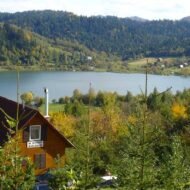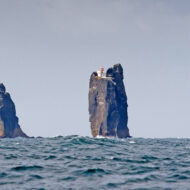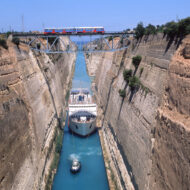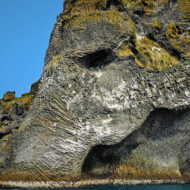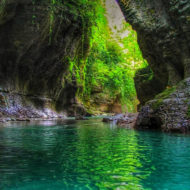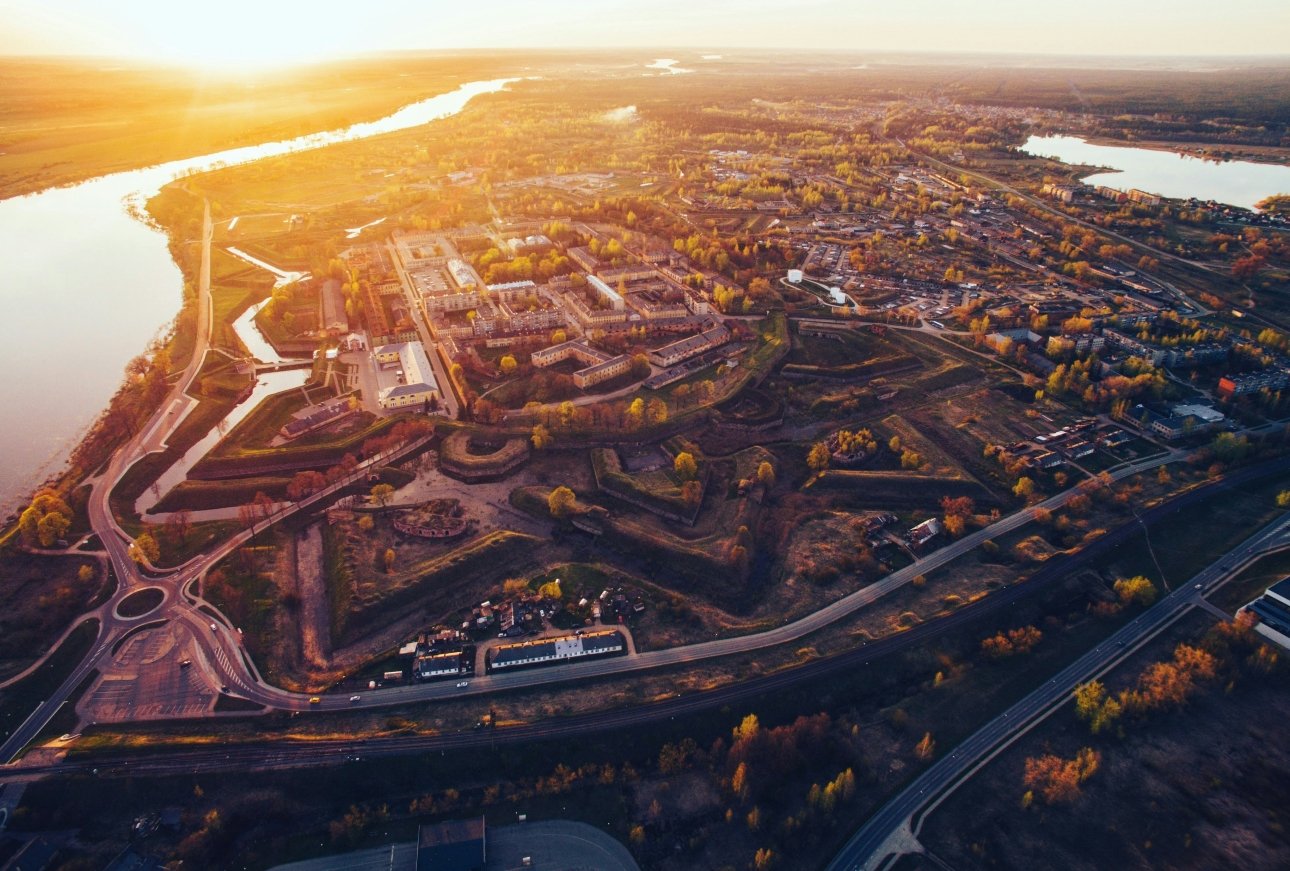


The Albanian Riviera is what the Dalmatian coast looked like before the package holiday industry arrived. What the Greek islands looked like before the cruise ships. What the French Riviera looked like before anyone called it that.
- The geography — limestone mountains and Ionian coves
- The coast — village by village
- The extraordinary natural sites
- The UNESCO cities of the interior
- The ski territory
- The Corfu connection — the Ionian gateway
- Butrint — the UNESCO archaeology
- The practical foundation
- The Albanian Riviera collection in The Wanders
- The Beyond the Map Field Guide
- Also in the Beyond the Map Regional Series
- Albanian Riviera — The Complete Field Guide
150km of extraordinary Ionian coastline between Vlorë and Sarandë — limestone mountains descending directly to the sea in dramatic cliffs, hidden coves accessible only by boat or on foot, extraordinary turquoise water of remarkable clarity and villages of extraordinary traditional character that the Yugoslav-era isolation and the post-communist economic collapse preserved from the mass tourism development that destroyed comparable coastlines in Croatia, Greece and Montenegro across the 1970s, 1980s and 1990s.
The Albanian Riviera is not undiscovered. It is being discovered — rapidly, by a specific type of traveler who has exhausted the well-documented Mediterranean and is looking for what comes next. The question is not whether it will be found but whether it will be documented with the editorial seriousness it deserves before the documentation is overwhelmed by the discovery.
The Wanders covers it now.
The geography — limestone mountains and Ionian coves
The Albanian Riviera follows the Ionian Sea coast of southern Albania — the territory historically known as the Albanian Riviera or the Albanian Côte d’Azur in the optimistic tourism literature of the communist period, when the extraordinary coastline was reserved for the Albanian political elite and entirely closed to foreign visitors.
The extraordinary Llogara National Park — the mountain pass at 1,027 metres above the Ionian Sea — marks the northern gateway of the Riviera proper. The road descends from the pass through extraordinary pine forest to the coastal plain at Palasa, where the Riviera coast begins in a sequence of extraordinary coves, headlands and beaches of remarkable variety extending south to Sarandë and the Greek border.
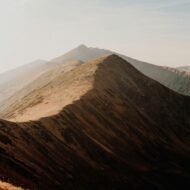
The landscape character is defined by the extraordinary contrast of the Ceraunian Mountains — rising to over 2,000 metres directly above the coast — and the extraordinary Ionian water below. The same limestone geology that produces the extraordinary caves and karst springs of the interior produces the extraordinary sea floor visibility of the coastal waters — extraordinary clarity to depths of 30-40 metres in the most sheltered coves, the most completely clear Ionian water available anywhere along the Albanian or Greek coast.
The coast — village by village
The complete overview of the coastal territory — the villages, the beaches, the access logistics and the practical framework for navigating a coast that is still developing its tourist infrastructure. The essential first article for planning any Albanian Riviera visit.
Dhermi — the most internationally known Albanian Riviera village, the first to develop a meaningful accommodation infrastructure and the most visited. The extraordinary beach of Dhermi — a long crescent of extraordinarily clear water below the extraordinary hillside village — is the most completely beautiful beach on the northern Riviera. The village above the beach maintains its extraordinary traditional character of narrow stone lanes and extraordinary views across the Ionian toward Corfu, despite the summer development pressure that has transformed the beach access road below.
Himara — the most important town on the Albanian Riviera and the administrative centre of the coastal territory. The extraordinary old town of Himara on the hilltop — the most completely preserved traditional settlement on the Riviera — above the modern town and beach below. The extraordinary Greek-speaking community of Himara — one of the most significant Greek minority communities in Albania — gives the town a cultural and linguistic complexity completely unlike any other Albanian coastal settlement. The extraordinary castle ruins above the old town command the most extraordinary views across the Ionian Sea available from any inhabited point on the Albanian coast.
Borsh: Where Albania’s Oldest Olive Groves Meet the Ionian Sea →
The most extraordinary traditional village on the Albanian Riviera — a hillside settlement above the sea surrounded by the most extensive olive grove in Albania, with trees estimated at over 1,500 years old in some of the extraordinary groves above the village. The extraordinary beach of Borsh below — approximately 7km of extraordinary shingle and sand, the longest beach on the Albanian Riviera — is accessible by a road descending through the extraordinary olive grove landscape. The combination of the extraordinary ancient agricultural landscape above and the extraordinary undeveloped beach below makes Borsh the most completely distinctive village on the Riviera.
Qeparo — the most completely preserved medieval village on the Albanian Riviera — an abandoned hilltop settlement of extraordinary stone architecture above the modern coastal village below, accessible by a steep path from the main road and almost entirely uninhabited. The extraordinary stone houses, the extraordinary church ruins and the extraordinary views across the Ionian from the hilltop create the most atmospherically extraordinary single site on the Albanian coast. The medieval village of Qeparo is simultaneously one of the most extraordinary examples of Albanian traditional architecture in existence and one of the most completely unknown.
Sarandë — the most important city on the Albanian Riviera and the southern gateway — a modern coastal city of extraordinary position on a semicircular bay with extraordinary views across the Ionian to Corfu 14km to the southwest. The most complete tourist infrastructure on the Albanian Riviera. The departure point for the Butrint National Park 18km to the south and the ferry crossing to Corfu. The most commercially developed section of the Albanian coast and the most accessible from Greece.
The extraordinary natural sites
Syri i Kaltër: The Albanian Spring With No Known Bottom →
The Blue Eye — Syri i Kaltër — is the most extraordinary natural site in southern Albania and one of the most extraordinary karst springs in the Mediterranean world. A circular pool of extraordinary deep blue water emerges from an underwater cave of unknown depth near Sarandë — the water temperature a constant 10°C year-round regardless of air temperature, the extraordinary turquoise and deep blue colour created by the extraordinary depth of the source and the extraordinary clarity of the karst water. Divers have attempted to reach the bottom of the spring without success. The extraordinary visual quality of the pool — the deep blue centre transitioning to extraordinary turquoise at the edges above the surrounding pebble floor — creates one of the most completely extraordinary natural water spectacles in Albania.
The site is 22km east of Sarandë in the extraordinary Muzina valley — accessible by road through extraordinary scenery. The surrounding forest of extraordinary old plane trees gives the spring an extraordinary shaded setting of remarkable beauty even in the extraordinary Albanian summer heat.
Benjë: Where Albania’s Hot Springs Meet Europe’s Last Wild River →
The Benja Thermal Baths — Banjat e Bënjës — are extraordinary natural thermal pools near Përmet in the extraordinary Vjosa River valley, where thermal springs of 32°C emerge at the base of the extraordinary Katiu Bridge — an extraordinary Ottoman stone arch bridge of remarkable completeness — in a setting of remarkable natural and historical drama. The Vjosa River flowing through the valley below is the last completely wild river in Europe — unregulated, unimpounded and undammed along its entire length, protected since 2023 as Europe’s first Wild River National Park. The combination of the extraordinary thermal pools, the extraordinary Ottoman bridge, the extraordinary wild river and the extraordinary surrounding mountain landscape of the Nemërçkë range makes Benja the most completely extraordinary natural thermal site in the western Balkans.
The UNESCO cities of the interior
Berat: Where Albania’s Ottoman Past Climbs a River Gorge →
Berat is the most extraordinary city in Albania and one of the most extraordinary Ottoman heritage cities in the Balkans — a UNESCO World Heritage Site since 2008, the city of a thousand windows whose extraordinary white tower houses with their extraordinary large windows cover the extraordinary hillside above the Osum River gorge in a density and completeness of traditional Albanian urban architecture found nowhere else in the country. The extraordinary Mangalem quarter on the western slope of the castle hill, the extraordinary Gorica quarter on the opposite bank of the Osum and the extraordinary castle complex on the summit — each completely distinct in character, all connected by the extraordinary bridges across the gorge — create a city of remarkable architectural layering across Byzantine, Ottoman and post-Ottoman periods.
The extraordinary Onufri Museum in the castle — containing the most important collection of Byzantine iconography in Albania, the works of the 16th century painter Onufri whose extraordinary use of colour and extraordinary naturalism in the icon tradition is the most significant contribution of Albanian art to Byzantine cultural heritage — makes Berat the most important single museum destination in the country.
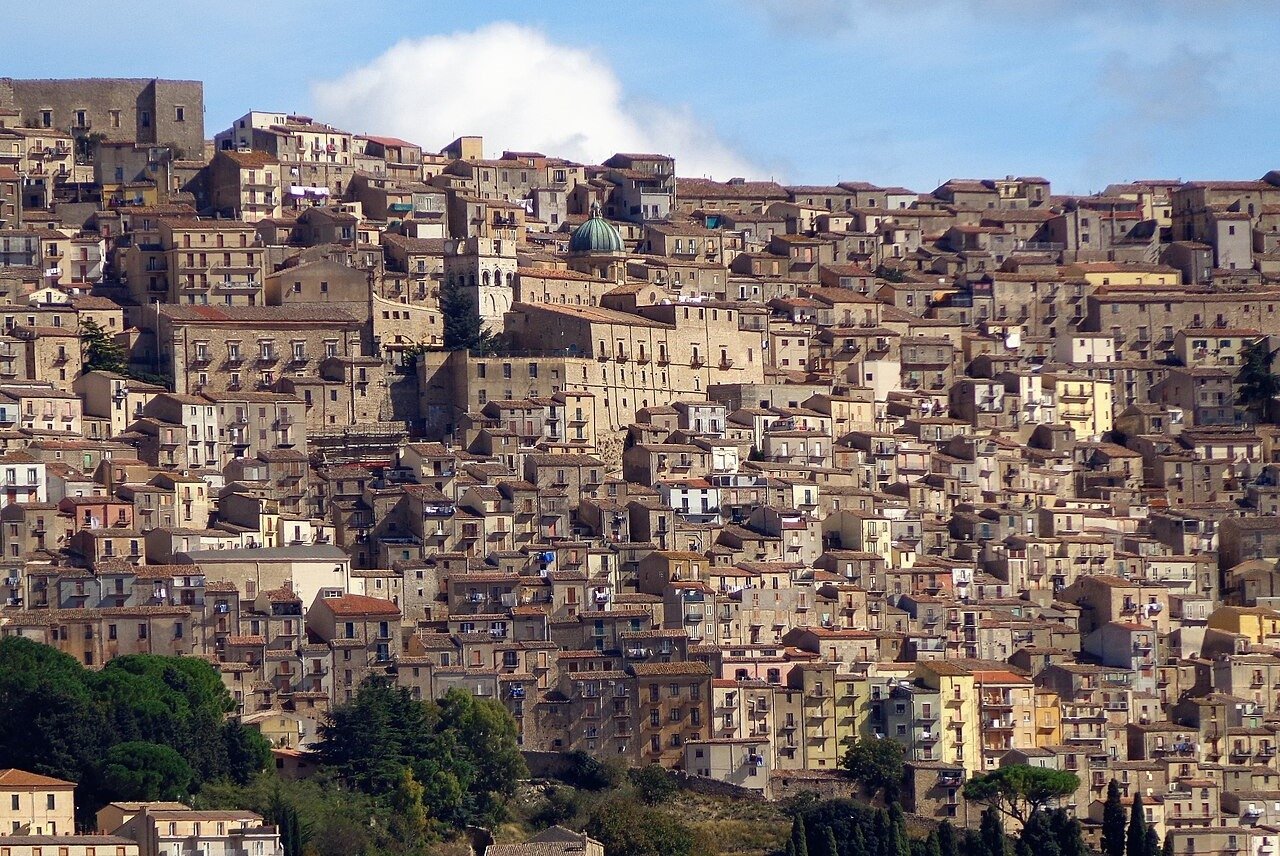
Gjirokastër — the second UNESCO World Heritage Albanian city, 75km south of Berat on the extraordinary road through the Drinos valley. The most dramatically positioned city in Albania — an extraordinary Ottoman citadel and kale above a city of extraordinary stone-roofed tower houses climbing the extraordinary steep hillside, the castle above visible from every point in the city below. The birthplace of Ismail Kadare — the most important Albanian writer of the 20th century, Nobel Prize candidate, author of the extraordinary Chronicle in Stone that is the most complete literary documentation of Gjirokastër’s Ottoman character — and of Enver Hoxha — the communist dictator whose extraordinary personality cult defined Albanian isolation for 47 years. The most extraordinary city in Albania for the combination of extraordinary architectural heritage and extraordinary biographical complexity.
The ski territory
Albania on Skis: The Mountain Village Europe Forgot to Discover →
Dardhë and Voskopojë in the extraordinary Korçë district of southeastern Albania represent the most completely extraordinary and most completely unknown ski territory in Europe — traditional mountain villages of extraordinary character in the extraordinary Morava mountains at 1,400-1,700 metres altitude, with extraordinary winter snowfall, extraordinary traditional architecture and the extraordinary absence of any developed ski resort infrastructure that makes them simultaneously the most authentic and the most adventurous mountain winter destination in the western Balkans.
Voskopojë has an extraordinary additional dimension — the extraordinary 18th century churches of the Voskopojë school of painting, whose extraordinary frescoes represent the most important surviving body of late Byzantine painting in Albania. A village that was once the most important commercial city in the western Balkans, destroyed in the 18th century and never rebuilt to its former scale, whose extraordinary artistic legacy survived the destruction and the communist period in a series of extraordinary partially ruined churches of remarkable beauty.
The Corfu connection — the Ionian gateway
Sarandë is 14km from Corfu by ferry — the most extraordinary short Mediterranean sea crossing connecting two completely different coastal worlds. The Finikas Lines ferry from Sarandë to Corfu runs year-round, crossing in 35 minutes, connecting the extraordinary Albanian coast to the extraordinary Greek island in a journey of remarkable cultural contrast.
The Corfu-Sarandë crossing is simultaneously the most practical access point to the Albanian Riviera from Greece and the most extraordinary single demonstration of the Ionian cross-border cultural territory that the planned Epirus Regional Series article will document — the same Ionian world that the Corfu Venetian heritage, the Greek Epirote mountain culture and the Albanian coastal tradition all share across three modern political borders.
The Island Hopping Greece connection:
The Albanian Riviera fits naturally into the Ionian Islands island hopping route as an extension — a ferry from Sarandë to Corfu connects the Albanian coast to the Greek island hopping network in a single crossing. The most commercially distinctive extension of the Ionian route and the one most completely absent from existing island hopping editorial in English.
Butrint — the UNESCO archaeology
Butrint National Park — 18km south of Sarandë on the extraordinary Butrint lagoon — contains the most important single archaeological site in Albania. A Greek colony from the 8th century BC, a Roman city of extraordinary importance, a Byzantine episcopal centre, a Venetian fortified outpost and an Ottoman settlement in continuous succession — the extraordinary layering of seven distinct civilisations on one extraordinary peninsula above the extraordinary lagoon creates the most completely extraordinary archaeological landscape in the Ionian world outside Greece itself.
UNESCO World Heritage since 1992. The extraordinary Lion Gate, the extraordinary Roman theatre, the extraordinary Early Christian baptistery — one of the largest in the Mediterranean world, its extraordinary floor mosaic of remarkable completeness — and the extraordinary Venetian tower above the lagoon crossing make Butrint the most important single cultural heritage site in Albania and the most essential visit on the Albanian Riviera.
The practical foundation
Borders and entry:
EU citizens    →  visa-free entry since 2024
               Passport required (ID card accepted
               for most EU citizens since 2023)
               Border crossings at Kakavija (from
               Greece/Gjirokastër) and Qafë Botë
               (from Corfu ferry at Sarandë)

Currency:      Albanian Lek (ALL)
               Cards accepted in Sarandë and larger towns
               Cash essential in villages and smaller sites
               ATMs in Sarandë · Himara · Berat

Getting there:
By ferry:      Corfu → Sarandë: 35 minutes
               Finikas Lines · year-round · multiple daily
               The most comfortable and most scenic entry

By air:        Tirana International Airport
               4 hours by road to Sarandë
               Corfu Airport + ferry: faster for Riviera

By road:       The SH8 coastal road is the spine of the
               Riviera — extraordinary scenery, variable
               road quality, improving annually
               4WD recommended for interior access roads

Driving note:  Albanian driving culture requires adjustment
               The coastal road is narrow in places
               The mountain roads to villages require care
               Fuel available in all major towns

Best seasons:
May-June       Best weather · pre-summer crowds
               Extraordinary wildflowers on the limestone
               · Blue Eye at full flow
September      Best sea temperature · reduced crowds
               · extraordinary light
July-August    Extraordinary beach season · hot · busy
               Sarandë and Dhermi most crowded
Winter         Extraordinary for Berat · Gjirokastër
               · Benja thermal baths · ski territory
The Albanian Riviera collection in The Wanders
| Destination | Territory | Character | Article |
|---|---|---|---|
| Albanian Riviera overview | Coast | 150km · complete overview | Updating |
| Borsh | Coast | Oldest olive groves · longest beach | Published |
| Syri i Kaltër | Nature | Karst spring · no known bottom | Published |
| Benjë Thermal Baths | Nature | Hot springs · Vjosa Wild River | Published |
| Berat | UNESCO city | Ottoman · thousand windows · gorge | Published |
| Albania on Skis | Mountain | Dardhë · Voskopojë · winter | Published |
| Gjirokastër | UNESCO city | Ottoman citadel · Kadare · Hoxha | Commissioning |
| Butrint | Archaeology | UNESCO · seven civilisations · lagoon | Commissioning |
| Himara | Coast | Most important Riviera town · Greek minority | Commissioning |
| Dhermi | Coast | Most known beach · traditional village | Commissioning |
| Sarandë | Coast | Southern gateway · Corfu ferry | Commissioning |
| Qeparo | Coast | Abandoned medieval village · extraordinary ruins | Commissioning |
| Llogara National Park | Mountain | Pass · pine forest · Riviera gateway | Commissioning |
The Beyond the Map Field Guide
Albanian Riviera: The Complete Beyond the Map Guide — €12
150km of Ionian coast, two UNESCO cities, Europe’s last wild river, a karst spring with no known bottom, an abandoned medieval village above the oldest olive groves in Albania and a ski territory that Europe has not found yet.
The complete practical and editorial guide to the Albanian Riviera and its extraordinary hinterland — the first quality English-language Field Guide to this territory at any price point.
Beyond the Map Regional Series →
Also in the Beyond the Map Regional Series
Transylvania: The Region That Dracula Overshadowed → Istria: Three Countries, One Venetian Coast → The Picos de Europa: Three Regions, One Extraordinary Mountain → The Camargue: France’s Wild South →
The Albanian Riviera is part of The Wanders Beyond the Map Regional Series — extraordinary European regions documented beyond the nation state boundaries that contain them.