

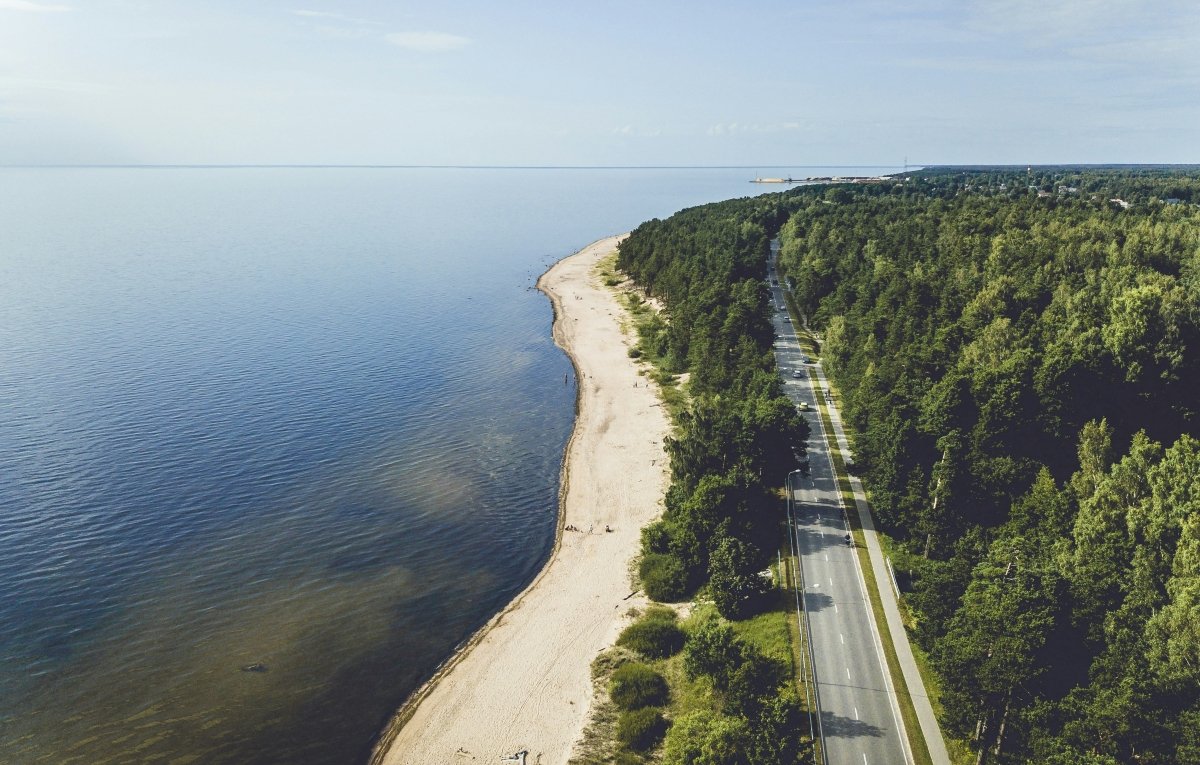
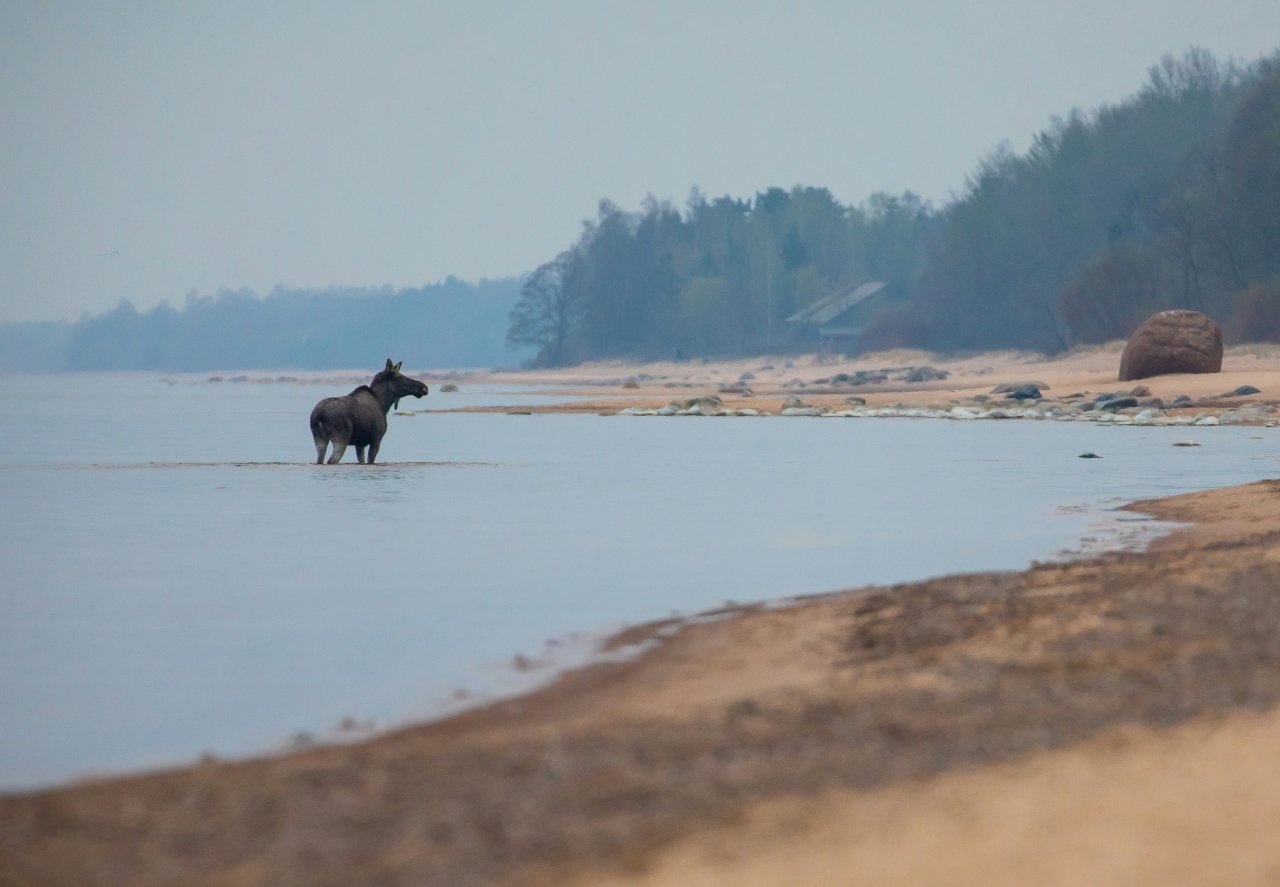
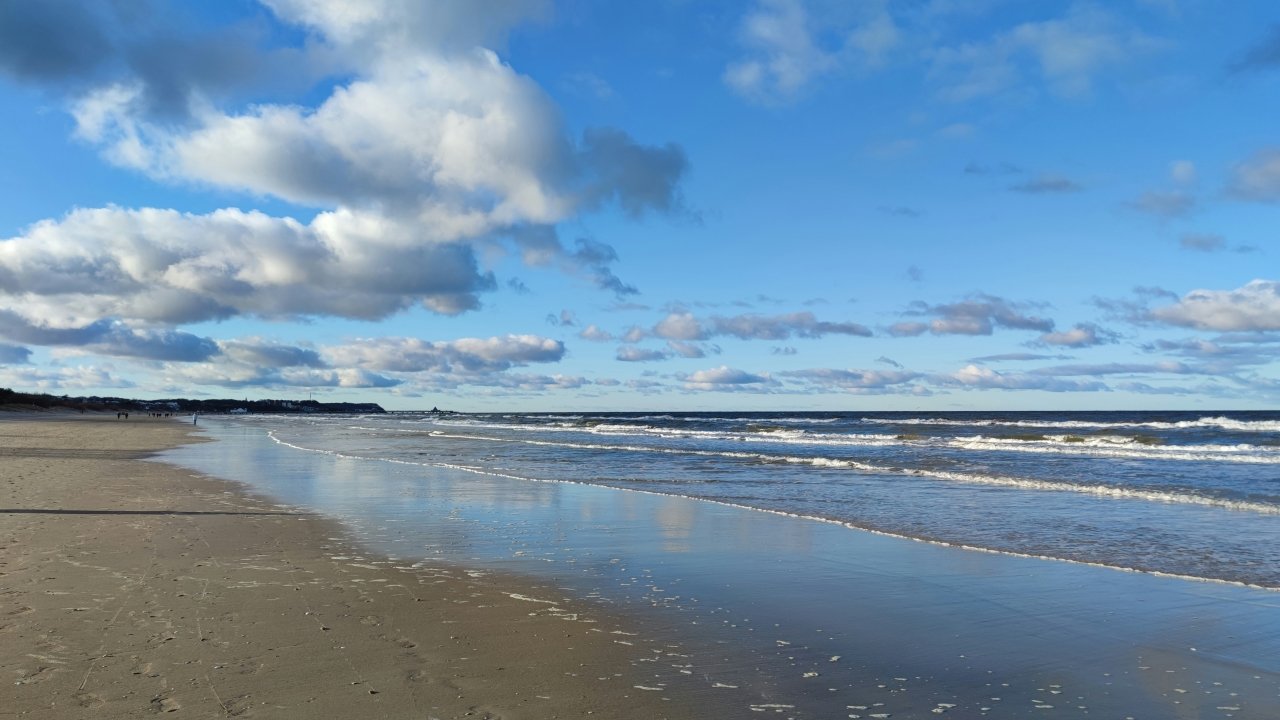
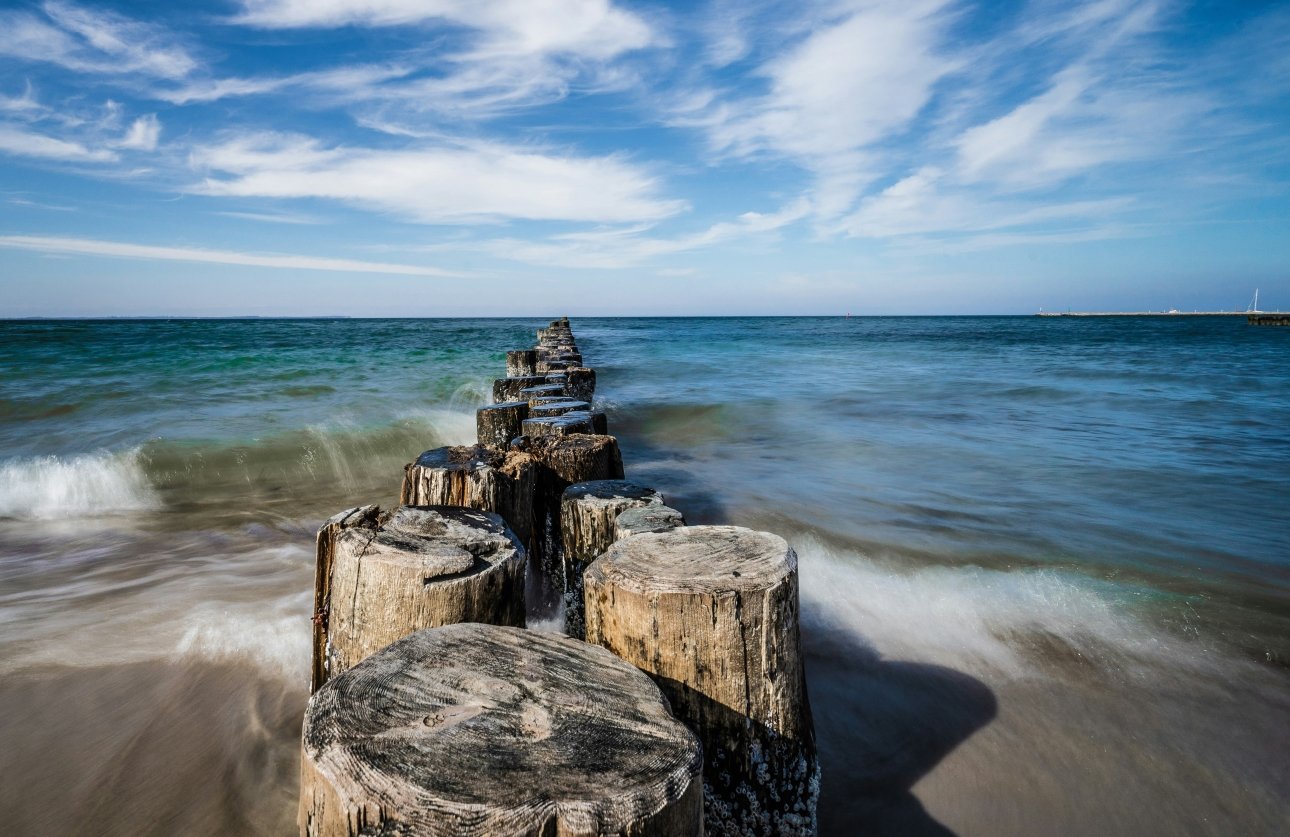
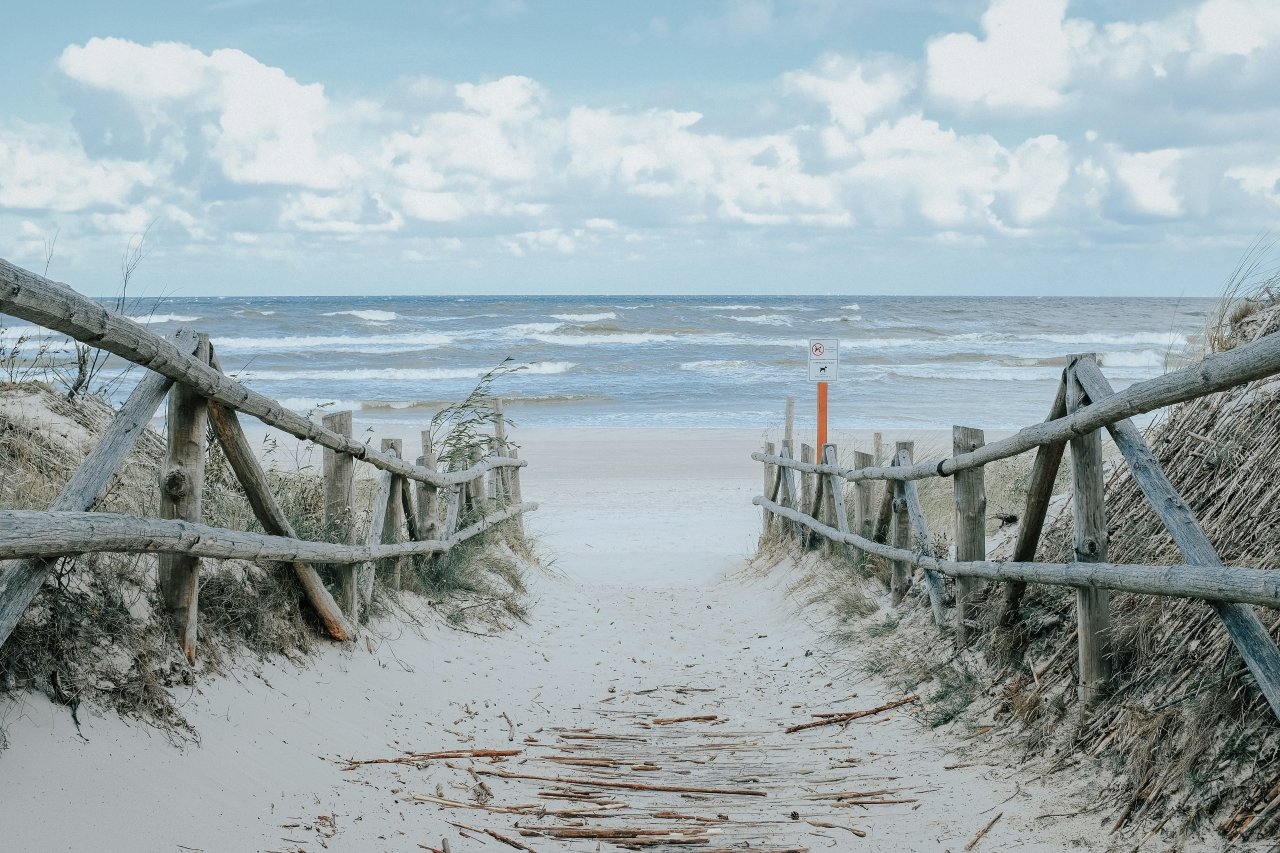
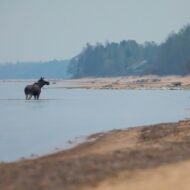
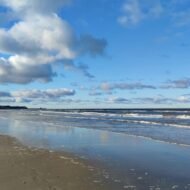
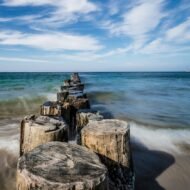
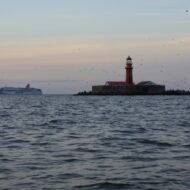
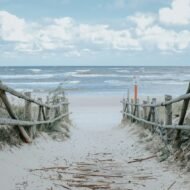
The Baltic Sea is not a Mediterranean. It freezes in the coldest winters — the northern Gulf of Bothnia solidifies into a landscape of pressure ridges and ice roads every January, and even the central Baltic between Stockholm and Tallinn carries drift ice in exceptional years. The light is different from the Mediterranean light — lower, more directional, a quality of illumination that Scandinavian painters have documented for two centuries and that photographers come specifically to find. The history is different — this is the sea of the Vikings, the Hanseatic League, the Teutonic Knights, the Swedish Empire and the Soviet submarine fleet, all leaving extraordinary traces on the islands and coastlines they passed through or occupied.
- The route
- Why this route specifically
- The practical logistics
- The islands and coastline
- Gotland: The Baltic Island With 94 Medieval Churches
- The Rauks of Fårö: Where Limestone Becomes Sculpture
- Baltic Islands Nobody Has Found Yet
- Viru Gate: The Door to Tallinn’s Hanseatic Old Town
- Paldiski: Estonia’s Soviet Nuclear Submarine Ghost Town
- Saaremaa: The Estonian Island the Soviets Kept Closed
- Hiiumaa: Estonia’s Second Island and Quietest Discovery
- Kihnu: The UNESCO Island of Women
- Swedish Gate: Riga’s Only Surviving Medieval City Gate
- Liepāja: The Latvian City Where the Wind Plays Music
- Karosta: The Soviet Military City That Latvia Left Behind
- Nida: Where Thomas Mann Wrote on the Lithuanian Dunes
- Curonian Spit: The Baltic Sand Peninsula That Buried Villages
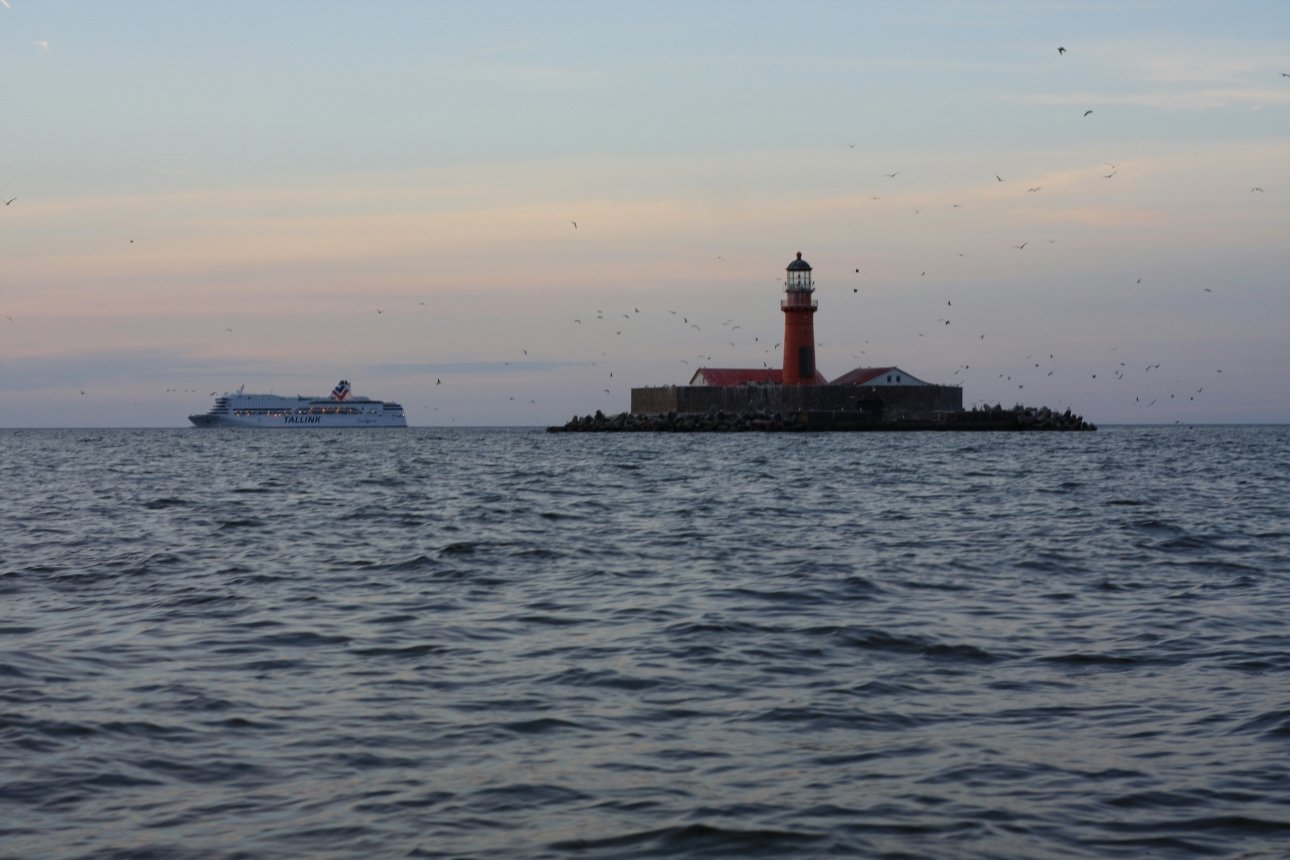
- Bengtskär: The Finnish Lighthouse the Soviets Attacked
- Kvarken: The UNESCO Archipelago Still Rising From the Sea
- When to go
- The practical summary
- The one thing the Baltic teaches
Island hopping the Baltic is not a summer beach holiday reframed as an itinerary. It is a journey through the most historically layered sea in Europe, using the extraordinary ferry network that connects its capitals — Stockholm, Tallinn, Helsinki, Riga — as the spine, and its islands and coastal cities as the discoveries along the route.
The route described here moves in a circular arc from Stockholm east to Gotland, across the open Baltic to Tallinn by overnight ferry, south through the Estonian island world of Saaremaa and Hiiumaa, along the extraordinary Baltic coast through Latvia and Lithuania, then northwest by overnight ship to Helsinki and back to Stockholm via the extraordinary Finnish archipelago and Kvarken. Three countries minimum. Six sea crossings. Islands ranging from a medieval walled city of 22,000 people to a UNESCO heritage island of 500 women maintaining a living folk tradition.
The route
Stockholm → Gotland → Fårö → Tallinn (overnight) → Saaremaa → Hiiumaa → Kihnu → Riga → Liepāja → Nida → Curonian Spit → Tallinn → Helsinki → Kvarken → Stockholm
Fourteen days minimum for the core route — three weeks for the complete circuit including the Latvian and Lithuanian coastal extensions. The route is circular — you return to Stockholm. This mirrors the medieval Hanseatic trade routes that connected these same ports seven centuries ago, when Gotland’s Visby was the most important trading city in the eastern Baltic and Tallinn’s Viru Gate was the entry point to one of the most prosperous Hanseatic cities in the north.
Why this route specifically
The standard Baltic travel itinerary visits the capitals — Stockholm, Tallinn, Helsinki — and moves between them by overnight ferry as the most convenient transport option. The islands are not on this itinerary. The extraordinary coastal cities of Liepāja and its Soviet military district of Karosta are not on this itinerary. The extraordinary dune landscape of the Curonian Spit and the Thomas Mann cottage at Nida are not on this itinerary. The Finnish lighthouse on a bare rock skerry that the Soviets attacked in 1941 is not on this itinerary.
Every discovery on this route required a decision to go further. That is why they are extraordinary and why the standard Baltic itinerary misses them.
The practical logistics
The overnight ferries — the spine of the route
The Baltic overnight ferry is a specific and extraordinary experience that deserves understanding before booking. These are not cargo ships with passenger accommodation. Tallink’s Baltic Queen and Viking Line’s Viking Grace carry thousands of passengers, multiple restaurants, bars, spa facilities and cabin accommodation ranging from shared berths to private suites. The overnight crossing from Tallinn to Stockholm takes 15-16 hours. The crossing from Helsinki to Stockholm takes 17 hours via the Åland Islands.
The overnight ferry is simultaneously the cheapest accommodation of your Baltic journey and the most extraordinary single travel experience. Book a cabin. The deck at 3am in the central Baltic — the lights of passing cargo ships in the darkness, the smell of open sea — is one of the most atmospheric parts of the entire route.
Tallink Silja — Tallinn-Stockholm and Tallinn-Helsinki routes. Book at tallink.com.
Viking Line — Helsinki-Stockholm via Åland. The most beautiful Baltic ferry route — the Åland archipelago passage in early morning light is the route’s most extraordinary single experience. Book at vikingline.com.
Destination Gotland — Stockholm-Visby. Fast ferry 3 hours or overnight. Book at destinationgotland.se. Essential advance booking in July and August.
Estonian island connections
Saaremaa connects to the Estonian mainland by causeway — bus from Tallinn in approximately 3 hours. The Saaremaa-Hiiumaa ferry runs from Triigi to Sõru — approximately 1 hour, operated by Praamid (praamid.ee). Kihnu accessible by ferry from Pärnu on the Estonian mainland.
The islands and coastline
Gotland: The Baltic Island With 94 Medieval Churches
Sweden · Western Baltic · Destination Gotland ferry from Stockholm
Gotland is the most historically extraordinary island in the Baltic — the seat of Hanseatic power in the eastern Baltic trade network, its medieval walled capital Visby a UNESCO World Heritage Site of extraordinary completeness. The limestone walls of Visby — 3.4km of 13th century fortification with 27 towers standing to their original height — enclose a medieval city whose extraordinary preservation is the direct result of Gotland’s relative decline after the Hanseatic period. The 94 surviving medieval churches scattered across the island’s limestone plateau represent the most concentrated medieval ecclesiastical landscape on any island in Europe.
The Rauks of Fårö: Where Limestone Becomes Sculpture
Sweden · Northern Gotland · Ferry from Fårösund
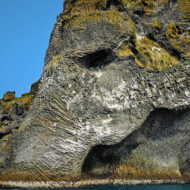
Fårö is a small island at the northern tip of Gotland whose extraordinary coastal rauks — limestone sea stacks eroded by wave action into extraordinary sculptural formations — define its landscape. Ingmar Bergman lived and worked on Fårö for decades, made six films here and is buried in the churchyard. The island’s extraordinary light is inseparable from the visual register of his late films.
Baltic Islands Nobody Has Found Yet
Multiple territories · Island Hunter spoke collection
The Baltic islands beyond the standard itinerary — the extraordinary discoveries that the Gotland and Tallinn circuit consistently misses. Six Baltic islands documented in full with ferry logistics, best season and what makes each one worth the crossing.
Viru Gate: The Door to Tallinn’s Hanseatic Old Town
Estonia · Tallinn · Old Town
Viru Gate is the most famous medieval gateway in Tallinn and the most immediate entry point into the Hanseatic city — two round towers of the 14th century city wall flanking a narrow cobblestone passageway that marks the eastern entrance to Tallinn’s Lower Town. The gate controlled access to the merchant quarter where Hanseatic commerce was conducted for centuries. Arriving in Tallinn from Stockholm by overnight ferry and walking through Viru Gate into the medieval city is the most completely Hanseatic arrival experience available in the Baltic.
Paldiski: Estonia’s Soviet Nuclear Submarine Ghost Town
Estonia · 50km west of Tallinn · Train from Tallinn Baltic Station
Paldiski is one of the most extraordinarily atmospheric Cold War heritage sites in the Baltic states — a Soviet nuclear submarine training facility and closed military city from 1940 to 1994, its extraordinary post-Soviet landscape of abandoned submarine training reactors, decommissioned military buildings and extraordinary coastal position on the Baltic making it unlike anything else in Estonia. The town is 50km west of Tallinn, accessible by train, overlooked by virtually all visitors to the Estonian capital. The reactors — decommissioned in 1994 but still physically present in extraordinary containment structures — are the most extraordinary surviving example of Soviet naval nuclear infrastructure in the Baltic states.
Saaremaa: The Estonian Island the Soviets Kept Closed
Estonia · Eastern Baltic · Bus + causeway from Tallinn
Saaremaa is the largest island in Estonia — a closed Soviet military zone until 1989 whose 50-year closure preserved an extraordinary medieval village structure and extraordinary karst landscape essentially untouched by development. The medieval Kuressaare Castle — built by the Teutonic Knights in the 14th century and never substantially altered — is the most completely preserved medieval castle in the Baltic states. Three days minimum.
Hiiumaa: Estonia’s Second Island and Quietest Discovery
Estonia · Eastern Baltic · Praamid ferry from Saaremaa
Hiiumaa is accessible by ferry from Saaremaa’s northern tip — extraordinary for the Kõpu lighthouse, one of the oldest continuously operating lighthouses in the world, built in 1531 by the Hanseatic League. The Tahkuna lighthouse at the island’s northern tip stands on the coastline where the Estonia ferry sank in 1994 with the loss of 852 lives — the deadliest peacetime maritime disaster in European postwar history. The memorial is one of the most atmospheric in the Baltic.
Kihnu: The UNESCO Island of Women
Estonia · Gulf of Riga · Ferry from Pärnu
Kihnu is 500 permanent inhabitants, UNESCO Intangible Cultural Heritage, and the most extraordinary living heritage island in the Baltic — women maintaining folk traditions of extraordinary completeness as daily practice rather than festival performance. The extraordinary striped wool skirts, traditional dances, crafts and songs preserved on 14 square kilometres of Gulf of Riga island. Best explored by hired bicycle.
Swedish Gate: Riga’s Only Surviving Medieval City Gate
Latvia · Riga Old Town · UNESCO World Heritage
The Swedish Gate is the only surviving city gate in Riga’s medieval old town — a 17th century arched gateway built during the Swedish imperial period, connecting the medieval street of Torņa iela to the extraordinary city wall section beyond. Riga’s extraordinary UNESCO Old Town — the finest concentration of Art Nouveau architecture in Europe alongside the medieval core — makes it the most architecturally extraordinary capital city on the Baltic coast. The Swedish Gate is the single most atmospheric element of the medieval city.
Liepāja: The Latvian City Where the Wind Plays Music
Latvia · Baltic coast · Train from Riga
Liepāja is Latvia’s third largest city and the most extraordinary on the Baltic coast — extraordinary for its Art Nouveau and wooden architecture, its extraordinary beach and its extraordinary musical heritage. The city motto — “Only in Liepāja does the wind play music” — appears on the coat of arms. The city’s rock music tradition, its extraordinary 19th century architecture and its extraordinary beach make it the most underrated city on the Latvian coast. The Karosta military district on its northern edge adds a completely different and completely extraordinary dimension.
Karosta: The Soviet Military City That Latvia Left Behind
Latvia · Northern Liepāja · Walking distance from city centre
Karosta is the extraordinary Soviet-era military district on the northern edge of Liepāja — a self-contained military city built by the Russian Imperial Navy in the 1890s and expanded by the Soviets, containing the St Nicholas Naval Cathedral (the largest Orthodox church in the Baltic states), an extraordinary Soviet prison now operating as a dark tourism experience and a complete Soviet military urban landscape preserved in extraordinary post-Soviet decay. One of the most extraordinary Cold War heritage sites in Europe.
Nida: Where Thomas Mann Wrote on the Lithuanian Dunes
Lithuania · Curonian Spit · Ferry from Klaipėda
Nida is an extraordinary small town at the southern end of the Curonian Spit — a settlement of extraordinary wooden fishing village architecture surrounded by 60-metre sand dunes rising from the Curonian Lagoon. Thomas Mann had his summer cottage here from 1930 to 1932. The Mann cottage is now a museum. The extraordinary Parnidis dune rises immediately above the town with views across the lagoon toward Kaliningrad.
Curonian Spit: The Baltic Sand Peninsula That Buried Villages
Lithuania and Russia · UNESCO World Heritage · Ferry from Klaipėda
The Curonian Spit is an extraordinary 98km sand spit separating the Curonian Lagoon from the Baltic Sea — UNESCO World Heritage, the most extraordinary aeolian dune landscape in northern Europe, with dunes reaching 60 metres that buried 14 villages between the 17th and 19th centuries before a pine forest stabilisation programme stopped the advance. The spit is shared between Lithuania and the Russian enclave of Kaliningrad — one of the most extraordinary geopolitical boundaries in the Baltic.
Bengtskär: The Finnish Lighthouse the Soviets Attacked
Finland · Outer archipelago · Boat from Hanko or Turku archipelago
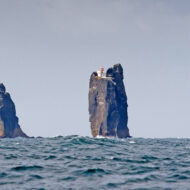
Bengtskär Lighthouse is the tallest lighthouse in Scandinavia — a 52-metre granite tower built in 1906 on a bare rock skerry in the outer Finnish archipelago, 25km from the nearest inhabited island, accessible only by boat. The lighthouse saw extraordinary action during the Winter War in 1941 when Soviet forces attacked the island in one of the most dramatic small-scale engagements of the conflict. The lighthouse keeper’s cottage is now a guesthouse — one of the most extraordinarily remote overnight stays available in Finland.
Kvarken: The UNESCO Archipelago Still Rising From the Sea
Finland · Gulf of Bothnia · Ferry from Vaasa
Kvarken Archipelago is the UNESCO World Heritage archipelago in the narrowest section of the Gulf of Bothnia — an extraordinary post-glacial rebound landscape where the land is still rising from the sea at 8mm per year, the fastest land uplift rate in the world, creating new islands and new coastlines within human timescales. The extraordinary flads — enclosed bays gradually becoming lakes as the land rises — and the extraordinary shallow labyrinthine archipelago create a landscape unlike any other on the Baltic rim.
When to go
June and July — the best months. The Baltic is navigable, the Gotland summer season is in full flow, Kihnu’s cultural traditions are most visible and the extraordinary midsommar celebrations on Gotland are among the most extraordinary seasonal events in the Swedish island calendar.
August and September — the second-best window. Saaremaa in late August when the island heather blooms. September on Gotland when the medieval city returns to its winter character.
October to May — the overnight ferries and the major island connections run year-round. The Baltic coast cities — Riga, Liepāja, Tallinn — are extraordinary in winter. The extraordinary Cold War sites of Karosta and Paldiski are more atmospherically correct in grey Baltic weather than in summer sunshine.
The practical summary
Stockholm    → Visby (Gotland)   Destination Gotland    3 hrs or overnight
Fårösund     → Fårö              Local ferry             10 min
Stockholm    → Tallinn           Tallink overnight       15-16 hrs
Tallinn      → Saaremaa          Bus + causeway          3 hrs
Saaremaa     → Hiiumaa           Praamid ferry           1 hr
Pärnu        → Kihnu             Ferry                   1.5 hrs
Tallinn      → Riga              Bus                     4.5 hrs
Riga         → Liepāja           Bus or train            2.5 hrs
Klaipėda     → Nida              Ferry                   45 min
Tallinn      → Helsinki          Tallink fast/overnight  2-16 hrs
Helsinki     → Vaasa (Kvarken)   Train                   3 hrs
Helsinki     → Stockholm         Viking Line overnight   17 hrs via Åland
Total ferry cost: approximately €150-220 per person for all crossings as a passenger. The overnight ferry cabins are the significant cost — Tallink overnight from approximately €40 per person shared cabin, Viking Line from approximately €50. All other crossings under €20.
The one thing the Baltic teaches
The Baltic is an enclosed sea — its salinity a fraction of the Atlantic because the rivers draining from Sweden, Finland, Estonia, Latvia, Lithuania and Poland dilute the seawater faster than the narrow Danish straits can replace it. The extraordinary consequence: the Baltic does not support the marine life of an open sea. The fish are different. The seabirds are different. The light on the water is different.
This is the sea that the Hanseatic merchants crossed in their cogs, that the Viking raiders rowed in their longships, that the Soviet submarines patrolled in Cold War darkness and that the extraordinary overnight ferries now cross carrying thousands of passengers between Stockholm and Tallinn. The islands and coastlines on this route are the places where all of that history left its most complete traces.
The Island Hunter collection documents European islands that reward the decision to take the ferry. The Baltic Island Ferry Guide — covering Destination Gotland, Tallink, Viking Line and Praamid timetables and practical logistics for the complete route — is coming soon.