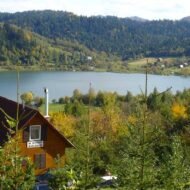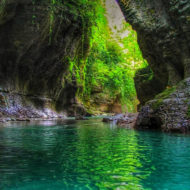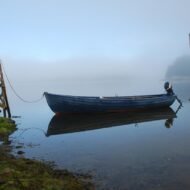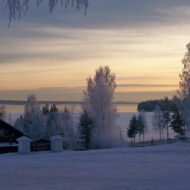


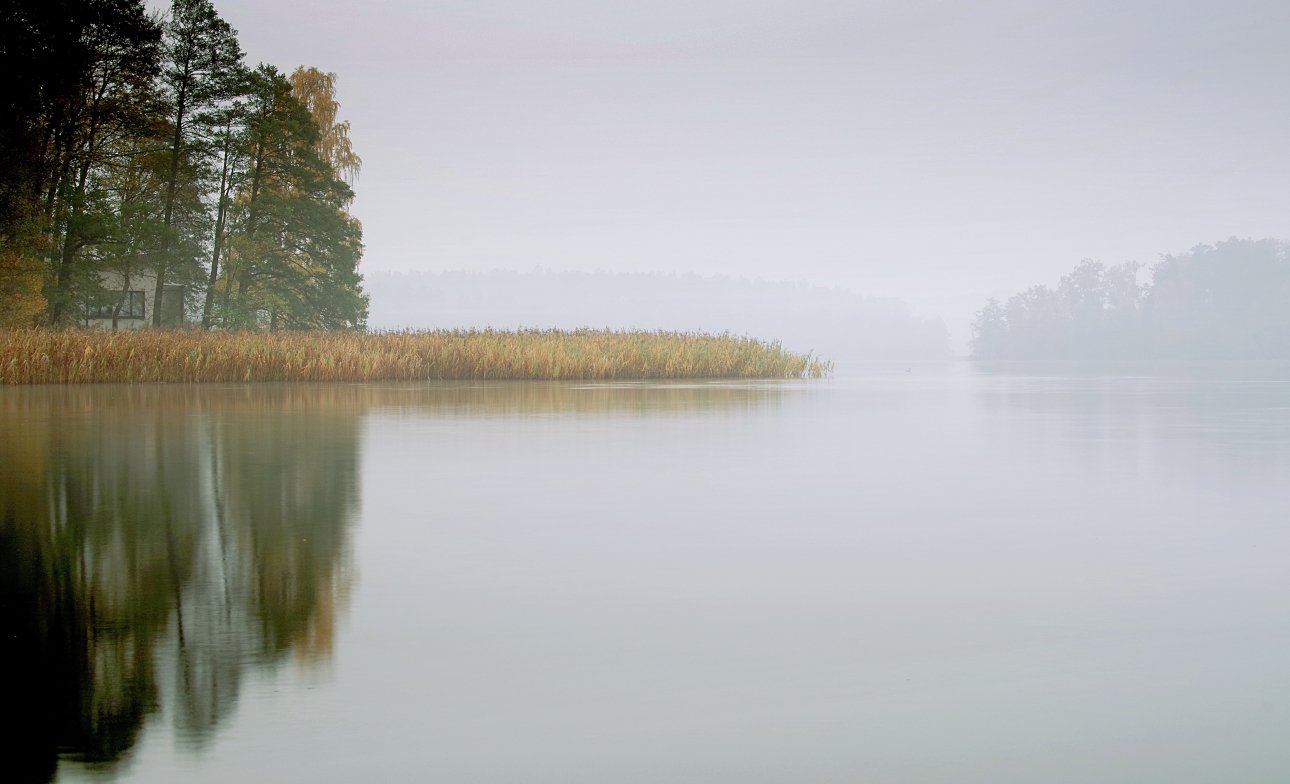
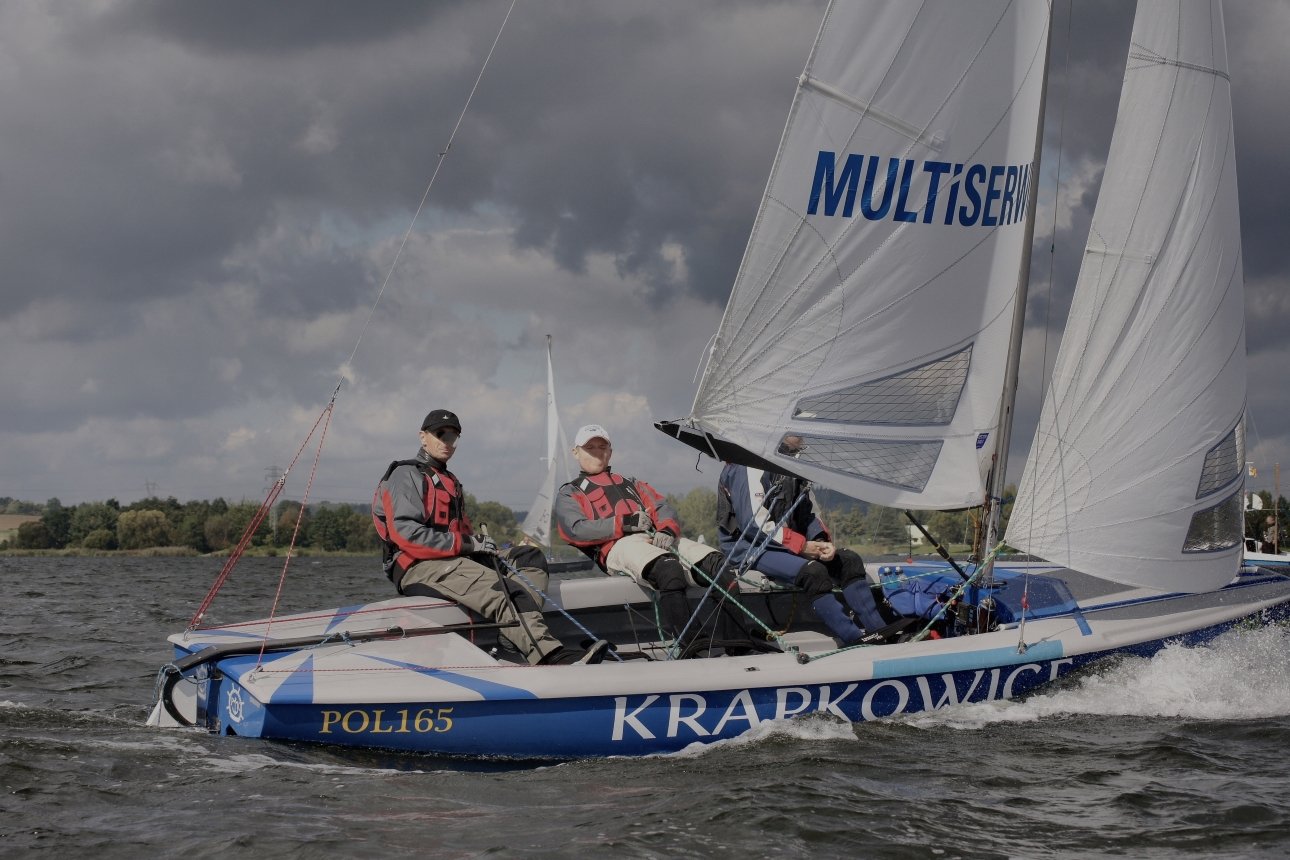
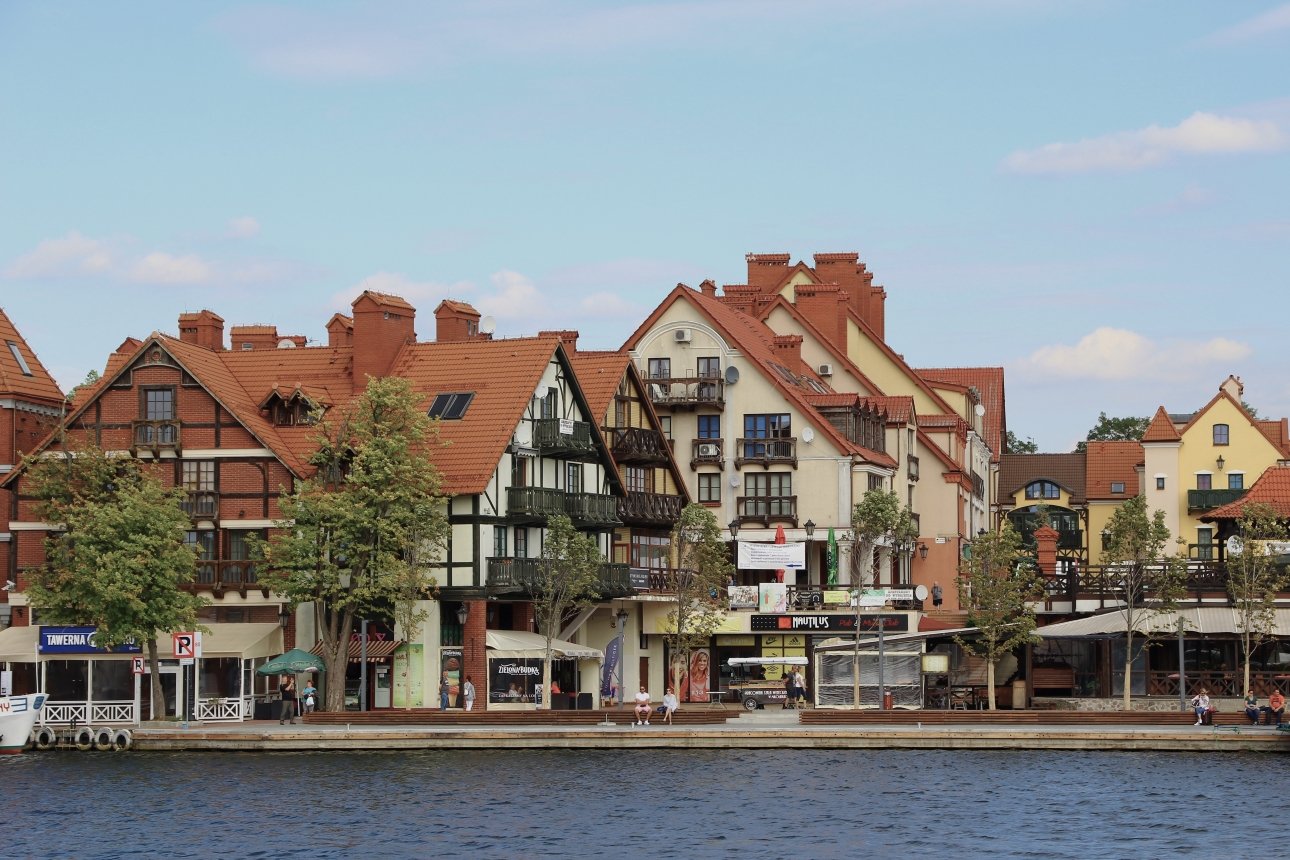
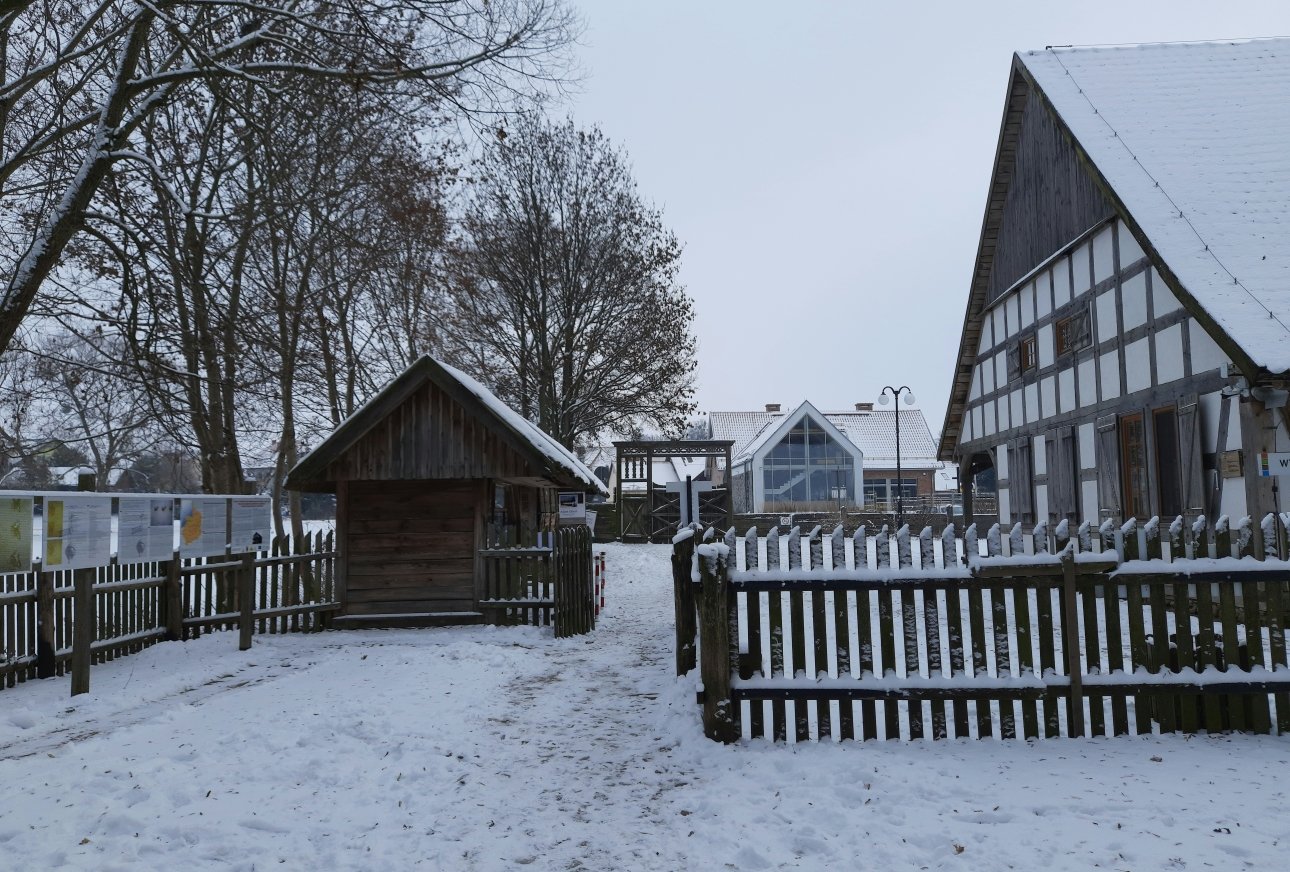
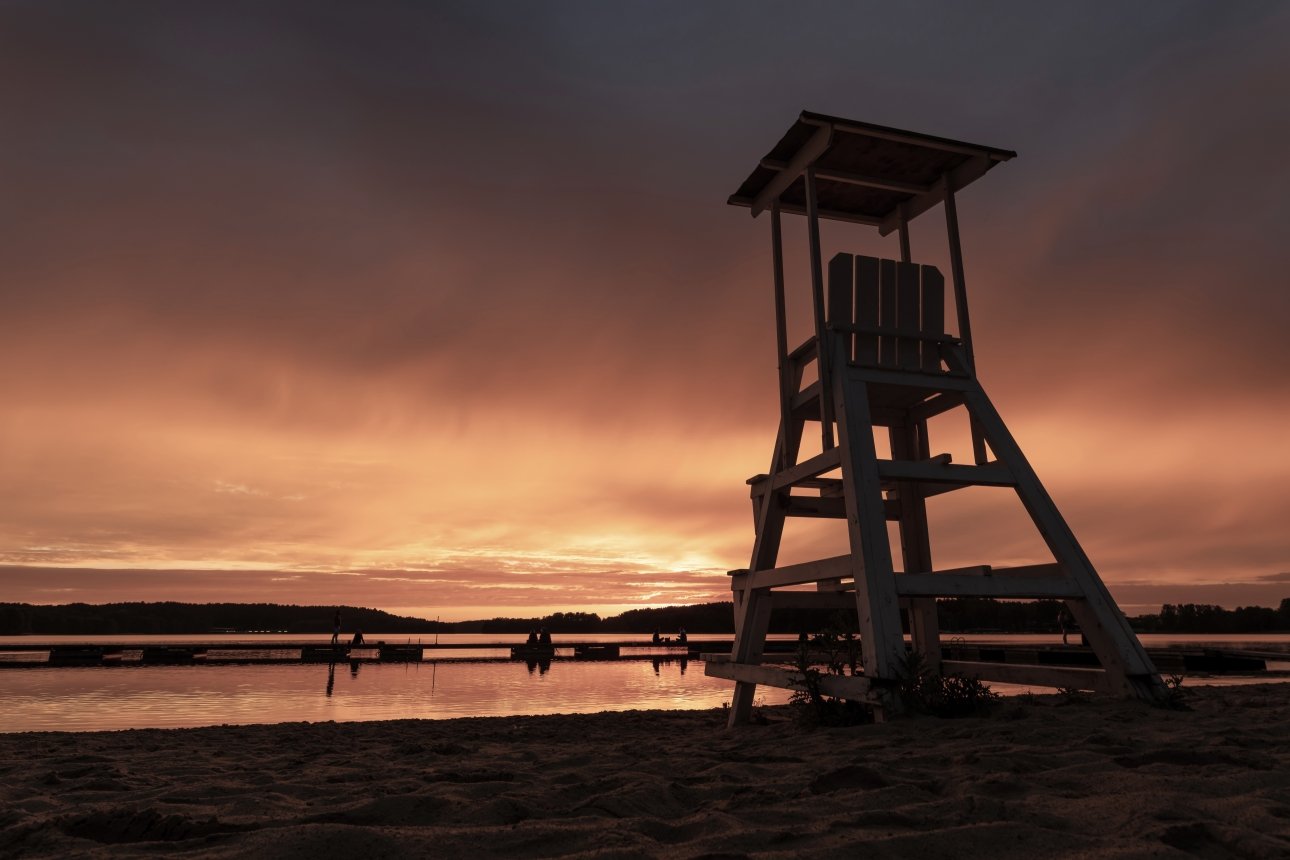
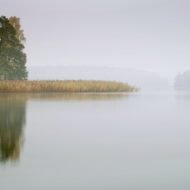
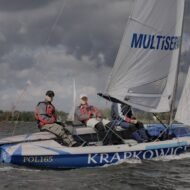
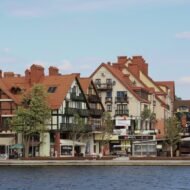
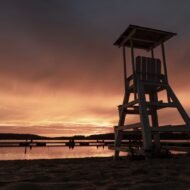
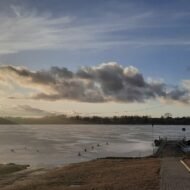
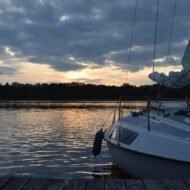
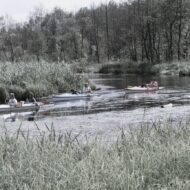
Masuria is the largest lake district in Europe — 2,000 lakes, 200,000 hectares of water and the most extraordinary inland waterscape on the continent. It is also the most overlooked. The Masurian Lakes sit in the northeastern corner of Poland, bordered by the Russian exclave of Kaliningrad to the northeast and the extraordinary Romincka primeval forest to the east — a territory of extraordinary natural beauty, extraordinary Prussian and Teutonic heritage and the most extraordinary piece of 19th century hydraulic engineering in Europe that almost no international visitor has heard of.
- The geography — 2,000 lakes and one extraordinary canal
- The four sub-regions
- I. The Western Lakes and the Canal
- II. The Central Lakes — Sailing and Fortress Territory
- III. Warmia — the Ecclesiastical Interior
- IV. The Eastern Border Lakes — the Russian Frontier
- The Teutonic Knights — the historical foundation
- Hitler’s Wolf’s Lair — the most extraordinary Cold War ruin
- How to reach Masuria
- The complete Masuria collection in The Wanders
- The four sub-region guides
- The Beyond the Map Field Guide
- Also in the Beyond the Map Regional Series
Masuria is not unknown in Poland. It is the most visited domestic holiday destination in the country — Polish families have been sailing its lakes, cycling its forests and eating smoked fish in its harbourside restaurants since the communist period when the Masurian Lakes were the approved destination for the Polish working holiday. The international travel market has not caught up. Type “Polish lakes” into any English-language travel platform and you will find either nothing or a paragraph directing you to Kraków instead. The Wanders covers what the international market misses.
The territory divides into four distinct sub-regions of completely different character — the western canal territory, the central sailing lakes, the ecclesiastical interior of Warmia and the extraordinary frontier lakes at the Russian border. Each is documented separately in The Wanders sub-region series below. This is the editorial map.
The geography — 2,000 lakes and one extraordinary canal
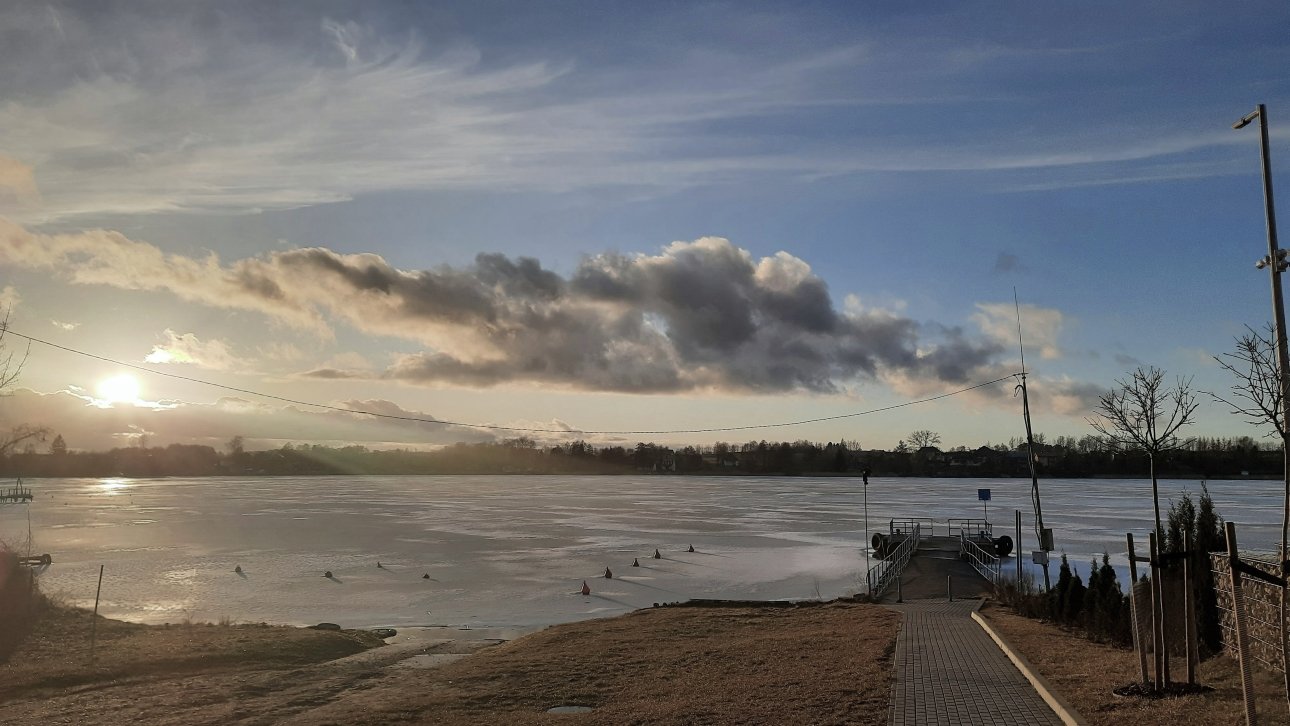
The Masurian Lake District extends approximately 290km east to west and 110km north to south across the northeastern Polish lowlands — a post-glacial landscape of extraordinary flatness shaped by the retreat of the Scandinavian ice sheet 12,000 years ago, which left behind the chain of morainic hills, glacial valleys and the extraordinary system of interconnected lakes that defines the Masurian landscape.
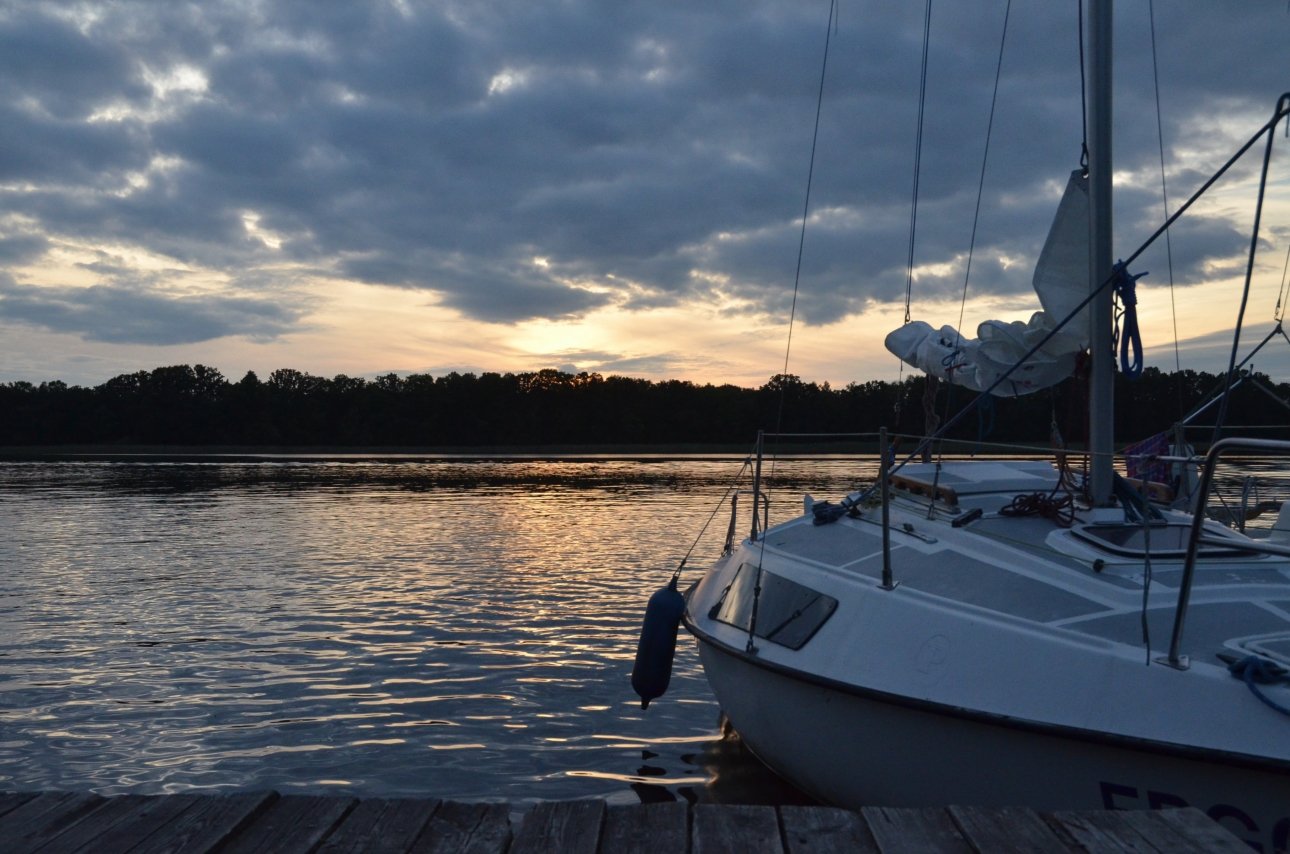
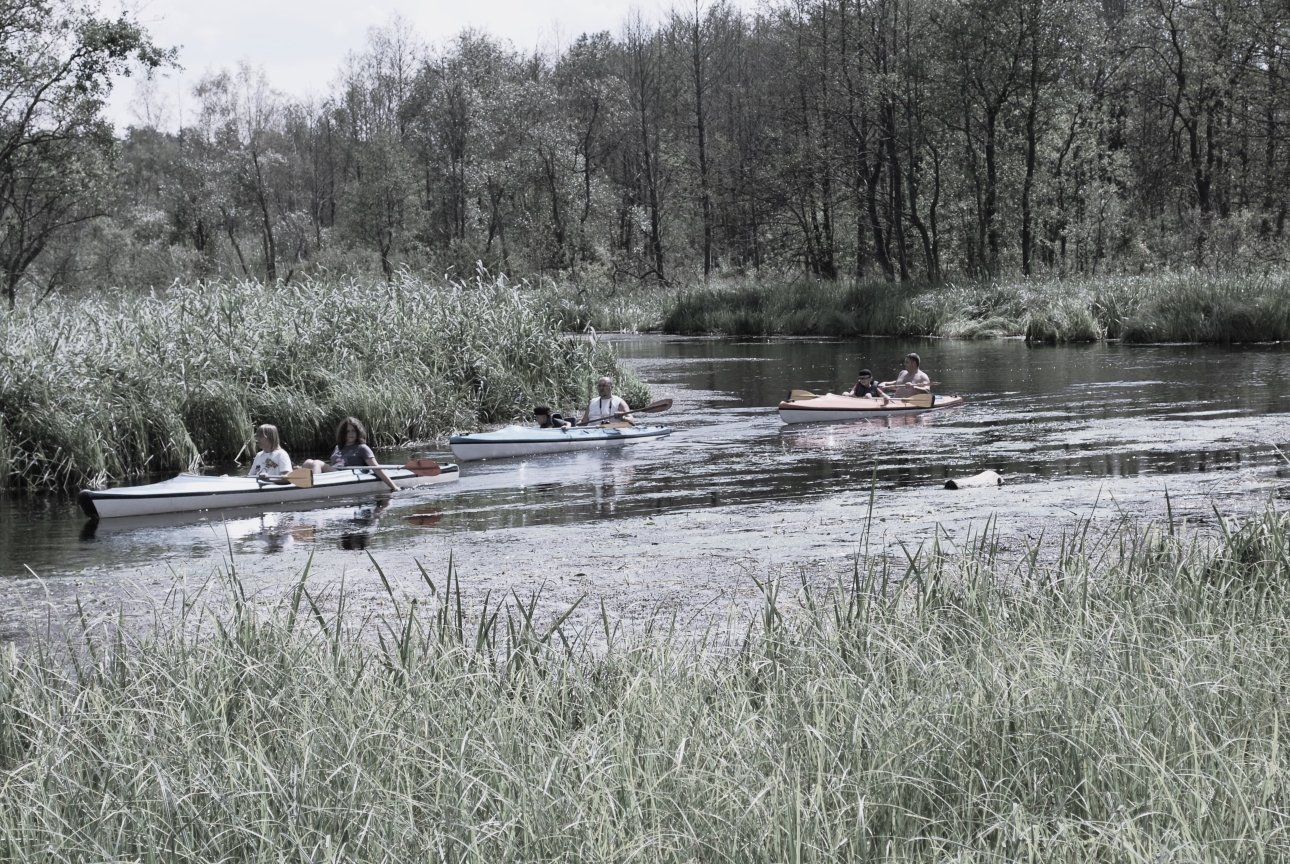
The lakes range in scale from the extraordinary Lake Śniardwy — the largest lake in Poland at 113 square kilometres — to hundreds of small woodland lakes connected by rivers, canals and portages into a navigable system of remarkable extent. The extraordinary Masurian Canal — the interconnected waterway system that connects the central lakes — allows sailors to navigate from Ostróda in the west to Węgorzewo in the northeast in a continuous water journey of several days through extraordinary forest and lake landscape.
The Elbląg Canal on the western edge of Masuria — the most extraordinary engineering element of the entire territory — connects the Masurian lake system to the Baltic coast at Elbląg using five extraordinary inclined plane lifts where boats are carried overland on rail-mounted cradles across the watershed between the lake plateau and the Baltic lowland. The only operating inclined plane canal system in the world.
The four sub-regions
I. The Western Lakes and the Canal
Ostróda: Where Poland’s Most Extraordinary Canal Begins →
The western gateway to Masuria — an extraordinary lake town on the Drwęca River and the starting point of the Elbląg Canal, with an extraordinary medieval castle above the lake and the most important canal infrastructure in Poland accessible directly from the town waterfront. The most logical entry point for the complete Masurian circuit from the west.
Elbląg Canal: Where Boats Climb Hills on Railway Carriages →
The single most extraordinary engineering spectacle in Poland — a 151km waterway connecting the Masurian Lakes to the Baltic coast, incorporating five inclined plane lifts where boats are carried overland on rail-mounted cradles up slopes of up to 24 metres. Built between 1844 and 1860 by the Prussian engineer Georg Jakob Steenke. The only operating inclined plane canal system in the world — a UNESCO candidate and the most extraordinary single attraction in the western Masurian territory.
[The Western Lakes and the Canal — complete sub-region guide →]
II. The Central Lakes — Sailing and Fortress Territory
Mikołajki: The Sailing Capital of the Masurian Lakes →
The most famous town in Masuria — the extraordinary lakeside settlement on the strait between Lake Śniardwy and Lake Mikołajskie, its extraordinary Protestant church reflected in the water, the extraordinary white swans of Mikołajki the most photographed wildlife in the Masurian Lakes. The sailing capital of Poland’s lake district and the most complete expression of the Masurian summer holiday culture.
Giżycko: Where the Masurian Lakes Meet a Prussian Fortress →
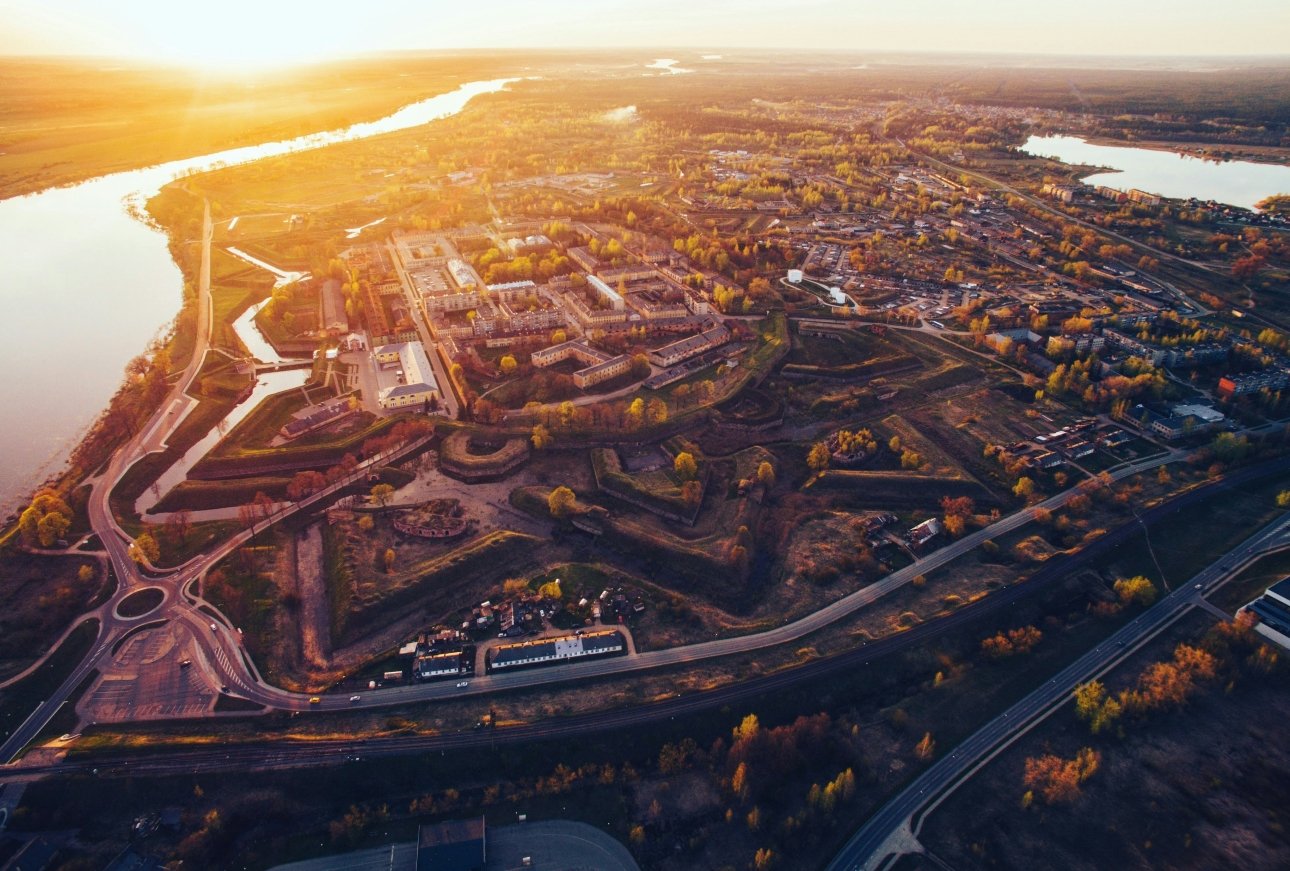
The most important town in the central Masurian Lakes — an extraordinary lakeside settlement on the Niegocin and Kisajno lakes containing the extraordinary Boyen Fortress, one of the most completely preserved Prussian star fortifications in Poland, built between 1844 and 1855 to the designs of the Prussian military architect Hermann von Boyen and preserved in extraordinary completeness. The most historically layered town in the central Masurian Lakes and the most undervisited given its extraordinary military heritage.
The Giżycko Bridge: Poland’s Last Rotating Road Bridge →
The most extraordinary single piece of engineering in the central Masurian Lakes — the manually operated rotary swing bridge connecting the two halves of Giżycko across the Łuczański Canal, the only manually operated rotating road bridge still in regular use in Poland. Built in 1898 by the Prussian military engineers who built the Boyen Fortress canal defences. Rotated by two bridge-keepers using a capstan mechanism of extraordinary simplicity. The most extraordinary surviving example of 19th century rotating bridge engineering in the country.
[The Central Lakes — complete sub-region guide →]
III. Warmia — the Ecclesiastical Interior
Warmia is the historical Catholic enclave within the predominantly Protestant Masurian territory — a diocese established in the 13th century by the Teutonic Knights whose extraordinary ecclesiastical heritage of Gothic cathedral cities, Baroque pilgrimage churches and medieval fortified bishop’s residences survives in the forest landscape of the Masurian interior with remarkable completeness.
Reszel: The Masurian Medieval Town Nobody Visits →
The most extraordinary and most completely overlooked medieval town in Warmia — a small Gothic town of extraordinary completeness in the Masurian interior, its extraordinary Teutonic castle above the river and its extraordinary Gothic church on the market square creating a medieval urban ensemble of remarkable quality that almost no international visitor reaches. The most authentically medieval small town in northeastern Poland.
Święta Lipka: The Baroque Church Whose Organ Figures Dance →
The most important pilgrimage site in Warmia and one of the most extraordinary Baroque churches in Poland — a pilgrimage church of remarkable architectural ambition in the middle of the Masurian forest, accessible by road from Kętrzyn, its extraordinary interior containing the most extraordinary Baroque organ in Poland. The organ’s mechanical system animates figures of angels, apostles and the Assumption of Mary during performances — one of the most extraordinary Baroque mechanical installations in Europe and one of the least known outside Poland.
[Warmia — complete sub-region guide →]
IV. The Eastern Border Lakes — the Russian Frontier
The eastern Masurian Lakes form the most extraordinary frontier territory in the EU — the region where the Polish lake district meets the Kaliningrad exclave of Russia in a landscape of extraordinary remoteness, extraordinary forest and the extraordinary geopolitical situation of the easternmost inhabited territory of the European Union.
Węgorzewo: Where the Masurian Lakes Meet the Russian Border →
The most northeastern lake town in Masuria — on the northern shore of Lake Mamry, the second largest lake in Poland, with the extraordinary Kaliningrad border visible from the lake’s northern shore on clear days. The most remote significant settlement in the Masurian Lakes and the most completely authentic — the international tourist circuit ends at Mikołajki and Giżycko, and Węgorzewo receives the visitors who come specifically because the circuit ends.
Gołdap: The Easternmost Town in Poland and the EU →
The easternmost town in Poland proper and the easternmost settlement of the Schengen Area at this latitude — a small spa town on the extraordinary Gołdap Lake at the edge of the extraordinary Romincka Forest, one of the oldest and most extraordinary primeval forest territories in northeastern Europe. The Russian border is 3km from the town centre. The extraordinary Cold War atmosphere of the frontier — the extraordinary border infrastructure, the extraordinary forest landscape and the extraordinary isolation of a town at the literal edge of the EU — gives Gołdap a completely distinctive character in the Masurian catalogue.
Ełk: The Eastern Masurian City the Tourist Circuit Misses →
The largest city in the eastern Masurian Lakes and the most complete urban infrastructure in southern Masuria — an extraordinary lakeside city on Ełk Lake with an extraordinary medieval castle, an extraordinary narrow-gauge railway museum and the most important regional centre for the eastern lake district. The city that the tourist circuit consistently overlooks in favour of Mikołajki and Giżycko, and whose extraordinary lake position and extraordinary cultural heritage justify the specific journey east.
[The Eastern Border Lakes — complete sub-region guide →]
The Teutonic Knights — the historical foundation
Masuria’s extraordinary built heritage is the legacy of the Teutonic Knights — the German military religious order that conquered and Christianised the Baltic Prussian territory in the 13th and 14th centuries, establishing the network of Gothic castle towns, cathedral cities and fortified churches that still defines the built landscape of northeastern Poland. The extraordinary Malbork Castle — the most extensive medieval castle complex in the world, 120km west of Masuria on the Nogat River — was the headquarters of the Teutonic Order and the most important single monument of the entire territorial heritage.
The extraordinary Teutonic castle at Reszel, the extraordinary fortified bishop’s residence at Lidzbark Warmiński and the extraordinary Gothic cathedral at Frombork — where Copernicus worked for thirty years and developed the heliocentric theory — are the most significant individual monuments of the Teutonic and Warmian ecclesiastical heritage within the Masurian territory.
Hitler’s Wolf’s Lair — the most extraordinary Cold War ruin
The Wolfsschanze — the Wolf’s Lair — 8km east of Kętrzyn in the Masurian forest is the most visited single historical site in Masuria and one of the most extraordinary Second World War heritage sites in Europe. Hitler’s primary Eastern Front headquarters from June 1941 to November 1944 — a complex of 80 concrete bunkers and fortifications of extraordinary scale and extraordinary construction, the concrete walls reaching 8 metres thickness in the most heavily protected structures. The site of the 20 July 1944 assassination attempt by Claus von Stauffenberg. The extraordinary ruins of the demolished bunkers — blown up by the retreating German forces in January 1945 but not destroyed by the extraordinary thickness of the concrete — are one of the most atmospherically extraordinary war heritage sites in Poland.
How to reach Masuria
By air:    Warsaw Chopin Airport — 3 hours by road
           Olsztyn-Mazury Airport (seasonal) —
           direct connections from Warsaw · 1 hour
           to the central lakes by road

By train:  Warsaw → Olsztyn: 2.5 hours (InterCity)
           Warsaw → Ełk: 3.5 hours
           Warsaw → Giżycko: 3.5 hours
           The railway connects the main lake towns
           but not the smaller settlements

By car:    The recommended approach for the complete
           Masurian circuit — the sub-regions are
           30-60km apart and public transport
           between them is limited

By boat:   The most extraordinary Masurian experience
           — renting a sailing boat or motorboat
           at Mikołajki or Giżycko and navigating
           the lake system independently
           Boat hire widely available · no licence
           required for boats under 7.5kW

Best seasons:
June-August    Sailing season · extraordinary lake
               light · water warm · full services
September      Extraordinary autumn light · reduced
               crowds · sailing conditions excellent
               · Wolf's Lair most atmospheric
May            Extraordinary wildflower forest ·
               pre-season quiet · good road cycling
Winter         Extraordinary ice on the lakes ·
               ice fishing tradition · spa season
               at Gołdap
The complete Masuria collection in The Wanders
| Destination | Sub-region | Character | Article |
|---|---|---|---|
| Ostróda | Western | Canal gateway · medieval castle · lake | Published |
| Elbląg Canal | Western | Boats on railways · UNESCO candidate | Published |
| Mikołajki | Central | Sailing capital · most famous lake town | Published |
| Giżycko | Central | Prussian fortress · lake junction | Published |
| Giżycko Bridge | Central | Last rotating road bridge in Poland | Published |
| Reszel | Warmia | Medieval · Gothic · nobody visits | Published |
| Święta Lipka | Warmia | Dancing organ figures · Baroque | Published |
| Węgorzewo | Eastern | Russian border · remote · Lake Mamry | Published |
| Gołdap | Eastern | Easternmost EU town · Romincka forest | Published |
| Ełk | Eastern | Eastern capital · tourist circuit misses | Published |
| Wolf’s Lair | Central | Hitler HQ · assassination attempt · ruins | Commissioning |
| Frombork | Warmia | Copernicus · Gothic cathedral · UNESCO | Commissioning |
| Malbork Castle | Western | Largest medieval castle in the world | Commissioning |
| Lidzbark Warmiński | Warmia | Bishop’s castle · Warmia capital | Commissioning |
| Kętrzyn | Central | Gateway to Wolf’s Lair · Teutonic castle | Commissioning |
The four sub-region guides
The Western Lakes and the Canal → Ostróda · Elbląg Canal · the extraordinary inclined plane engineering The Central Lakes → Mikołajki · Giżycko · the Prussian fortress · the rotating bridge Warmia: The Ecclesiastical Interior → Reszel · Święta Lipka · Frombork · Copernicus The Eastern Border Lakes → Węgorzewo · Gołdap · Ełk · the Russian frontier
The Beyond the Map Field Guide
Masuria: The Complete Beyond the Map Guide — €14
Ten published articles, four sub-regions, the most extraordinary canal engineering in Europe and the easternmost town in the EU. Poland’s lake district documented beyond the domestic tourist circuit.
Beyond the Map Regional Series →
Also in the Beyond the Map Regional Series
Transylvania: The Region That Dracula Overshadowed → Bohemia: The Kingdom at the Heart of Europe → The Albanian Riviera: Europe’s Last Undiscovered Mediterranean Coast → The Picos de Europa: Three Regions, One Extraordinary Mountain →
Masuria is part of The Wanders Beyond the Map Regional Series — extraordinary European regions documented beyond the standard travel itinerary.