

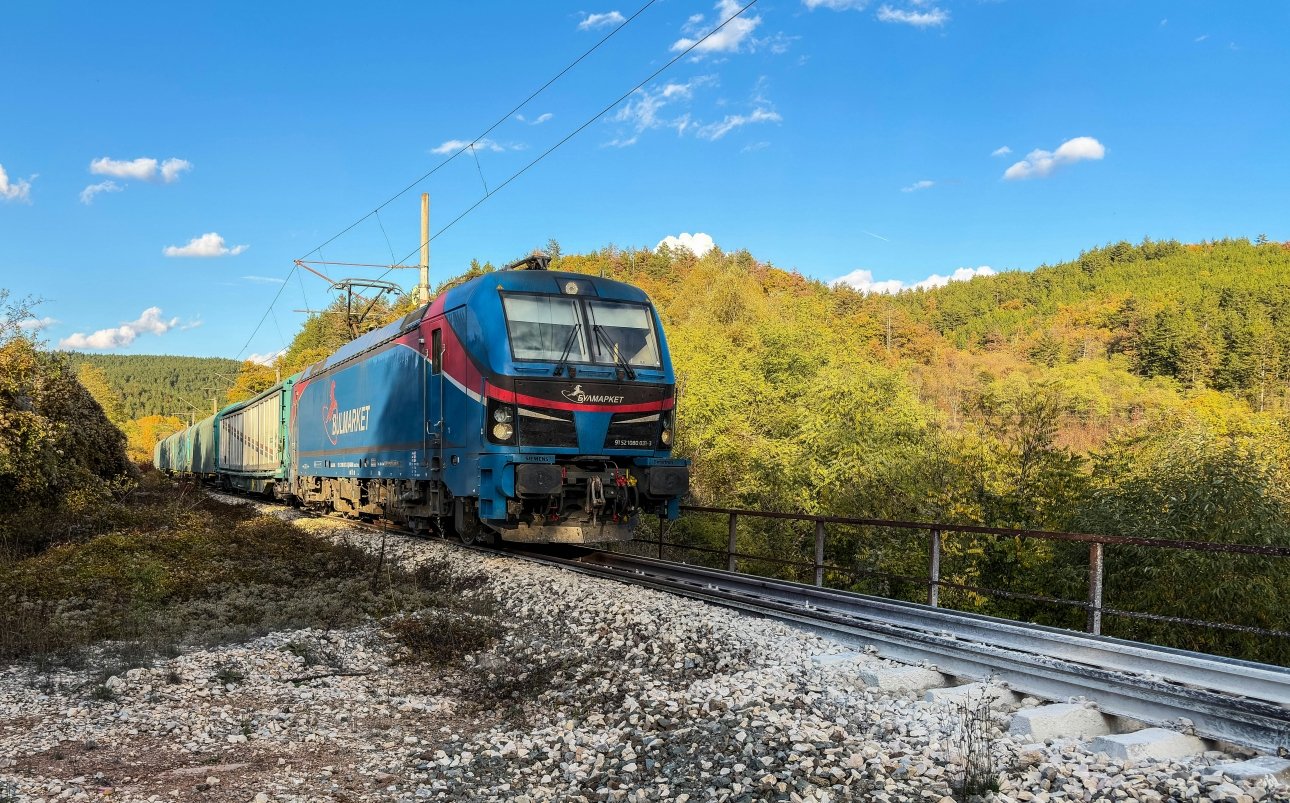
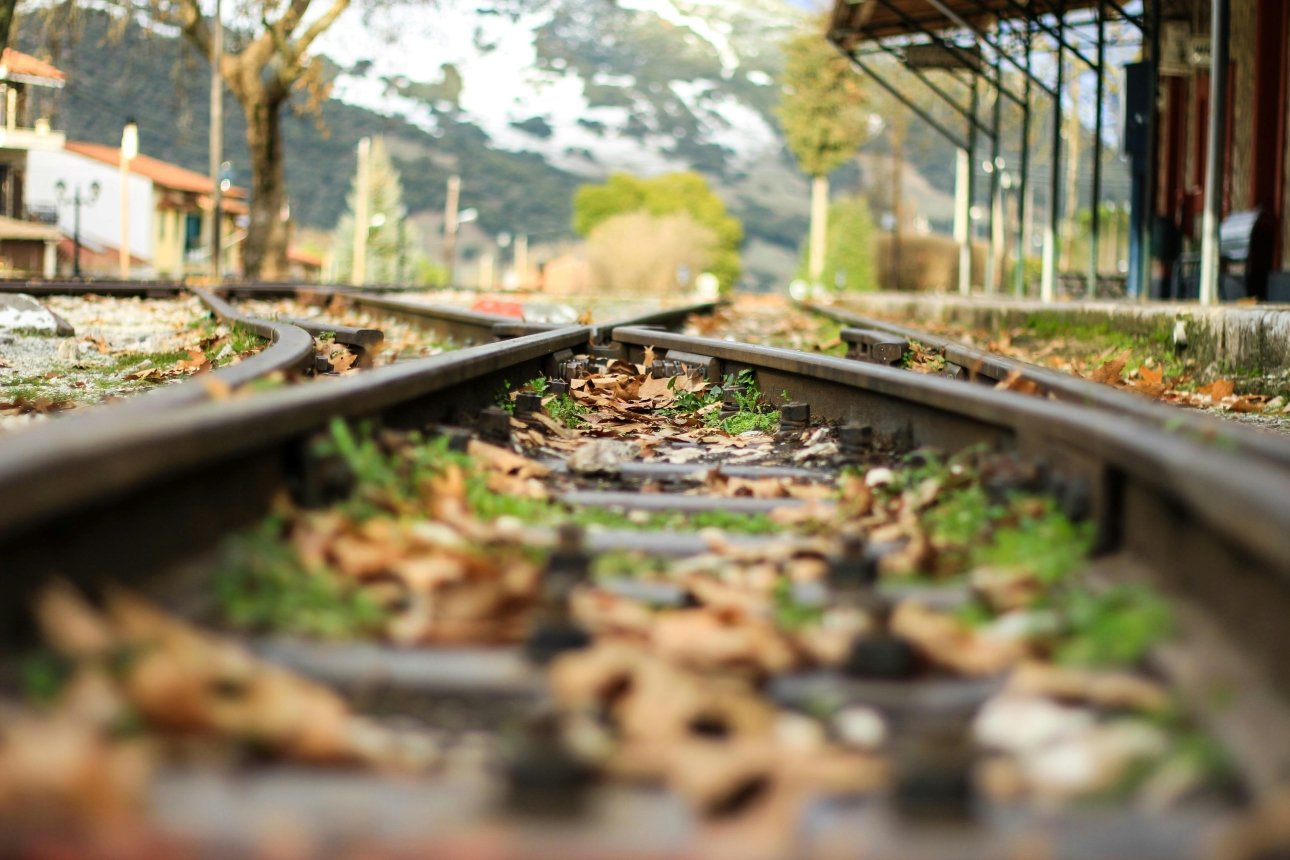
The Glacier Express and the Bernina Express appear in every European train travel article written in the last decade. They are extraordinary railways. They are also the beginning of the conversation rather than the end of it.
- The editorial principle
- I. The Mountain Lines — altitude by rail
- II. The Heritage and Steam Lines — engineering as history
- III. The High-Altitude Lines — above the treeline
- IV. The Northern Lines — Arctic and Scandinavian railways
- V. The Balkan Lines — the undocumented territories
- VI. The Winter Railway — skiing, overnight trains and the seasonal network
- The seasonal guide — which railway, which month
- The complete rail collection in The Wanders
- The Beyond the Map Train Field Guide — coming
- The four seasonal cluster articles
Europe has 240,000 kilometres of railway. The Glacier Express covers 291 kilometres of them. The Bernina Express covers 122. The remaining 239,587 kilometres contain the railways that the standard scenic train article has never covered — the Šargan Eight spiralling up a Serbian mountain in a figure-of-eight, the Petit Train d’Artouste at 2,000 metres above the French Pyrenees accessible only by cable car, the Furka Steam Railway crossing the Swiss pass where Goldfinger was filmed in 1964, the overnight train from Stockholm to Abisko where the window reveals the Arctic Circle at dawn.
This is the editorial guide to the European railways worth going to specifically — not as an addition to a trip but as the reason for one. Organised by territory. Linked to the seasons when each railway reveals its most extraordinary version of the landscape it crosses.
The editorial principle
A railway reveals what roads conceal and what aircraft eliminate entirely. The valley structure. The river gorge. The watershed. The specific relationship between the settlement and the mountain above it that determined where the station was built and therefore where the town grew. A train window at the correct speed — narrow-gauge slow, mountain-line deliberate — is the most complete reading of a European landscape available.
The railways in this guide were chosen on one criterion: they show you something extraordinary that you cannot see any other way.
I. The Mountain Lines — altitude by rail
Albula Line: The UNESCO Railway Through the Swiss Alps →
The Albula Railway is the most extraordinary piece of mountain railway engineering in Switzerland and the foundation on which the Bernina Express and the Glacier Express both depend — the 67km narrow-gauge line from Thusis to St Moritz through the extraordinary Albula and Engadine valleys, crossing the watershed at 1,820 metres through a spiral tunnel of extraordinary complexity, crossing six extraordinary viaducts including the Landwasser Viaduct where the train disappears directly into the cliff face. UNESCO World Heritage since 2008. The highest views available from any railway in the Swiss Alps before the high-altitude tourist lines. The 848-view Wanders article that more readers find than the Glacier Express itself.
Landwasser Viaduct: The Train That Disappears Into the Cliff →
The six-arched limestone viaduct at Filisur where the Rhaetian Railway curves in a 65-metre arc above the Landwasser River gorge before disappearing directly into the cliff face through a tunnel entrance built into the viaduct itself. Built in 1902. Still crossing daily. In October when the larch forest below turns gold, the most extraordinary single railway vista in Switzerland.
Bernina Express: The Highest Railway Crossing in the Alps →
The 122km journey from Chur to Tirano in Italy — crossing the Bernina Pass at 2,253 metres, the highest railway crossing in the Alps, through extraordinary spiral loops of extraordinary engineering audacity, past the extraordinary Lago Bianco at the summit and descending through the extraordinary Poschiavo valley to the Italian border. October is the most extraordinary month — the larch forest turning on both sides of the summit simultaneously.
Glacier Express: The Slowest Express Train in the World →
291 bridges, 91 tunnels, 8 hours between St Moritz and Zermatt — the train that markets itself as the slowest express in the world across the extraordinary Oberalp Pass at 2,033 metres. The Beyond the Map angle: the eastern section from Chur to Disentis through the extraordinary Rhine Gorge — the Swiss Grand Canyon, one of the most dramatic river gorge landscapes in the Alps — is the most extraordinary landscape of the entire route and the section that every Glacier Express guide covers last if at all.
Swiss Alps by Rail: The Routes Beyond the Famous Names →
Flåm Railway: Norway’s Most Dramatic Mountain Descent →
20 kilometres. 863 metres of descent. The Flåm Railway from Myrdal to Flåm is the most dramatically engineered mountain railway in Scandinavia — dropping from the extraordinary Hardangervidda plateau through extraordinary tunnels and hairpin sections to the extraordinary Aurlandsfjord below. September is the most extraordinary month: the birch forest along the route has turned gold and the extraordinary waterfalls at Kjosfossen are at their maximum autumn flow.
Austrian Alps by Rail: Five Extraordinary Mountain Lines →
II. The Heritage and Steam Lines — engineering as history
Semmering Railway: The UNESCO Line That Started Everything →
Built between 1848 and 1854 across the Semmering Pass south of Vienna — the first mountain railway in Europe, the proof that steam engines could climb grades previously considered impossible, the engineering demonstration that opened the entire Alpine railway network. UNESCO World Heritage since 1998 — the first railway in the world to receive the designation. Without the Semmering, the Flåm and the Rhaetian and the Mariazell would not exist. The most historically significant railway in Europe and the one that every scenic train guide mentions last.
Mariazell: The Austrian Railway That Climbs to a Pilgrimage Town →
The extraordinary 91km narrow-gauge line from St Pölten through the extraordinary Traisen valley and the extraordinary Erlauf gorge to the extraordinary pilgrimage town of Mariazell in the Styrian Alps — the most important Catholic pilgrimage site in Austria at the end of the most extraordinary alpine narrow-gauge line in the country. The extraordinary combination of the engineering achievement and the sacred destination gives the Mariazell Railway a completely distinctive character in the Austrian rail catalogue.
Furka: The Swiss Steam Railway Above the Goldfinger Pass →
The Furka Pass road is where the opening sequence of Goldfinger was filmed in 1964 — Bond’s Aston Martin pursued across the extraordinary mountain switchbacks above the glacier. The Furka Steam Railway crosses the same pass — the extraordinary restored steam locomotives running through the extraordinary high-alpine landscape on the route that was abandoned in 1982 when the Furka Base Tunnel opened and that Swiss volunteers rebuilt between 1992 and 2010 in one of the most extraordinary acts of voluntary railway restoration in European history. The most atmospheric alpine steam railway in Europe.
Festiniog Railway: Wales’s Oldest and Most Extraordinary Line →
The world’s oldest surviving narrow-gauge passenger railway — operating continuously since 1836, 13.5 miles through the extraordinary Snowdonia landscape from Porthmadog on the Cardigan Bay coast to the extraordinary slate mining heartland of Blaenau Ffestiniog. The extraordinary engineering of the Deviation — the section rebuilt in the 1970s when the Festiniog line was partially flooded by a reservoir — is one of the most extraordinary acts of railway reconstruction by volunteers in railway history.
Snowdon Railway: The Only Rack Railway to a British Summit →
The only rack-and-pinion mountain railway in Britain — the extraordinary Abt rack system engaging with a toothed rail on the centreline of the track, the extraordinary steam and diesel locomotives pushing their carriages up the extraordinary 4.7-mile climb to the summit of Snowdon at 1,085 metres. The most extraordinary mountain railway experience in the British Isles and the only way to reach the highest summit in Wales without walking.
Europe’s Steam Railways: The Complete Heritage Train Guide →
Narrow Gauge Europe: The Railways That Go Where Others Can’t →
III. The High-Altitude Lines — above the treeline
Petit Train d’Artouste: France’s Highest Open-Air Railway →
The most extraordinary tourist railway in the French Pyrenees — a 10km narrow-gauge line at 2,000 metres altitude in the Pyrénées-Atlantiques, running along the extraordinary Lac d’Artouste above the extraordinary Ossau valley, accessible only by cable car from the Fabrèges dam below. The train runs along the extraordinary cliff edge above the lake on tracks so close to the precipice that the extraordinary views across the Pyrenees to the Spanish border are visible directly below the carriage. One of the highest open-air railways in Europe at 1,086 views the highest-performing railway article in The Wanders collection — more people are looking for this than for the Glacier Express.
Swiss Alps by Rail: The Routes Beyond the Famous Names →
The complete guide to the Swiss alpine railway network beyond the two famous names — the extraordinary Mont Blanc Express through the French and Swiss Alps, the extraordinary Rigi Railway (the first mountain railway in Europe 1871), the extraordinary Jungfrau Railway to the Jungfraujoch at 3,454 metres, the highest railway station in Europe.
IV. The Northern Lines — Arctic and Scandinavian railways
Stockholm to Abisko: The Overnight Train to the Arctic Circle →
The most extraordinary overnight train journey in Scandinavia — the 17-hour sleeper from Stockholm Central to Abisko in Swedish Lapland, crossing the Arctic Circle in the early hours of the morning, arriving at dawn in the extraordinary landscape of the Torneträsk lake and the extraordinary Abisko National Park. The train window at 3am showing the extraordinary Arctic darkness in winter, the extraordinary midnight sun in June, the extraordinary autumn colour of the Lapland birch forest in September. The most atmospheric overnight train experience in northern Europe and one of the most complete arguments for sleeping on a train rather than in a hotel.
Europe’s Most Extraordinary Winter Train Journeys →
V. The Balkan Lines — the undocumented territories
The railway territories that the standard scenic train article has never reached — the Balkan lines where extraordinary landscape has been crossed by extraordinary engineering and almost no international travel editorial has followed.
Šargan Eight: The Serbian Railway That Spirals Up a Mountain →
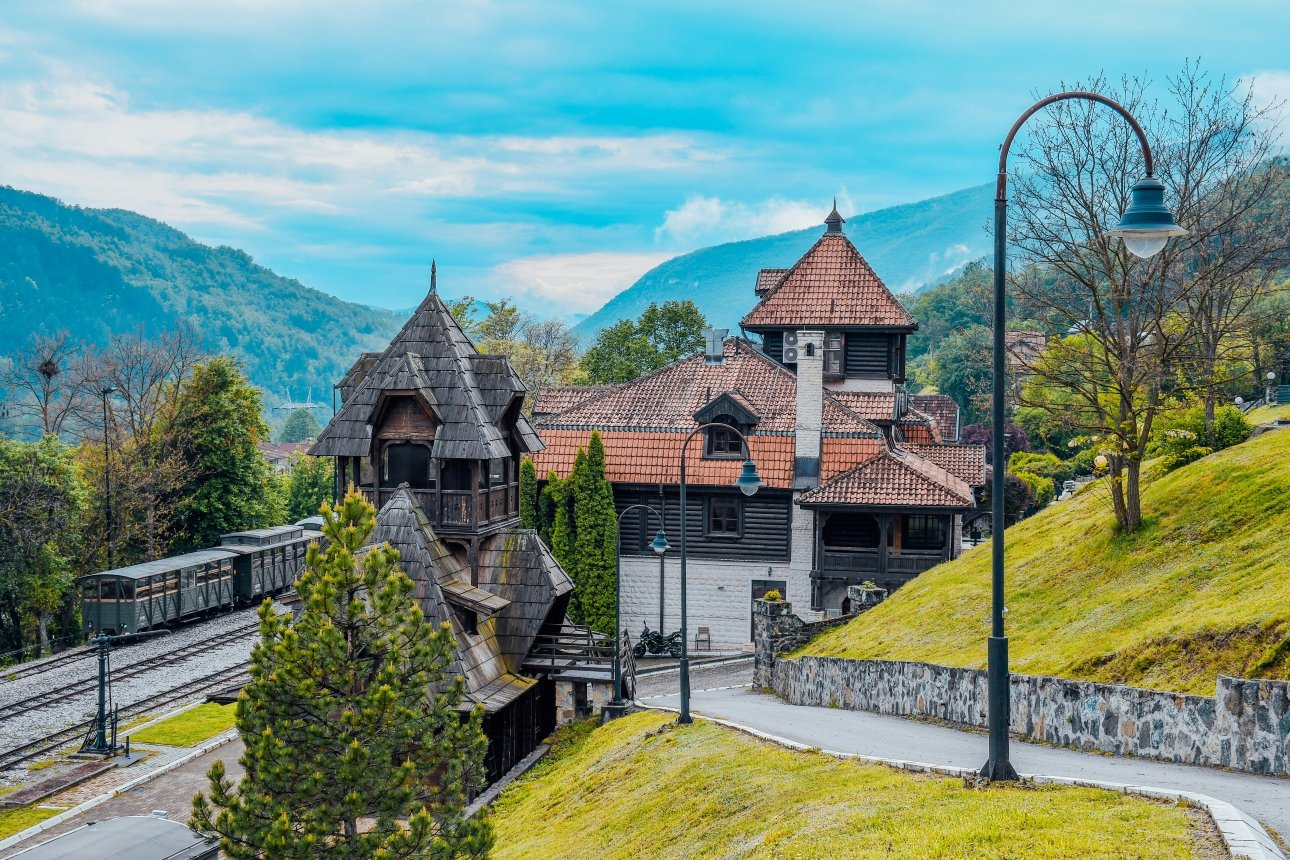
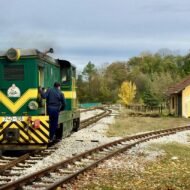
The most extraordinary narrow-gauge heritage railway in the Balkans — a 15.4km line in western Serbia between Mokra Gora and Šargan Vitasi that climbs 300 metres through the extraordinary Šargan mountain landscape in a figure-of-eight spiral, the tracks crossing themselves twice as the line gains altitude through extraordinary tunnels and extraordinary cuttings. Built by the Austro-Hungarian Empire between 1921 and 1925. Closed in 1974. Reopened as a heritage railway in 2003. The most extraordinary piece of Austro-Hungarian railway engineering surviving in the Balkans and the most completely unknown to international visitors. 764 views — and growing.
The Belgrade to Bar Railway — 200 tunnels, 435 bridges, the Mala Rijeka Viaduct at 200 metres the highest railway viaduct in Europe, the descent from the Serbian plateau to the Montenegrin Adriatic coast through the extraordinary Dinaric Alps. The most dramatic railway in the western Balkans. Completely undocumented in quality English travel editorial.
The Sarajevo to Mostar line — the extraordinary Bosnian railway descending through the Neretva canyon, the extraordinary river gorge visible from the carriage in a landscape of extraordinary geological drama. One of the most extraordinary railway descents in southeastern Europe.
Europe’s Most Epic Train Journeys: Beyond the Standard Routes →
Rail Routes Across Europe: The Ones Worth the Journey →
VI. The Winter Railway — skiing, overnight trains and the seasonal network
Ski Europe by Train: The Complete Resort Guide →
The complete guide to European ski resorts accessible without a car — the extraordinary rail connections to Chamonix, Innsbruck, Zermatt (car-free by regulation, accessible only by train from Visp), Saas-Fee (car-free, extraordinary narrow-gauge approach) and the extraordinary Arlberg resorts accessible from Innsbruck and Zurich.
How to Board a Train With Skis (And Still Hold Your Coffee) →
The most practically specific article in The Wanders railway collection — the logistics that every skier using European trains needs and that no ski resort guide provides. The carriage types by country. The luggage van. The booking requirement. The extraordinary moment of boarding a Swiss narrow-gauge train with two pairs of skis in a carriage designed for handbags.
Europe’s Most Extraordinary Winter Train Journeys →
The specific railway experiences that only exist in winter — the extraordinary overnight train from Vienna to Innsbruck arriving before the lifts open, the extraordinary Bernina Express in January snow with the Lago Bianco frozen, the extraordinary Stockholm to Abisko sleeper in the Arctic winter darkness.
The seasonal guide — which railway, which month
SEPTEMBER
Flåm Railway             →  birch gold · maximum waterfall flow
Albula / Landwasser       →  larch approaching full turn
Stockholm to Abisko       →  Arctic autumn colour · best month
Petit Train d'Artouste    →  last weeks before October closure
Šargan Eight             →  Balkan autumn · least crowded

OCTOBER
Bernina Express          →  larch turning both sides of pass
                             most extraordinary Bernina month
Landwasser Viaduct       →  gold larch · peak photography
Mariazell Railway        →  Styrian autumn forest
Festiniog Railway        →  extraordinary Welsh autumn colour
Semmering Railway        →  Vienna daytrip · Styrian forest

NOVEMBER — FEBRUARY
Glacier Express           →  snow on the Oberalp Pass
Stockholm to Abisko       →  Arctic darkness · northern lights
                             from the moving train window
Ski resorts by train      →  season opening · book early
Furka Steam Railway       →  CLOSED (summer season only)

APRIL — MAY
Petit Train d'Artouste    →  reopening · snow still on peaks
Semmering                 →  spring forest · least crowded
Šargan Eight             →  Serbian spring · extraordinary green
Snowdon Mountain Railway  →  reopening · best clear visibility

JUNE — AUGUST
All routes operating
Glacier Express and
Bernina Express at peak   →  book months in advance
Stockholm to Abisko       →  midnight sun from the window
The complete rail collection in The Wanders
| Railway | Territory | Character | Views | Article |
|---|---|---|---|---|
| Petit Train d’Artouste | France · Pyrenees | Highest open-air railway · 2,000m | 1,086 | Published |
| Festiniog Railway | Wales | World’s oldest narrow gauge · 1836 | 1,036 | Published |
| Semmering Railway | Austria | First mountain railway · UNESCO | 796 | Published |
| Narrow Gauge Europe | Pan-European | Lines standard gauge missed | 753 | Published |
| Šargan Eight | Serbia · Balkans | Figure-of-eight spiral · 300m climb | 764 | Published |
| Steam Train Guide | Pan-European | Complete heritage guide | 737 | Published |
| Epic Train Journeys | Pan-European | Beyond the standard routes | 737 | Published |
| Albula Line | Switzerland | UNESCO · six viaducts | 848 | Published |
| Austrian Alps by Rail | Austria | Five mountain lines | 666 | Published |
| Stockholm to Abisko | Sweden · Arctic | Overnight to Arctic Circle | 657 | Published |
| Winter Train Journeys | Pan-European | Six extraordinary winter routes | 565 | Published |
| Furka Steam Railway | Switzerland | Goldfinger pass · volunteers rebuilt | 554 | Published |
| Flåm Railway | Norway | 863m descent · September birch | 543 | Published |
| Snowdon Mountain Railway | Wales · UK | Only rack railway to British summit | 531 | Published |
| Mariazell Railway | Austria | Narrow gauge · pilgrimage town | 506 | Published |
| Swiss Alps by Rail | Switzerland | Routes beyond the famous names | 501 | Published |
| Bernina Express | Switzerland · Italy | Highest Alpine crossing | 474 | Published |
| Glacier Express | Switzerland | Slowest express in the world | — | Published |
| Rail Routes Europe | Pan-European | The ones worth the journey | 737 | Published |
| Ski Europe by Train | Pan-European | Car-free ski resort guide | 333 | Published |
| How to Board with Skis | Practical | Train travel with ski equipment | 265 | Published |
21 published articles · 6 clusters · one extraordinary collection
The Beyond the Map Train Field Guide — coming
Train Journeys Beyond the Map: The Complete European Railway Guide — €14
The practical companion to this editorial collection — timetables and booking logistics for every route, the specific seat recommendations for the correct side of each carriage, the exact weeks when each landscape is most extraordinary, the booking platforms by country, the reservation requirements, the overnight train network currently being rebuilt across the continent.
Six sections: mountain lines, heritage railways, high-altitude lines, northern routes, Balkan lines and the winter railway network.
The four seasonal cluster articles
[Train Journeys Beyond the Map: Autumn →] — September and October · larch turning · harvest lines · the window at its most extraordinary
[Train Journeys Beyond the Map: Winter →] — December to February · overnight network · ski approach lines · Arctic darkness
[Train Journeys Beyond the Map: Spring →] — April and May · reopening season · the lines that only run summer
[Train Journeys Beyond the Map: Summer →] — June to August · all routes operating · booking strategy for peak season
The Wanders Rail Collection is part of the Beyond the Map series — Europe documented beyond the standard travel itinerary.