




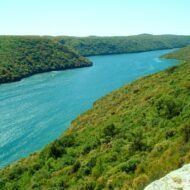
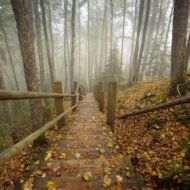

There is a specific moment in late August when Europe changes register. It happens quietly — a shift in the angle of the light, a drop of three degrees in the evening temperature, a morning mist on the river valleys that was not there the week before. The summer crowds have not gone yet. But something has changed.
- 1. The light
- 2. The vendemmia — the wine harvest
- 3. The mushroom forest — Baltic September
- 4. The truffle season — October opens
- 5. The migration — extraordinary wildlife in transit
- 6. The thermal window — outdoor pools in cool autumn air
- 7. The bear season — the Carpathians in September
- 8. The harvest festivals — beyond Oktoberfest
- 9. The empty extraordinary places
- 10. The window — autumn train journeys
- 11. La rentrée — the return of European cities
- The autumn reading list — The Wanders articles for the season
By the first week of September it is complete. The crowds have receded from the extraordinary places. The light is lower, warmer and more directional than any light available in July. The food culture of the continent has entered its most extraordinary phase — the harvest season, the truffle season, the mushroom season, the vendemmia. The wildlife is most active. The thermal spas are most atmospheric. The train windows contain landscapes that summer green had been concealing for four months.
September and October in Europe are not the consolation prize for travellers who could not afford August. They are the correct season for extraordinary European travel — the season that rewards going further, spending longer, looking harder and knowing where to find what only happens now.
This is The Wanders guide to the phenomena that make early autumn in Europe genuinely extraordinary — not the destinations, but what autumn does to them.
1. The light
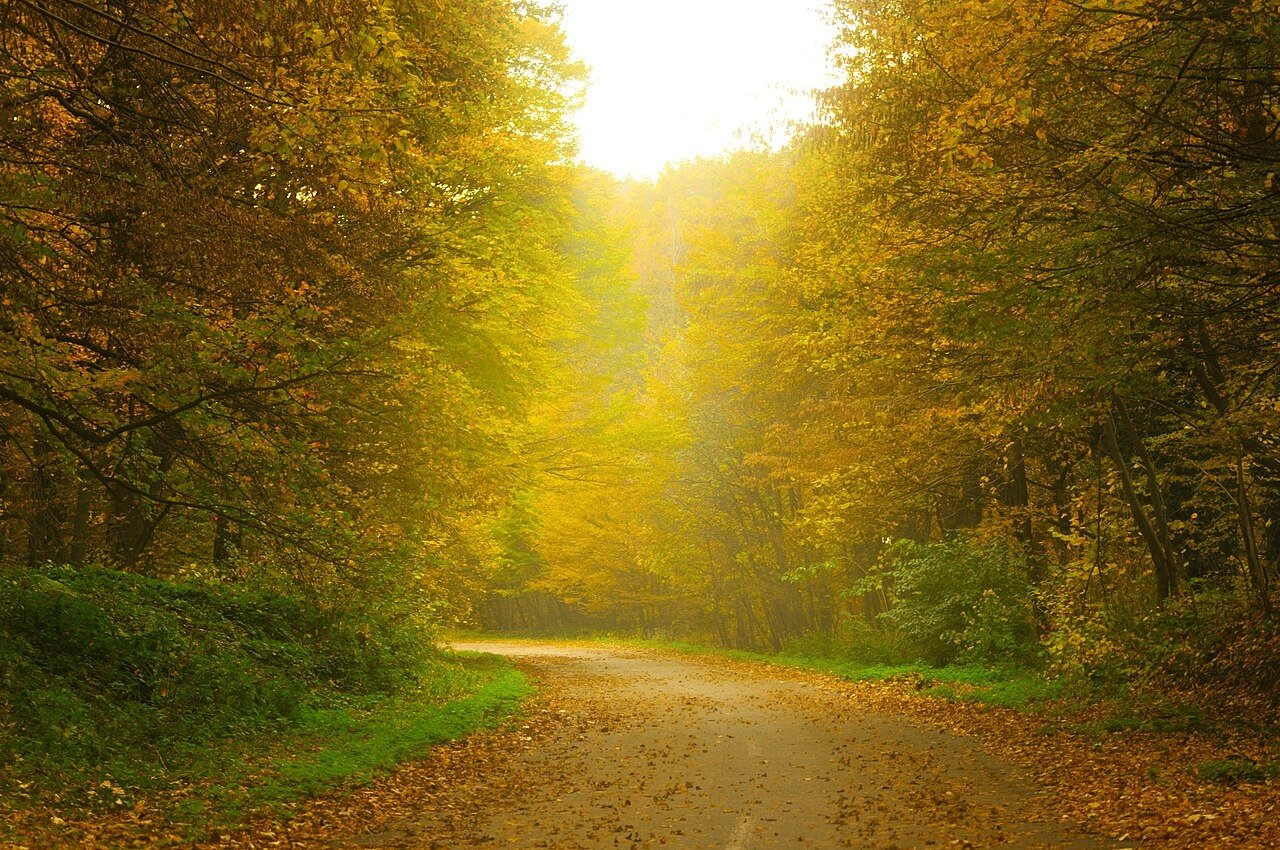
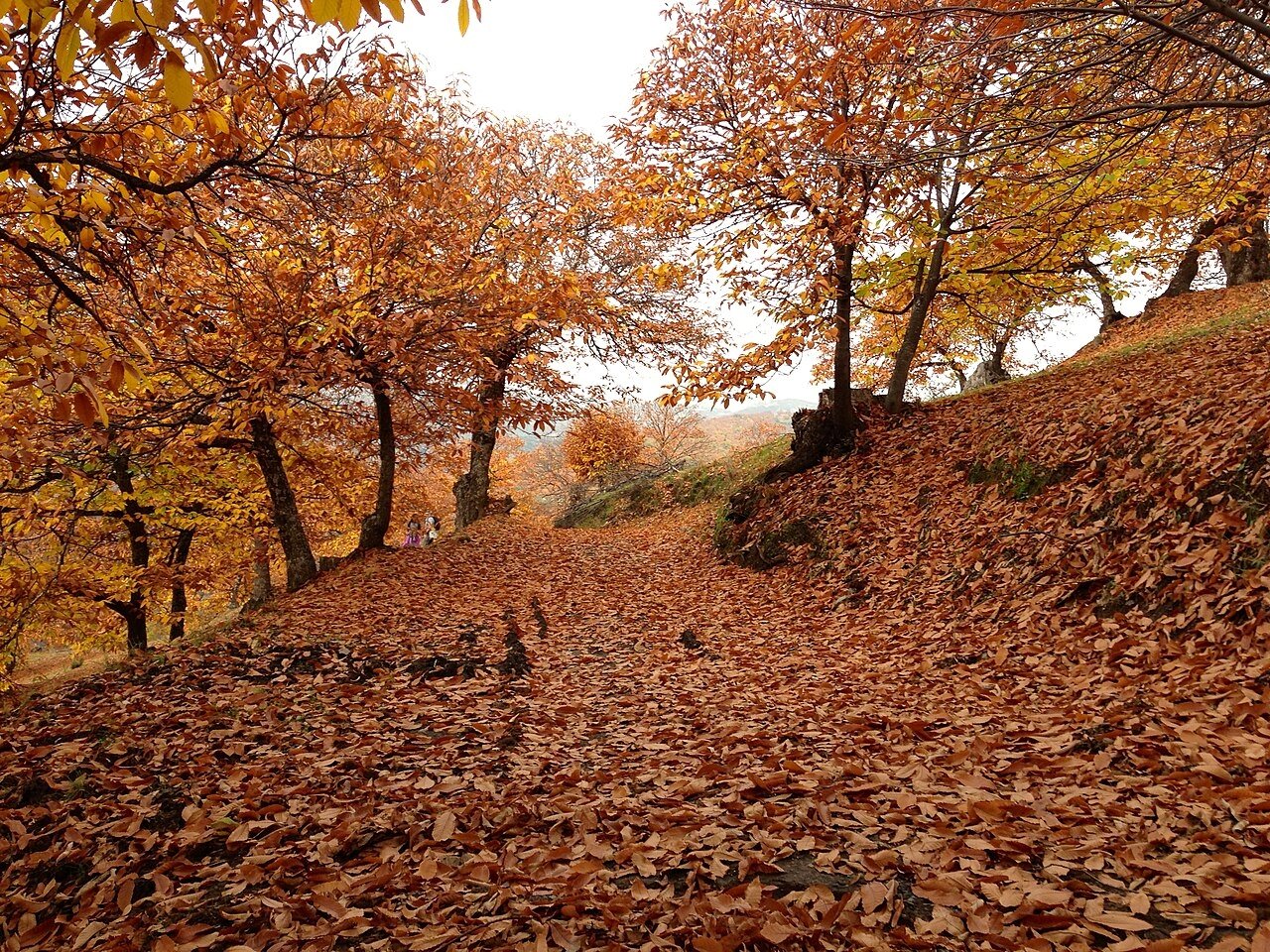
September light in Europe is measurably different from July light. The sun angle drops from its summer maximum and the quality of illumination changes fundamentally — lower, more directional, warmer in colour temperature, producing a longer golden hour that extends from the hour after dawn through the morning and returns for two hours before sunset.
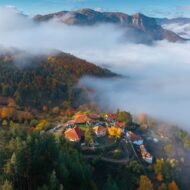
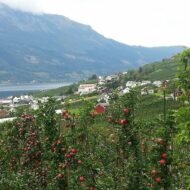
Landscape photographers across Europe plan their most important shoots specifically for September and October. The Norwegian fjord photographers wait for the birch forest to turn gold in the second week of September. The Dolomites photographers arrive in October specifically for the larch forest light on the pale limestone faces. The Transylvanian photographers target the Saxon village circuit in October when the low morning light hits the fortified church towers and the surrounding fields have turned.
This is not incidental. The light that makes European landscape photography extraordinary is not available in summer. The extraordinary quality of the Wanders coverage — the extraordinary images that accompany the extraordinary editorial — is most completely achievable in September and October. Travel in the correct season for the places you are going.
2. The vendemmia — the wine harvest
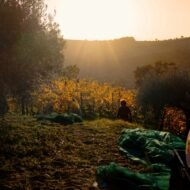
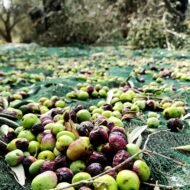
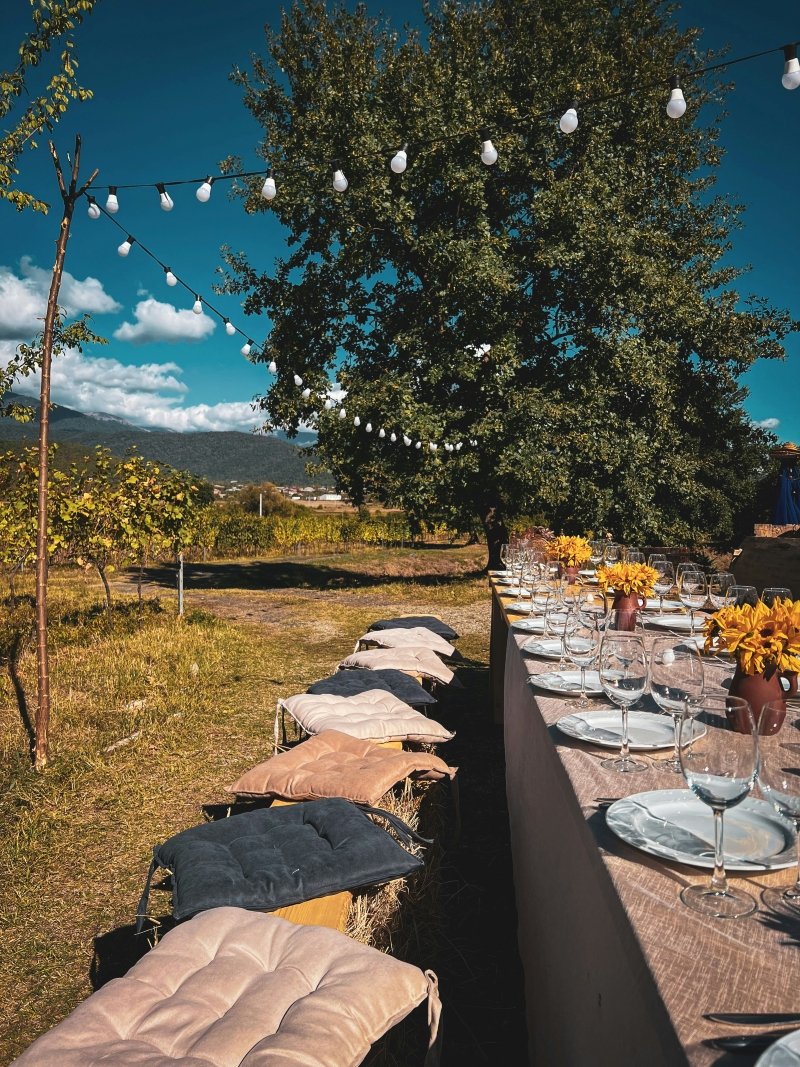
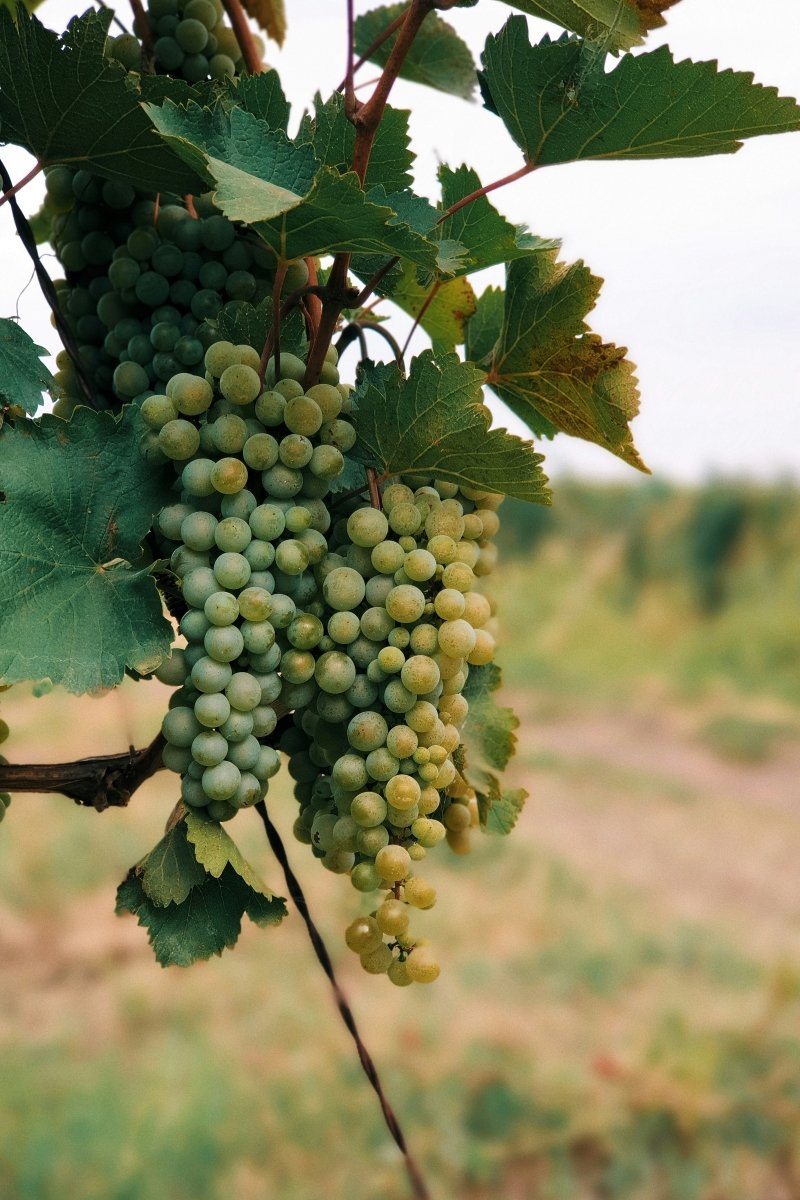
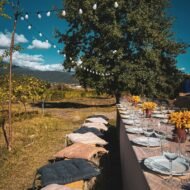
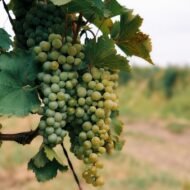
The vendemmia — the Italian word for wine harvest — is the most important agricultural event of the European year, visible to any traveller who moves through wine country between late August and mid-October. The specific timing varies by latitude, altitude and grape variety: Champagne sets picking dates by village in early September, Burgundy picks Pinot Noir and Chardonnay together in the third week of September, Bordeaux finishes Cabernet on the Left Bank by mid-October, Alsace runs late into October when the extraordinary larch-gold Vosges mountain forest overlaps with the harvest season on the slopes below.
Kakheti: The Wine Country That Invented the Grape →
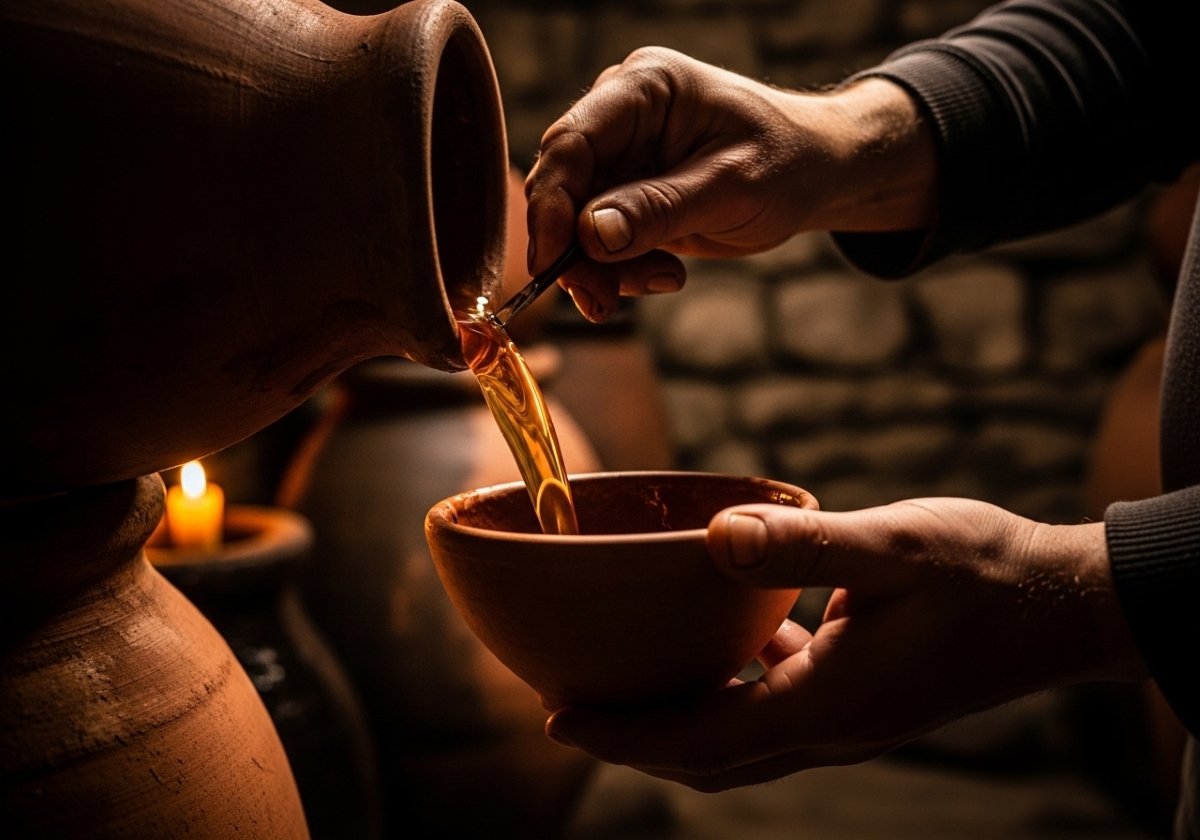
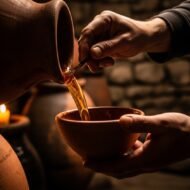
Georgia’s Rtveli harvest festival — held in September — is the most extraordinary wine harvest celebration in the Caucasus and one of the most extraordinary in the world: the 8,000-year continuous viticultural tradition of the Kakheti valley reaching its annual moment of extraordinary communal activity. The qvevri clay vessels buried in the marani earth floors of the family wine cellars being filled with the crushed Rkatsiteli and Saperavi grapes in a ritual unchanged in its essentials for eight millennia.
Istrian Wine: The Two Grapes Nobody Else Can Grow →
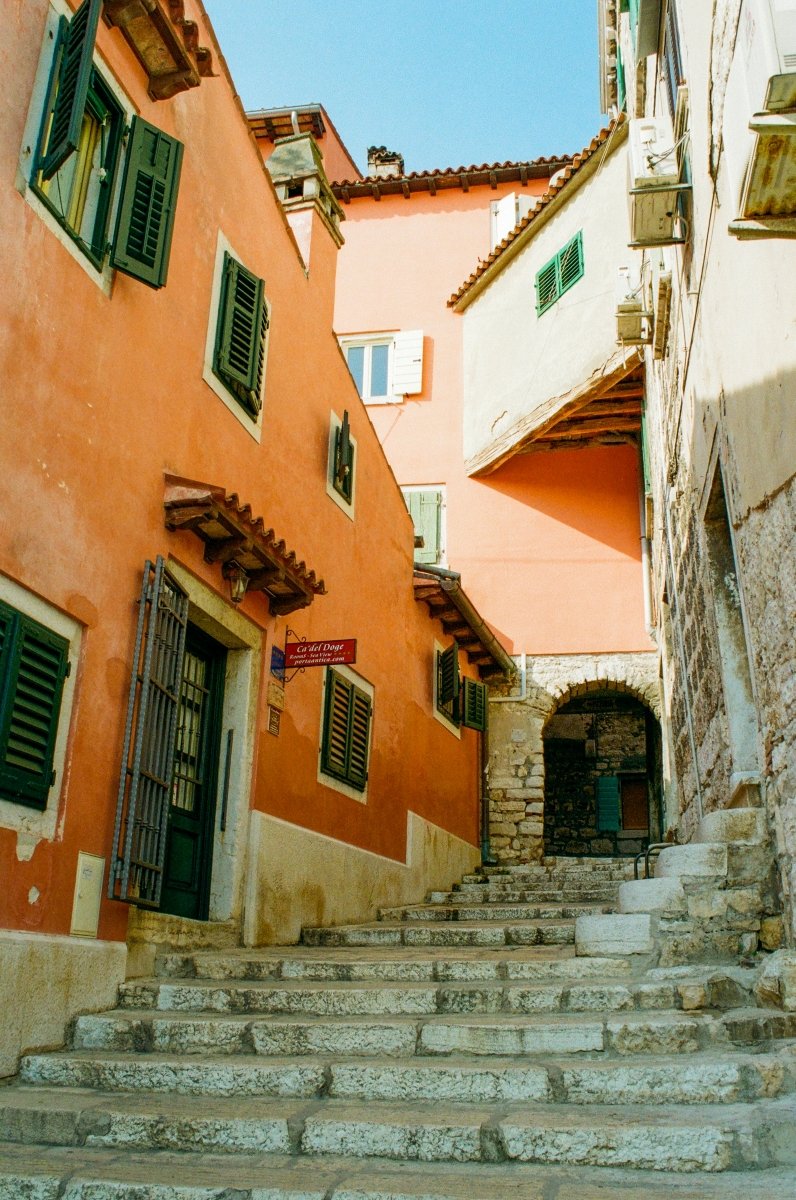
The Istrian wine road between October and January — when the extraordinary white truffle harvest of the Motovun forest meets the extraordinary new Malvazija wine release from the Kozlović and Cattunar producers of the plateau — is the most extraordinary food and wine convergence in the Adriatic world.
Riquewihr: The French Wine Town That Speaks German →
Alsace runs the latest vendange of any major French wine region — the Gewurztraminer and Pinot Gris hanging on the slopes of the Vosges into October while the extraordinary autumn colour of the mountain forest turns behind the vineyards. The extraordinary wine town of Riquewihr in October — when the harvest is underway, the extraordinary half-timbered architecture is lit by the low autumn sun and the summer tourists have gone — is the most completely beautiful version of Alsace available in any season.
3. The mushroom forest — Baltic September
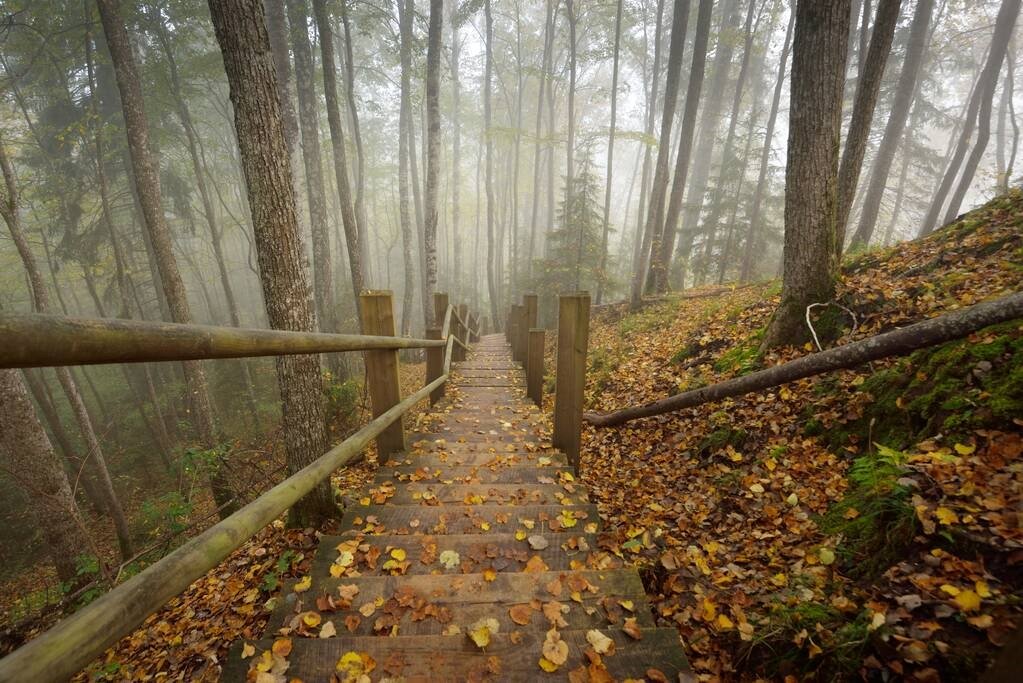
In Estonia, Latvia, Lithuania, Finland and Sweden, the first weekend of good mushroom weather in September produces a mass movement of the population into the forest — families, colleagues, entire communities — with baskets and knives, returning in the afternoon with extraordinary quantities of ceps, chanterelles, honey mushrooms and birch boletes. The Baltic September mushroom tradition is the most extraordinary food culture event in northern Europe — a foraging practice so deeply embedded in the culture that it functions as a social institution, a family tradition and a genuine food source simultaneously.
Baltic September: When the Entire Forest Becomes a Restaurant →
Understanding this tradition as a travel experience requires understanding it on its own terms — not as a guided foraging walk but as an invitation to participate in the most ordinary and most extraordinary thing that Baltic families do in September. The extraordinary pine and birch forests of the Estonian islands, the extraordinary Latvian coastal forest, the extraordinary Lithuanian forest above the Curonian Spit — all at their most actively used and most beautiful in the specific window of September mushroom season.
4. The truffle season — October opens
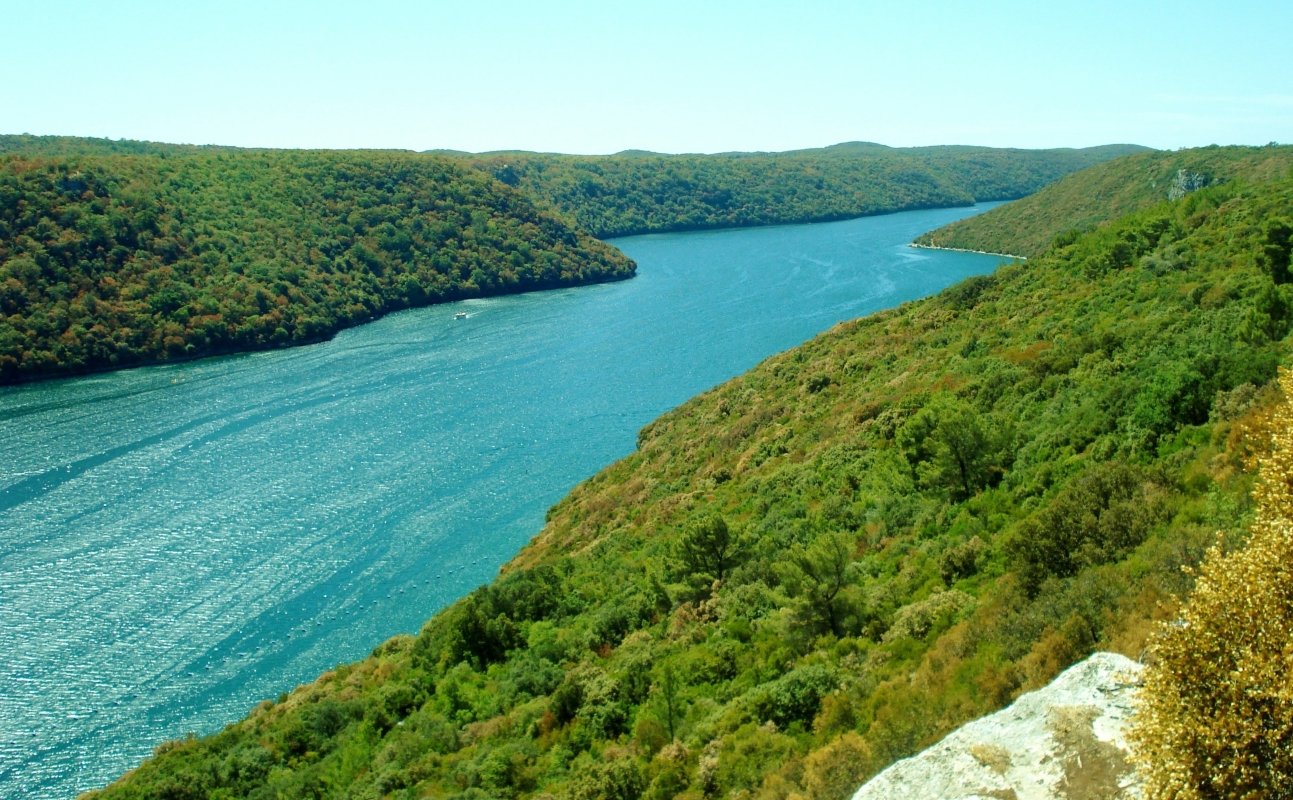
The Istrian white truffle — Tuber magnatum — begins its extraordinary season in October in the Motovun forest along the Mirna River valley. The same season opens in the Langhe hills of Piedmont around Alba, where the extraordinary Alba White Truffle Fair runs every weekend through November — the most important truffle market in Europe, drawing buyers from the extraordinary restaurants of France, Japan and the United States to a small city in the Piedmont hills.
The truffle is the most commercially valuable food product in Europe. Its season is specific, its geography is precise and its culinary pairing with the Istrian Malvazija and the Piedmont Barolo — both released in the same October-November window — produces the most extraordinary food and wine combination available in European travel. A plate of fresh white truffle shaved over pasta with a glass of Kozlović Malvazija Santa Lucia in a Mirna valley konoba in October is the most extraordinary simple luxury available in Croatia.
Istrian Wine: The Two Grapes Nobody Else Can Grow → Konobas: Why Croatia’s Best Food Is Never on the Waterfront →
5. The migration — extraordinary wildlife in transit
The Camargue in September and October is the most important bird migration stopover in the western Mediterranean — 400 species recorded as the extraordinary wetland of the Rhône delta fills with migratory birds moving between their breeding grounds in northern Europe and their African wintering territories. The extraordinary flamingo breeding season ends in September and the non-breeding flocks consolidate on the salt pans in their most concentrated numbers of the year — the most extraordinary flamingo spectacle available in the Camargue calendar.
The Camargue: France’s Wild South → The Gardian: France’s Forgotten Cowboy of the Camargue Marshes →
The Strait of Gibraltar in September and October is the most important raptor migration corridor in Europe — honey buzzards, black kites, short-toed eagles and ospreys crossing from Spain to Africa in their hundreds of thousands in a spectacle of extraordinary scale visible from the extraordinary headland of Tarifa. The most dramatic bird migration event in western Europe and the most consistently overlooked by travel editorial that covers birds only when they are flamingos.
6. The thermal window — outdoor pools in cool autumn air
The extraordinary European thermal spa tradition reaches its most atmospheric moment in September and October when the outdoor thermal pools produce the most visually extraordinary experience of the year — the extraordinary steam rising from the surface in the cool morning air, the extraordinary contrast of warm water against the cool autumn landscape, the extraordinary quiet of spa towns that the summer season has departed.
Băile Tușnad → — Romania’s highest altitude spa town in the extraordinary volcanic Szeklerland landscape — the outdoor thermal pools in October with the extraordinary Carpathian autumn forest visible on the surrounding slopes. The most completely atmospheric thermal experience in Romania in any season.
Benjë: Where Albania’s Hot Springs Meet Europe’s Last Wild River → — the extraordinary natural thermal pools at 32°C in the Vjosa River valley in September — the river at its most extraordinary clear autumn level, the extraordinary Ottoman bridge above, the extraordinary surrounding mountain landscape turning in the cool September air.
Gołdap: The Easternmost Town in Poland and the EU → — the extraordinary spa tradition of the most eastern Polish lake town, the Romincka forest turning around the extraordinary Gołdap Lake in October. The most overlooked thermal spa destination in northeastern Europe.
7. The bear season — the Carpathians in September
The brown bear populations of the Carpathian Mountains — the largest in Europe outside Russia at approximately 6,000 animals — are most active in September and October before the hibernation period begins. The extraordinary concentration of bear activity in this specific window, combined with the extraordinary autumn colour of the Carpathian beech and oak forest, makes September the most rewarding single month for wildlife observation in the Romanian mountains.
Transylvania: The Region That Dracula Overshadowed →
Bear watching from hides near Zărnești in the Bucegi foothills — the most accessible and most reliably productive bear observation experience in Romania — is at its most extraordinary in September and October. The same window that produces the most extraordinary bear activity produces the most extraordinary larch and beech forest colour in the extraordinary Carpathian landscape surrounding the observation sites.
The Carpathians in Autumn: Europe’s Most Underrated Forest →
8. The harvest festivals — beyond Oktoberfest
Oktoberfest is the most famous European harvest festival. It is also the most visited, the most photographed and the most thoroughly documented. The harvest festivals that the Beyond the Map territories produce in September and October are more extraordinary, more living in character and more completely unvisited by international travellers.
Covadonga: Where the Reconquista Began in 722 AD → — the extraordinary September pilgrimage to the most historically significant site in northern Spain, the holy cave and basilica above the extraordinary Picos de Europa national park in a landscape of remarkable autumn character.
Picos de Europa: The Mountains First Seen From the Atlantic → — the extraordinary Picos de Europa in September when the Cabrales cheese season begins, the extraordinary mountain heather turns on the limestone plateau and the extraordinary Cares Gorge walks are available without the summer visitor pressure.
The Rtveli Georgian harvest — celebrated across the Kakheti wine region in September with the extraordinary communal pressing of the extraordinary Saperavi and Rkatsiteli grapes into the qvevri clay vessels — is the most extraordinary living harvest festival in Europe that no international travel editorial has documented seriously. The extraordinary village-scale celebrations, the extraordinary qvevri filling, the extraordinary Georgian feast culture at harvest — completely uncontested editorial territory.
Georgia: The Caucasus Country at the Edge of Everything →
9. The empty extraordinary places
The specific calculation of autumn travel that every experienced traveller understands and almost no travel editorial articulates: the places that are genuinely extraordinary become genuinely accessible when the summer crowd mathematics shift.
Ushguli: Nine Centuries of Tower Houses at 2,200 Metres → — the most extraordinary inhabited medieval landscape in the Caucasus is accessible only between June and October when the Abano Pass road is open. September is the last full month before the October closure — the most extraordinary combination of accessibility, autumn colour on the surrounding Caucasus peaks and the reduced visitor numbers that make the extraordinary tower village character most visible.
Abano Pass: The Most Dangerous Road in the Caucasus → — the most extraordinary mountain road in Georgia closes entirely in November. September is its last extraordinary window — the Tusheti plateau below the pass in extraordinary September light, the extraordinary high meadows turning, the extraordinary isolated communities of Omalo and Bochorna in their last weeks of summer access.
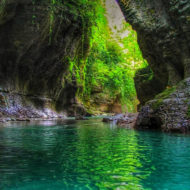
Martvili Canyon: The Georgian Gorge You Navigate by Boat → — the most visited Georgia article in The Wanders collection — 4,029 views. September is the most extraordinary month in the canyon — the extraordinary emerald water at its clearest after the summer, the extraordinary limestone walls above the river in the most extraordinary quality of September light, the visitor numbers a fraction of the August peak.
10. The window — autumn train journeys
Autumn is the only season when the train window produces landscape that the destination itself cannot. The specific combination of lower-angle light, turning forest and clear mountain air creates railway views in September and October that are genuinely unavailable in summer — not better versions of summer views but completely different images that only exist at this moment of the year.
Landwasser Viaduct: The Train That Disappears Into the Cliff →
The Rhaetian Railway in October — when the extraordinary larch forest below the extraordinary limestone viaduct at Filisur has turned to gold and the train disappears into the cliff face through an arch of extraordinary autumn colour — is the most completely beautiful version of the most extraordinary piece of railway engineering in Switzerland. The Bernina Express books its right-side October seats months in advance specifically for this landscape. The Landwasser is extraordinary in any season. In October it is something else entirely.
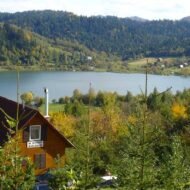
Norway’s Fjords in Autumn: When the Birch Turns Gold → The Flåm Railway in the second week of September — when the extraordinary birch forest along the 20km descent from Myrdal to Flåm has turned to the most extraordinary gold — is the most beautiful version of the most dramatically engineered mountain railway in Europe. The extraordinary waterfalls at maximum autumn flow entering the gorge above the railway. The extraordinary quality of September light in the Norwegian fjord landscape at its most complete seasonal transformation.
Elbląg Canal: Where Boats Climb Hills on Railway Carriages → — the most extraordinary piece of hydraulic engineering in Poland operates its final weeks of the season in September. The extraordinary inclined plane lifts carrying boats overland on railway carriages across the Masurian watershed — in the extraordinary September forest of the western lake district, the beech canopy above the canal turning as the boats make their final autumn crossings.
The Belgrade to Bar railway in September — the most extraordinary long-distance Balkan train journey, crossing 200 tunnels and 435 bridges between the Serbian plateau and the Montenegrin coast through the extraordinary autumn forest of the Dinaric Alps — reaches the extraordinary Mala Rijeka Viaduct at 200 metres the highest railway viaduct in Europe, with the extraordinary Montenegrin mountain landscape in full September turning below.
The Tbilisi to Borjomi line in October — through the extraordinary Lesser Caucasus autumn forest of the Borjomi-Kharagauli National Park, the extraordinary Georgian narrow-gauge railway passing through forest of extraordinary October colour to the extraordinary spa town of Borjomi — is the most atmospheric single train journey in the South Caucasus and one of the most completely unknown to international travellers.
11. La rentrée — the return of European cities
The most overlooked dimension of September in European cities is the cultural phenomenon of la rentrée — the French word for the return of normal life after the August pause. In France, Italy, Spain and Portugal, August is the month of institutional closure — the month when restaurants shut, galleries close, businesses take holidays collectively and the cities belong to tourists rather than to their inhabitants.
La rentrée arrives in the first week of September. The restaurants reopen with their autumn menus — the truffle menus, the harvest menus, the game menus. The galleries mount their most important autumn exhibitions. The concert halls and opera houses begin their new seasons. The streets fill with the specific energy of a city returning to its own life — not performing for visitors but simply living, which visitors happen to witness.
Rome in September is the most dramatically improved major European city of any season — the August heat has gone, the September temperature settles at an extraordinary 26-28°C, the Colosseum and Vatican are accessible without the August visitor pressure and the city’s extraordinary food and cultural life resumes after the collective summer pause. Florence in October — the Uffizi without queues, the Boboli Gardens in extraordinary early October light, the Arno at its most atmospheric. Tbilisi in September — the extraordinary Georgian capital in the most extraordinary month of its cultural calendar.
Christmas in Tbilisi: When Georgia Celebrates on 7 January → — the other end of the extraordinary Tbilisi cultural calendar. September begins the season that ends in the extraordinary Georgian Orthodox Christmas of early January.
The autumn reading list — The Wanders articles for the season
The Regional Guides for autumn:
- Transylvania → — Saxon villages · bears · October forest
- The Camargue → — migration · flamingos · September light
- Georgia → — Rtveli harvest · Ushguli window · mountain roads
- Picos de Europa → — Cabrales season · Covadonga · gorge walks
- Istria → — truffle season · wine release · Venetian autumn
The destination articles:
- Kakheti → — September harvest
- Băile Tușnad → — thermal autumn
- Benjë → — hot springs · wild river
- Ushguli → — last September access
- Abano Pass → — final autumn window
- Martvili Canyon → — September clarity
- Landwasser Viaduct → — October larch
- Elbląg Canal → — September final weeks
- Covadonga → — September pilgrimage
- Riquewihr → — October vendange
- Istrian Wine → — October release
- Baltic mushrooms → — September foraging
- Carpathians in Autumn → — October forest
The Beyond the Map Field Guides — for the autumn seasons of specific territories:
Transylvania: The Complete Beyond the Map Guide → — €14 Georgian Wine Territory Field Guide → — €12 Albanian Riviera: The Complete Beyond the Map Guide → — €12